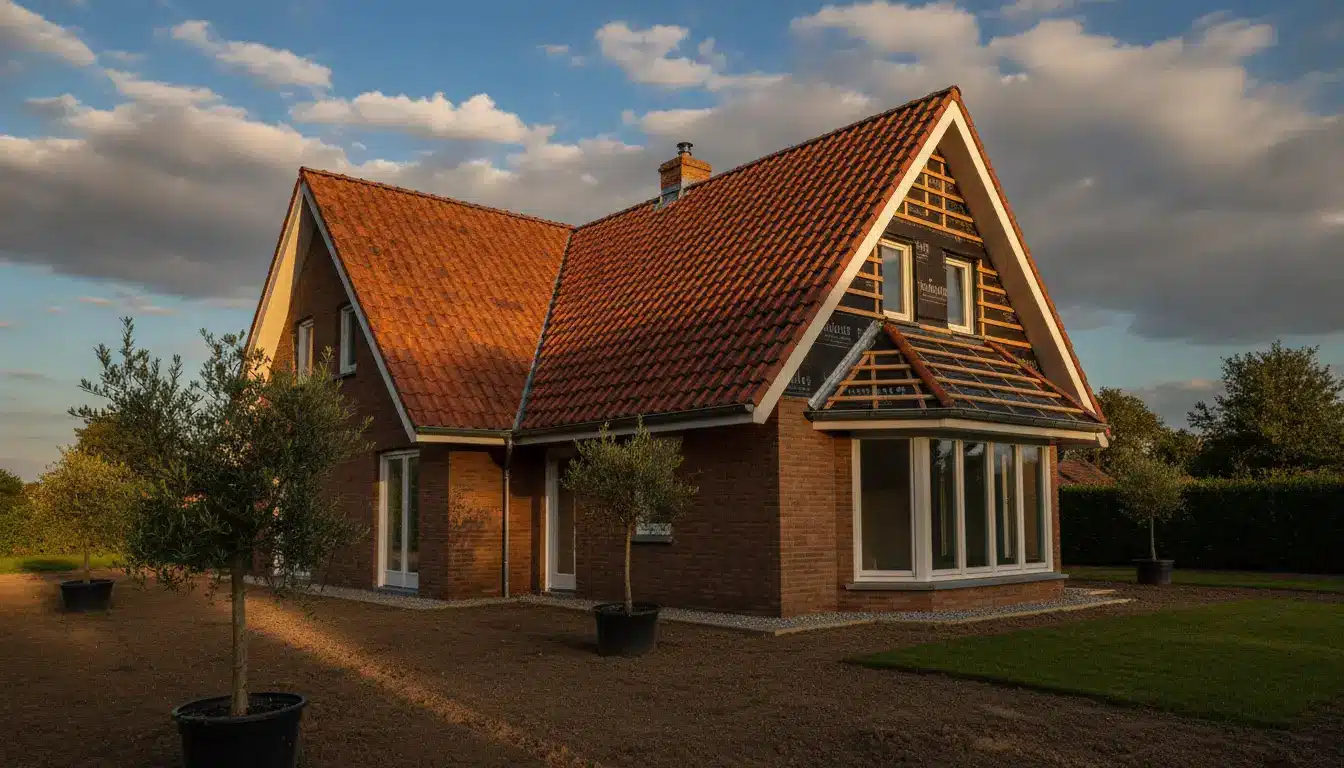
Building a new home involves hundreds of decisions, but few carry as much long-term weight as the roof. It’s the single largest barrier between a household and the elements, and it accounts for a significant share of a home’s structural performance, energy efficiency, and resale value. Yet roofing decisions are often made late in the construction process, sometimes as an afterthought once the framing and interior layout have already been finalized.
This is a mistake worth avoiding. The choices made about roof design, materials, and installation early in a build have consequences that last for decades. According to the National Association of Home Builders, a typical asphalt shingle roof is expected to last between 20 and 25 years, while metal or tile roofing systems can extend well beyond 40 years when installed correctly. Getting these decisions right from the start, including securing professional roof installation rather than treating it as a low-priority task, can prevent costly repairs, energy losses, and safety issues down the road.
This article walks through the key factors homeowners and builders should weigh when planning a roof for a new home.
Climate and Regional Weather Patterns
Roofing materials perform differently depending on the climate they’re exposed to. A roof designed for a dry, sun-intensive region will not necessarily hold up in an area with heavy snowfall, high humidity, or frequent hailstorms.
For example, in regions prone to wildfires, building codes increasingly require Class A fire-rated roofing materials, such as metal, slate, or fiberglass-based asphalt shingles. In coastal areas, wind uplift resistance becomes a priority, since hurricane-force winds can tear off improperly secured shingles. According to the Insurance Institute for Business & Home Safety, roof-related damage accounts for an estimated 70% to 90% of insured residential catastrophic losses in most years, underscoring the importance of matching fasteners, underlayment, flashing, and other roofing components to local weather conditions.
Homeowners should research the specific climate risks in their area, snow load, wind speed, humidity, UV exposure, before finalizing material choices. Local building departments typically publish minimum requirements, but those minimums are not always sufficient for long-term durability.
Roof Pitch and Structural Design
The slope, or pitch, of a roof affects more than just aesthetics. Steeper roofs shed water and snow more efficiently, reducing the risk of pooling and leaks, while low-slope or flat roofs require different waterproofing systems altogether.
Roof pitch also influences attic ventilation, which plays a direct role in energy efficiency and moisture control. Poor ventilation can trap heat in summer and moisture in winter, leading to mold growth or premature deterioration of roofing materials. The U.S. Department of Energy recommends balanced intake and exhaust ventilation systems to maintain consistent airflow through the attic space, which helps regulate indoor temperatures and reduce strain on heating and cooling systems.
Structural engineers typically calculate roof pitch and load-bearing requirements based on regional building codes, but homeowners should still understand these basics when reviewing architectural plans, since changes made later are far more expensive than adjustments made during design.
Choosing the Right Roofing Material
Material selection is often where homeowners spend the most time deliberating, and for good reason. It affects cost, appearance, durability, and maintenance needs. Some of the most common options include:
- Asphalt shingles: The most widely used residential roofing material in the United States due to affordability and ease of installation, though they generally have a shorter lifespan than other options.
- Metal roofing: Known for durability and energy efficiency, with reflective coatings that can reduce cooling costs in hot climates.
- Clay or concrete tile: Common in warmer regions, offering excellent longevity but requiring a structure capable of supporting the additional weight.
- Slate: One of the most durable natural materials available, though it comes with a higher upfront cost and requires specialized installation expertise.
- Wood shakes: Valued for their natural appearance, though they require more maintenance and may not meet fire codes in certain regions.
Each material has trade-offs in cost, weight, lifespan, and maintenance. There is no universally “best” option. The right choice depends on the home’s structural capacity, local climate, and the homeowner’s long-term maintenance expectations. Because even a suitable material can underperform when flashing, ventilation, underlayment, or fastening is handled incorrectly, professional roof installation is just as important as selecting the roofing material itself.
Why Installation Quality Matters as Much as Material Choice
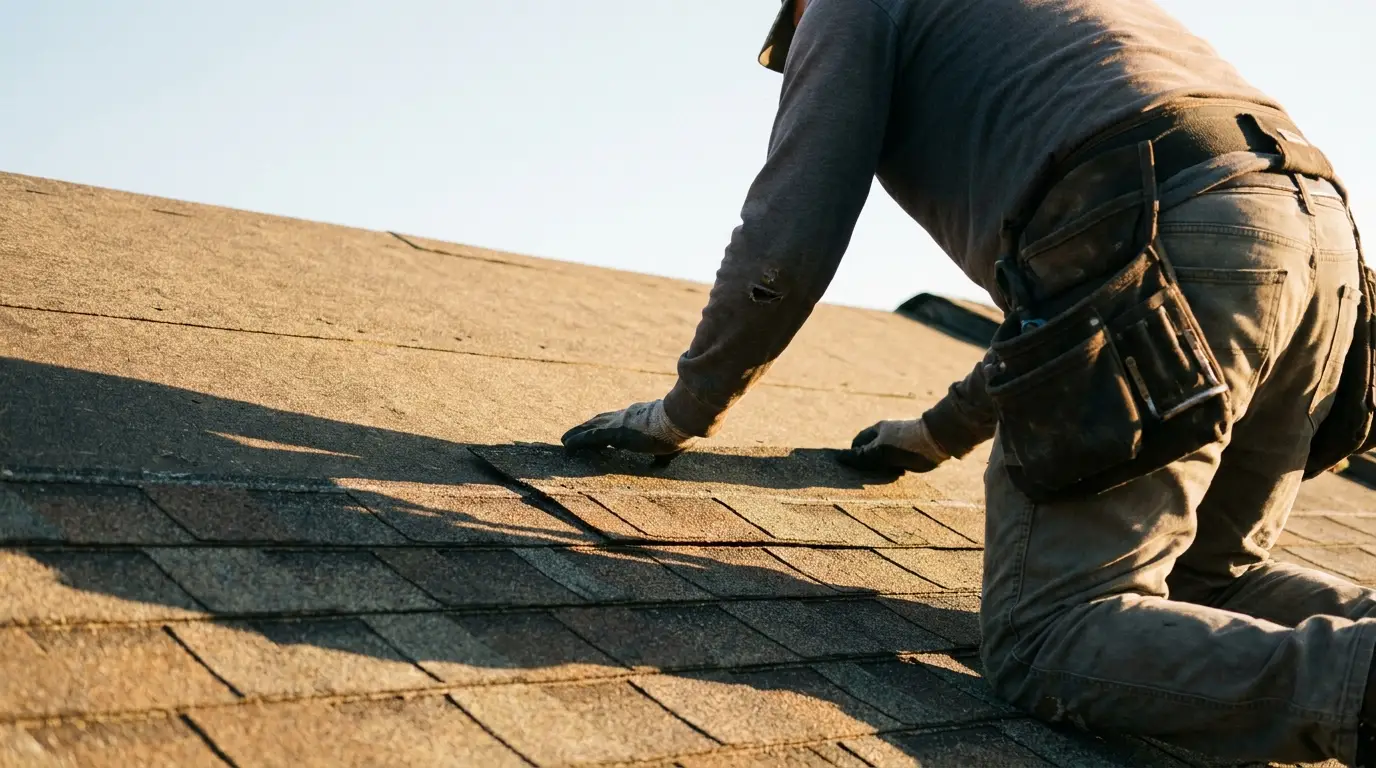
It’s a common misconception that the roofing material alone determines how long a roof will last. In practice, installation quality is often just as important, if not more so. A premium material installed poorly can fail years ahead of schedule, while a mid-range material installed correctly can meet or exceed its expected lifespan.
Professional roof installation involves more than laying shingles or panels in the right pattern. It requires proper underlayment selection, correct flashing around chimneys and vents, adequate ventilation integration, and precise fastening techniques suited to local wind and moisture conditions. The National Roofing Contractors Association has pointed out that a large share of roof leaks and premature failures trace back to installation errors rather than material defects, issues such as improperly sealed seams, insufficient nailing, or mismatched underlayment.
This is one reason building codes in many jurisdictions require roofing work to be performed or inspected by licensed professionals, particularly for structural components like decking and flashing. While some homeowners consider DIY roofing to cut costs, the complexity of modern roofing systems, especially those incorporating ventilation, insulation, and moisture barriers, makes professional roof installation a practical necessity for most new home builds, not simply a preference.
Budgeting for Long-Term Roof Performance
Roofing costs vary widely based on material, roof size, pitch, and regional labor rates. According to industry cost estimates compiled by Remodeling Magazine’s annual Cost vs. Value report, roof replacement projects typically range from moderate to substantial investments depending on material choice, with metal and tile systems commanding higher upfront costs than asphalt shingles.
When budgeting for a new home, it helps to think beyond the initial installation price and consider lifecycle costs, including maintenance, potential repairs, and energy savings over time. A roof with a higher upfront cost but longer lifespan and better insulation properties may prove more economical over a 30-year period than a cheaper option requiring earlier replacement.
Homeowners should also factor in warranty terms. Material warranties typically cover manufacturing defects, while workmanship warranties, usually provided separately, cover installation errors. Understanding the distinction between these two types of coverage can prevent confusion if problems arise later.
What We’ve Learned
Roofing decisions made during the home-building process have consequences that extend far beyond the initial construction phase. Climate conditions, roof pitch, material selection, and installation quality all interact to determine how well a roof performs over its expected lifespan. Cutting corners in any one of these areas, particularly installation, can undermine even the most expensive materials.
For homeowners planning a new build, the practical takeaway is straightforward: research regional climate demands, understand the trade-offs between roofing materials, and prioritize professional roof installation as a core part of the construction budget rather than a line item to minimize. A well-planned, properly installed roof is not just a protective structure, it’s a long-term investment in the home’s overall durability and efficiency.