Starting a garden is exciting, especially for beginners eager to grow herbs, vegetables, or flowers at home. Many people focus on choosing seeds and deciding what to plant first. The more important step happens before any seed touches the ground. A well-prepared planting area creates the conditions roots need to develop and supports healthier growth from the start.
Plants respond to the quality of the ground beneath them. When the growing space is compacted or lacking nutrients, even strong seeds can struggle. Hard ground limits root expansion, while dry, depleted earth cannot hold the moisture young plants need. Taking time to prepare the area gives new growth a much better start.
A properly prepared bed helps water move through the ground while still holding enough moisture for roots to absorb. It also creates access to nutrients that support early growth. When these conditions are in place, plants establish themselves more quickly and handle seasonal stress more effectively.
For beginner gardeners, preparation often makes the difference between a productive space and a disappointing one. Building the right foundation early can prevent many common growing problems later in the season.
Why a Strong Growing Foundation Matters
Healthy gardens begin below the surface. Roots need room to spread, access to nutrients, and a loose structure that allows air and water to move freely. When those conditions are present, plants are more likely to produce steady growth, fuller foliage, and better harvests.
Ground structure plays a major role in this process. Loose, balanced material allows roots to expand naturally. When the surface becomes dense, roots meet resistance and stay shallow. Plants growing in these conditions often look weaker because they cannot access sufficient moisture or nutrients.
Water balance matters just as much. If the growing medium drains too quickly, roots dry out between watering sessions. If it holds too much water, roots can struggle, and disease may become more likely. A well-prepared space creates a better balance by retaining moisture while still allowing excess water to drain.
Nutrient availability also affects early development. Without organic matter, plants may lack the steady support needed to form strong leaves, stems, and fruit. Improving the bed before planting creates a more reliable environment and supports healthier growth throughout the season.
Choosing Quality Materials for Long-Lasting Garden Beds
The materials used during preparation can strongly affect how well plants perform. Good soil blends, compost, and mulch work together to create a stable environment where roots can expand and absorb what they need. When these materials are selected carefully, the planting area becomes more productive and easier to maintain.
Many outdoor spaces begin with poor balance. Some contain too much clay and become dense when wet. Others contain too much sand and dry out too fast. Using higher-quality growing materials helps address these issues and create a more supportive structure for plants.
Mulch is especially useful during the setup stage. It protects the surface from erosion, slows evaporation, and helps maintain a steadier temperature around roots. Gardeners who want dependable materials for this kind of preparation often turn to Zimmerman Mulch to create a more manageable, productive growing space.
Starting with reliable materials can make the entire area easier to care for as the season progresses. It also helps create conditions that stay healthier for longer.
Improving Soil with Natural Organic Additions
Many planting areas benefit from organic matter before anything is sown. Natural amendments improve texture, support microbial life, and make it easier for roots to access nutrients.
Compost is one of the most effective additions for this purpose. It enriches the ground with decomposed organic matter and supports beneficial microorganisms that help break nutrients into forms plants can use. Research on soil health also highlights the value of organic matter in maintaining productive growing conditions.
Organic additions also improve structure. In heavy ground, compost helps loosen dense particles so roots can spread more freely. In lighter ground, it improves moisture retention and reduces nutrient loss after rain or watering.
Another advantage is a better moisture balance. Compost-enriched ground holds water more effectively while still allowing excess moisture to drain away. This helps reduce stress from dry periods and damage from oversaturation.
Mixing compost into the top layer before planting is a simple step that can make a lasting difference. Over time, that organic matter continues to break down, supporting healthier conditions season after season.
Using Mulch to Support Plant Growth and Protect Soil
Mulch helps maintain a stable growing environment after the area has been prepared. A protective layer across the surface helps conserve moisture, reduce weed pressure, and shield the ground from changing weather conditions.
One of its biggest benefits is its ability to retain moisture. Sun and wind can quickly dry out exposed ground, leaving roots under stress. Mulch slows evaporation and helps the surface stay evenly moist between watering sessions.
It also limits weed growth by reducing the light that reaches weed seeds. With less competition for water and nutrients, vegetables, herbs, and flowers have a better chance to develop steadily.
Temperature control is another major advantage. Warm days can heat exposed ground quickly, while cooler periods can create stress around shallow roots. Mulch helps buffer those swings and creates more consistent conditions for growth.
Organic mulch continues to provide value over time as it gradually breaks down. As it decomposes, it adds organic matter back into the growing area and supports a healthier overall structure for future planting.
A Simple Step-by-Step Setup for Beginner Gardeners
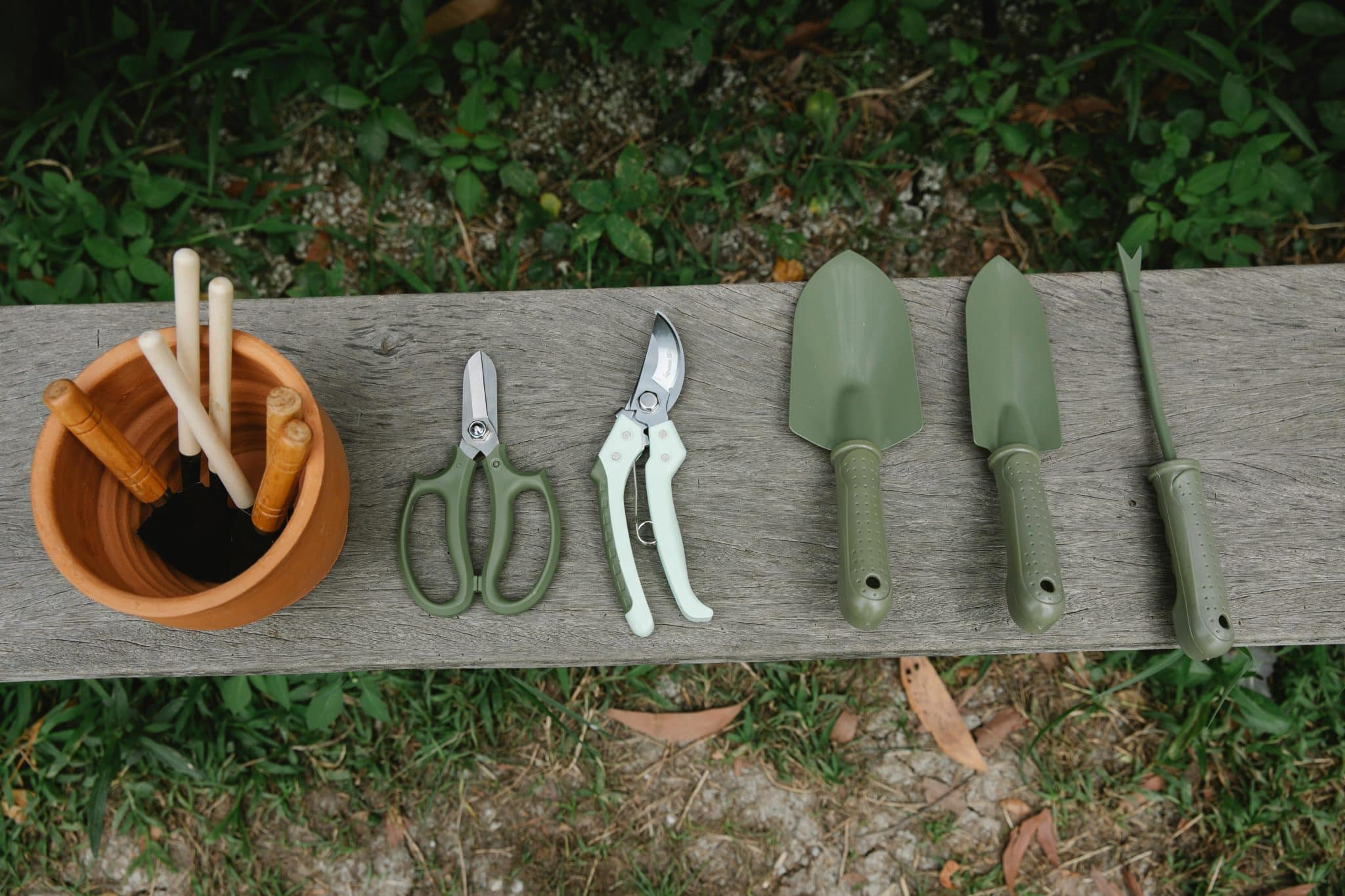
Preparing a planting space does not require advanced tools or years of experience. A few practical steps can create a healthier area for herbs, vegetables, or flowers.
Start by clearing weeds, grass, and debris from the surface. These can compete with new plants for nutrients and moisture. Removing them also makes it easier to work the ground evenly.
Next, loosen the top layer with a shovel, fork, or tiller. This helps break up compaction and gives roots more space to spread. It also improves the way water moves through the area.
Once the surface has been loosened, mix in compost or another organic amendment. This improves fertility and helps the ground hold moisture more evenly. It also supports the biological activity that helps plants thrive.
After that, level and shape the area. A smooth surface makes planting easier and helps water spread more evenly. Clean edges can also make the space easier to maintain.
Finish by applying mulch across the top. This final layer helps protect the prepared surface, reduces drying time, and lowers the risk of weed growth. With these steps complete, the area is ready for seeds or seedlings.
Common Setup Mistakes That Can Affect Plant Growth
Even well-intentioned beginners can make small preparation mistakes that affect results later in the season. Catching these issues early can lead to stronger, more reliable growth.
One common mistake is planting directly into compacted ground. When roots cannot move downward or outward, the plant has a harder time accessing water and nutrients. Loosening the area beforehand creates better conditions for establishment.
Another issue is skipping organic improvement. Native ground may not provide the fertility or structure needed for steady development. Adding compost or similar materials creates a more supportive environment. Gardeners looking for practical guidance can find useful beginner gardening tips that reinforce the value of proper preparation.
Poor drainage can also create problems. If water collects and lingers, roots may weaken, and disease may become more likely. Paying attention to drainage before planting helps prevent these setbacks.
Applying too little mulch is another frequent mistake. Bare ground loses moisture faster and allows weeds to take hold more easily. A consistent layer of mulch helps protect the surface and supports more stable growing conditions.
Avoiding these setup mistakes can make the entire season easier to manage. Good preparation gives plants a stronger start and improves the chances of healthy, steady growth.
Conclusion
Preparing a garden bed before planting gives plants the conditions they need to grow well throughout the season. When the ground is loosened, enriched with organic matter, and covered with mulch, roots can expand more easily and access the moisture and nutrients required for healthy development.
This early effort also helps reduce common gardening challenges. Better preparation improves drainage, supports moisture retention, and lowers weed pressure. Together, these improvements create a more stable environment for young plants.
For beginner gardeners, focusing on preparation can make the process far more rewarding. A well-prepared growing space supports stronger plants, steadier progress, and a more productive season overall.