Garden photography exists beyond the shoestring of capturing flower photos. It’s about atmosphere, color, texture and capturing the beauty of nature as it varies by season. Knowing how to use light and composition can make a huge difference to your photographs, from taking pictures of your backyard to visiting large botanic gardens.
Today, the shooting gear for garden photos doesn’t necessarily have to be the classics—DSLRs. As it has become commonplace to take compact 4K cameras out into nature, many photographers now use them for casual botanical photos when they are out for long walks in gardens or nature trails. Lightweight gear can also help you try out different angles, lighting and close-ups without the burden of heavy equipment and equipment throughout the day.
Go to the Gardens at the Right Time of Day
One of the most important factors in garden photography is the lighting. The sun can be intense in the day, making strong shadows and colour washes on the flowers, and it can be less intense in the day, to show more natural detail.
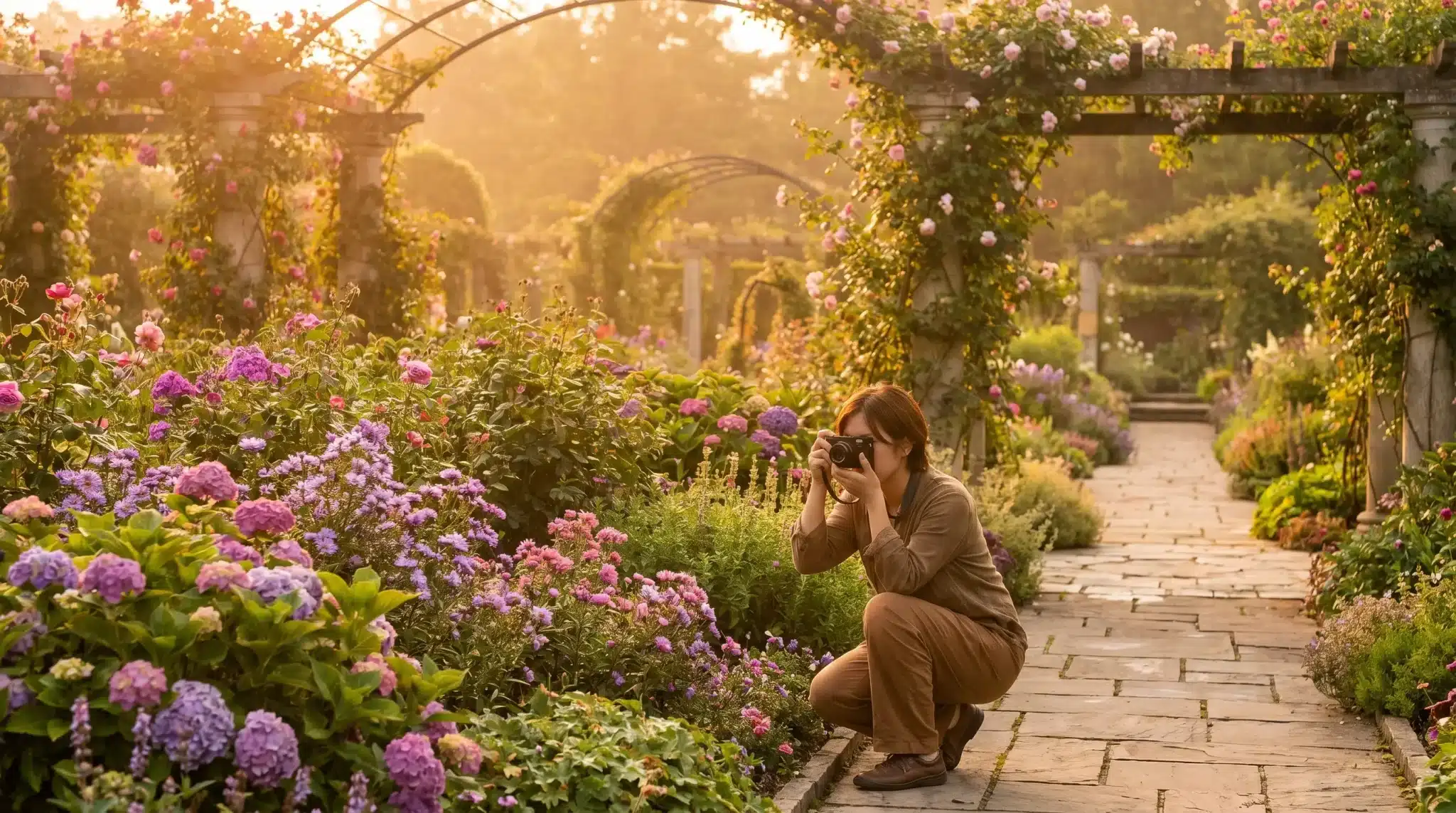
The best time to take pictures of gardens is in the early morning or late afternoon when the sun is warmer and more softly lit. Flowers are beautiful in the morning, as dew will often form on the petals, and you can get texture and reflection from these dew drops, which will make your images more interesting.
Botanic gardens change their appearance throughout the day, so be sure to revisit the same site in different lighting to see different aspects of it.
Focus on Composition
The composition will boost an average garden photo into a memorable one! Try to avoid having all the flowers in the same place in the frame; try to rotate and vary the layers of flowers.
Try using:
- Walking ways are used as leading lines in the garden
- Trees or arches as natural frames
- Any foreground flowers that were out of focus have been blurred
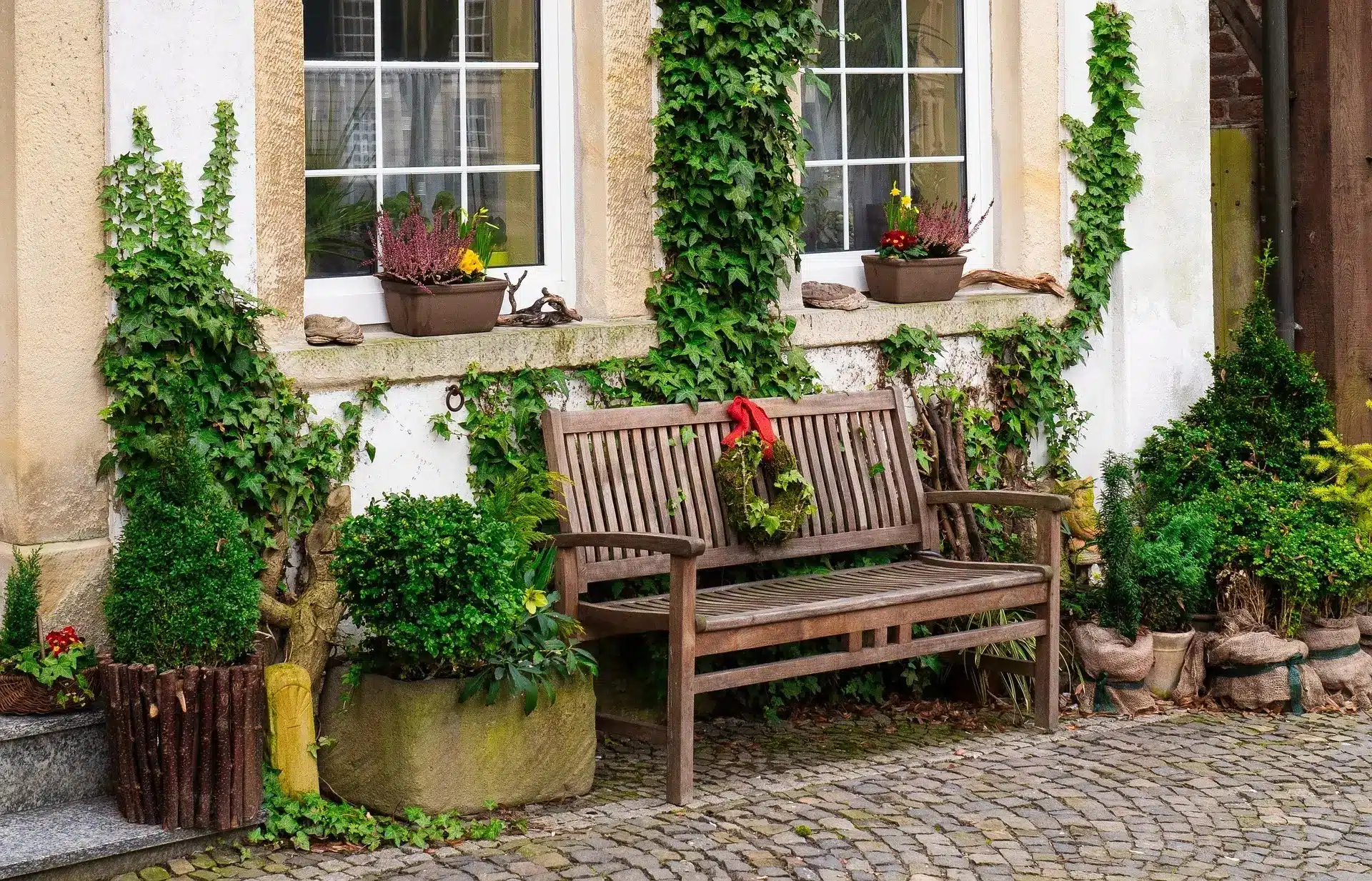
- Visual balance by benches or fountains
Many garden photographers like to include broader shots of the garden with close-ups of flowers to tell a story in the image.
Take More Than Snapshots of Flowers
In most gardens, the flowers are the focus, but the rest of the garden is important as well. The following are some of the best garden photos:
- Greenhouse interiors
- Stone walkways
- Climbing vines
- Water features
- Garden structures
- Seasonal foliage
Botanic gardens have multiple strands, layered textures and colors, thus are ideal for storytelling photography.
Understand How to Cope With the Changing Seasons
Gardens have a different feel to them each season.
Spring brings new flowers, succulent greens, and summer brings an abundance of color and full flower beds. Warm colors and soft textures are emphasized in the fall, and structure, symmetry and contrast are emphasized in the winter.
Taking photos of the same garden at different times of the year can help you get a better understanding of the natural light, color temperature and composition aspects.
Use Depth to Create More Natural Images
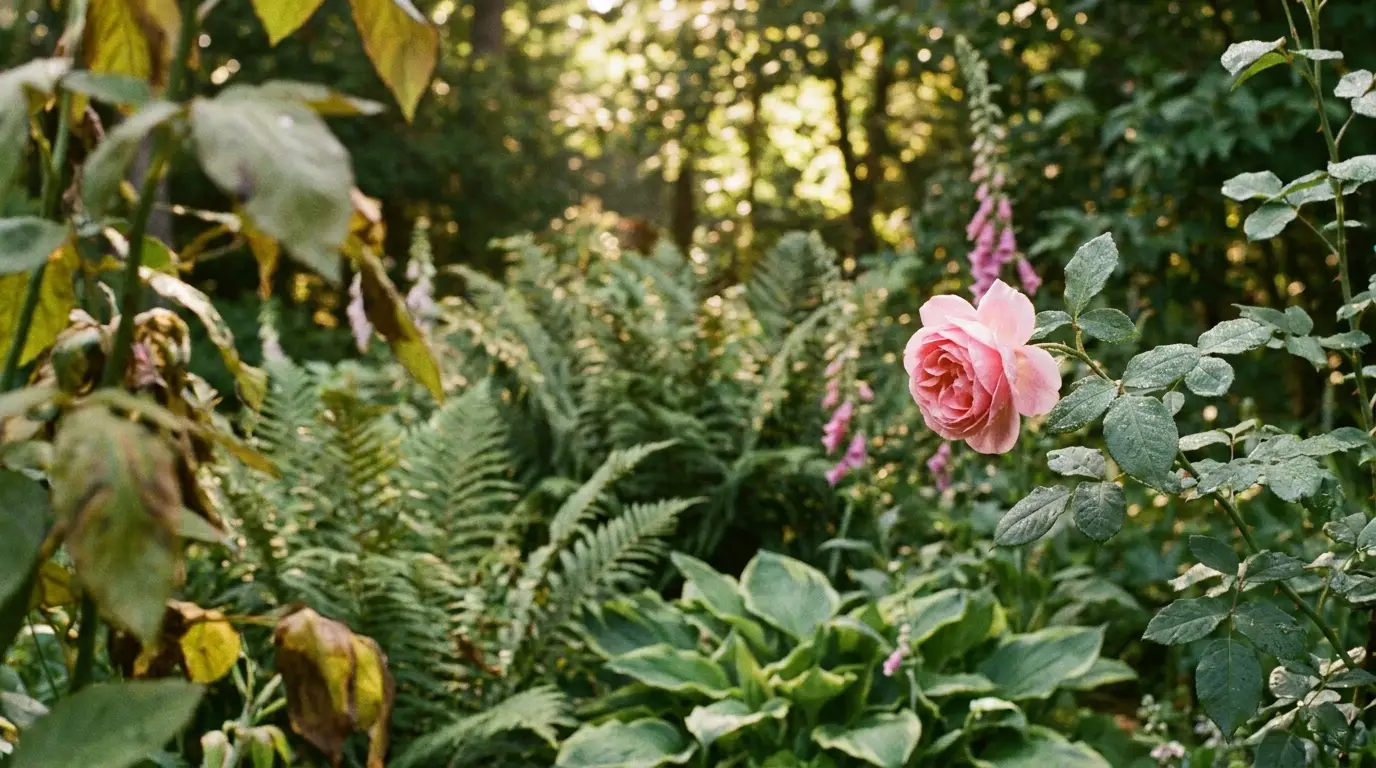
A famous error for garden photography is to have all of the photos appear as though they are flat. Usually, there are lots of layers that can help to add dimension to your photos in a garden.
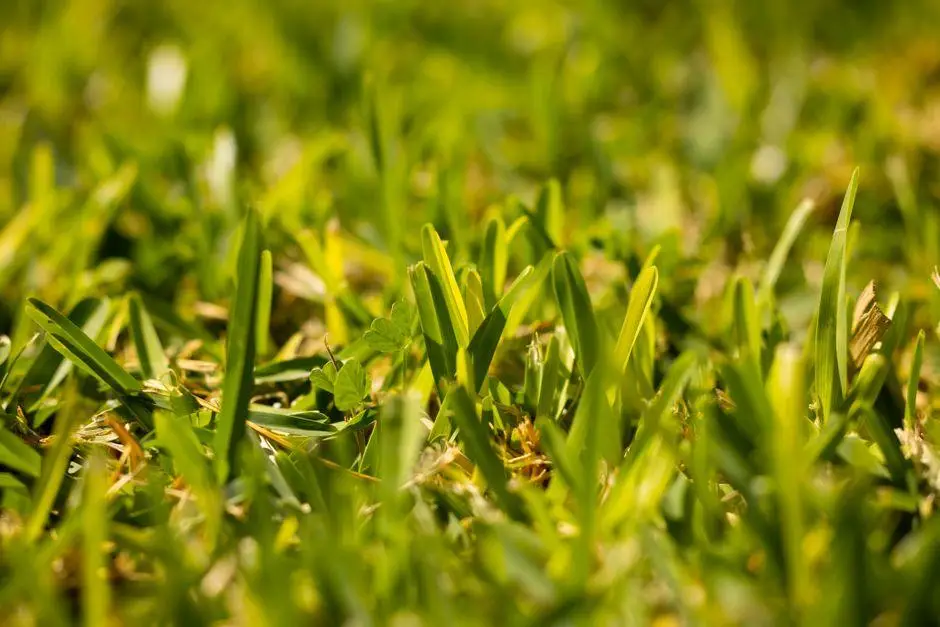
Try to photograph through leaves or plants around a flower instead of taking a close-up of a flower. Focusing on the foreground blur can draw the viewer’s focus to the subject in the foreground and create a sense of depth and immersion.
A shallow depth of field is great for capturing detail of the flowers, but a broader landscape shot will be more in focus.
Use a Tripod so Your Camera Doesn’t Shake
Photography in the outdoors can present some difficulties such as wind, shifting light, etc. It’s necessary to keep your camera steady in order to get a sharp image, particularly close-ups of flowers.
Or you can use a tripod to take pictures when it’s dark, but if you use a lightweight camera, handheld photos can also work out well. When taking garden walks, some photographers opt for compact outdoor cameras as they can navigate with ease between various shooting angles and places.
It’s also important to be patient. If there is a wind that’s making the flowers and leaves jangle, wait a few seconds to see if they settle until you take your photograph.
Harmony of Colors
Lots of color is placed in the gardens, but too much competing colors can be distracting to an image. Relocate the elements on the frame in regard to the interaction of the colors before putting your camera to your eye.
Some good mixtures are:
- A mishmash of purple flowers amongst green backgrounds
- Showy flowers in white in shade
- Golden hour is the ideal time to get warm coloured flowers
- Spring gardens, with soft pastel colors
When you think of garden photography, pairings of color are more often than not more attractive than photos of the most colorful flowers.
Edit Your Photos Naturally
Your garden photography should be natural, not artificial, and be enhanced by editing. Too saturated colours can take away the natural beauty and softness that makes the botanical images attractive.
Simple adjustments may be all that is needed:
- Improve exposure
- Slightly increase sharpness
- Recover highlight details
- Keep greens and flower colors natural
It’s better to have natural-looking edits, as these tend to look more timeless when the time has passed.
Enjoy a Tour of the Different Botanic Gardens
Changing locations in the botanic garden can help enhance your photography skills as there are various layouts, plants and lighting conditions in each location.
There are gardens that emphasize tropical plants and lush foliage, or that feature seasonal blooms, water features or desert plants. It helps you to be more flexible and creative as a photographer.
There are great opportunities for practicing composition, lighting and detail photography with even small local gardens.
Final Thoughts
When it comes to garden photography, it’s all about observation and patience. Sometimes the best photos are obtained by slowing down, paying attention to the fine details, and understanding the dynamic interactions between light and nature and plants and landscape.
It doesn’t matter if you’re using professional photography gear or compact outdoor cameras, learning how to better compose, light, and capture the season will help you to produce more meaningful botanical photographs.
After some time and practice, each visit to a garden is an opportunity to photograph nature in a more creative and individual fashion.