I never planned on starting a veggie garden. It began with one wilted basil plant on a windowsill. Then I got curious: could I grow more? Could I actually eat what I grew?
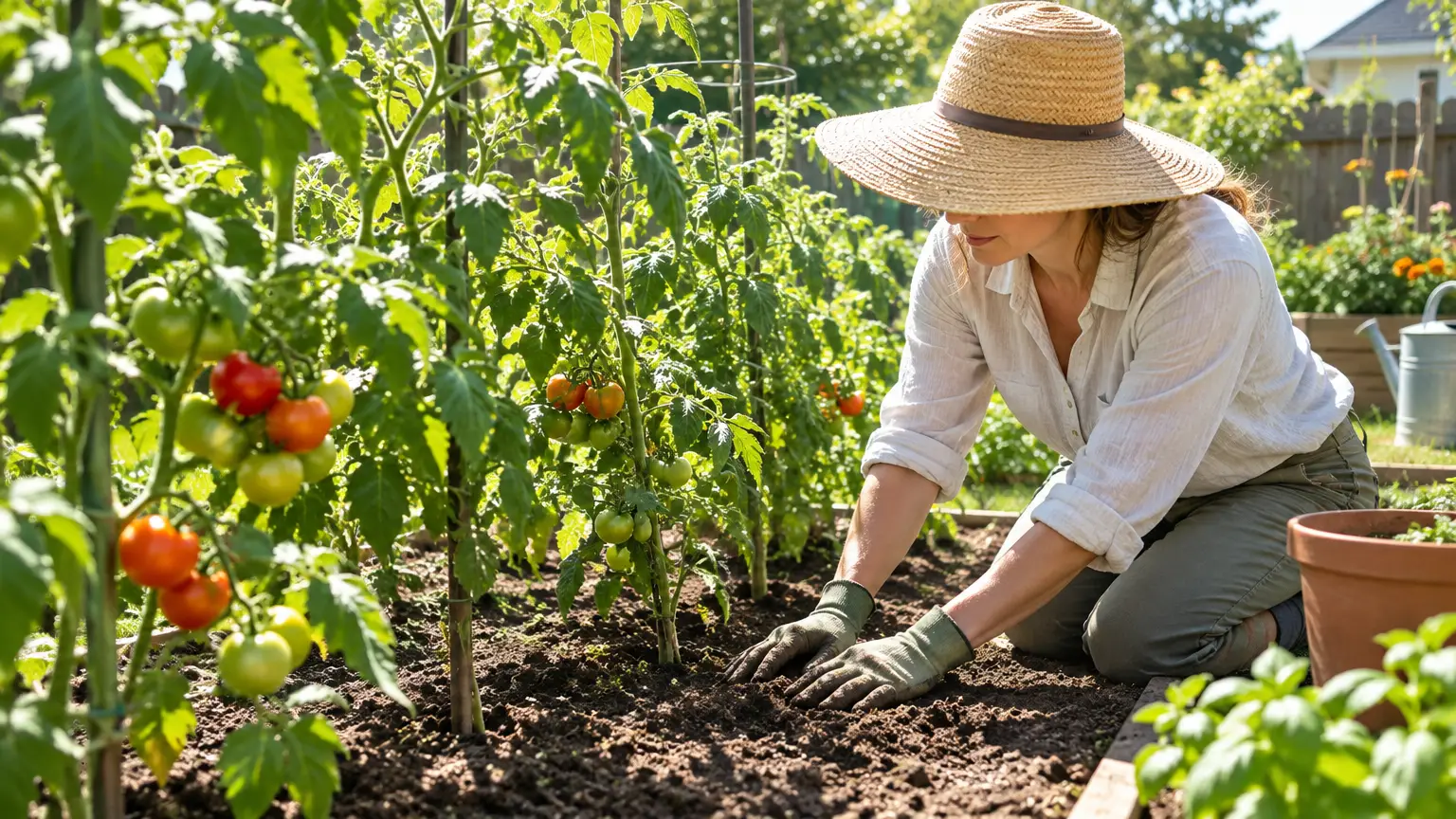
A few months later, I was picking fresh lettuce and cherry tomatoes from my own backyard. If you’ve ever felt drawn to the idea of growing your own food but didn’t know where to start, you’re in the right place.
This blog gives you a real, easy-to-follow path. No over-the-top tips. No garden jargon. Just what you need to start and enjoy a veggie garden of your own.
You’ll see how doable it is and why it might become your favorite part of the day.
A Quick Pause Before You Plant
Before you grab seeds or dig up your yard, take a minute. Starting a veggie garden doesn’t have to be fast or fancy.
In fact, your first season will go best if it’s small, simple, and something you can keep doing without stress.
Success isn’t about growing everything; it’s about growing something and enjoying the process.
If you can grow a few healthy plants, harvest a little food, and feel confident to try again, you’ve already done well.
A lot of beginners give up too early. Why? Three main reasons.
First, they go too big and get overwhelmed. Second, they pick a bad spot, too much shade, or too far from the house. Third, they forget to water regularly or don’t have a system.
These can all be avoided with a little planning. Keep it easy, stay consistent, and let the garden grow with you.
What a Veggie Garden Really Needs to Grow
A veggie garden doesn’t ask for much, but a few things are non-negotiable. If you get these right, your plants have a good shot at growing strong and giving you food you’ll actually eat.
First, sun. Most vegetables need full sun, which means at least 6 hours of direct sunlight a day. That doesn’t mean cloudy light or filtered light through trees; it means full, direct sun.
The best way to check is to watch your space during the day. Notice where the sun hits and for how long. You can even jot it down every few hours to spot patterns.
Next, water. Your garden needs to be close to a water source. Carrying heavy watering cans every day gets old fast. If it’s easy to water, you’ll keep doing it.
Last, soil. Your plants need loose, not soggy, dirt with room for roots. If water sits in puddles or drains too slow, roots can rot. Good drainage keeps roots breathing and growing.
Choose the Best Garden Setup for You
Picking the right setup makes a big difference in how your veggie garden turns out and how much you enjoy it. This quick guide helps you choose based on your space, time, and budget.
Here’s a fast breakdown:
- Renting? → Use containers
- Terrible soil? → Go for raised beds
- Tight budget? → Try in-ground rows
- Short on time? → Grow fewer crops and use mulch
Now let’s break it down so you can pick what works best for you.
In-Ground
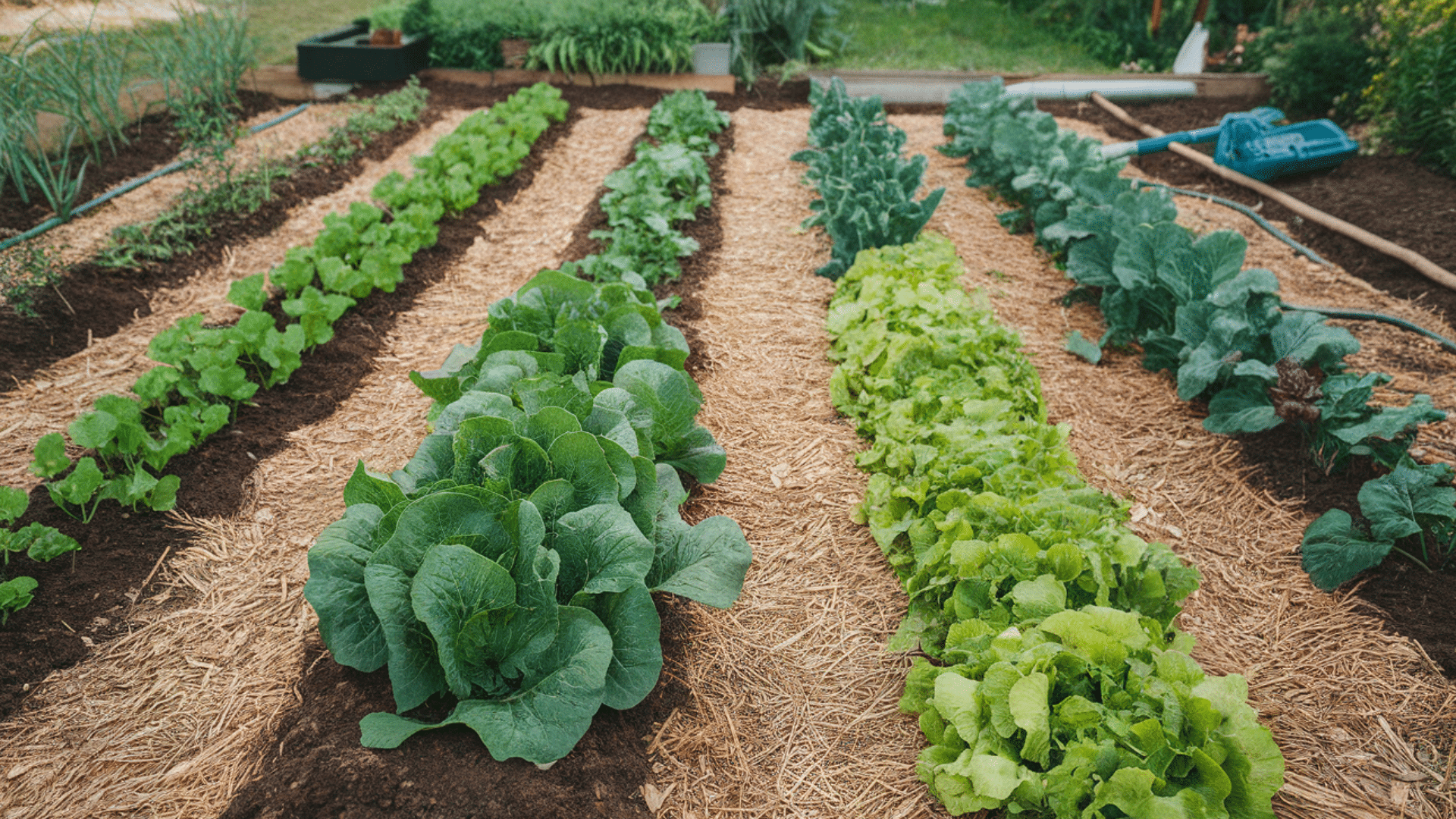
If money is tight, in-ground planting is your cheapest choice. You dig straight into your yard, shape rows or mounds, and start planting. It works well if your soil drains okay and gets enough sun.
Before you plant, remove grass and mix in compost. But many beginners skip this and end up with weeds, poor growth, or soggy spots.
Don’t choose this if your yard has:
- Heavy clay soil
- Drainage problems (water doesn’t soak in)
- Lots of weeds or tree roots
It’s the cheapest way to start, but it takes the most work to maintain.
Raised Beds
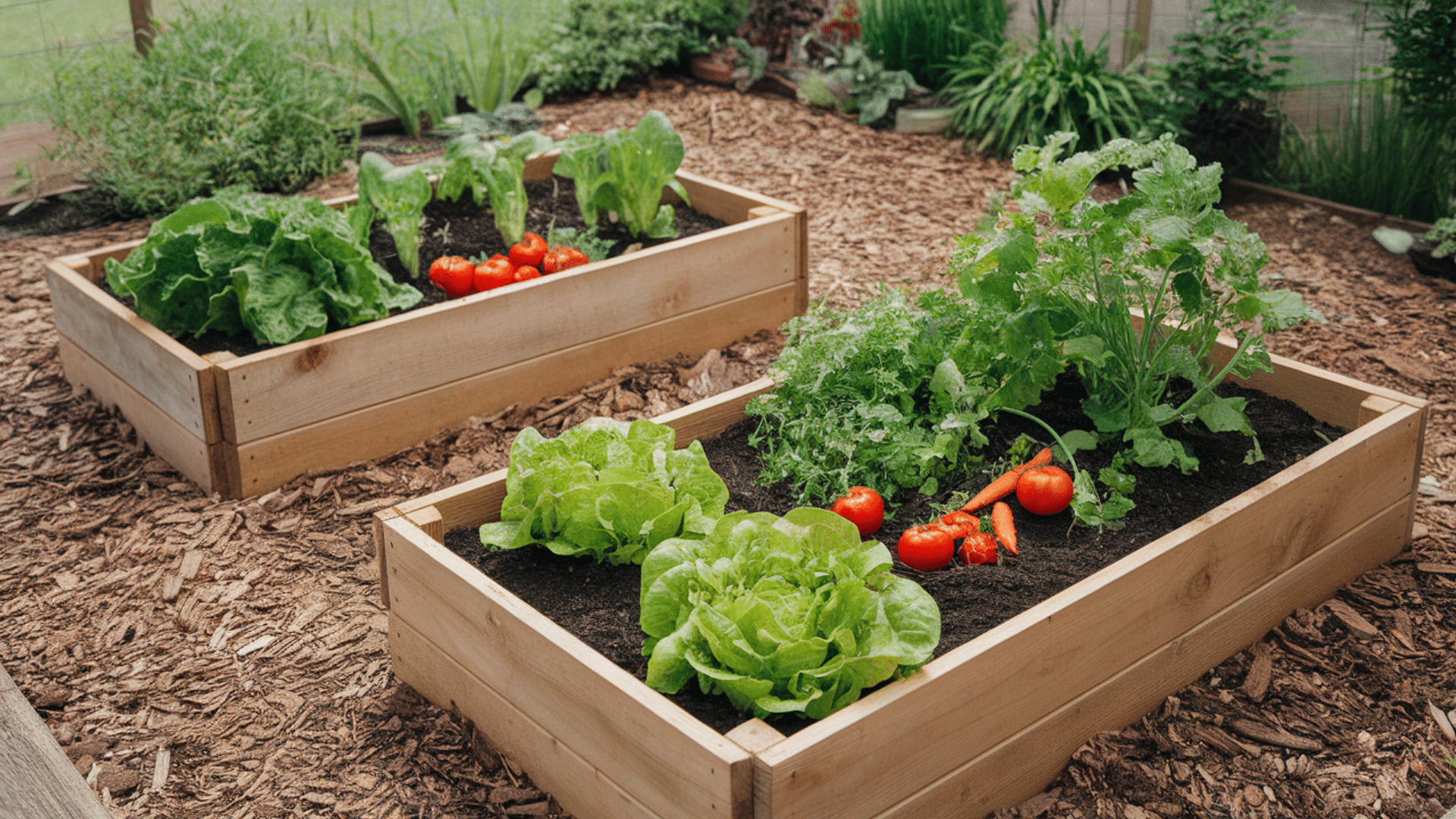
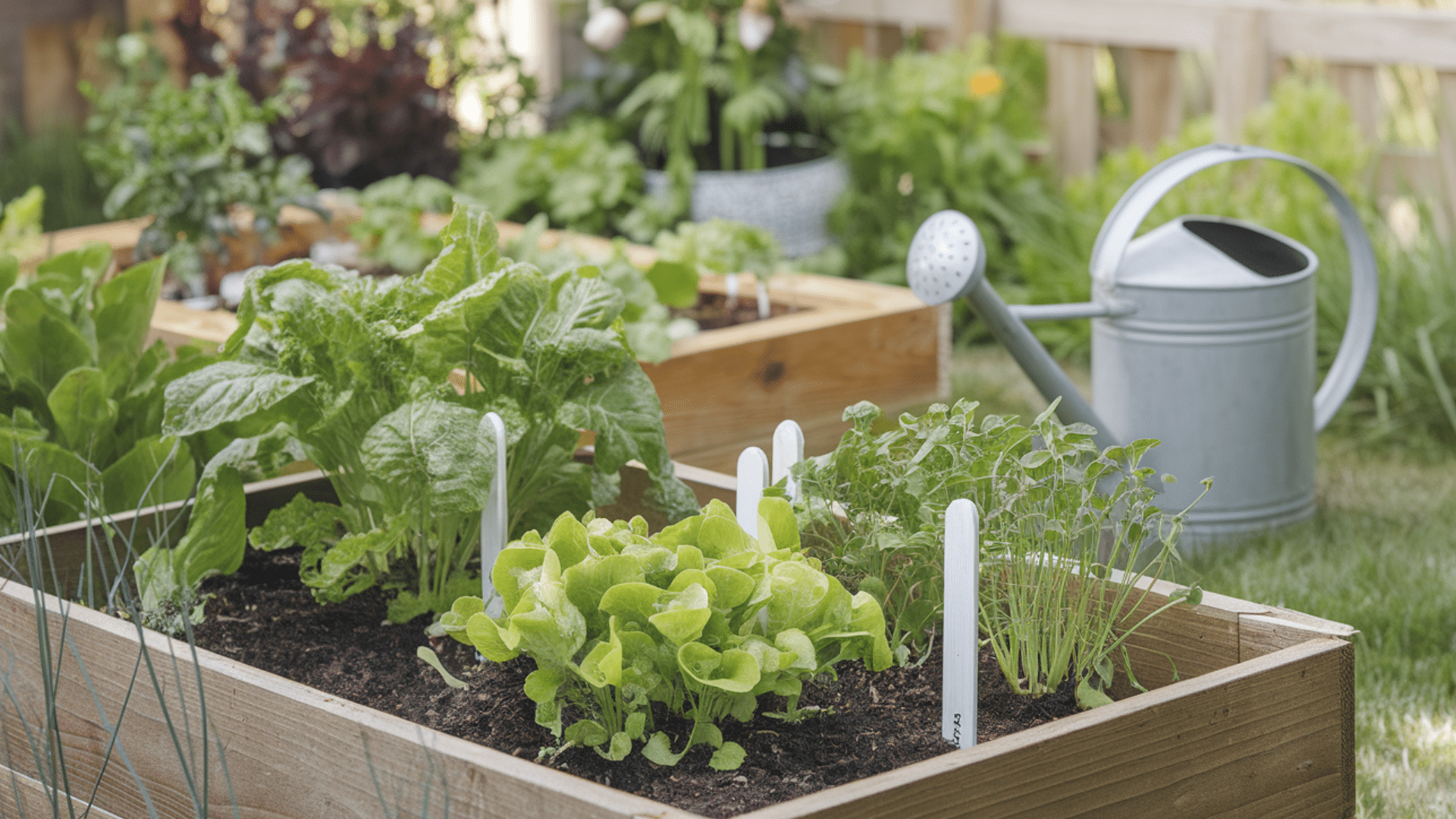
Raised beds are simple boxes filled with good soil. They make growing easier and neater, especially if your ground soil isn’t great. You won’t have to bend down as much, and weeds are easier to handle.
Start with one or two beds, each 4 feet wide (easy to reach from either side) and 8 feet long if space allows.
For materials, use untreated wood (like cedar or pine), food-safe metal, or strong plastic. Avoid treated lumber: it can leak stuff you don’t want in your food.
Raised beds cost more than digging in the ground, but they save time and frustration in the long run.
Containers
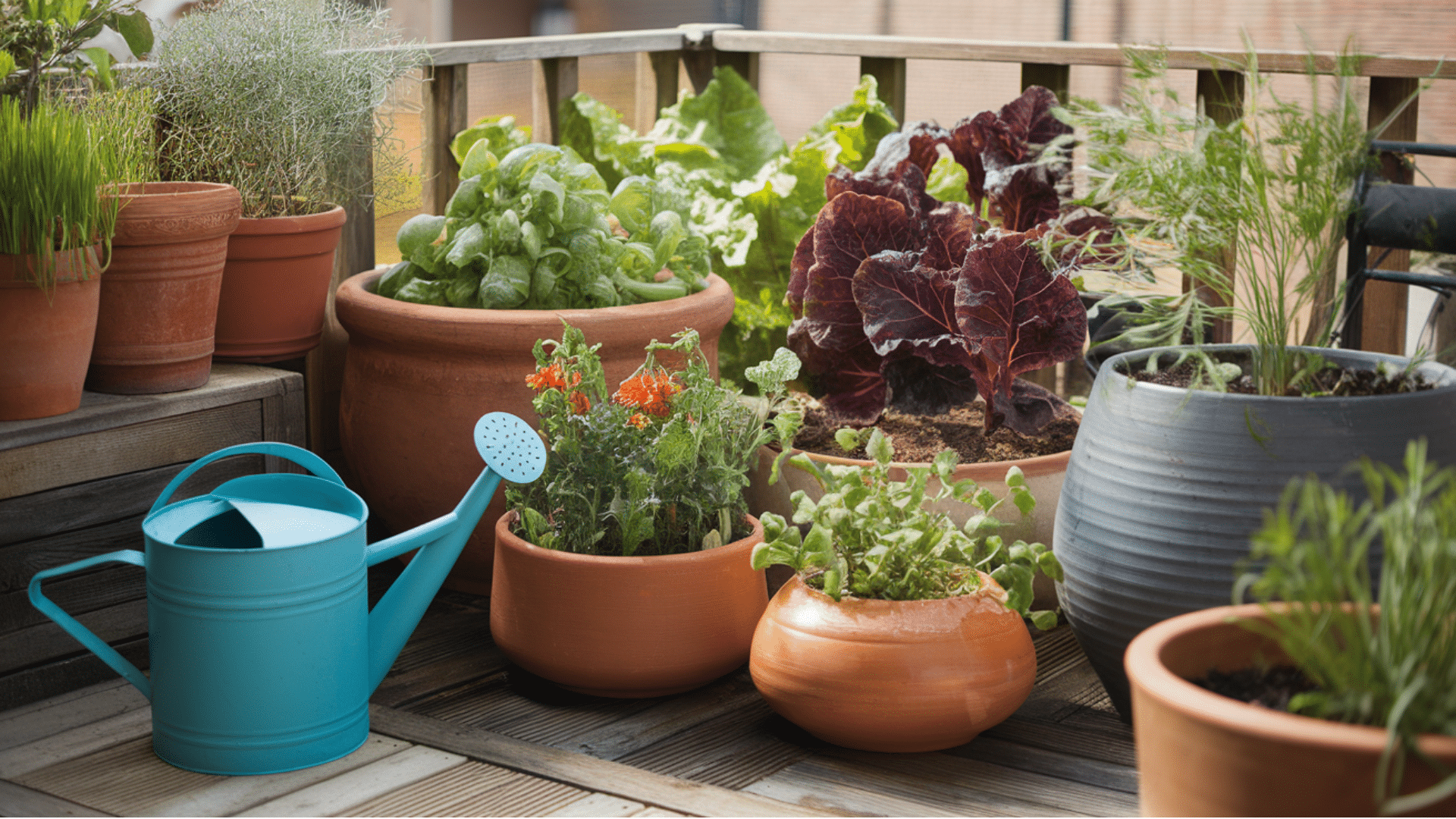
No yard? No problem. Containers let you grow on balconies, porches, or even windowsills. But size matters.
Small pots often fail because they dry out fast and don’t leave enough room for roots. For most veggies, aim for at least 5-gallon containers. Bigger is usually better — especially for tomatoes, peppers, and leafy greens.
What grows well in containers:
- Herbs
- Lettuce
- Spinach
- Peppers
- Cherry tomatoes
To keep your plants healthy, water often; containers dry out fast, especially in the heat. Use mulch or group your pots together to hold moisture longer.
Containers cost more per plant, but they’re flexible and great for renters or tiny spaces.
Veggie Garden Layouts You Can Copy
You don’t need to be a designer or math expert to set up a good veggie garden layout.
The goal is simple: give each plant enough space, make sure you can reach everything, and don’t waste time or energy fixing problems later. That’s where layout matters.
Instead of long rows, “block planting” works better for beginners. It keeps everything close together, which helps hold moisture, reduces weeds, and gives your garden a cleaner look.
Plus, it’s easier to walk around when you add paths between blocks or beds. Here are a few layout ideas you can copy without guessing, measuring, or second-guessing yourself:
The 4×4 Raised Bed Starter Layout
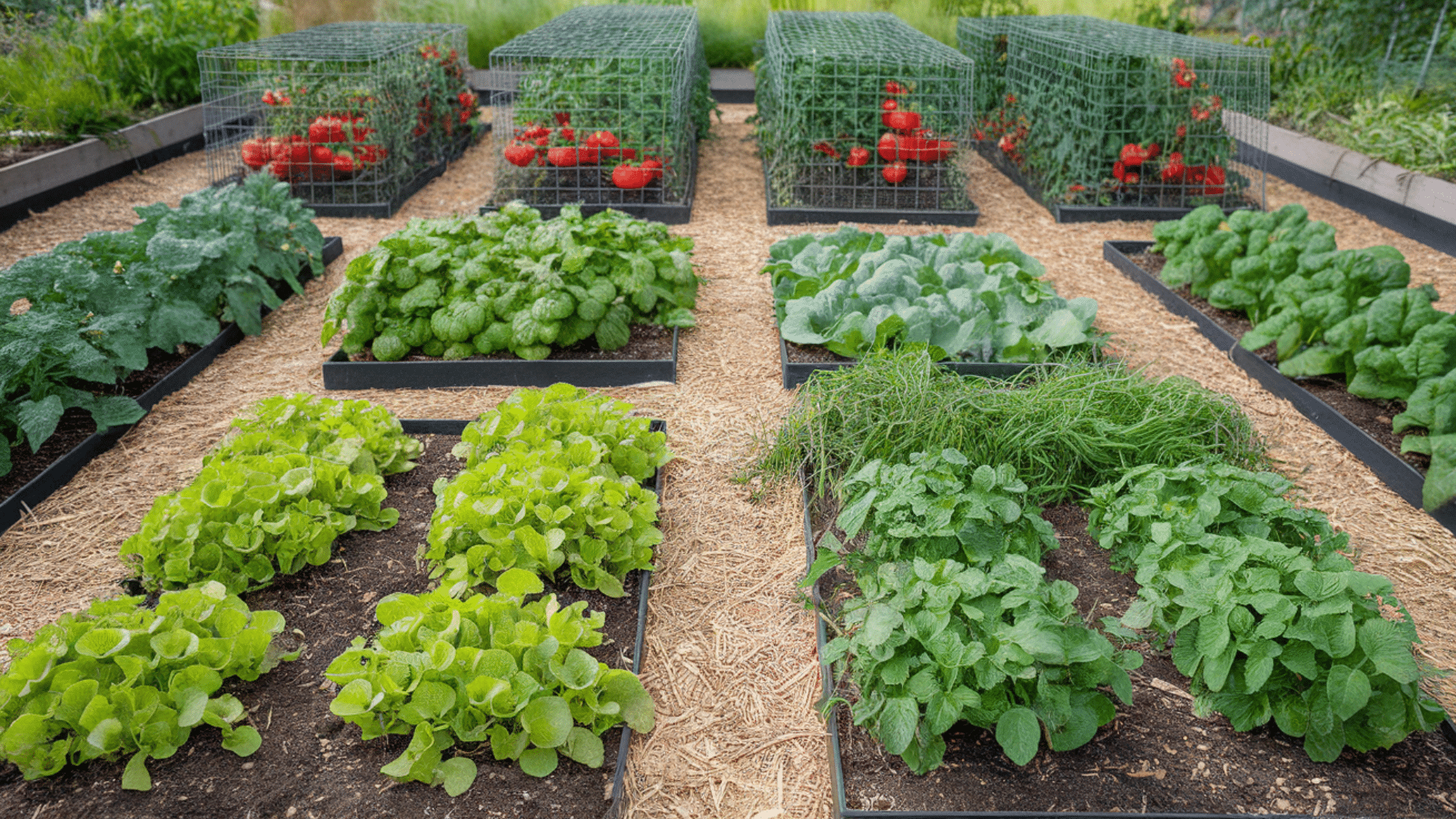
This layout fits in almost any yard. A 4-foot by 4-foot raised bed is easy to reach from all sides and gives enough space to grow real food without being overwhelming.
Try this simple planting idea:
- Front corners: 2 bush beans (short and easy to reach)
- Middle front row: 2 lettuce + 2 spinach
- Middle back row: 4 carrots or radishes
- Back corners: 2 tomato plants (with small cages)
Keep 6–12 inches between plants, depending on size. Don’t cram everything in; air flow matters. Think of your plants as neighbors who need personal space.
The 2×6 “Small Space Big Harvest” Layout
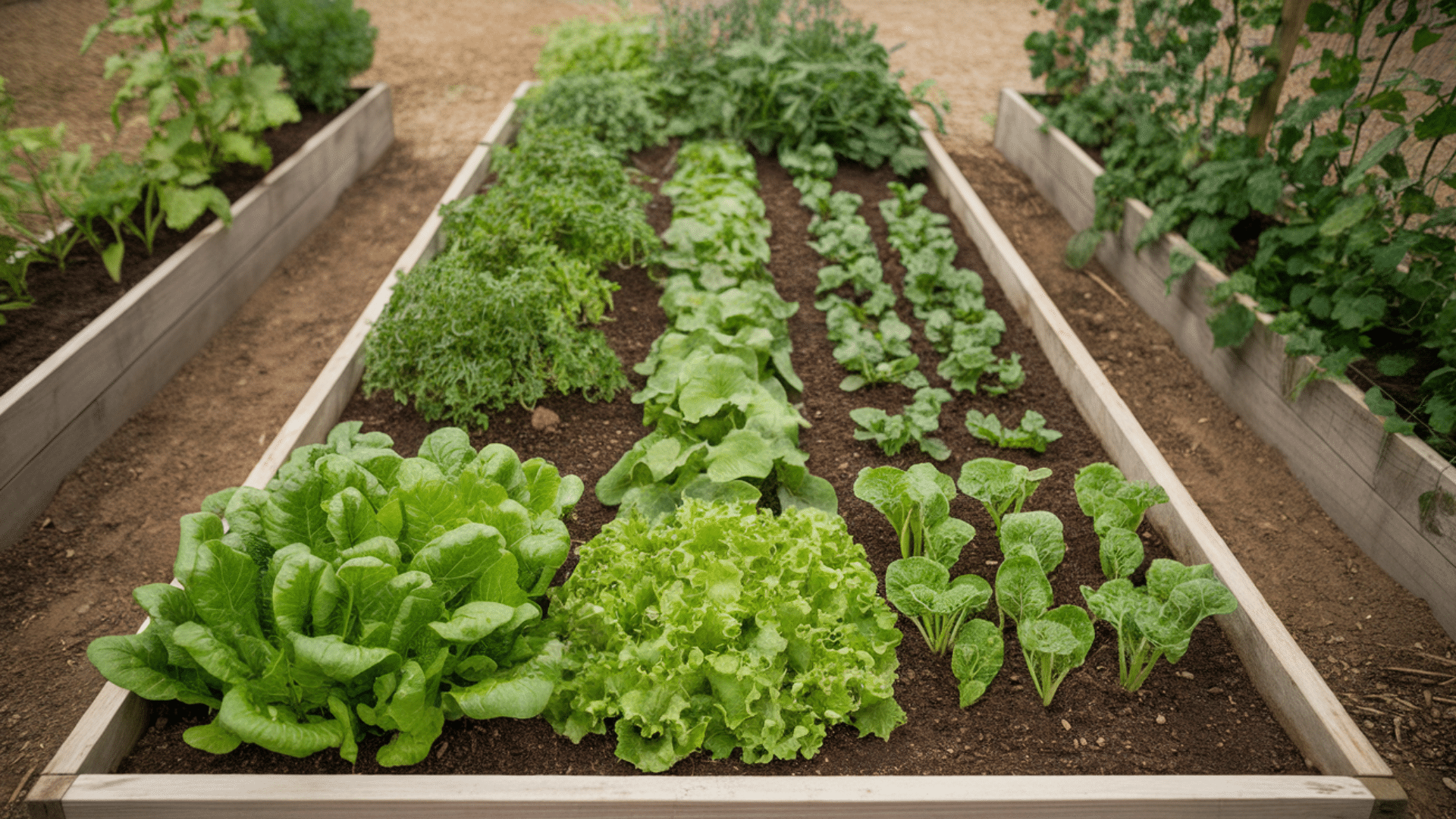
Have a narrow spot? A 2-foot by 6-foot raised bed gives a surprising amount of food, especially if you mix short and tall crops.
Here’s a great setup:
- Front row: radishes, baby lettuce, or green onions (fast harvest)
- Middle row: peppers and bush beans (medium height)
- Back row (north side): cucumbers or pole beans on a trellis (vertical growers)
Keep the trellis on the north side so it doesn’t block sunlight for smaller plants. This layout gives quick wins and longer crops in one tight space.
The Balcony or Patio Container Layout
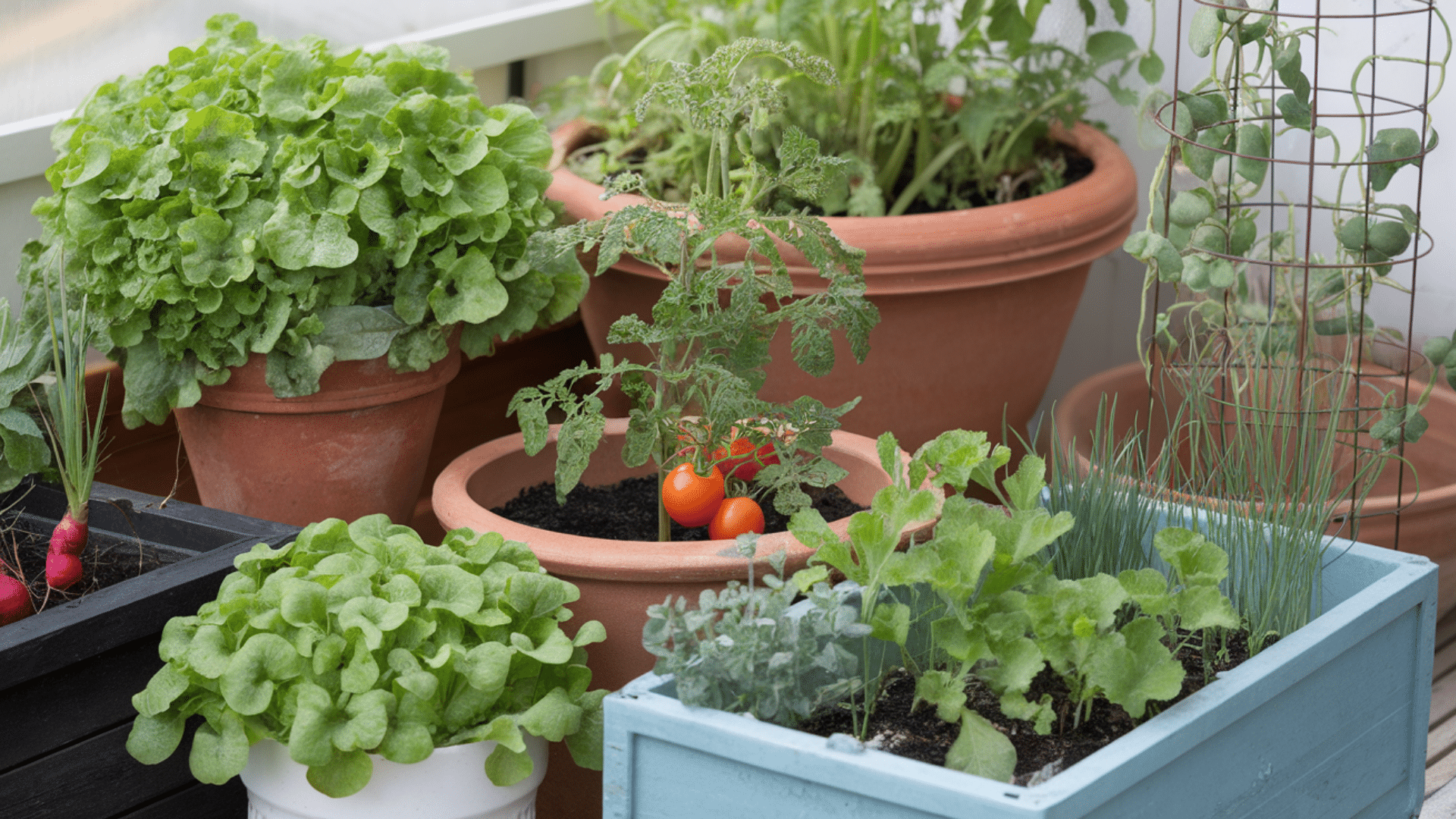
Even with no yard, you can still grow a mix of useful veggies using 5 to 8 containers. Here’s a smart combo that works in small outdoor spaces:
- 2 Daily Use Plants: lettuce and cherry tomatoes (you’ll pick these often)
- 2 Fast Harvest Crops: radishes and spinach (ready in weeks)
- 1 Vertical Crop: pole beans or cucumbers (use a trellis or tall stake)
- 1 Herb Container: basil, parsley, or cilantro (great for cooking)
Group containers together to help hold in moisture. Keep taller plants at the back (against a wall or railing) and short ones up front. Use bigger pots to avoid drying out.
What to Grow First
One of the biggest mistakes new gardeners make? Growing too much, too soon. That’s why it’s better to start small, around 5 to 7 crops max. Keep it simple.
You’ll enjoy it more and actually learn what works. It’s better to have a few healthy plants than a garden full of struggles. The key is to pick veggies that are forgiving, quick to grow, and give you an early sense of progress.
Let’s look at which plants give you the best shot at success and how to choose a smart set that works for meals you already love:
- Lettuce: Grows fast (30 days or less), and you can cut the leaves while the plant keeps growing. Likes cooler temps and regular watering.
- Radishes: Super fast (3–4 weeks). You’ll see the red tops peeking out of the soil when they’re ready.
- Bush Beans: Easy to grow, needs sun, and doesn’t take much space. Harvest when pods are full but not bumpy.
- Zucchini: One plant can feed a family. Just don’t crowd it, give it space to sprawl. Pick when zucchinis are about 6–8 inches.
- Spinach: Grows in cool weather. Pick outer leaves as they grow. Fast and great in almost any meal.
- Green Onions: Grow quickly and don’t need much room. Cut when they’re about as thick as a pencil.
- Cherry Tomatoes: Need a cage or support. Great for containers. Pick when they turn entirely red (or yellow, depending on the variety).
Swap ideas based on your taste and weather:
Hot climate? Try okra instead of lettuce.
Cool climate? Try kale or Swiss chard instead of zucchini.
Hate tomatoes? Swap for peppers or cucumbers.
Don’t like herbs? Try spinach or radishes instead.
This mix gives you a balance of quick harvests, fresh flavor, and easy care; all without taking over your yard or schedule.
Getting Your Garden Soil Right
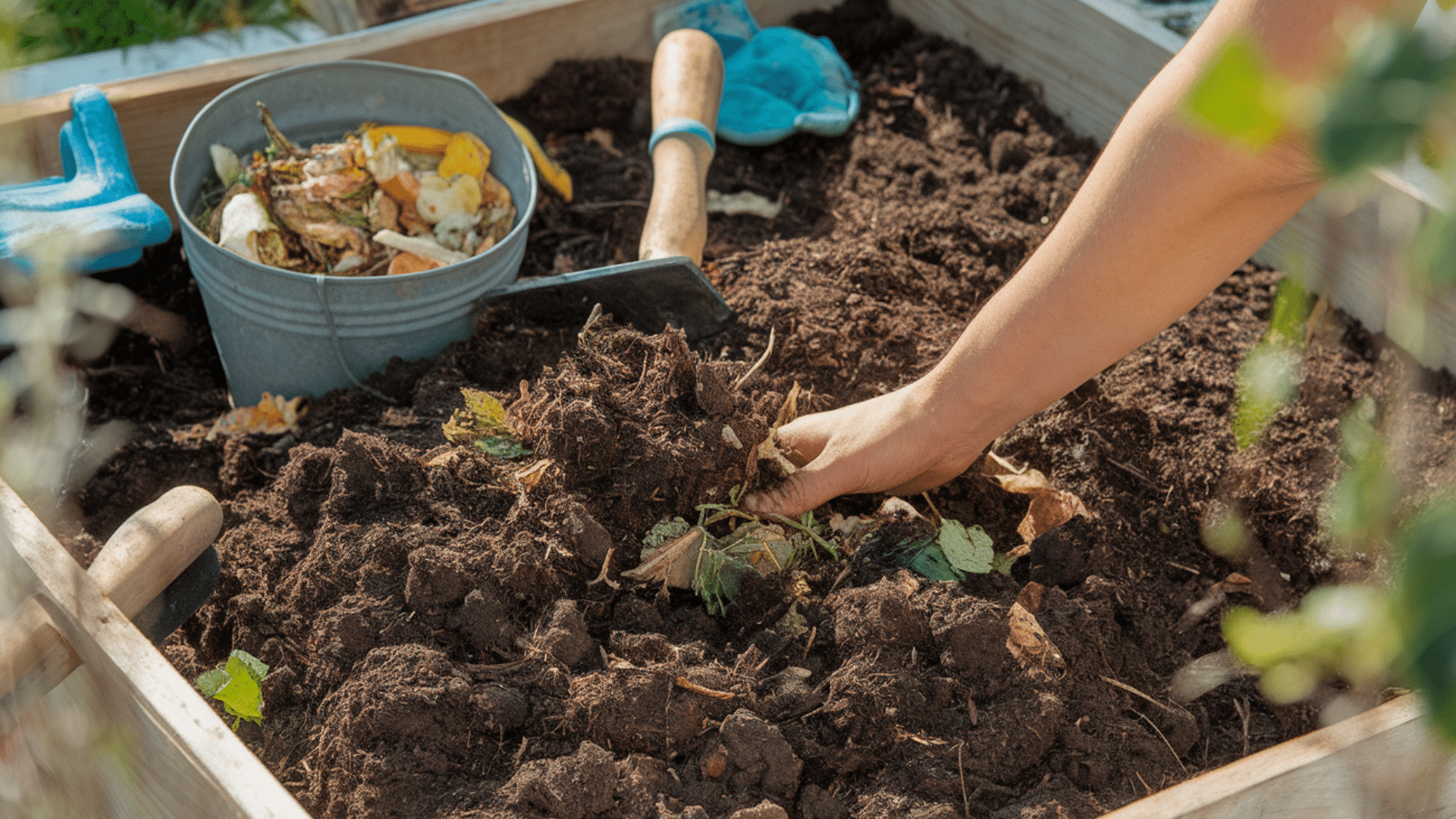
Good soil is the heart of a healthy veggie garden. You don’t need to be an expert to get it right, understand the basics.
Most vegetables grow best in loose, rich soil that drains well and holds some moisture. If your soil is hard, sandy, or sticky like clay, you’ll need to improve it.
That’s where compost helps. Compost is just broken-down food scraps, leaves, and garden waste. It adds nutrients, helps the soil hold water, and keeps it loose enough for roots to spread.
You can buy compost or make your own over time with kitchen and yard waste.
Mix compost into your soil before planting. Aim for about one-third compost to two-thirds soil. If you’re using raised beds or containers, fill them with a mix of topsoil, compost, and maybe a little potting mix.
Start with good soil, and your plants will thank you with real food.
When to Start a Vegetable Garden
Starting your garden at the right time is key. Some vegetables love cool weather, while others need warm soil and sunny days.
Cool-season crops like lettuce, spinach, and radishes can be planted a few weeks before your area’s last frost. These plants can handle chilly nights and even a light frost.
Warm-season crops like tomatoes, peppers, and cucumbers need to wait until after the last frost. They hate cold soil and won’t grow well if planted too early.
You can find your local frost dates online. It’s better to wait a little longer than to rush. Early planting can slow down growth or kill your plants.
A little patience now leads to healthier plants later.
How to Plant Correctly
Getting your seeds or seedlings into the ground the right way sets your garden up for success. You don’t need to overthink it, just follow a few simple steps.
- Plant seeds about 2–3 times as deep as their size. Tiny seeds = shallow, big seeds = deeper.
- Set seedlings at the same soil level they had in their pots, not deeper or higher.
- Plants need room. If they’re too close, they’ll compete for sunlight, water, and nutrients.
Once everything is in the ground, make sure you label your plants clearly. When sprouts come up, they all look alike and that can get confusing fast. A popsicle stick and a pen can save you a lot of guessing later.
Watering Right After Planting
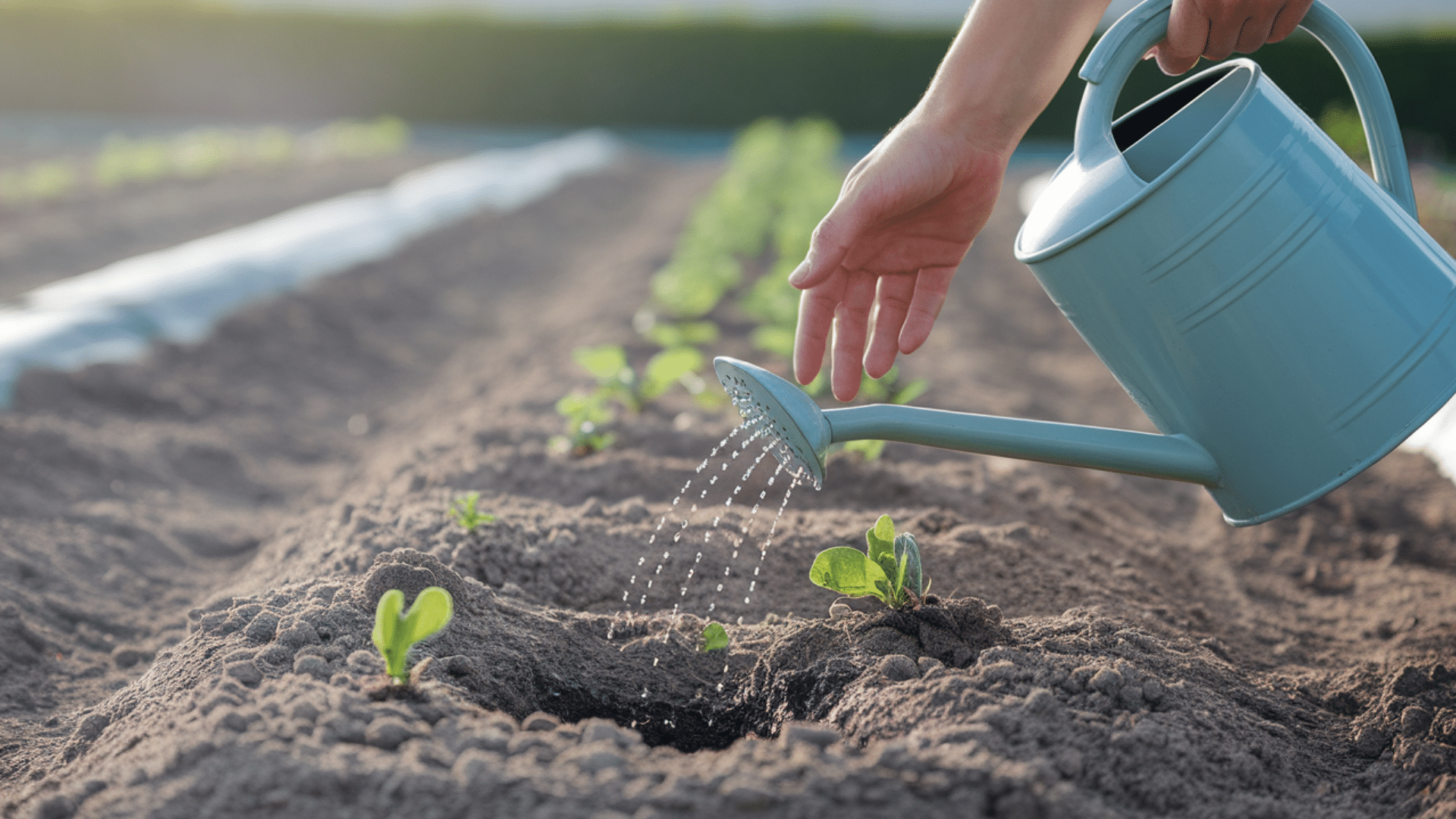
Right after you plant your seeds, the seedlings need water, but not too much. You want the soil to be damp, not soaked. Think of a sponge that’s wet but not dripping.
Too much water can rot roots or wash away seeds. Too little water, and nothing will grow. Use a watering can or hose with a soft spray to keep the soil moist without disturbing the seeds.
Check your garden every day, especially in warm or windy weather, since the top layer of soil dries out fast. Keeping the soil evenly moist helps seeds sprout, and roots settle in.
Once plants get going, you can water a bit less often but still check regularly.
Quick Fixes for Common Veggie Garden Problems
Even the best-planned veggie gardens run into problems. The good news is, most of them are easy to fix once you know what to watch for. Here are some common ones:
- Yellow leaves often mean overwatering or poor drainage. Let the soil dry out a bit before watering again.
- Wilting plants may be caused by underwatering or heat stress. Water in the morning and check the soil often.
- Holes in leaves usually result from pests such as caterpillars or beetles. Pick them off by hand or use insect netting.
- Flowering plants with no fruit might need more pollination. Add nearby flowers or gently shake the blooms to help.
- Moldy or spotted leaves indicate too much moisture on the leaves. Water at the base, not from above.
- Slow-growing plants may not be getting enough sun. Most veggies need at least six hours of direct light.
- Weeds everywhere take up space and nutrients. Use mulch to block them and keep moisture in.
These small problems are common, but with quick action, your garden can stay healthy and productive.
Conclusion
Starting my own veggie garden taught me more than I expected.
It wasn’t just about growing food; it was about slowing down, paying attention, and learning by doing. I made plenty of mistakes, but I kept going, and that’s what made it work. You don’t need to do everything at once.
Start with what feels doable, and let the rest come with time.
This guide gave you the simple steps. Now it’s your turn to try. Keep things small, pay attention to your plants, and don’t stress over perfection. One last tip: stick with it for a full season.
You’ll be surprised at what you can grow. Want more real-world tips? Check out the other blogs on the website!