Not everyone wants to spend every weekend weeding, pruning and mowing. The good news is that a garden does not need constant attention to look good. With the right planning, you can create a space that stays attractive through every season while asking very little of you in return.
A low-maintenance garden is about choosing plants, layouts and materials that work with nature rather than against it, so the garden mostly looks after itself.
Start With the Right Plants
The biggest factor in how much work your garden needs comes down to plant choice. Some plants demand constant deadheading, feeding and staking. Others are happy to be left alone for weeks at a time.
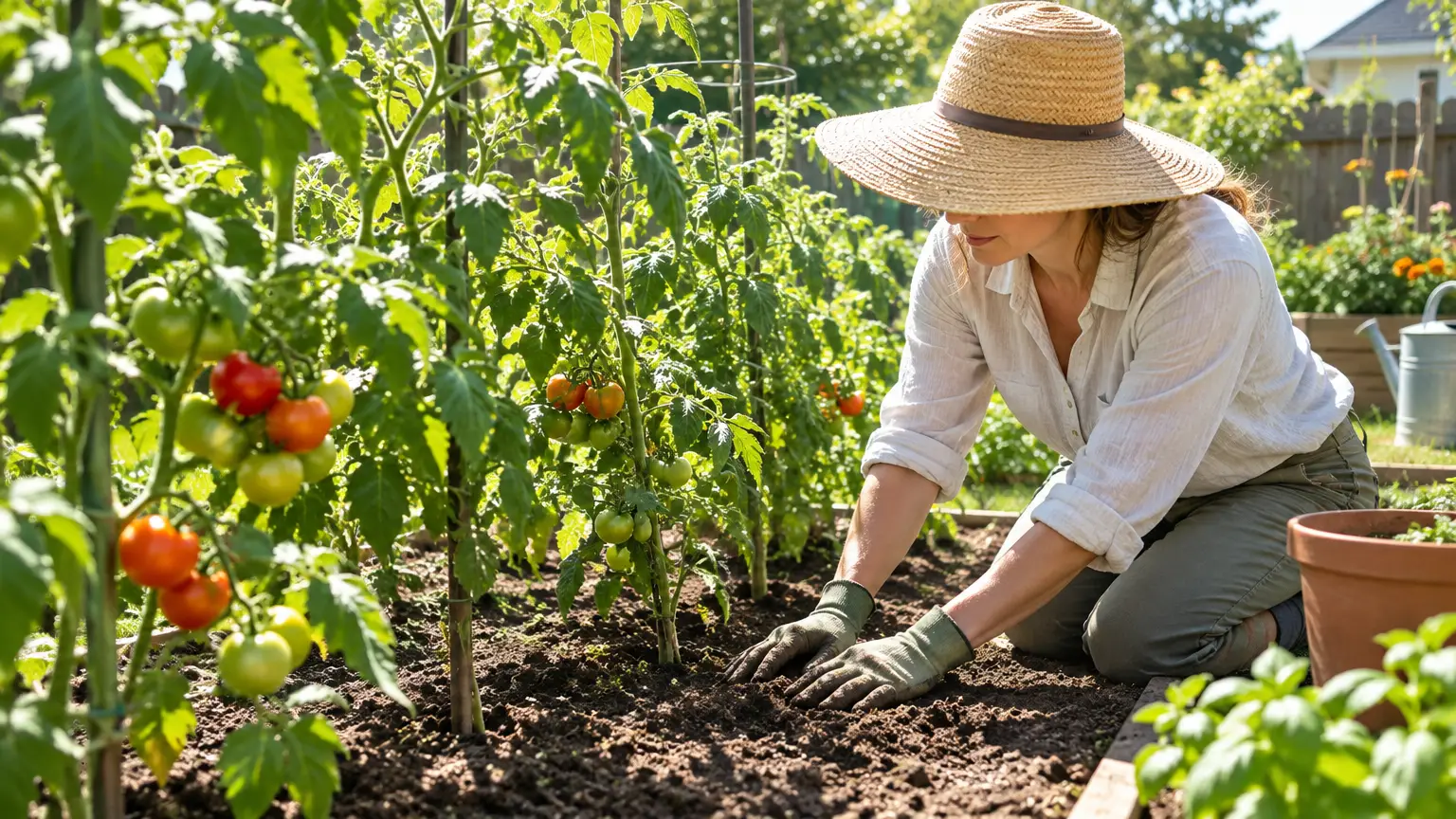
Look for perennials rather than annuals wherever possible. Perennials come back year after year, so you are not replanting every spring. Native and near native species are also a smart choice, since they are already suited to your local climate and soil, which means less watering and fewer pest problems.
Ground cover plants are particularly useful. They spread to fill gaps, which reduces the amount of bare soil where weeds can take hold. A well chosen ground cover can save you hours of weeding over a season.
Think About Layout Before You Plant
A garden that flows well is much easier to maintain than one with awkward corners and hard to reach beds. Group plants with similar water and light needs together, so you are not trying to remember different watering routines for every corner of the garden.
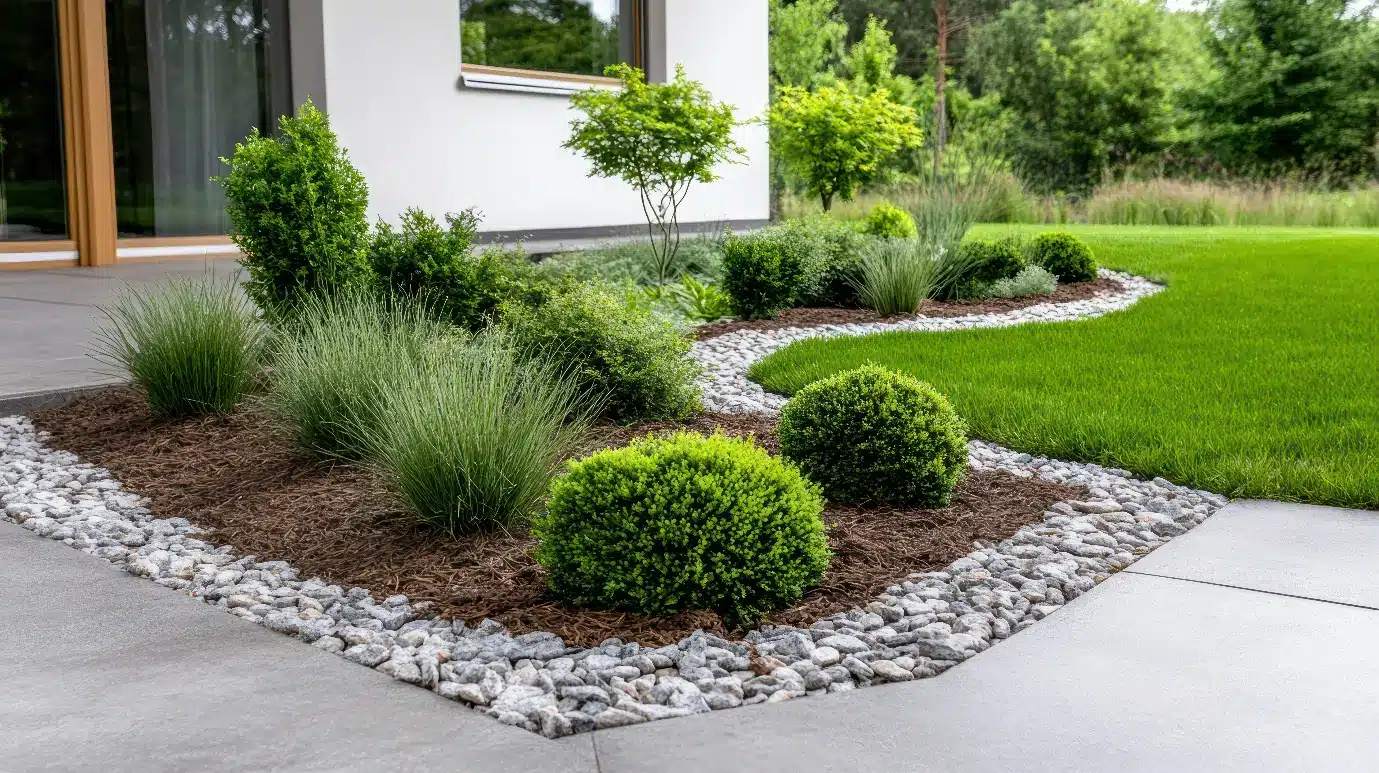
Wide, gently curved beds are easier to look after than narrow, fiddly shapes. They also make it simpler to move around the garden when it comes to the occasional trim or tidy up.
If your garden includes a lawn, keep the shape simple. Long, narrow strips or lots of sharp corners take longer to manage, whereas a broad, open lawn is quicker to keep neat. When it comes to the actual cutting, having reliable lawn mowers on hand makes short work of even a generous lawn, so you are not putting off the job week after week.
Mulch Is Your Best Friend
A generous layer of mulch across your beds does a surprising amount of work. It suppresses weeds, holds moisture in the soil, and slowly breaks down to improve soil structure over time. Bark, compost and gravel all work well, depending on the look you are going for.
Topping up mulch once or twice a year is far less effort than pulling weeds every few weeks, and it gives beds a neat, finished appearance all year round.
Reduce the Lawn, Not the Interest
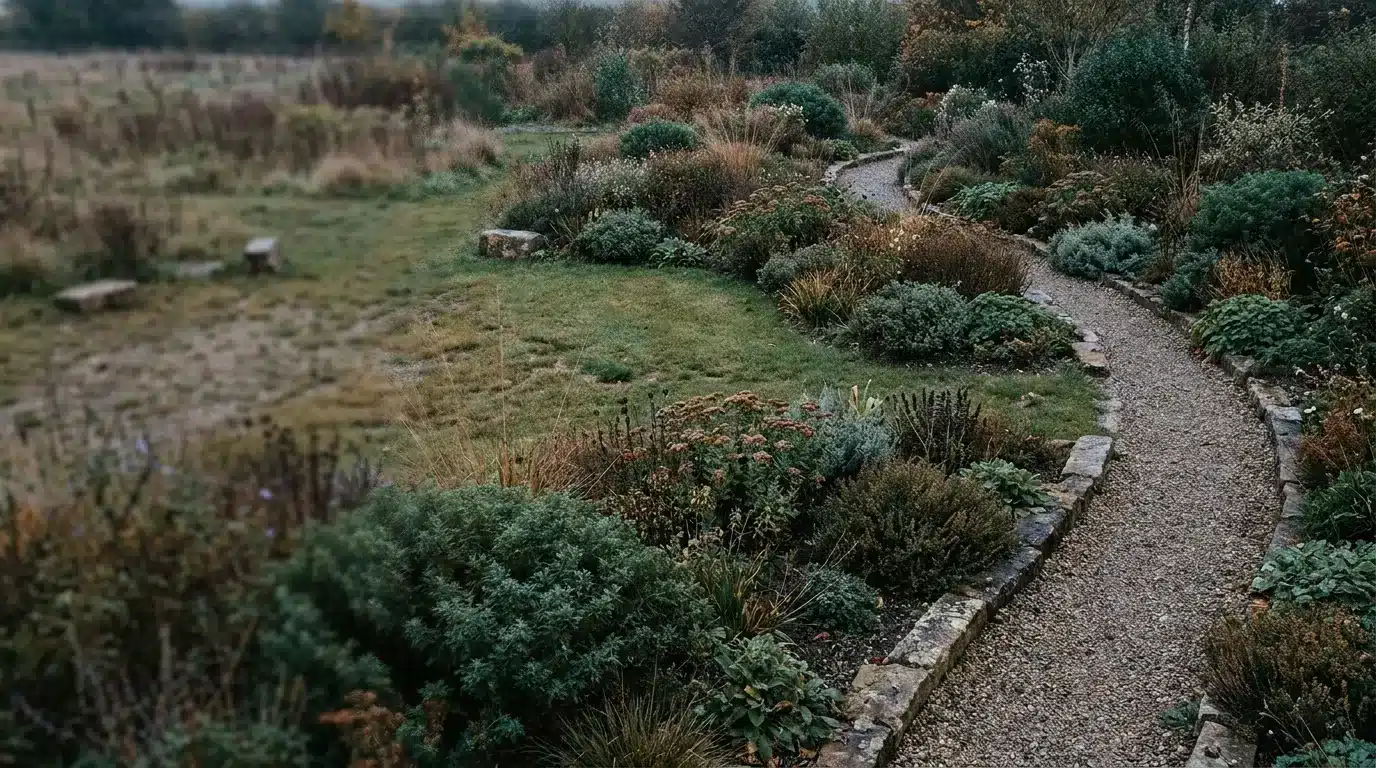
Lawns are often the single most demanding part of a garden. If a large area of grass is starting to feel like a chore, consider shrinking it slightly and filling the space with shrubs, ground cover or gravel paths instead. You keep the openness of a lawn without the same level of upkeep.
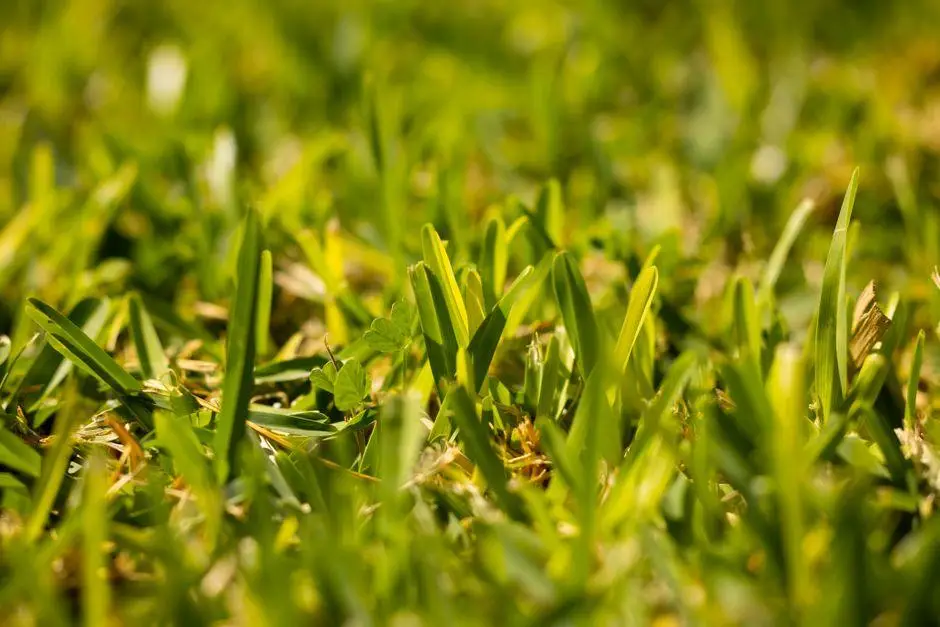
For the lawn you do keep, feeding it properly in spring and autumn will keep it thick and healthy, which in turn crowds out weeds and reduces how often you need to intervene.
Choose Shrubs Over High Maintenance Flowers
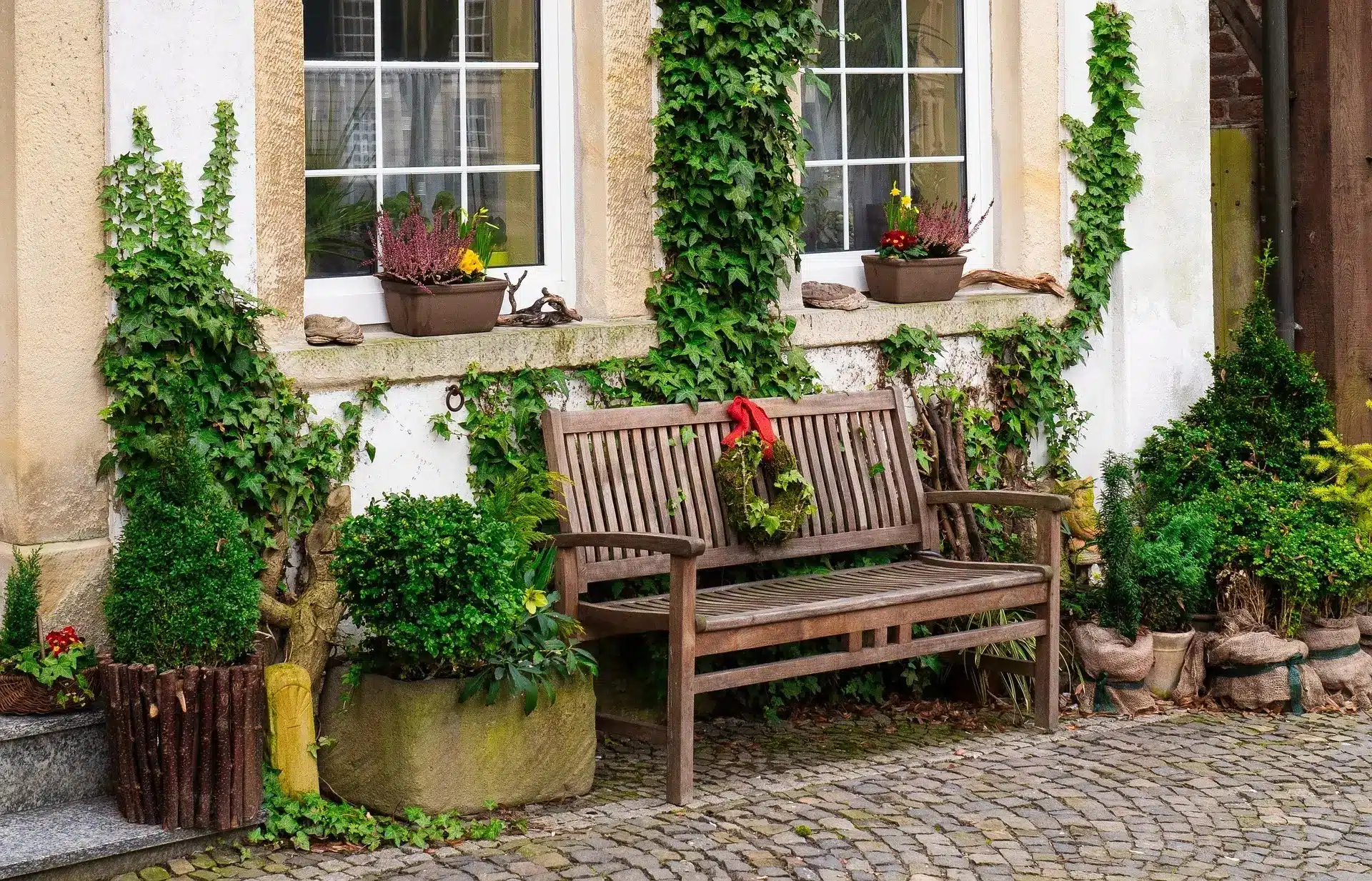
Shrubs give a garden structure and year round interest without needing much attention. Many varieties need pruning only once a year, if at all, and they tend to be more resilient to poor weather, pests and short dry spells than delicate flowering annuals.
Mixing evergreen shrubs with a few flowering perennials gives you colour through the warmer months and structure through winter, so the garden never looks bare.
Plan for Every Season
A garden that looks great all year needs a mix of plants that peak at different times. Bulbs for early spring, perennials for summer colour, evergreens for winter structure and a few shrubs with berries or coloured stems for autumn and winter interest will keep things looking good without you having to do much at all.
It is worth thinking about drainage and watering needs across the seasons too. A garden designed to cope with wet winters and dry summers on its own will need far less intervention from you throughout the year. If you would like more detail on getting a garden to manage on less water, our guide on designing a garden that copes well with dry spells covers this in more depth.
Keep Paths and Edges Tidy
Clear, defined edges between lawn, beds and paths make the whole garden look cared for, even when individual plants are left to their own devices. A simple edging strip or a mowed border around a bed can make a huge visual difference for very little ongoing effort.
Paths made from gravel, bark or paving also cut down on the amount of grass you need to maintain, and they keep the garden accessible in wet weather.
A Few Small Habits Go a Long Way
Even the most low maintenance garden benefits from a little regular attention. A quick walk around once a week to spot any issues early, a seasonal tidy up of dead growth, and topping up mulch when needed will keep everything looking its best without turning gardening into a full time job.
The aim is not a garden with zero effort, but one where the effort is small, manageable and spread sensibly across the year rather than piling up all at once.