
I used to think yellowing leaves just meant not enough water. But when spots started showing up or the whole plant seemed off.
Plant disease identification became something I had to learn if I wanted my plants to survive. It’s not always clear what’s going wrong, and guessing doesn’t work.
If you’re trying to figure out what’s hurting your plants, this blog will help. I’ll break down how to spot different plant diseases, what causes them, and how you can stop them early.
You’ll learn how to check your plants closely and catch problems fast. It might seem tricky at first, but by the end, you’ll be able to notice things others miss.
Why Plant Problems Are Often Misidentified
It’s easy to think your plant has a disease when something looks wrong. But many problems like yellow leaves, brown spots, or curling edges can look the same even if they come from different causes.
That’s why plant problems are often misidentified.
Sometimes it’s a real disease. Other times it’s a care issue like overwatering or not enough light. Environmental stress like sudden weather changes or poor soil can also make plants look sick. These problems don’t always have clear signs.
Apps and photo searches can help, but they often guess based on looks alone. That’s risky. Plants can’t speak, so we have to watch them closely to understand what’s really going on.
If you want to help your plant get better, slow down. Don’t rush to fix things. Careful observation over time usually gives better answers than quick guesses.
What is Wrong With My Plant?
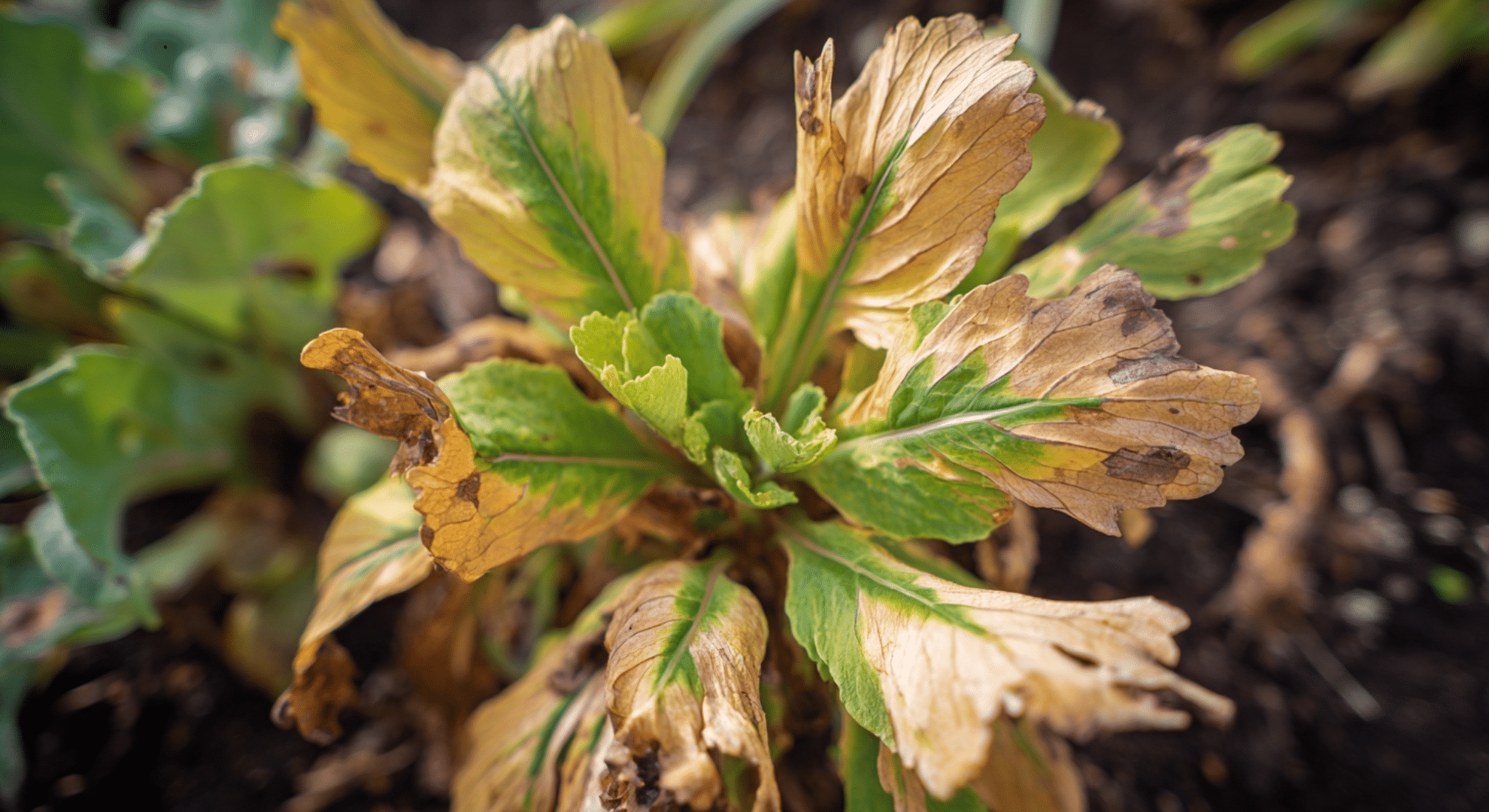
Most people notice when a plant “just doesn’t look right.” Leaves might be turning yellow, drooping, or showing spots. Maybe growth has slowed, or new leaves look different.
These are all early signs something’s off. This is where the question usually begins: What is wrong with my plant?
At first, it’s not about knowing the exact disease name. What matters more is spotting symptoms early and paying close attention. Look at when the symptoms started, where they are on the plant, and if they’re spreading.
Are just the bottom leaves affected? Is it happening fast or slow? Are other plants nearby also showing signs?
Patterns like these tell more than any one symptom. They can help you figure out if it’s a pest, a disease, stress from the environment, or even just a watering mistake.
You don’t need to name the problem right away. You just need to start noticing.
Stay patient and take notes. Catching small changes early can make a big difference before things get worse.
Plant Disease Identification Basics You Need to Know
Plant disease identification isn’t just about naming what’s wrong. It’s about figuring out the real cause behind the problem. Many people look for fast answers, but plant health isn’t always simple.
You need to slow down and look closely. The key is to notice changes in how the plant looks, grows, and reacts over time. Professionals use this same method, starting with clues instead of guesses.
Here’s what makes a difference:
Symptoms are how the plant responds like yellowing, drooping, or spots.
Signs are what you can see of the disease itself like mold, rust, or pests.
Not every problem comes from a disease. Some come from overwatering, poor light, or stress from weather. That’s why knowing the name doesn’t always help.
What matters is finding the cause. When you treat the cause, not just the symptoms, your plant has a better chance of getting better.
If you skip this step and guess, you might use the wrong solution and make things worse. But with good observation, you’ll make better choices and spot issues before they spread.
Not Every Sick Plant Has a Disease: Mistakes to Check First
Before you assume your plant has a disease, it’s smart to look at other things that often cause similar symptoms.
A lot of everyday problems like water, light, or even spray products can make plants look sick. Here are some things to check first:
Watering Problems That Mimic Disease
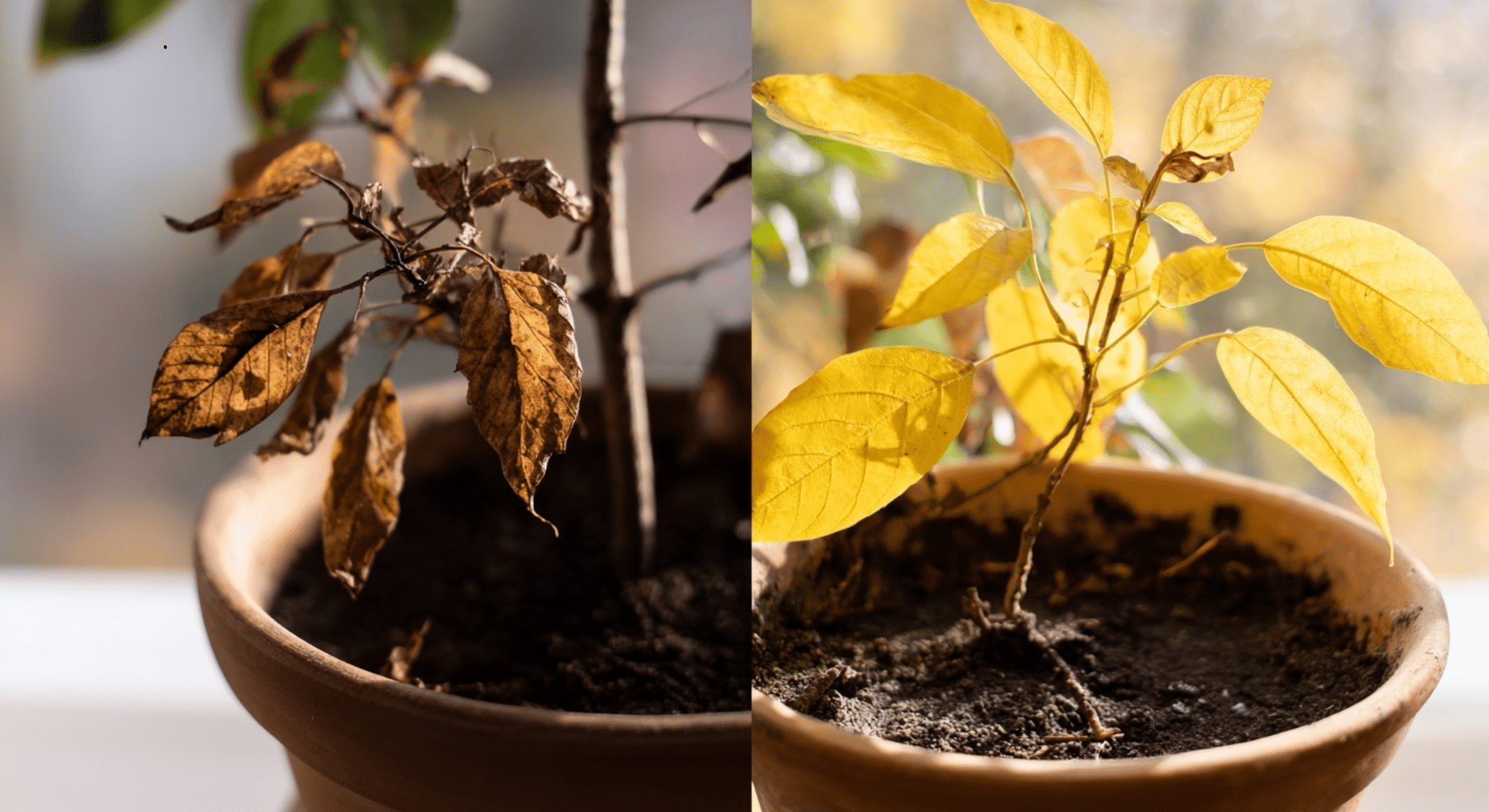
Too much or too little water can both cause yellow leaves, drooping, and brown edges. The tricky part is they often look the same. But there’s one way to tell, check the roots.
If they’re mushy and dark, it’s likely overwatering. If they’re dry and brittle, it’s probably underwatering. Leaves react, but the real issue often starts below the soil.
Always feel the soil before watering and give roots time to breathe.
Nutrient Deficiencies That Look Like Infection
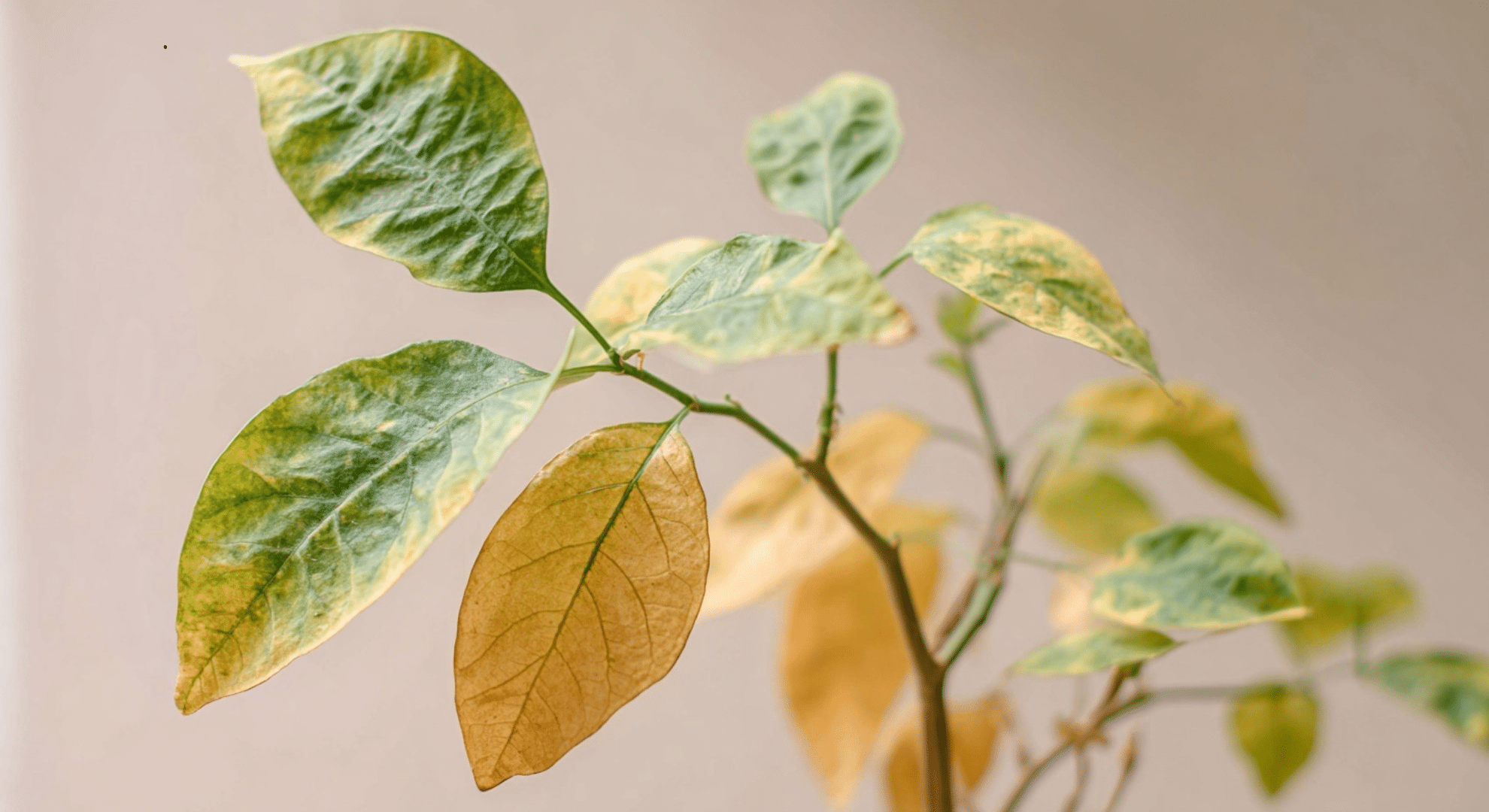
Not enough nutrients can cause yellow leaves, spots, and weak growth. This often gets mistaken for a disease. The signs show up slowly, usually on older leaves first.
For example, pale leaves can mean low nitrogen. Purple or reddish leaves might mean low phosphorus. These problems are about missing food, not an infection.
A soil test or balanced plant food can usually fix it.
Temperature and Light Stress
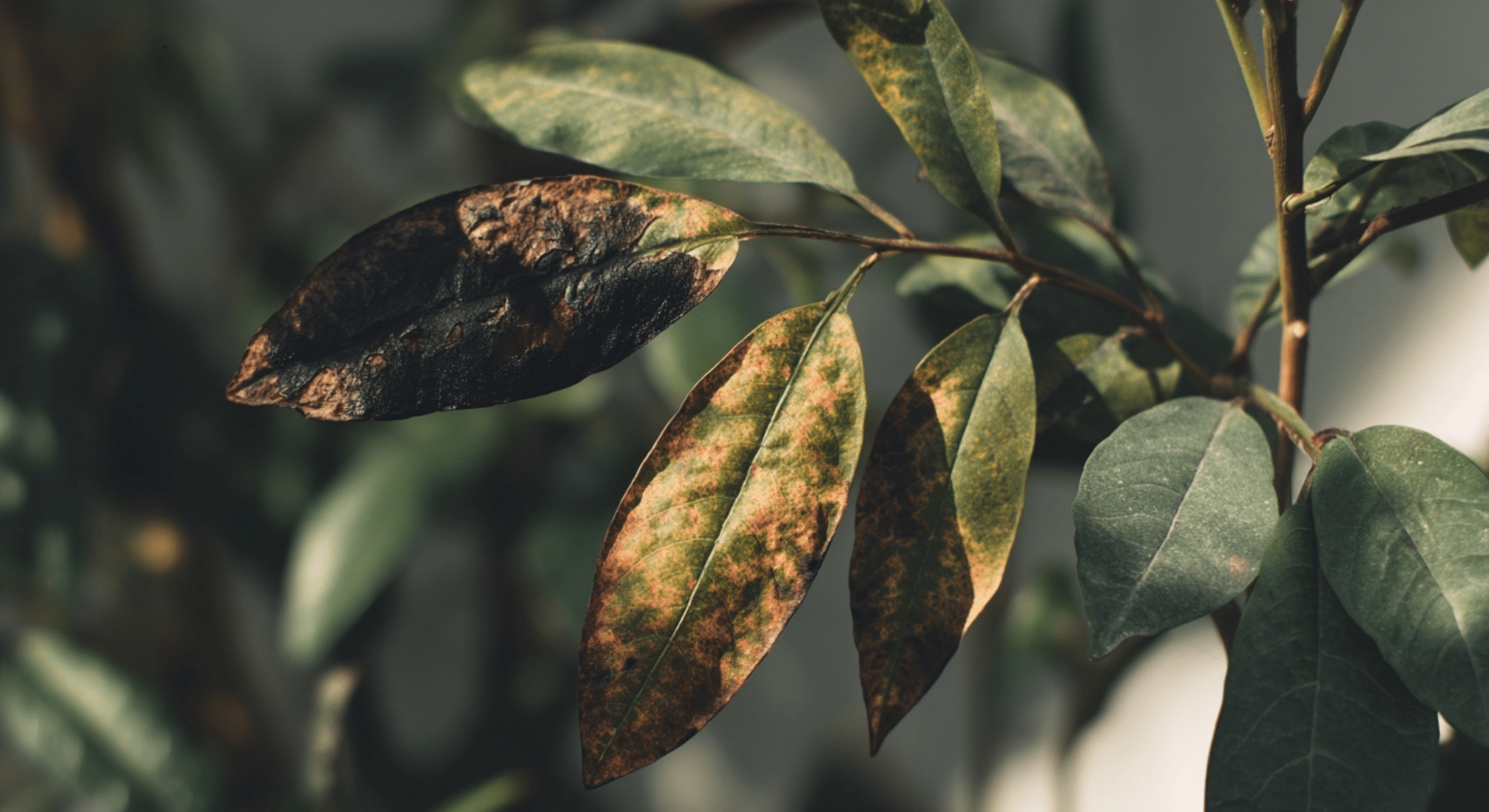
Too much sun can burn leaves, leaving them dry or faded. Cold snaps can cause wilting, blackened spots, or stunted growth. Moving a plant suddenly from shade to sun or from indoors to outdoors can also shock it.
These changes mess with how a plant handles water and light. Gradual changes and stable spots help plants avoid stress that looks like disease.
Chemical and Environmental Damage
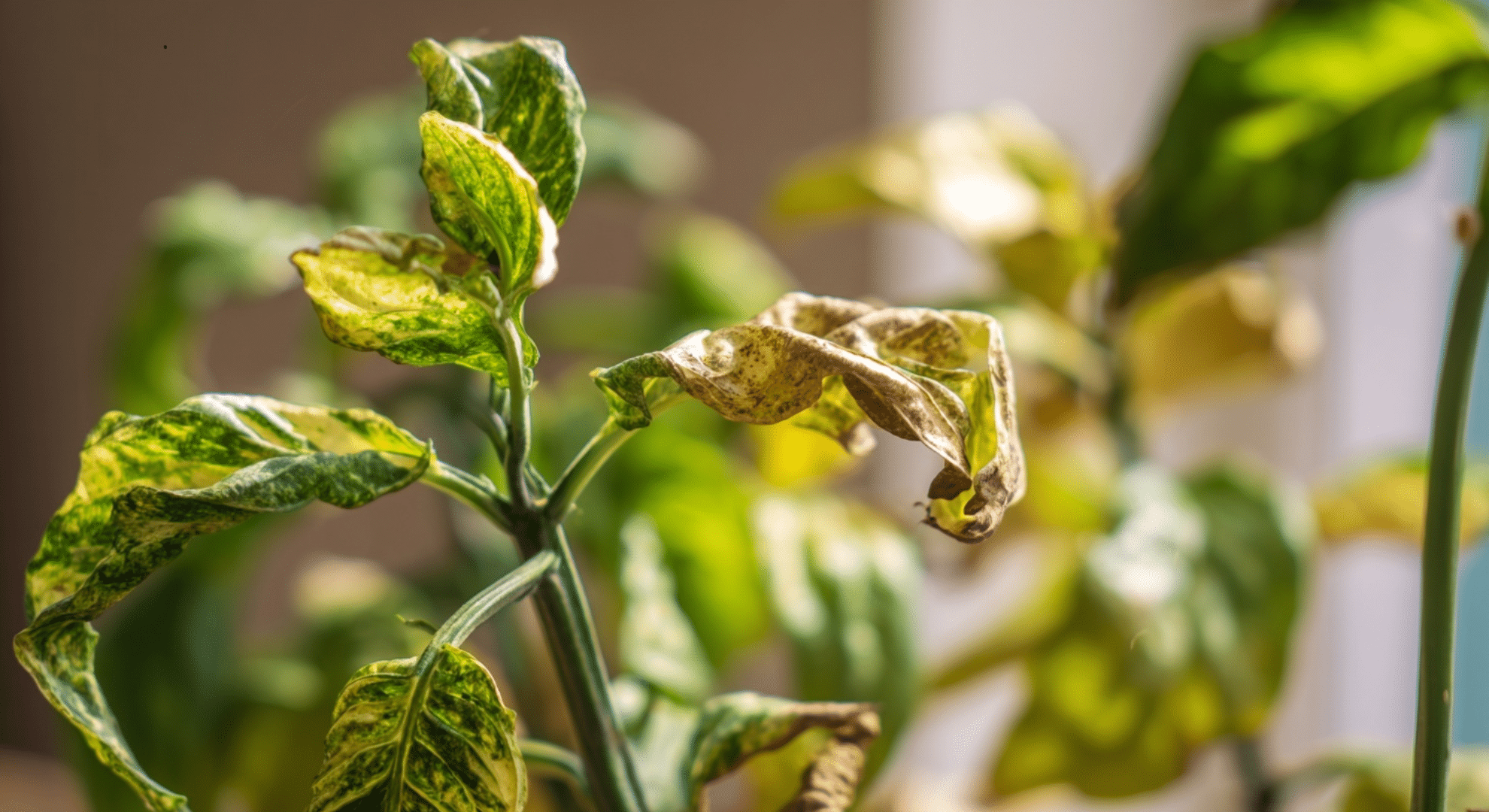
Sometimes the real trouble comes from what’s around the plant. Fertilizer burn shows up as crispy edges or white crusts on the soil.
Herbicide drift, chemicals from weed killers can twist or discolor leaves even if you didn’t spray directly. Some cleaning sprays or strong-smelling products indoors can also damage plants.
Always check what’s been used nearby and be careful with chemicals around your plants.
How to Identify Plant Diseases
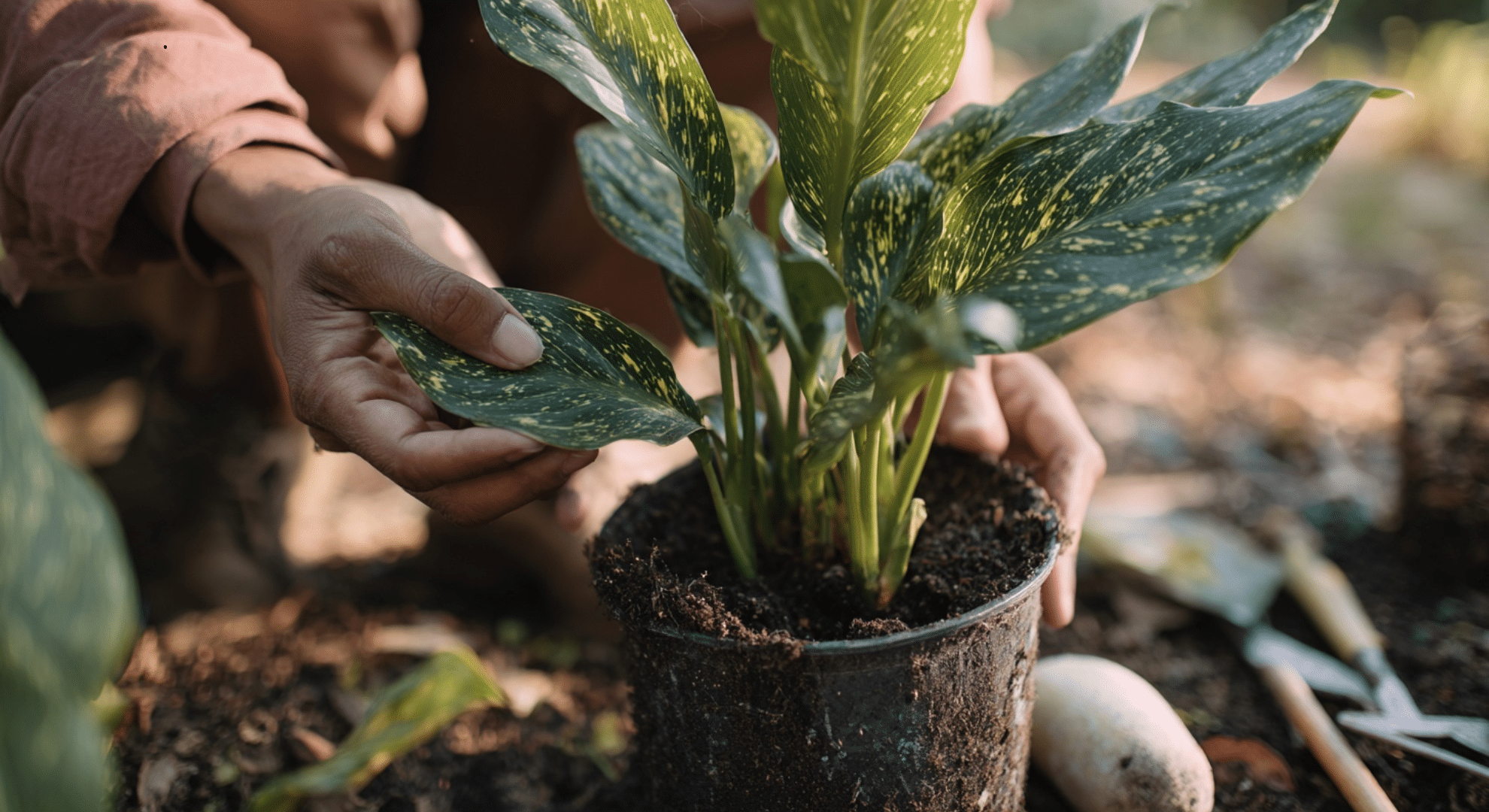
If your plant looks sick, it’s easy to feel stuck. But identifying plant diseases doesn’t have to be confusing.
You just need to slow down and look closely, one step at a time. Here’s a simple way to do it, even if you’re just starting out:
1. Observe Patterns, Not Just Damage: Don’t only focus on what looks bad. Look for patterns. Are just a few leaves showing signs, or is the whole plant affected? Is it happening to one plant or several?
If symptoms are random, it might be a pest or stress. If symptoms are even and spread in a pattern, it could be a disease. The way the problem spreads tells more than just a spot or a color.
2. Identify the Plant First: You can’t solve a plant’s problem if you don’t know what kind of plant it is. Different plants react to stress in different ways.
For example, yellow leaves might mean something different for a fern than for a tomato. What’s normal for one plant could be a red flag for another. Always start by naming the plant.
3. Inspect All Plant Parts: Look at the whole plant. Don’t just check the top leaves. Flip leaves over to check for pests or spots underneath. Look at the stems for cracks or mushy areas.
Gently check the roots if the problem seems serious, healthy roots are firm and pale. Also notice if the damage is on new or old growth. That detail can help narrow things down.
4. Compare Symptoms With Reliable Sources: Once you’ve gathered clues, compare what you see with trusted sources like agriculture extension sites or botanical gardens.
These often have clear photos and facts. Be careful with random pictures online or crowd-sourced plant ID groups. Sometimes they show the same symptom but give wrong answers.
Stick with sources that explain the cause, not just show the result.
Common Plant Disease Symptoms and What They Mean
Most people notice what shows up, not the cause hiding underneath. Spots, strange textures, or sudden changes in shape are often the first clues something is wrong.
The key is learning what those symptoms usually point to. Here’s a clear breakdown to help you start matching what you see with what it might mean:
| Symptom | What It Might Mean |
|---|---|
| Spots on Leaves | Round and spreading? Likely fungal. Wet or angular? Possibly bacterial. |
| White, Fuzzy, or Powdery Growth | Powdery mildew sits on top. Downy mildew shows underneath and prefers moisture. |
| Yellowing or Curled Leaves | Could be a virus, but also check for missing nutrients or root issues. |
| Wilting or Sudden Collapse | Root rot often causes this. Water may be present, but roots can’t take it up. |
Looking at symptoms is just the start. You still need to check the whole plant, the soil, and even recent changes in care.
This table gives you a strong base to build from.
Types of Plant Diseases Explained in Simple Terms
Not all plant diseases are the same. Some can be treated with a bit of care, while others are harder to stop. To deal with the problem the right way, it helps to know what type you’re facing.
Here’s a simple breakdown of the main types of plant diseases and how to spot what you’re really dealing with:
Fungal Diseases
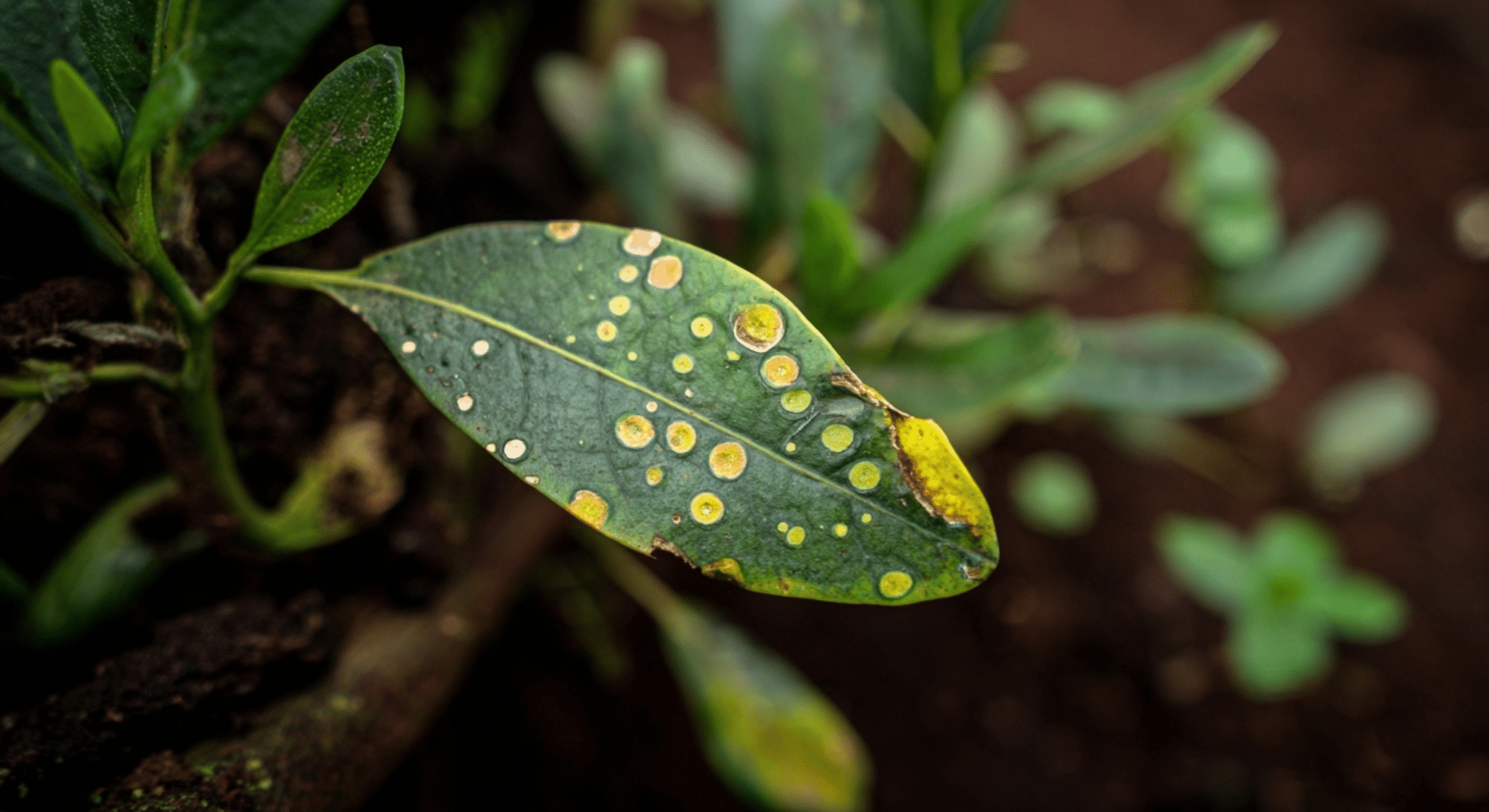
Fungal diseases are the most common and often spread through spores in the air, water, or soil. They usually show up as spots, mildew, rust, or rot.
The good news is many can be treated if caught early often by removing infected parts and improving airflow. Moist conditions help them grow, so drying out the area is one of the best ways to stop them.
Bacterial Diseases
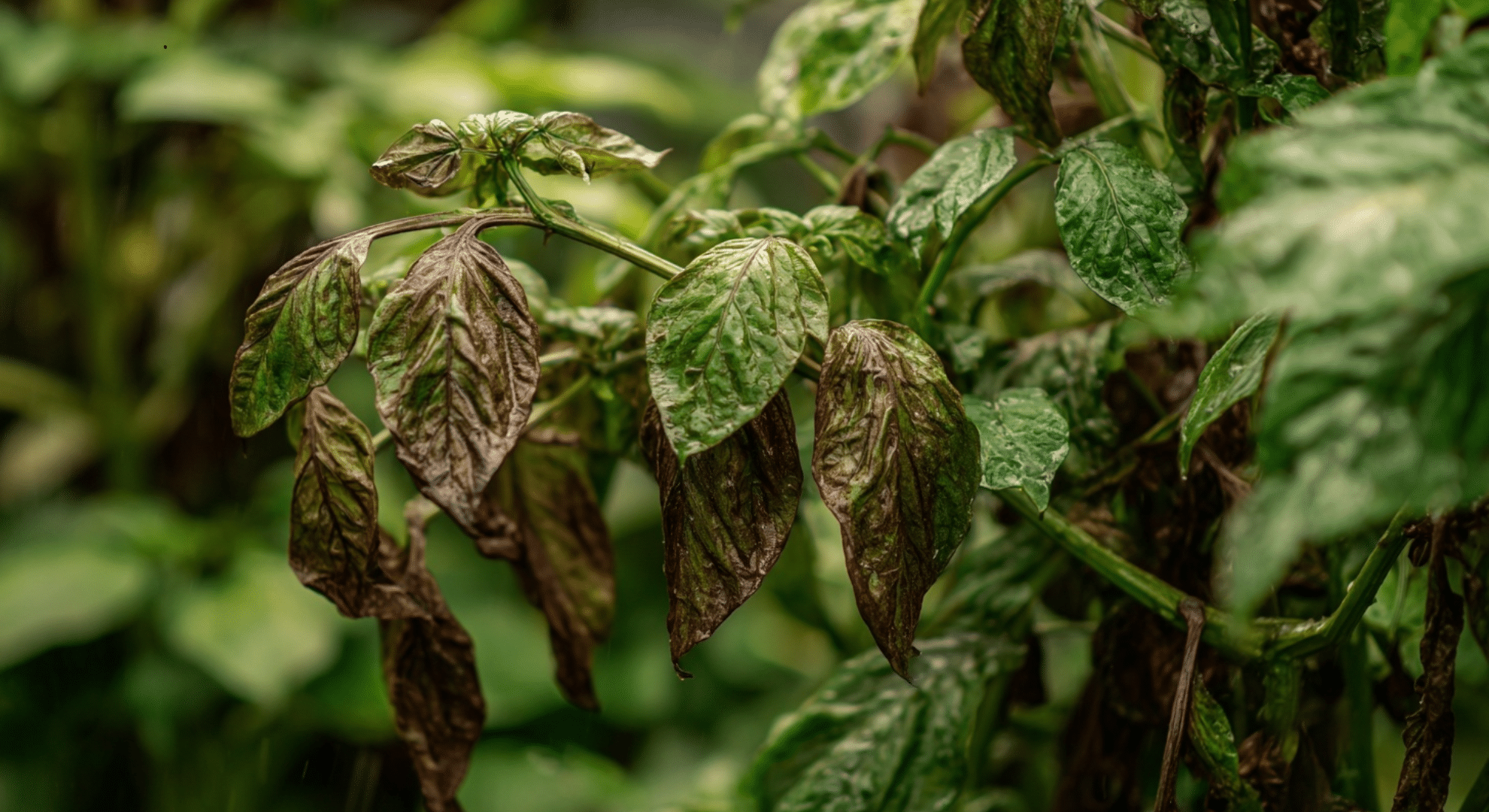
Bacterial diseases often spread through water, tools, or by touch. They move fast and usually appear as water-soaked spots, oozing stems, or leaf edges that look burned.
These diseases are harder to treat because once the bacteria are inside the plant, there’s no easy cure. Removing infected plants and keeping tools clean is your best chance to control it.
Viral Diseases
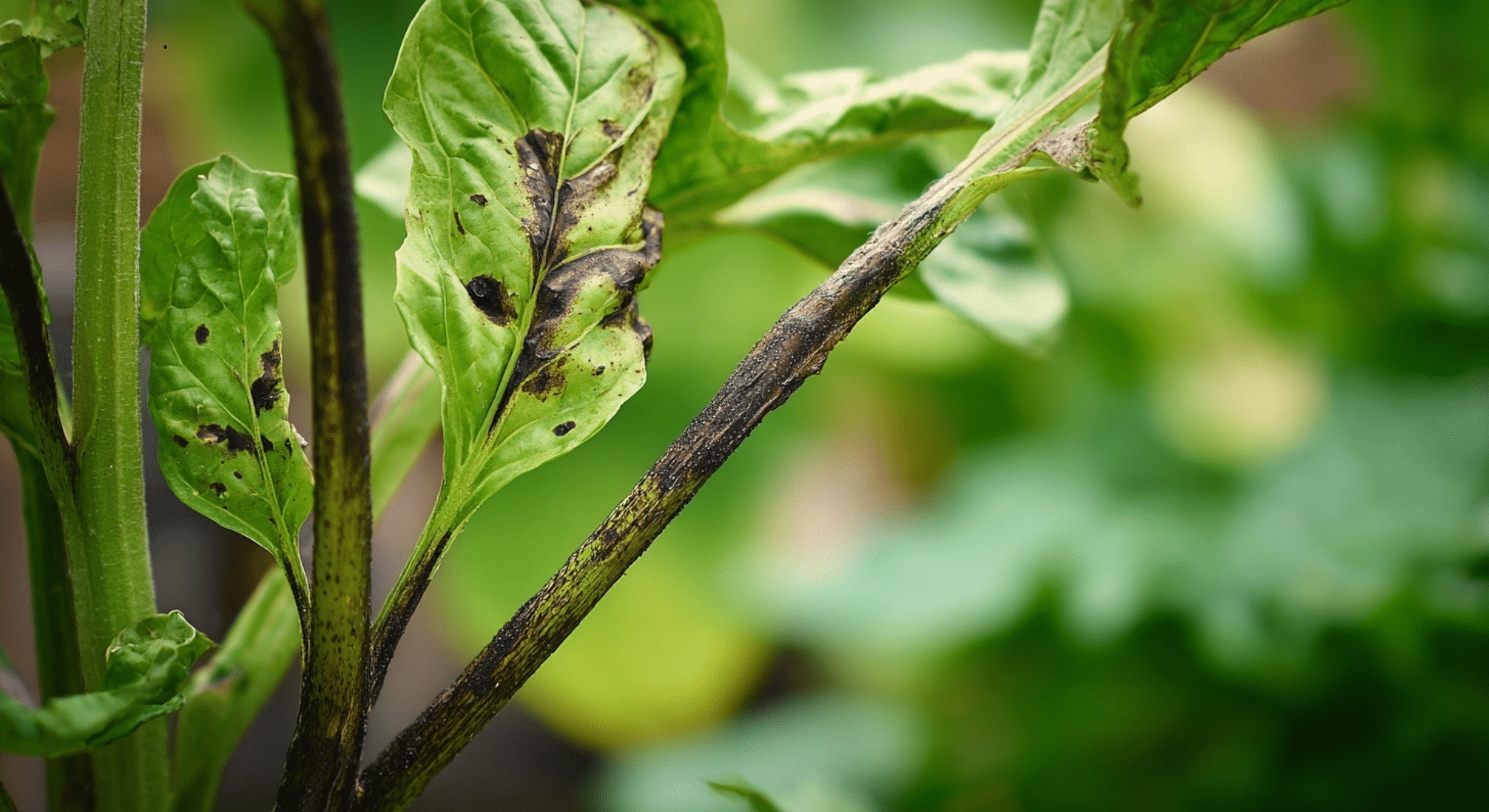
Viral diseases don’t usually kill plants fast, but they cause strange growth, twisting, color changes, and weak growth over time.
Cures don’t exist for most plant viruses, so the goal is to manage the spread. That means removing infected plants, controlling pests, and choosing virus-resistant varieties when possible.
Abiotic Problems That Are Not Diseases
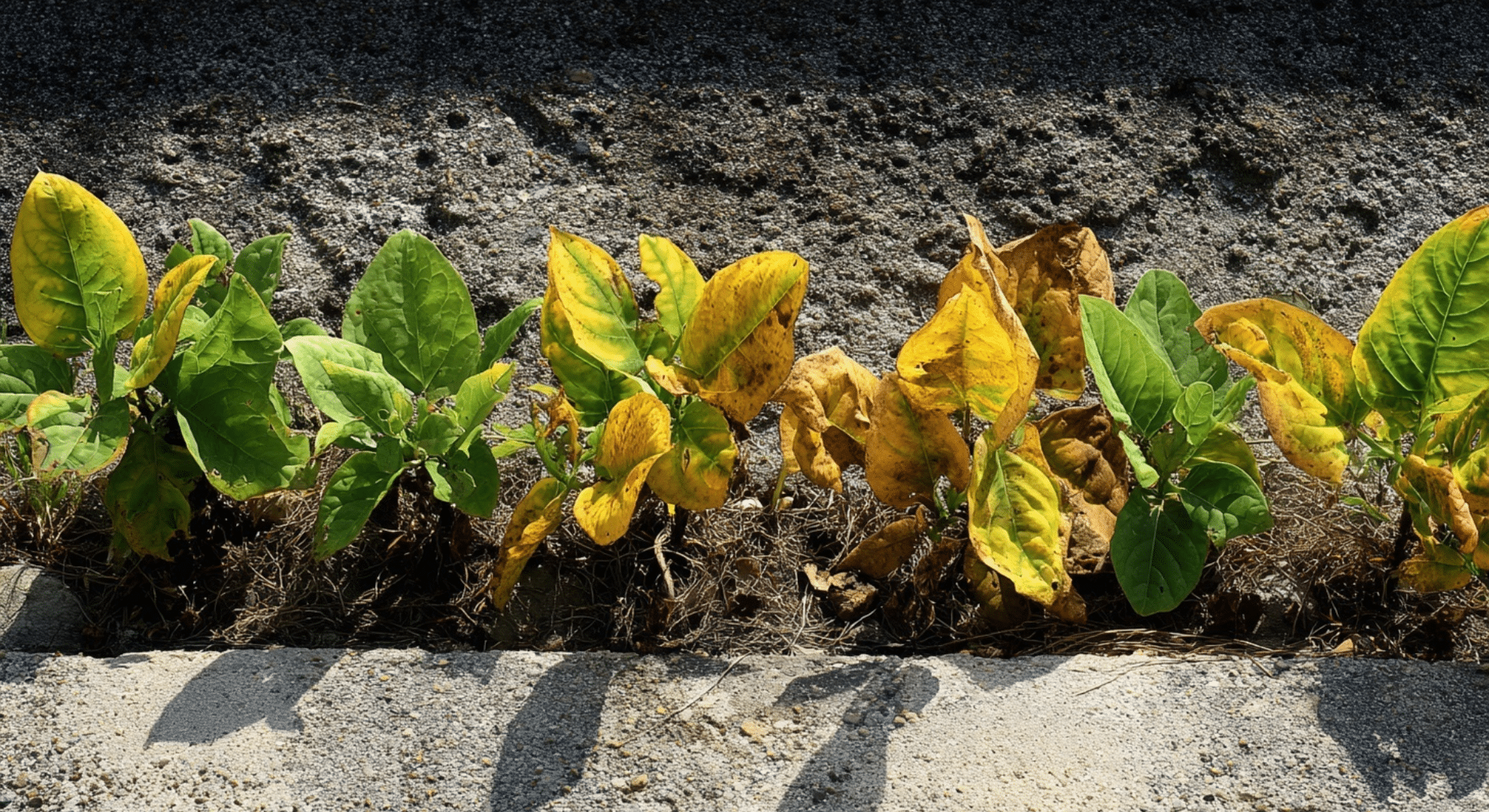
Abiotic problems come from non-living sources like sunburn, chemicals, poor watering, or bad soil. These issues don’t spread but often show up on many plants at once.
Damage is usually uniform. If every plant in one area looks off, and there are no pests or spots spreading, it’s probably an abiotic issue. Consistency is the big clue.
Using Apps and Technology to Identify Plant Diseases
If your plant looks sick and you’re not sure why, using an app can feel like the easiest first step. They can help but they’re not perfect.
Knowing how to use them the right way makes a big difference.
Most apps work by comparing your photo to a database of plant problems. They scan what they see and try to find the closest match. This isn’t always exact, so more info helps.
Uploading multiple photos from different angles and parts of the plant gives the app more clues and lowers the chance of a wrong guess.
Here are some reliable apps people use:
- Plantix: Free with strong support for common food crops. Good symptom database and offers treatment tips.
- PictureThis: Free basic features, paid version includes plant care and disease diagnosis.
- Planta: Great for houseplants. Tracks care routines and offers some disease alerts.
- Garden Answers: Paid version gives access to expert advice, but identification accuracy can vary.
Each app has strengths. Some are better for garden crops, while others focus on houseplants. But all can give the wrong answer if the photo isn’t clear or the problem looks like something else.
Good photos make a big difference. Use natural light not flash so colors look real. Take photos from a few angles, including leaf tops, bottoms, stems, and full plant shots.
Make sure the image is clear and sharp. Avoid photos that are too zoomed in or too far away. The app can only “see” what you show it.
Common App Misidentifications to Watch For
Apps are helpful, but they often get certain problems wrong. If something feels off about the result, take a second look. Here are the most common mistakes:
- Mixing up fungal and bacterial spots: These can look similar, but they spread and behave differently. The app might not catch the difference.
- Thinking stress is a disease: Yellow leaves from too much sun or water can look like a virus or nutrient problem. Apps may label it wrong.
- Confusing early symptoms with major disease: Curling or faded spots can be small signs of stress. The app might jump to a more serious cause than needed.
- Matching your plant with the wrong species: If your plant isn’t correctly identified first, the disease match might be totally off.
These mistakes don’t mean apps are useless but they are a tool, not a full solution. Use them to support your own careful checking and slow observation.
When You Need More Than an App to Help Your Plant
Sometimes, plant problems are too complex for apps to figure out. That’s when expert help makes a real difference.
Local extension services or plant clinics can give more accurate answers. They work with trained plant experts who understand regional issues.
In some cases, they may suggest lab testing to find viruses, bacteria, or hidden pests.
Testing might sound serious, but it can save time and stop you from using the wrong treatment. To get the best results, you need to prepare your sample properly.
Cut a fresh piece of the affected plant, including healthy and damaged parts. Place it in a paper bag, not plastic, so it doesn’t rot before it gets checked.
When in doubt, expert help is worth it. It often leads to faster and more accurate answers than any app can give.
What to Do After You Identify the Problem
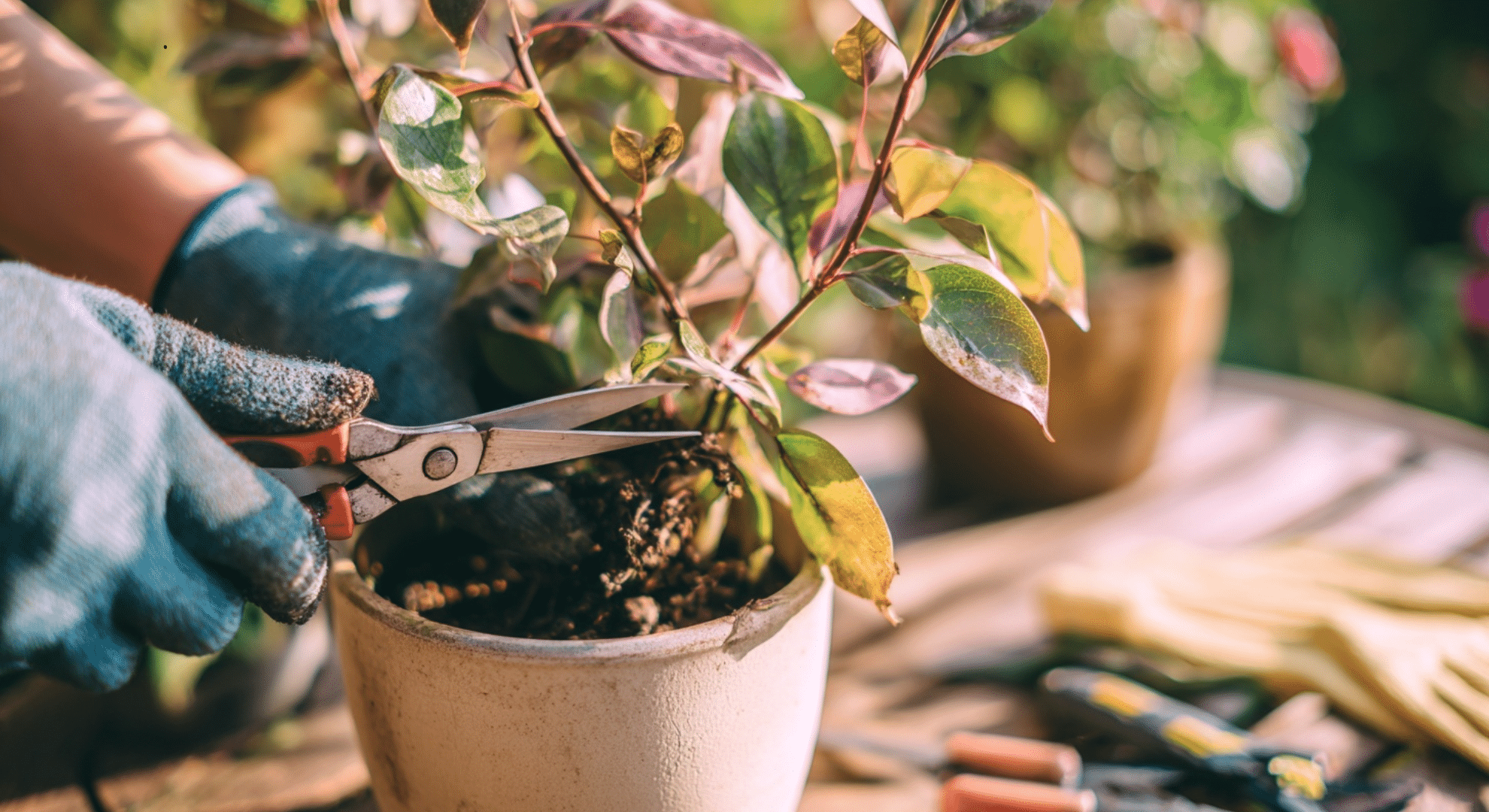
Once you’ve figured out what’s wrong with your plant, the next step is to take calm, steady action. Don’t rush. Start by removing any damaged or infected leaves.
This helps stop the spread. If it’s a disease, clean your tools before and after cutting. Change the environment if needed: more air, less water, or different light can help plants recover faster.
Use the right treatment for the problem. That might mean a fungicide, better soil, or just giving the plant time to heal.
Stick to the plan for a few weeks and watch for changes. Keep notes on what you do and what you see.
Sometimes, fixing the cause takes time. Don’t expect overnight results. Be patient and give your plant a chance to respond.
Recovery is a slow process, but it starts with the right care at the right time.
How to Prevent Plant Diseases in the Future
Keeping your plants healthy starts with small, simple habits. Most plant diseases can be avoided just by giving plants what they need and staying consistent. It’s easier to prevent problems than to fix them later.
Here are some steps you can take to lower the chance of disease:
- Water at the base, not the leaves: Wet leaves make it easier for fungus and bacteria to grow.
- Let the soil dry between waterings: Roots need air, not soggy soil. Overwatering causes root rot.
- Give plants room to breathe: Good spacing allows airflow and keeps moisture from getting trapped.
- Use clean tools and pots: Wipe tools after use. Reuse pots only if they’re washed well.
- Check plants often: Early signs like yellow spots or curling leaves are easier to treat.
- Keep dead leaves off the soil: Fallen leaves can carry and spread disease.
- Pick disease-resistant plant varieties: Some types are bred to fight off common problems more easily.
Even a few of these changes can make a big difference over time. Healthy habits now mean fewer issues later and stronger, longer-living plants.
Conclusion
Learning about plant disease identification has helped me care for my plants in a smarter way, not just reacting when they look sick, but spotting small changes early.
It made me more patient and observant, and it saved a few plants I thought I’d lose.
You can use the same steps now to watch your own plants more closely. Look for patterns, stay consistent with care, and don’t rush to fix things without knowing the cause. Simple habits go a long way.
Even if you’re just starting, you’ve got what you need to notice what others might miss.
Keep learning. There’s more you can do to help your plants thrive. Check out other blogs on the website for more real, useful tips!