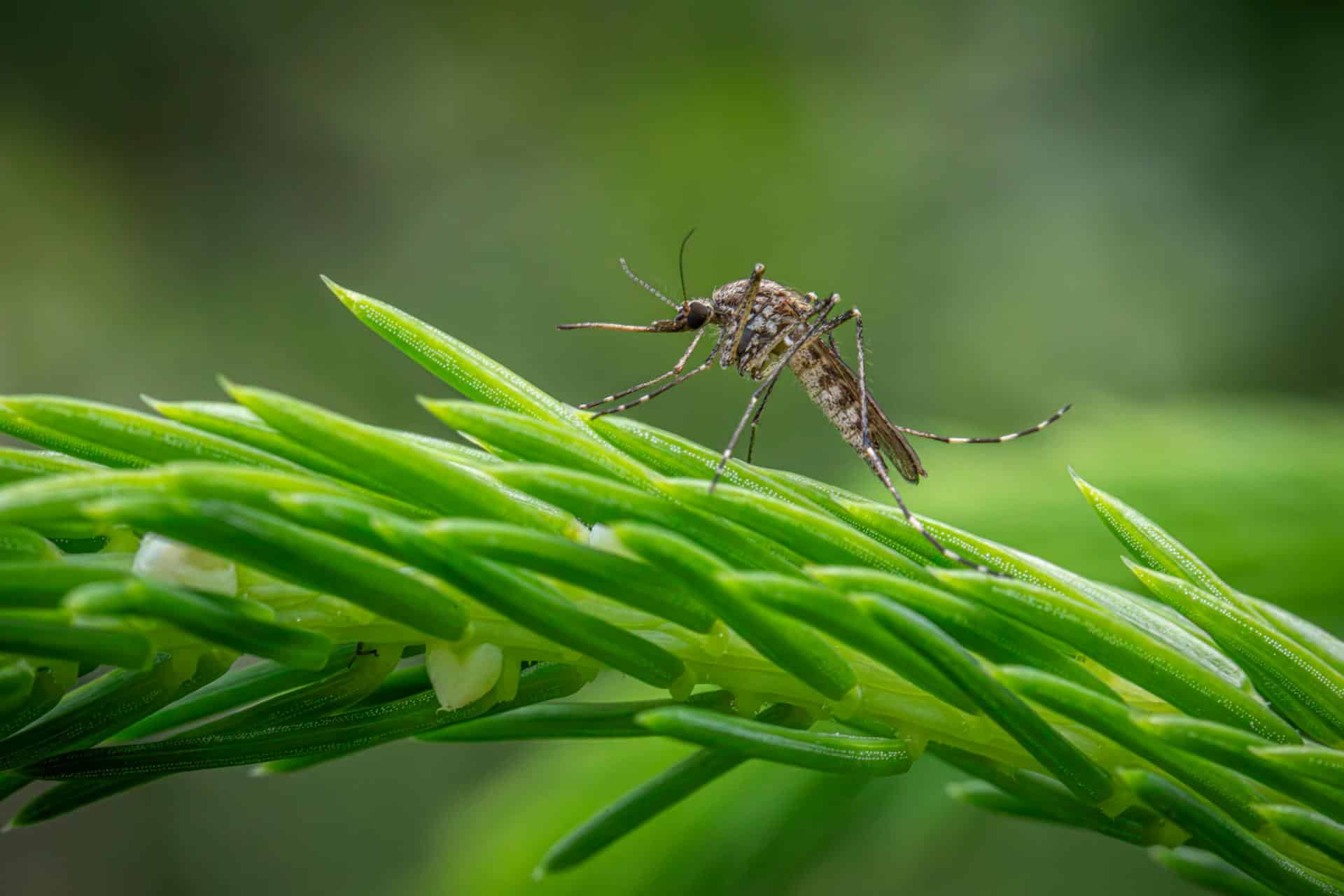
You’ve spotted unwelcome guests scurrying across your kitchen floor, and suddenly you’re wading through the overwhelming world of pest control options.
Before you pick up that phone or click “book now,” let’s talk about what you’re really getting into: financially and practically.
Understanding pest control costs isn’t just about budgets; it’s about making informed choices that protect your home without draining your wallet.
We’re pulling back the curtain on pricing structures, sharing genuine experiences from homeowners just like you, and revealing why those quotes can swing so dramatically from one company to the next.
Ready to become a savvier shopper?
Average Pest Control Costs
When it comes to pest control, pricing varies significantly across the board. Your total cost depends on tackling a single infestation or signing up for year-round protection.
National averages offer a helpful starting point, though your actual quote will shift based on your location, property size, and the specific pests you’re dealing with.
Urban areas typically see higher rates than rural communities, and coastal cities often command premium pricing.
| Service Type | Typical Cost Range | Payment Frequency | Coverage Type |
|---|---|---|---|
| One-time visit | $100–$550+ | Single payment | Specific infestation |
| Monthly plan | $40–$80/month | Monthly billing | Comprehensive |
| Quarterly plan | $100–$300 | Every 3 months | Multi-pest |
| Annual plan | $300–$900+ | Yearly or split | Full-year coverage |
Cost by Pest Type
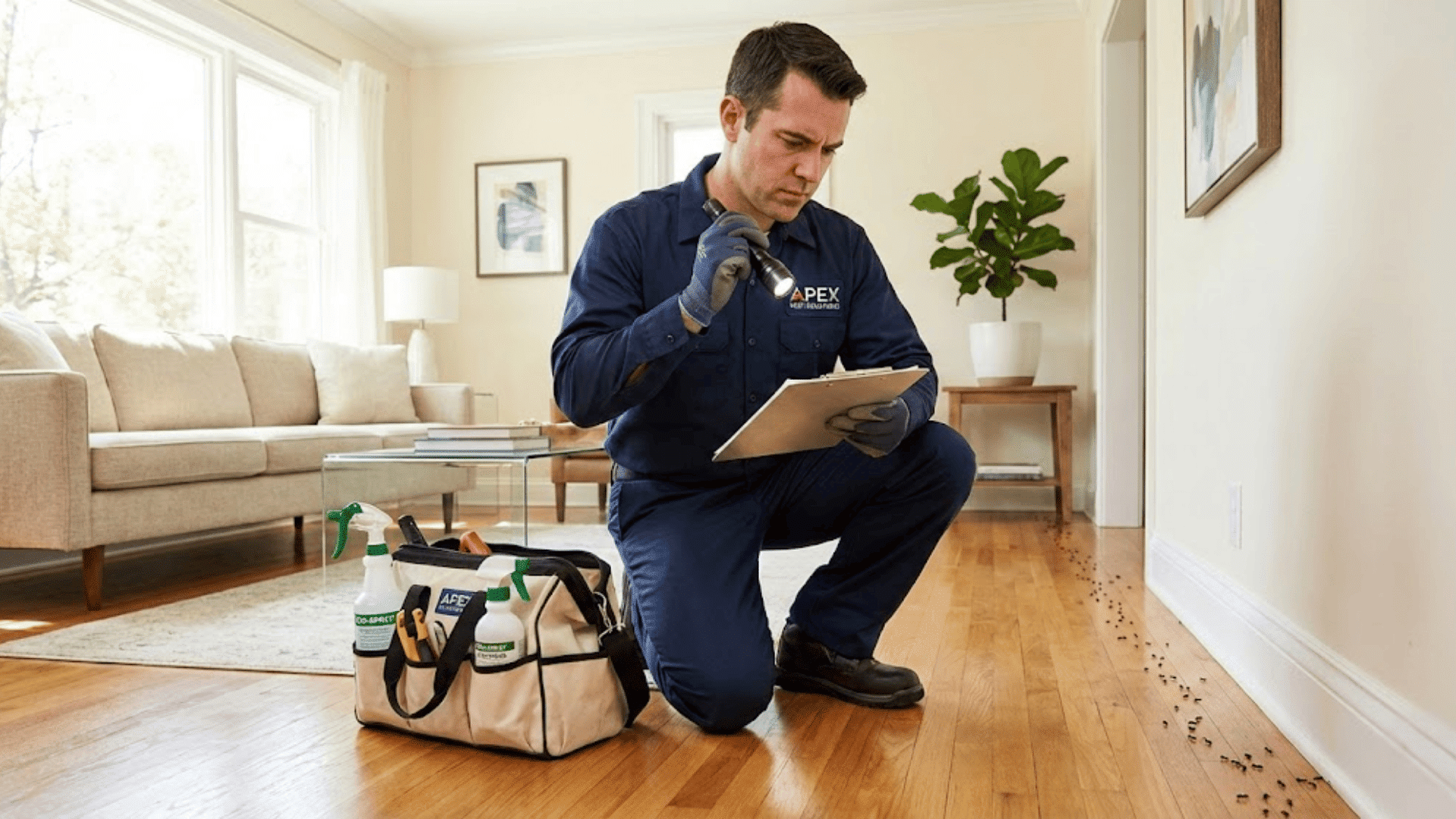
Not all pests come with the same price tag. The critter causing chaos in your home directly impacts what you’ll pay, with treatment complexity and infestation severity driving costs up or down.
1. Common Household Pests
Cost Range: $100–$300
Every day, invaders like ants, spiders, and roaches fall into the most budget-friendly category. These pests respond well to standard treatments and typically require straightforward extermination methods.
Most professionals can handle these infestations with a single visit or short-term plan, making them less financially daunting than their more stubborn counterparts.
The accessibility of treatment options keeps pricing competitive across providers.
Example Breakdown:
- Ants, spiders, roaches: Standard treatments range from low to mid-tier pricing, often resolved with surface sprays and perimeter barriers
- Common flies and silverfish: Similar cost structure with quick turnaround times
2. Moderate Threat Pests
Cost Range: $200–$600
Rodents like mice and rats sit in the middle ground, demanding more intensive strategies than common insects.
Trapping, exclusion work, and follow-up visits push costs higher. These treatments require identifying entry points, sealing gaps, and monitoring over several weeks.
The hands-on nature of rodent control, combined with potential structural repairs, explains the elevated pricing compared to simple insect treatments.
Example Breakdown:
- Mice and rats: Moderate investment covering trapping, exclusion, and sanitation recommendations
- Wasps and hornets: Nest removal and protective treatments fall into similar pricing territory
3. High-Complexity Infestations
Cost Range: $500–$3,000+
Bed bugs, termites, and wildlife removal command premium pricing due to their complexity and labor intensity. These situations often require specialized equipment, multiple treatments, and extensive preparation.
Termite treatments may involve soil treatments or fumigation, while bed bug elimination demands heat treatments or repeated chemical applications.
Wildlife removal adds trapping, relocation, and exclusion services that justify higher costs.
Example Breakdown:
- Termites: High-end treatments involving fumigation, soil barriers, or bait systems with ongoing monitoring
- Bed bugs: Heat treatments or multiple chemical applications with furniture preparation and follow-up inspections
What Real People Pay: Community Pricing Insights
Real homeowners share surprisingly consistent pricing patterns across different regions.
Community discussions and user reports reveal that quarterly treatments typically run between $40 and $46 monthly in Texas and Bay Area markets, while bimonthly services hover around $100 to $150.
Routine monthly plans average $32 to $70, depending on property size and pest pressure. First-year termite protection packages commonly cost around $800, including standard quarterly maintenance visits.
One homeowner shared paying just $44 monthly for custom ant treatment after initially being quoted over $400 by a larger company.
User Satisfaction Notes:
- DIY Trade-Offs: Lower upfront costs, but time-consuming reapplications and spotty results
- Professional Advantages: Guaranteed treatments, expert identification, and warranty coverage
- Common Complaints: Hidden fees, aggressive upselling, inconsistent technician quality
- Top Praise: Peace of mind, long-term savings, and responsive customer service
Read real homeowner experiences on Lawn Care Forum
What Influences Pest Control Pricing?
Your final bill isn’t random. Several key factors work together to determine what you’ll pay, and understanding these variables helps you anticipate costs and compare quotes more effectively.
- Infestation Severity and Pest Type: Minor ant trails cost significantly less than widespread termite colonies or bed bug infestations requiring multiple treatments.
- Property Size and Accessibility: Larger homes demand more materials and time, while hard-to-reach areas like crawl spaces or high attics increase labor complexity.
- Treatment Methods and Technology: Basic perimeter sprays run cheaper than specialized heat treatments, fumigation tents, or advanced baiting systems.
- Local Cost of Living: Urban markets and high-cost regions typically charge premium rates compared to rural areas with lower overhead expenses.
- Market Competition: Areas with multiple providers often see more competitive pricing, while regions with limited options may face higher rates.
Knowing these factors empowers you to ask better questions during estimates and spot when quotes seem unreasonably high or suspiciously low for your specific situation.
Understanding Pricing Structures
Pest control companies structure their pricing in different ways, and knowing these models helps you avoid surprises on your bill.
Some charge upfront inspection fees, while others include everything in service costs, and the difference between one-time treatments and ongoing plans can greatly affect long-term expenses.
| Pricing Component | Typical Cost | Notes |
|---|---|---|
| Setup/Inspection Fee | $50–$150 | Often waived with service |
| One-Time Extermination | $100–$550+ | Single visit, no ongoing coverage |
| Monthly Service | $40–$80/month | Regular preventive visits |
| Quarterly Service | $100–$300/quarter | Seasonal protection |
| Annual Plans | $300–$900/year | Full-year bundled coverage |
| Warranty Add-Ons | $0–$200/year | Free callbacks included |
| Termite Insurance | $100–$300/year | Post-treatment protection |
How to Shop Smart & Save on Pest Control?
Getting quality pest control doesn’t mean overpaying. Smart shoppers know how to compare quotes effectively, recognize pushy sales tactics, and leverage timing to secure better rates without sacrificing service quality.
- Get 3 Written Quotes: Compare pricing, treatment methods, and warranty coverage from multiple providers to identify fair market rates and avoid overpriced contracts.
- Watch for Door-to-Door Pressure Tactics: High-pressure salespeople often push inflated monthly plans or unnecessary add-ons; legitimate companies let you decide without rushed commitments.
- Negotiate Based on Competitor Rates: Share lower quotes with preferred providers and ask if they’ll match or beat pricing, especially for annual contracts.
- Time Your Service Strategically: Book during off-peak winter months when demand drops, and companies offer discounts to fill schedules.
- Ask About Bundled Discounts: Combining services like quarterly pest control with annual termite inspections often unlocks package savings of 10–20%.
DIY Pest Control vs. Hiring a Professional
Tackling pests yourself can save money upfront, but it’s not always the smartest choice.
Understanding when to grab store-bought solutions versus calling in the pros helps you balance budget constraints with effective, lasting results.
| Factor | DIY Pest Control | Professional Services |
|---|---|---|
| Typical Cost | $20–$100 for products | $100–$550+ per treatment |
| Best For | Minor issues, single ants/spiders, small fly problems | Severe infestations, termites, bed bugs, rodents |
| Effectiveness | Limited, often requires repeated applications | High success rate with specialized equipment and chemicals |
| Safety | Risk of improper chemical use, exposure to toxins | Licensed technicians trained in safe application |
| Time Investment | Significant research and reapplication needed | Minimal effort, handled by experts |
| Warranty/Guarantee | None, you’re on your own if pests return | Free callbacks and guarantees included |
| When It Makes Sense | Preventive maintenance, budget constraints, tiny problems | Widespread damage, health risks, structural threats |
Final Thoughts
Understanding pest control costs helps you make smarter decisions about protecting your home without breaking the bank.
You now have national averages, real community experiences, and insider knowledge about pricing factors to compare quotes and spot fair deals confidently.
The cheapest option isn’t always the wisest investment, and quality service often prevents expensive repairs later.
Getting your home pest-free doesn’t have to feel overwhelming when you know what to expect and how to shop strategically.
Have questions about your specific situation or tips to share about your own pest control experience? Drop a comment below and let’s help each other navigate these decisions with confidence.