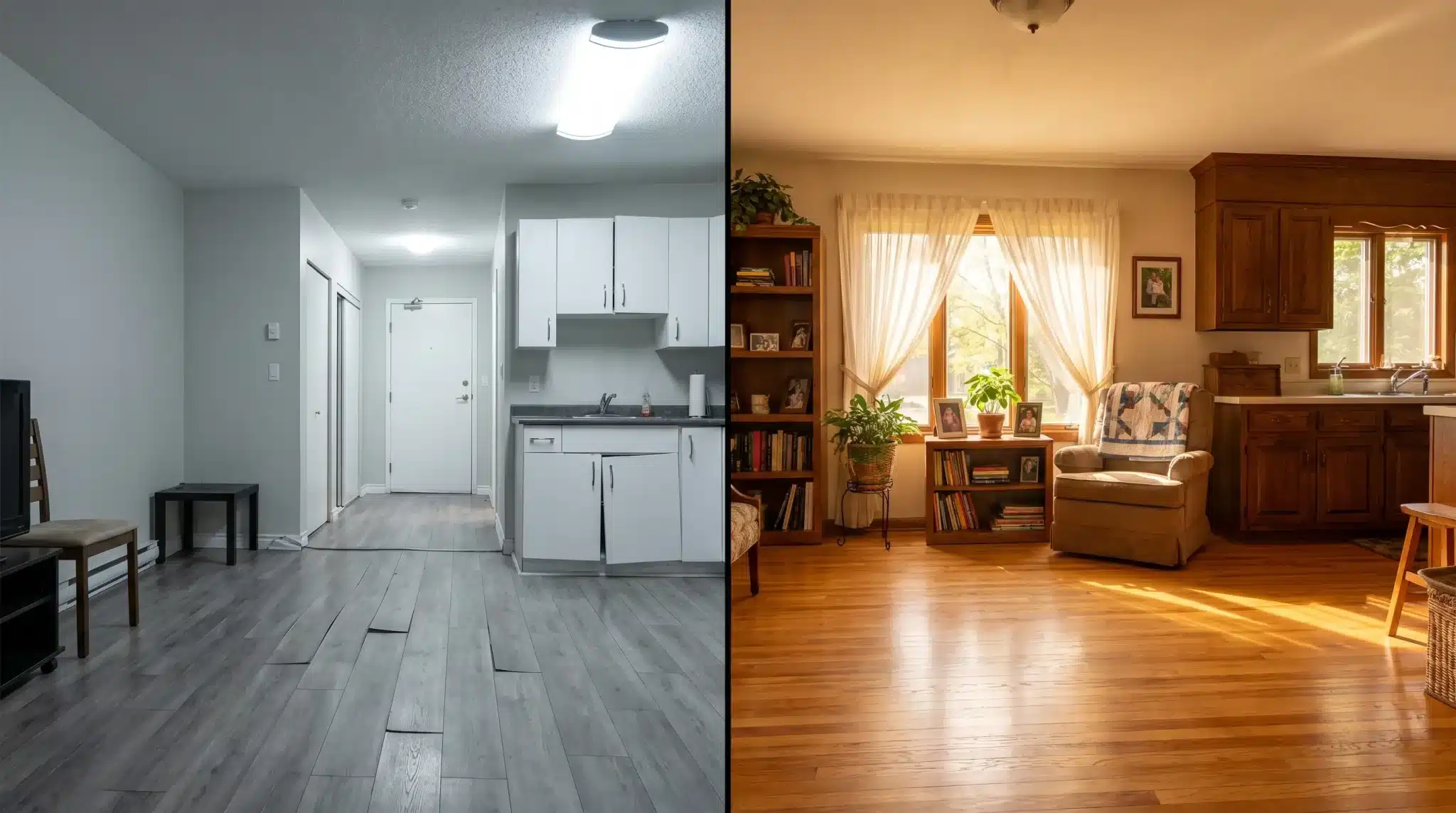
There’s something quietly unsettling about realizing your morning ritual might come with a side of chemicals you never asked for.
When water reaches the boiling point, materials matter, and your tea kettle becomes more than just a kitchen tool. It’s a daily companion that should feel as safe as it is beautiful.
If you’ve been scrolling through endless options, wondering which kettles won’t leach anything unwanted into your chamomile or morning matcha, you’re in exactly the right place.
Let’s walk through the world of truly clean, thoughtfully made tea kettles that bring peace of mind to every pour.
What Does “Non-Toxic” Mean in a Tea Kettle?
“Non-toxic” sounds simple until you start reading labels. In practical terms, it means no plastics touching your boiling water, no questionable coatings that might flake off, and materials that stay stable under high heat.
But here’s the catch: a kettle labeled “BPA-free” might still contain other plastics or synthetic components that don’t hold up well long-term.
Marketing loves to highlight what’s missing without mentioning what’s actually there.
Stovetop kettles tend to be simpler (think stainless steel or glass), while electric models often hide plastic parts inside the heating element or base. Material reality matters more than buzzwords.
Safest Materials for Non-Toxic Tea Kettles
When it comes to what’s touching your boiling water every single day, material choice isn’t just about aesthetics. It’s about safety, longevity, and the peace of mind that comes from knowing nothing unwanted is seeping into your cup.
Here’s what actually holds up under scrutiny.
1. Food-Grade Stainless Steel (Best Overall)
Heat Resistance: Exceptional (up to 1400°F)
User Favourability: ★★★★★ (4.7/5)
The workhorse of non-toxic kettles, 18/8 or 304 stainless steel, has earned its place in American kitchens for good reason. It’s corrosion-resistant, doesn’t impart metallic flavors if made properly, and lasts decades.
This food-grade steel contains 18% chromium and 8% nickel, creating a stable surface that handles daily boiling without leaching.
It’s the goldilocks material: durable enough for stovetops, neutral enough for purists, and trustworthy enough for long-term use.
2. Borosilicate Glass (Purest Taste)
Heat Resistance: Very High (up to 515°F)
User Favourability: ★★★★☆ (4.3/5)
For those who want absolute material purity, borosilicate glass delivers.
You can watch your water boil, and there’s zero question about what’s in contact with it: just clean, inert glass. The taste stays completely neutral, and there’s something visually soothing about the clarity.
The tradeoff? It’s breakable, doesn’t retain heat as long as metal, and requires gentler handling. But for taste purists, nothing else comes close to this level of transparency.
3. Enamel-Coated Steel (When Done Right)
Heat Resistance: High (up to 800°F)
User Favourability: ★★★★☆ (4.2/5)
Porcelain enamel fused to steel offers a smooth, non-reactive surface with vintage charm. When properly manufactured and certified lead- and cadmium-free, these kettles are genuinely safe and beautiful.
The key phrase is “when done right”; you need third-party testing confirmation, not just brand promises.
If the enamel chips or cracks, the kettle should be replaced, as exposed steel underneath can rust, and the compromised coating may harbor bacteria in the damaged areas.
Materials to Avoid in Tea Kettles
Not all kettles are created equal, and some materials deserve a hard pass, no matter how pretty the packaging looks.
Here’s what to steer clear of when you’re serious about keeping your water clean.
- Plastic Interiors and Lids: Even “BPA-free” versions can leach other chemicals when exposed to boiling temperatures repeatedly over time.
- Aluminum Kettles (especially Unlined): Aluminum can react with water and potentially leach into your drink, particularly when the surface is scratched or worn.
- Cheap Ceramic Glazes without Testing: Beautiful doesn’t always mean safe; untested glazes may contain lead or cadmium that leach at high heat.
- Copper Kettles with Exposed Interiors: While copper exteriors are fine, direct contact with boiling water can cause copper to leach, leading to potential toxicity with regular use.
When in doubt, check for third-party certifications and transparent material disclosures. Your morning cup shouldn’t come with a side of worry.
Stovetop vs. Electric Tea Kettles: Safety Comparison
The debate between stovetop and electric kettles isn’t just about convenience. It’s about design complexity and what materials end up touching your water.
Here’s how they stack up when safety is your priority.
| Aspect | Stovetop Kettles | Electric Kettles |
|---|---|---|
| Material Simplicity | All-metal or all-glass designs are common and easy to find | Often contain hidden plastics in heating elements, gaskets, or water windows |
| Safety by Design | Fewer components mean fewer potential contamination points | More complex construction with multiple materials in contact with water |
| Main Risk | Cheap enamel coatings or plastic handles near steam | Plastic/silicone parts touching boiling water, especially near heating coils |
| Best Choice For | Households with stovetops prioritizing material purity | Quick heating needs if you find verified stainless steel interior models |
The Verdict: Stovetop kettles are inherently simpler and safer. Electric kettles can work if you verify that only stainless steel or glass touches the water.
Top Non-Toxic Tea Kettle Recommendations
Finding a kettle that’s genuinely safe shouldn’t feel like decoding a chemistry textbook. These picks have earned their place through transparent materials, thoughtful construction, and real-world reliability in American kitchens.
1. Best Overall Non-Toxic Tea Kettles
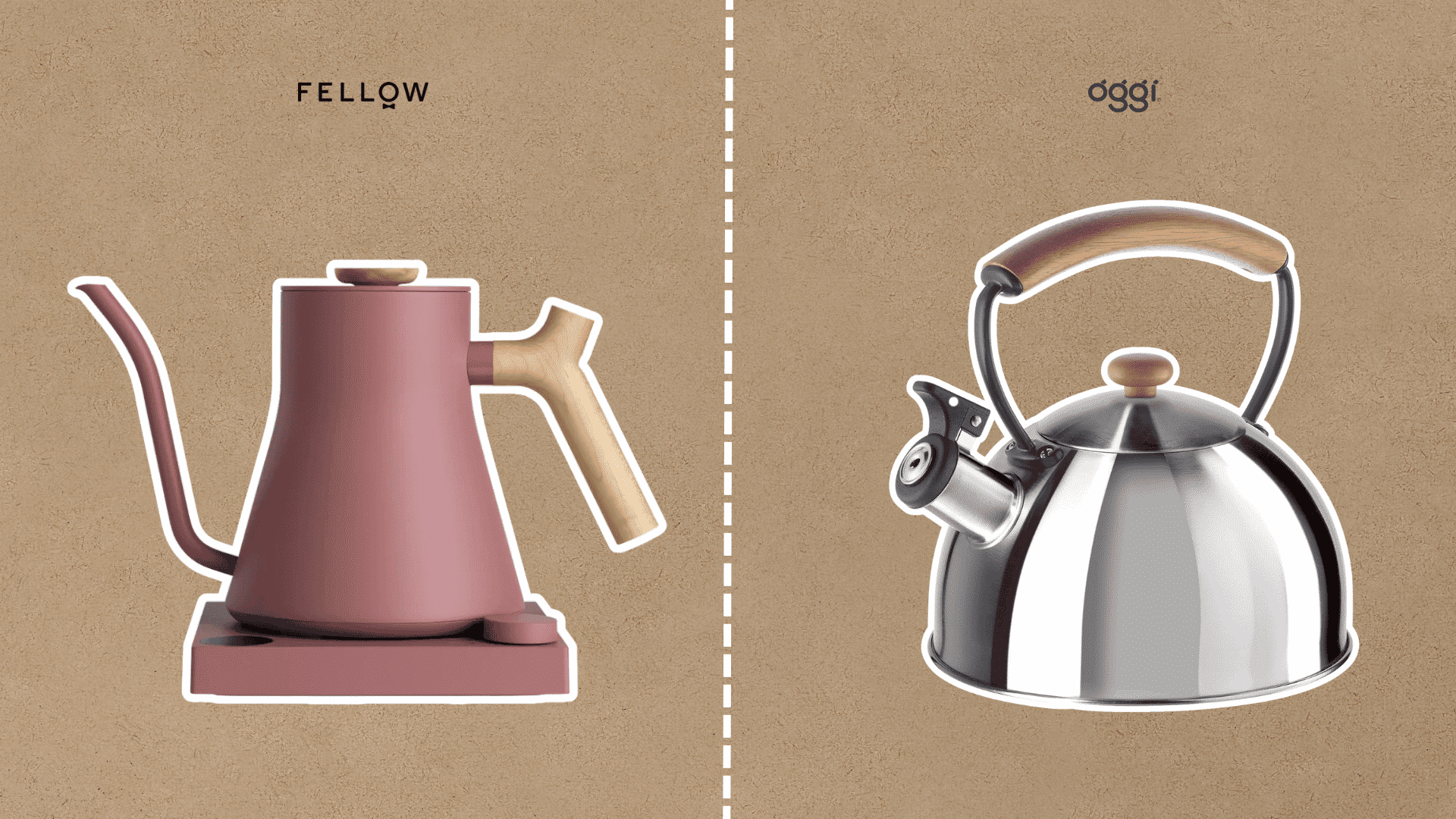
Premium choices that balance safety with everyday functionality.
- Fellow Stagg EKG Electric Kettle: 304 stainless steel with precision temperature control and BPA-free handle.
- Oggi Stainless Steel Whistling Tea Kettle: Food-grade stainless steel, loud whistle, works on all stovetops, including induction.
2. Best Glass Non-Toxic Tea Kettles
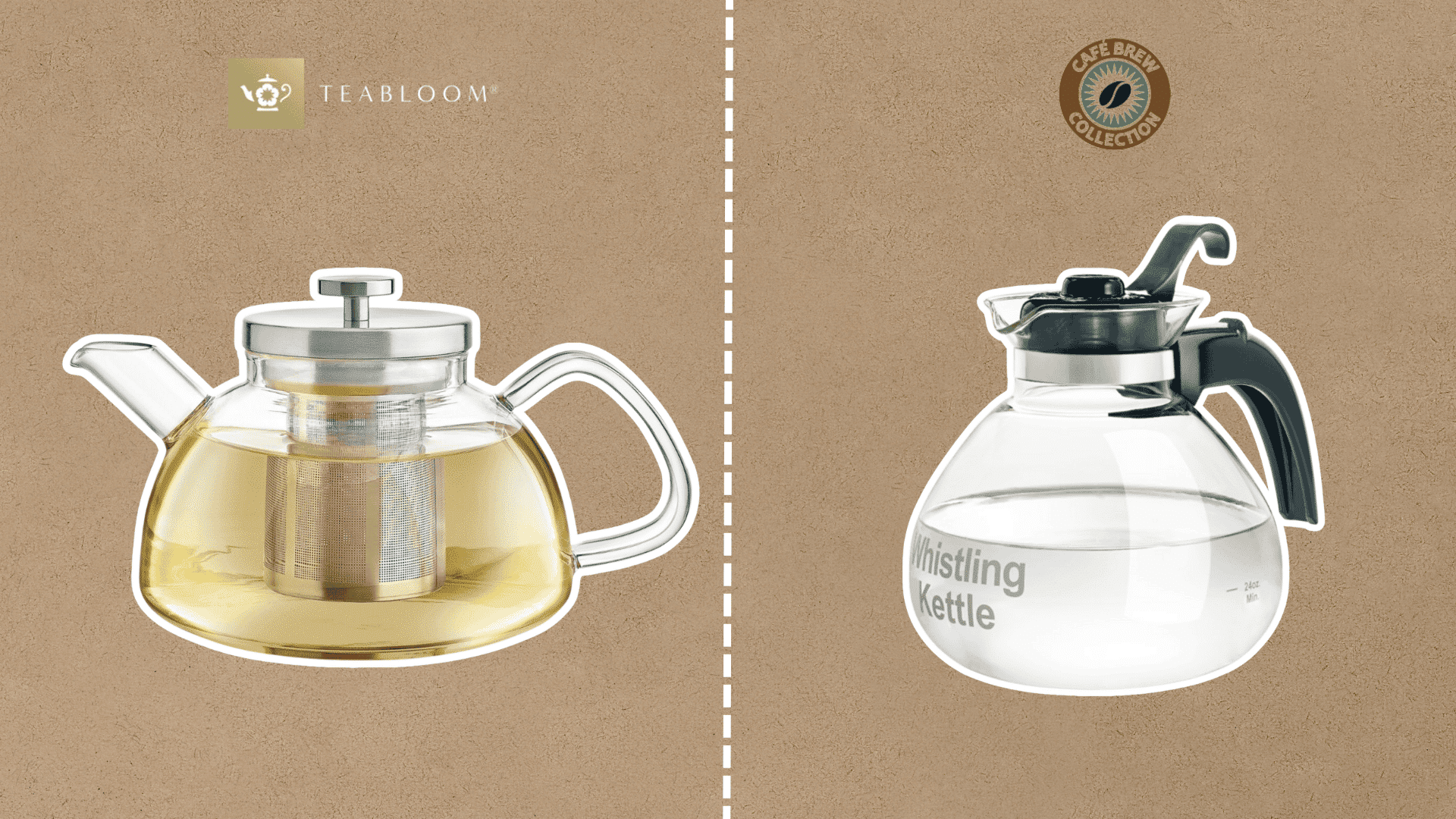
For those who want absolute material transparency and pure taste.
- Teabloom Balance Borosilicate Glass Tea Kettle: Stovetop-safe pure borosilicate glass with thermal shock resistance and 40oz capacity.
- Café Brew Collection Glass Whistling Kettle: German Schott DURAN borosilicate glass with 12-cup capacity, whistling lid, and heat diffuser included at budget-friendly pricing.
3. Best Enamel-Coated (Low-Toxin) Picks
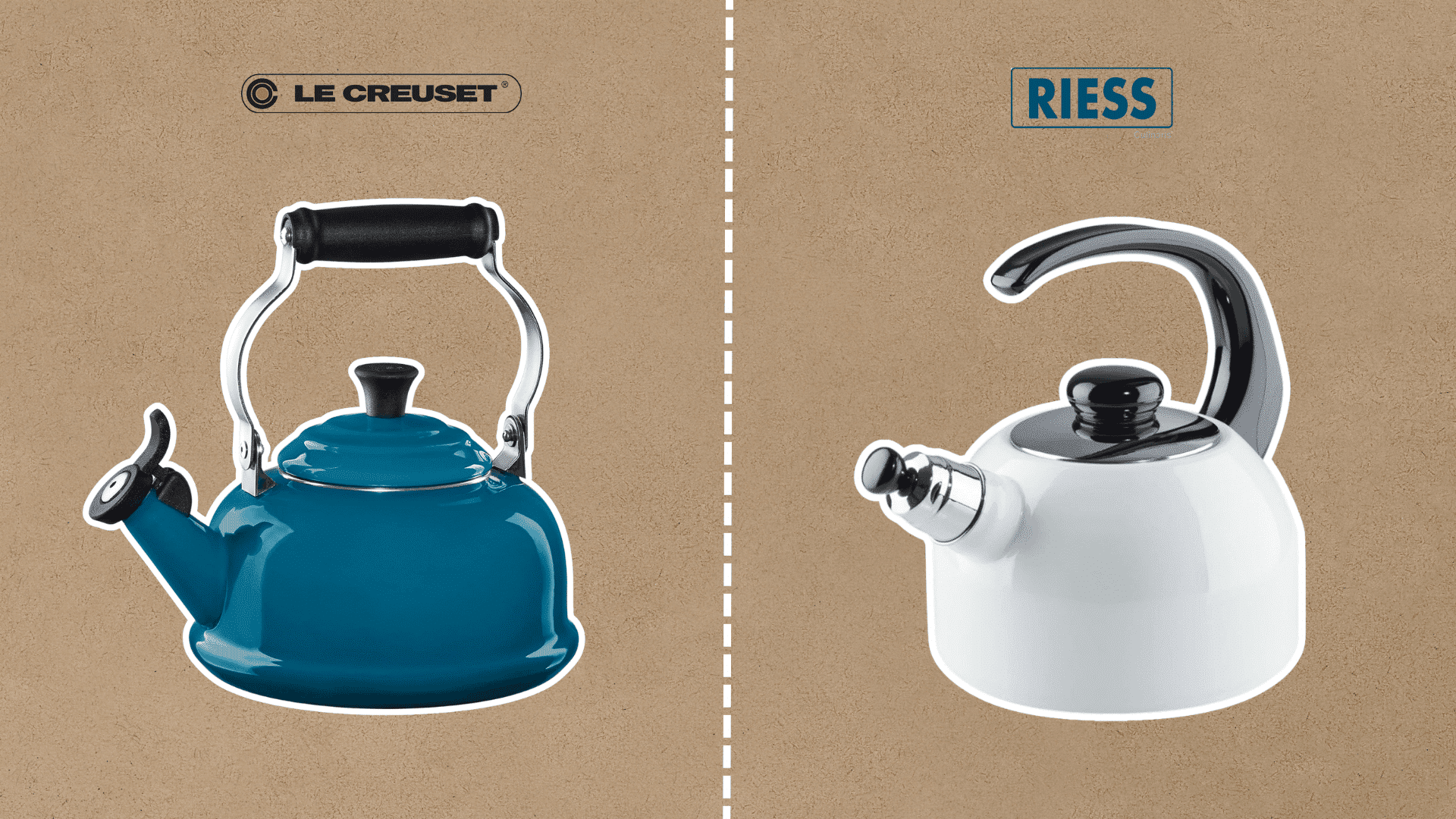
When you want color and charm with proper safety standards.
- Le Creuset Enamel-on-Steel Tea Kettle: Chip-resistant porcelain enamel on carbon steel, non-reactive surface, trusted century-old brand.
- Riess Enamel Tea Kettle: Austria-made mineral-based enamel, CO2-neutral production, heirloom-quality craftsmanship.
How to Choose a Non-Toxic Tea Kettle (Buyer’s Checklist)
Before you click “add to cart,” run through this quick safety audit. These questions separate genuinely non-toxic kettles from clever marketing.
| Question to Ask | What to Look For | Red Flags |
|---|---|---|
| Does plastic touch boiling water? | Only external handles should be plastic | Interior water windows, plastic gaskets near heating elements |
| Is the stainless steel grade disclosed? | “304,” “18/8,” or “food-grade” listed | Vague terms like “premium steel” without numbers |
| Are enamel coatings tested? | “Lead-free, cadmium-free” certifications | No testing mentioned on enamel products |
| Brand transparency? | ETL, UL, or FDA compliance disclosed | No safety certifications or unclear origin |
| Practical features? | Proper capacity, induction compatibility, and heat-resistant handles | Too small, limited stovetop use, handles that heat up |
The safest kettle is one where the manufacturer tells you exactly what’s inside. If a brand avoids specifics, that’s your answer.
Cleaning & Maintenance to Keep Your Kettle Non-Toxic
Even the safest kettle can develop issues if you’re not caring for it properly. A few simple habits keep your materials stable and your water truly clean.
- Descale Monthly with White Vinegar or Citric Acid: Boil a 1:1 water-vinegar solution, let sit for 15 minutes, rinse thoroughly to remove mineral buildup without scratching surfaces.
- Skip Harsh Abrasives and Bleach: Steel wool, scouring powders, and chemical cleaners can damage protective surfaces, creating spots where metals may leach or enamel can chip.
- Inspect for Chips, Rust, or Corrosion Regularly: Any visible damage to enamel coatings or rust spots means it’s time to replace the kettle, as compromised surfaces can contaminate water.
- Dry Completely After Each Use: Standing water accelerates rust in stainless steel seams and can degrade enamel over time, especially around the base and spout.
- Store with Lid Off When Not in Use: Allows interior to air out fully, preventing moisture buildup that leads to mineral deposits, odors, and potential bacterial growth.
A well-maintained kettle lasts years longer and keeps performing safely. Treat it right, and it’ll return the favor every morning.
The Bottom Line
Switching to a non-toxic tea kettle isn’t about perfection; it’s about making one thoughtful choice that ripples through your daily routine.
You’ve now got the knowledge to choose gleaming stainless steel, transparent borosilicate glass, or charming enamel with real confidence.
Your mornings deserve this kind of care, and every cup of tea becomes a little ritual of self-respect.
If this guide helped you find the right kettle or answered lingering questions, drop a comment below and share which one made it into your kitchen. We’d love to hear what finally convinced you to make the switch.