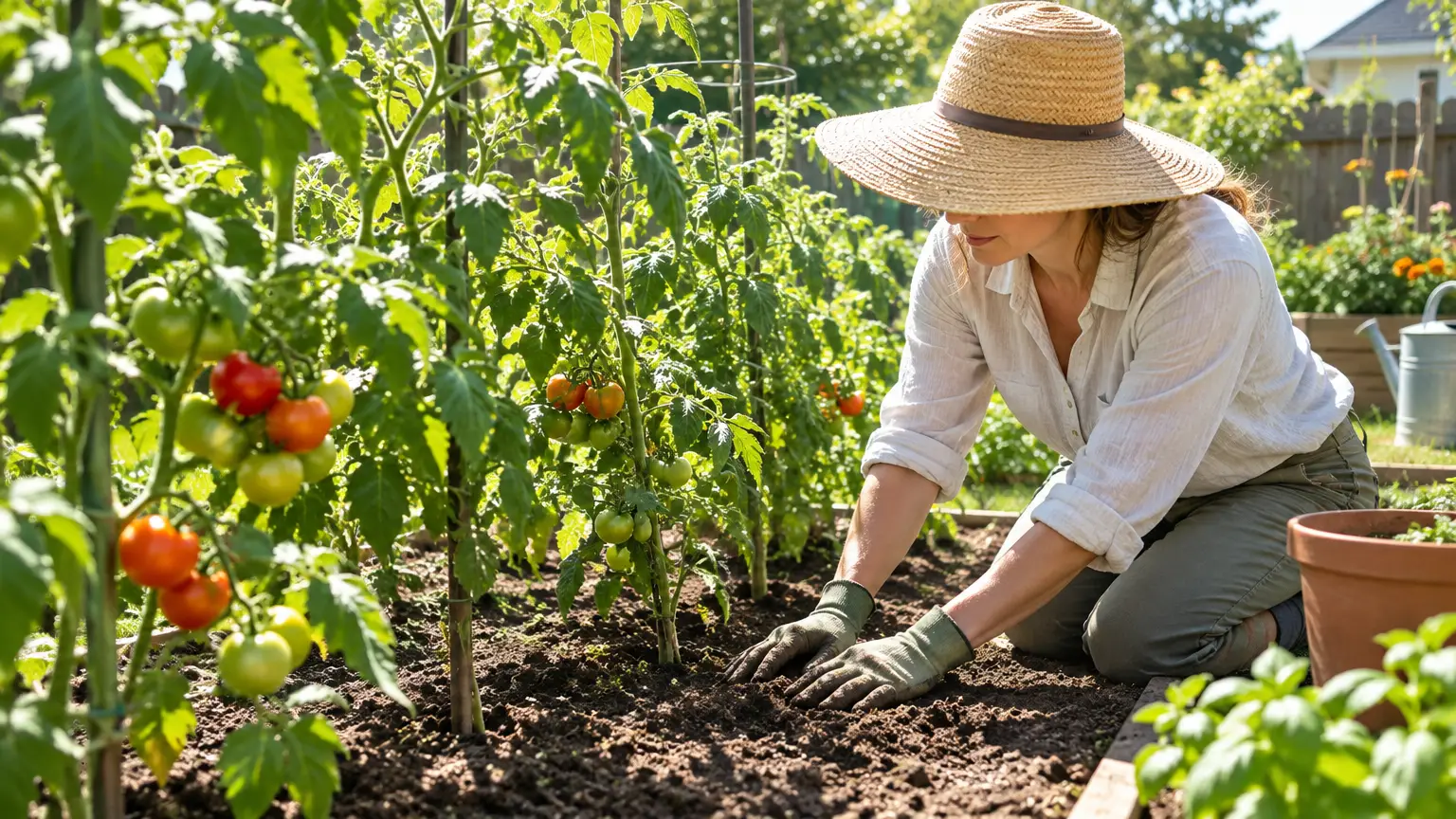
Every summer, I find at least one tomato that makes me wish I could grow the exact same variety again next year.
Maybe it has the perfect sweetness, produces more fruit than expected, or simply tastes better than anything from the store.
Instead of letting those tomatoes disappear with the season, I started learning how to save tomato seeds for future planting.
If you have ever sliced open a beautiful, ripe tomato and wondered if those tiny seeds could become next year’s plants, you are already in the right place to begin.
What Type of Tomato Seeds Can You Save?
You can save seeds from many tomatoes, but the plant type and fruit quality affect how reliably they grow true next season.
- Heirloom Tomatoes: Save seeds from heirloom tomatoes because they usually produce plants with the same characteristics as their parent plants.
- Open-Pollinated Tomatoes: These seeds generally grow true to type when plants have not accidentally cross-pollinated with another tomato variety.
- Hybrid Tomatoes: You can save hybrid seeds, but resulting plants may differ significantly in flavor, appearance, size, or productivity.
- Store-Bought Tomatoes: Seeds from ripe grocery-store tomatoes may germinate, although their variety, growing traits, and parentage are often uncertain.
- Healthy, Fully Ripe Tomatoes: Always collect seeds from healthy, disease-free plants and completely ripe fruits for better seed quality and viability.
When is the Best Time to Harvest Tomato Seeds?
The best time for harvesting tomato seeds is when the fruit is fully ripe and has developed its mature color.
Ripe tomatoes contain mature seeds that are more likely to germinate successfully when planted.
Allow the tomato to ripen naturally on the vine whenever possible, but avoid waiting until it rots or is damaged.
Choose healthy fruits from strong, disease-free plants with the qualities you want to grow again, and look out for the signs of overwatered tomatoes.
For most varieties, you can collect seeds during the main harvest season or toward the end of summer.
Avoid harvesting seeds from green or underripe tomatoes because they may not be fully developed.
How to Save Tomato Seeds: Step-by-Step Process
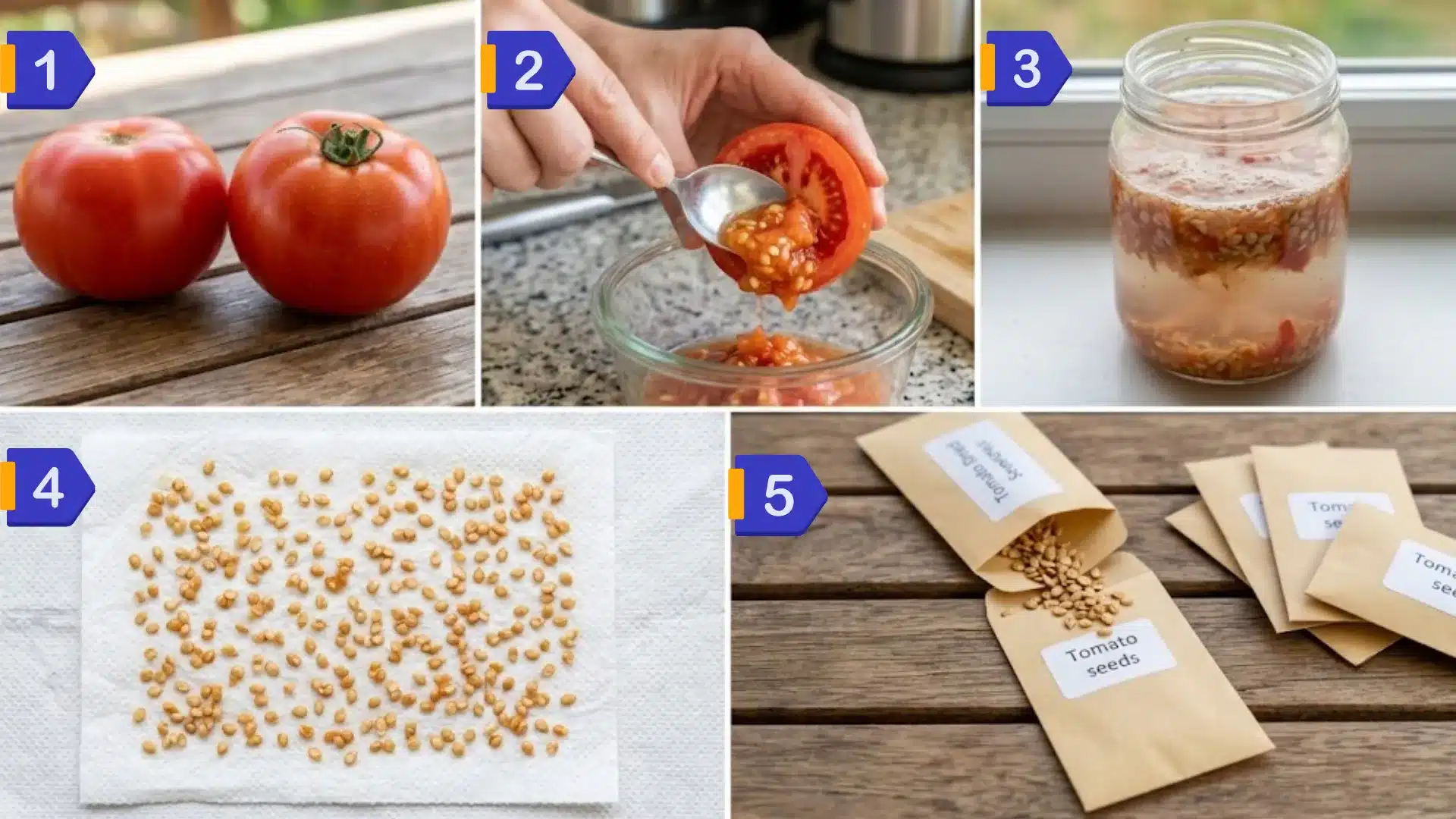
The key is choosing a ripe tomato, cleaning the seeds properly, and drying them completely before storage. Follow these steps to prepare healthy seeds for your next growing season.
1. Choose a Fully Ripe, Healthy Tomato
Start with a tomato that is completely ripe and comes from a healthy, productive plant. Avoid fruits showing signs of disease, rot, or serious pest damage.
If possible, choose an heirloom or open-pollinated variety because its seeds are more likely to grow true to type.
Pick a tomato with the flavor, size, color, and growth habits you want to preserve.
2. Remove the Seeds and Pulp
Cut the tomato in half and use a spoon to scoop the seeds and surrounding gel into a clean glass or small container.
You do not need to separate the seeds from the pulp yet. The slippery coating around tomato seeds contains substances that help prevent early germination inside the fruit.
Removing this coating improves seed storage and germination later. Label the container if you are saving seeds from more than one tomato variety.
3. Ferment the Tomato Seeds
Leave the seed-and-pulp mixture in the container for about two to four days at room temperature. Add a small amount of water if the mixture seems very thick.
During fermentation, you may notice bubbles, a cloudy surface, or a thin layer of mold.
Fermentation helps break down the gel surrounding the seeds and can reduce some seed-borne problems. Stir the mixture once daily and avoid leaving it too long.
4. Rinse and Dry the Seeds
Once fermentation is complete, add water to the container and stir gently. Healthy seeds usually sink, while pulp and lighter debris float.
Carefully pour off the floating material, then rinse the remaining seeds in a fine-mesh strainer.
Spread them in a single layer on a paper plate, coffee filter, or another nonstick surface.
Let the seeds dry in a warm, well-ventilated area for several days until they feel completely hard and dry.
5. Store the Seeds Properly
After the tomato seeds are completely dry, place them in a paper envelope, seed packet, or airtight container.
Label each one with the tomato variety and the year the seeds were harvested.
Store them in a cool, dark, and dry location away from heat and moisture. A cupboard, drawer, or sealed container works well.
Building a simple system for organizing your seed collection now saves a lot of guesswork once you have more than one envelope tucked away.
In my experience, properly dried and stored tomato seeds can remain viable for several years.
How Long Does it Take Tomato Seeds to Dry?
Tomato seeds usually take about 5 to 7 days to dry completely, although they may need longer in humid conditions.
After rinsing the seeds, spread them in a single layer on a paper plate, coffee filter, or other nonstick surface.
Keep them in a warm, dry area with good air circulation, away from direct sunlight. Stir or separate the seeds once a day so they do not stick together and can dry evenly.
Avoid using an oven, microwave, or high heat, as excessive temperatures can damage the seeds and reduce germination.
Properly dried tomato seeds should feel hard, not soft or flexible.
Make sure they are completely dry before storing them, since leftover moisture can encourage mold and shorten their storage life.
How Long Can You Store Tomato Seeds?
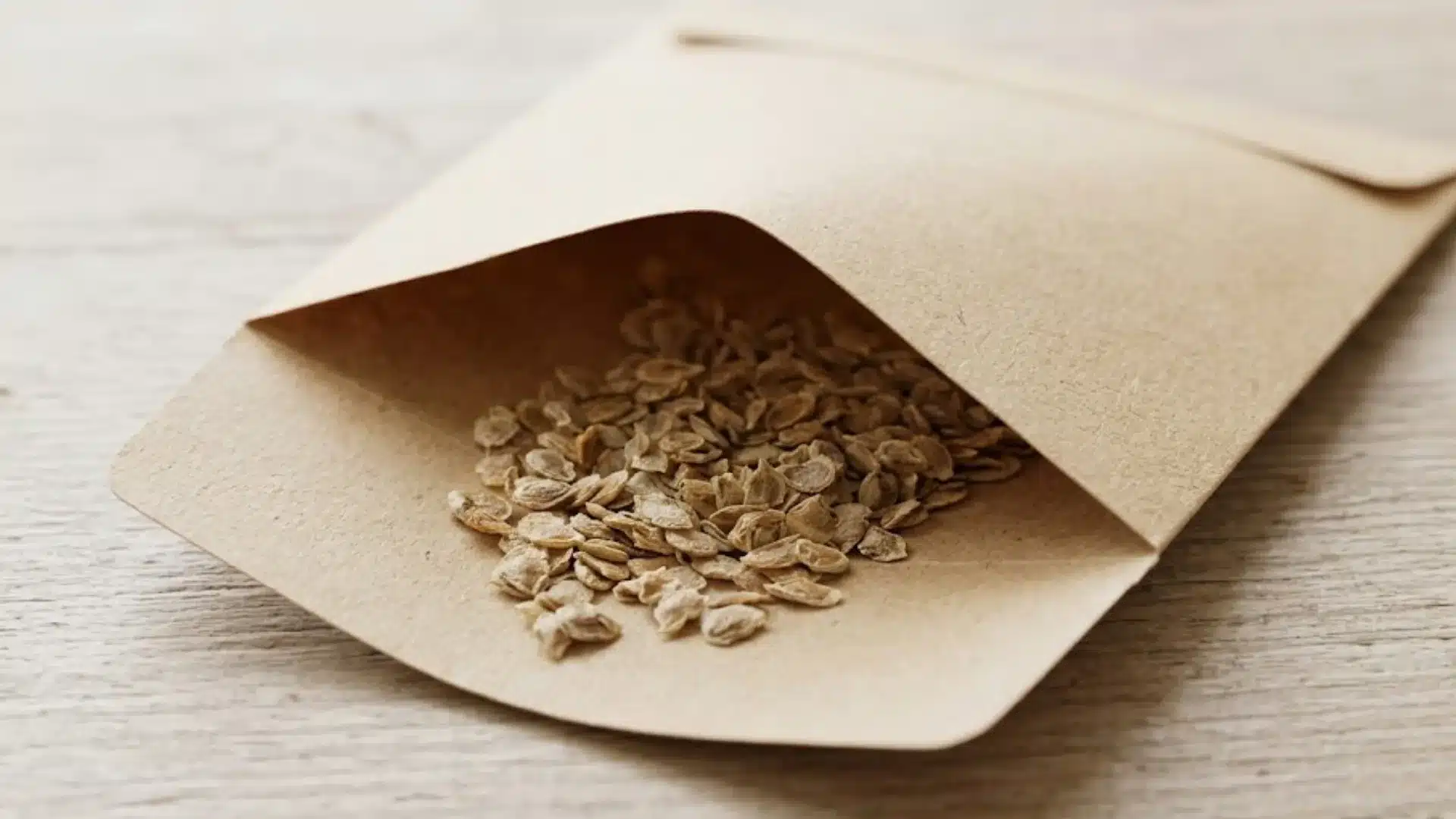
Tomato seeds can usually be stored for 4 to 6 years when they are dried and kept under the right conditions.
Their germination rate may gradually decrease as they age, so planting fresher seeds often gives better results.
Store your seeds in a labeled paper envelope or airtight container in a cool, dark, and dry place.
Keep them away from sunlight, heat, and moisture, which can shorten their storage life or encourage mold.
For longer storage, you can place sealed seeds in the refrigerator, but make sure the container stays dry.
How to Tell if Saved Tomato Seeds are Still Good?
Saved tomato seeds can remain usable for several years, but their germination rate naturally decreases over time.
Before planting an older batch, check the seeds for physical damage and test a small sample. These can help you avoid wasting time on seeds that are no longer viable:
- Check for mold, discoloration, or unusual odors.
- Discard seeds that feel soft, damaged, or damp.
- Place 10 seeds on a moist paper towel.
- Fold the towel and place it inside a plastic bag.
- Keep it in a warm location out of direct sunlight.
- Check regularly for germination over the next 7 to 14 days.
- Count how many seeds sprout to estimate the germination rate.
When only a few germinate, sow extra seeds to improve your chances.
If none sprout under suitable conditions, replace the batch with fresher tomato seeds for more reliable results.
Common Mistakes to Avoid When Saving Tomato Seeds
Saving tomato seeds is straightforward, but a few small mistakes can reduce germination or cause storage problems.
Avoid these common errors to keep your seeds healthy and ready for future planting.
- Using Unripe Tomatoes: Harvesting seeds from green or underripe tomatoes can result in immature seeds with poor germination rates.
- Skipping Proper Cleaning: Leaving pulp and gel around tomato seeds can encourage mold growth and make proper drying more difficult.
- Storing Damp Seeds: Packing seeds before they are completely dry can cause mold, rot, and reduced viability during storage.
- Mixing Tomato Varieties: Saving different varieties without separate containers and labels can create confusion when you plant them next season.
- Using Poor Storage Conditions: Keeping tomato seeds around heat, moisture, or direct sunlight can shorten their lifespan and reduce germination.
Conclusion
Saving tomato seeds gives you an easy way to keep growing the varieties you enjoy year after year.
Once your seeds are properly prepared, dried, and stored, you can look forward to planting them when the next growing season arrives.
Start with just one favorite tomato variety if you are new to seed saving. Your next step is simple: choose a ripe tomato from a healthy plant and save its seeds for your future garden.
Have you tried harvesting any other seeds before? Share your experience, favorite varieties, or seed-saving tips in the comments below.
Frequently Asked Questions
Are 20-Year-Old Seeds Still Good?
Twenty-year-old seeds may still germinate if stored under ideal conditions, but viability is usually low. Perform a germination test before relying on them for planting.
Can You Save Tomato Seeds Without Fermenting?
Yes, you can save tomato seeds without fermenting. Rinse away the pulp and gel thoroughly, then spread the seeds out and allow them to dry completely.
Can I Save Seeds From Two Tomato Varieties Growing Next to Each Other?
Yes, though there is a small chance of cross-pollination if pollinators move between the plants. For guaranteed true-to-type seed, grow one variety at a time or space varieties as far apart as your garden allows.