I used to stare at my plants and feel stuck. The leaves sagged. The soil stayed soggy. Nothing felt right, but I couldn’t tell what was wrong.
Turns out, it wasn’t about how much I watered or how sunny the spot was. The real problem? The pot. Once I learned how to repot plants, everything changed. My plants looked alive again, like they could finally breathe.
If your plant seems tired or root-bound, you’re probably wondering what to do next.
This blog will show you exactly when to repot, how to do it without stressing your plant, and what to watch for after. You’ll get clear, simple steps to help your plant grow better and stronger in its new space.
What Repotting Really Does for Your Plant
Repotting doesn’t mean starting over. It just means giving your plant what it needs to keep growing. When you repot, you’re moving the plant to a new space, usually a bigger pot with fresh soil. That’s it.
You’re not changing the plant. You’re helping it breathe, stretch, and stay strong.
Roots need room. When they get crowded, they wrap around themselves and can’t take in water or air properly.
Fresh soil gives them new nutrients. A better pot gives better drainage. More space means more airflow, which keeps the roots from rotting.
It might seem like repotting is risky or stressful for the plant, but most of the time, it’s the opposite. It’s not a shock. It’s a relief. You’re not resetting anything.
You’re just giving your plant the tools it needs to keep going. Like changing shoes that got too tight. Simple. Helpful. And necessary.
When and How to Repot Plants Without Rushing the Process
Knowing how to repot plants starts with understanding when to do it. Timing matters more than doing it fast. Repot too soon, and you might stress the plant. Wait too long, and the roots could suffer.
For most houseplants, spring is the best time to repot. That’s when plants naturally start to grow again. They can handle the move better and recover faster.
Avoid repotting in winter, plants are usually resting, and a big change can slow them down even more.
If your plant is blooming or seems weak, wait. Let it finish flowering or regain strength first. Also, if you just brought a new plant home, give it some time.
Wait at least two to three weeks before repotting. Let it adjust to the new space, light, and temperature. That way, the plant feels settled before you make any big changes.
Signs Your Plant Needs Repotting and Signs It Doesn’t
Sometimes it’s easy to tell when a plant needs repotting. Other times, it’s not so clear. One of the biggest signs is when a plant becomes root-bound.
That means the roots have outgrown the pot and start circling around the bottom or poking out of the drainage holes. You might also notice water runs right through the soil or pools on top without soaking in.
Clear signs it’s time to repot:
- Roots are growing out of the drainage holes
- Water drains too fast or doesn’t soak in
- Soil dries out very quickly
- The plant looks like it’s tipping over
- Roots are packed tight when you gently slide the plant out
But not all slow growth means trouble. Some plants slow down in winter, and that’s normal. A lot of people repot too early just because they think it will “fix” a problem.
In truth, repotting too soon can do more harm than good. Always check the roots and the soil before making a move.
Step-by-Step Guide on How to Repot Plants the Right Way
Repotting might feel tricky at first, but it gets easier once you know the steps. Here’s a simple guide on how to repot plants without harming them:
Step 1: Know When and Why to Repot
Plants in pots don’t grow like they do in nature. In the wild, their roots spread freely. But in a pot, roots can get too crowded. This can stop the plant from staying healthy.
Spring is the best time to repot because the plant is getting ready to grow again.
Step 2: Choose a Slightly Bigger Pot
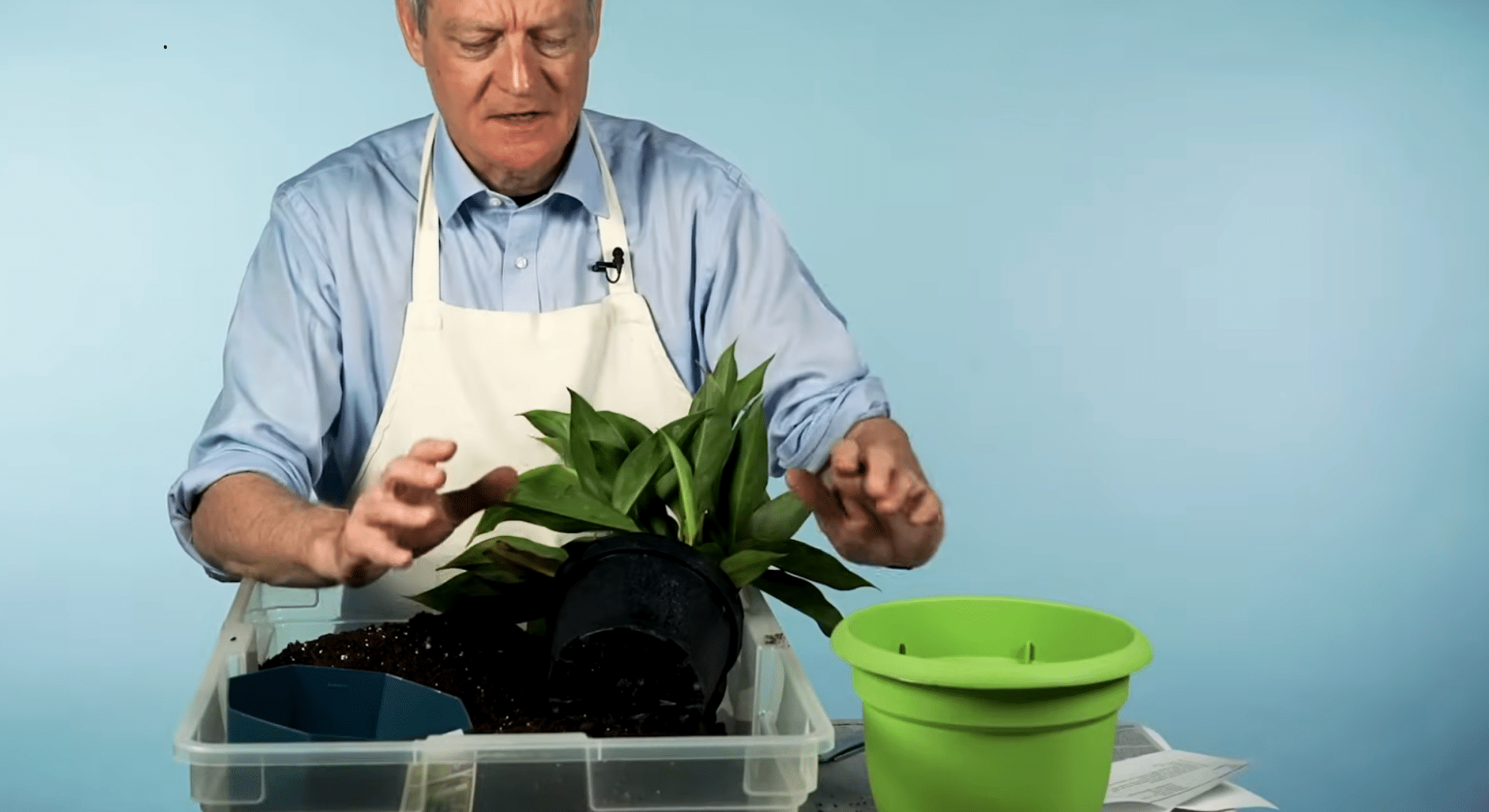
Don’t go too big. Move up just 1 to 2 inches in size. For example, if your plant is in a 6-inch pot, you can move it to an 8-inch pot.
Make sure the new pot has drainage holes at the bottom. This keeps water from sitting at the bottom and harming the roots.
Step 3: Take the Plant Out and Loosen the Roots
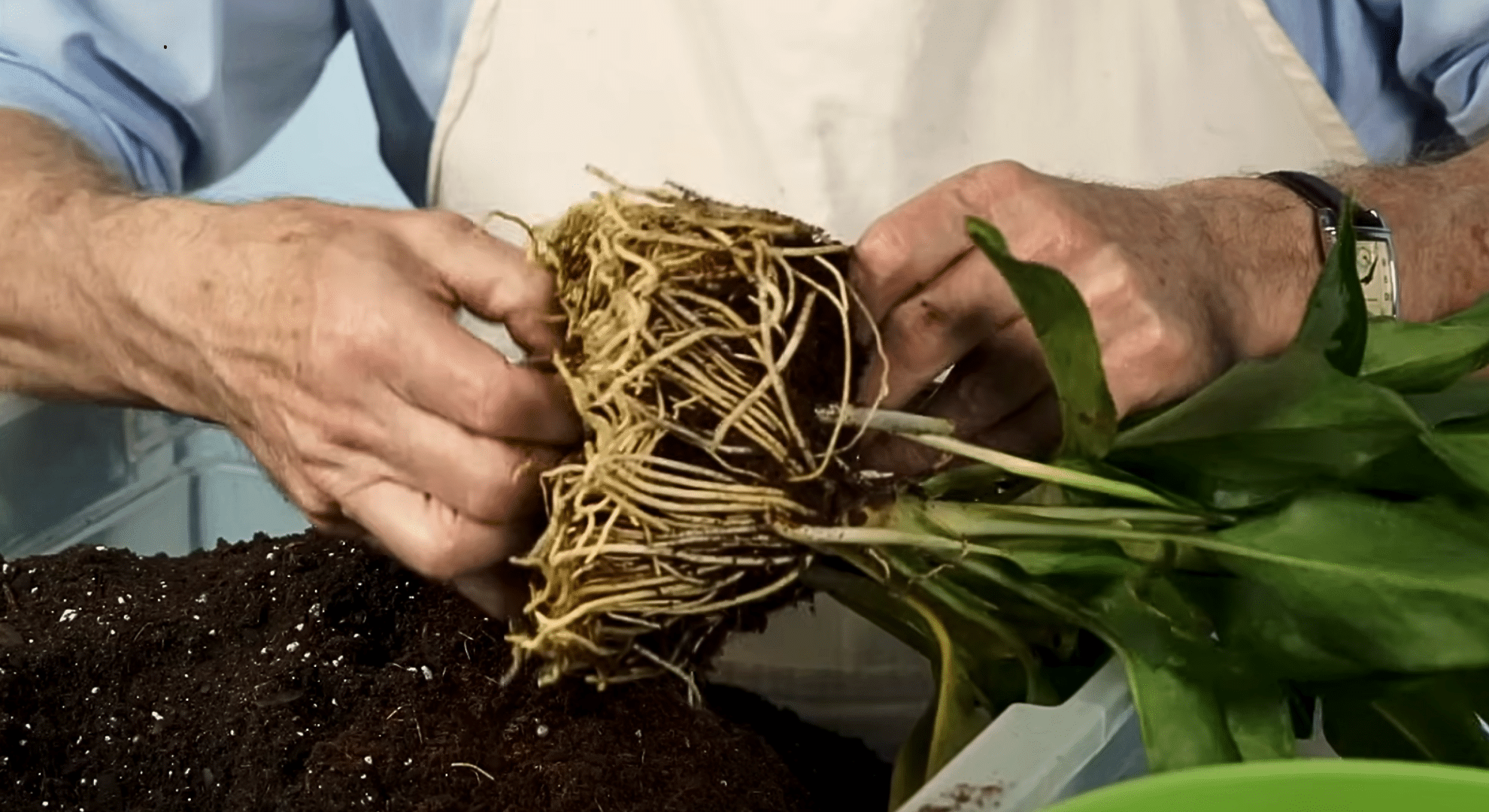
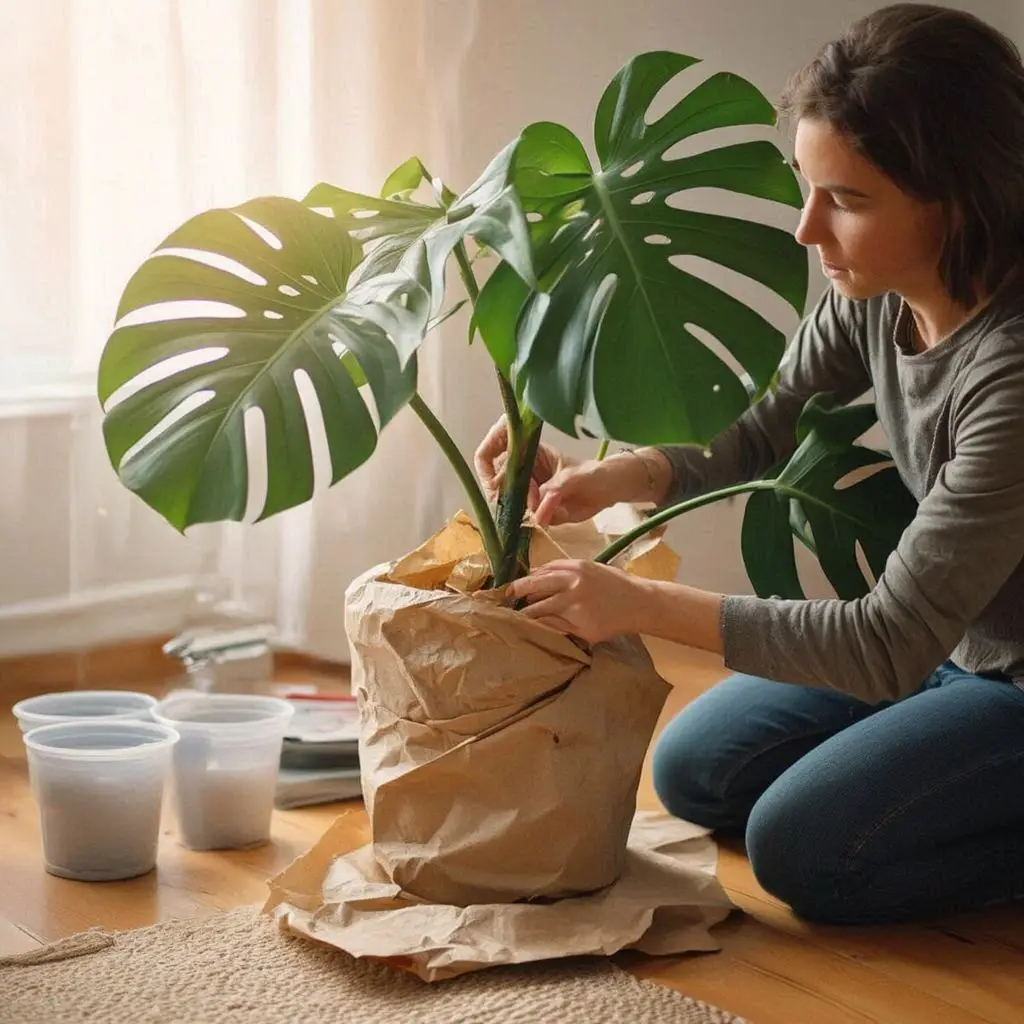
Gently take the plant out of the old pot.
Start to tease the roots loose from the tight shape they’ve grown into. You don’t need to be too rough, but don’t be too soft either. Be gentle but firm.
You can remove up to one-fourth of the roots if needed. This might stress the plant a little, but in spring, it can recover quickly.
Step 4: Add Fresh Soil to the New Pot
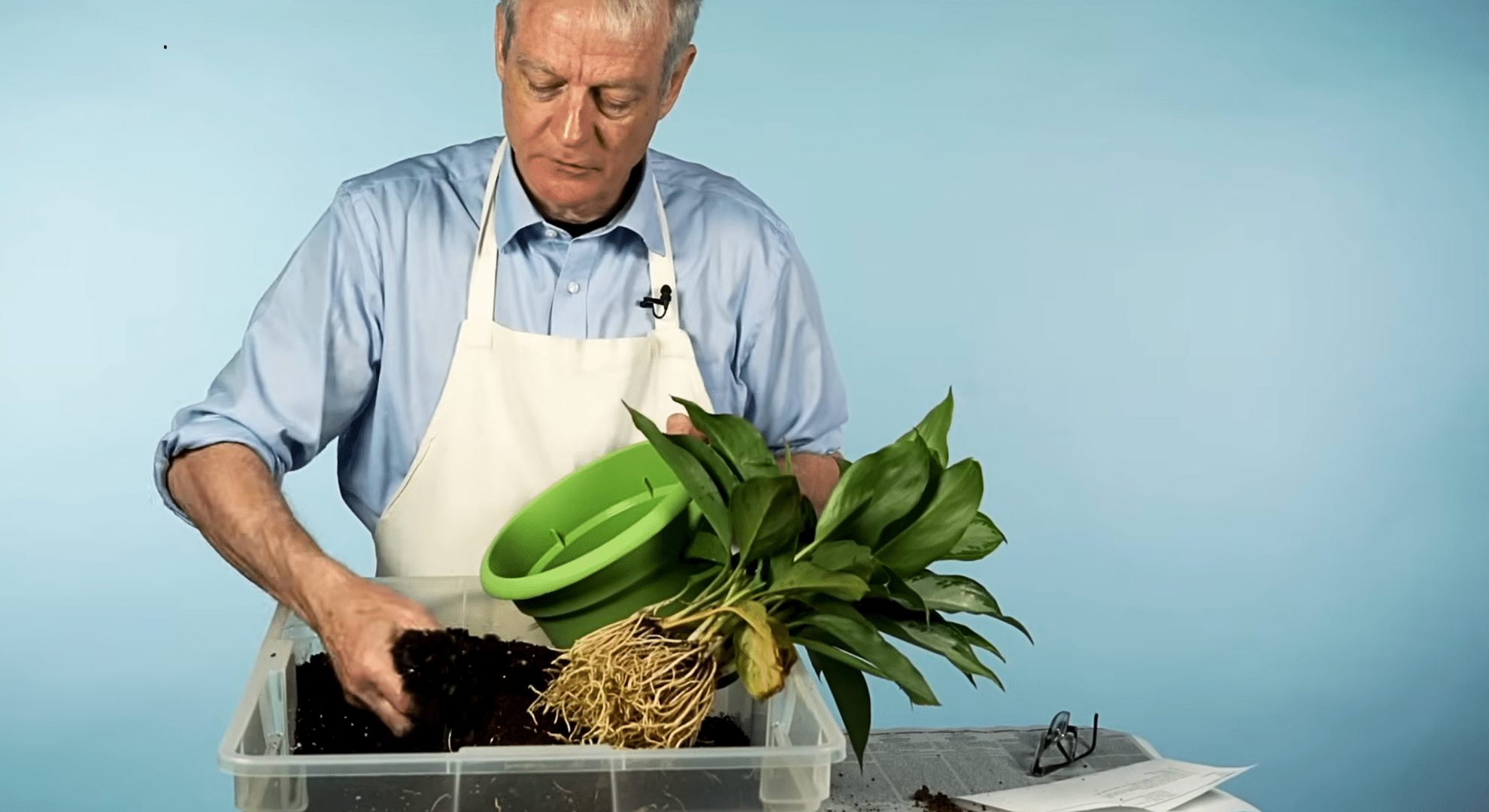
Before placing the plant in the new pot, add fresh potting mix to the bottom. This gives the roots room to grow down.
The height of the plant in the new pot should match how it was in the old pot. The top of the soil should come just below the rim of the new pot.
Hold the plant in place and start adding more soil around it.
Step 5: Pack the Soil and Tap the Pot
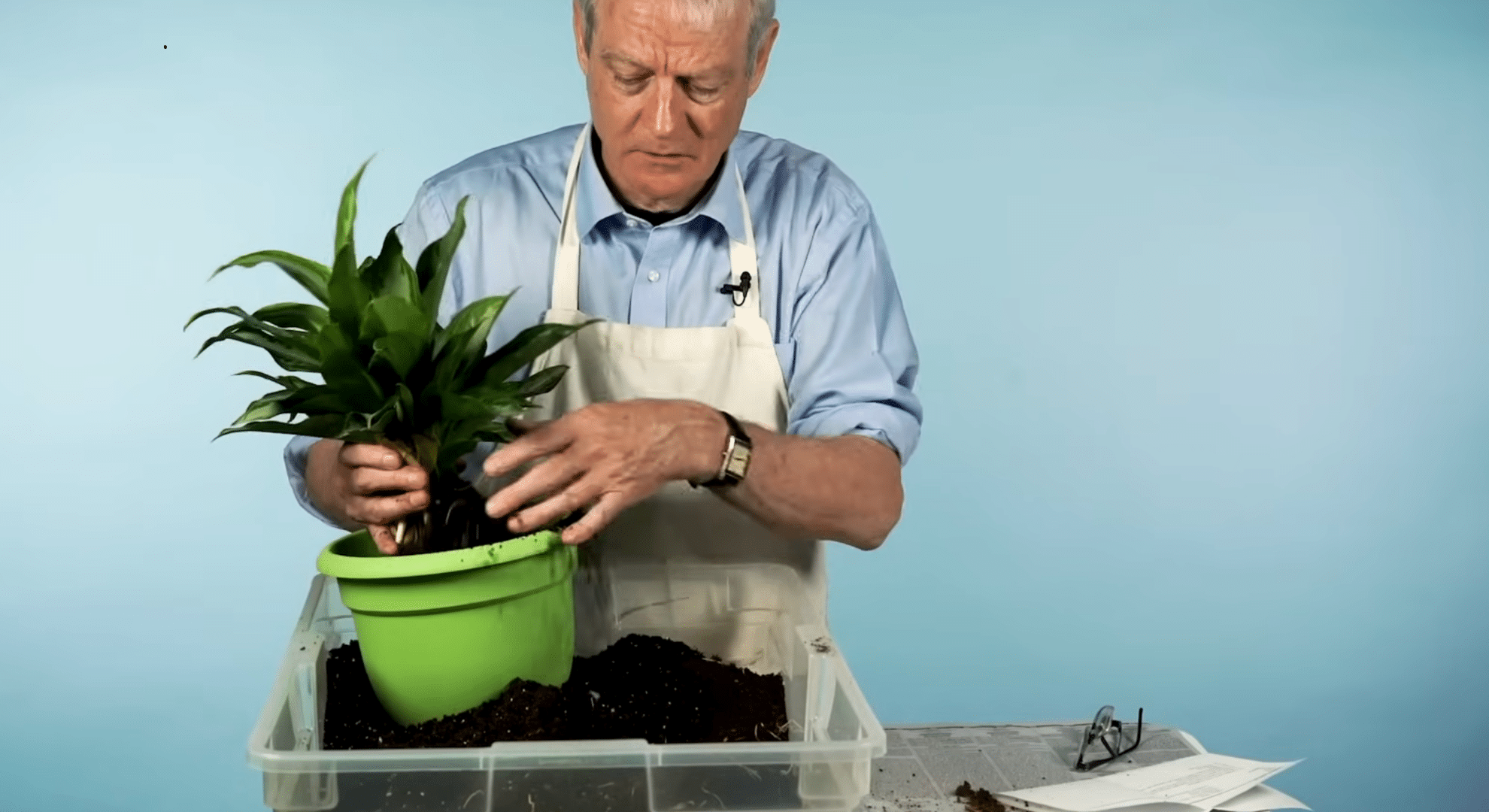
Use your fingers to gently press the soil down. This helps remove air pockets, which can be bad for the roots.
Then, tap the pot a couple of times on the table. This settles the soil even more and keeps the plant steady.
Step 6: Clean the Leaves and Water
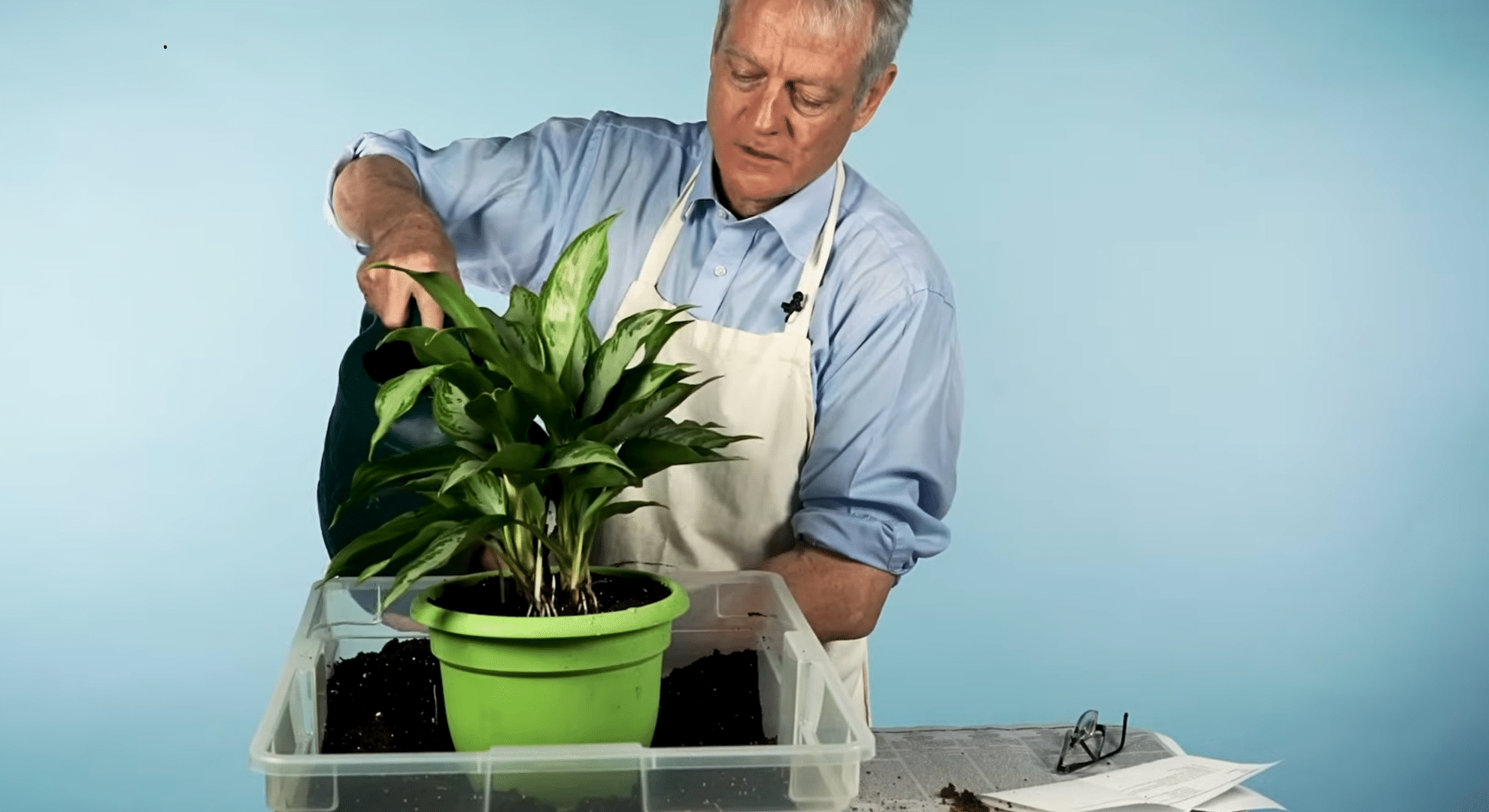
Trim off any yellow or brown leaves so the plant looks fresh.
Water the plant well, but don’t soak it. Since the pot drains well, extra water will flow out the bottom. Once it’s done, the plant should feel secure and fresh; ready to grow in its new space.
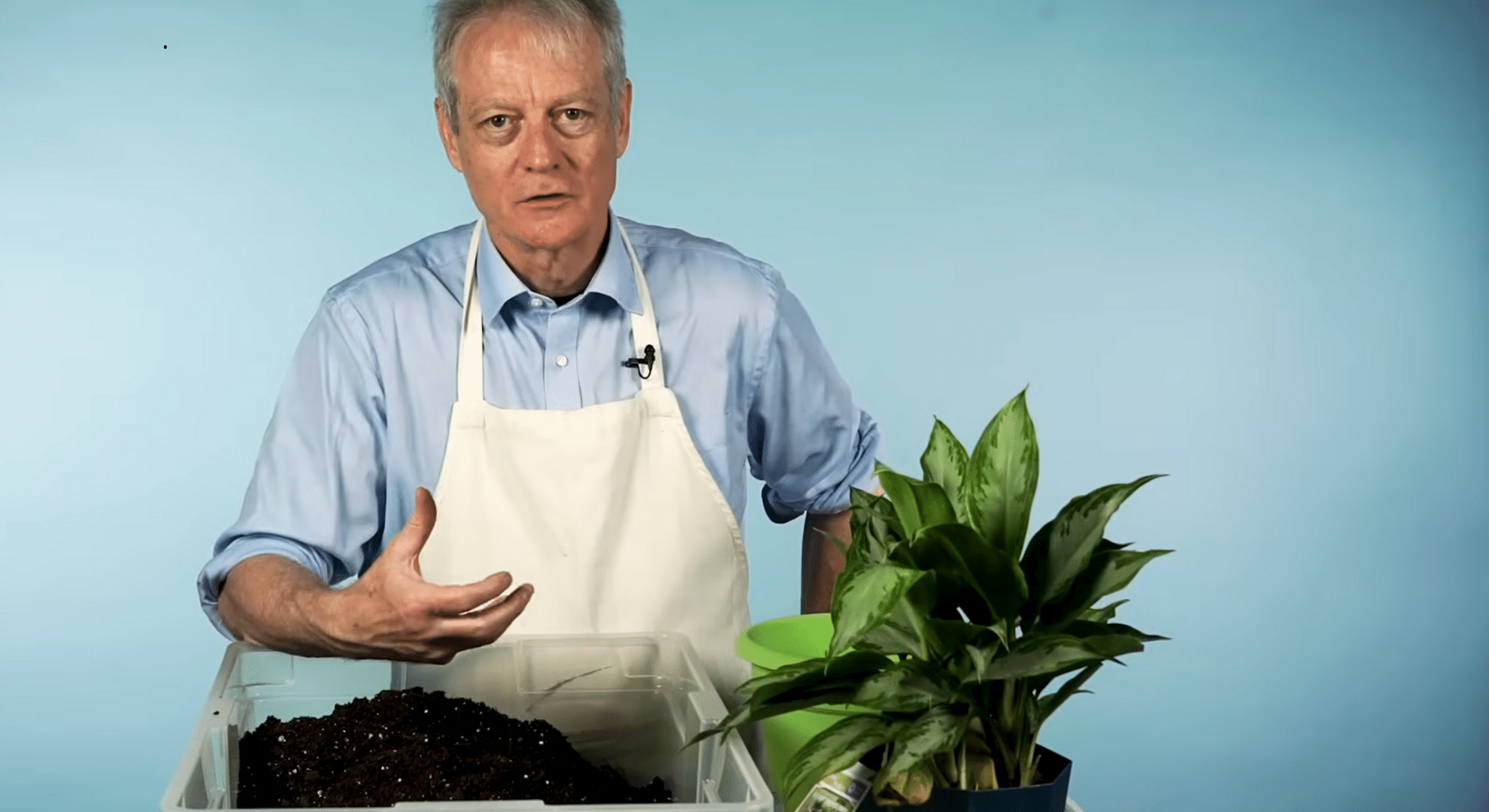
If you want a visual tutorial, you can find one right here.
What to Do Immediately After Repotting
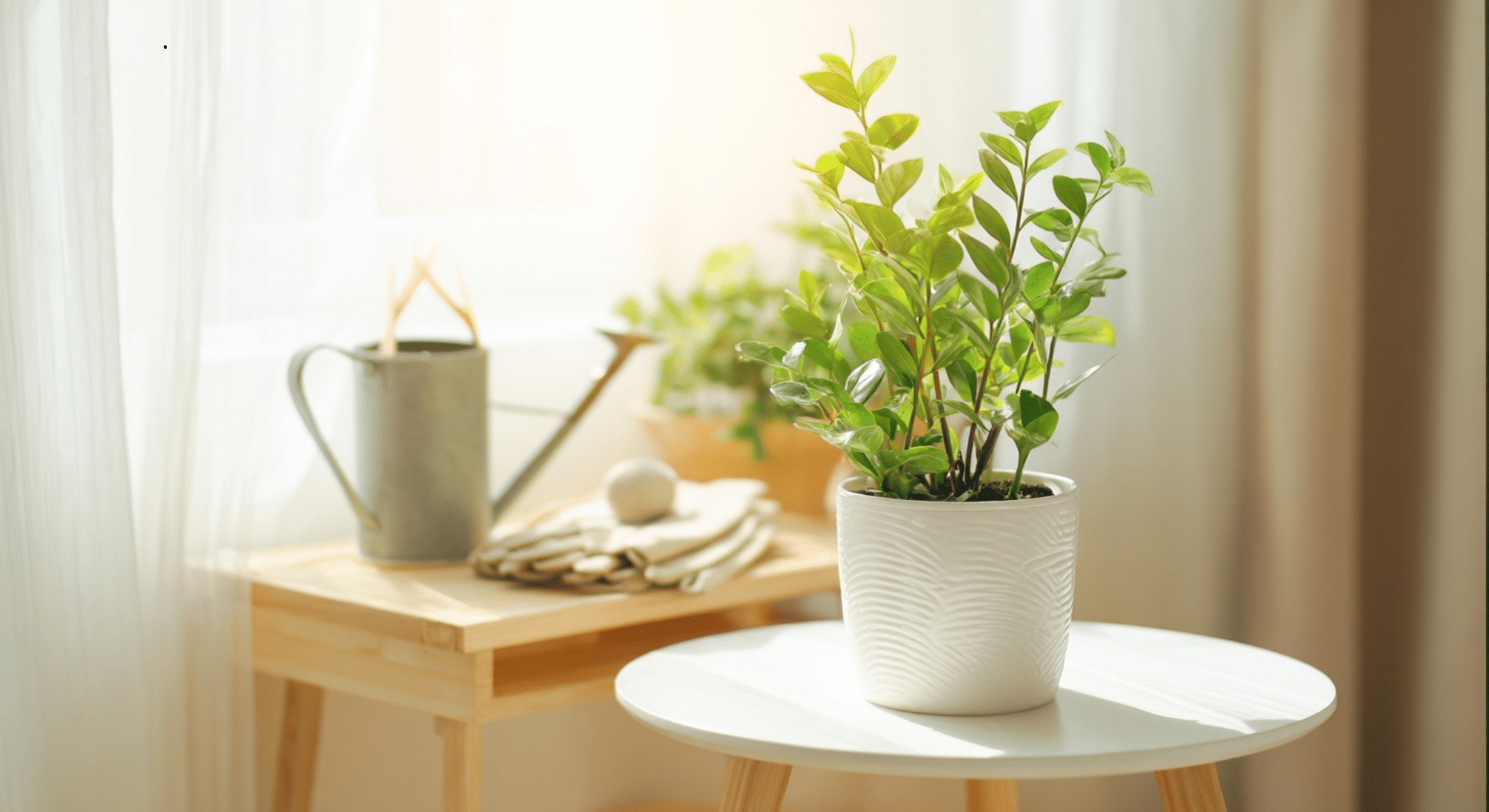
After repotting, your plant needs a calm space to recover. Don’t rush it back into direct sunlight. Instead, place it in a spot with bright but indirect light. Avoid cold drafts or very warm areas; room temperature is just right.
Hold off on watering right away, especially if the soil was already moist during repotting. Wait about 5 to 7 days before watering again.
This helps the roots settle and heal. And don’t fertilize yet: wait at least a month. Fresh soil already has nutrients, and too much too soon can stress the plant.
Some stress signs are typical: drooping leaves, slight yellowing, or slow growth. These usually go away in a week or two.
But if the leaves turn brown, fall off in large numbers, or the stem becomes mushy, that may mean something’s wrong. Keep a close eye, but give your plant time; it’s adjusting to its new home.
Common Repotting Mistakes New Plant Owners Make
It’s easy to think repotting is just about moving a plant from one pot to another, but a few simple mistakes can slow down your plant’s recovery or even hurt it. Here are the most common things to watch out for:
- Choosing a pot that’s way too big
- Adding rocks or gravel to the bottom for “drainage”
- Pressing the soil down too hard
- Repotting when the plant is already sick or weak
- Watering right after repotting, even if the soil is moist
- Using the wrong type of soil for the plant
- Not loosening the roots before placing them in the new pot
These mistakes are super common, especially when you’re just starting out. But now you know what to avoid. Keep it simple, go slow, and trust that your plant doesn’t need perfect, just care and patience.
Special Repotting Situations Beginners Ask About
Some repotting situations feel tricky, especially when space or size is a challenge. Big plants can be heavy and awkward to move.
If it’s hard to lift, try removing just the top layer of old soil and replacing it with fresh soil. You can also tip the plant gently to one side to loosen and check roots without pulling it all out.
If you’re in a small space or apartment, repot over a tarp, plastic bag, or even your bathtub to catch mess. It makes cleanup easy.
Decorative pots with no drainage? Use a plastic liner pot inside so extra water can escape.
Succulents need fast-draining soil and don’t like wet roots. Leafy houseplants usually like soil that holds more moisture. Don’t treat them the same.
Even when things aren’t perfect, there’s usually a way to repot that works for you and your plant. Just take your time.
Conclusion
Learning how to repot plants changed the way I take care of mine. I used to worry I’d mess it up, but once I tried it, I saw how much it helped.
My plants looked healthier, grew faster, and didn’t droop like before. Now, I make it a habit to check when they’ve outgrown their pots.
You’ve got what you need now; simple steps, clear signs, and helpful tips to get it done right. Don’t wait too long to give your plant a fresh start. A little effort goes a long way.
Keep going with your plant care. There’s so much more to learn.
Check out other blogs on the website for easy, useful tips to keep your plants happy and growing strong!