Ever notice how some plants seem to burst with life while others struggle along?
The secret often lies in a simple snip here and there. Pruning isn’t about hacking away at your green friends; it’s more like giving them a refreshing haircut that helps them breathe, bloom, and thrive.
Think of it as guiding your plants toward their best life, encouraging fuller growth and those gorgeous flowers or fruits you’ve been dreaming of.
And before you worry about “hurting” your plant, let’s clear up some common myths and reveal why this ancient practice is actually one of the kindest things you can do for your leafy companions.
Pruning Basics
Pruning works by redirecting your plant’s energy where it matters most. When you make strategic cuts above nodes (those little bumps where leaves meet stems), you’re telling the plant where to focus its growth.
Buds are future branches waiting to unfold, and knowing which ones to keep shapes your plant’s destiny. Deadheading simply means snipping off spent flowers to encourage more blooms instead of seed production.
Before you begin, always use clean, sharp tools to prevent disease and make cuts at a slight angle to help water run off.
Remember, less is often more; start conservatively and observe how your plant responds before making additional cuts.
Essential Pruning Tools
Having the right tools makes pruning feel less like a chore and more like an art.
Here’s what you’ll want in your gardening toolkit:
- Hand pruners are your go-to for stems up to three-quarters of an inch thick, perfect for most everyday trimming tasks.
- Loppers give you the leverage needed for thicker branches, handling stems up to two inches with their long handles and powerful cutting action.
- Hedge shears create clean, uniform shapes on bushes and shrubs, while saws and pole pruners tackle those hard-to-reach or extra-thick branches.
- Clean your blades after each use with rubbing alcohol or a diluted bleach solution to prevent spreading diseases between plants.
- Sharp tools make cleaner cuts that heal faster, so invest in a good sharpening stone or have them professionally sharpened each season.
Well-maintained tools not only last longer but also keep your plants healthier with every snip. Think of tool care as part of the pruning process itself.
Main Pruning Techniques
Mastering different pruning techniques is like learning a new language with your plants. Each method serves a unique purpose, helping you shape growth, boost blooms, and keep your garden thriving beautifully.
1. Deadheading
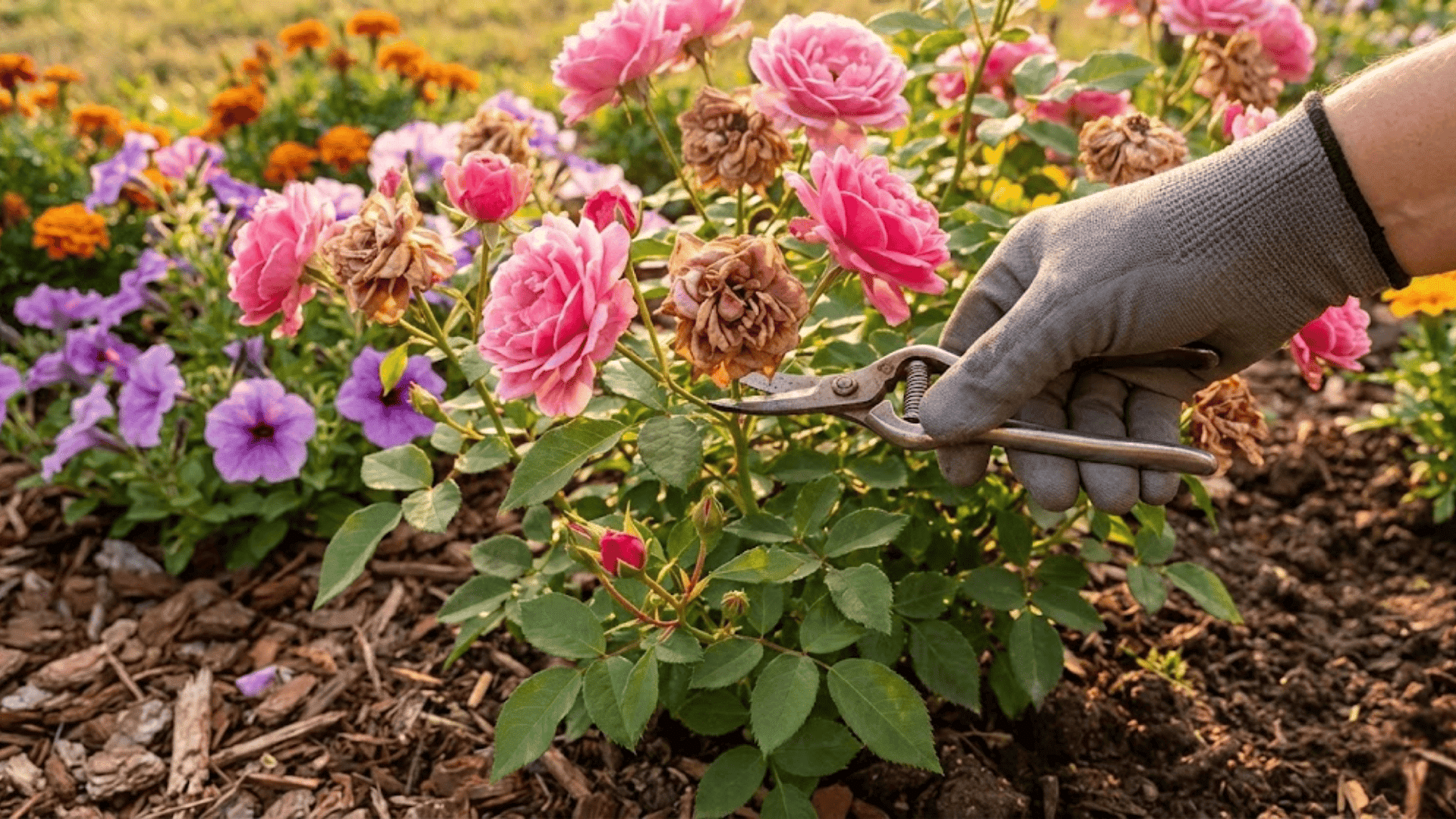
Impact on Blooming Cycle: Removes spent flowers before they form seeds, redirecting energy back into producing fresh blooms throughout the season.
Snip faded flowers just above the next set of healthy leaves or buds. This simple practice keeps annuals like petunias and marigolds blooming nonstop, while perennials like roses get a second flush of flowers.
It also tidies up your garden’s appearance, preventing that tired, end-of-season look even in midsummer.
2. Thinning Cuts
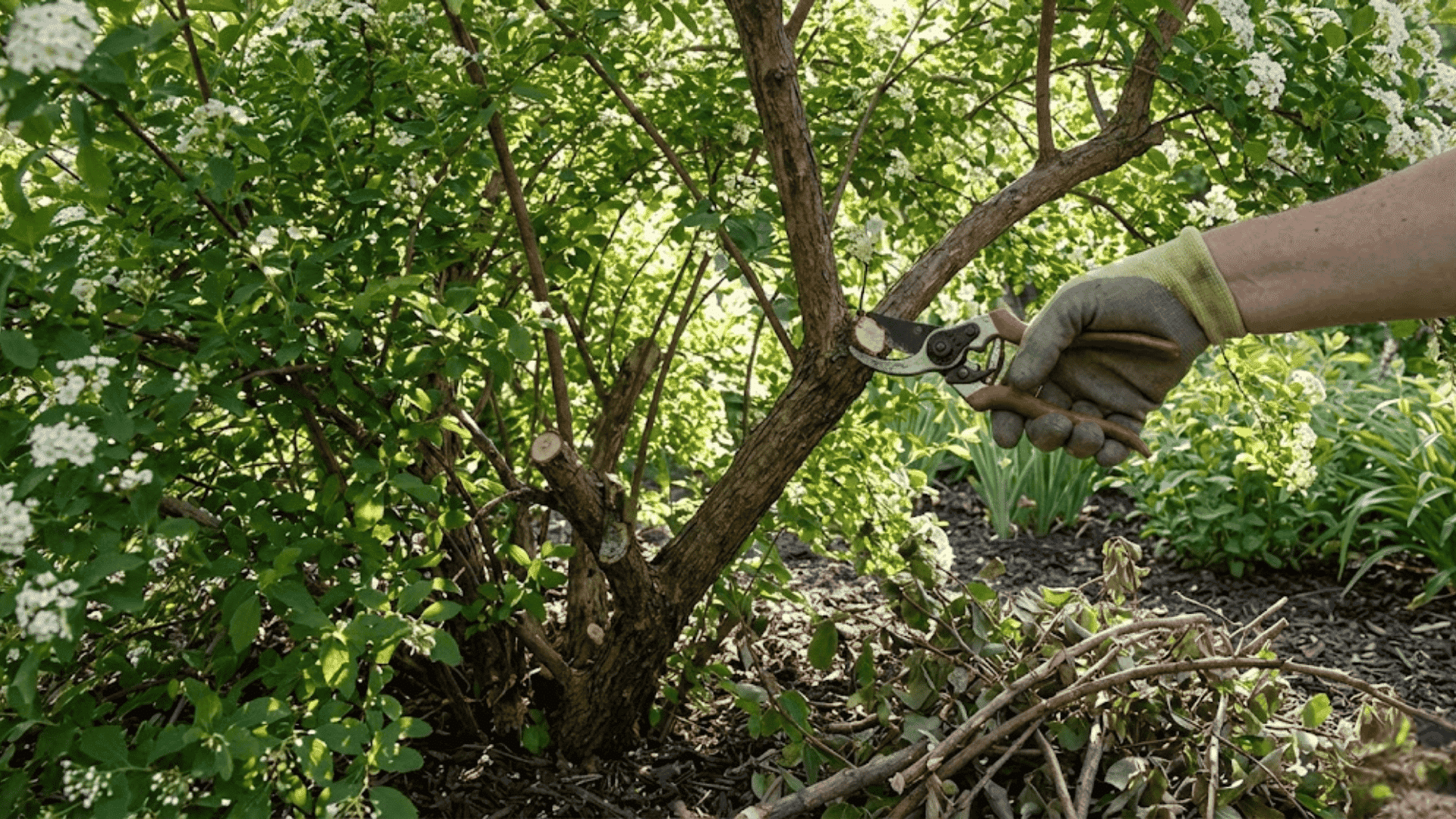
Impact on Blooming Cycle: Increases light penetration and air circulation, leading to healthier foliage and more robust flowering on remaining stems.
Remove entire stems or branches back to their point of origin or a main branch. This opens up the plant’s interior, reducing disease risk and allowing energy to concentrate on fewer, stronger stems.
Perfect for crowded shrubs, fruit trees, and bushy perennials that have become too dense over time.
3. Heading Cuts
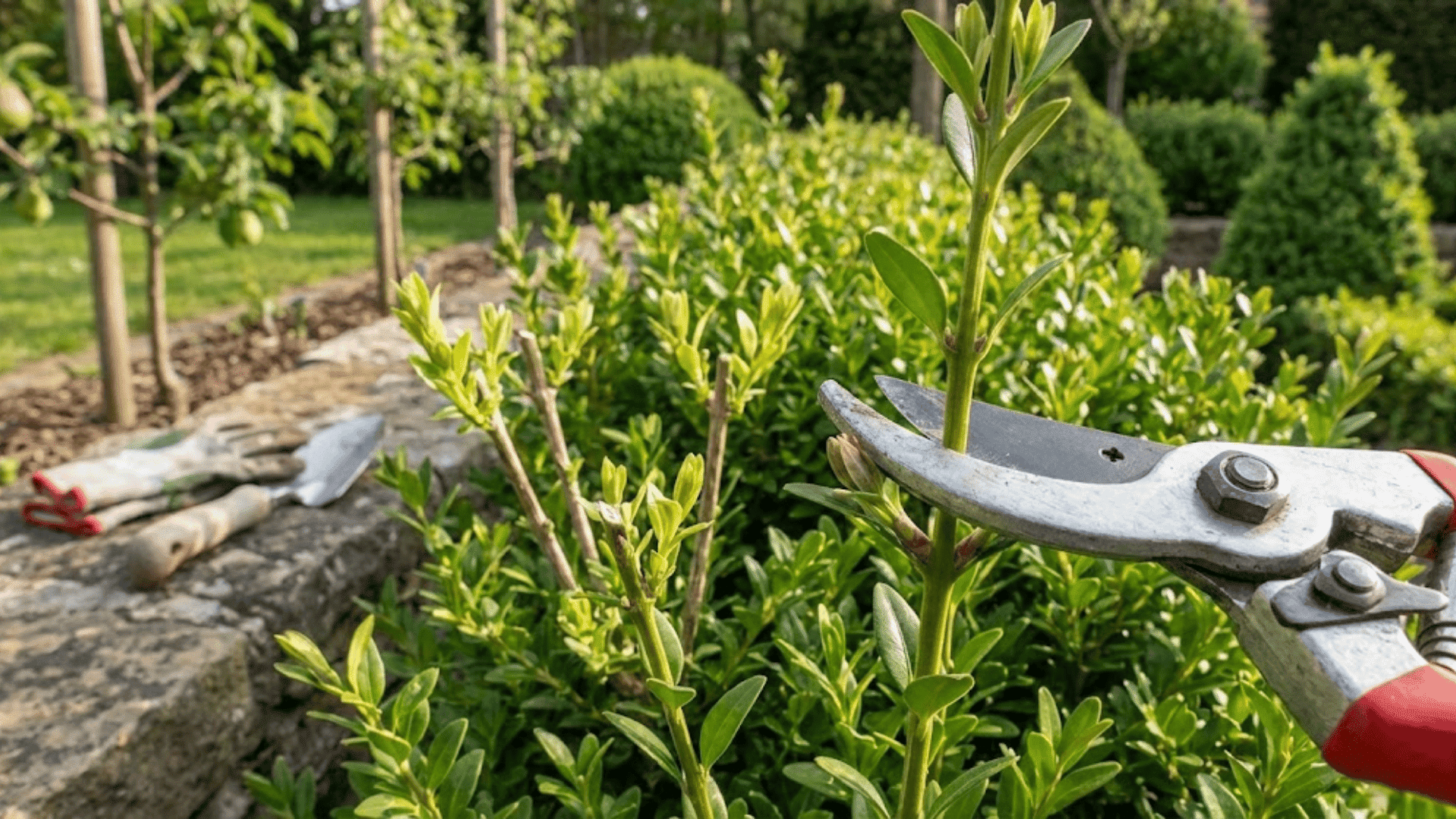
Impact on Blooming Cycle: Stimulates dormant buds below the cut, creating bushier growth with multiple flowering points instead of one.
Cut stems back to just above a bud or lateral branch, removing the terminal growing point.
The plant responds by pushing out several new shoots, resulting in a fuller, more compact shape. Ideal for hedges, young trees, and plants you want to keep dense and well-branched.
4. Pinching
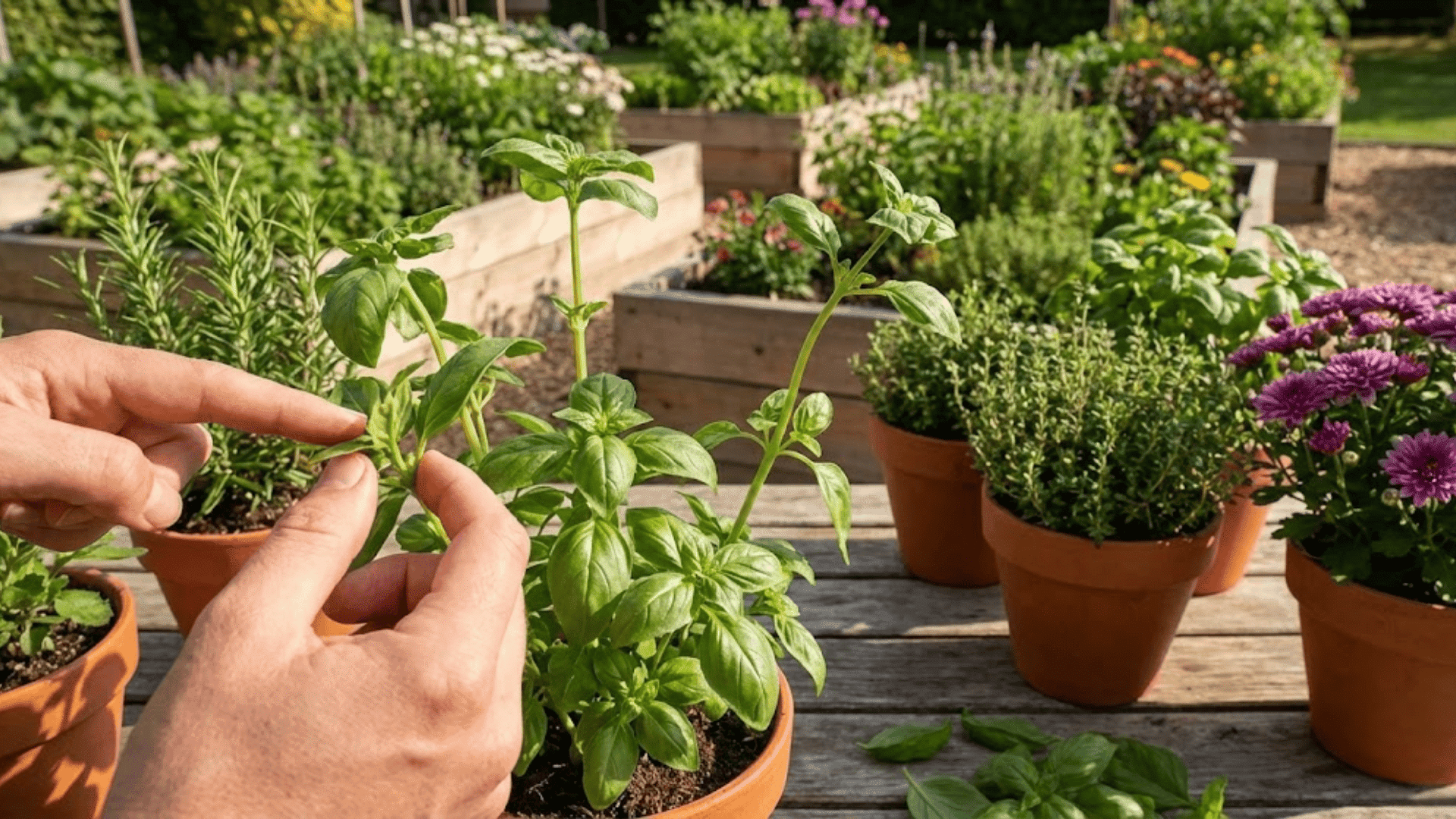
Impact on Blooming Cycle: Delays initial blooming slightly but produces more flowering stems, resulting in a fuller display overall.
Use your thumb and forefinger to nip off soft new growth at the stem tips.
This gentle technique works wonders on herbs like basil and flowering plants like chrysanthemums, encouraging them to branch out rather than grow tall and leggy. No tools needed, just a quick pinch when stems are young.
5. Rejuvenation & Renewal Pruning
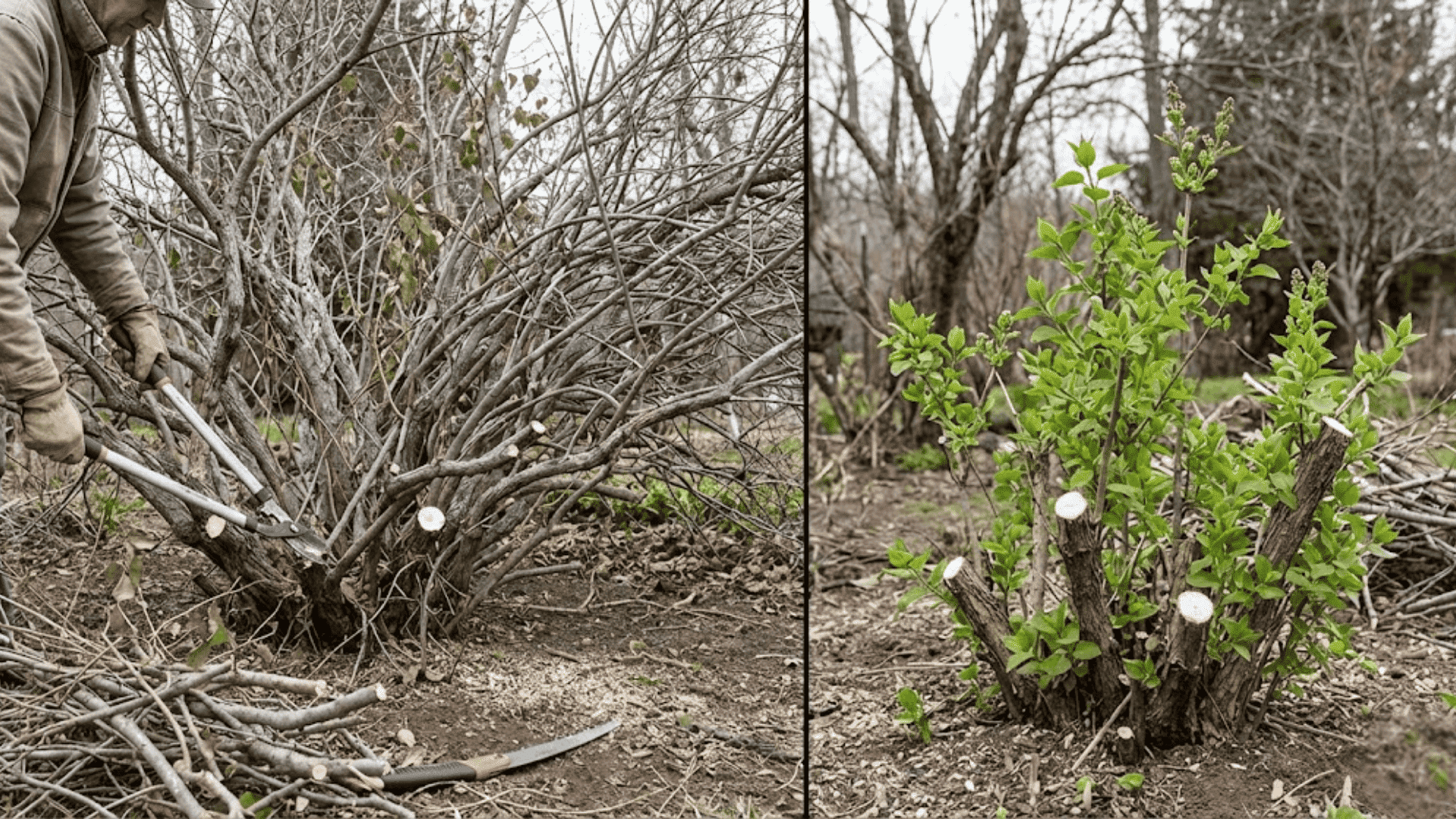
Impact on Blooming Cycle: Temporarily reduces flowering while the plant rebuilds, but results in vigorous new growth with abundant blooms in the following seasons.
Cut overgrown or declining shrubs back drastically, sometimes to just inches from the ground. This extreme makeover forces fresh shoots from the base, essentially giving your plant a complete restart.
Best done in late winter for spring bloomers like lilacs and forsythia.
Specialized Techniques
For larger trees and specific landscape needs, these advanced methods help manage size and shape while maintaining plant health.
| Technique | What It Does | Best For | Result |
|---|---|---|---|
| Pollarding | Cuts back to the same points annually | Controlling tree height | Distinctive knobby framework with fresh shoots |
| Crown Raising | Removes lower branches | Creating clearance below | Lifted canopy, more light for understory plants |
| Crown Reduction | Shortens branches throughout | Reducing overall size | Smaller tree that keeps its natural shape |
When to Prune: Seasonal Timing
Timing is everything when it comes to pruning. Snip at the wrong moment and you might sacrifice a season’s worth of blooms or leave your plant vulnerable to damage.
- Spring-flowering shrubs like lilacs and forsythia should be pruned right after they bloom, since they set buds on old wood for next year’s display.
- Summer and fall bloomers benefit from late winter or early spring pruning while dormant, encouraging vigorous new growth that flowers the same season.
- Winter is ideal for most deciduous trees when their structure is visible, and they’re dormant, making it easier to see what needs removing without stressing the plant.
- Avoid pruning during frost periods or late fall, as fresh cuts can’t heal properly in freezing temps and new growth won’t harden off before winter hits.
- Evergreens and conifers prefer light shaping in late spring or early summer when actively growing, though dead wood can be removed anytime.
Get the timing right, and your plants will reward you with healthier growth and showstopping blooms season after season.
Pruning by Plant Type
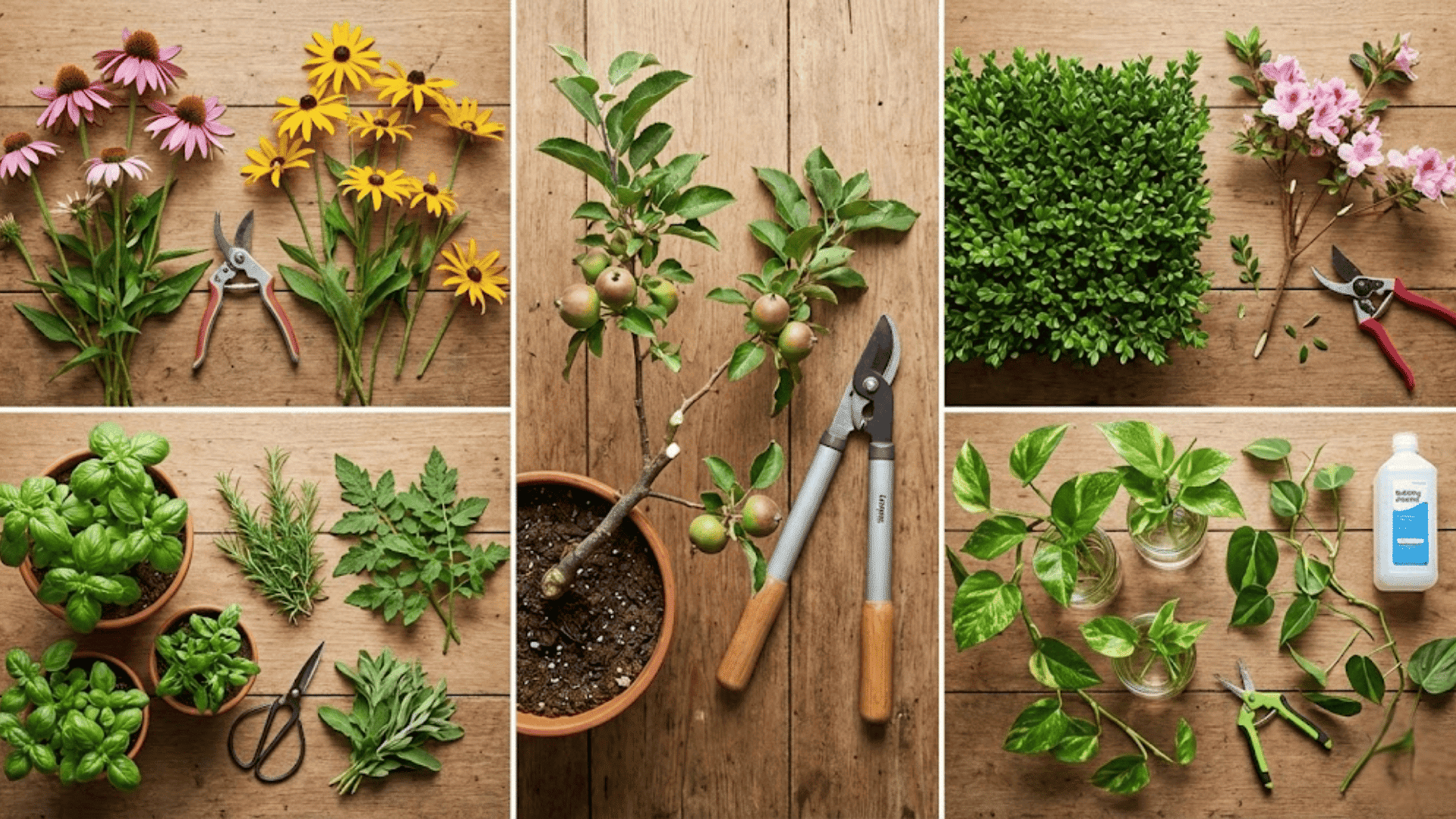
Different plants have different pruning personalities, and understanding these quirks helps you give each one exactly what it needs.
Here’s your plant-by-plant guide to confident, effective pruning.
1. Flowering Perennials & Annuals
Keep your blooms coming strong with regular attention throughout the growing season.
- Step 1: Deadhead spent flowers weekly to prevent seed formation and encourage continuous blooming
- Step 2: Cut back leggy stems by one-third in midsummer to promote bushier, more compact growth
- Step 3: Remove yellowing or damaged foliage at the base to maintain air circulation and prevent disease
- Step 4: Trim perennials back to ground level in late fall or early spring, depending on winter interest
2. Shrubs & Hedges
Woody plants need thoughtful cuts at the right time to maintain their shape and vigor.
- Step 1: Prune spring-flowering shrubs immediately after blooms fade to avoid cutting off next year’s flower buds
- Step 2: Trim summer-flowering shrubs in late winter while dormant for the strongest growth and blooms
- Step 3: Shape hedges with a slightly tapered profile, wider at the bottom to ensure lower branches get adequate light
- Step 4: Remove dead, diseased, or crossing branches anytime you spot them for overall plant health
3. Fruit Trees
Strategic pruning maximizes your harvest and keeps trees manageable and healthy.
- Step 1: Choose between an open center system for stone fruits or a central leader for apples and pears during initial training
- Step 2: Prune in late winter before buds break, removing water sprouts and suckers that drain energy
- Step 3: Thin out crowded branches to allow sunlight into the canopy, improving fruit quality and ripening
- Step 4: Cut back the previous year’s growth by about one-third to encourage fruiting spurs and a manageable size
4. Herbs & Vegetables
Regular harvesting doubles as pruning, keeping plants productive and preventing them from bolting.
- Step 1: Pinch basil and other soft herbs at leaf nodes every few weeks to encourage bushy growth and delay flowering
- Step 2: Harvest rosemary, thyme, and woody herbs by cutting stems back to just above new growth points
- Step 3: Remove lower leaves from tomato plants to improve air flow and reduce soil-borne disease risk
- Step 4: Trim off spent vegetable flowers and aging leaves to redirect energy into new production
5. Houseplants
Gentle, regular maintenance keeps indoor plants looking fresh and prevents them from outgrowing their space.
- Step 1: Wipe blades with rubbing alcohol before pruning to prevent spreading pests or diseases between plants
- Step 2: Trim back leggy growth just above a leaf node to encourage a fuller, more balanced shape
- Step 3: Remove yellow, brown, or damaged leaves at their base for a cleaner appearance and better plant health
- Step 4: Prune trailing plants like pothos periodically to control length and propagate cuttings for new plants
Common Pruning Mistakes to Avoid
Even with the best intentions, it’s easy to make mistakes that can stress your plants or slow their growth.
Here are the most common pruning pitfalls and how to sidestep them gracefully.
| Mistake | Why It Harms | Better Approach |
|---|---|---|
| Cutting too much at once | Shocks the plant, limits recovery | Remove no more than one-third per season |
| Pruning at the wrong time | Cuts off buds, exposed to frost | Match timing to bloom cycle and dormancy |
| Not cleaning tools | Spreads disease between plants | Wipe blades with alcohol between cuts |
| Topping trees incorrectly | Weakens structure, causes hazardous regrowth | Use crown reduction or hire an arborist |
Pruning Safety Tips
Pruning safely protects both you and your plants from harm. Keep these essentials in mind every time you pick up your shears:
- Wear sturdy gloves to protect hands from thorns, sap, and blisters, plus safety glasses to shield eyes from flying debris.
- Sanitize tools between plants with rubbing alcohol or diluted bleach to prevent spreading diseases through your garden.
- Use stable footing and never overreach, especially when working with ladders or pole pruners on taller plants.
- Dispose of diseased material in the trash rather than compost to avoid reintroducing pathogens to your garden.
- Keep blades sharp and properly maintained to prevent slips and ensure clean cuts that heal quickly.
A few simple precautions make pruning a safe, enjoyable part of your gardening routine. Your plants will thank you, and so will your hands.
Aftercare for Pruned Plants
Once you’ve finished pruning, your plants need a little extra love to heal and bounce back stronger. Water deeply after major pruning sessions to help reduce stress and support new growth.
A fresh layer of mulch around the base retains moisture and regulates soil temperature while keeping weeds at bay.
Hold off on heavy feeding immediately after pruning; wait a few weeks, then apply a balanced fertilizer to fuel fresh shoots. Keep a close eye on your cuts over the following weeks, watching for signs of disease or dieback.
Healthy regrowth means you’ve done everything right, and your plant is thriving once again.
Wrapping Up
Learning how to prune plants turns you into a confident gardener who speaks the language of growth.
Those careful snips and thoughtful cuts become second nature, and soon you’ll notice your garden responding with vigor, beauty, and abundance.
Each pruning session strengthens your connection to the natural rhythms of your green space, from shaping a houseplant to rejuvenating an overgrown shrub.
The more you practice, the more intuitive it becomes, and your plants will show their gratitude through healthier foliage and more vibrant blooms.
Ready to share your own pruning wins or questions? Drop a comment below, and let’s keep the conversation growing together.