I pulled a weed one day and watched three more show up in its place the next. For a while I chalked it up to bad luck.
It was not. The real cause never got fixed; it just got pulled at the surface.
Learning how to prevent weeds from growing starts below the soil, not with more pulling.
Soil health, timing, and a few daily habits matter more than any spray ever will.
Why and How Weeds Grow?
Weeds germinate when soil temperature, moisture, and light combine in the right way for that species.
Disturbing soil, through digging or tilling, exposes buried seeds to sunlight and triggers sprouting.
Some weeds reproduce via seeds or spread through rhizomes or stolons under the soil.
These underground stems send up new shoots at multiple points, making single-plant removal ineffective.
Fast growth cycles let weeds flower and seed in weeks, often before a lawn is mowed twice. This quick reproduction enables weeds to outcompete slower garden plants for space and resources.
Why Weeds Keep Coming Back Even After You Remove Them
Pulling weeds alone doesn’t kill them.
Most species drop thousands of seeds before you ever spot them, and those seeds sit in the soil for years.
Some wait for the right light or moisture before sprouting.
Others regrow from broken root fragments left behind after pulling. Perennial weeds like dandelions and bindweed store energy in deep taproots, so a quick yank only removes the top growth.
Birds, wind, and even your shoes carry seeds in from elsewhere too.
Unless you clear the seed bank and the roots, new weeds will keep popping up in the same spots.
Prevention Methods: How to Prevent Weeds from Growing?
These methods work together to stop weeds before they start, working from below the surface up.
1. Start With Healthy Soil Instead of Bare Ground
Weeds love poor, compacted soil. Grass and plants struggle to compete there.
A soil test shows nutrient gaps and pH problems. Those gaps leave openings for weeds to move in. Compost, aged manure, or balanced fertilizer fix that. They build a dense root system that shades out invaders naturally.
Healthy soil also drains better and lets air move through it.
This supports grass and garden plants in outcompeting weed seedlings at an early stage.
2. Mulching: The Most Effective Weed Prevention Method
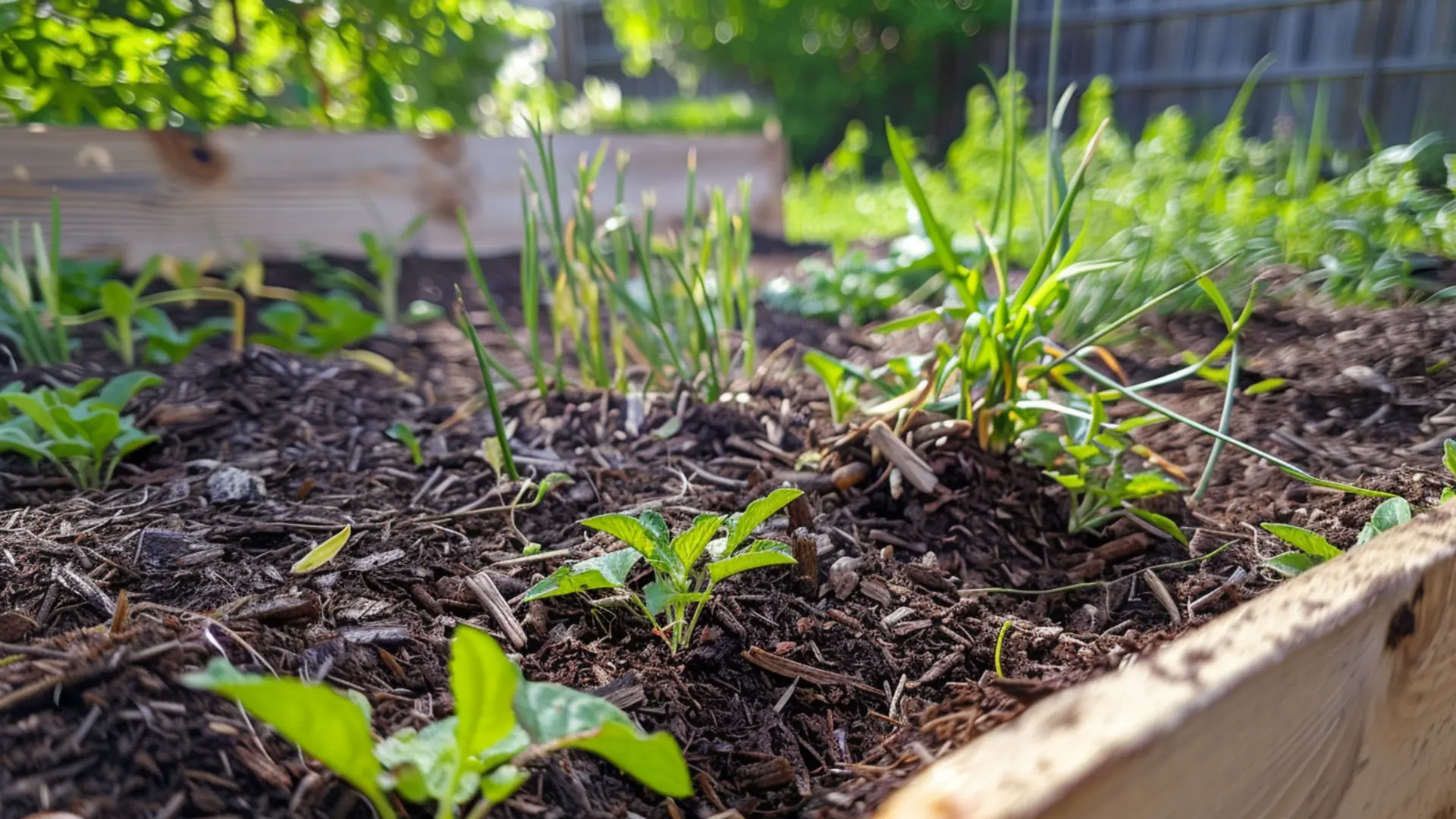
Mulch blocks sunlight. Weed seeds need light to sprout, so cutting it off stops new growth in flower beds and around trees. A 2-3 inch layer works well in garden beds. Wood chips, straw, or shredded bark all do the job.
Gravel suits pathways and driveways better. Organic mulch breaks down over time.
It enriches the soil through decomposition and continually enhances its structure over each season.
Keep mulch clear of plant stems, and never pile it higher than three inches.
It traps too much moisture, which can lead to disease instead of stopping it.
3. Install a Weed Barrier
Landscape fabric creates a physical layer weeds cannot push through, ideal for new beds, gravel paths, and patios.
Woven fabric stays water permeable so moisture still reaches plant roots below.
Rolled out before mulching, it should be cut with holes only where plants go in.
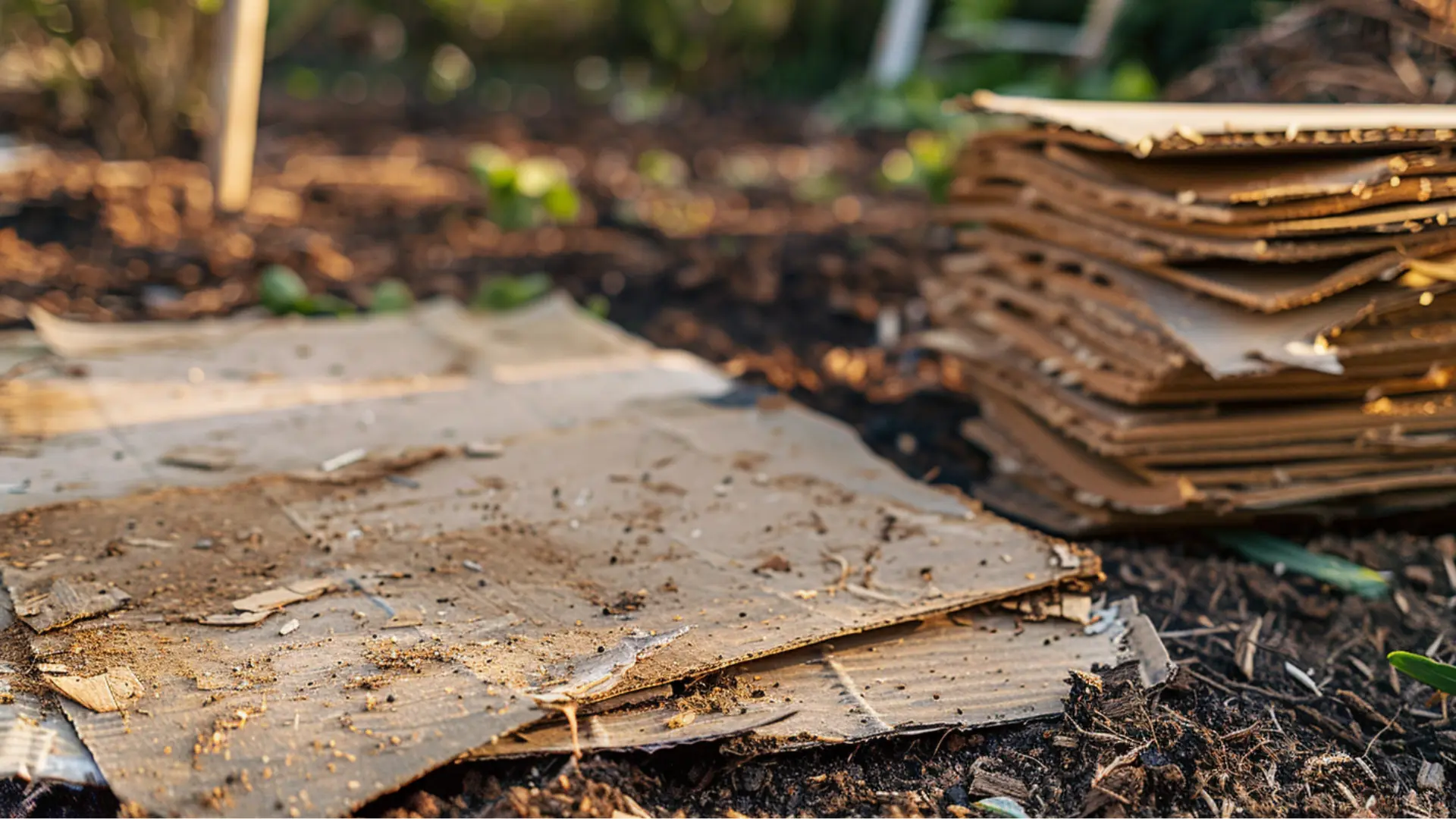
Cardboard or thick newspaper layers work as a natural alternative in vegetable beds, breaking down over time while still smothering weeds during the season that matters most for keeping them out.
This same layering trick shows up in rock beds over mulch too, where fabric keeps stones from settling into bare soil while blocking weeds from below.
4. Plant Densely So Weeds Have No Room to Grow
Bare soil is an open invitation for weeds, so filling space with desired plants removes the opportunity.
Spacing perennials, shrubs, or ground covers like creeping thyme and clover closer together shades the soil and limits room for weed seedlings to establish.
In lawns, overseeding thin patches thickens turf so grass wins the competition for light and nutrients.
Dense planting reduces long-term maintenance more than any single spot treatment can offer on its own.
5. Water Deeply and Infrequently
Frequent, shallow watering keeps the soil surface damp.
That favors shallow-rooted weed seeds over the deeper roots of lawns and garden plants.
Water deeply but less often instead.
It trains grass and plants to root further down, building drought resistance while starving weed seedlings near the surface. Morning watering also lets foliage dry before evening, which cuts disease risk.
This one adjustment often does more for prevention than most people expect from their routine.
6. Apply Pre-Emergent Herbicide on Time
Pre-emergent products form a chemical barrier in the soil.
That barrier stops weed seeds from developing once germination begins. Timing matters most here.
Apply in early spring, before soil temperatures trigger crabgrass and other annual weeds. Apply again in early fall for cool-season weeds like chickweed. Light watering after application helps activate the product.
Pre-emergents target only unsprouted weeds; existing weeds require manual removal.
7. Edge and Border Garden Beds
Clean, defined edges between lawn and beds remove the transition zone.
That’s where windblown seeds settle and creeping grasses invade.
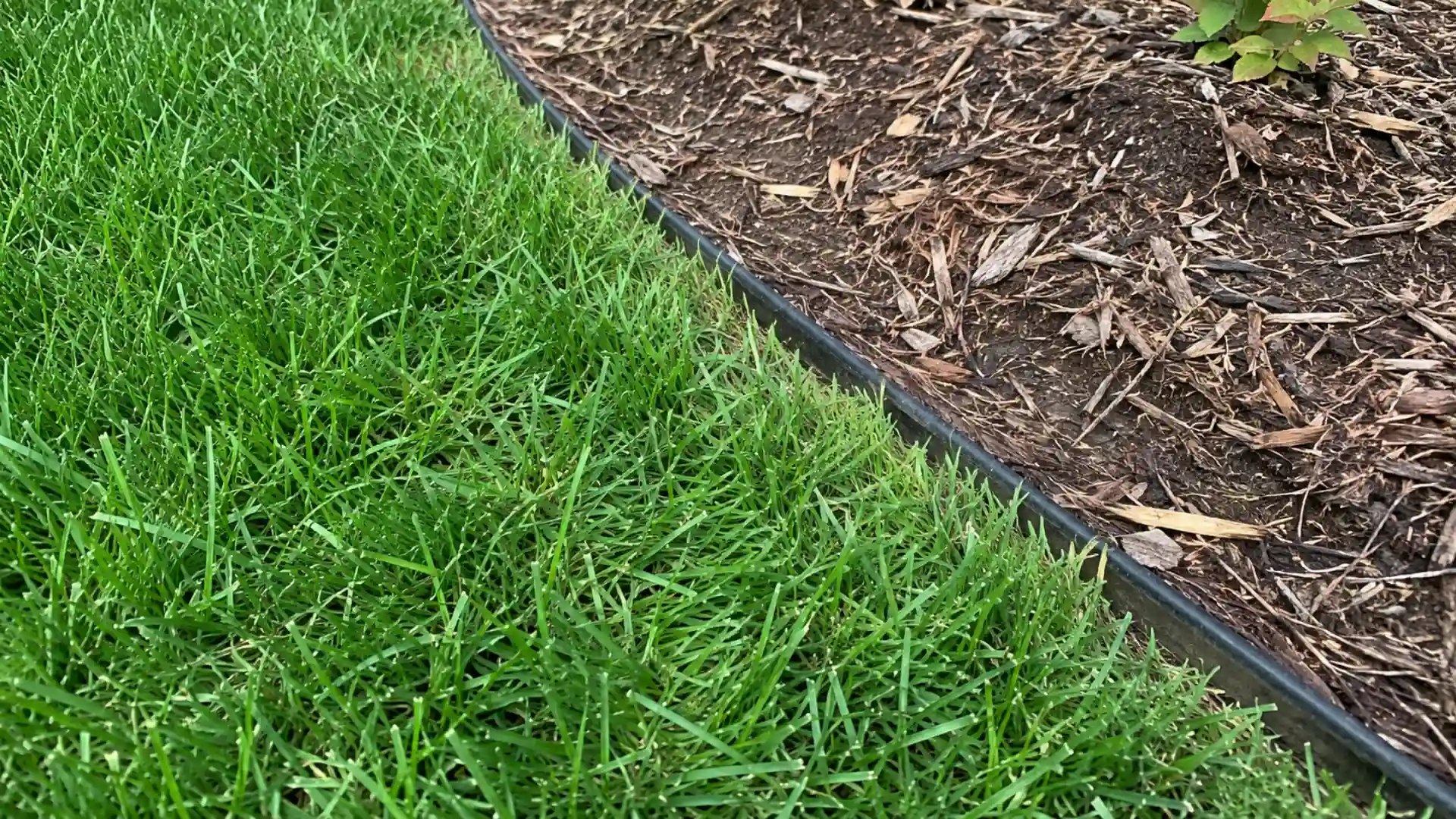
Cut a sharp edge with a spade or edging tool. Then install plastic, metal, or stone borders. Together, they physically block spreading weeds like bermudagrass from crossing into beds.
This step also gives mulch and mowers a clear boundary.
Maintenance gets faster, and the odds of weeds spreading between lawn and bed drop.
Weed Prevention Methods for Every Outdoor Area
Every outdoor space has its own weak spots, so prevention needs to shift with the terrain.
| Outdoor Area | Best Prevention Approach |
|---|---|
| Lawns | Thick, consistent mowing height to block light from reaching soil |
| Driveways and Walkways | Polymeric sand between pavers to seal gaps shut |
| Fence Lines | Regular trimming plus a gravel strip to cut off root spread |
| Vegetable Gardens | Crop rotation to disrupt weed cycles tied to specific plants |
| Flower Beds | Tight plant spacing paired with a seasonal mulch refresh |
| Gravel Patios | Weed-blocking underlayment installed before gravel goes down |
| Sloped Areas | Ground cover plants to hold soil and crowd out invaders |
For the sloped-area row specifically, matching the right ground cover for slopes to your grade makes erosion control and weed prevention work together instead of separately.
Keep New Weed Seeds Out of Your Garden
New seeds sneak in more often than people think.
Buy compost or topsoil from a trusted supplier to avoid weed seeds, which can occur if not heat-treated properly.
Bird feeders drop seed husks that sprout into unwanted plants nearby, so move feeders away from garden beds.
Clean mower decks and pruning tools between yards to avoid transporting seeds on debris.
Pets can carry seeds in their fur after walks.
Runoff from a neighboring lot can also wash seeds into low-lying garden areas.
Natural Methods to Prevent Weeds from Growing
Chemical-free options work well when applied consistently and paired with routine upkeep.
1. Vinegar Spray
White vinegar with a high acetic content burns weed leaves on contact.
Spray it directly on young weeds during a dry, sunny day for best results.
It won’t kill deep roots, so tougher perennials may return. Reapply every few weeks as new growth appears.
Keep it away from desired plants since it’s non-selective. Pair this with regular weeding walks so new sprouts get caught early, before they spread seeds or establish stronger roots.
2. Boiling Water
Pouring boiling water directly on weeds scalds the leaves and stems within minutes.
It works best on driveway cracks, walkway edges, and gravel areas.
Avoid pouring it near grass or garden plants, since heat kills anything it touches. Multiple applications may be needed for stubborn roots. Check treated spots weekly and repeat as needed.
Regular sweeping and edge maintenance stop seeds from settling in cracks.
3. Corn Gluten Meal
This natural byproduct suppresses weed seeds from sprouting when applied in early spring.
It works as a pre-emergent, so timing before germination matters most. Corn gluten also adds nitrogen to soil as it breaks down, feeding lawns and beds. Water lightly after application to activate it.
Reapply each season for lasting results.
Pair it with mowing and fertilizing to maintain thick grass that can outcompete intruders.
4. Salt Solutions
A strong saltwater mix dehydrates weeds fast, making it useful for driveways, gravel paths, and patio cracks.
Apply carefully since salt can damage soil structure over time and harm nearby plants.
Restrict usage solely to areas that are not expanding.
Reapply after heavy rain washes it away. Rinse tools afterward to prevent corrosion.
Regularly sweep the treated areas and inspect for regrowth to stop salt from spreading into garden beds.
5. Flame Weeding
A propane torch or flame weeder kills weeds by rupturing plant cells with quick, targeted heat.
It works well on walkways, gravel, and open patches away from mulch or dry debris.
One pass is often enough for young weeds, though tougher roots may need repeat treatment.
Always check local burn restrictions first. Routine inspection of treated zones, plus prompt reapplication when new shoots appear, keeps this method reliable through the growing season.
What Gardeners and Community People Recommend
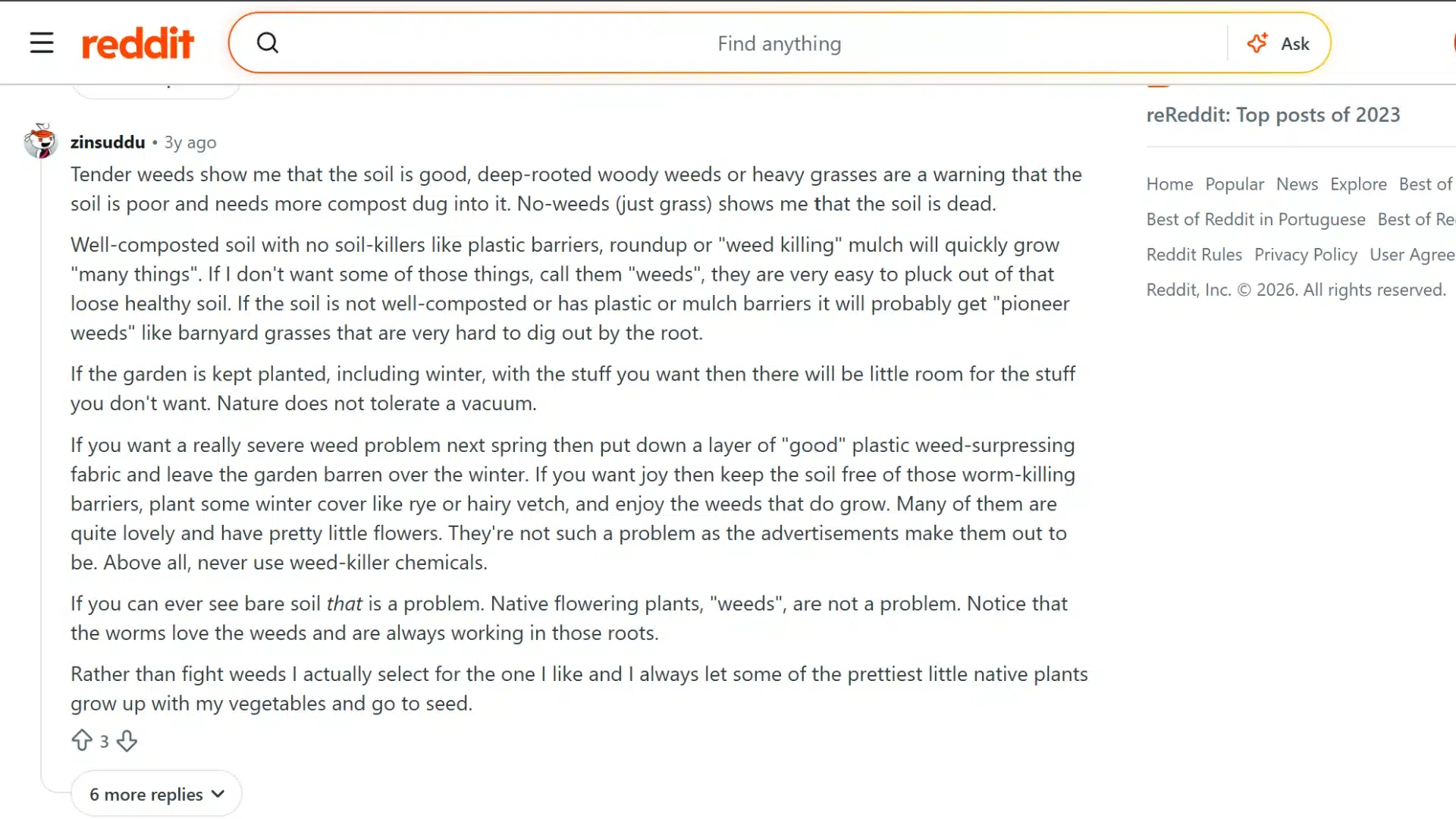
One Reddit gardener shared a philosophy that resonated with many commenters: weeds actually reveal soil health.
Tender weeds signal good soil, while deep-rooted woody weeds suggest poor soil needing more compost.
They argued that well-composted soil, kept free of plastic barriers, Roundup, or weed-killing mulch, naturally resists invasive weeds, since healthy ground grows easily pluckable plants instead of stubborn pioneer species.
Their key takeaway: bare soil is the real problem, not weeds themselves.
By keeping beds planted, including winter cover crops, there’s simply no space left for unwanted growth to claim.
Their advice: work with nature’s tendencies, not against them.
How to Identify Common Weeds?
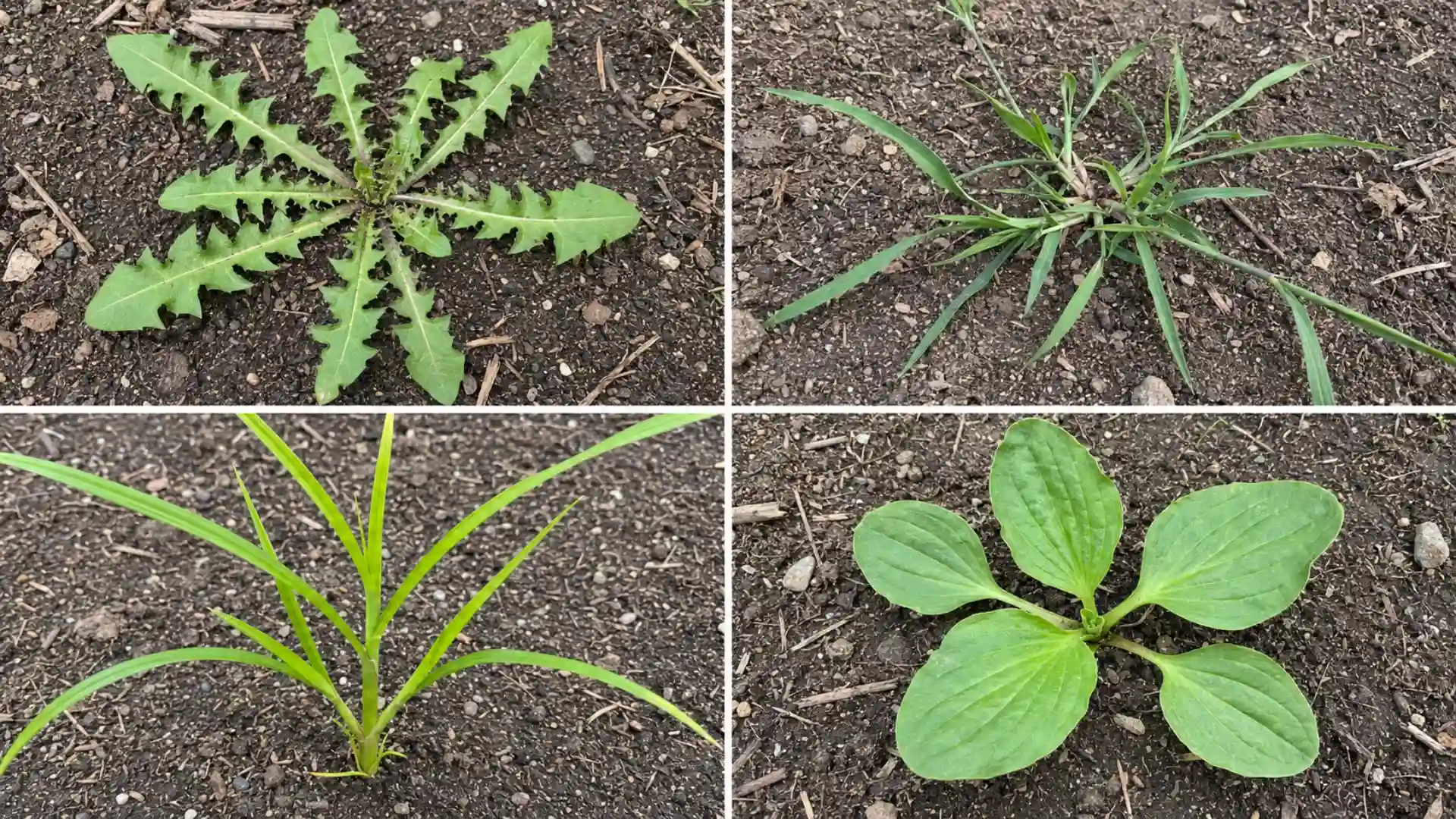
Identifying the specific weed you’re confronting improves the effectiveness of all the strategies mentioned above.
- Dandelion: Yellow flower, deep taproot, hollow stem with milky sap.
- Crabgrass: Low-growing, spreads outward in a star pattern, thrives in thin lawns.
- Bindweed: Twisting vines with arrow-shaped leaves, wraps around nearby plants.
- Chickweed: Small white flowers, low mats, spreads fast in cool weather.
- Clover: Three-part leaves, low clusters, common in nutrient-poor soil.
- Bermudagrass: Wiry runners above and below ground, hard to fully remove.
- Purslane: Thick reddish stems, fleshy leaves, grows flat along the ground.
Seasonal Weed Prevention Schedule
Weed prevention works best when tasks line up with the season instead of getting tackled all at once.
| Season | Key Prevention Task |
|---|---|
| Early Spring | Apply pre-emergent before soil warms past germination range |
| Late Spring | Overseed thin patches and set mower height higher |
| Summer | Deep-water on a set schedule and inspect edges weekly |
| Early Fall | Reapply pre-emergent for cool-season weeds like chickweed |
| Late Fall | Clear fallen debris and refresh mulch before winter |
| Winter | Plan bed layouts and order supplies for spring prevention |
When to Call a Professional?
Some weed problems outgrow DIY methods fast.
Large infestations across a whole yard often need commercial-grade equipment people don’t have access to.
Invasive species like poison ivy or Japanese knotweed spread underground, making removal risky without proper training. Recurring issues despite effort may indicate a soil or drainage problem a professional can diagnose.
Rental properties or HOA-managed lots sometimes require licensed applicators for legal compliance.
A professional can time treatments more precisely around local climate patterns than a general schedule.
When weeds threaten foundations or septic lines, expert help prevents costly damage.
Common Weed Prevention Mistakes
Even with the right methods, a few habits can undo all that effort. Avoiding these missteps makes the difference between prevention that actually holds and prevention that needs to be redone every few months.
Knowing how thick to layer mulch for each bed type helps avoid one of the most common mistakes below: piling it too deep and smothering roots instead of blocking weeds.
- Tilling soil unnecessarily and waking up dormant seeds.
- Mowing grass too short and exposing bare soil to sunlight.
- Piling mulch too deep and smothering plant roots.
- Skipping edging and letting seeds cross into garden beds.
- Applying pre-emergent after weeds have already sprouted.
- Watering shallowly and often instead of deeply and less often.
- Leaving bare patches unplanted after removing old weeds.
How Long Does Weed Prevention Take to Show Results?
Patience matters here since prevention isn’t instant.
Pre-emergent treatments usually show results in 2-4 weeks after the germination window, as new sprouts stop appearing. Mulch and barriers act faster, often blocking growth within days.
Soil improvements take up to a growing season before root systems outcompete weeds.
Dense planting and overseeding need one to two seasons to fully fill in.
Weather plays a role too, since rain and temperature swings can speed up or delay germination timelines.
Consistency across months, not single treatments, produces lasting change.
Key Takeaway
Bare soil, shallow watering, and skipped mulch refreshes are what let weeds back in. Each gap gives seeds a chance to sprout.
Mulching blocks light, dense planting leaves no open ground, and deep watering pushes weed seedlings out while grass roots go deeper.
Skip any of these and weeds return within weeks. Stack them together, and your yard stops giving weeds an opening at all.
Start with mulch and watering changes this season, then add pre-emergent timing and edging next.
What’s giving you the most trouble right now? Let me know in the comments.
Frequently Asked Questions (FAQs)
How Long Does Pre-Emergent Herbicide Last?
Most pre-emergent barriers stay effective for six to twelve weeks before reapplication is needed.
Can I Prevent Weeds without Using Any Chemicals?
Yes, mulching, dense planting, and proper watering alone can keep most weeds from taking hold.
How Often Should I Reapply Mulch to Prevent Weeds?
Refresh mulch once or twice a year, typically in spring and again in late fall.
What’s the Fastest Way to Stop Weeds in a New Garden Bed?
Lay landscape fabric or cardboard first, then mulch heavily on top before planting.