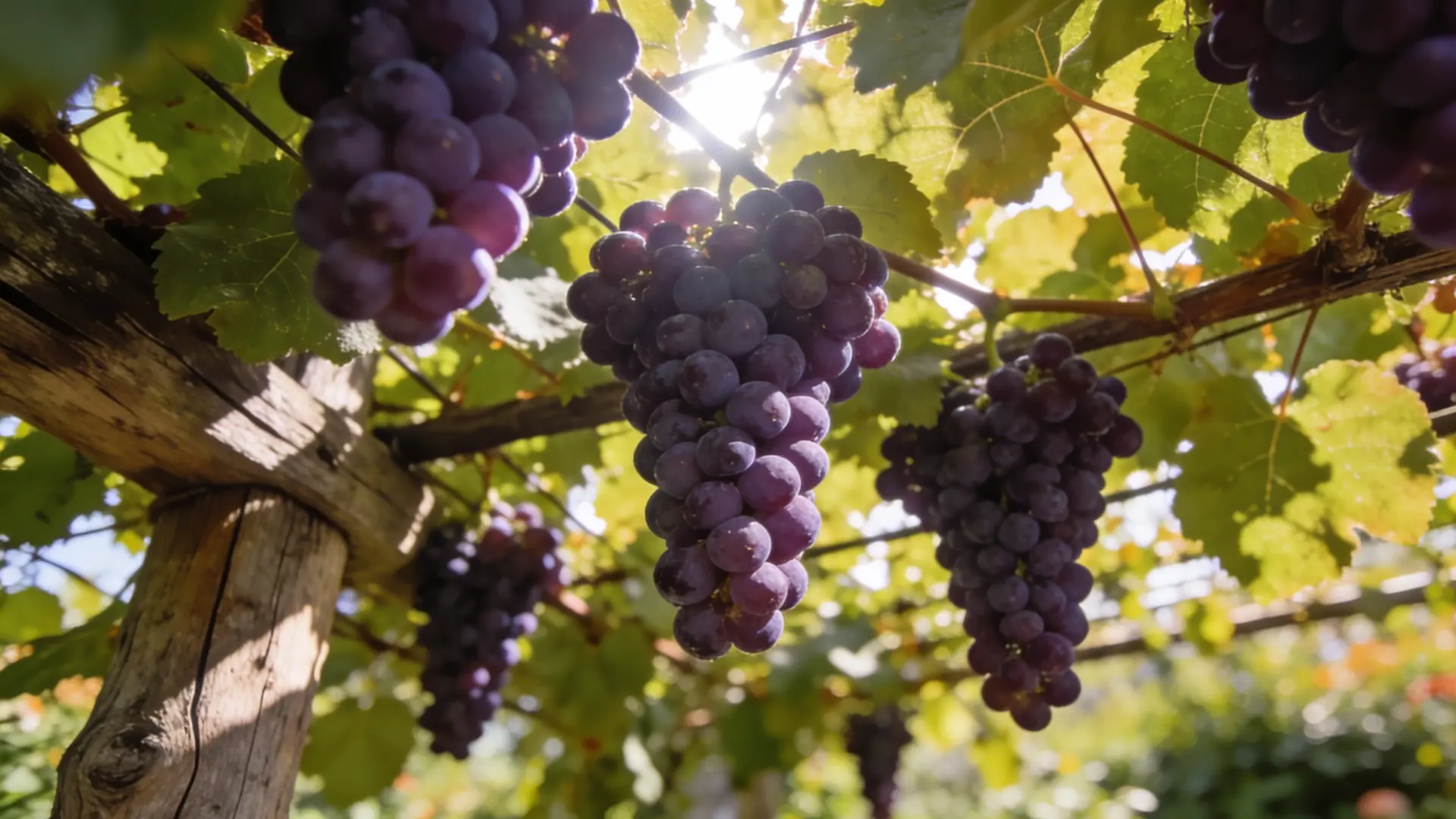
A few summers ago I planted a single grapevine along a chain-link fence, mostly just to hide the fence. Two seasons later I was picking more grapes than I knew what to do with, and I hadn’t done anything fancy to get there.
That’s really the whole story: the right spot, a trellis that can handle the weight, and enough patience to let the vine settle in before it fruits. If you want to grow grapes at home, here’s exactly what that looks like, step by step.
You will learn where to plant your vines, how much space they need, and, yes, whether grapes need full sun to thrive. You will also find tips on trellising, watering, and pruning through each season.
By the end, you will feel confident planting your own grapevine and watching it grow into a fruitful, leafy showpiece.
Do Grapes Need Full Sun?
Yes, grapes need full sun. Your vines need 6 to 8 hours of direct sunlight each day to ripen properly and develop the sugars that make the fruit sweet.
Without enough light, grapes stay sour, and vines grow weak and prone to disease.
Find a sunny spot, though, and growing grapes at home stays simple from there.
From site selection to soil prep, planting, spacing, trellising, watering, and pruning, everything below is aimed at getting your vines through that first season strong.
Why Do Grapes Need Full Sun?
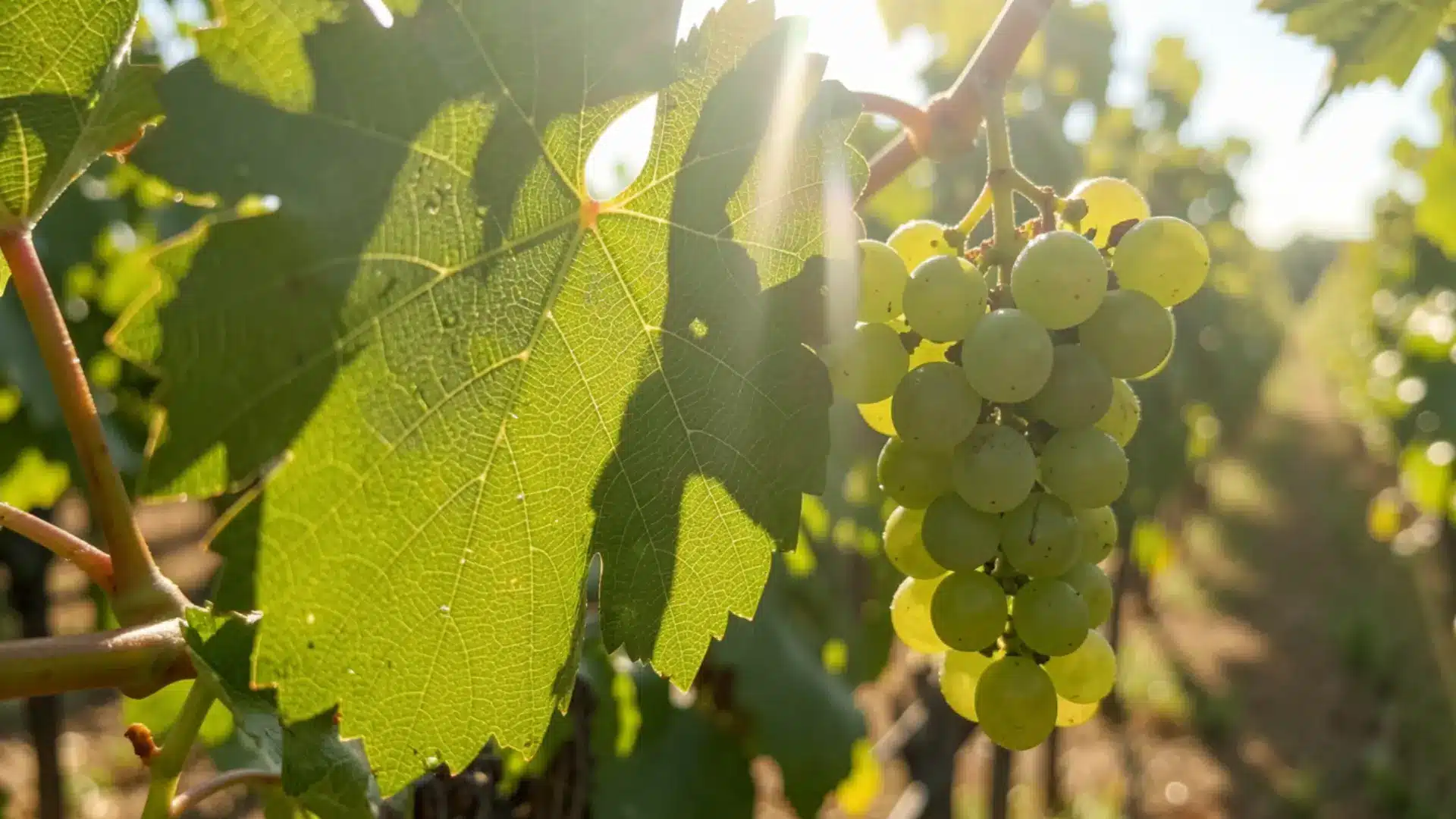
Sunlight does more than help grape vines grow. It directly shapes fruit quality and plant health in the following ways:
- Powers photosynthesis, which builds sugar in the fruit
- More light means sweeter, better-tasting grapes
- Dries leaves faster, cutting fungal disease risk
- Too little sun causes weak, leggy growth
- Shade leads to sour fruit and more mildew
Partial shade works, but you will trade flavor and yield for it. Full sun gives you the best harvest.
Choosing the Right Spot for Your Grape Vines
Pick a south-facing spot that gets full sun all day, away from tree lines or buildings that cast shade. Good air circulation matters too, since it helps leaves dry quickly and keeps fungal problems like black rot at bay.
- Choose well-drained soil
- Avoid low spots where water collects
- Give each vine about 6 feet of space
This setup sets your vines up for a strong, healthy season.
Soil Needs for Healthy Grape Vines
Grapes grow best in well-drained, loamy soil that lets roots breathe without sitting in water. Aim for a slightly acidic to neutral pH, between 5.5 and 7.
A home soil test kit or a sample sent to your local extension office will tell you exactly where your soil falls, which is worth doing before you dig.
Heavy clay soil holds too much moisture and can suffocate roots, while overly sandy soil drains too fast and loses nutrients quickly.
If you are not sure what’s actually in your planting bed, this breakdown of topsoil versus garden soil is worth a read before you amend anything.
Amend poor soil with compost before planting to improve structure and fertility. A soil test beforehand helps you catch pH or drainage issues early, saving you trouble later.
Picking a Grape Variety for Your Goals
Not every grape vine serves the same purpose, so match your pick to how you plan to use the fruit:
| Purpose | What to Look For | Example Types |
|---|---|---|
| Fresh Eating | Sweet flavor, thin skin, seedless option | Concord, Thompson Seedless |
| Juice or Jelly | Bold flavor, high juice content | Concord, Niagara |
| Wine Making | Balanced acidity and sugar | Cabernet, Chardonnay, Merlot |
Seedless varieties are popular for snacking, but seeded types tend to be hardier and easier to grow. If you want a low-maintenance vine, seeded may serve you better.
Building a Trellis Before You Plant
Set up your trellis before you plant, since grape vines grow fast and need support from the start:
- Plan your row length and spacing, leaving 8 to 10 feet between rows
- Mark and set end posts 2 to 3 feet deep for the sturdiest anchor points
- Set line posts 20 to 24 feet apart along the row
- Attach wires at proper heights, starting around 3 feet up and spacing additional wires 12 to 18 inches apart
- Tension and secure the wires so they stay taut through the season
Why a Sturdy Trellis Matters: Mature grape vines get heavy fast, especially once they’re loaded with fruit and thick canopy growth. A weak trellis can sag, lean, or collapse under that weight, damaging vines and cutting your harvest short. Build it strong now to save yourself headaches later.
How to Plant Grape Vines?
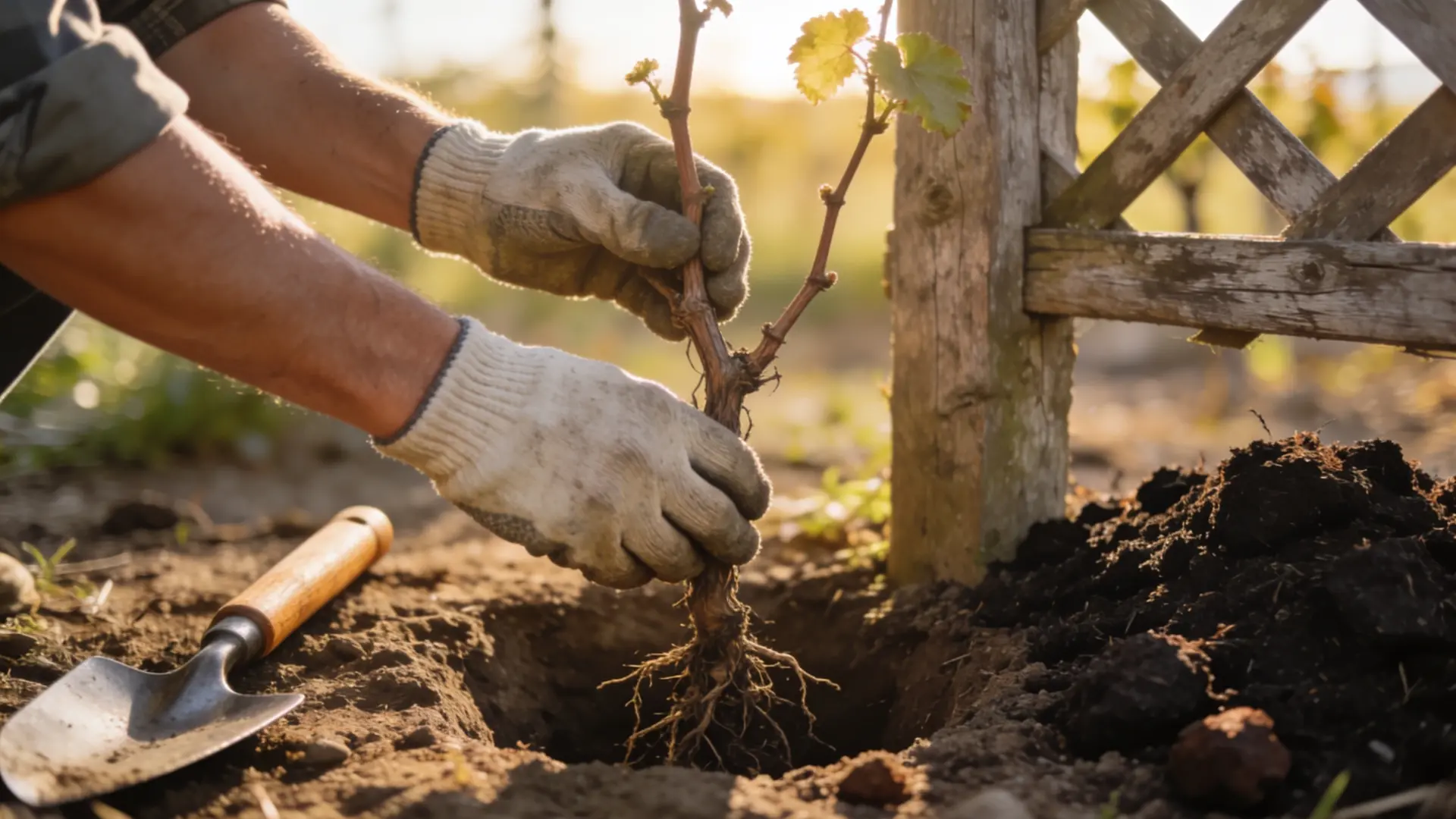
Planting the vine correctly gives it the strongest possible start, so it’s worth taking your time here. Follow these steps to set your grapevine up for healthy root growth from day one:
1. Best Time To Plant Grape Vines
Plant your grapevine in spring, once the risk of frost has fully passed. This gives roots time to establish before the heat of summer arrives.
Planting too early can expose young vines to a late frost, which damages tender growth. Check your local frost dates and aim for a mild, cloudy day if possible.
Cooler temperatures reduce transplant stress and help the vine settle in faster. A strong spring start sets the stage for steady growth all season.
2. Digging the Right Size Hole
Dig a hole roughly twice the root ball’s diameter, but no deeper than the roots themselves.
A wider hole loosens surrounding soil, making it easier for new roots to spread outward. Planting too deep can suffocate roots and slow growth.
Keep the hole’s depth level with the root ball so the graft union stays above the soil line. This simple step gives roots room to establish quickly and grow strong.
3. Setting the Vine at the Right Depth
Gently loosen any tightly wound or circling roots before placing the vine in the hole. This encourages roots to spread outward rather than continue circling.
Set the vine so the graft union sits an inch or two above the soil line. Planting too deep can bury the graft and invite rot.
Backfill with soil, pressing down gently to remove air pockets and keep the vine steady.
4. Backfilling and Watering
Backfill the hole with soil, pressing down gently as you go to remove air pockets around the roots. Avoid packing the soil too tightly, since roots still need room to breathe.
Once the hole is filled, water thoroughly to help the soil settle, and the roots make contact with the ground.
This deep watering also reduces transplant shock and gives your vine a strong, hydrated start right from planting day.
5. Mulching Around The Base
Spread a few inches of mulch around the base of the vine, keeping it back a few inches from the stem.
Mulch helps soil retain moisture and blocks weeds from competing with young roots for nutrients. It also buffers soil temperature swings, protecting shallow roots as they establish.
Avoid piling mulch directly against the stem, since trapped moisture there can invite rot and pest problems while the vine settles in.
6. Tying the Vine to the Trellis
Tie the young vine loosely to the trellis using soft garden twine or plant ties. Loose ties guide upward growth while leaving room for the stem to thicken over time.
Avoid tying too tightly, since this can girdle the stem and restrict nutrient flow to the leaves and roots.
Check the ties every few weeks during the first growing season, loosening or replacing them as the vine grows thicker and stronger.
Caring for Grape Vines Through the Season
Grape vines need attention through each season to grow strong and productive.
Here’s how to care for yours from planting through harvest:
-
Watering: Water regularly, especially in the first two years, but avoid soggy soil. Grapes hate “wet feet” and struggle in waterlogged ground. Let soil dry slightly between waterings, then soak deeply.
-
Removing Early Flower Clusters: In years one and two, pinch off any flower clusters that form. This lets the vine focus its energy on building roots rather than fruit, paying off with better yields later.
-
Training Shoots: As shoots grow, gently guide them toward the trellis wires and secure them loosely. This keeps the canopy organized, improves airflow, and simplifies future pruning.
| Season | Key Tasks |
|---|---|
| Spring | Plant new vines, prune established ones, tie shoots to wires |
| Summer | Train new growth, inspect for pests, and thin excess shoots |
| Fall | Harvest fruit, clean up debris, prepare for dormancy |
Fertilizing Grape Vines for Better Yields
Grape vines are light feeders compared to most fruiting plants, and too much fertilizer can do more harm than too little. Heavy nitrogen pushes the vine into leafy growth at the expense of fruit, so a soil test is the most reliable way to know what your vine actually needs before you feed it.
A general pattern that many growers follow:
- Skip fertilizer entirely in the planting year, so roots focus on establishing rather than top growth.
- Apply a balanced, low-nitrogen fertilizer in early spring, just as new growth starts.
- Add a light second feeding after fruit set if leaves look pale or growth has slowed.
- Work compost into the soil each fall to build long-term fertility without forcing growth.
I’m not fully certain on exact fertilizer ratios for every variety and region, so it’s worth checking with a local extension office or the product label for rates that match your soil test results and grape variety.
Pruning for Healthy Grape Vines
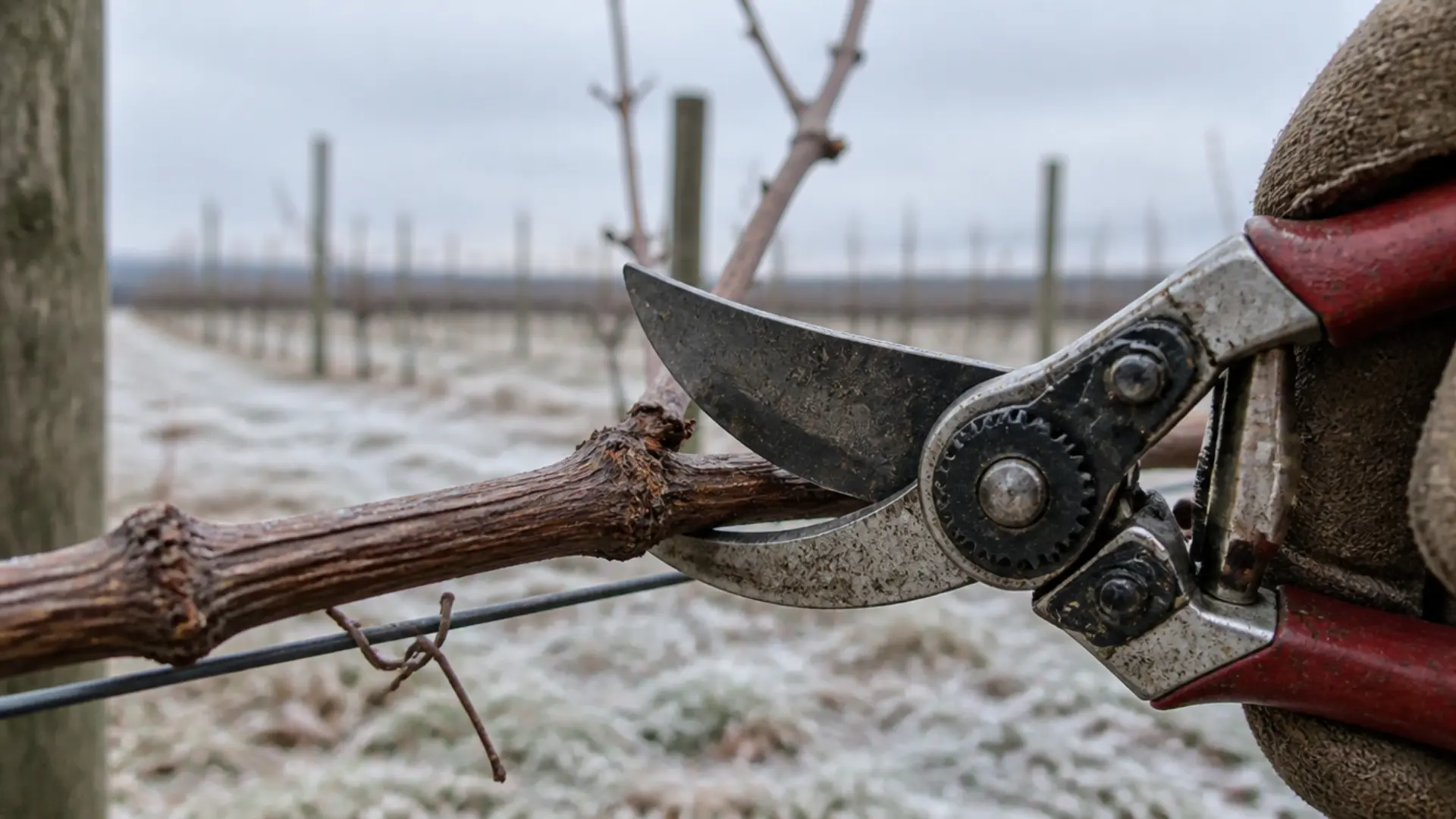
Pruning is the most important task for healthy, productive vines.
Grapes fruit on new growth from one-year-old wood, so cutting back old canes each winter focuses the plant’s energy on fewer, stronger shoots.
Prune in late winter, before buds swell, removing about 90% of last year’s growth.
Keep a few healthy canes spaced evenly along the trellis wire, and cut away dead or crossing wood. Skipping this step leads to overcrowded vines and smaller fruit.
Common Pests and Diseases to Watch For
Grape vines face a handful of recurring threats. Japanese beetles and grape phylloxera can damage leaves and roots, while birds often strip fruit right before harvest.
Black rot and powdery mildew are the most common diseases, both thriving in humid, poorly ventilated vines.
Good airflow, regular pruning, and prompt cleanup of fallen leaves help prevent most problems. Inspect vines weekly during the growing season so you can catch and treat issues early.
Harvesting Your Grapes
Knowing when to pick makes all the difference in flavor, since grapes stop ripening once cut from the vine.
- Taste-test a few grapes before harvesting the whole cluster
- Check that the color has fully deepened, not just turned
- Look for slight softening and a sweet aroma
- Harvest in dry weather to avoid mold on stored fruit
- Cut clusters with scissors instead of pulling by hand
Harvest at peak ripeness, and you’ll enjoy the sweetest, most flavorful grapes possible.
Can You Grow Grapes in Containers?
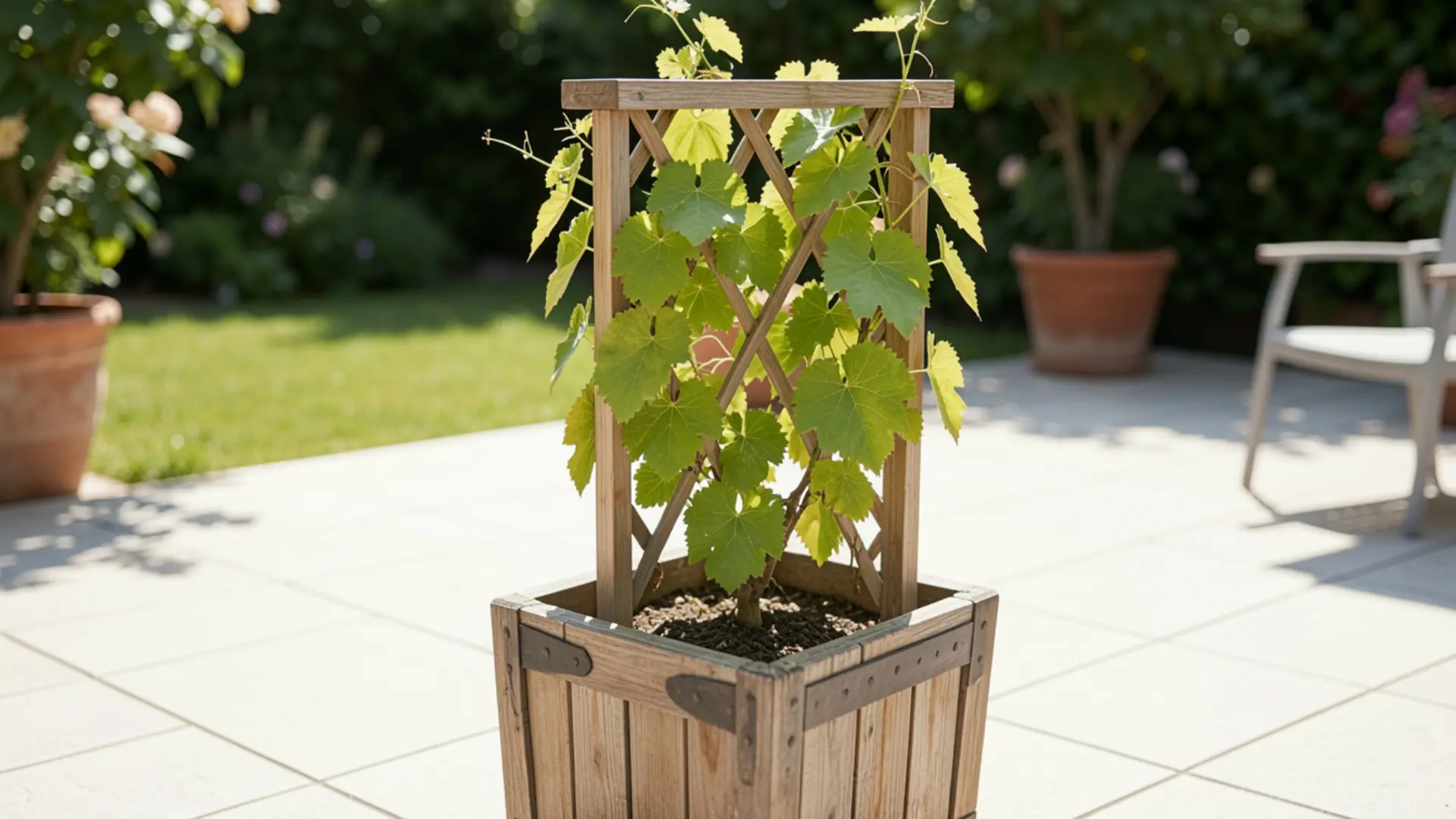
Yes, you can grow grapes in containers if you have limited space. It takes a bit more attention than in-ground vines, but the payoff is a productive vine on any patio or small yard.
Feasibility for Patios or Small Yards
Growing grapes in containers works well for patios, balconies, and small yards without garden beds.
Choose a compact or dwarf variety bred for container life, since standard vines outgrow pots quickly.
Place the container in a full-sun spot, since sunlight needs to remain consistent wherever the roots grow.
With a sturdy support structure nearby, container vines can still produce a decent harvest each season.
Container Size and Drainage Needs
Choose a container at least 15 to 20 gallons in size, since grape roots need room to spread. Drainage holes are essential, since standing water quickly leads to root rot.
Use a well-draining potting mix rather than garden soil, which compacts too tightly in containers.
Elevate the pot slightly to allow excess water to drain freely. Repot every few years as roots fill the available space.
Trade-Offs vs. In-Ground Vines
Container vines need more frequent watering because the soil dries out faster than in in-ground beds.
They also produce smaller yields and may need winter protection in cold climates, since roots are more exposed to freezing.
On the upside, containers offer flexibility to move vines for sun or shelter. For serious grape production, in-ground planting still outperforms containers over time.
Common Beginner Mistakes to Avoid
Even careful gardeners run into a few common traps when growing grapes for the first time. Most of these mistakes are easy to avoid once you know what to watch for.
Here’s a quick rundown of the most frequent slip-ups and how to sidestep them:
| Mistake | Consequence | How to Avoid |
|---|---|---|
| Planting in partial shade | Weak growth and sour, underdeveloped fruit | Choose a spot with 6-8 hours of direct sun daily |
| Letting the vine fruit too early | Stunted root development and weaker long-term yields | Remove flower clusters in years one and two |
| Skipping the trellis or under-building it | Sagging, leaning, or collapsed vines under fruit weight | Build a sturdy trellis before planting, with deep-set posts |
| Overwatering | Root rot and “wet feet,” which weaken the vine | Water deeply, but let the soil dry slightly between sessions |
Final Thoughts
Growing grapes at home rewards patience more than skill. Give your vine a sunny spot, well-drained soil, and a trellis built to hold real weight, and it has what it needs to get going.
In my experience, the first two years feel slow since you’re mostly building roots, not fruit.
Stay consistent with watering, pruning, and training, and that patience pays off with a vine that keeps producing for years.
Have you planted grapes at home before, or are you working out where to put your first vine? Tell us about your setup, or your biggest grape-growing question, in the comments below.
Frequently Asked Questions (FAQs)
Do Grapes Need Full Sun?
Yes, grapes need 6 to 8 hours of direct sunlight daily to ripen properly. Without enough sun, fruit stays sour, and vines grow weak.
How Long Does It Take for a Grape Vine to Produce Fruit?
Most grape vines start producing fruit in their third year. Full production usually kicks in by year four or five.
Can Grapes Grow in Partial Shade?
Yes, but expect smaller yields and less sweet fruit. Full sun remains the better choice for a strong harvest.
How Often Should I Water Grape Vines?
Water deeply but infrequently, letting soil dry slightly between sessions. Avoid soggy soil, since grapes dislike “wet feet”.
Do Grape Vines Need a Lot of Pruning?
Yes, prune heavily each winter, removing about 90% of the previous year’s growth. This keeps vines productive and prevents overcrowding.