

Cracking open a pistachio is easy. Growing one? Not so much. These small green nuts have a story that starts long before they hit my snack bowl.
I was surprised to learn how much patience and the right environment it takes to grow them. They come from trees that need years before they even start producing, and they only grow in hot, dry places with just the right conditions.
Now you’re probably wondering the same thing I did: how do pistachios grow?
In this blog, you’ll learn how pistachios grow, where they come from, and why they take so long to reach your hands. Stick with me, you’ll never look at these little green nuts the same way again.
Why Pistachios Aren’t Like Other Nuts
Most people toss pistachios in with peanuts, almonds, or cashews without thinking twice. But pistachios are their own thing.
They look different, grow in a different way, and even taste a little different. They’re not as well-known, and that’s part of why they’re often misunderstood.
Pistachios grow inside a shell that splits open when they’re ripe. You don’t see that with many other nuts. Plus, they grow on trees, not underground like peanuts.
And while they may seem simple, they have a very specific growing cycle. They need long, hot summers and cool winters to grow well. That makes them harder to farm in many places.
Also, many people don’t know that pistachios are actually seeds, not true nuts. This small fact adds to the confusion.
What Do Pistachios Grow On?

Pistachios grow on trees, not underground or on bushes like some might think. A lot of people confuse them with peanuts, which grow below the soil. But pistachios come from tall, sturdy trees that take years to mature.
A pistachio tree has a strong trunk and wide branches. Its leaves are thick and leathery, helping it survive in hot, dry places. These trees do best in areas with long, hot summers and cool winters. They need that kind of weather to grow healthy nuts.
Most pistachio trees reach about 20 to 30 feet tall when fully grown. Some even grow taller if the conditions are just right.
And they don’t just live for a short time. In fact, a well-cared-for pistachio tree can live and produce nuts for over 100 years.
The reason some people think pistachios grow underground is that they see the hard shell and think it’s like a peanut.
But that’s not the case. Pistachios grow in bunches, kind of like grapes, and the shell splits open while still on the tree.
What Makes a Good Place to Grow Pistachios
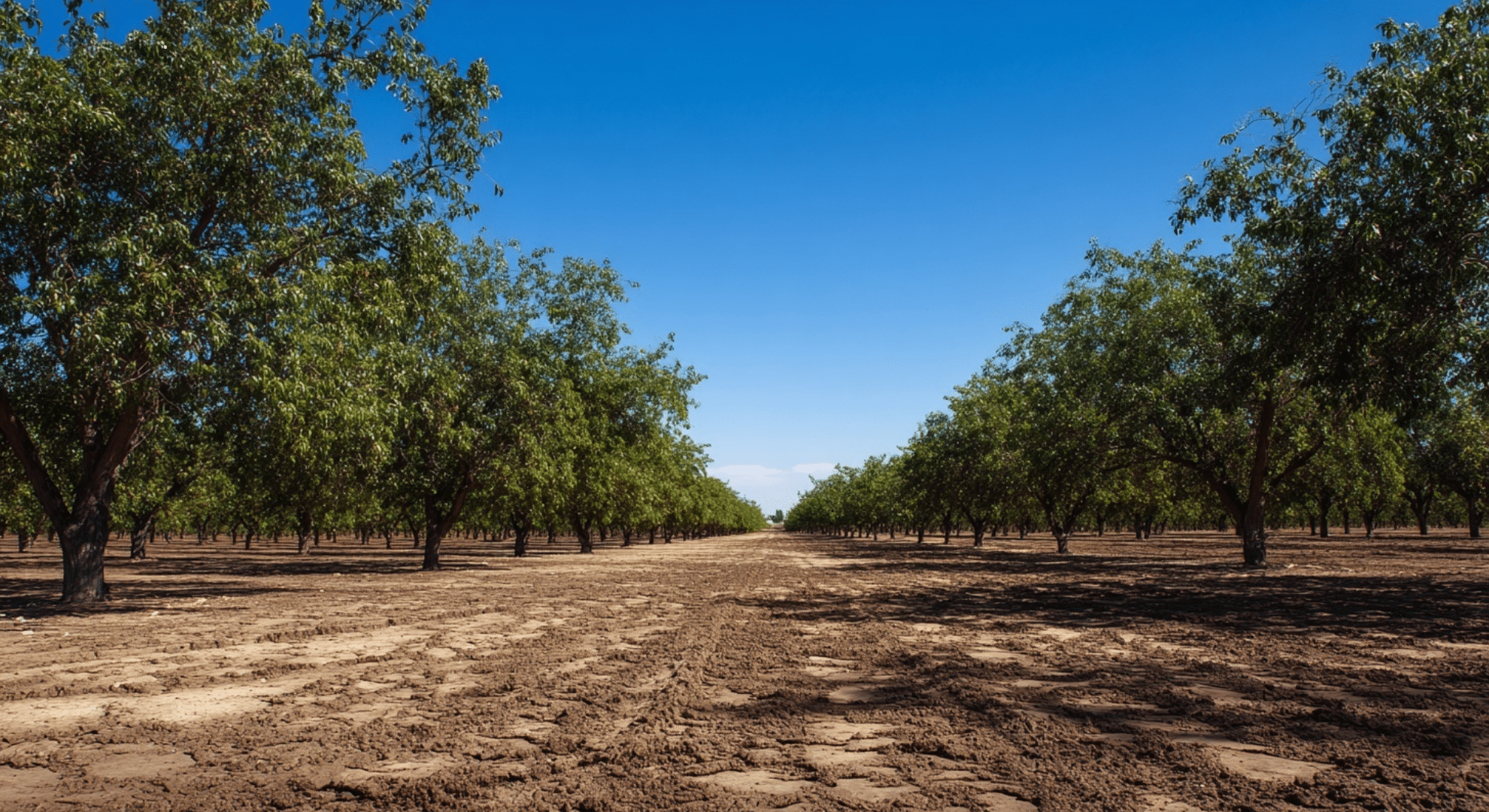
Pistachios don’t grow just anywhere. They need a very specific type of weather to grow well. That’s why you only find large orchards in certain parts of the world.
These trees need hot, dry summers to ripen the nuts. But they also need cold winters so the trees can rest and start fresh each year.
Without both, the trees won’t grow right, and the nuts won’t form properly. Too much rain or humidity can even hurt the trees.
| Place | Why It Works for Pistachios |
|---|---|
| California (Central Valley) | Long, dry summers, cool winters, low humidity, and great soil |
| Arizona (southern regions) | Very hot and dry, but winter chill can be limited |
| New Mexico | Dry climate, sunny days, and well-drained soil |
| Texas (western areas) | Hot summers and dry air, but it needs careful water control |
| Nevada (southern part) | Hot and dry, but colder areas work better for winter chill |
| Iran | One of the top producers has ideal dry, sunny weather and cold winters |
| Turkey | Mild winters with good summer heat, long pistachio history |
| Syria | Warm and dry with enough chill in winter |
| Greece | Has warm summers and the right kind of dry climate for small farms |
| Italy (Sicily) | Famous for high-quality pistachios, hot summers, and mild but cool winters |
Pistachio trees need about 1,000 hours of cold weather in winter and very little rain in summer. Too much moisture can cause mold or damage the nuts.
That’s why pistachio farms are only found in places with the perfect weather mix.
So, location really matters. The climate controls how well the trees grow, how many nuts they make, and how good the harvest will be.
How Do Pistachios Grow From Season to Season
Pistachios don’t grow overnight. Their growth follows a clear cycle through the year, with each stage playing an important role.
From the early planting years to the moment the shells split open, here’s how pistachios grow season by season:
Planting and Early Tree Development
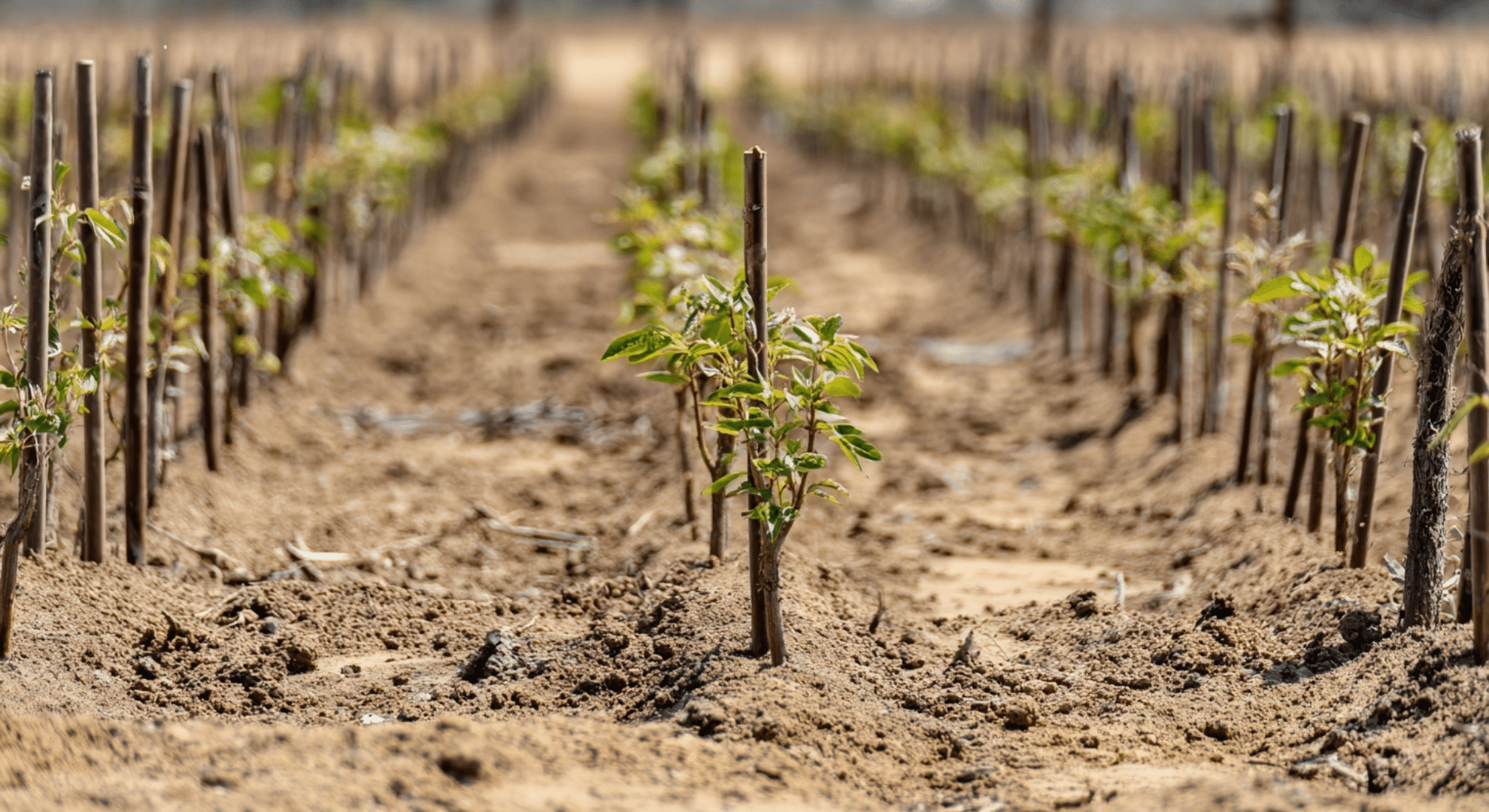
Most pistachio trees are grafted, not grown from seeds. Grafting joins a strong root with a productive top part. Growing from seed can lead to weak trees or ones that don’t produce well. The first few years are all about building strong roots and structure.
- Grafted trees are more reliable and grow faster
- Early years focus on tree strength, not nut production
Flowering and Pollination
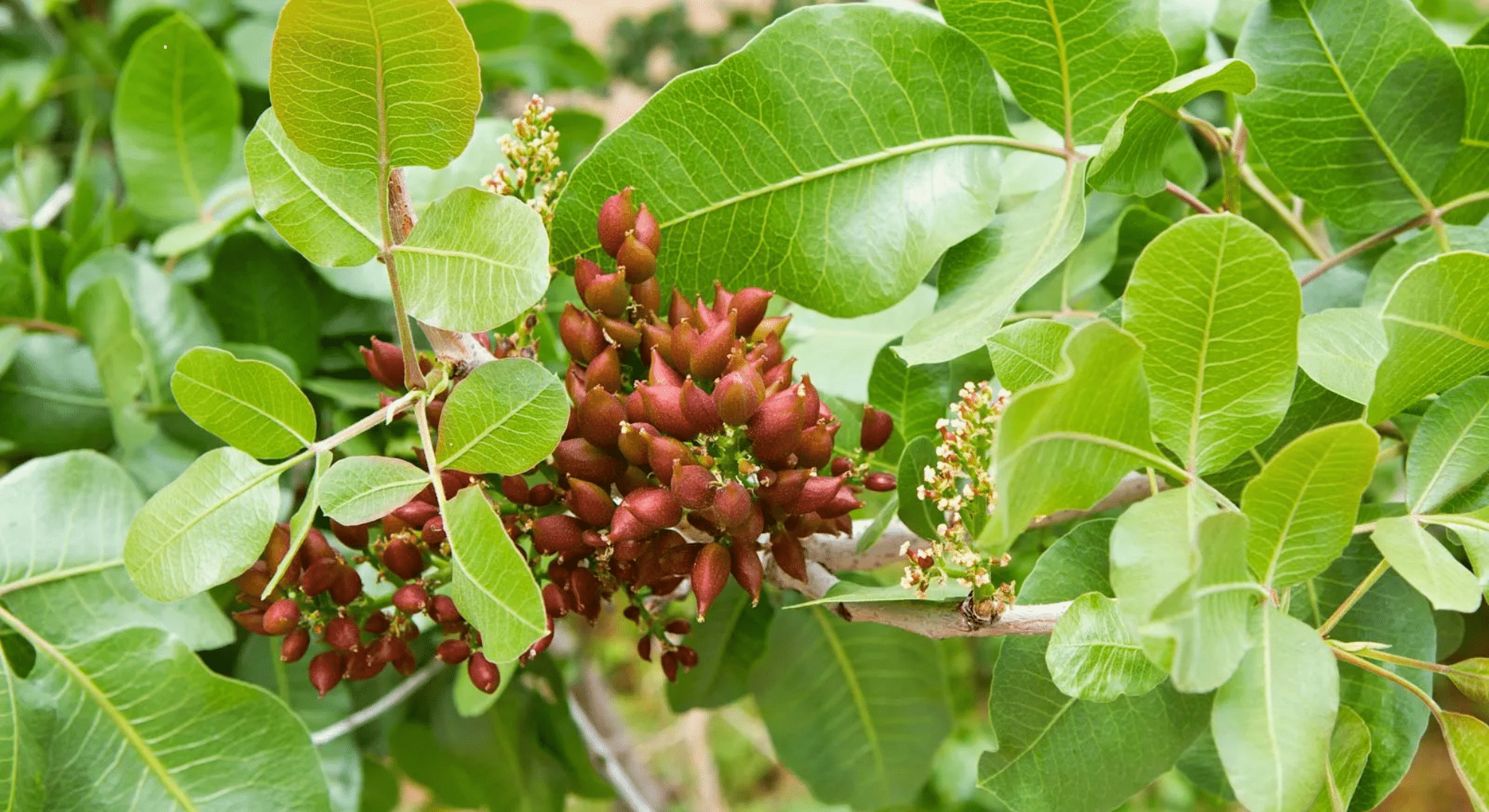
Pistachio trees are either male or female. Only the female trees grow nuts, but they need males nearby to help. The wind moves pollen from male trees to female flowers. Farmers must plant the right number of each to get a good crop.
- Male trees make pollen, female trees grow nuts
- Wind carries pollen, so tree spacing matters
Nut Formation and Summer Growth
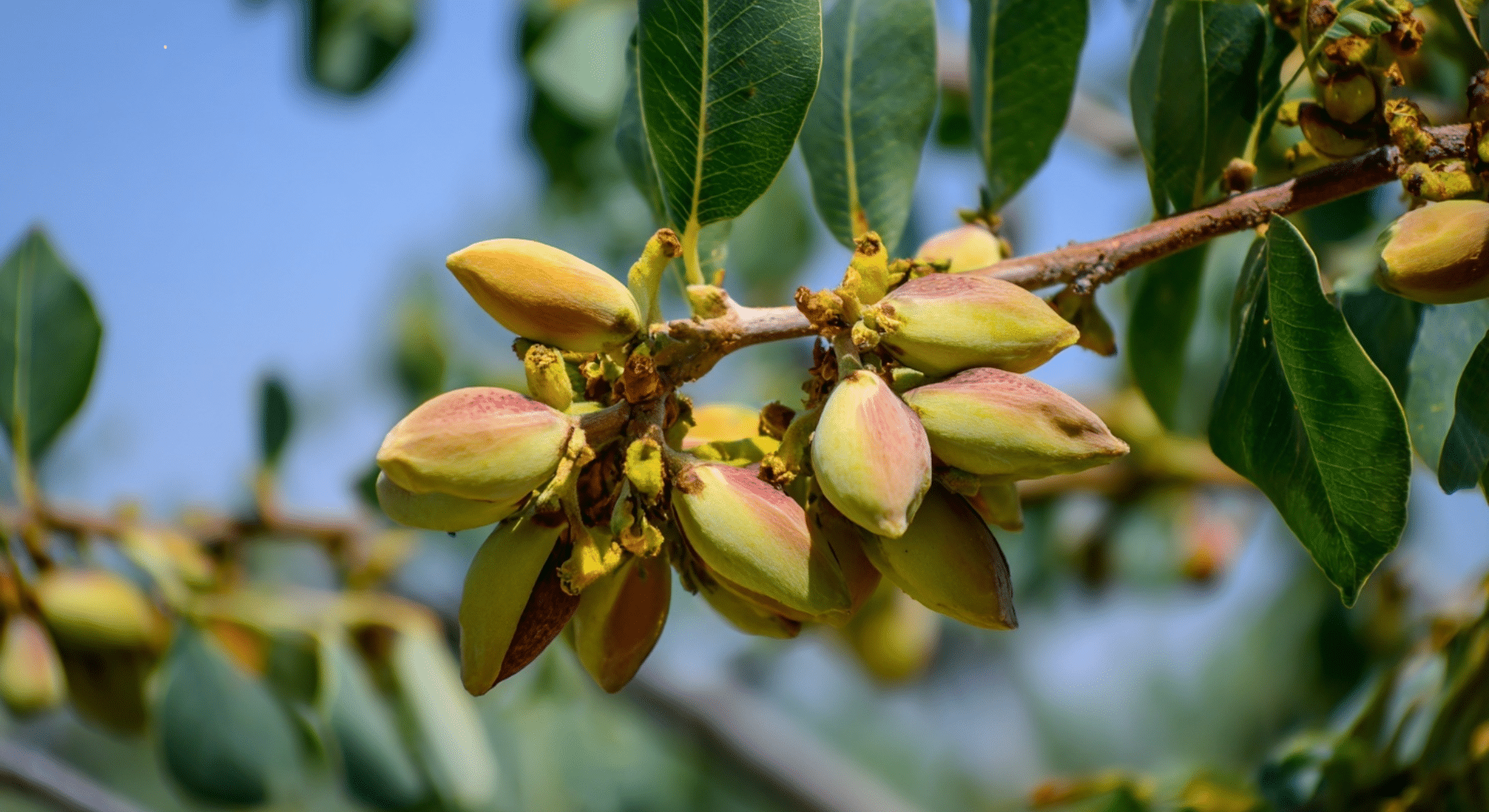
After pollination, nuts begin to grow in clusters on the female trees. Inside each shell, the nut slowly forms. Hot, dry summers help the nuts grow bigger and healthier. Without enough heat, the nuts may stay empty or small.
- Nuts grow in grape-like clusters
- Summer heat helps full, healthy nuts develop
Shell Splitting and Ripening

As pistachios ripen, the shells naturally split open. This is a sign they’re ready. The green nut inside turns a bit darker and the outer covering changes color too. Timing the harvest during this split is key to keeping the nuts fresh and tasty.
- Shells crack open on their own when ripe
- Color and texture changes show perfect harvest time
How Farmers Harvest Pistachios
Pistachio harvest season usually takes place from late August to early October. The exact timing depends on the weather and how the nuts are ripening.
Farmers look for signs like the shell splitting open and the outer covering, called the hull, turning loose and easy to remove. These signs tell them the pistachios are ready to be picked.
Most pistachios are harvested using machines. Large shakers grab the trees and gently shake the nuts loose. The nuts fall onto big nets or machines that catch them quickly.
This method is fast and helps keep the nuts clean. In smaller orchards, farmers might pick some by hand, but that takes much longer.
After harvesting, pistachios must be processed right away. If they sit too long, they can spoil or grow mold. So, timing and speed are everything.
That’s why harvest time is one of the busiest and most important parts of the year.
What Happens After Pistachios Are Picked
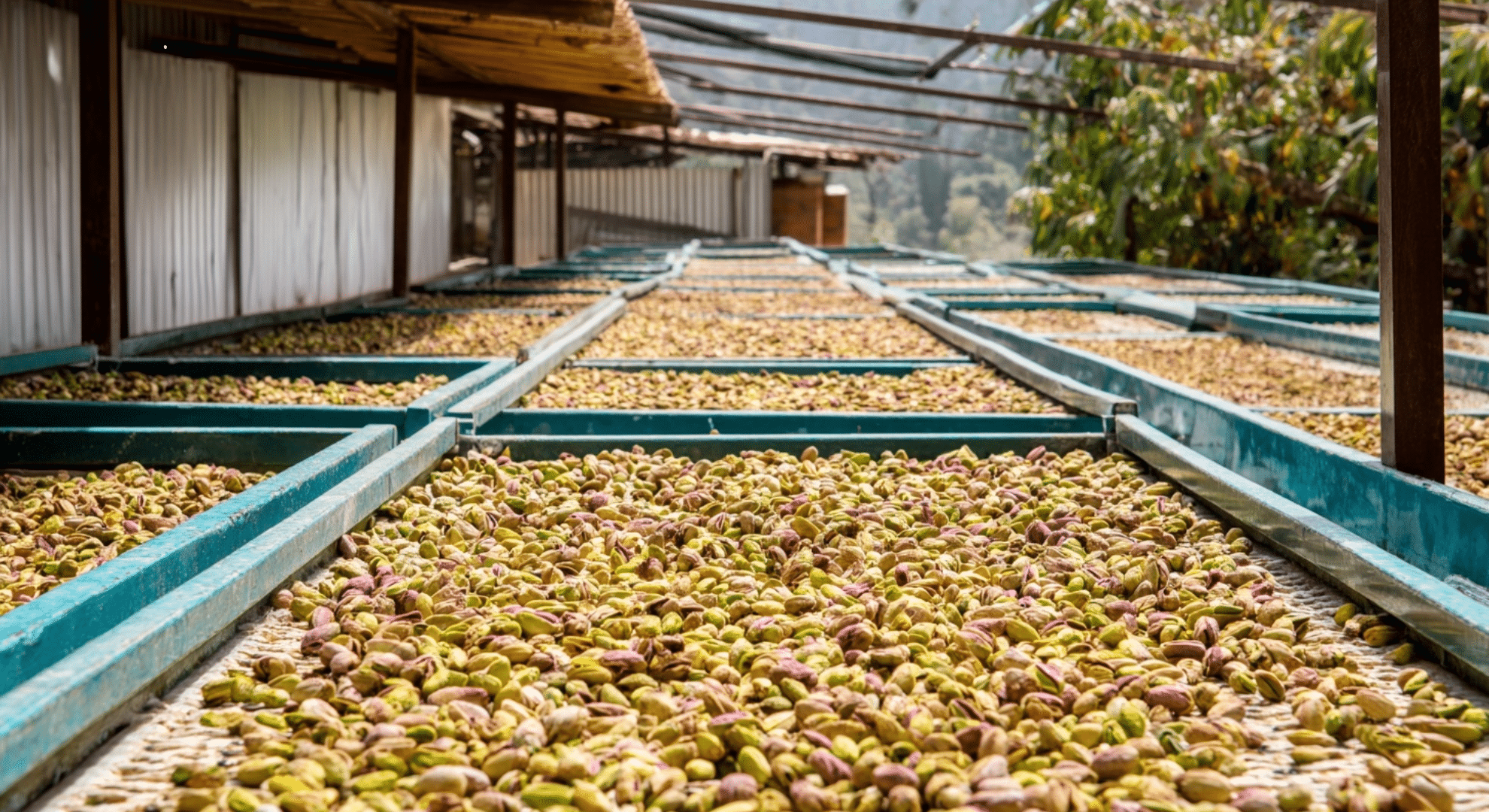
Once pistachios are picked, the work isn’t over. In fact, the next few hours are critical. Right after harvest, the outer hull is removed. This step is called hulling.
If the hull stays on too long, it can stain the shell or cause mold. That’s why hulling is done as soon as possible.
Next, the pistachios go through drying. They still hold a lot of moisture after being picked. If that moisture isn’t removed quickly, the nuts can spoil.
Drying brings the moisture level down to a safe range, which helps them last longer without going bad.
Once dry, the pistachios are sorted by size and quality. Some may be roasted and salted, while others are left plain. After that, they’re packed and stored until they’re ready to be sold.
These steps are key to making sure pistachios stay fresh, safe to eat, and ready for shelves.
The Growing Timeline of Pistachios
Pistachios take years to grow, but once the trees mature, they can keep producing for generations. Here’s what the process looks like over time:
Years 1–4: The Tree focuses on root and branch development
Years 5–7: First small crops may appear
Year 15 and beyond: Full production begins with large, steady harvests
Up to 100+ years: Trees can stay productive with proper care
Pistachios aren’t a quick crop, but they’re a lasting one. With the right weather and attention, a single tree can feed families for decades.
Why Pistachio Production Isn’t Steady
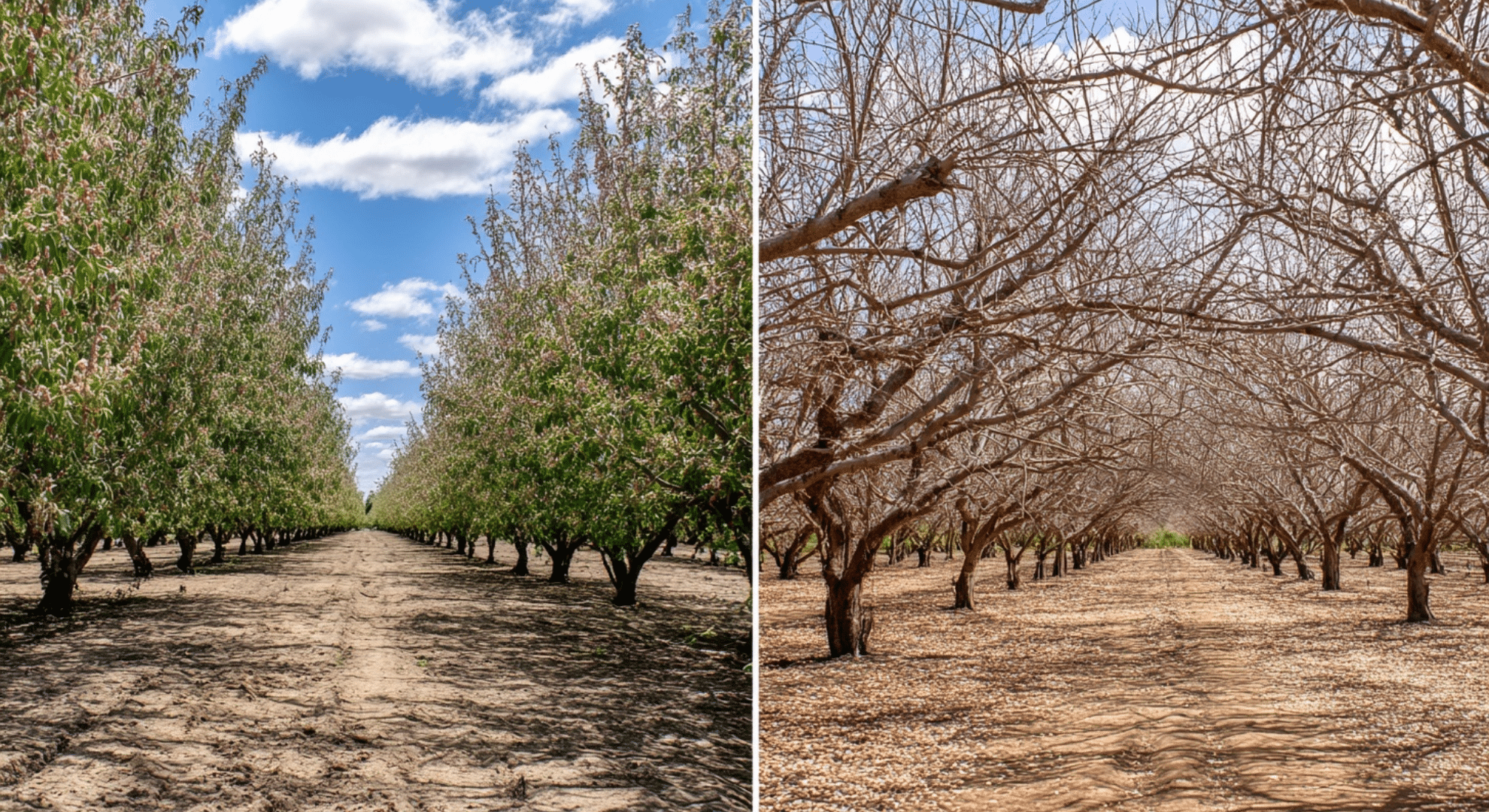
Pistachio trees do not give the same amount of nuts every year. This is normal and part of how these trees grow. Most pistachio trees follow a pattern called alternate bearing.
That means one year they produce a heavy crop, and the next year they produce less.
In a heavy year, the tree puts a lot of energy into growing and maturing the nuts. This can leave the tree low on energy the following season.
So in the following year, the tree focuses more on resting and building strength than making nuts. Then the cycle starts again.
The weather also plays a big part. Pistachios need cold winters and hot summers. If the weather is not right, such as warm winters or too much rain in summer, it can hurt the crop that year.
Farmers do their best by pruning, watering, and feeding the trees properly. But even with reasonable care, this pattern is part of how pistachio trees grow.
It is not a sign of poor farming. It is just how the trees work over time.
Can Pistachios Be Grown at Home?
Yes, pistachios can be grown at home, but it’s not easy. These trees need particular weather to grow well. They do best in places with long, hot summers and cold winters.
They also take a long time to grow. It can take 5 to 7 years before a tree starts making nuts, and about 15 years to reach full production.
On top of that, you need both male and female trees for pollination. This makes growing pistachios at home more of a long-term project than a quick hobby.
Things to keep in mind:
- You need a dry, sunny climate with cold winters
- Trees must be planted in well-drained soil
- Both male and female trees are needed for nuts to grow
- Expect a long wait before getting any nuts
Growing pistachios at home is possible, but it takes space, time, and patience. It’s best for serious gardeners who live in the right climate.
Conclusion
Before I knew how do pistachios grow, I never thought twice about cracking them open. Now, I see them as the result of years of slow growth, dry heat, and a lot of patience.
It’s kind of amazing how much work goes into something so small.
You’ve got that knowledge now, too. So the next time you snack on pistachios, take a second to think about where they came from. It’s a simple nut with a not-so-simple background.
Here’s a tip: if pistachios surprised you, other foods might too. Keep your curiosity going.
Check out my other blogs to learn more about the things we eat every day without really thinking about them. There’s plenty more worth knowing!




2 Responses
can pistacho grow in the Philippines?
where to buy seeds if possible to grow in the Philipines?