
I have spent my days growing plants in different spaces, from small city balconies to large perennial beds, and I have learned that successful gardening often comes down to understanding the basics.
Sweet potatoes are a great example because they grow differently from many common garden crops.
Instead of planting seeds, gardeners usually start with planting sweet potato slips, and the timing, soil, and care routine can directly affect the final harvest.
Many beginners struggle because they plant too early, use unsuitable soil, or are unsure about the growth timeline.
Knowing how long do sweet potatoes take to grow and how to plant sweet potatoes properly can help you avoid common mistakes and create better growing conditions from the start.
How Long Do Sweet Potatoes Take to Grow?
Sweet potatoes usually take about 90 to 120 days to grow after planting sweet potato slips, although some varieties may need more time depending on growing conditions.
I have observed that these warm-season crops grow best when they receive plenty of sunlight, warm temperatures, and consistent moisture.
During the first few weeks after planting, the slips focus on developing roots and adjusting to their new environment.
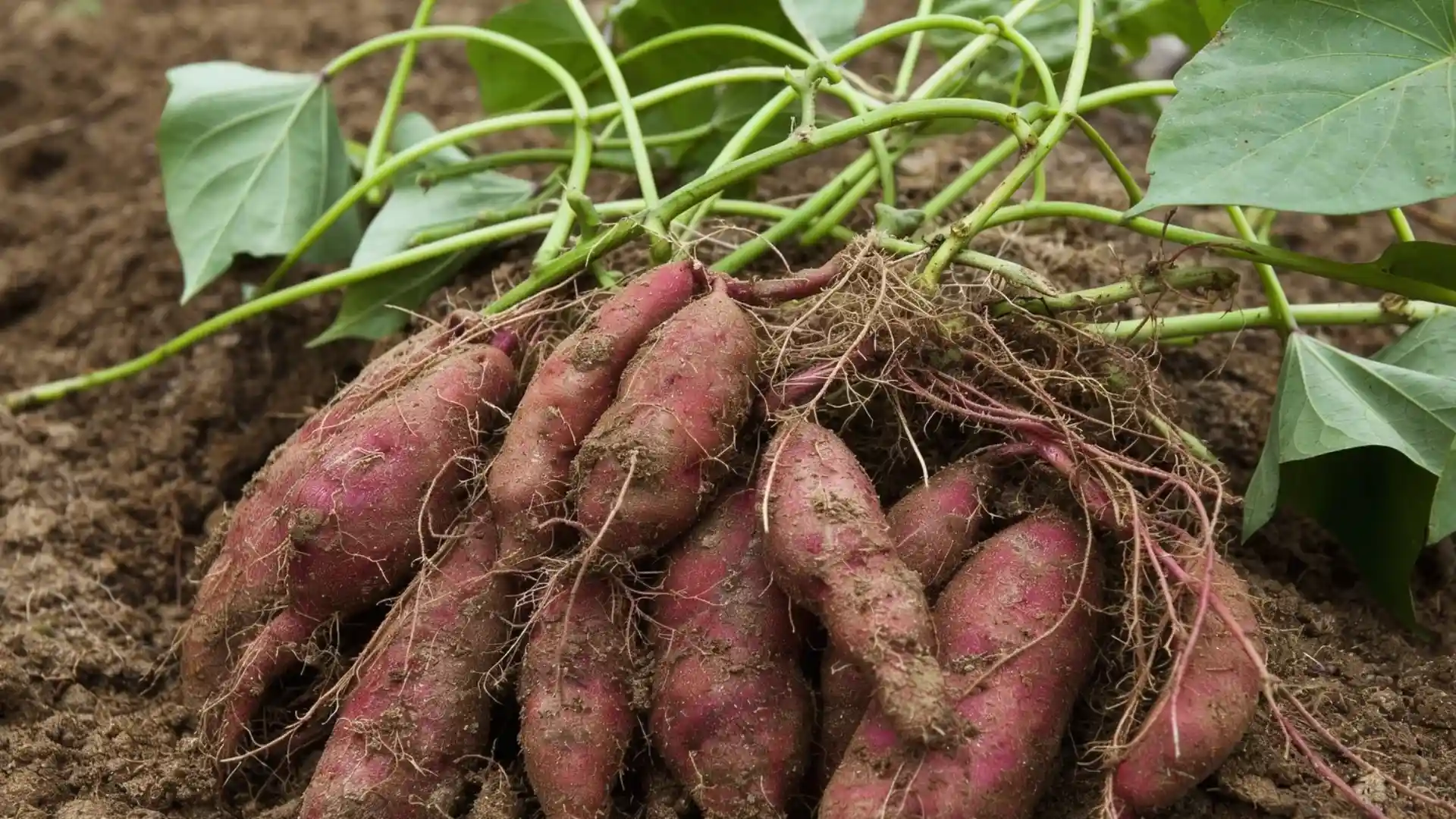
As the vines spread, the plant begins forming underground sweet potatoes that slowly increase in size.
Harvesting too early may result in smaller roots, while allowing them to grow longer can improve size and flavor.
Factors That Affect How Fast Sweet Potatoes Grow
Sweet potato growth depends on several environmental and growing conditions.
Understanding these factors helps gardeners create the right conditions for healthier vines and larger underground roots.
- Sweet Potato Variety: Different sweet potato varieties have different maturity periods. Some types are ready to harvest in about 90 days, while others may need 120 days or more to fully develop.
- Temperature: Sweet potatoes grow fastest in warm conditions. They prefer temperatures between 70°F and 85°F, and cold weather can slow growth or damage young plants.
- Sunlight Exposure: Sweet potatoes need full sun for strong growth. Plants receiving at least 6 to 8 hours of direct sunlight daily usually produce healthier vines and better root development.
- Soil Quality: Loose, fertile, and well-draining soil allows roots to expand easily. Heavy or compacted soil can restrict sweet potato growth and result in smaller harvests.
- Watering Routine: Consistent moisture supports steady growth, especially during early development. Too little water can slow root formation, while excess water may cause root problems.
- Planting Time: Planting slips too early in cool soil can delay growth. Starting after the last frost, when the soil is warm, helps plants establish faster.
- Growing Space: Proper spacing gives vines enough room to spread and prevents competition for sunlight, water, and nutrients, leading to better root formation.
What are Sweet Potato Slips?
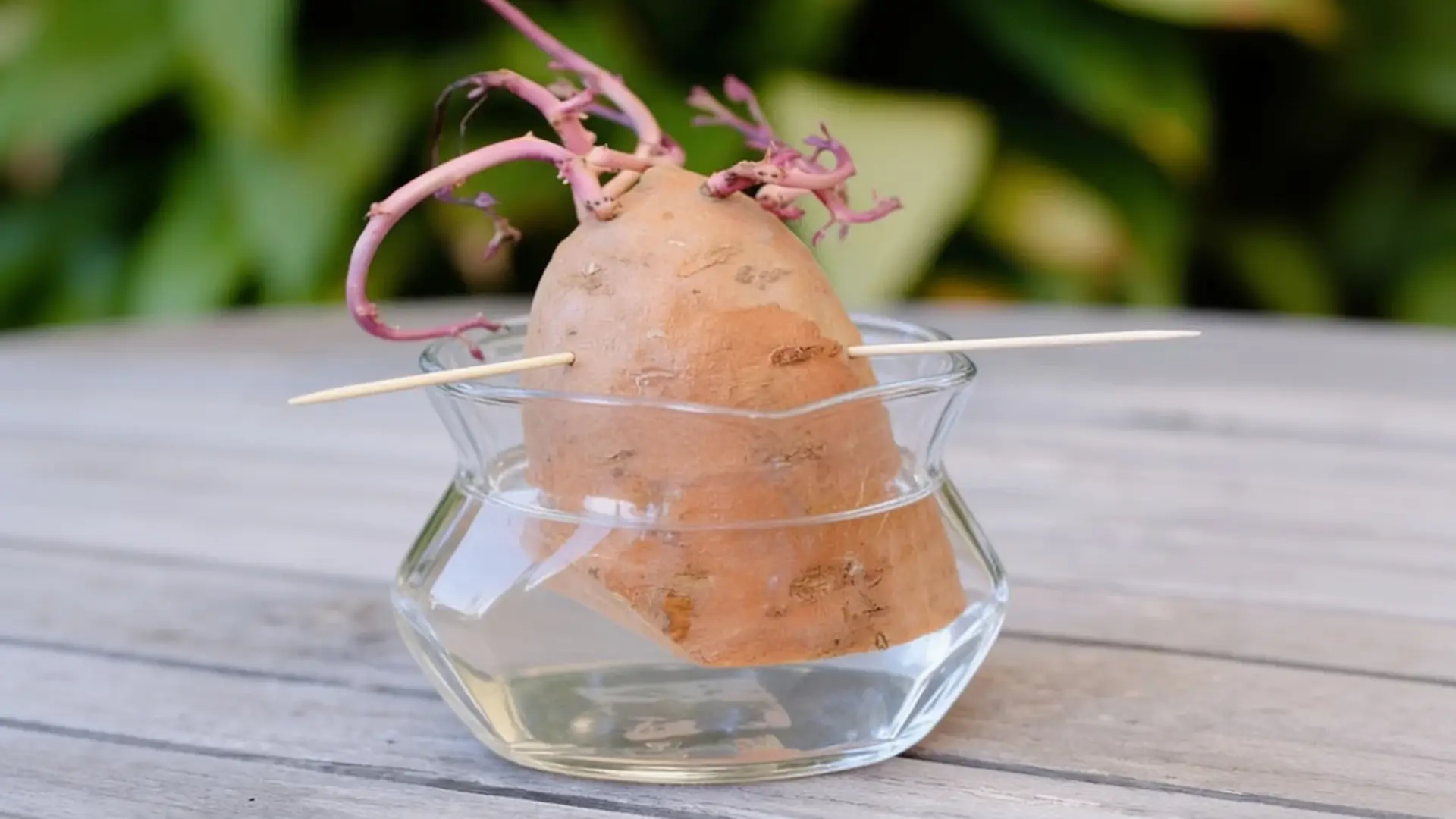
Sweet potato slips are young shoots that grow from a mature sweet potato and are used to start new plants.
Unlike regular potatoes, sweet potatoes are not usually grown by planting pieces of the tuber.
Instead, gardeners start by planting sweet potato slips and transplanting them into the soil to produce a new crop.
A single sweet potato can produce several slips, each with its own leaves and roots, making it easier to grow multiple plants from a single plant.
These slips are usually started several weeks before the planting season; therefore, I find them strong enough to grow outdoors.
Healthy slips should have green leaves, firm stems, and developing roots for better establishment. Using slips is the most common and reliable way to grow sweet potatoes at home.
When is the Best Time to Plant Sweet Potato Slips?
The best time to plant sweet potato slips is after the danger of frost has passed and the soil has warmed to at least 60°F (16°C).
Sweet potatoes are warm-season plants that grow best in hot weather, so planting them too early can slow growth and weaken young plants.
In most regions, late spring is the ideal planting period, usually a few weeks after the last frost date. The slips should be planted when daytime temperatures stay consistently warm and nights are no longer cold.
Gardeners in cooler areas should start slips indoors early and transplant them once outdoor conditions become suitable.
Proper timing gives plants a strong start and improves the chances of a healthy harvest.
How to Plant Sweet Potato Slips?
Planting sweet potato slips correctly helps the plants establish strong roots and produce a better harvest.
The process starts with choosing a suitable growing location, preparing healthy soil, and placing slips at the right depth.
Step 1: Choose a Sunny and Warm Growing Location
Sweet potatoes grow best in a location that receives full sunlight throughout the day.
So, choose an area that gets at least 6 to 8 hours of direct sunlight because strong light supports healthy vine growth and root development.
The planting spot should also be warm and protected from cold winds that can slow growth. Avoid shaded areas near large trees or buildings.
A warm, open space helps sweet potato slips establish quickly after transplanting.
Step 2: Prepare Well-Draining Soil Before Planting
Sweet potatoes need the right type of soil that allows underground roots to expand easily.
Before planting, loosen the soil to the right depth and mix in compost or other organic matter to improve nutrient levels and texture. Avoid heavy clay or compacted soil because it can restrict root growth and lead to smaller sweet potatoes.
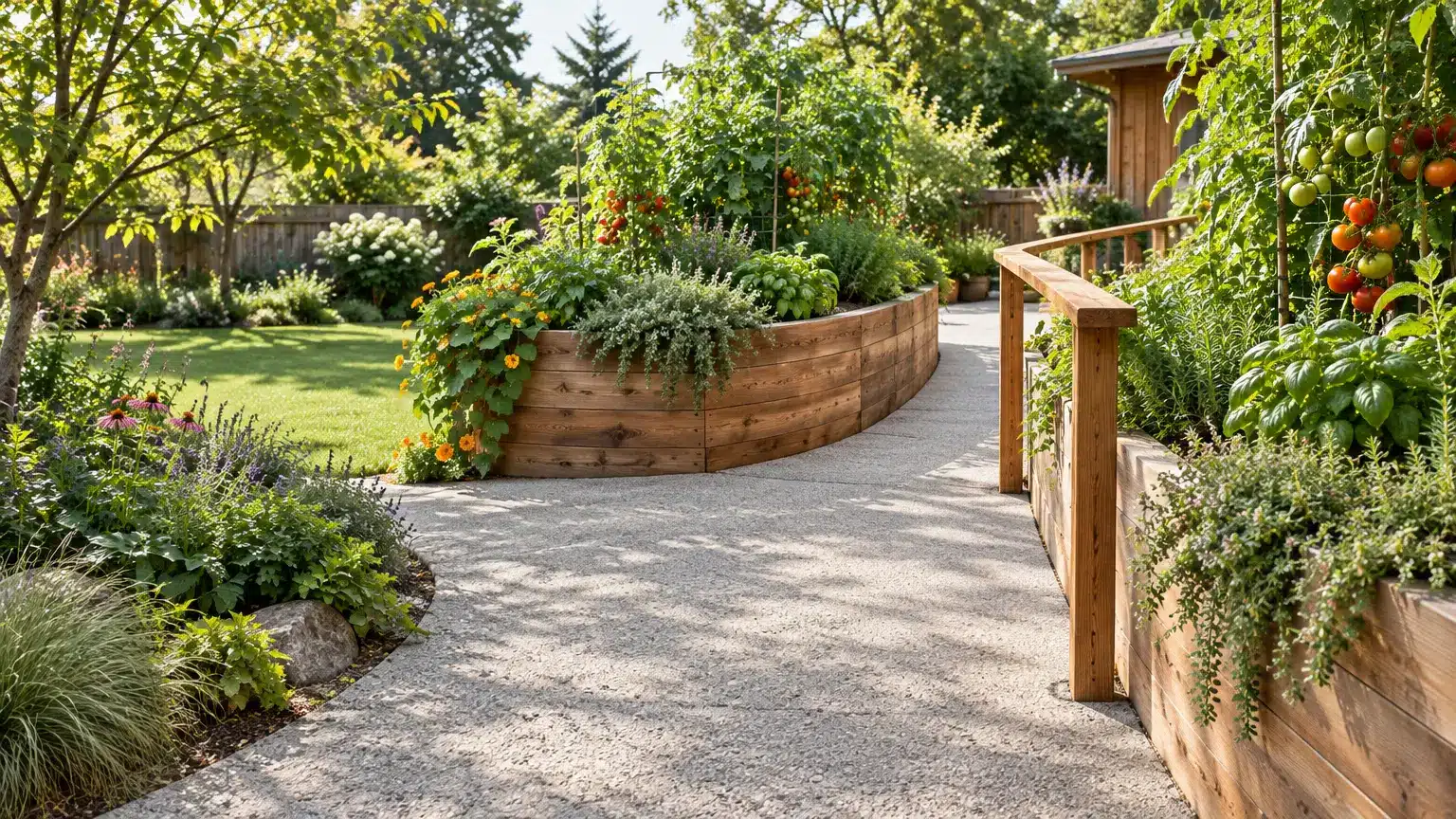
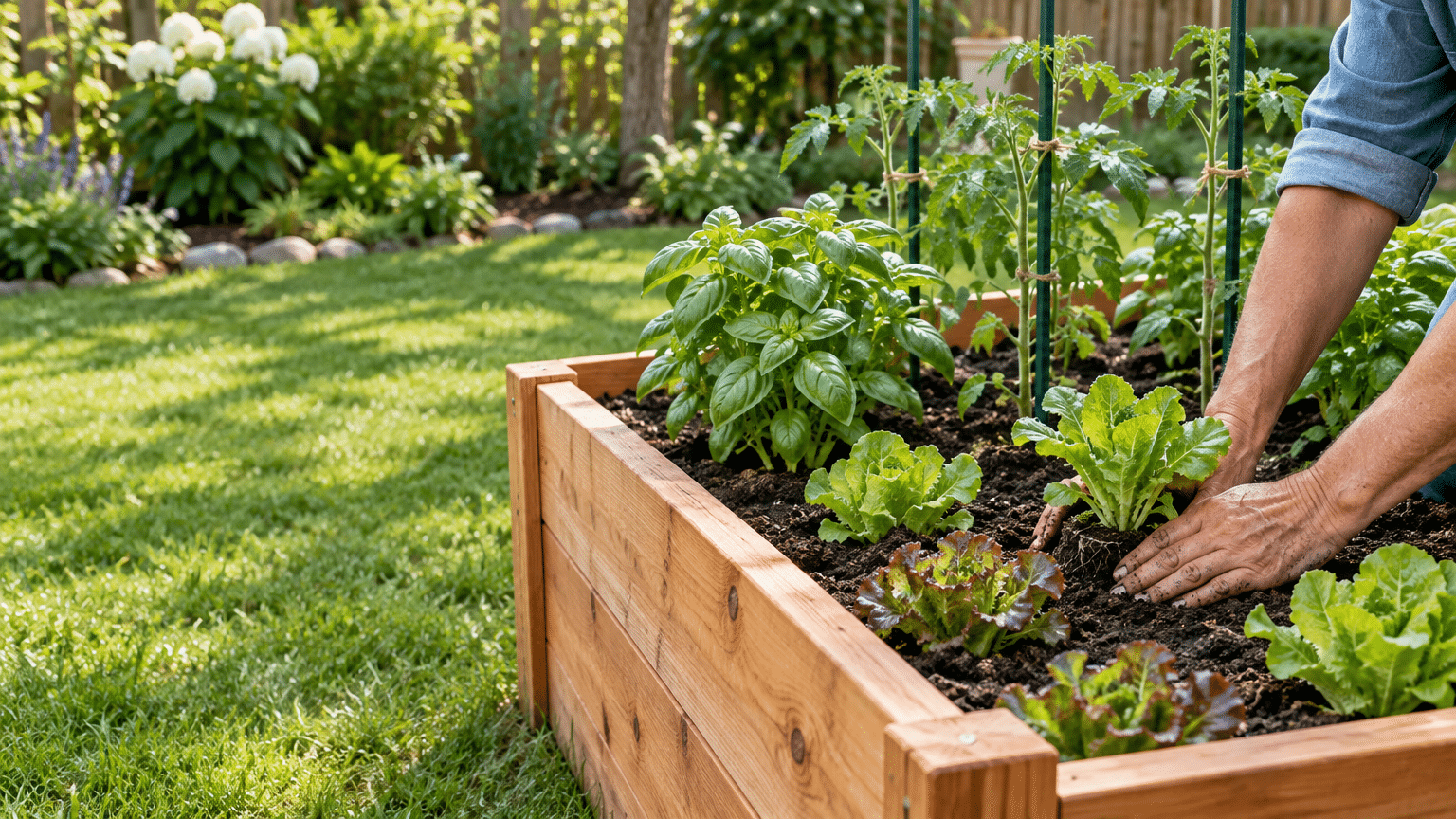
The ideal soil should be light, fertile, and well-draining. If your garden has poor drainage, planting in raised beds or soil mounds can help prevent water buildup around the roots.
Step 3: Plant Sweet Potato Slips at the Correct Depth
Plant sweet potato slips by creating small holes or trenches in the prepared soil.
Then, place each slip deep enough to cover the roots and lower part of the stem while keeping the leaves above the soil surface.
Proper spacing allows vines to spread and prevents competition for nutrients and sunlight. Keep plants about 12 to 18 inches apart, with rows spaced around 3 feet apart.
How to Care for Sweet Potato Plants After Planting?
After planting sweet potato slips, proper care helps plants develop strong vines and healthy underground roots.
Keep the soil consistently moist during the early growth stage, but avoid overwatering because soggy conditions can cause root problems.
Sweet potatoes need plenty of sunlight, so adding mulch around the plants can help retain moisture, control weeds, and maintain steady soil temperatures.
Feed the plants balanced nutrients and avoid excessive nitrogen, as it can encourage more vine growth rather than larger roots.
Regularly check for pests, carefully remove weeds, and allow vines enough space to spread.
Signs Your Sweet Potatoes are Ready to Be Harvested
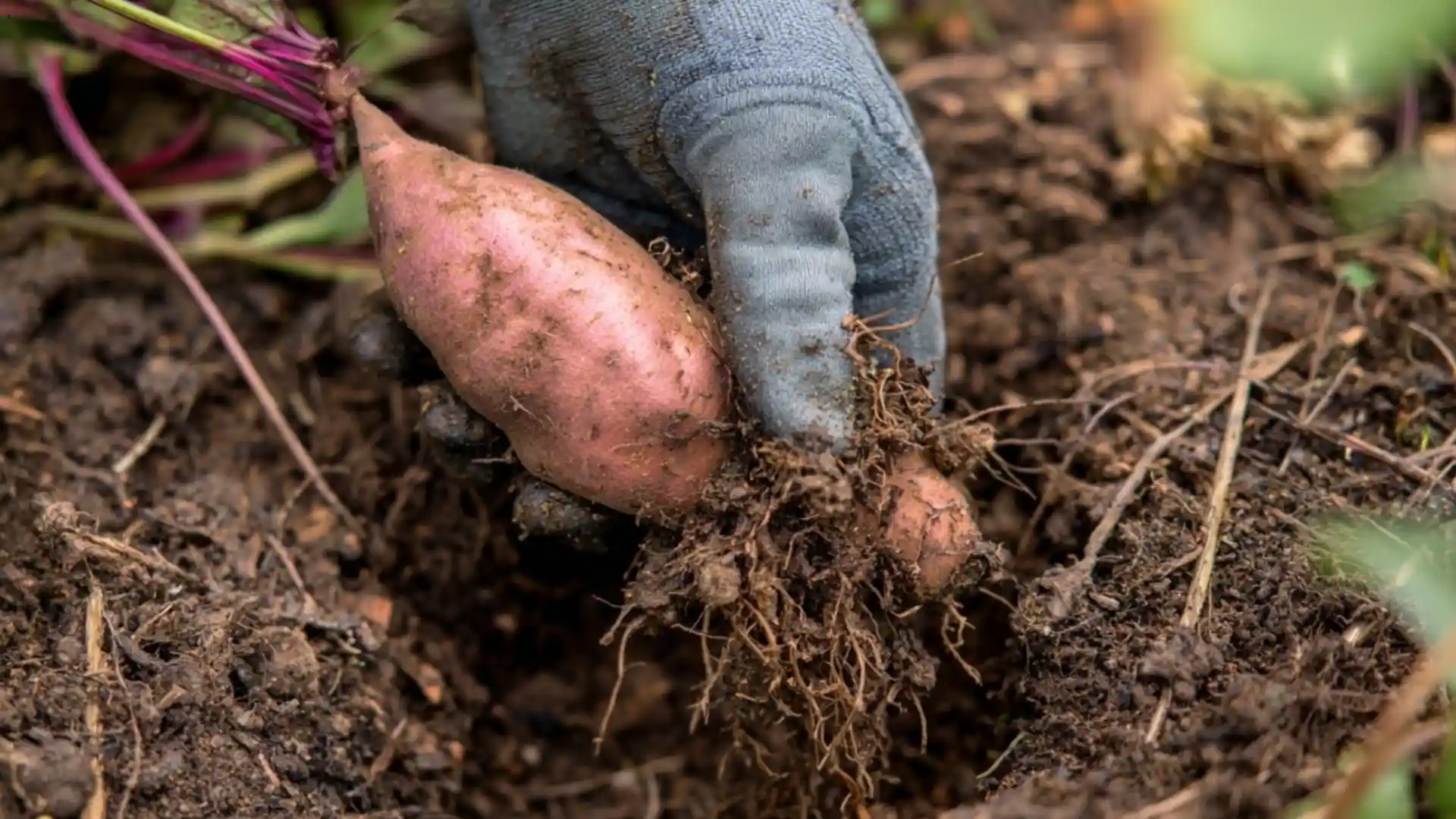
Sweet potatoes are usually ready to harvest when they have completed their growing period, and the plants begin to show natural signs of maturity.
Since the roots grow underground, you need to observe the vines, leaves, and growth timeline to determine the right time to harvest.
Checking these signs helps prevent harvesting too early:
- The leaves and vines start turning yellow or slightly drying as the growing season comes to an end.
- The sweet potatoes have reached their expected maturity period, usually around 90 to 120 days after planting slips.
- The soil around the plant may begin to crack or lift slightly as the roots expand underground.
- Cooler temperatures and approaching frost indicate that it is time to harvest before the roots are damaged.
- The roots have developed a firm size and shape when checked by gently uncovering a small area of soil.
Harvesting sweet potatoes at the right time helps maintain their quality and improves storage life.
Avoid leaving them in cold soil for too long, as frost can affect their taste and condition. Carefully digging up the roots prevents bruising and keeps them ready for curing and storage after harvest.
Can You Grow Sweet Potatoes in Containers?
Yes, sweet potatoes grow well in large containers, grow bags, or half whiskey barrels, as long as the container holds at least 15 to 20 gallons of soil.
You can plant one or two slips per container, use a loose potting mix blended with compost, and set the container in a spot that gets full sun.
Container-grown sweet potatoes dry out faster than in-ground plants, so check the soil every few days and water whenever the top two inches feel dry.
Vines will trail over the container’s edge, which works well on a patio, deck, or small balcony.
Common Problems When Growing Sweet Potatoes
Growing sweet potatoes is generally easy, but some issues can affect plant growth and final harvest quality.
However, identifying common problems early helps gardeners fix growing conditions and encourage healthier roots.
- Too Much Vine Growth: Excess nitrogen or poor conditions can encourage leaves and vines instead of larger underground sweet potatoes.
- Small Sweet Potato Roots: Limited sunlight, short growing seasons, or poor soil preparation can reduce root size and overall harvest.
- Yellowing Leaves: Yellow leaves may result from overwatering, nutrient problems, natural maturity, or plant stress during growth.
- Poor Root Development: Compacted soil, overcrowded plants, or inconsistent watering can prevent sweet potatoes from forming properly underground. Following proper spacing for your vegetables helps their roots size up instead of competing for room.
- Pest and Disease Issues: Insects and fungal problems can damage leaves, weaken plants, and reduce the quality of harvested roots.
Conclusion
Growing sweet potatoes at home can be a rewarding experience when you understand the right planting process and give your plants the care they need.
From preparing healthy slips to choosing the right growing conditions, each step plays a role in developing a successful harvest.
Watching small slips turn into spreading vines and underground roots is one of the most satisfying parts of gardening.
Now that you know the basics, you can start planning your own sweet potato crop with confidence.
Have you grown sweet potatoes before, or are you planning to try it soon? Share your experience in the comments below.
Frequently Asked Questions
How Many Sweet Potatoes Can You Grow from One Sweet Potato Slip?
One healthy sweet potato slip can produce several sweet potatoes, with the exact number depending on variety, soil quality, spacing, and growing conditions.
Do Sweet Potato Vines Need Support to Grow?
Sweet potato vines usually spread along the ground and do not need support. Their trailing growth habit helps the plant produce more energy for root development.
How Long Can Sweet Potato Slips Be Stored Before Planting?
Sweet potato slips can be kept for a short time before planting by placing them in water or moist conditions until they are ready for transplanting.
Should Sweet Potato Vines Be Trimmed During the Growing Season?
Sweet potato vines generally do not need regular trimming because healthy vines help the plant produce energy for underground root growth.



10 Responses
I love you article about growing sweet potatoes and I would love to grow them, I’m a South African elderly woman who likes to do gardening.
Can you also send me more info about gardening
Thanks Harry,?this is my first time planting sweet potatoes, so your post is most appreciated 😊. I planted I have about 6 plants in a large flour bag.
I saved this for reference.
Hi i am samuel jackson living in motherwell l have. Planted last year oct hoping and wishing to raep
Hi, I planted a sweet potato from a
Potato that sprouted in the cupboard, it is growing in the garden, do you think it will be fine. Also how can I save some for next year’s planting.
My sweet potatoes are older than 120 days the leaves are not ɓrowningthay are growing out of the pot. I think I need to harvest them to see what’s happening. Thank for the information
A friend of mine suggested to trim the vines to force more energy into the tubers, which I did. I don’t know what difference it made but I was pleased with my second year growing in large containers. Looking forward to trying again next year.
Very good content I hv learn a lot hope we will communicate when I start to grow this crop
What do you feed the sweet potato plants as they grow
Thank you for helping me in my garden I need the date or the calander to ☘️