Tiny flying insects hovering around your kitchen sink or circling your houseplants can send anyone into a spiral of frustration.
And honestly, the confusion between gnats and drain flies is more common than you would think.
They look similar at a glance, but treating the wrong pest means the problem keeps coming back. Knowing exactly what you are dealing with changes everything about how you get rid of them.
Stick around, because once you learn how to tell these two apart, keeping your home fly-free gets a whole lot easier.
What are Gnats?
Gnats are tiny, winged insects that often show up uninvited around your houseplants or anywhere moisture tends to linger.
The most common culprit you will encounter indoors is the fungus gnat, and it has a particular obsession with overwatered soil.
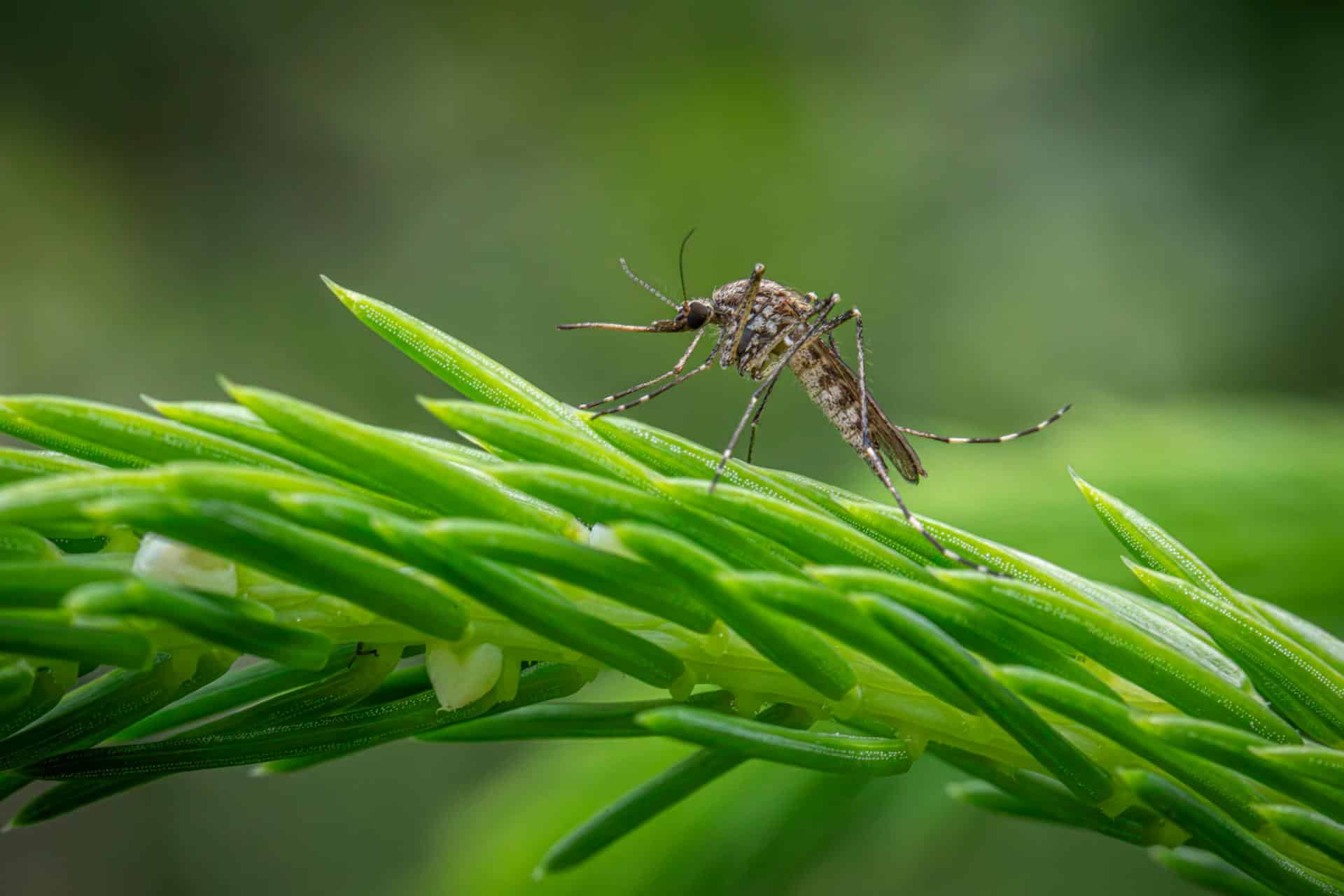
Look closely, and you will notice their slender bodies, long, delicate legs, and a silhouette that closely resembles a tiny mosquito.
They breed and thrive in damp, organic-rich environments, making your beloved plant collection the perfect setup.
While they are mostly a nuisance, fungus gnats can damage plant roots over time, which is reason enough to take them seriously.
What are Drain Flies?
Drain flies go by many names, moth flies being the most common, and they are a completely different kind of problem.
What sets them apart instantly is their fuzzy, moth-like appearance and the distinctive triangular silhouette they form when resting. Unlike gnats, these little ones are not interested in your plants at all.
They are drawn to stagnant water and the organic buildup inside drains, pipes, and sewage systems, which is exactly why you spot them hovering around bathroom sinks and kitchen drains.
They thrive where decomposing matter accumulates, and their presence is usually a sign that a deep clean is long overdue.
Gnat vs. Drain Fly: Side-by-Side Comparison
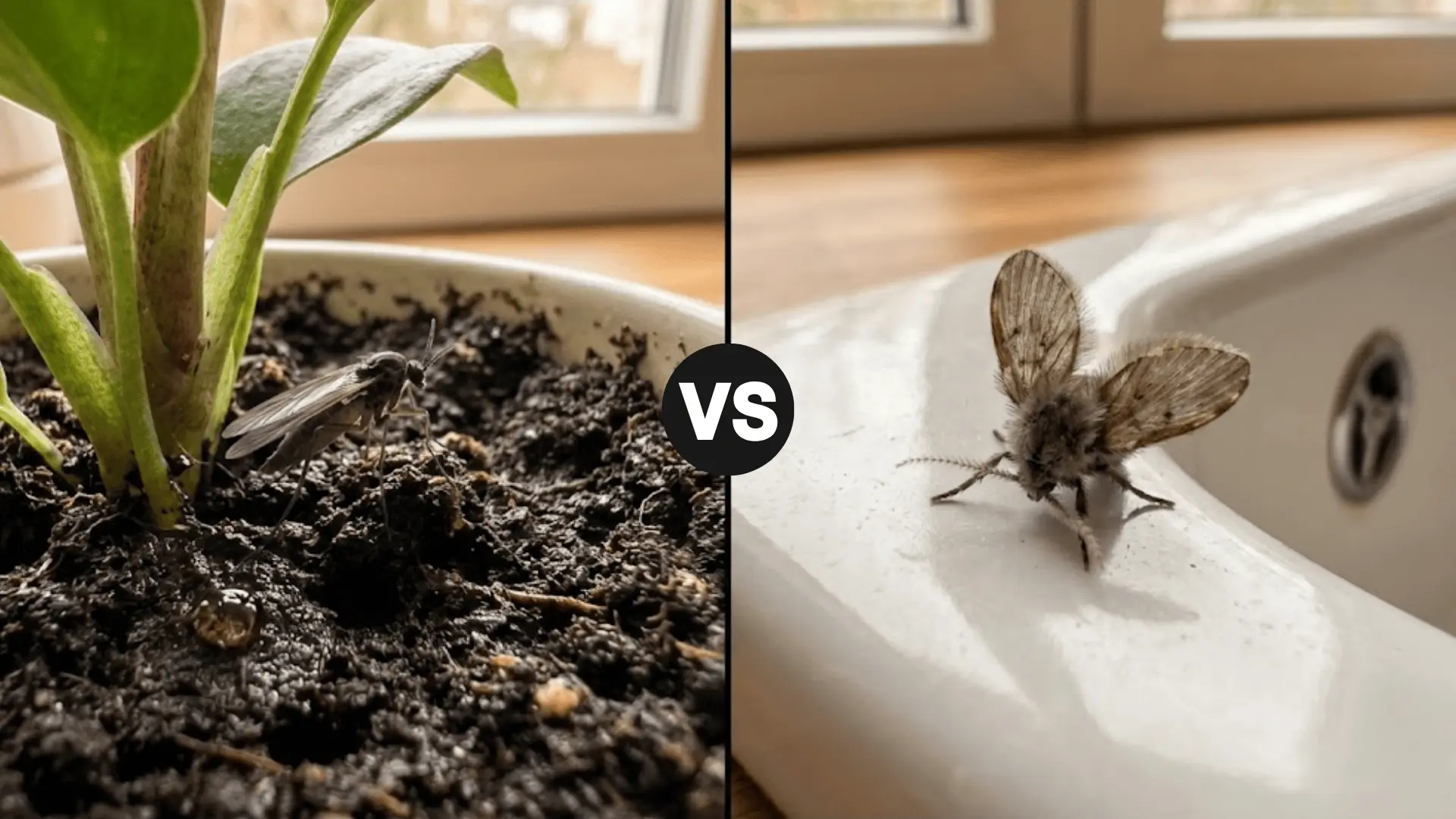
Getting these two mixed up is easy, but a closer look tells a very different story.
Here is how they actually compare.
1. Appearance
Gnats have slender, dark bodies with clear, wispy wings that almost disappear mid-flight, giving them a barely-there look.
Drain flies, on the other hand, look visibly fuzzy with broad, opaque wings that give them a distinct moth-like quality.
The difference in texture and wing shape is usually enough to tell them apart once you know what you are looking for.
2. Size and Body Shape
Both are small, but they carry themselves very differently. Gnats have that lean, mosquito-like build that makes them look almost fragile in the air.
Drain flies are slightly stockier with hair-covered bodies, giving them a fuller, rounder silhouette.
Once you notice the difference in how they are built, going back to confusing the two becomes pretty hard to do.
3. Habitats and Where You Will See Them
Where you spot them is honestly one of the biggest clues.
Gnats love hovering around potted plants and damp soil, especially when things have been a little overwatered lately.
Drain flies are almost always found near sink edges, shower drains, and anywhere stagnant water tends to settle quietly. Their chosen habitat practically gives their identity away before anything else does.
4. Flight Pattern and Behavior
Watch how they move, and the difference becomes clear almost instantly.
Gnats have a weak, erratic flight pattern, drifting around without much sense of direction. Drain flies move in short, fluttery bursts, preferring to stay close to surfaces rather than wandering too far.
One floats through the air aimlessly while the other keeps its movements close, low, and stuttered.
Why You’re Seeing Them Now?
Spotting either of these insects around your home is rarely random, and there is almost always an underlying reason they have decided to show up.
Gnats tend to appear when houseplants have been overwatered or when moisture has been sitting in the soil a little too long.
Drain flies, on the other hand, emerge when drains accumulate organic buildup or when pipes go too long without a proper cleaning.
If you are still unsure which one you are dealing with, fungus gnats vs. fruit flies is another common mix-up worth untangling.
Humidity and warmer temperatures also play a big role in both, creating the kind of environment where they multiply fast. Pinpointing the source early makes getting rid of them so much more straightforward.
How to Get Rid of Gnats?
Gnats are frustrating, but they are also very manageable once you target what is actually attracting them.
- Let your soil dry out completely between waterings to cut off their breeding ground at the source.
- Place yellow sticky traps near your plants to catch adult gnats before they multiply further.
- Sprinkle cinnamon on topsoil as a natural antifungal that disrupts the environment gnats need to thrive.
- Use a diluted neem oil solution to drench the soil and tackle any larvae; knowing where gnats lay eggs helps you treat the right spots from the start.
A little consistency goes a long way here, and most people start noticing a difference within a week of making these changes.
How to Get Rid of Drain Flies?
Drain flies are surprisingly simple to deal with once you stop targeting the flies themselves and start targeting what they are living in.
- Pour an enzymatic drain cleaner down affected drains to break down the organic buildup they are actively breeding inside.
- Scrub the inside of your pipes with a drain brush to manually remove any slime or residue that has been accumulating over time.
- Fix any leaks or areas of standing water around sinks and shower bases, since moisture with nowhere to go is what keeps them coming back.
- Repeat the cleaning process weekly until the infestation clears, because one round is rarely enough to get rid of them completely.
Drain flies disappear a lot faster when you stay consistent, and keeping your drains clean afterward makes sure they do not find their way back.
When to Call a Professional?
Sometimes the problem runs deeper than a surface clean or a sticky trap can fix.
If usual remedies fail and flies return, it indicates a serious issue like hidden plumbing, a cracked pipe, or deep buildup out of reach.
Persistent infestations that last beyond a few weeks are worth taking seriously.
A licensed pest control professional can assess the situation properly and recommend targeted treatments that actually get to the root of the problem for good.
The Bottom Line
Once you know the difference between a gnat vs. drain fly, handling them becomes far less overwhelming.
Each one leaves behind enough clues, from where it lingers to how it moves, that identifying the culprit gets easier every time. A few mindful changes around your home can go a long way in keeping both away for good.
Watching how often you water your plants or giving your drains a little more attention, small habits truly do add up.
Tried any of these fixes? Drop your experience in the comments below because someone else is probably dealing with the exact same thing.