Every home has a few small spots that need some work. DIY home projects give you a simple way to handle them. Small changes can improve how a room looks and feels.
Every room in your home can use a small update. Some spots need a fix. Others just need a fresh touch. You don’t have to spend a lot of money to see results.
Some projects fix a problem. Others just add a nice touch. Each project on this list fits into a weekend.
You pick what matches your skill and your space. Start with one idea and build from there.
What Makes a Home Project Feel Truly DIY?
A DIY project feels real when you use your own hands to build it. You measure, cut, sand, and fix small parts yourself. There’s no strict rule to follow, just steps you work through.
You learn some things along the way, and that’s normal. What makes it yours is how you adapt it to your space. You can swap materials, colors, or sizes to fit your home.
An online plan is just a starting point, not a fixed rule. You adjust it based on your walls, your tools, and your taste. In the end, DIY is just taking an idea and shaping it to fit your own home.
Basic DIY Supplies for Home Projects
Most DIY projects use a lot of the same basic supplies. Having these on hand saves you a trip to the store mid-project. Here’s a quick look at what you’ll typically need:
| Category | Supplies |
|---|---|
| Measuring Tools | Tape measure, ruler, level, and pencil for accurate marking |
| Basic Hand Tools | Hammer, screwdrivers, pliers, utility knife, and adjustable wrench |
| Power Tools | Drill/driver and sander for projects that require them |
| Fasteners | Screws, nails, wall anchors, brackets, and hooks |
| Adhesives | Wood glue, construction adhesive, or suitable mounting products |
| Surface Prep Supplies | Sandpaper, filler, cleaning cloths, and painter’s tape |
| Painting Supplies | Brushes, rollers, trays, primer, and paint |
| Safety Gear | Safety glasses, gloves, hearing protection, and other task-specific protection |
| Cleanup Supplies | Drop cloths, shop vacuum, rags, and waste bags |
Some projects only need a few of these supplies. Keeping a small stock on hand makes it easier to get started.
Safety Note: Always wear the right safety gear for your project and follow tool instructions carefully to avoid injury.
Simple DIY Home Projects for Every Room
DIY projects come in all shapes and sizes, from small fixes to bigger weekend builds. Here are some ideas you can try in your own home:
1. Build Floating Wall Shelves
These shelves look like they float because the brackets stay hidden inside the wall. Wood boards, brackets, and a drill are all you need to start.
They work great for books, plants, decor, or extra kitchen storage. You can cut them to any length or width you need.
Paint or stain them to match your room. It’s a simple project that adds function without cluttering your walls.
- Estimated Cost: $30–$80
- Skill Level: Beginner
2. Create a Board-and-Batten Accent Wall
Board-and-batten uses flat wood strips arranged in a grid pattern on a wall. Measuring, cutting, and gluing the strips is most of the work.
It adds texture and a bit of architectural charm to a plain space. Most people paint the wall and battens the same color for a clean look.
A level and some patience are the only real tools needed. It’s an easy way to upgrade a boring wall.
- Estimated Cost: $100–$300
- Skill Level: Beginner
3. Frame a Builder-Grade Bathroom Mirror
A plain builder mirror gets a big upgrade with a simple wood frame. Cut trim pieces to size and glue them directly onto the glass.
No need to remove the mirror from the wall first. Choose a stain or paint color that matches your bathroom hardware.
This project takes just a few hours from start to finish. It’s one of the easiest ways to make a bathroom feel finished.
- Estimated Cost: $40–$100
- Skill Level: Beginner
4. Build a Window Seat With Storage
A window seat adds cozy seating and hidden storage in one simple build. Start with a basic box frame, then add a hinged or flip-top lid.
Inside, there’s room for blankets, toys, or books. Add a cushion on top to make it comfortable. This project works well in living rooms, bedrooms, or reading corners.
It’s a practical upgrade that also looks charming.
- Estimated Cost: $150–$400
- Skill Level: Intermediate
5. Install Peel-and-Stick Backsplash
Peel-and-stick tiles let you update a kitchen backsplash without any traditional tile work. Clean the wall and measure the space before anything else.
This method requires no grout or mortar. Most designs mimic the look of subway tile, marble, or mosaic patterns.
It’s a quick weekend project that instantly refreshes a kitchen. Just make sure your wall surface is smooth and clean first.
- Estimated Cost: $30–$90
- Skill Level: Beginner
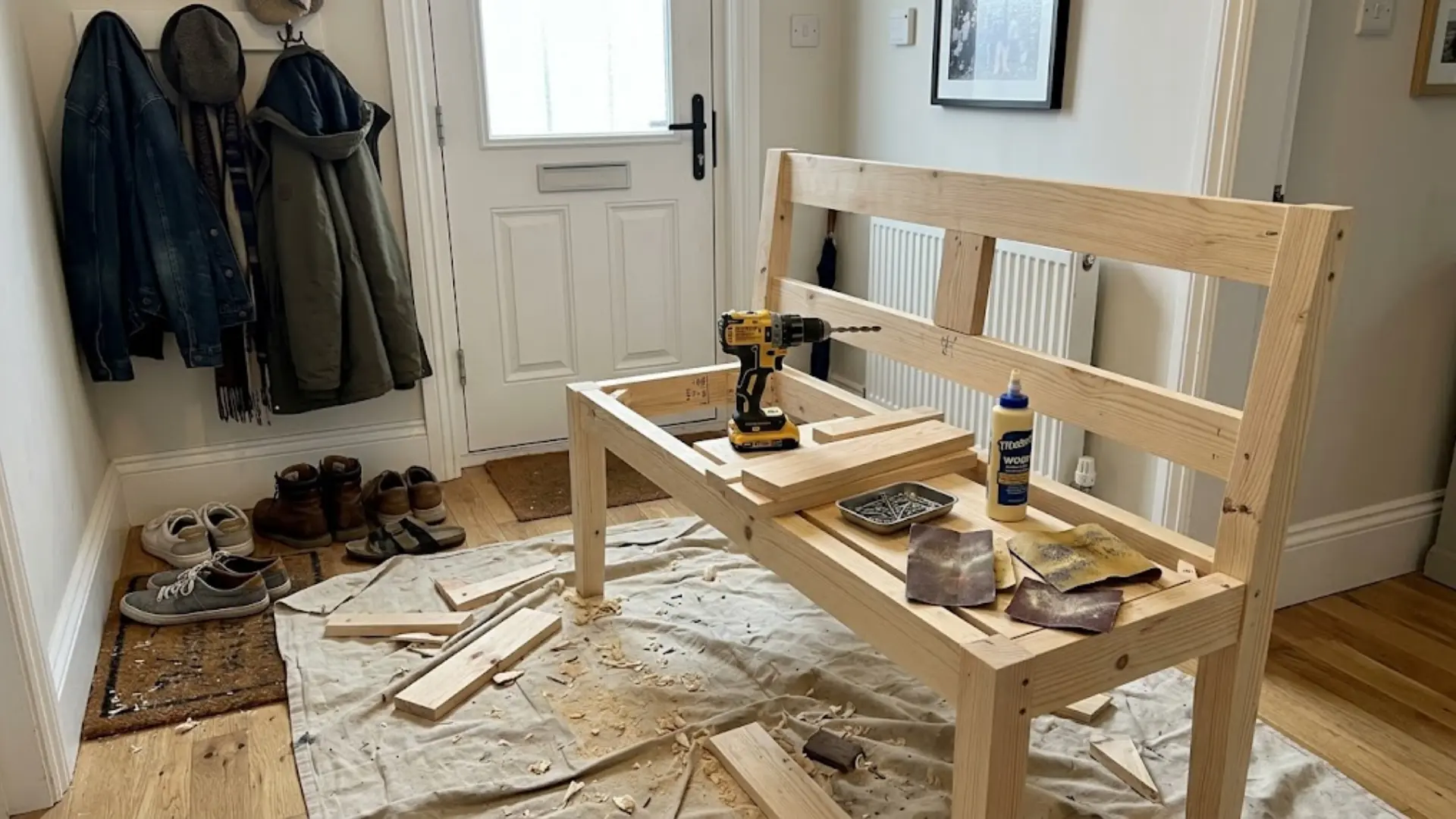
6. Build a Wooden Entryway Bench
An entryway bench gives you a spot to sit while taking off shoes. A simple frame made from boards forms the base of the build.
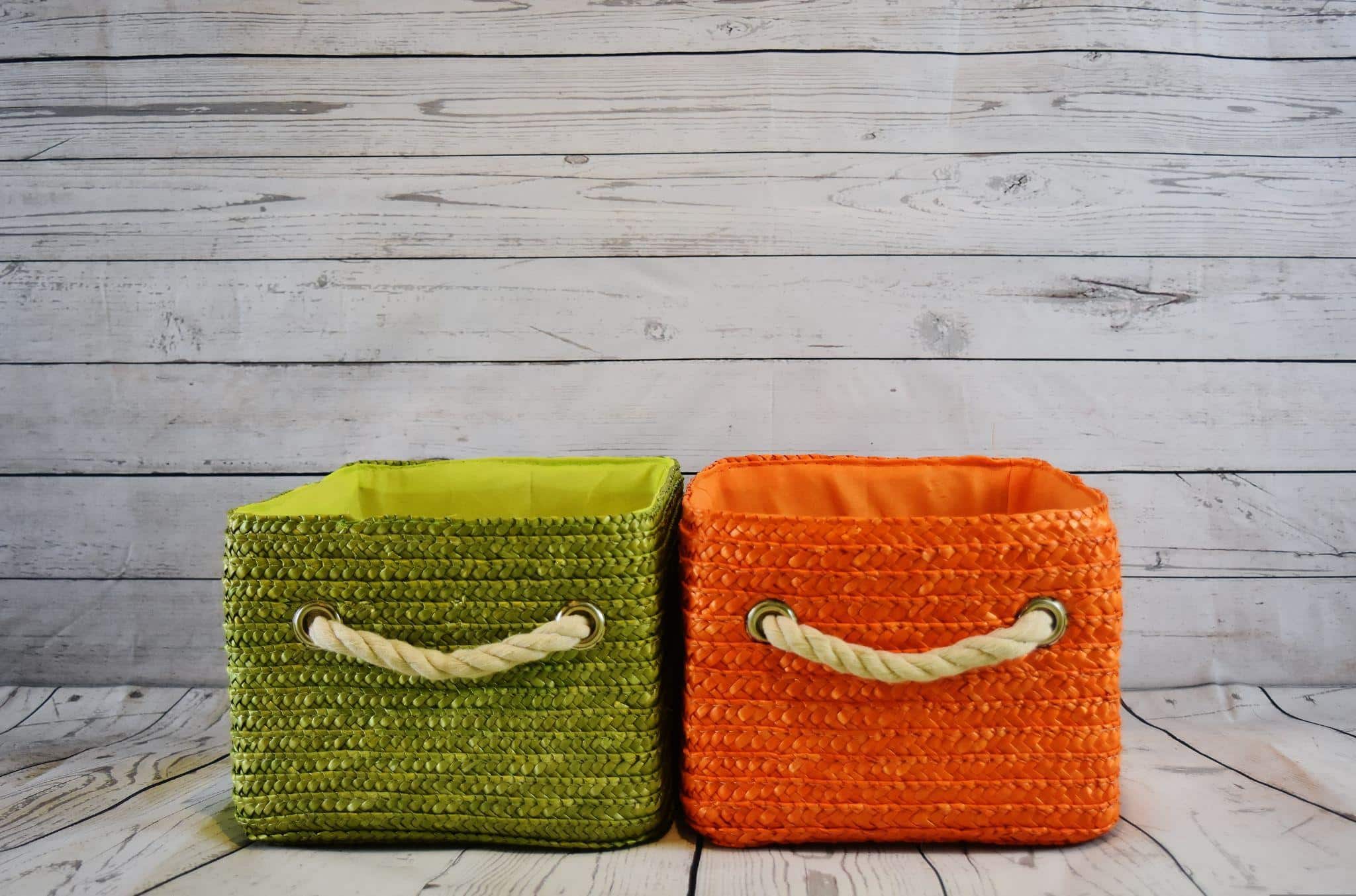
Many people add storage baskets or cubbies underneath for shoes and bags. Stain or paint the wood to match your entryway style.
This project uses basic cuts and doesn’t require advanced tools. It’s a functional piece that keeps your entryway organized.
- Estimated Cost: $60–$150
- Skill Level: Beginner
7. Make a Slatted Wood Feature Wall
A slatted wall uses evenly spaced wood strips to add texture and depth. Even spacing between each strip matters more than anything else here.
This look works well behind a bed, television, or in a hallway. The wood can stay natural or get stained for more contrast.
Even spacing between the slats is the most important part of this project. It’s a modern update that doesn’t take much time to complete.
- Estimated Cost: $100–$250
- Skill Level: Intermediate
8. Build a Custom Closet Organizer
A custom closet organizer helps you make better use of existing closet space. Add shelves, hanging rods, and small storage sections based on your needs.
Measure the closet first so everything fits properly. Use plywood or closet-grade boards for a sturdy build.
This project can be adjusted for any closet size or shape. It’s a great way to add real storage without a full renovation.
- Estimated Cost: $150–$400
- Skill Level: Intermediate
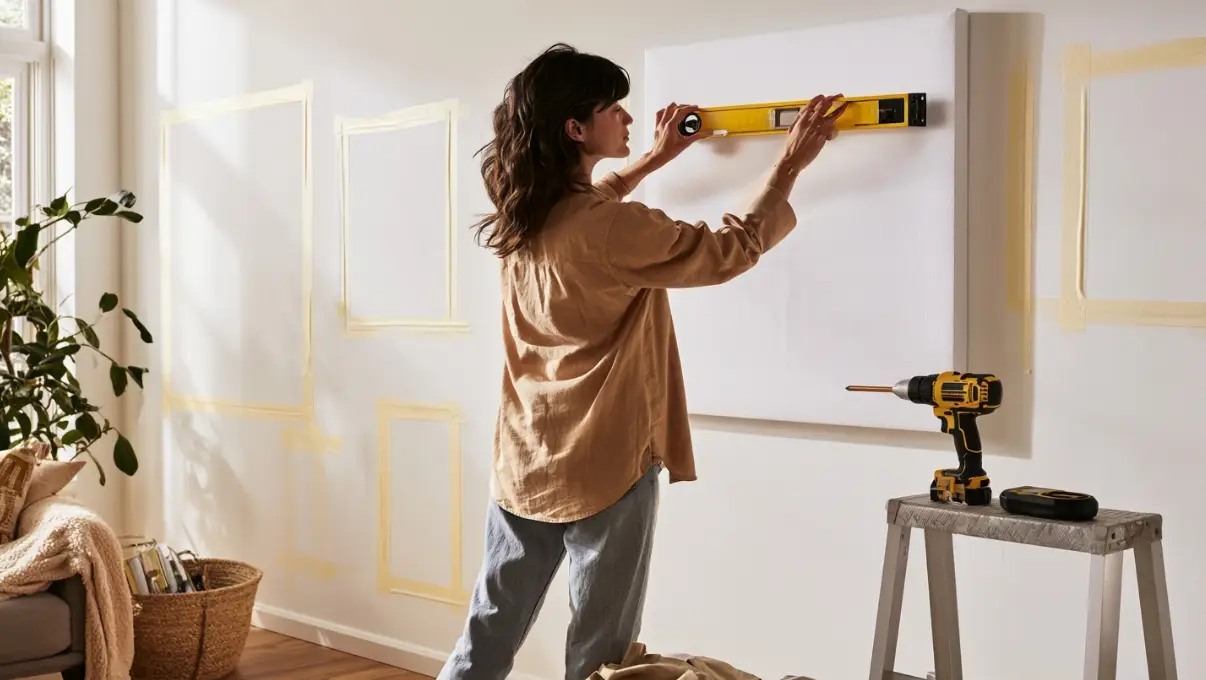
9. Install Picture Frame Molding
Picture frame molding creates simple framed sections across a wall using thin trim strips. Measure the layout first, then cut and attach each piece.
This adds a classic, detailed look without much cost. Paint the wall and molding the same color for a subtle effect.
It works well in dining rooms, hallways, or bedrooms. This project takes patience but not much skill.
- Estimated Cost: $80–$200
- Skill Level: Intermediate
10. Build a Radiator Cover
A radiator cover hides an old or unattractive radiator while keeping it safe to use. A simple wood frame with a ventilated top and sides does the job.
Make sure the design allows heat to flow through properly. Paint it to match your walls or trim color.
This project adds a finished look to any room with exposed radiators. It’s mostly basic measuring and cutting work.
- Estimated Cost: $70–$180
- Skill Level: Intermediate
11. Make a Peg Rail
A peg rail is a wooden strip with pegs used for hanging everyday items. Mounting height depends on the space and how it will be used.
Use it for coats, bags, towels, or kitchen tools. This project only needs a board, pegs, and basic hardware.
It’s one of the simplest builds on this list. It can get finished in less than an hour.
- Estimated Cost: $20–$50
- Skill Level: Beginner
12. Build a Window Planter Box
A window planter box adds a simple garden touch to the outside of your home. Size a rectangular wood box to fit under the window.
Drill drainage holes in the bottom before adding soil. Fill it with flowers, herbs, or trailing plants. Seal the wood so it holds up against rain and sun.
This project is quick and works for almost any home style.
- Estimated Cost: $30–$70
- Skill Level: Beginner
13. Install DIY Floating Nightstands
Floating nightstands are small shelves you mount to the wall beside your bed. Hidden brackets hold a flat shelf securely in place, no legs needed.
This keeps floor space open and makes a room feel bigger. They work well in small bedrooms or tight layouts.
Cut the shelf to size, attach the bracket, and stain or paint it to match your furniture. It’s a quick project that only takes a couple of hours.
- Estimated Cost: $40–$100
- Skill Level: Beginner
14. Make a Wooden Headboard
A wooden headboard adds a simple focal point above your bed. Arrange boards, plywood, or wood slats side by side for the build.
Cut the pieces to match your bed’s width, then attach them to a frame. Stain or paint it to match your bedroom style.
This project doesn’t require complex tools or advanced cuts. It’s an easy way to upgrade a bedroom’s look.
- Estimated Cost: $50–$150
- Skill Level: Beginner
15. Build a Mudroom Storage Wall
A mudroom storage wall combines hooks, shelves, cubbies, and a bench in one setup. Build separate sections, then attach them along one wall.
This keeps shoes, bags, and coats organized in a single spot. Plan your layout based on your family’s daily needs.
This project takes more time since it involves multiple parts. The result is a much more organized entryway.
- Estimated Cost: $200–$500
- Skill Level: Intermediate
16. Build a Coffee Bar Station
A coffee bar station turns unused wall space into a spot for coffee supplies. A small counter with shelves or cabinets above forms the setup.
Add hooks for mugs and space for your coffee maker. This project works well in kitchens, dining rooms, or hallways.
Keep the size small so it fits your available space. It’s a fun upgrade that also adds storage.
- Estimated Cost: $150–$350
- Skill Level: Intermediate
17. Make a Rolling Kitchen Island
A rolling kitchen island gives you extra counter space that moves where you need it. A simple frame with a countertop and locking caster wheels makes it work.
Storage shelves or drawers underneath add extra function. This project works well in small kitchens that need flexible space.
Make sure the wheels lock securely for safety. It’s a practical build that solves a common kitchen problem.
- Estimated Cost: $150–$400
- Skill Level: Intermediate
18. Install a Stair Runner
A stair runner adds a decorative and safer surface to indoor stairs. Measure each step carefully before you begin cutting.
Secure it using adhesive strips, staples, or a stair rod system. Make sure it’s properly fastened so it doesn’t shift or slip.
This project takes patience since each step must get done carefully. The result is a softer, more finished staircase look.
- Estimated Cost: $100–$300
- Skill Level: Intermediate
19. Build a Laundry Room Folding Counter or Folding Station
A folding counter adds a flat surface for sorting and folding laundry. Mount a simple countertop above or beside the machines.
Sturdy brackets support the weight of folded clothes and baskets. This project works well in small laundry rooms with limited space.
It turns an empty wall into something useful. It’s a quick build that solves a common laundry room problem.
- Estimated Cost: $80–$200
- Skill Level: Beginner
20. Create a Wall-Mounted Folding Desk
A fold-away desk is a great option when space is tight. A hinged desktop folds flat against the wall when you don’t need it.
Almost no floor space is used once it’s folded up. This works well in small offices, bedrooms, or hallways.
Add a small shelf above it for extra storage. It’s a smart solution for compact living spaces.
- Estimated Cost: $60–$150
- Skill Level: Intermediate
21. Make an Outdoor Privacy Screen
An outdoor privacy screen adds separation and shade to a patio or deck. A simple wood or lattice frame stands upright once assembled.
Next, secure it into the ground or against a structure. This project works well for blocking views from neighbors or the street.
Seal the wood to help it hold up outdoors. It’s a practical build that also adds a decorative touch.
- Estimated Cost: $100–$300
- Skill Level: Beginner
Note: Costs and skill levels are estimated and may vary based on materials, tools, and your specific project size.
How to Prioritize DIY Projects Around Your Home?
Some projects can wait, while others need attention right away. Here’s how to prioritize your projects the smart way:
- Start with repairs and problems that affect how your home works.
- Focus next on projects that improve things you use every day.
- Stick to a budget and plan projects around what you can spend.
- Finish smaller tasks first before starting several bigger ones at once.
- Group projects that use the same tools or materials together.
Save purely decorative projects for last, once repairs are done. This keeps your home safe, functional, and easier to manage.
Frequently Asked Questions (FAQs)
How Do I Know If A DIY Project Is Too Advanced For Me?
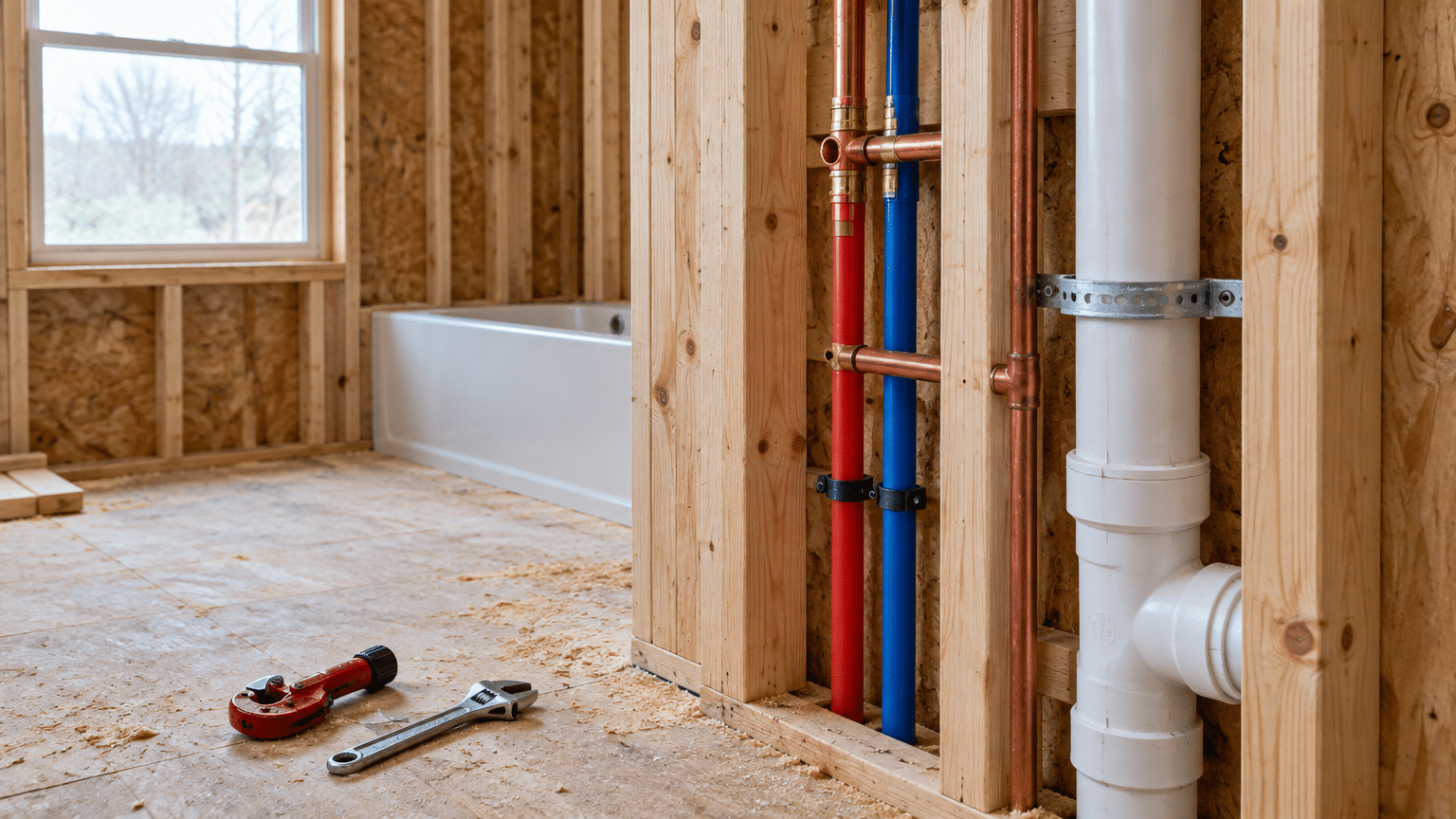
Check if it needs skills you lack, like wiring or plumbing. Projects involving permits, gas lines, or structural changes are best left to professionals.
Can I Do DIY Projects If I’m Renting My Home?
Yes, but check your lease first for restrictions on changes. Stick to removable or reversible projects to protect your security deposit.
What Should I Do If I Make A Mistake During A Project?
Most mistakes can be fixed with extra materials or patience. Take a break, review the steps, and adjust your approach before continuing.
Final Thoughts
DIY home projects are a simple way to make your house feel more like yours. You don’t need a big budget or years of practice to start.
Pick one project that fits your space and your time. Start small, then build your confidence with each finished piece. Small changes can update a room without much effort.
Your home should reflect the effort you put into it. Fix what bothers you first, then move to fun upgrades.
Every project you finish teaches you something new for the next one. Keep your tools ready and your ideas flowing. Tell us which project you plan to try first in the comments below.