When you think of sage, that velvety gray-green herb probably comes to mind, the one that makes your Thanksgiving stuffing sing.
But here’s the delightful secret: sage is so much more than a culinary sidekick. With over 900 species in the Salvia family, this plant family is a treasure trove of surprises.
Think varieties with flowers in jewel-toned purples, scarlets that hummingbirds can’t resist, and leaves that smell like pineapple or sweet melon.
Drought-tolerant beauties brighten gardens while culinary companions bring new life to your kitchen creations.
Sage has a personality for every space and purpose, so let’s get into it.
What is a Sage Plant?
Sage belongs to the Salvia genus, a massive plant family with hundreds of species spread across the globe.
Most sage plants are perennials, meaning they return year after year, though some varieties grow as annuals in colder climates.
What makes sage instantly recognizable? Those soft, textured leaves, often in silvery greens or deep purples, paired with aromatic oils that release their scent at the slightest touch.
Come summer, tall flower spikes appear in shades of blue, purple, pink, or white, drawing pollinators by the dozen.
Native to Mediterranean regions and parts of the Americas, sage thrives in sunny, well-drained spots and handles drought like a champ.
How Many Types of Sage Plants are There?
There are over 900 species in the Salvia genus, but not all of them are what we’d call “true sage.”
The types break down into a few main categories:
- Culinary sages, like common garden sage, belong to the Salvia officinalis group and pack that classic earthy flavor
- Ornamental sages dazzle with vibrant blooms and unique foliage, perfect for borders and containers
- Medicinal varieties have been used for centuries in traditional healing practices
- Wild sages grow freely in their native habitats across different climates
Gardeners pick ornamental types for color and pollinator appeal, while cooks stick to culinary varieties for flavor and aroma. The difference often comes down to taste, hardiness, and how the plant looks in your space.
Culinary Sage Varieties
When it comes to cooking, not all sage is created equal. These culinary varieties bring bold, earthy flavors to your kitchen while looking beautiful in the garden.
Here are the best types for seasoning everything from roasted vegetables to hearty stews.
1. Common Sage (Salvia officinalis)
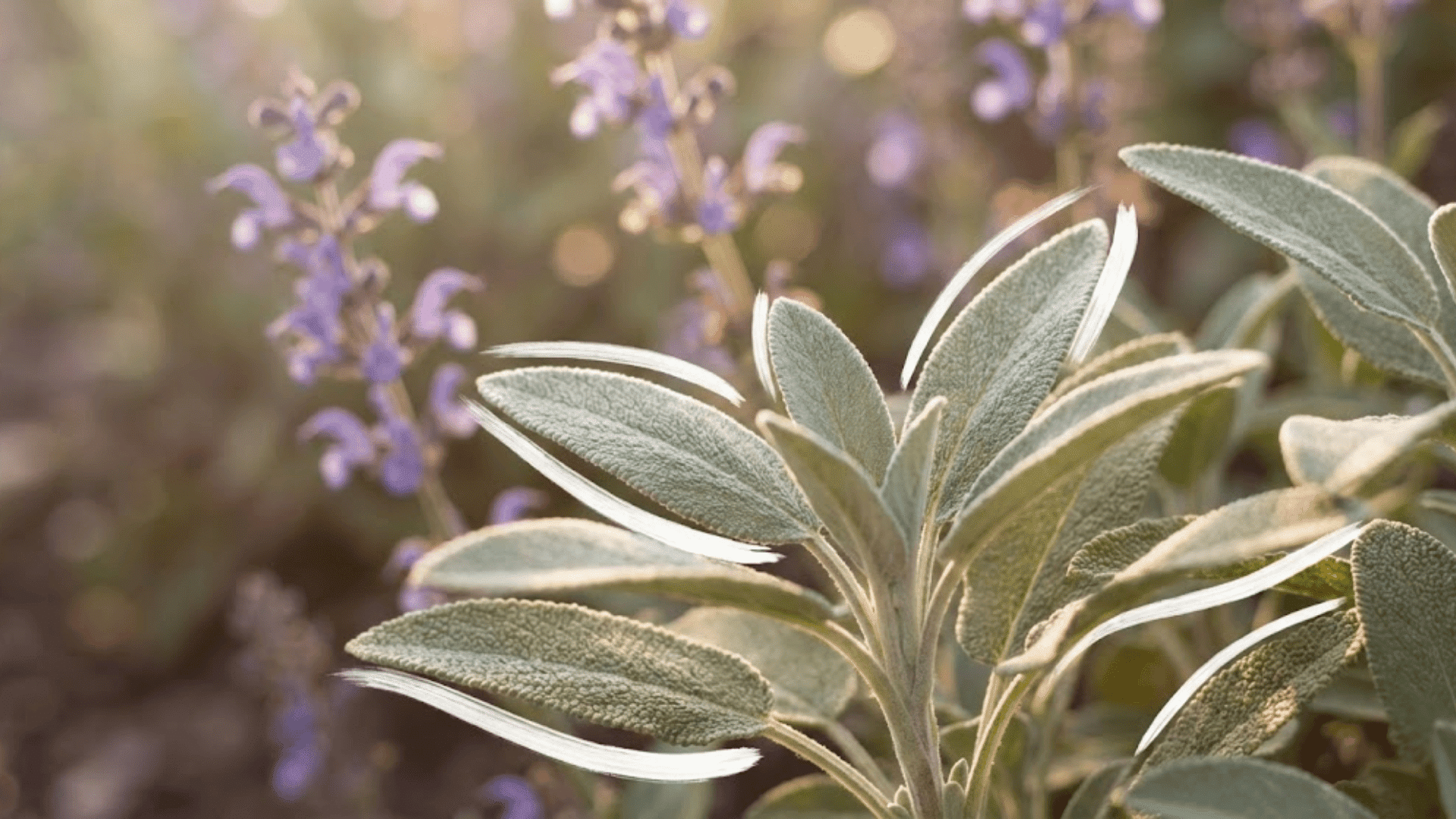
This is the classic kitchen sage you know and love. Common sage features soft, gray-green leaves covered in a fine texture that releases aromatic oils when brushed.
In early summer, it sends up spikes of purple-blue flowers that bees adore. The flavor is robust and slightly peppery, perfect for stuffing, sauces, and butter preparations.
Hardy and low-maintenance, it thrives in well-drained soil and full sun, making it a staple in herb gardens everywhere.
| Hardiness | Exposure | Seasons | Height | Spread | Soil Type |
|---|---|---|---|---|---|
| Zones 4-8 | Full sun | Perennial | 12-18 inches | 18-24 inches | Well-drained, sandy or loamy |
2. Purple Sage (Salvia officinalis ‘Purpurascens’)
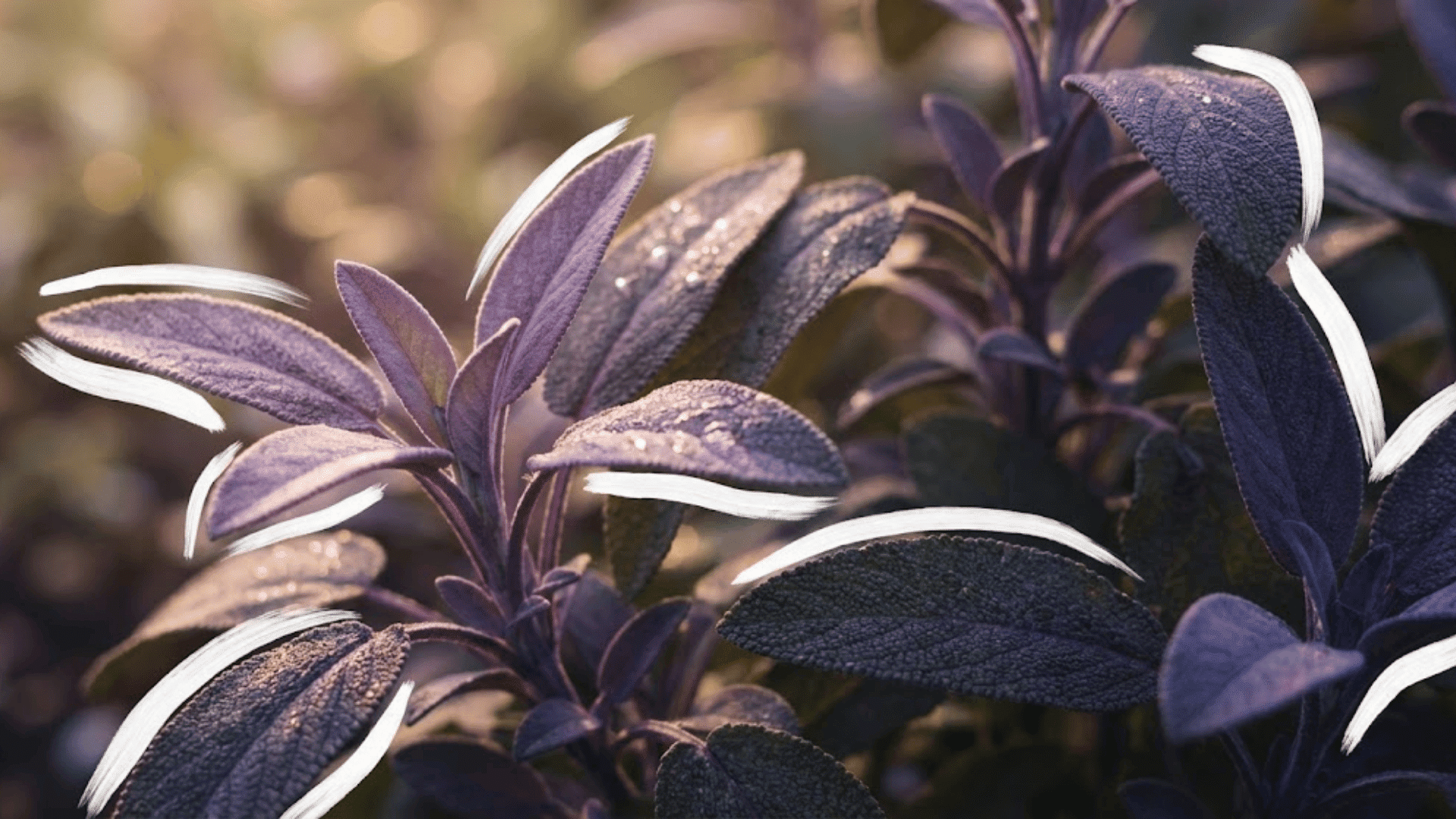
Purple sage stands out with its stunning purple-tinged foliage that deepens in cooler weather. The flavor mirrors common sage but with a slightly milder edge, making it versatile in the kitchen.
Beyond cooking, it adds serious visual interest to garden beds and containers.
New growth emerges in soft purple hues, while mature leaves take on deeper tones. It prefers the same sunny, dry conditions as its green cousin but offers twice the ornamental punch.
| Hardiness | Exposure | Seasons | Height | Spread | Soil Type |
|---|---|---|---|---|---|
| Zones 6-9 | Full sun | Perennial | 12-18 inches | 18-24 inches | Well-drained, sandy or loamy |
3. Golden Sage (Salvia officinalis ‘Aurea’)
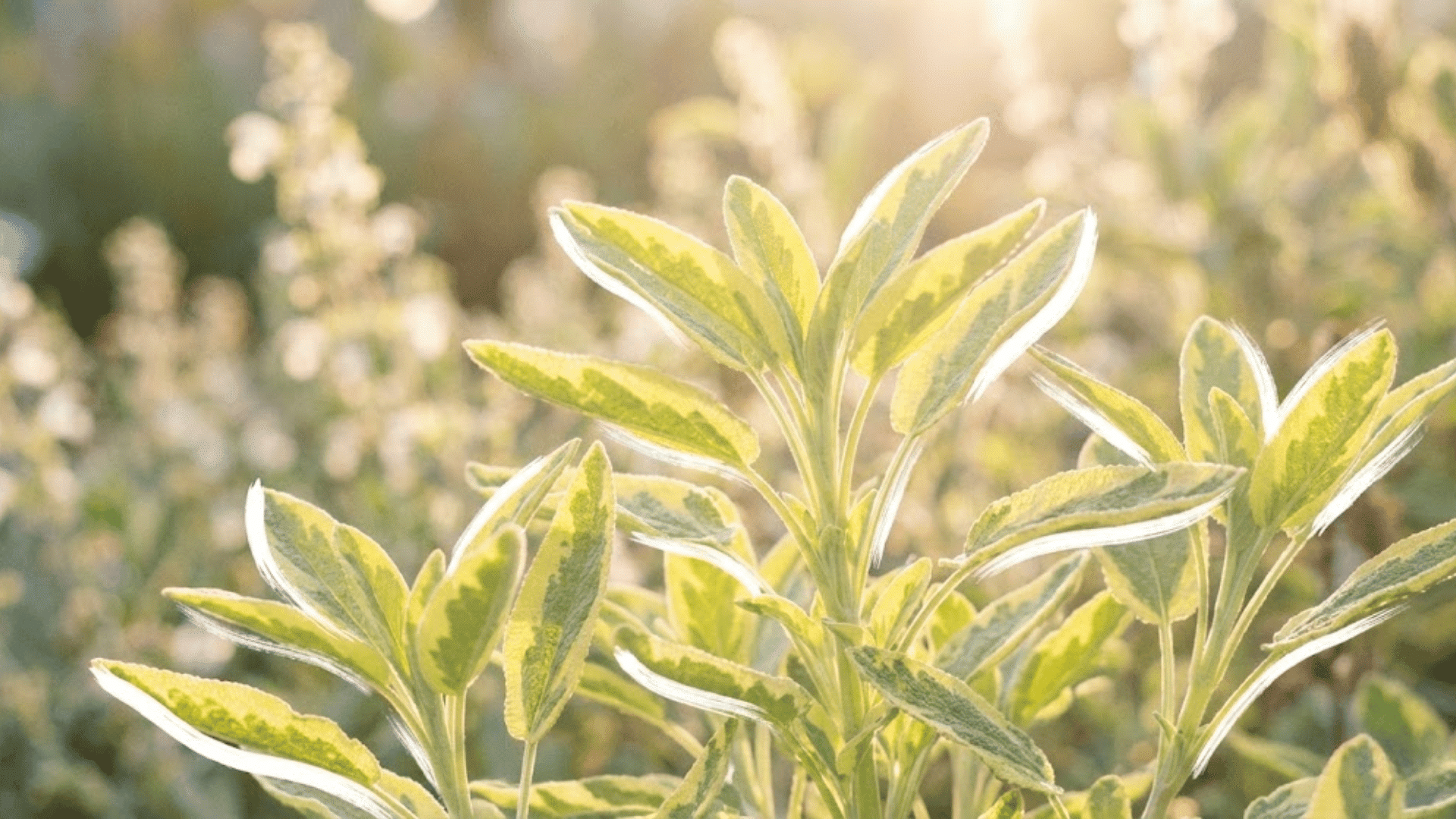
Golden sage lights up the garden with its variegated yellow-green leaves that practically glow in sunlight.
The flavor is slightly milder than common sage, making it ideal for delicate dishes where you want a hint of herbiness without overpowering other ingredients.
It grows a bit more slowly than its green counterpart and appreciates some afternoon shade in hotter climates. Use it in salads, light pasta dishes, or as a gorgeous garnish that actually tastes good.
| Hardiness | Exposure | Seasons | Height | Spread | Soil Type |
|---|---|---|---|---|---|
| Zones 6-9 | Full sun to partial shade | Perennial | 10-15 inches | 15-20 inches | Well-drained, moderately fertile |
4. Tricolor Sage (Salvia officinalis ‘Tricolor’)
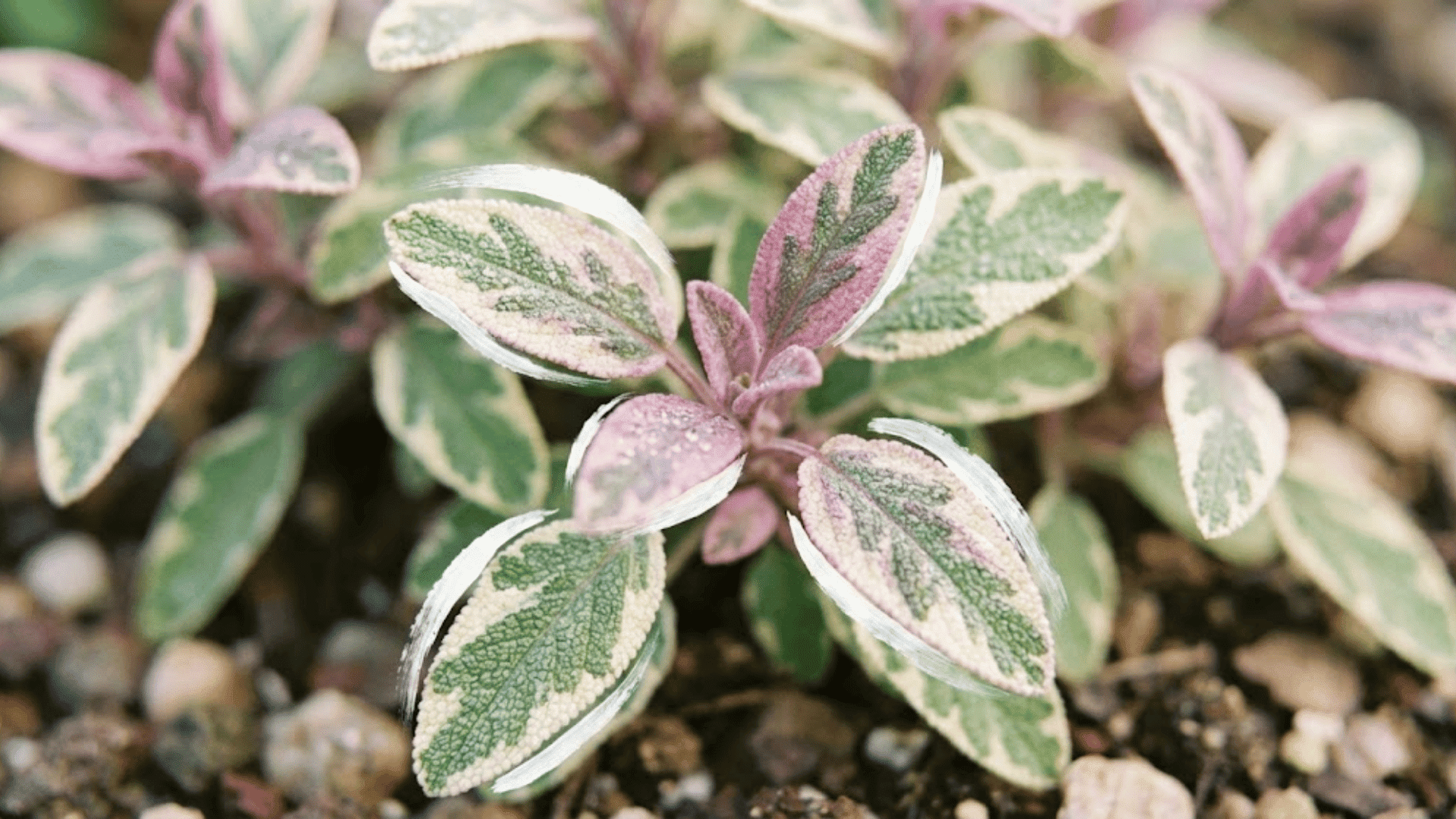
Tricolor sage is the showstopper of the culinary sage world. Its leaves swirl with green, cream, and pink-purple tones that look almost painted on.
While it’s absolutely edible and carries that classic sage flavor, many gardeners grow it purely for its beauty. It’s less cold-hardy than other varieties, so gardeners in chilly zones often treat it as an annual or bring it indoors for winter.
Plant it where you’ll see it often.
| Hardiness | Exposure | Seasons | Height | Spread | Soil Type |
|---|---|---|---|---|---|
| Zones 7-10 | Full sun | Perennial | 12-15 inches | 12-18 inches | Well-drained, slightly alkaline |
5. Berggarten Sage (Salvia officinalis ‘Berggarten’)
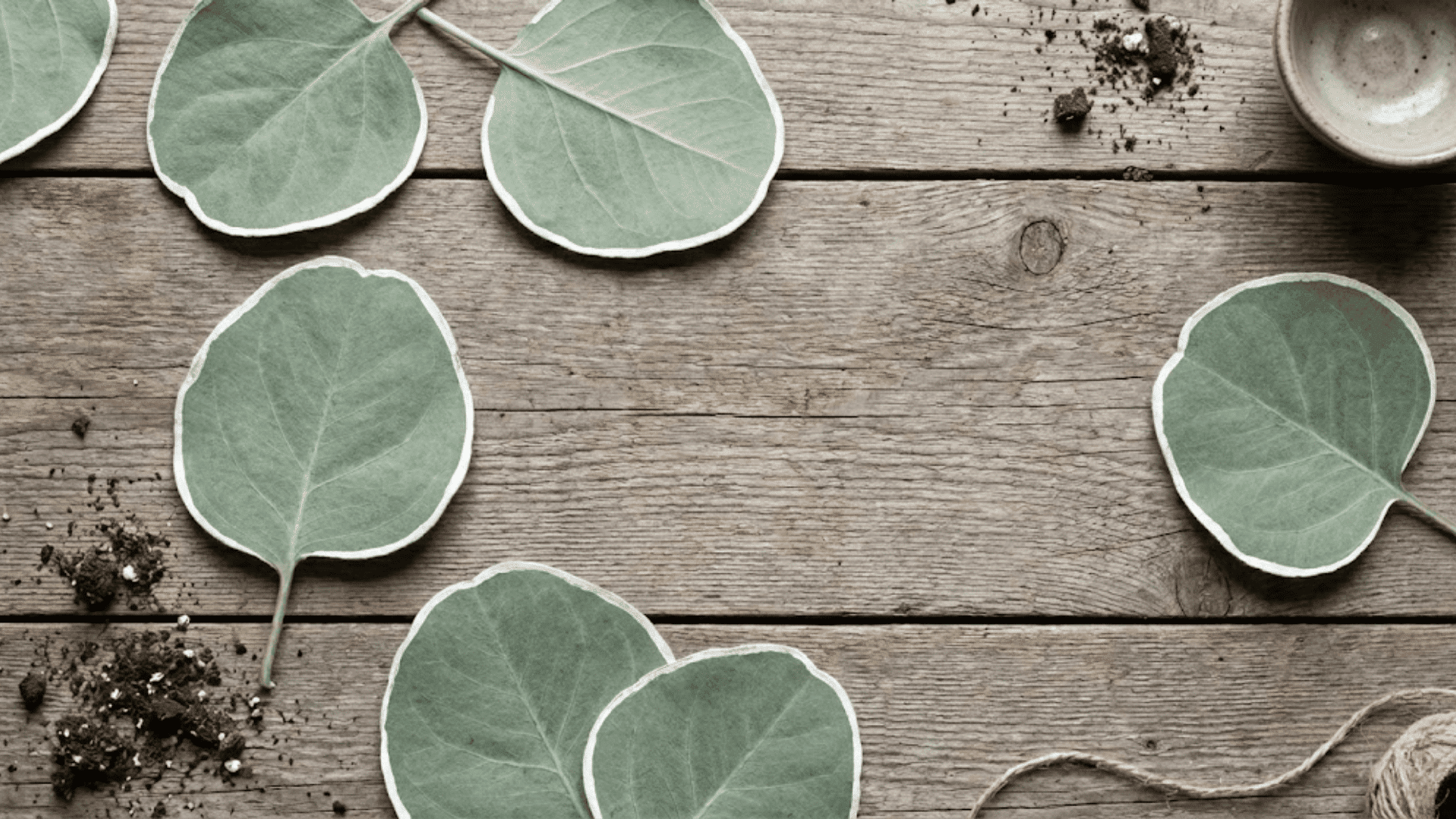
Berggarten sage is a cook’s dream. It produces large, rounded leaves with exceptional flavor that’s less bitter than common sage.
The best part? It rarely flowers, which means all the plant’s energy goes into producing lush, flavorful foliage.
The leaves are broader and more substantial, giving you more herb per harvest. It’s compact and tidy, making it perfect for dedicated herb gardens or mixed borders where you want function and form.
| Hardiness | Exposure | Seasons | Height | Spread | Soil Type |
|---|---|---|---|---|---|
| Zones 5-8 | Full sun | Perennial | 12-18 inches | 24-30 inches | Well-drained, moderately fertile |
6. Dwarf Sage (Salvia officinalis ‘Compacta’)
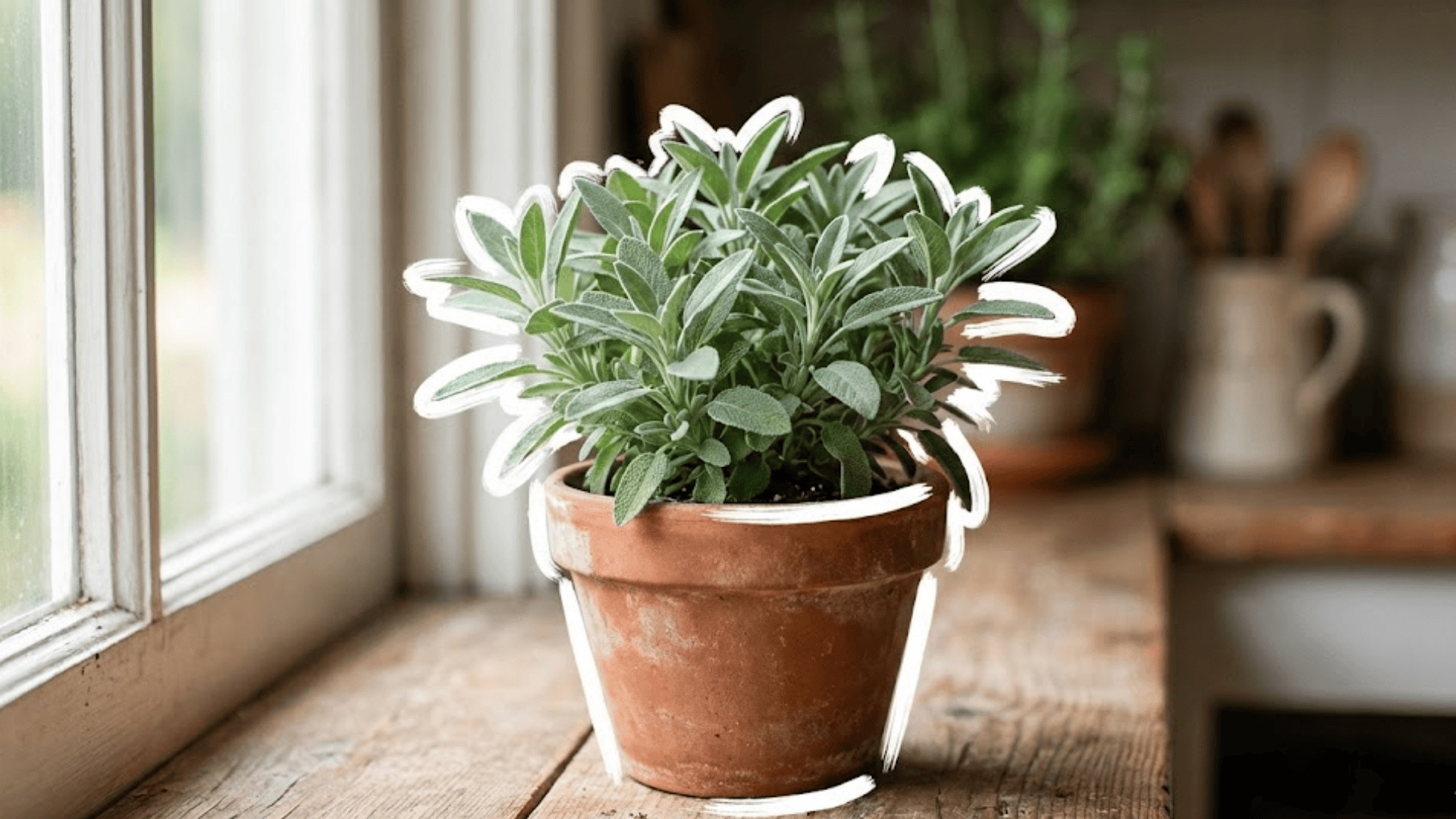
Dwarf sage packs all the flavor of common sage into a petite package. It stays small and bushy, rarely exceeding a foot in height, making it perfect for container gardens, windowsill pots, or edging herb beds.
The compact habit means you can tuck it into tight spaces without sacrificing harvest potential.
Care is straightforward: give it sun, don’t overwater, and snip leaves as needed. It’s ideal for apartment gardeners or anyone working with limited space.
| Hardiness | Exposure | Seasons | Height | Spread | Soil Type |
|---|---|---|---|---|---|
| Zones 5-8 | Full sun | Perennial | 8-12 inches | 12-15 inches | Well-drained, sandy or loamy |
7. Broad-Leaf Sage (Salvia officinalis ‘Broadleaf’)
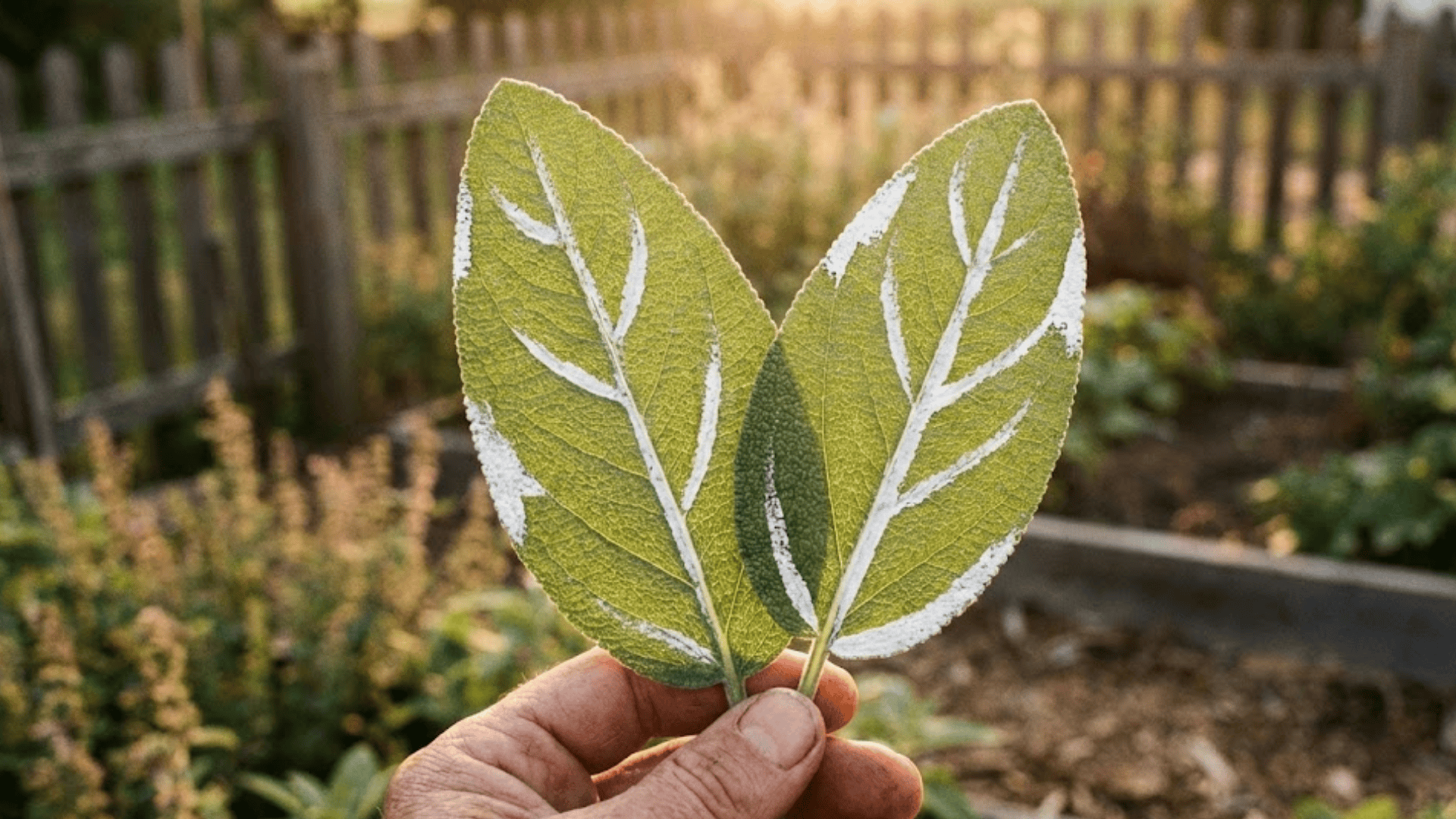
Broad-leaf sage lives up to its name with extra-large leaves that make harvesting a breeze.
The flavor is classic sage, robust and aromatic, with enough leaf surface area to stuff, fry, or chop generously. It grows vigorously and produces abundant foliage, so you’ll have plenty to use fresh and plenty to dry for winter.
The plant itself is upright and bushy, fitting nicely into traditional herb gardens or kitchen borders where you want easy access.
| Hardiness | Exposure | Seasons | Height | Spread | Soil Type |
|---|---|---|---|---|---|
| Zones 5-8 | Full sun | Perennial | 18-24 inches | 18-24 inches | Well-drained, moderately fertile |
Ornamental Sage Varieties
If you’re after color, drama, and pollinator appeal, ornamental sages deliver in spades. These varieties prioritize stunning blooms and striking foliage over culinary uses, though many still carry delightful scents.
Perfect for borders, containers, and wildlife gardens.
8. Russian Sage (Perovskia atriplicifolia)
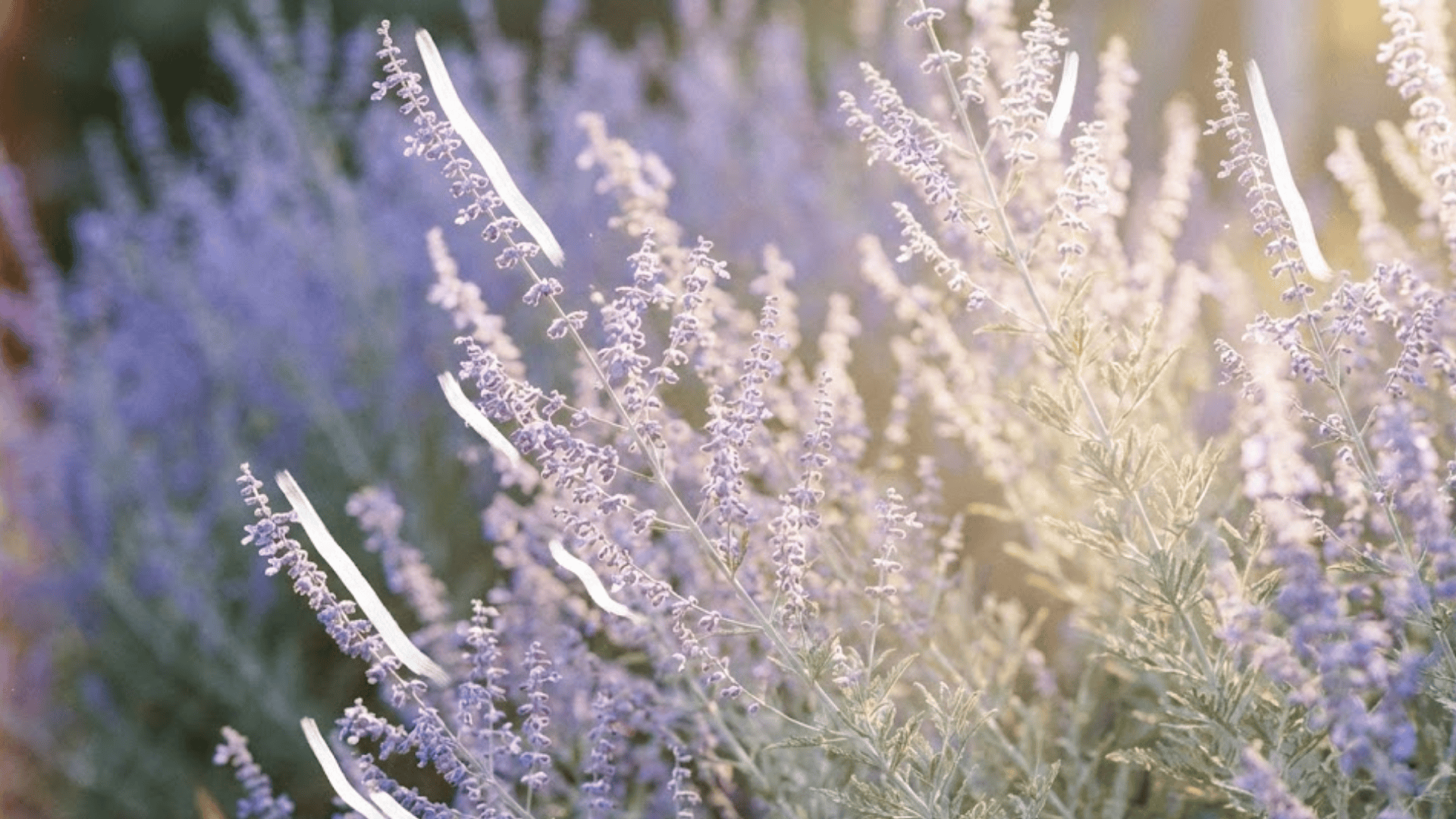
Despite the name, Russian sage isn’t a true sage at all, but it earns its place with tall, airy stems covered in lavender-blue flowers. It blooms for months in summer and fall, creating a soft, misty effect in the landscape.
The silvery foliage is finely cut and aromatic. Incredibly drought-tolerant once established, it thrives in hot, dry conditions where other plants struggle.
Use it as a backdrop in perennial borders or mass plantings for maximum impact.
| Hardiness | Exposure | Seasons | Height | Spread | Soil Type |
|---|---|---|---|---|---|
| Zones 4-9 | Full sun | Perennial | 3-5 feet | 2-4 feet | Well-drained, poor to average |
9. Mexican Bush Sage (Salvia leucantha)
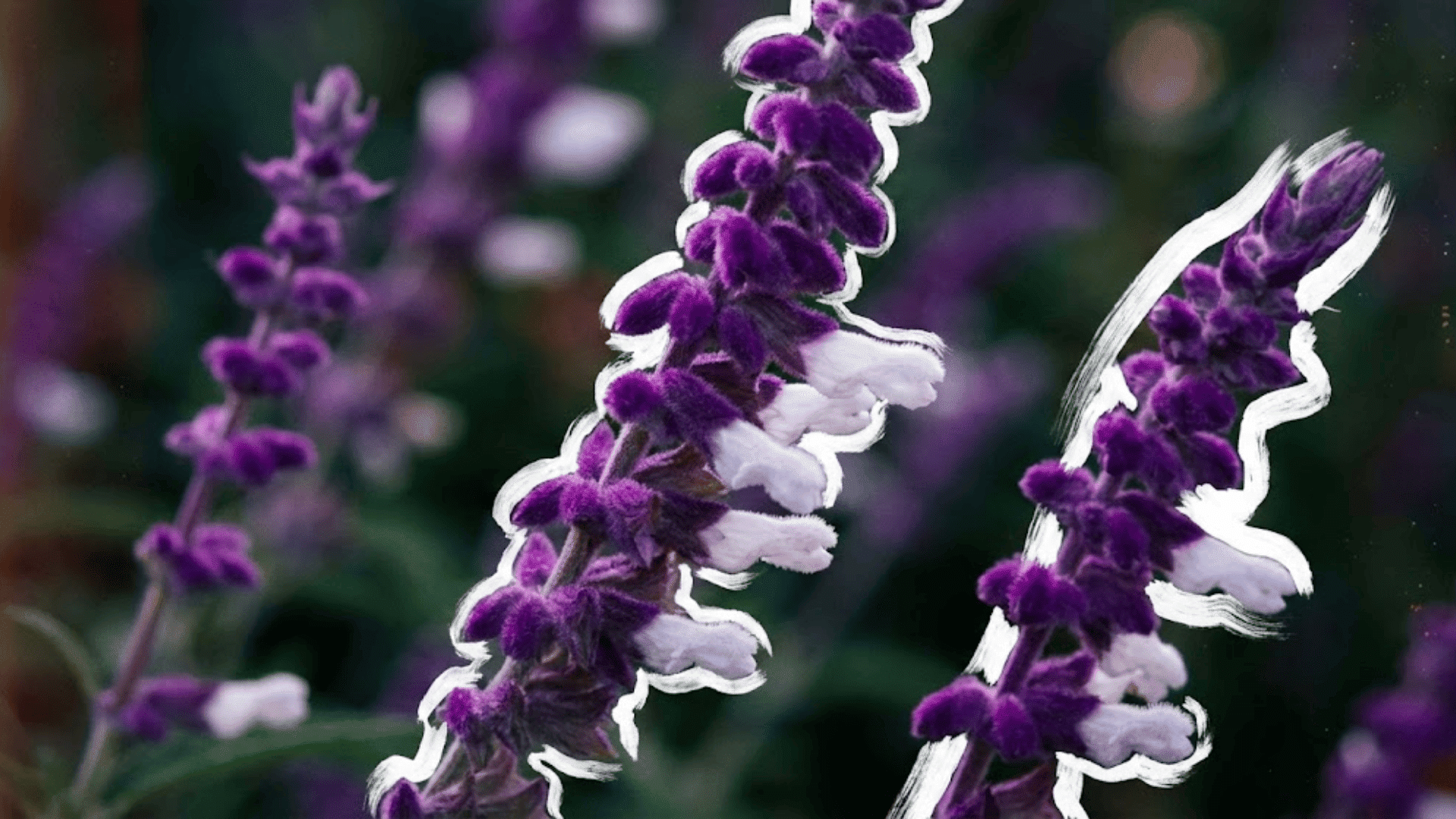
Mexican bush sage puts on a late-season show with velvety purple and white flower spikes that seem to glow at dusk.
The blooms appear in late summer and continue until frost, providing color when many other plants are fading. It loves heat and handles drought beautifully once established.
The fuzzy texture of both flowers and foliage adds tactile interest. In warmer zones, it’s a reliable perennial, while in colder climates, treat it as an annual.
| Hardiness | Exposure | Seasons | Height | Spread | Soil Type |
|---|---|---|---|---|---|
| Zones 8-11 | Full sun | Perennial | 3-4 feet | 3-4 feet | Well-drained, moderately fertile |
10. Pineapple Sage (Salvia elegans)
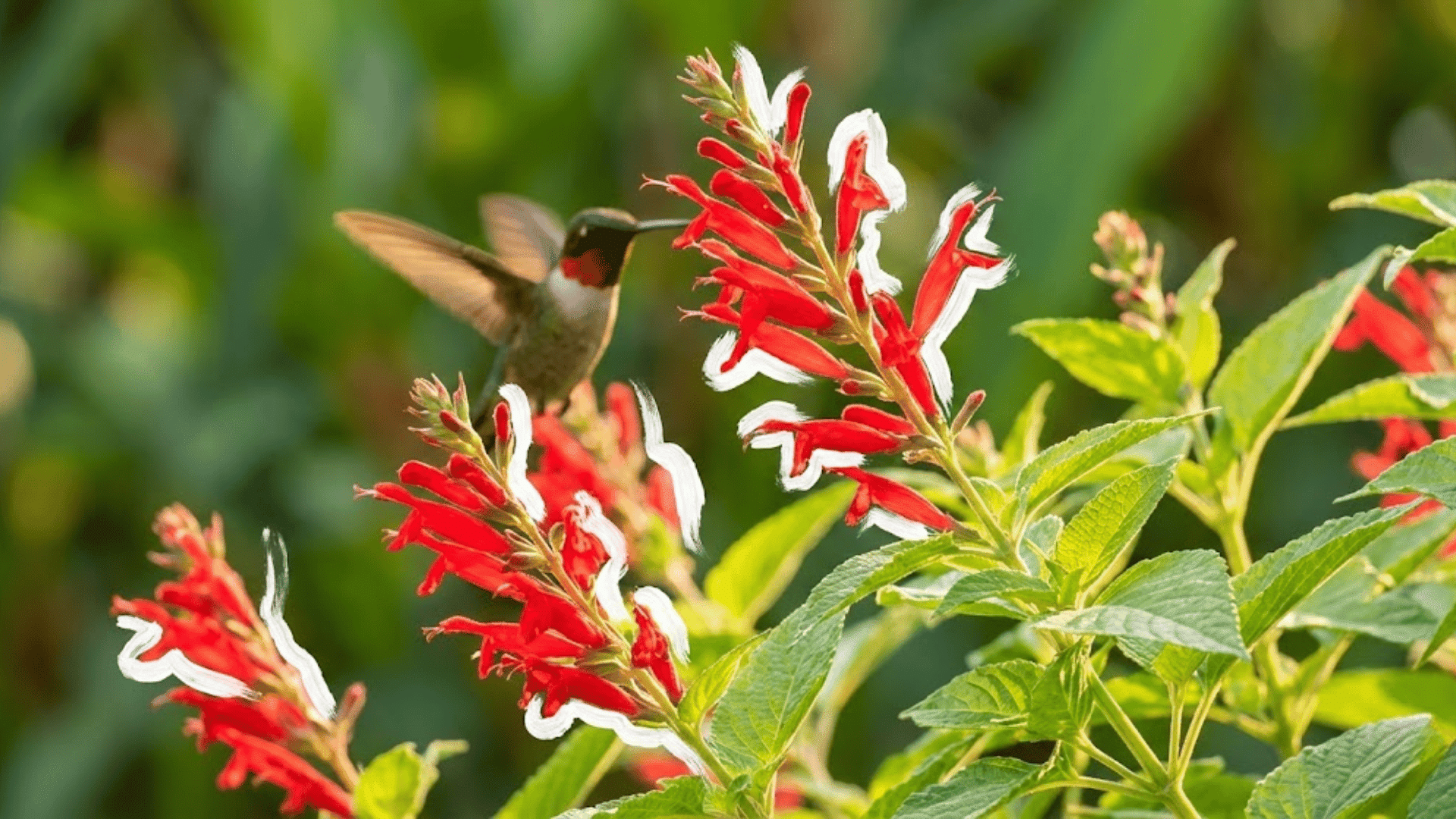
Brush against pineapple sage, and you’ll instantly understand the name. The leaves release a sweet, fruity scent that’s unmistakably tropical.
In fall, bright red tubular flowers appear, drawing hummingbirds by the dozen. The leaves are edible and delicious in teas, fruit salads, and desserts.
It grows quickly into a bushy mound and thrives in warm weather. In colder zones, grow it in a pot and bring it indoors before the first frost.
| Hardiness | Exposure | Seasons | Height | Spread | Soil Type |
|---|---|---|---|---|---|
| Zones 8-11 | Full sun to partial shade | Perennial | 3-5 feet | 2-3 feet | Well-drained, moderately fertile |
11. Autumn Sage (Salvia greggii)
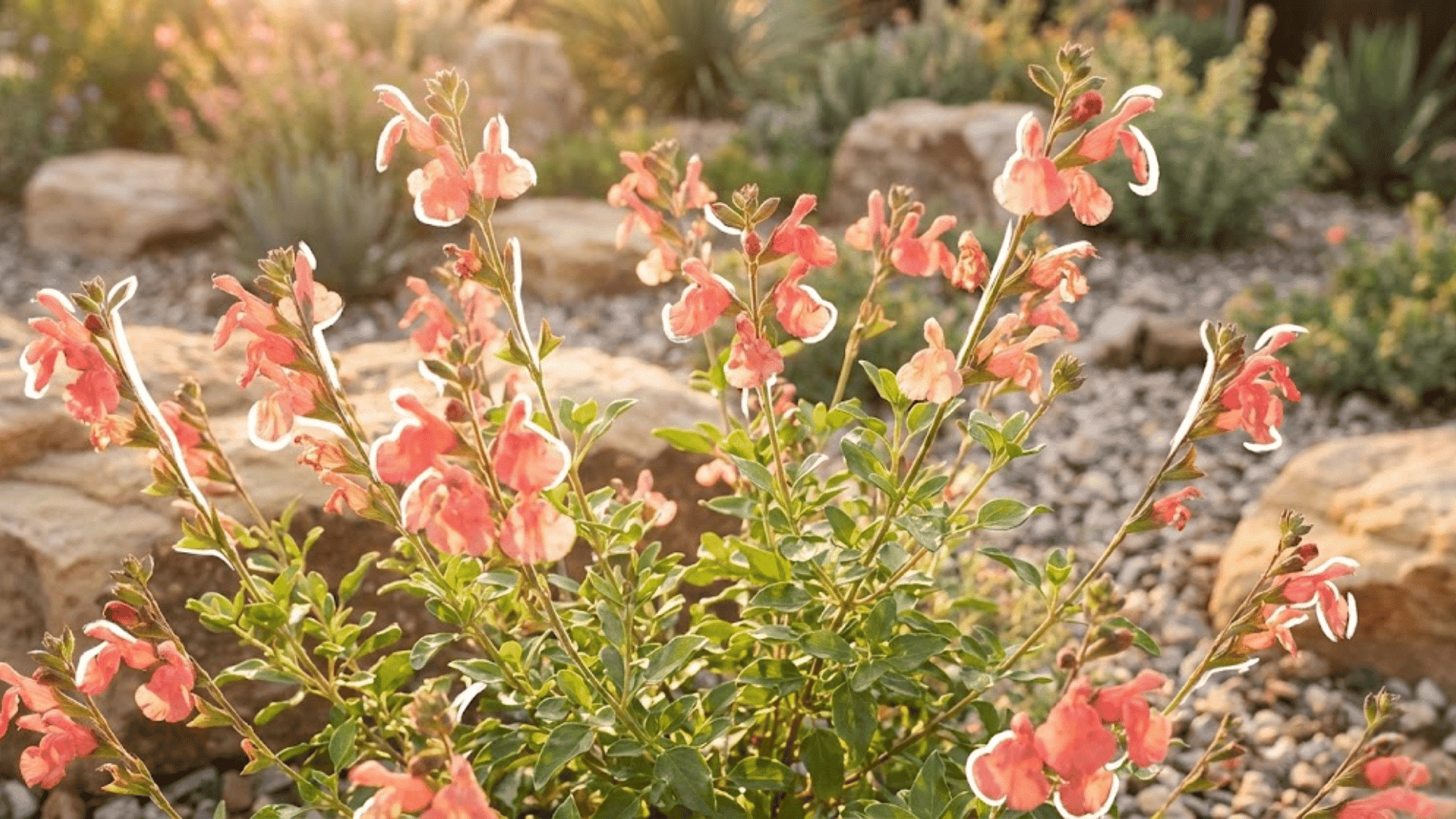
Autumn sage is a compact powerhouse that blooms from spring through fall in colors ranging from coral and pink to white and deep red. Native to Texas and Mexico, it handles heat and drought without missing a beat.
The small, glossy leaves stay evergreen in mild climates. It’s perfect for rock gardens, borders, or anywhere you need reliable color and pollinator activity.
Deadheading encourages continuous blooms, but even without it, this sage keeps going.
| Hardiness | Exposure | Seasons | Height | Spread | Soil Type |
|---|---|---|---|---|---|
| Zones 6-9 | Full sun | Perennial | 2-3 feet | 2-3 feet | Well-drained, rocky or sandy |
12. Cleveland Sage (Salvia clevelandii)
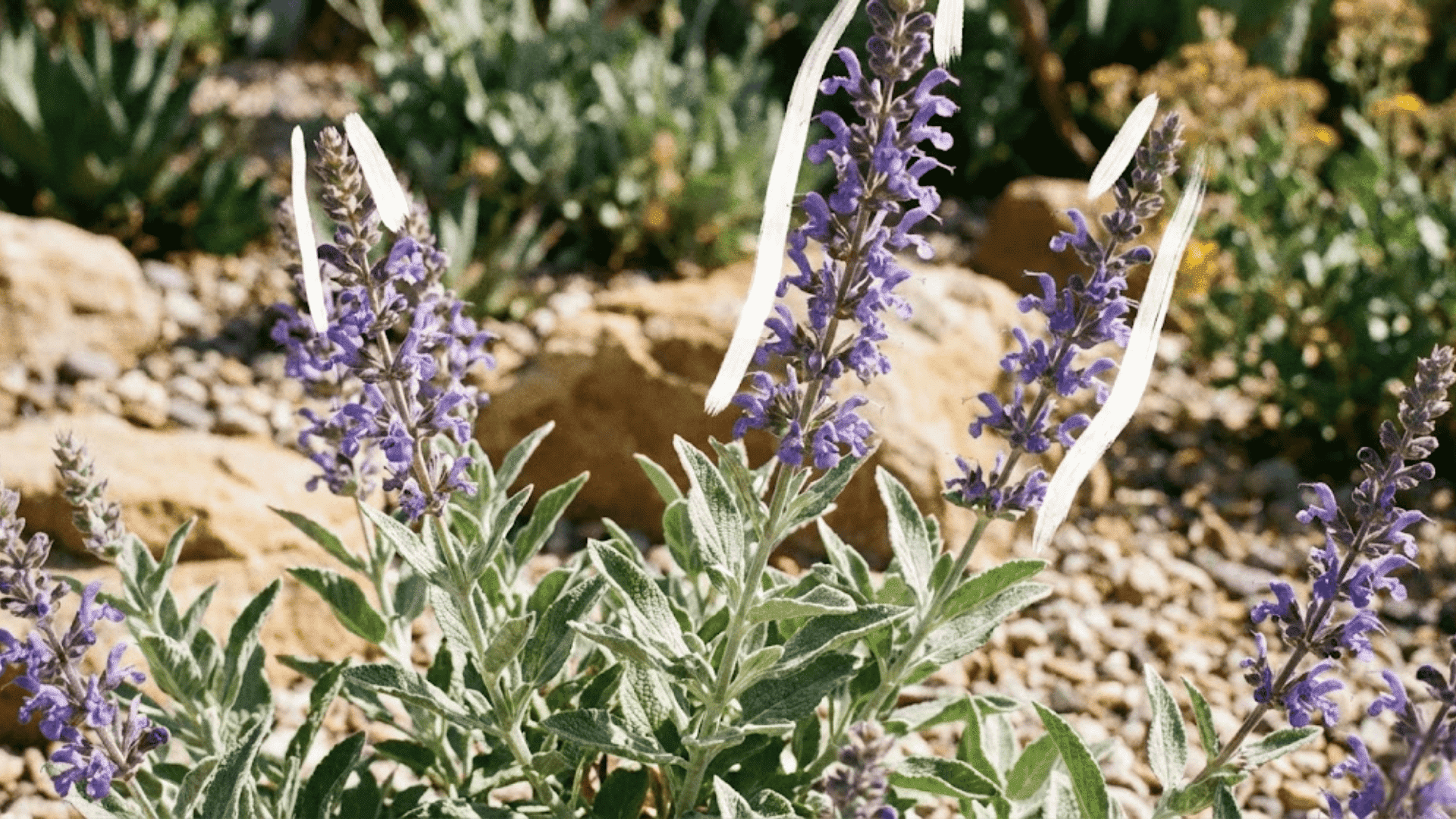
Cleveland sage is a California native with intensely aromatic foliage that perfumes the air on hot days. The scent is complex, almost intoxicating, with hints of lavender and mint.
Blue-purple flowers appear in late spring on tall spikes, attracting native bees and butterflies. It’s a xeriscaping favorite, thriving in dry, rocky soils with minimal water.
The silvery-green leaves look beautiful year-round, making it a landscaping staple in Mediterranean-style gardens.
| Hardiness | Exposure | Seasons | Height | Spread | Soil Type |
|---|---|---|---|---|---|
| Zones 8-10 | Full sun | Perennial | 3-5 feet | 3-5 feet | Well-drained, dry, rocky |
13. Scarlet Sage (Salvia splendens)
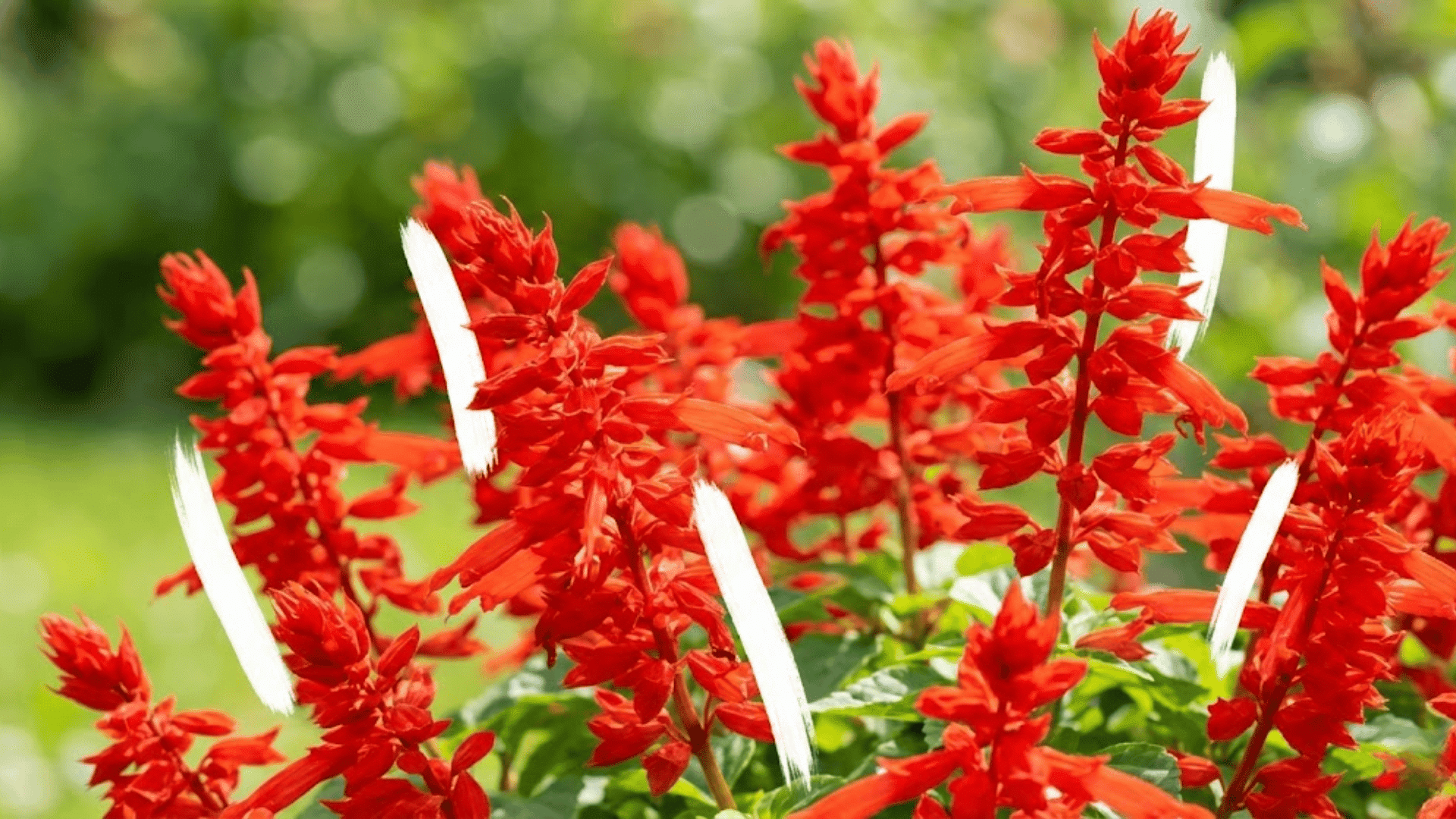
Scarlet sage brings bold, traffic-stopping red to beds and borders. The vibrant flower spikes bloom all summer long, making it a favorite for adding punch to annual displays.
While it’s often grown as an annual, it’s actually a tender perennial in warmer zones. Hummingbirds and butterflies flock to the tubular blooms.
It prefers consistent moisture and rich soil, unlike its drought-tolerant cousins. Plant it in masses for the biggest visual impact.
| Hardiness | Exposure | Seasons | Height | Spread | Soil Type |
|---|---|---|---|---|---|
| Zones 10-11 (annual elsewhere) | Full sun to partial shade | Annual/Perennial | 12-24 inches | 10-12 inches | Moist, well-drained, fertile |
14. May Night Sage (Salvia nemorosa ‘May Night’)
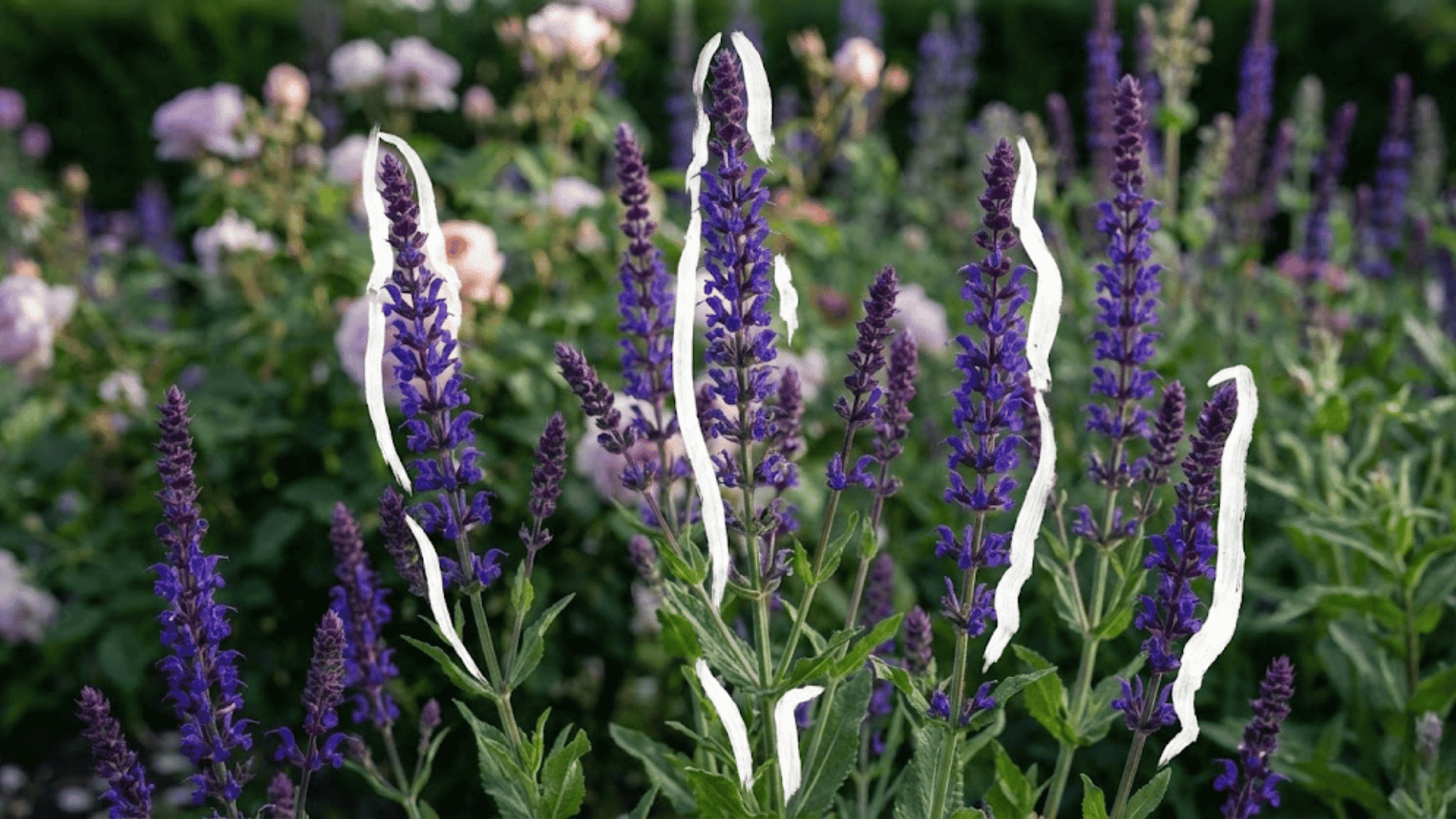
May Night sage is an award-winning perennial with deep violet-blue flower spikes that command attention. It blooms heavily in late spring and early summer, then often rebounds for a second flush if deadheaded.
The upright habit and long-lasting blooms make it perfect for borders and cut flower arrangements. It’s tougher than it looks, handling cold winters and hot summers with ease.
Pair it with roses, catmint, or ornamental grasses for stunning combinations.
| Hardiness | Exposure | Seasons | Height | Spread | Soil Type |
|---|---|---|---|---|---|
| Zones 4-8 | Full sun | Perennial | 18-24 inches | 12-18 inches | Well-drained, moderately fertile |
15. Victoria Blue Sage (Salvia farinacea ‘Victoria Blue’)
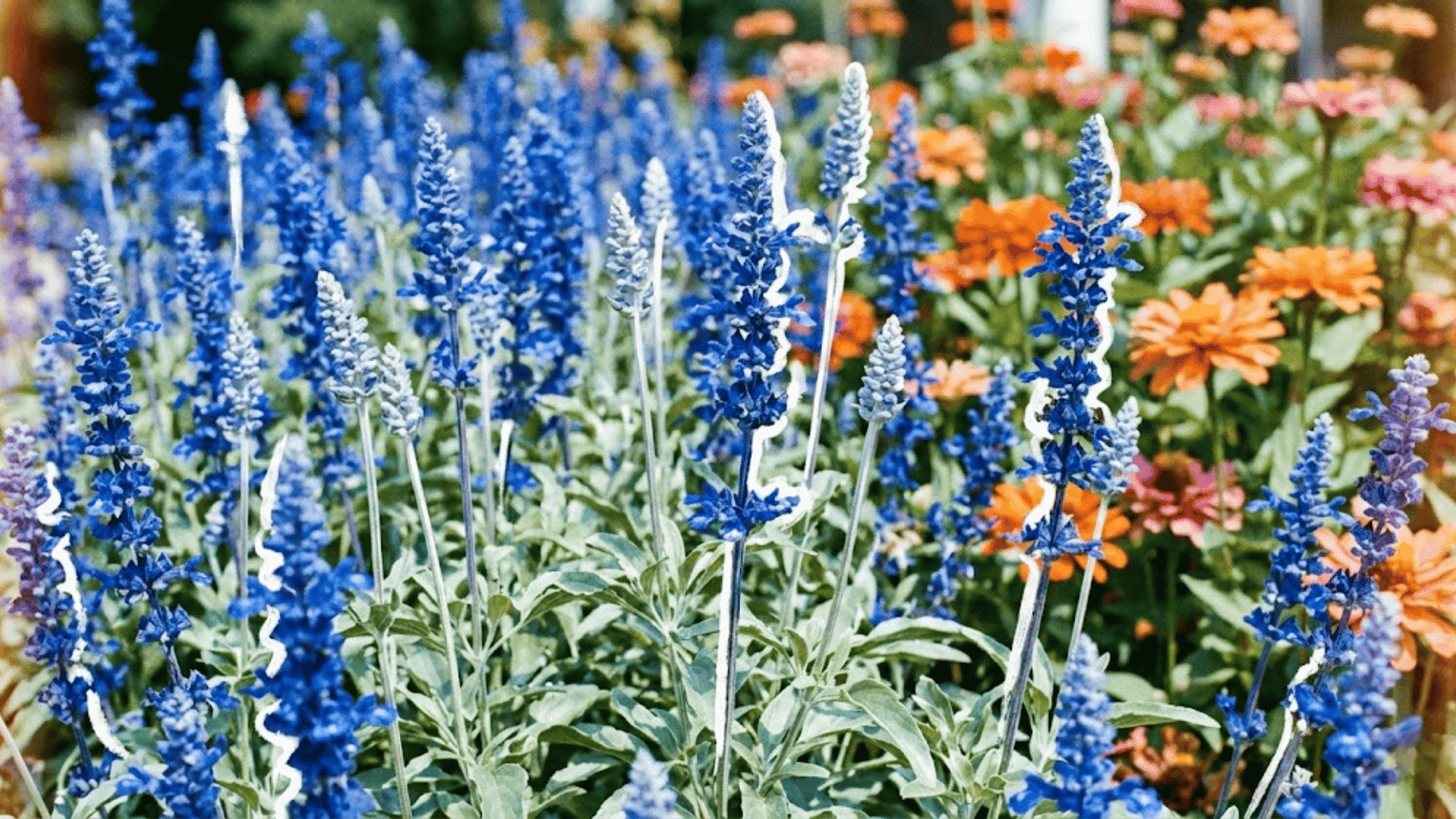
Victoria Blue sage produces striking blue flower spikes that rise above silvery foliage all summer long. It’s heat-tolerant and performs beautifully even in sweltering conditions.
While often grown as an annual, it’s actually a tender perennial in mild climates. The long-stemmed blooms make excellent cut flowers, lasting well in arrangements.
Mass plantings create a sea of blue that pairs beautifully with warm-toned flowers like zinnias and marigolds.
| Hardiness | Exposure | Seasons | Height | Spread | Soil Type |
|---|---|---|---|---|---|
| Zones 8-10 (annual elsewhere) | Full sun | Annual/Perennial | 18-24 inches | 12-18 inches | Well-drained, moderately fertile |
16. Hot Lips Sage (Salvia microphylla ‘Hot Lips’)
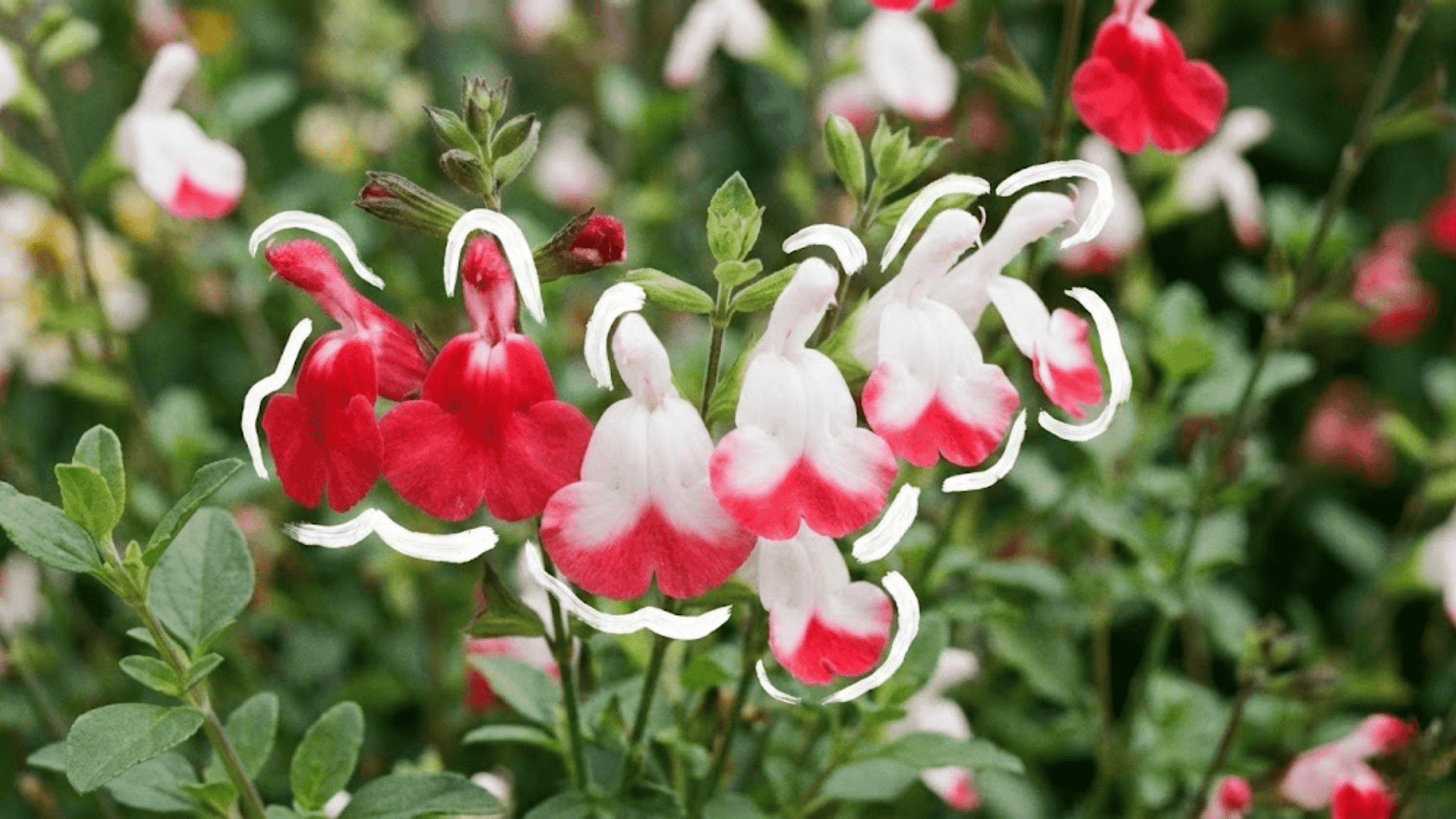
Hot Lips sage is famous for its bicolor flowers that shift between solid red, solid white, and red-and-white combinations depending on temperature.
Cooler weather brings out the bicolor pattern, while heat produces more solid colors. It blooms nearly year-round in mild climates and has a compact, bushy habit.
The small, aromatic leaves add to its charm. It’s low-maintenance and drought-tolerant once established, making it perfect for casual cottage gardens.
| Hardiness | Exposure | Seasons | Height | Spread | Soil Type |
|---|---|---|---|---|---|
| Zones 7-10 | Full sun to partial shade | Perennial | 2-3 feet | 2-3 feet | Well-drained, moderately fertile |
17. Black and Blue Sage (Salvia guaranitica ‘Black and Blue’)
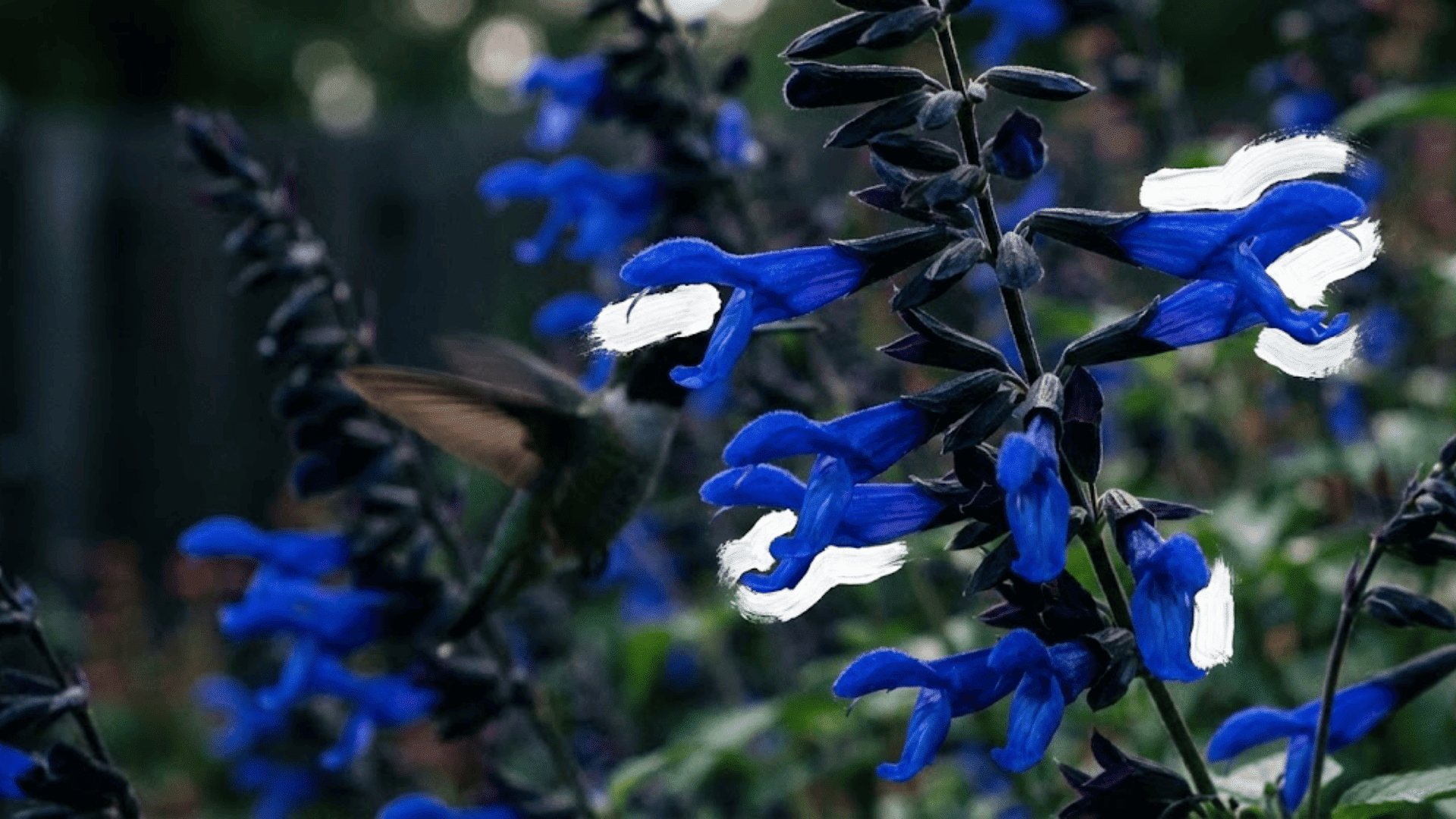
Black and Blue sage makes a statement with deep cobalt-blue flowers emerging from nearly black calyces.
The contrast is striking, and the blooms are large, creating serious drama in the garden. It grows tall and bushy, making it ideal as a backdrop or specimen plant.
Hummingbirds are obsessed with it, visiting constantly throughout the blooming season. It prefers regular water and rich soil, thriving in slightly more pampered conditions than desert sages.
| Hardiness | Exposure | Seasons | Height | Spread | Soil Type |
|---|---|---|---|---|---|
| Zones 7-10 | Full sun to partial shade | Perennial | 4-6 feet | 2-3 feet | Moist, well-drained, fertile |
18. Mealy Cup Sage (Salvia farinacea)
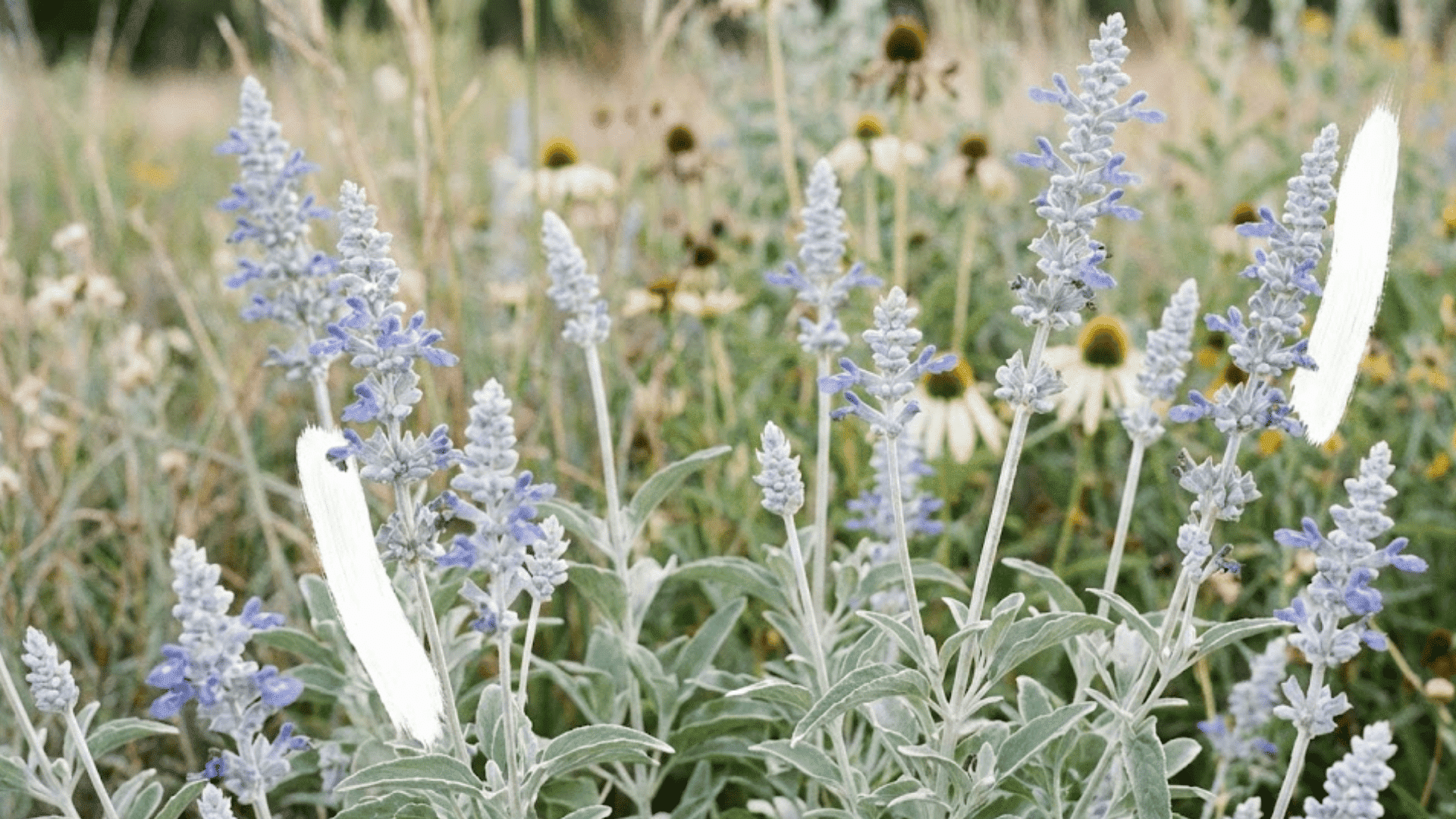
Mealy cup sage gets its name from the powdery white coating on its stems and calyces.
The powder-blue flowers rise in neat spikes above gray-green foliage. It handles both heat and humidity remarkably well, making it reliable in challenging climates.
Native to Texas and Mexico, it’s drought-resistant once established but appreciates occasional deep watering. The blooms attract butterflies and make lovely additions to fresh or dried arrangements.
| Hardiness | Exposure | Seasons | Height | Spread | Soil Type |
|---|---|---|---|---|---|
| Zones 8-10 (annual elsewhere) | Full sun | Annual/Perennial | 18-30 inches | 12-18 inches | Well-drained, moderately fertile |
19. Cedar Sage (Salvia roemeriana)
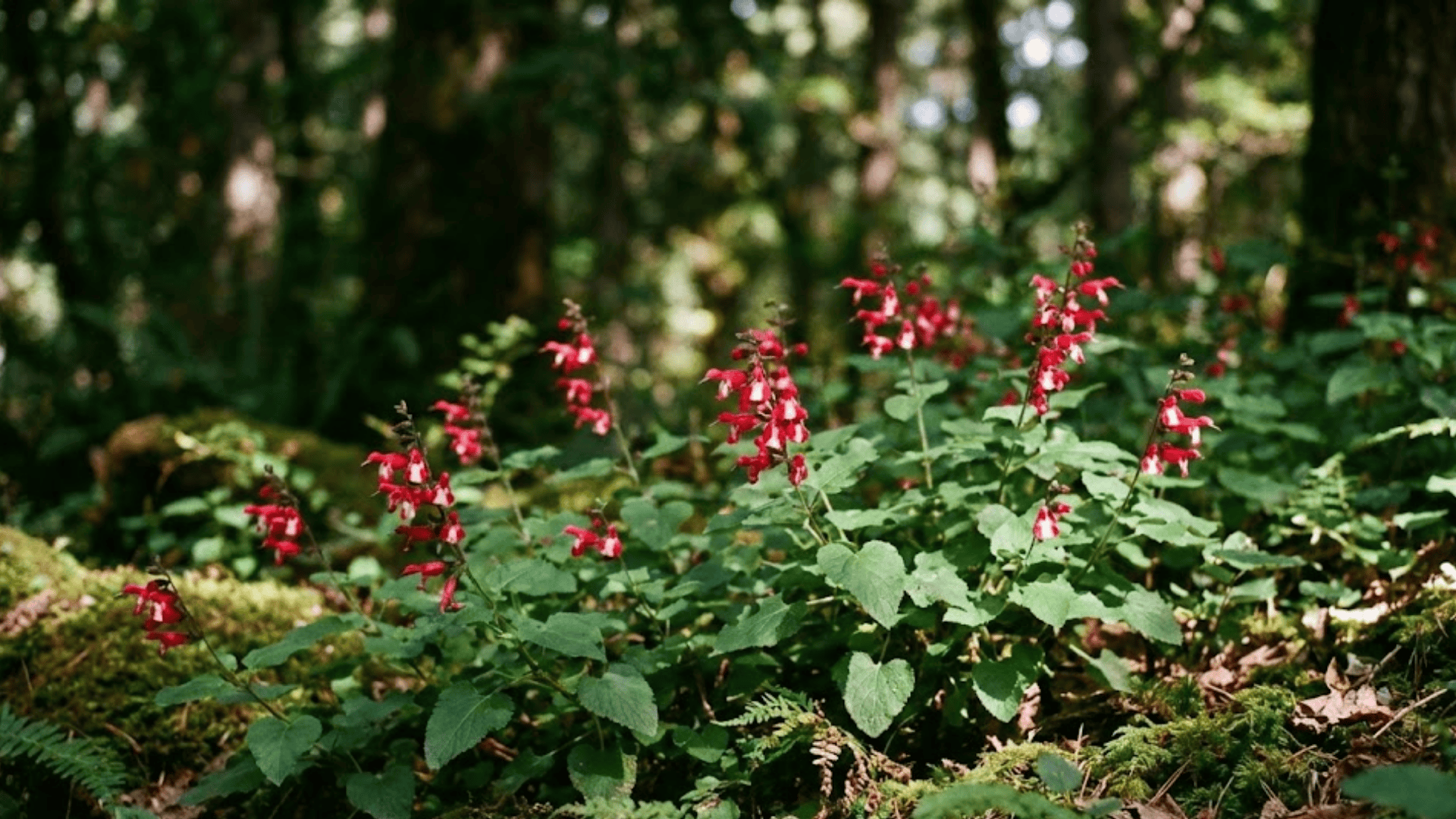
Cedar sage is a Texas native wildflower that thrives in the shade, unlike most of its sun-loving relatives.
Cherry-red flowers appear in spring and sporadically through summer, adding pops of color to woodland settings. It spreads gently by underground runners, creating drifts over time.
The foliage is semi-evergreen in mild climates. Plant it under trees, along shaded paths, or in naturalistic woodland gardens where it can spread freely.
| Hardiness | Exposure | Seasons | Height | Spread | Soil Type |
|---|---|---|---|---|---|
| Zones 7-9 | Partial to full shade | Perennial | 12-18 inches | 18-24 inches | Well-drained, humus-rich |
20. Forsythia Sage (Salvia madrensis)
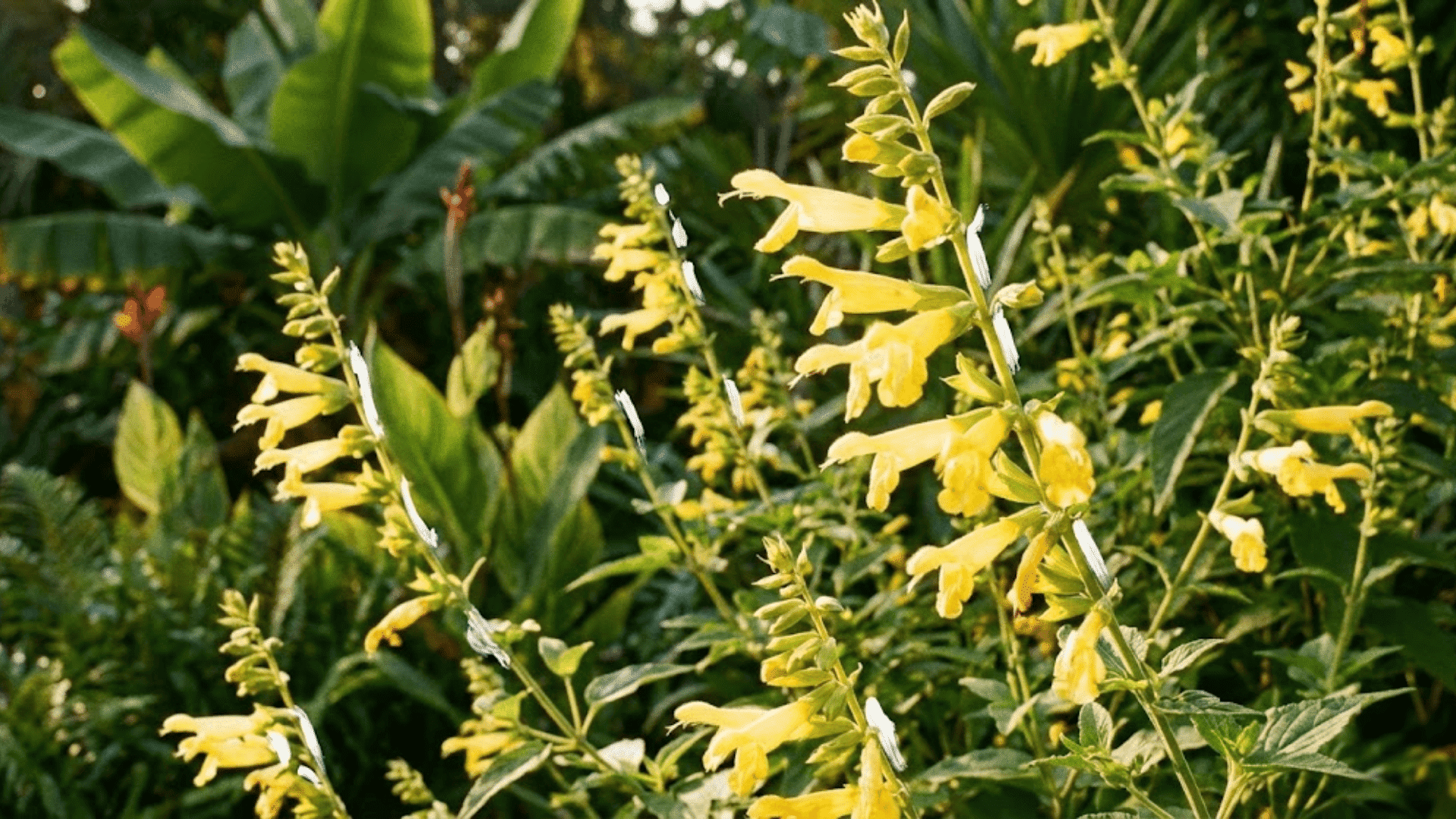
Forsythia sage is a showstopper with large, butter-yellow flowers that appear in late summer and fall.
The blooms are substantial, nearly two inches long, creating a tropical look that’s rare among sages. It grows tall and shrubby, making it perfect for the back of borders or as a specimen plant.
The foliage is lush and green, adding to its exotic vibe. It needs more water than desert sages but rewards you with months of sunny blooms.
| Hardiness | Exposure | Seasons | Height | Spread | Soil Type |
|---|---|---|---|---|---|
| Zones 8-10 | Full sun to partial shade | Perennial | 4-6 feet | 3-4 feet | Moist, well-drained, fertile |
21. Bog Sage (Salvia uliginosa)
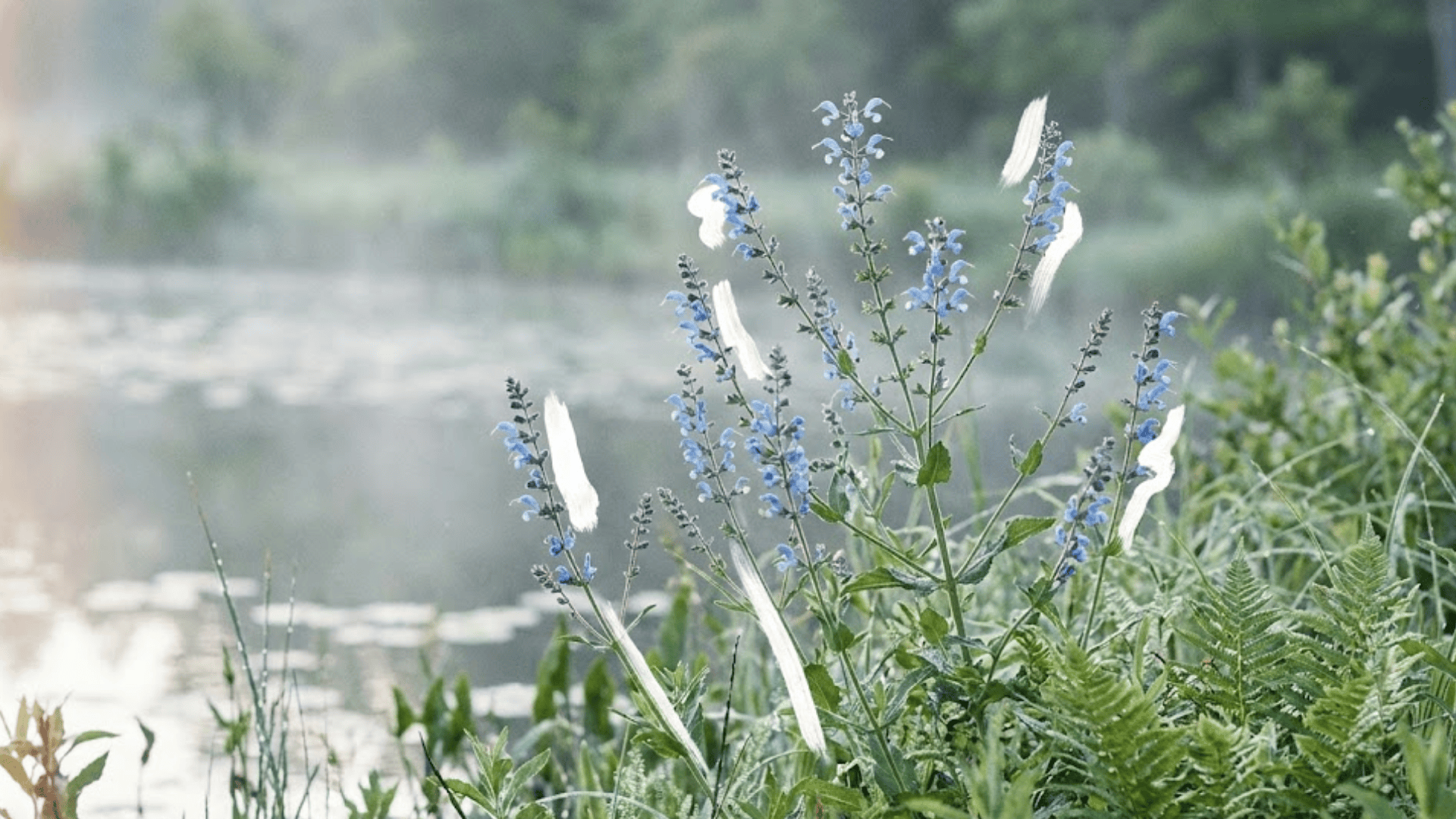
Bog sage breaks the mold by preferring moist conditions, making it perfect for bog gardens, pond edges, or anywhere the soil stays consistently damp.
Sky-blue flowers appear on tall, branching stems in late summer. It spreads enthusiastically by underground rhizomes, so give it space or contain it.
The light blue blooms have an airy, delicate quality that contrasts beautifully with bolder perennials. It’s one of the few sages that actually likes wet feet.
| Hardiness | Exposure | Seasons | Height | Spread | Soil Type |
|---|---|---|---|---|---|
| Zones 7-10 | Full sun to partial shade | Perennial | 4-6 feet | 2-3 feet (spreads) | Moist to wet, fertile |
22. Gentian Sage (Salvia patens)
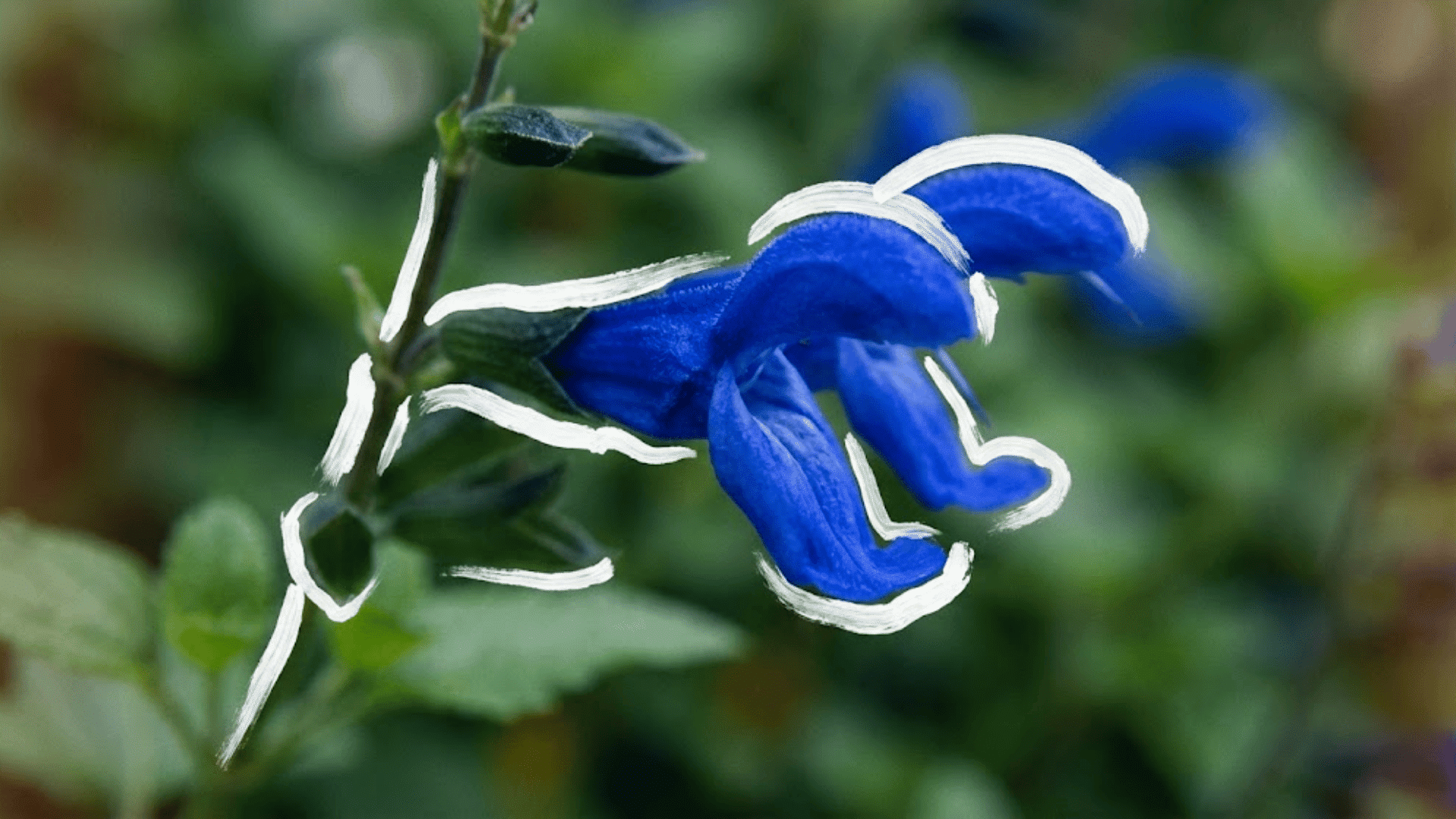
Gentian sage produces some of the truest blue flowers you’ll find in the plant world.
The blooms are large and tubular with a hooded upper lip, creating an almost exotic look. It’s a tender perennial that needs protection in colder climates but rewards you with stunning color.
The plant itself is relatively short and bushy. It can be finicky, preferring well-drained soil and consistent moisture without being waterlogged. When it’s happy, the blue is absolutely worth the effort.
| Hardiness | Exposure | Seasons | Height | Spread | Soil Type |
|---|---|---|---|---|---|
| Zones 8-10 | Full sun to partial shade | Perennial | 18-24 inches | 12-18 inches | Well-drained, moderately fertile |
Medicinal and Aromatic Sage Varieties
Some sages have been used for centuries in traditional medicine and aromatherapy.
These varieties offer powerful scents and therapeutic properties alongside their ornamental qualities. Many are still used today in teas, essential oils, and holistic practices.
23. White Sage (Salvia apiana)
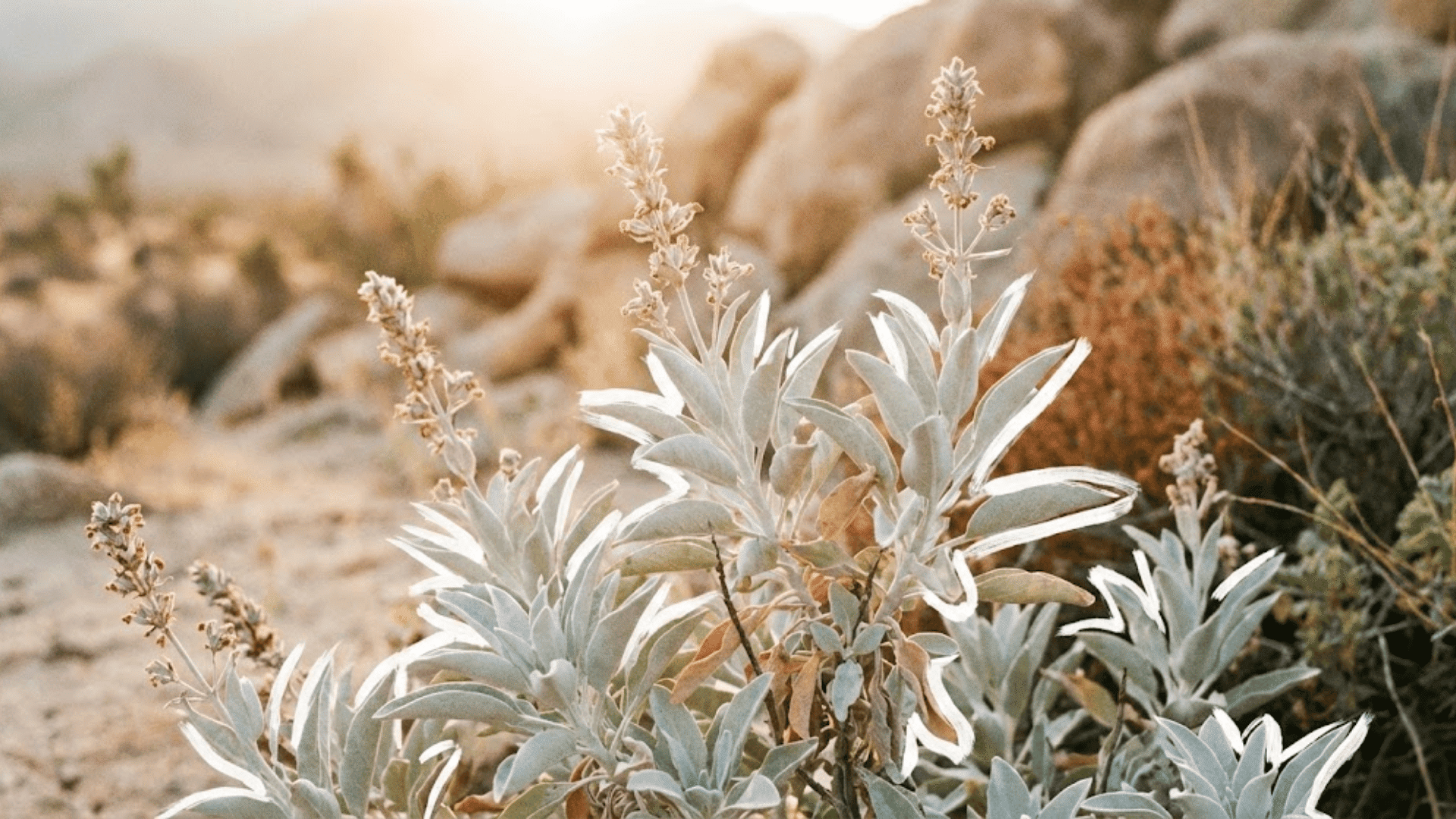
White sage is sacred in many Native American traditions, used in smudging ceremonies for spiritual cleansing.
The silvery-white foliage is intensely aromatic with a sharp, resinous scent. Native to California and the Southwest, it thrives in hot, dry conditions.
Conservation is important here, as wild populations have been over-harvested. If you’re growing it, do so respectfully and consider purchasing from ethical sources rather than wild-harvesting.
| Hardiness | Exposure | Seasons | Height | Spread | Soil Type |
|---|---|---|---|---|---|
| Zones 8-10 | Full sun | Perennial | 2-3 feet | 2-3 feet | Well-drained, dry, rocky |
24. Clary Sage (Salvia sclarea)
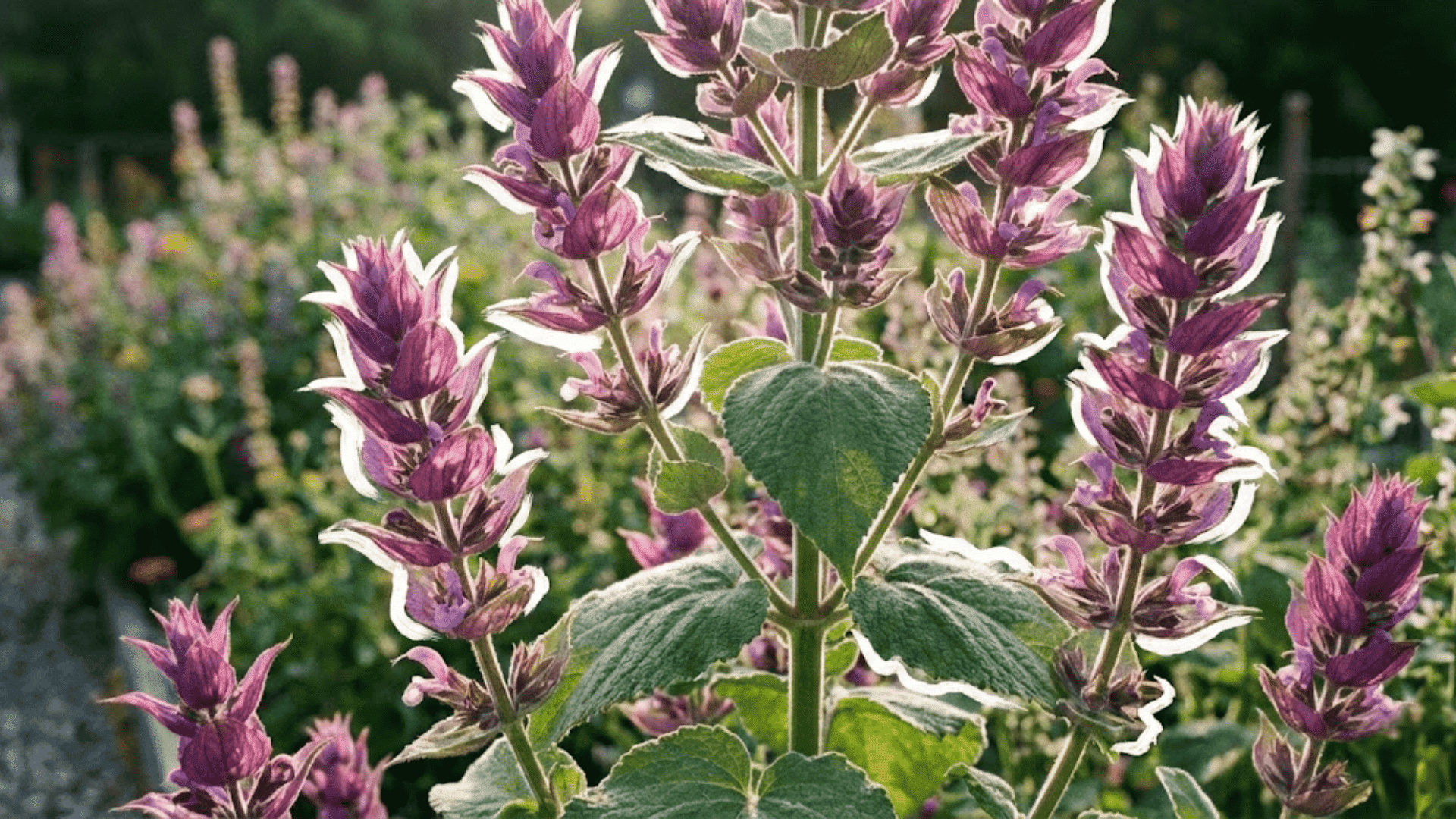
Clary sage is a biennial grown for its essential oil, which is prized in aromatherapy for calming and hormone-balancing properties.
The plant produces large, showy flower bracts in shades of pink, purple, and white. The leaves are fuzzy and powerfully aromatic. It grows tall and dramatic in its second year before going to seed.
Beyond its medicinal uses, it’s ornamental enough to earn a spot in flower borders purely for its looks.
| Hardiness | Exposure | Seasons | Height | Spread | Soil Type |
|---|---|---|---|---|---|
| Zones 5-9 | Full sun | Biennial | 3-4 feet | 12-18 inches | Well-drained, moderately fertile |
25. Greek Sage (Salvia fruticosa/triloba)
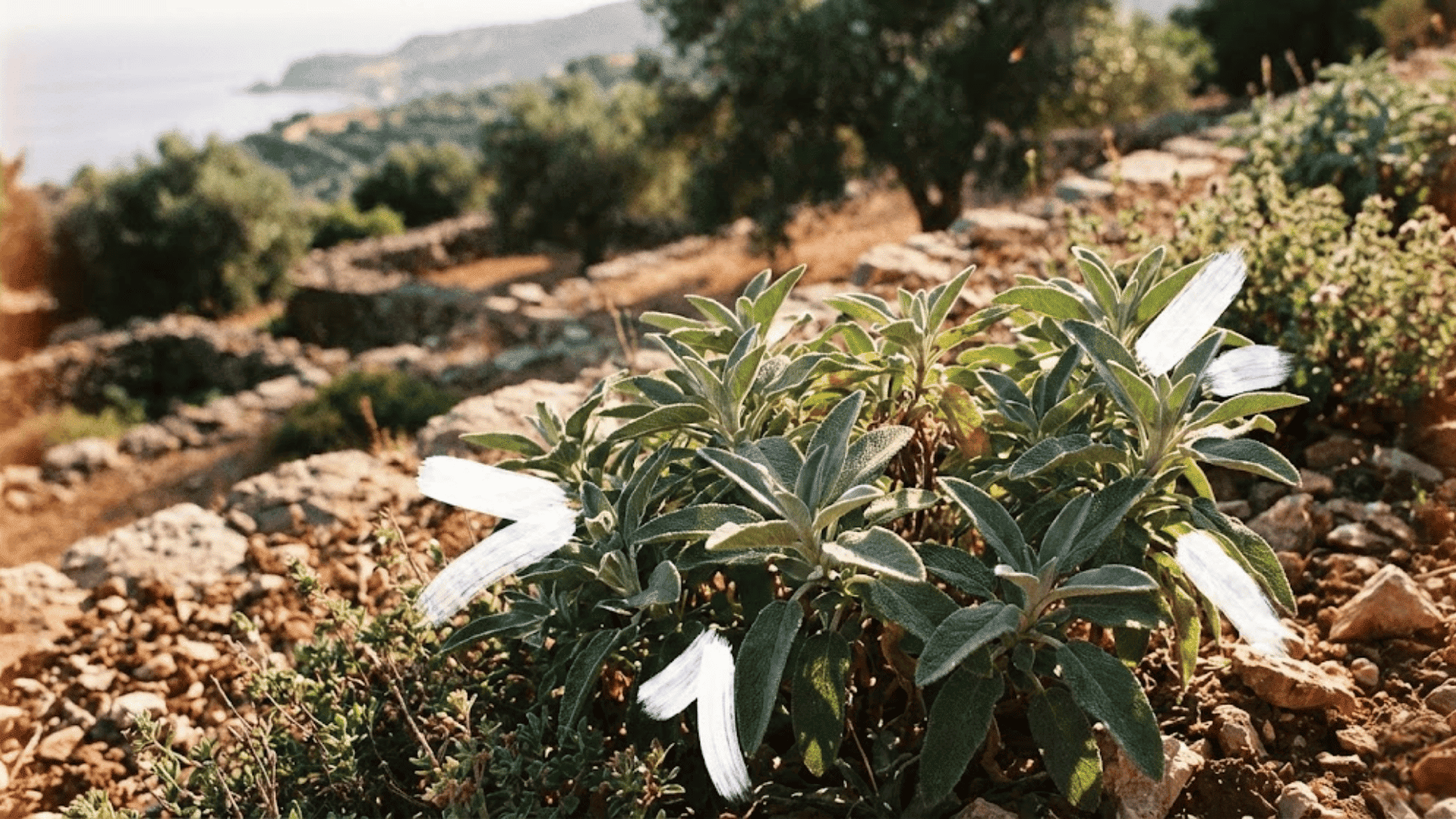
Greek sage has been used for centuries in Mediterranean traditional medicine, particularly as a tea for digestive and respiratory issues.
The leaves are gray-green and deeply aromatic. It’s closely related to common sage but has a more intense, slightly camphorous scent.
The flavor is stronger, too, making it popular in Greek cooking. It’s drought-tolerant and thrives in rocky, poor soils similar to its native hillside habitats.
| Hardiness | Exposure | Seasons | Height | Spread | Soil Type |
|---|---|---|---|---|---|
| Zones 8-10 | Full sun | Perennial | 2-3 feet | 2-3 feet | Well-drained, rocky, poor |
26. Spanish Sage (Salvia lavandulifolia)
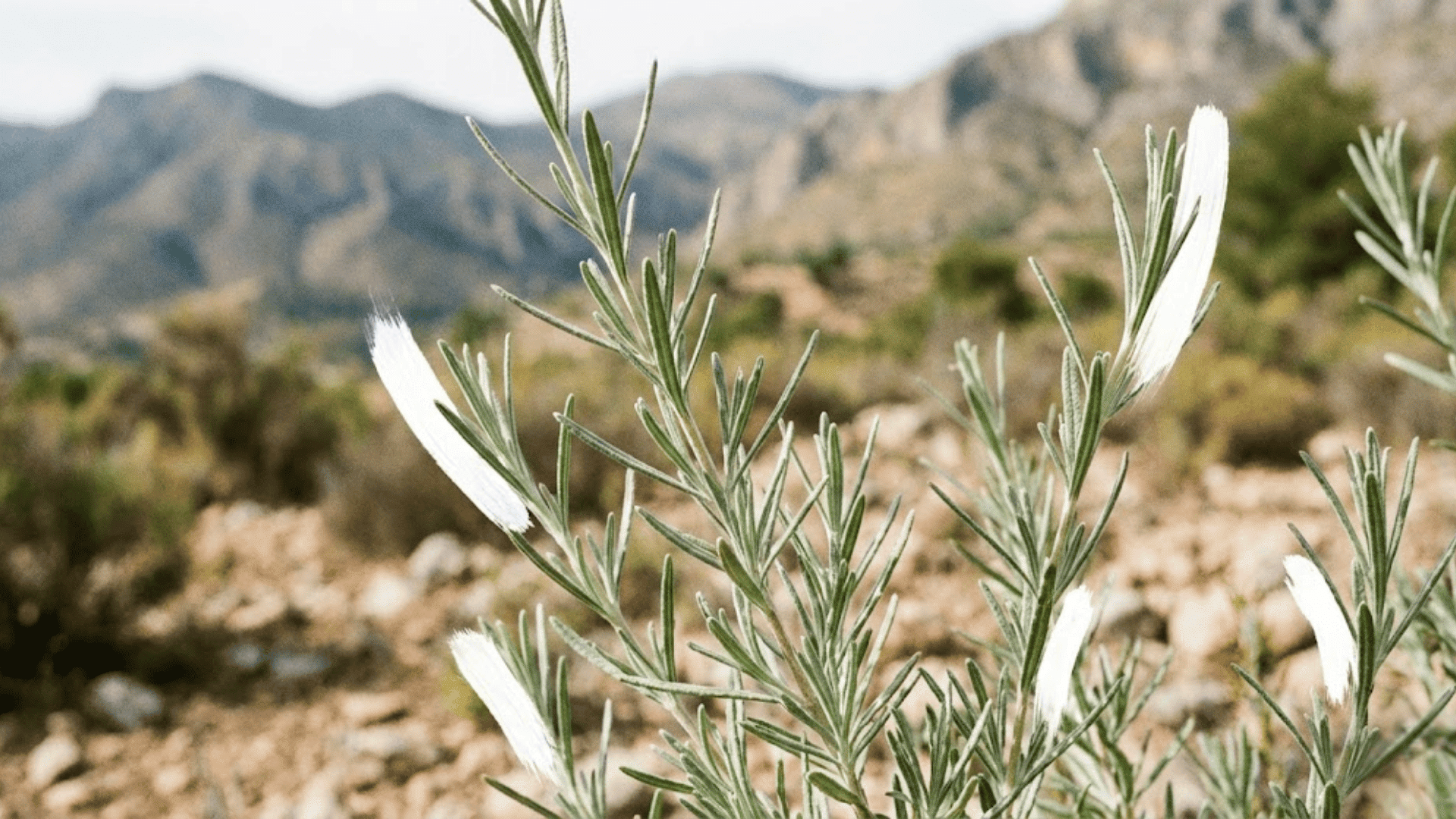
Spanish sage is valued for essential oil production and research into cognitive health benefits. The leaves are narrow and lavender-like, giving it a delicate appearance.
The scent is sharper and more camphoraceous than common sage. It grows wild in the mountains of Spain, thriving in harsh, dry conditions.
Studies suggest its compounds may support memory and mental clarity, making it increasingly popular in herbal supplements.
| Hardiness | Exposure | Seasons | Height | Spread | Soil Type |
|---|---|---|---|---|---|
| Zones 6-9 | Full sun | Perennial | 18-24 inches | 18-24 inches | Well-drained, rocky, alkaline |
27. Blue Sage (Salvia azurea)
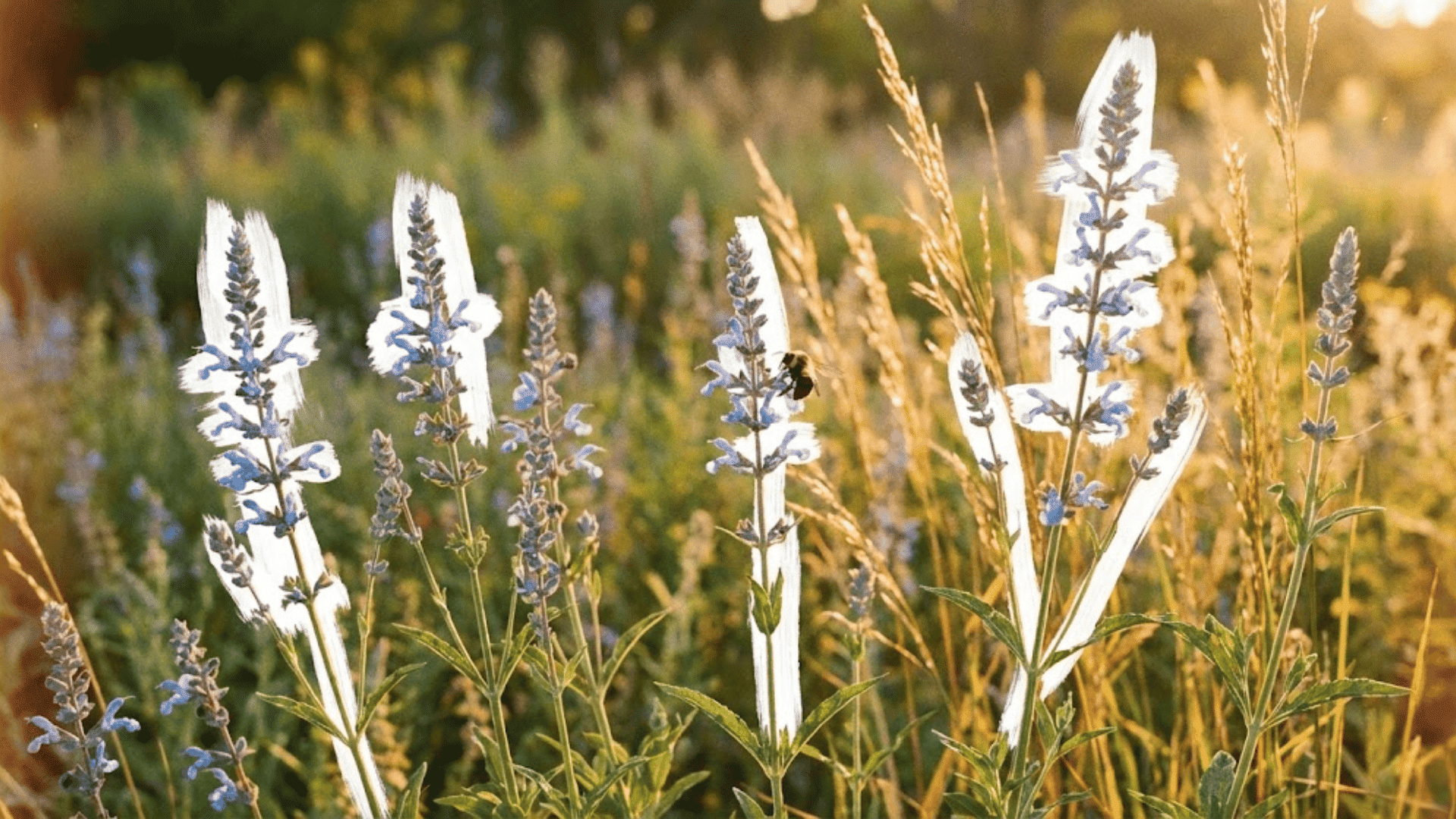
Blue sage is a native prairie plant with sky-blue flowers that appear in late summer.
Native American tribes used it traditionally for medicinal and ceremonial purposes. It grows tall and lanky, looking best in naturalistic prairie or meadow gardens where it can blend with grasses.
The blooms attract native bees and butterflies. It’s low-maintenance and drought-tolerant once established, self-sowing gently in the right conditions.
| Hardiness | Exposure | Seasons | Height | Spread | Soil Type |
|---|---|---|---|---|---|
| Zones 5-9 | Full sun | Perennial | 3-5 feet | 2-3 feet | Well-drained, sandy or loamy |
28. Lyreleaf Sage (Salvia lyrata)
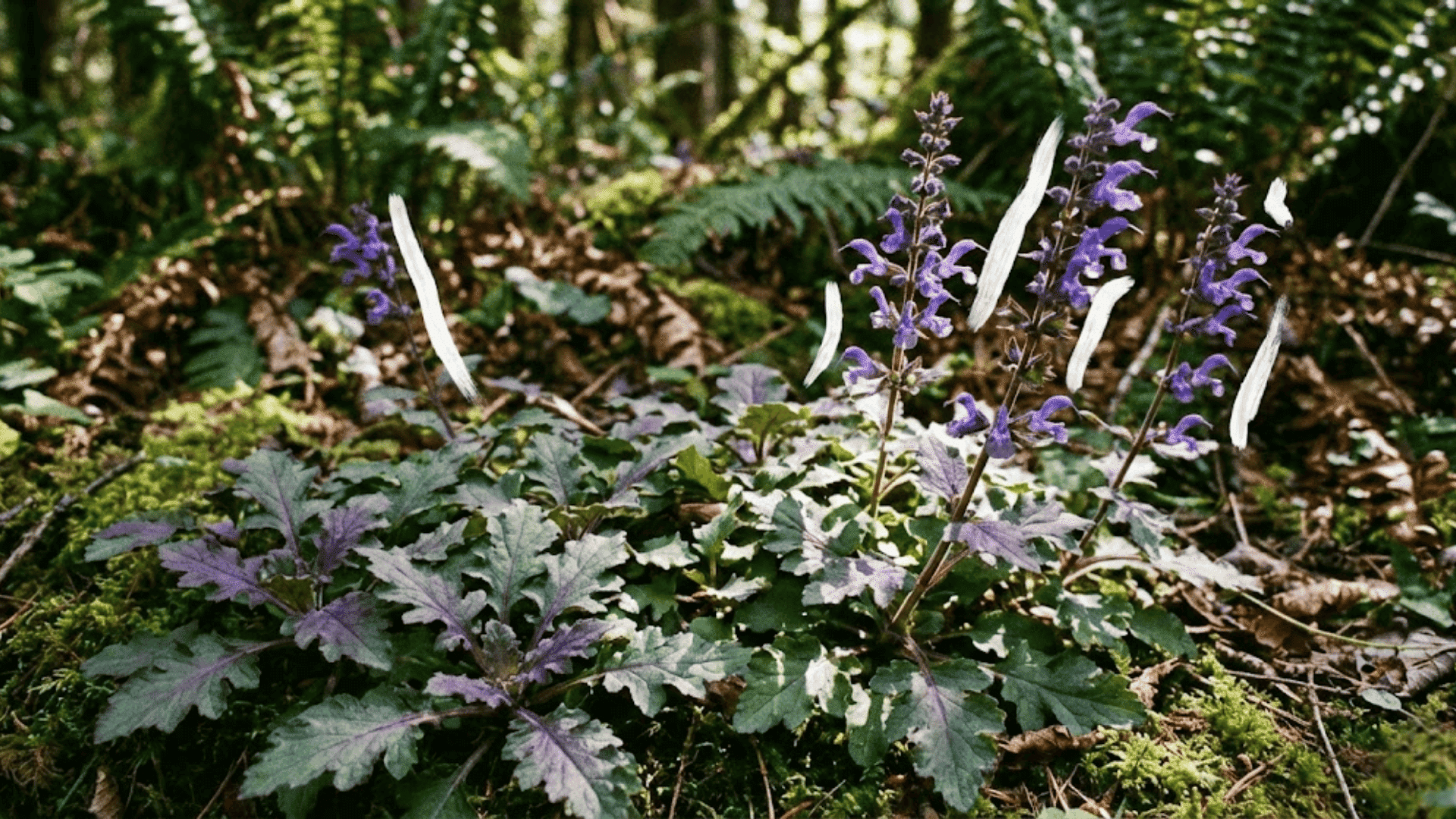
Lyreleaf sage is a woodland native with rosettes of deeply lobed leaves and purple-blue flowers on upright spikes. It has a history of use in traditional medicine for throat and respiratory ailments.
The plant self-sows freely, creating low ground cover in shaded areas. It’s one of the few sages that thrives in partial shade and tolerates moisture.
Plant it in woodland gardens or naturalized areas where it can spread casually.
| Hardiness | Exposure | Seasons | Height | Spread | Soil Type |
|---|---|---|---|---|---|
| Zones 5-9 | Partial shade to full sun | Perennial | 12-24 inches | 12-18 inches | Moist, well-drained |
29. Purple Pitcher Sage (Salvia azurea grandiflora)
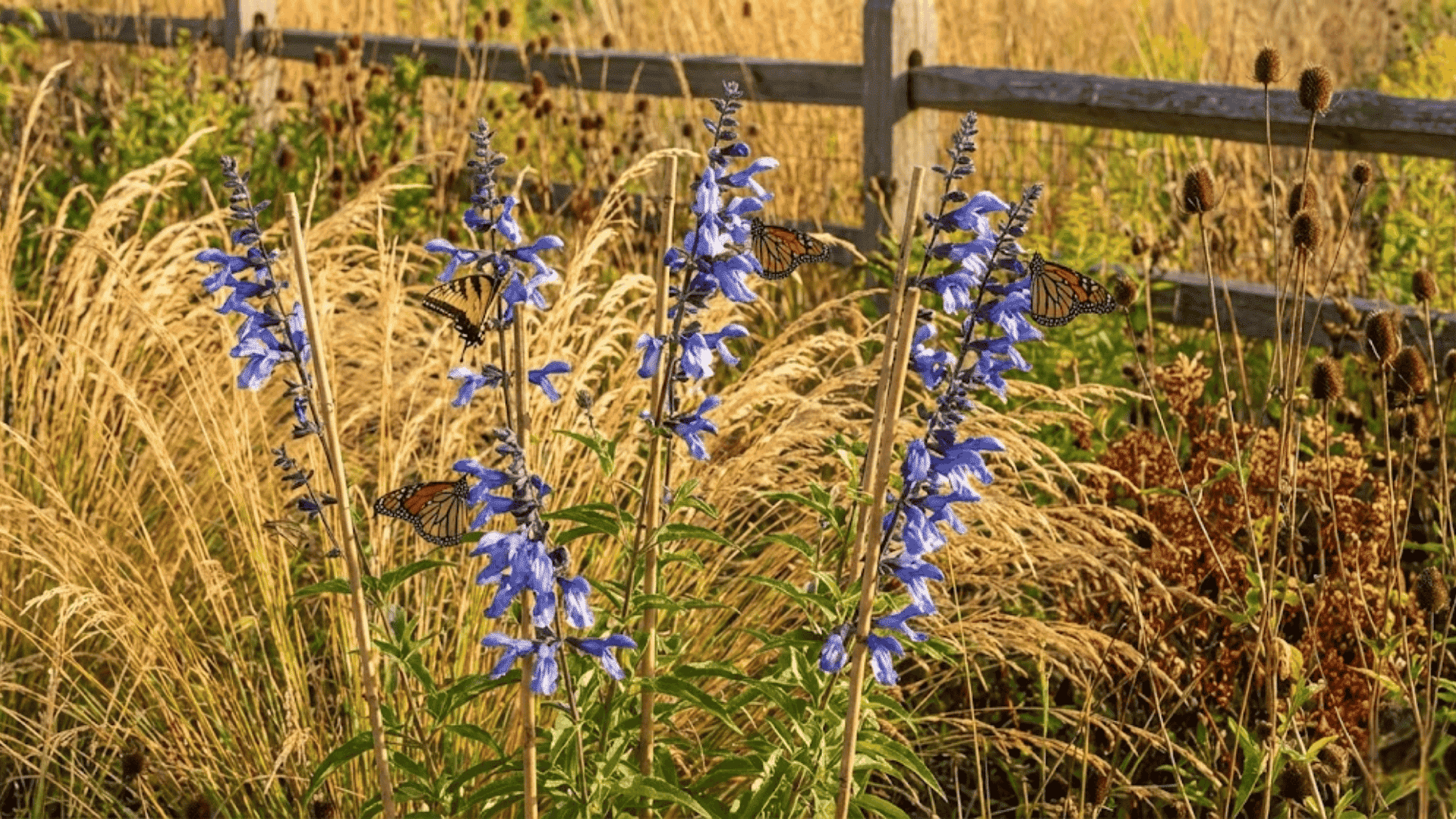
Purple pitcher sage is a large-flowered variety of blue sage with more substantial blooms.
Native to prairie regions, it was used traditionally by indigenous peoples for various medicinal applications. The flowers are a rich azure blue and appear in late summer, providing late-season nectar for pollinators.
It grows tall and benefits from staking in windy areas. Plant it in native gardens, pollinator habitats, or naturalistic borders.
| Hardiness | Exposure | Seasons | Height | Spread | Soil Type |
|---|---|---|---|---|---|
| Zones 5-9 | Full sun | Perennial | 4-5 feet | 2-3 feet | Well-drained, sandy or loamy |
30. African Blue Sage (Salvia africana-lutea)
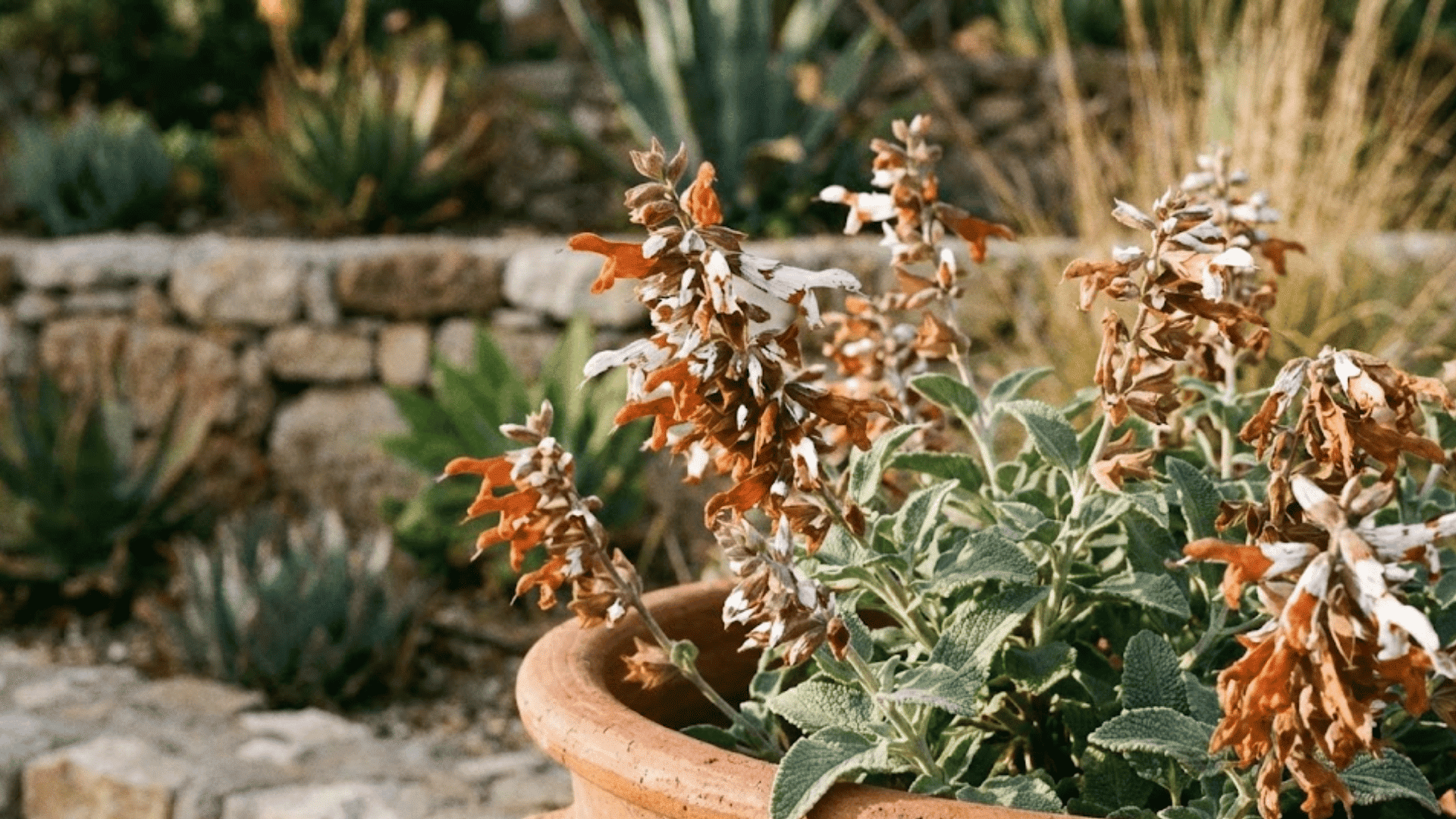
African blue sage is a South African native with unusual rust-orange to brown flowers that shift in color as they age.
The foliage is aromatic with a slightly medicinal scent. It’s well-suited to container growing and can be brought indoors in cold climates.
The unique flower color sets it apart from typical blue and purple sages. It thrives in dry conditions and poor soil, making it perfect for low-maintenance Mediterranean-style gardens.
| Hardiness | Exposure | Seasons | Height | Spread | Soil Type |
|---|---|---|---|---|---|
| Zones 9-11 | Full sun | Perennial | 2-4 feet | 2-3 feet | Well-drained, poor to average |
Unique and Specialty Sage Varieties
These sages stand out for unusual traits like striking colors, distinctive scents, or rare characteristics.
They’re conversation starters in the garden and often harder to find, making them special additions for collectors and adventurous gardeners.
31. Painted Sage (Salvia viridis/horminum)
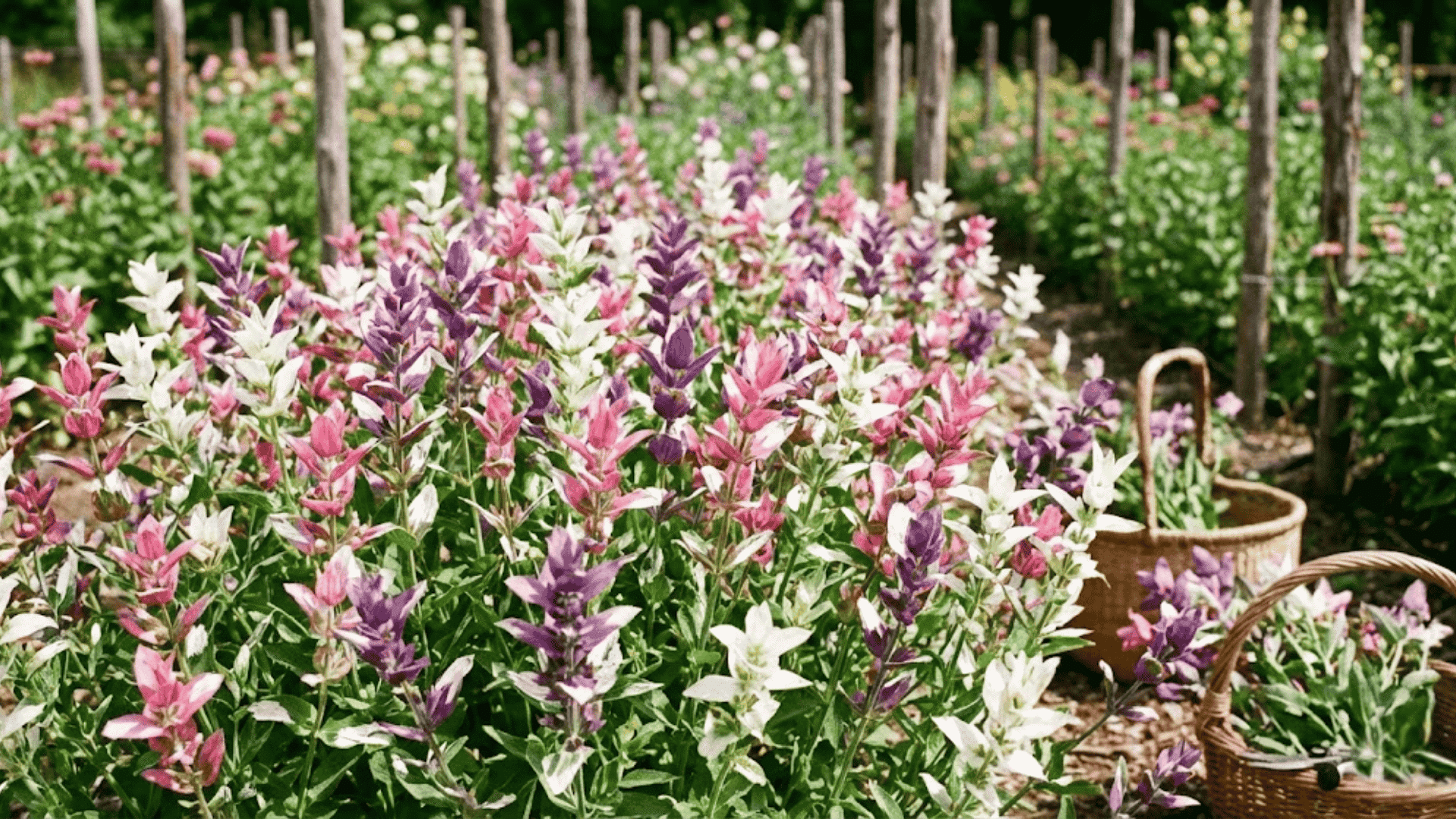
Painted sage is grown for its colorful bracts rather than its flowers. The bracts come in shades of pink, purple, white, and blue, lasting for weeks.
It’s an easy annual that grows quickly from seed, making it budget-friendly for mass plantings. The bracts dry beautifully, making it popular for cut flower arrangements and crafts.
Plant it in cottage gardens or cutting beds where you want reliable color without fuss.
| Hardiness | Exposure | Seasons | Height | Spread | Soil Type |
|---|---|---|---|---|---|
| Annual (all zones) | Full sun | Annual | 18-24 inches | 10-12 inches | Well-drained, moderately fertile |
32. Rosy Leaf Sage (Salvia involucrata ‘Bethellii’)
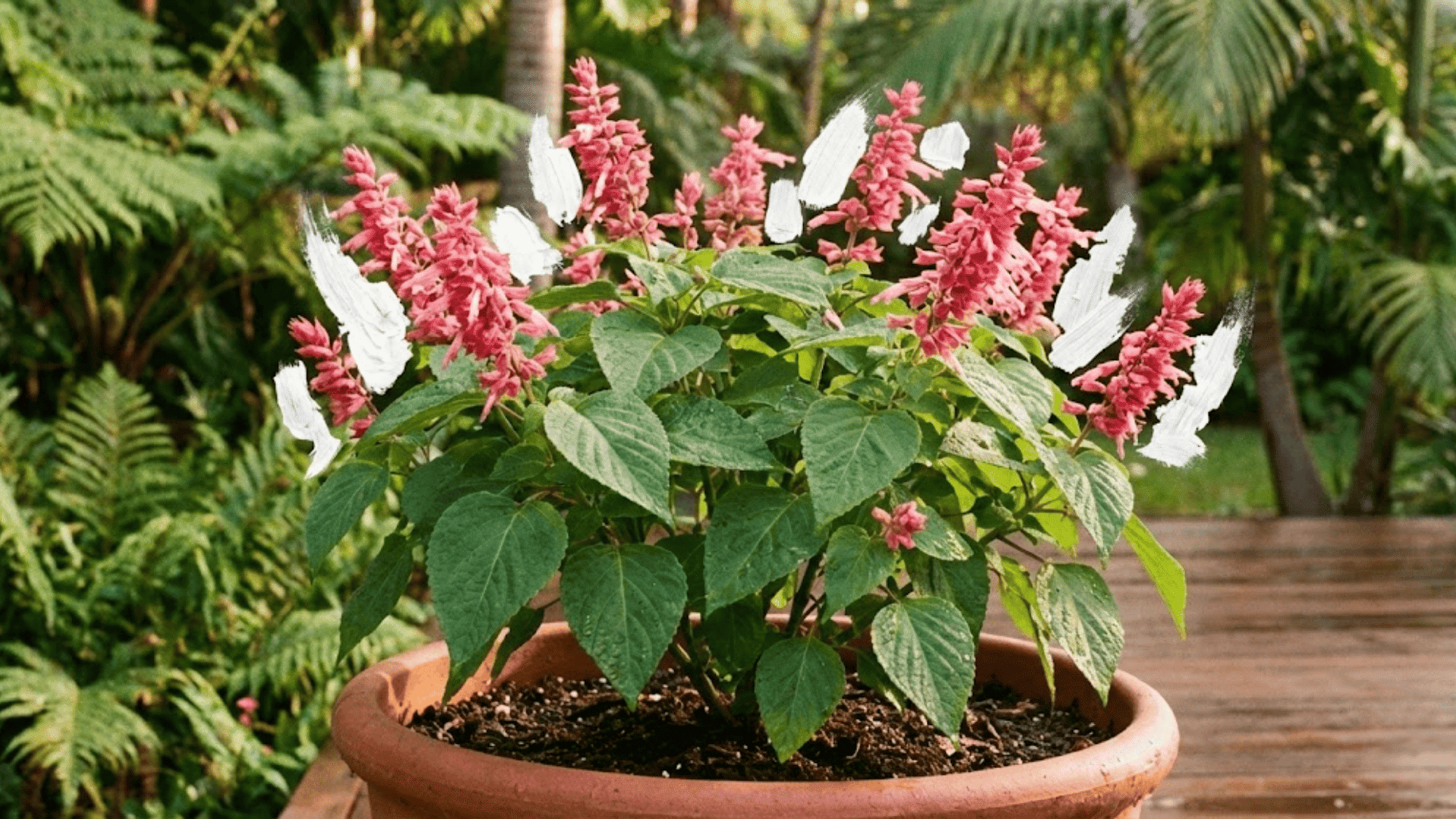
Rosy leaf sage has large, heart-shaped leaves and stunning rose-pink flowers that appear in fall.
The blooms are substantial and showy, creating a tropical look. It grows into a bushy shrub in warm climates but works beautifully as a container specimen that can be overwintered indoors.
The foliage alone is ornamental enough to justify growing it. Give it rich soil and regular water for the best performance.
| Hardiness | Exposure | Seasons | Height | Spread | Soil Type |
|---|---|---|---|---|---|
| Zones 8-10 | Full sun to partial shade | Perennial | 4-5 feet | 3-4 feet | Moist, well-drained, fertile |
33. Anise-Scented Sage (Salvia guaranitica ‘Anise’)
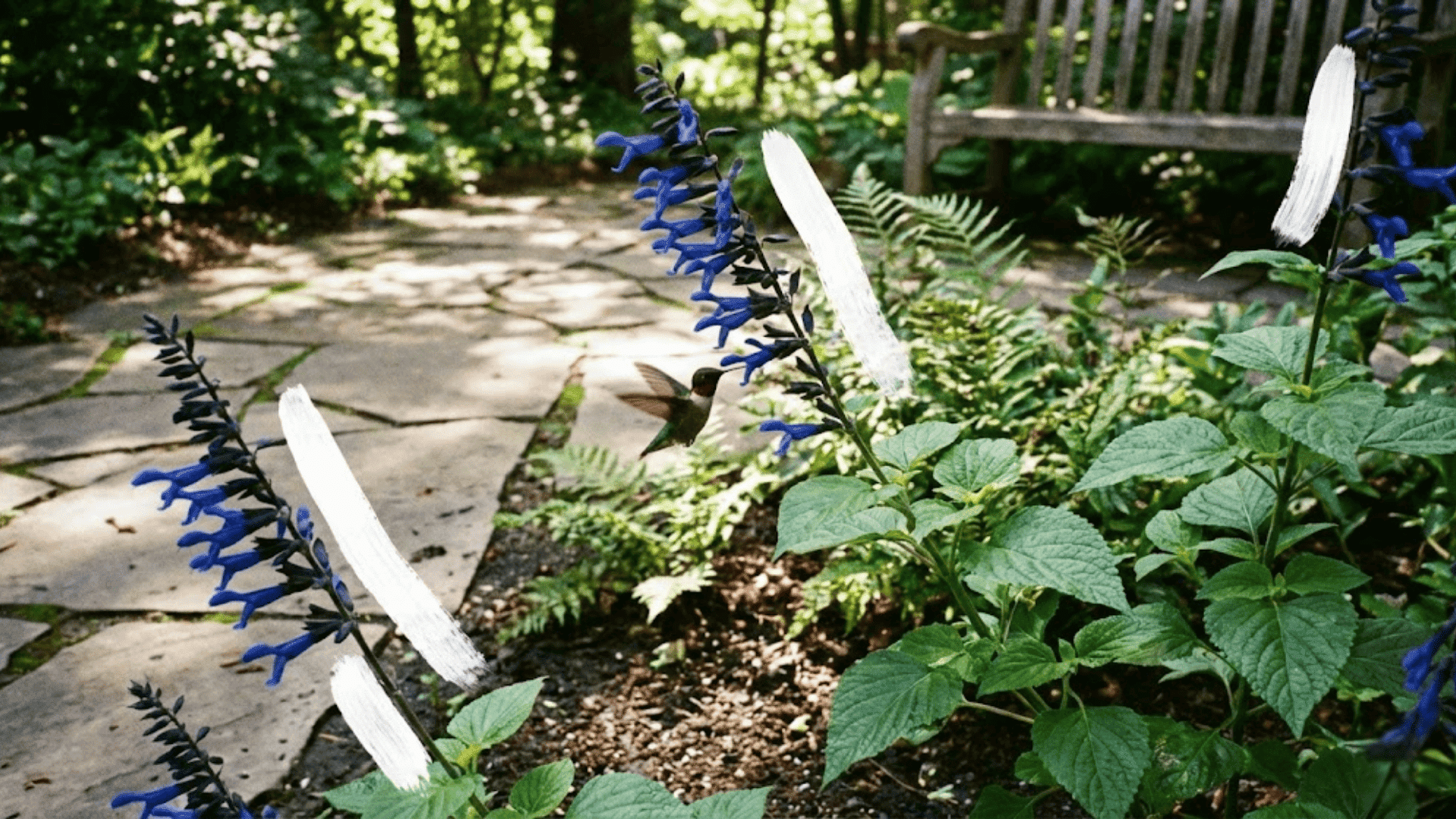
Anise-scented sage releases a sweet licorice fragrance when the leaves are brushed or crushed.
Deep blue flowers appear on tall spikes, drawing hummingbirds throughout the blooming season. The scent is strong and distinctive, making it memorable in the garden. It prefers rich, moist soil and can handle partial shade.
Use the aromatic leaves in teas or simply plant them near pathways where people will brush against them.
| Hardiness | Exposure | Seasons | Height | Spread | Soil Type |
|---|---|---|---|---|---|
| Zones 7-10 | Full sun to partial shade | Perennial | 4-5 feet | 2-3 feet | Moist, well-drained, fertile |
34. Waverly Sage (Salvia x ‘Waverly’)
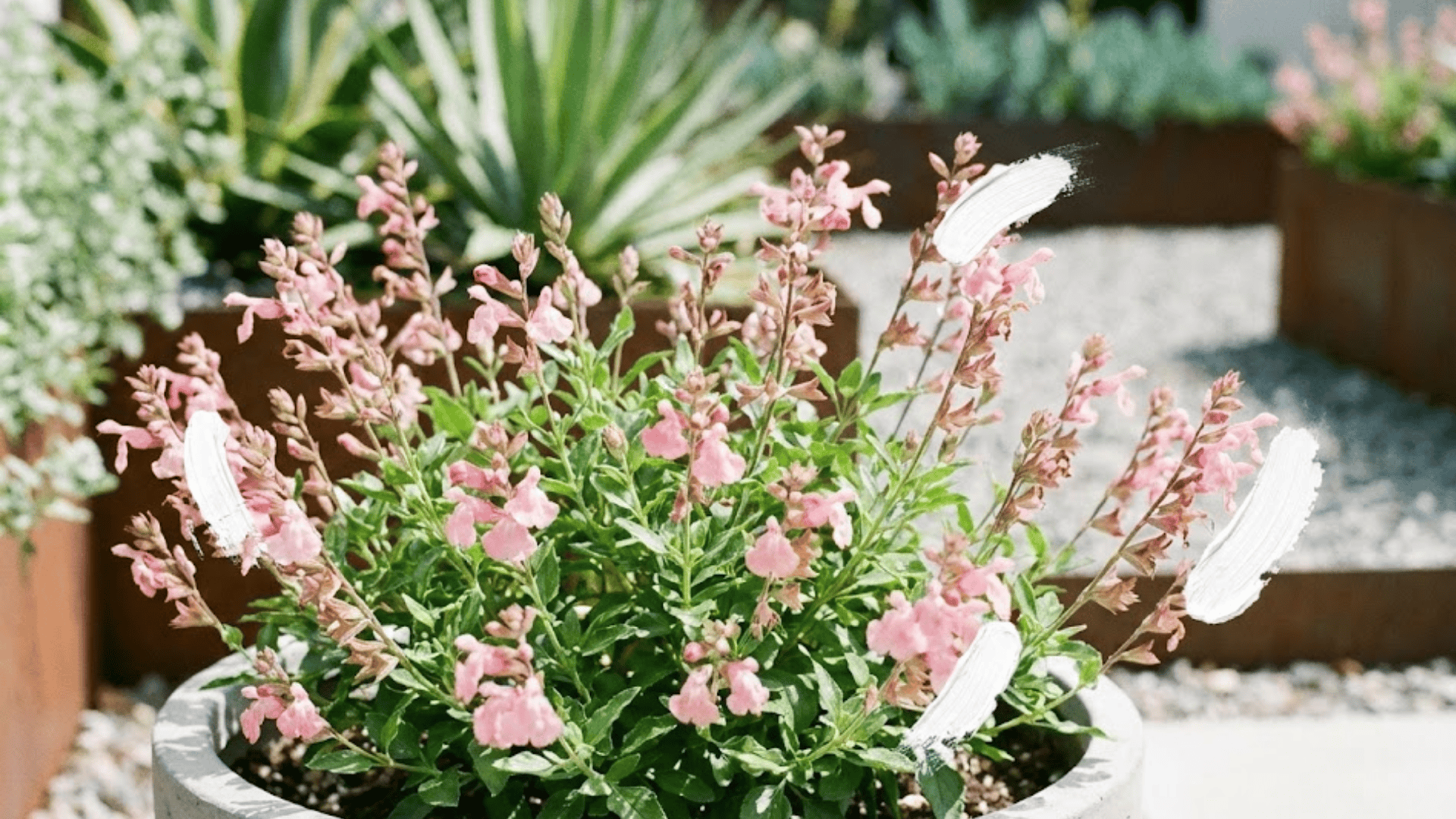
Waverly sage is a modern hybrid bred for extended bloom time and compact growth. Pink flowers appear continuously from spring through fall.
The habit is tidy and bushy, making it perfect for containers or front-of-border plantings. It’s more cold-hardy than many pink-flowered sages and requires less maintenance.
This is a go-to choice for gardeners who want reliable color without constant deadheading or fussing.
| Hardiness | Exposure | Seasons | Height | Spread | Soil Type |
|---|---|---|---|---|---|
| Zones 7-10 | Full sun | Perennial | 18-24 inches | 18-24 inches | Well-drained, moderately fertile |
35. Fruit Sage (Salvia dorisiana)
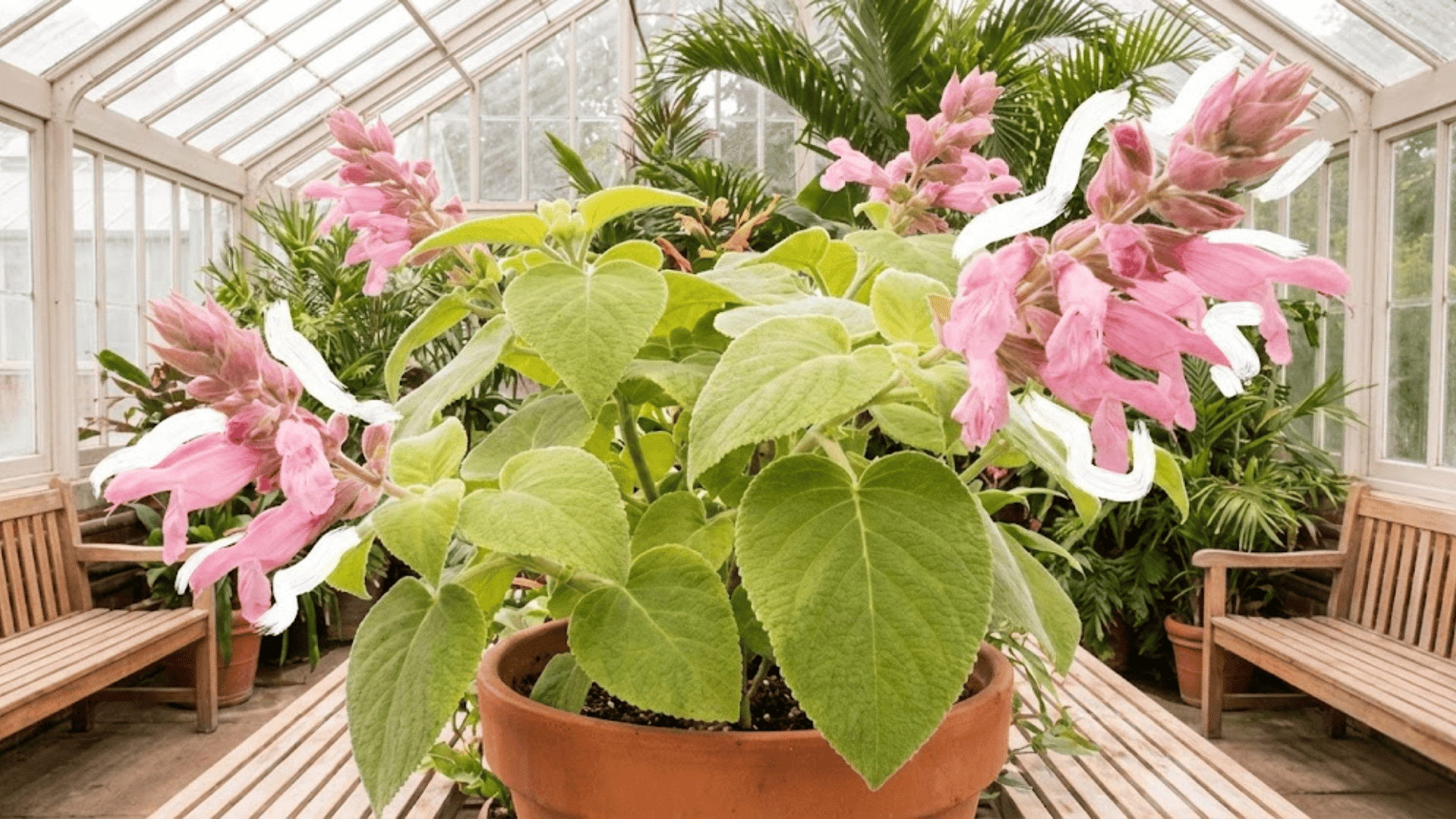
Fruit sage has large, fuzzy leaves that smell like tropical fruit, earning it the nickname “peach sage.”
Large pink flowers appear in winter, making it a unique off-season bloomer. It’s tender and best grown in containers that can be moved indoors in cold climates.
The leaves can be used in teas and desserts for their fruity fragrance. Give it bright light, regular water, and protection from frost for the best results.
| Hardiness | Exposure | Seasons | Height | Spread | Soil Type |
|---|---|---|---|---|---|
| Zones 9-11 | Full sun to partial shade | Perennial | 3-4 feet | 2-3 feet | Moist, well-drained, fertile |
How to Choose the Right Type of Sage Plant?
With so many sage varieties to choose from, narrowing down the right one depends on what you need and where you’re planting. Here’s how to match Sage to your specific situation.
- For cooking, stick with Salvia officinalis varieties like common, purple, or Berggarten sage for the best flavor and hardiness in the kitchen.
- Check your USDA zone before planting perennial sages, as tender varieties like pineapple and Mexican bush sage won’t survive cold winters outdoors.
- Ornamental sages like scarlet, autumn, or May Night prioritize stunning blooms and long flowering periods over culinary use.
- Container gardening works best with compact varieties like dwarf sage, Hot Lips, or tricolor sage that stay manageable in pots.
- Ground planting in hot, dry climates calls for drought-tolerant natives like Cleveland, Russian, or white sage that thrive without extra water.
Once you’ve matched sage to your needs and climate, you’ll have a plant that performs beautifully with minimal fuss.
How to Grow and Care for Sage Plants?
Most sage varieties are surprisingly low-maintenance once you understand their basic needs. Getting the fundamentals right means healthier plants and better harvests or blooms.
Soil, Sun, and Water Requirements
Sage has straightforward needs that mirror its native Mediterranean and prairie habitats. Meeting these requirements keeps plants healthy and thriving with minimal intervention.
| Requirement | Ideal Conditions | What to Avoid |
|---|---|---|
| Soil Type | Well-drained, sandy or loamy | Heavy clay, waterlogged soil |
| Soil pH | 6.5-7.5 (slightly alkaline to neutral) | Highly acidic conditions |
| Sunlight | Full sun, 6+ hours daily | Deep shade, less than 4 hours sun |
| Watering | Deep but infrequent once established | Overwatering, constantly wet soil |
| Drainage | Fast-draining, no standing water | Compacted or pooling areas |
| Fertilizer | Minimal to none | Heavy feeding, high nitrogen |
| Spacing | 18-24 inches between plants | Crowding, poor air circulation |
Pruning and Harvesting Tips
Proper pruning and harvesting keep sage productive and looking its best throughout the growing season.
- Prune in early spring by cutting woody stems back one-third to encourage fresh, bushy growth without damaging old wood.
- Harvest leaves anytime, but flavor peaks just before flowering when essential oils are most concentrated.
- Snip stems in the morning after dew dries for the best flavor and longest vase life if using for arrangements.
- Deadhead ornamental varieties regularly to extend blooming periods and keep plants looking tidy through the season.
Common Problems with Sage Plants
Even low-maintenance sage can run into trouble when growing conditions aren’t quite right. Catching these issues early and adjusting your care routine keeps plants healthy and productive.
Problem 1: Yellowing Leaves
Solution: Yellow leaves usually signal overwatering or poor drainage, causing stress to the roots. Cut back on watering frequency and ensure the soil drains freely, allowing it to dry out between drinks.
Problem 2: Root Rot
Solution: Root rot develops when sage sits in waterlogged soil for too long, causing roots to decay and plants to wilt. Improve drainage by adding sand or grit to the soil, and consider transplanting to a raised bed or container.
Problem 3: Pest Issues
Solution: Aphids, spider mites, and whiteflies occasionally target sage, especially when plants are stressed or overcrowded. Spray affected plants with water or insecticidal soap, and improve air circulation by thinning growth.
Problem 4: Overwatering Mistakes
Solution: Overwatering is the most common mistake with sage, leading to weak growth, fungal problems, and root issues. Water deeply but infrequently, letting the top few inches of soil dry completely before watering again.
That’s a Wrap
Sage is proof that one plant family can do it all. Classic culinary favorites season your meals while showstopping ornamentals fill your garden with color and pollinators.
There’s truly a sage for every gardener and every purpose. Why choose just one when you can mix culinary and ornamental varieties for a garden that’s both beautiful and functional?
With so many different types of sage plants available, your next planting season just got a whole lot more interesting.
Which variety are you most excited to try? Drop a comment and share your sage picks with us.