A shed that earns its keep starts with what’s underneath it, not what’s on top. The paint color and window trim matter eventually, but a shed set on soft, uneven ground will lean, stick, and rot years before a well prepared one shows any wear.
If you’re planning a new garden shed this season, the short version is this: nail down the site work and the foundation first, size the building around what you actually need to store, and pick materials that match your climate. Everything else is decoration.
Why Ground Prep Decides How Long Your Shed Lasts
Sheds fail early almost always because of water sitting under the frame or the ground shifting beneath it, not because of anything wrong with the walls or the roof. Before a single board goes up, the site needs to be cleared of grass and roots, graded so rainwater runs away from the structure instead of pooling against it, and compacted so the base won’t settle unevenly after the first heavy storm.
This is also the point where most first time builders get tripped up choosing between the different shed foundation options available for a backyard build.
A gravel pad works fine for a small tool shed on flat, well drained ground. A concrete slab makes more sense if you’re storing anything heavy or plan to run power out to the building. Skid foundations sit somewhere in the middle, giving you a solid, movable base without the cost of pouring concrete.
Comparing Foundation Types Side by Side
The right base depends mostly on shed size, soil type, and what you’re planning to store inside. Here’s how the most common choices stack up:
- Gravel pad: cheap, easy to level, drains well, best for sheds under 120 square feet on ground that isn’t prone to standing water;
- Concrete slab: the most durable and load bearing option, ideal for workshops, ride on mowers, or anything with real weight to it, but it costs more and takes longer to cure;
- Skid or runner foundation: pressure treated beams set on gravel or blocks, popular because the shed can be moved later if needed;
- Deck block foundation: precast concrete piers spaced under the frame, a fast middle ground for sheds on gently sloped yards;
- Paver base: a good looking option for smaller decorative sheds, though it needs a compacted sub base to stay level over time.
Sizing the Shed Around What You Actually Store
Most people undersize their first shed. Walk through what you’re actually trying to store before settling on dimensions: a mower and hand tools might fit in an 8 by 10, but add a wheelbarrow, bikes, and seasonal patio furniture and you’re closer to 10 by 12 or larger. Leave room to walk around larger equipment rather than stacking everything wall to wall, since a shed you can’t move through becomes a shed you stop using.
Think about ceiling height too. A few extra feet lets you add wall mounted shelving or a loft for lighter, less frequently used items, which frees up floor space for anything you need to wheel in and out regularly.
Materials That Hold Up Outside
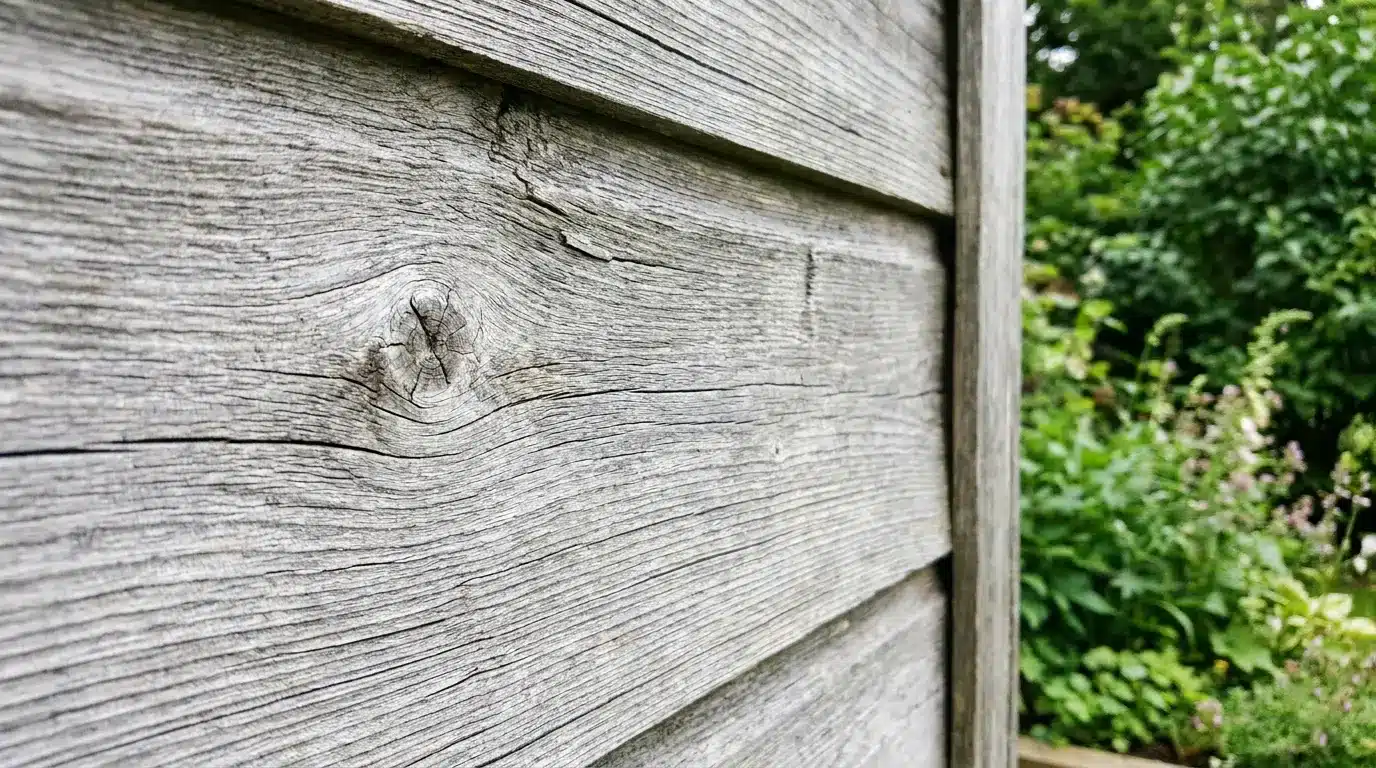
Wood, metal, and resin each handle weather differently, and the right pick usually comes down to climate and how much upkeep you want to deal with.
| Material | Best for | Upkeep |
|---|---|---|
| Wood | Cold, dry climates and a traditional look | Repaint or reseal every few years |
| Metal | Humid or storm prone regions | Low, but can dent and rust at seams over time |
| Resin or vinyl | Coastal areas and low maintenance yards | Minimal, occasional cleaning only |
Wood still wins on looks and how easily it takes stain or paint to match a house, but it needs the most attention. Metal sheds handle wind and rain well but can feel cold and echo loudly during storms. Resin splits the difference, shrugging off moisture and sun without the maintenance wood demands.
Smart Storage Layout Ideas for Tools and Garden Supplies
Once the shell is up, layout is what makes a shed genuinely useful day to day instead of a place where things get shoved and forgotten. A few habits make a real difference:
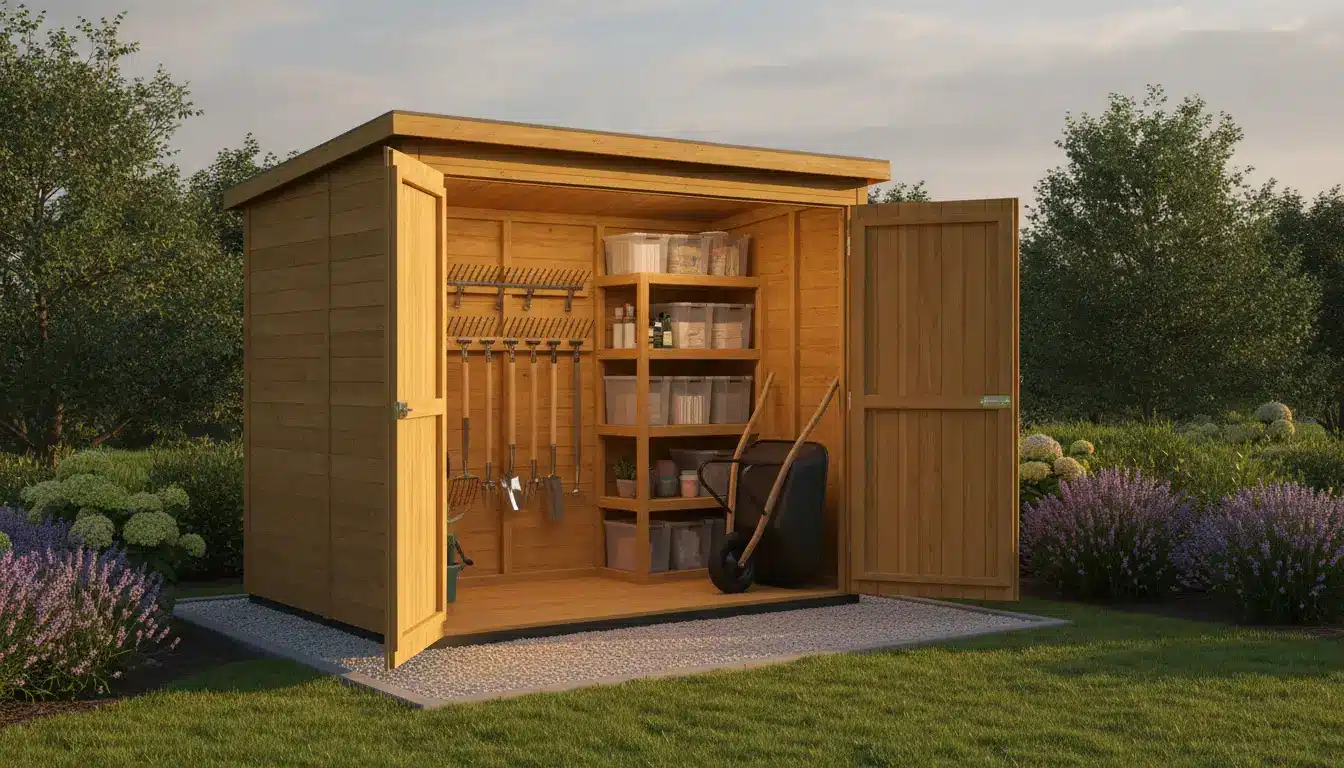
- Hang long handled tools like rakes and shovels on wall hooks instead of leaning them in a corner, since they tip over and block walkways otherwise;
- Group items by season, keeping mowers and trimmers near the door in summer and swapping them for snow tools once the weather turns;
- Use clear bins for small items like seeds, gloves, and hardware so you can see what’s inside without opening every container;
- Add a narrow shelf at eye level for things you reach for constantly, saving the higher shelves for anything used only a few times a year;
- Leave at least three feet of open floor space near the door so you can maneuver a wheelbarrow or mower without turning it into a puzzle.
Permits, Setbacks, and Rules Worth Checking Before You Build
Most municipalities allow small sheds without a permit, but the cutoff varies a lot, some places draw the line at 120 square feet, others at 200, and a few require a permit for anything with plumbing or electrical run to it regardless of size. Setback rules matter just as much, dictating how far the shed has to sit from property lines, fences, and sometimes septic systems. It’s worth a quick call to the local building department before you order materials, since moving a shed after the fact is a lot more work than checking first.
If the site itself needs real grading, excavation, or a poured foundation rather than a simple gravel pad, it’s often worth bringing in help rather than guessing. Companies like detached building foundation builder Site Prep specialize in exactly this kind of groundwork, clearing and leveling the site, compacting a stable base, and squaring everything up so the shed goes on solid ground instead of a rushed weekend job.
Quick Shed Planning Checklist
- Confirm local permit and setback requirements before ordering materials;
- Choose a foundation type based on soil, drainage, and shed size;
- Size the building around actual storage needs, not just what looks right in photos;
- Pick a material suited to your climate and how much maintenance you’re willing to do;
- Plan the interior layout before move in day so tools have a home from the start.
A garden shed that’s planned this way, solid ground first, realistic sizing second, and a layout that fits how you actually garden, tends to earn its space for decades rather than becoming another thing to fix in five years. Take the extra weekend at the start. It pays off every time you open the door.