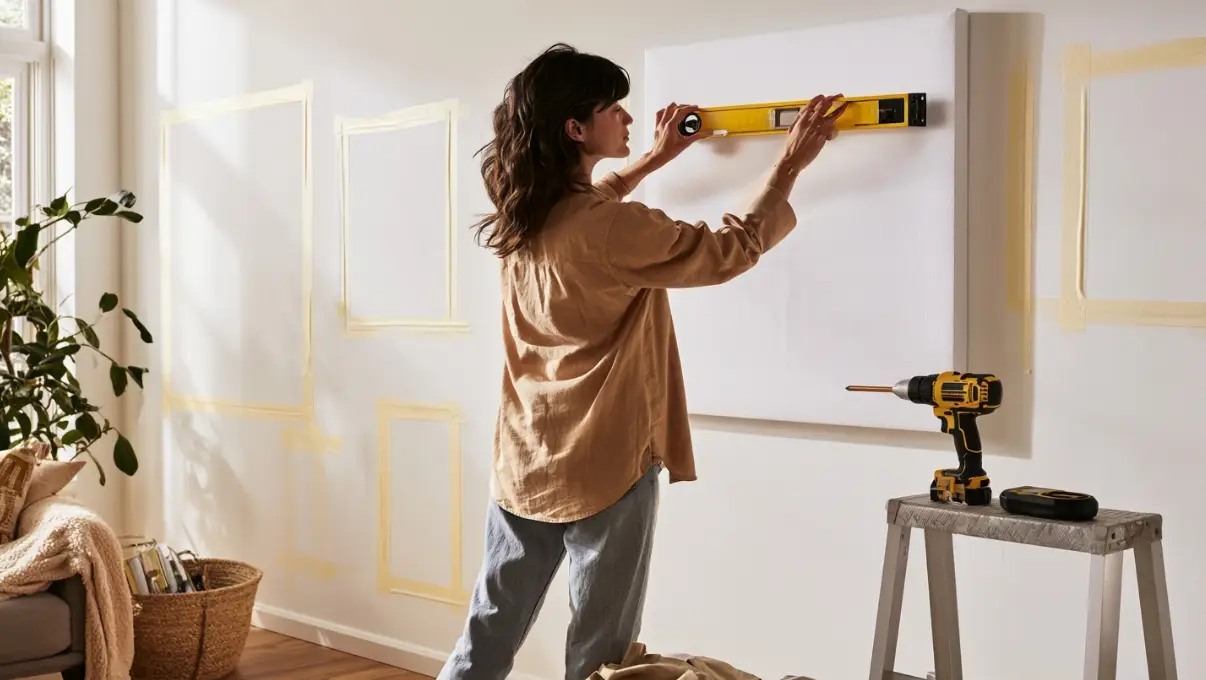
Learning how to do plumbing in a house starts with understanding that plumbing is more than connecting pipes. A good system delivers clean water, removes wastewater, prevents leaks, protects your home from moisture damage, and keeps daily life running smoothly.
Whether you are planning a renovation, building a small extension, or simply trying to understand your home better, the key is to work carefully, follow local building regulations, and know when to call a qualified plumber.
Start With a Clear Plumbing Plan
Before buying pipes or fittings, create a simple plan. Mark where your kitchen, bathrooms, laundry area, boiler, water heater, sinks, toilets, showers, and outdoor taps will be located.
Plumbing works best when wet areas are grouped close together because shorter pipe runs can reduce cost, improve water pressure, and make maintenance easier.
Your plan should include two main systems: the water supply system and the drain-waste-vent system, often called DWV. The supply system brings clean hot and cold water into the house, while the DWV system removes used water and sewer gases safely.
Understand the Water Supply System
The water supply line usually enters the home from the mains and connects to a stop valve. From there, pipes carry cold water to fixtures and to the boiler or water heater. Hot water lines then supply taps, showers, baths, and appliances.
Common modern plumbing materials include PEX, copper, and PVC or plastic pipe, depending on the job and local rules. PEX is popular because it is flexible and easier to install, while copper is durable and often used in traditional systems.
Always choose pipe sizes that match the demand of each fixture. Undersized pipes can cause weak water flow, especially when several taps are used at once.
Plan Drainage and Venting Properly
Drainage is just as important as water supply. Wastewater from sinks, baths, showers, toilets, and appliances must flow downhill into the main drain.
This requires the correct pipe slope. If the slope is too flat, waste can sit in the pipe. If it is too steep, water may run away too quickly and leave solids behind.
Venting is also essential. Vent pipes allow air into the drainage system and help prevent sewer gases from entering your home. Without proper venting, drains may gurgle, empty slowly, or release unpleasant smells. This is one area where professional advice is highly recommended.
Basic Steps for House Plumbing
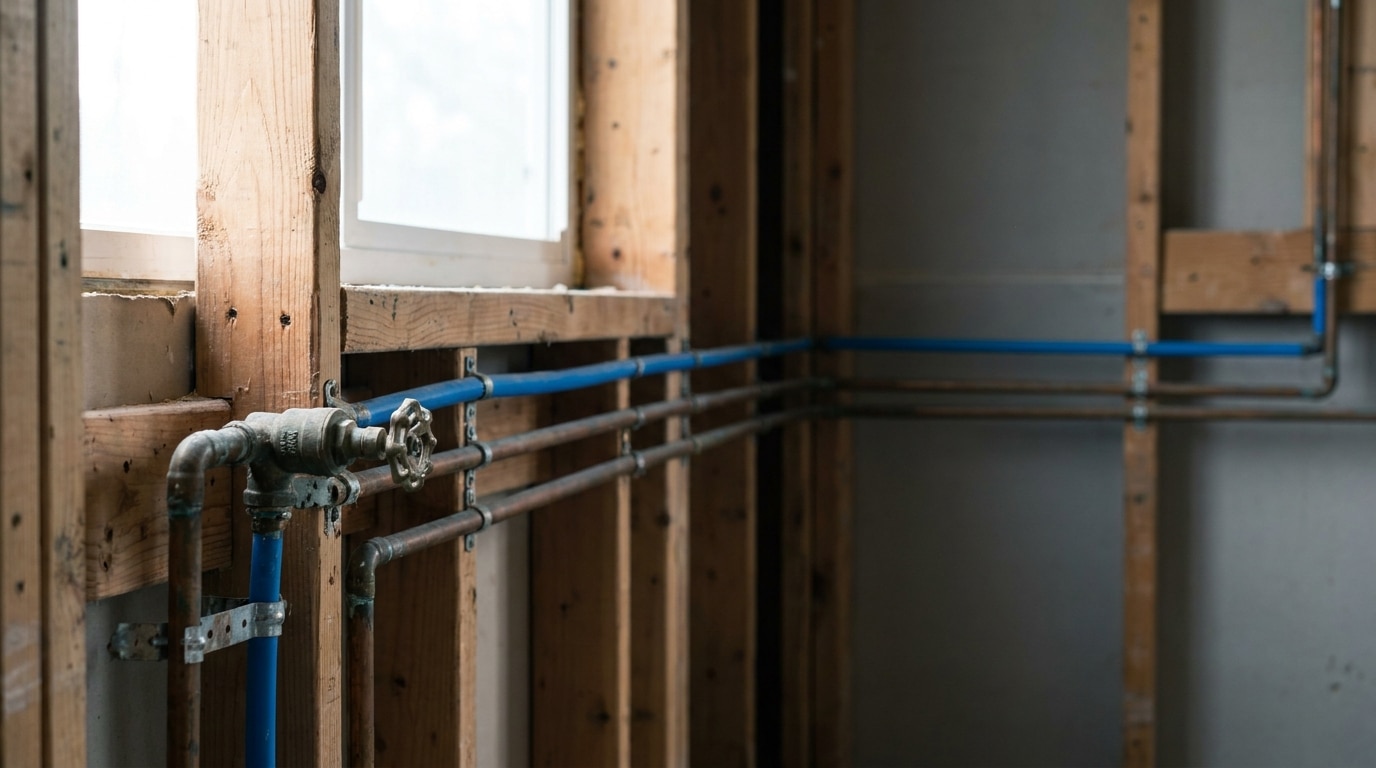
First, shut off the water supply before beginning any plumbing work. Next, install the main water lines according to your layout, keeping hot and cold pipes clearly separated. Secure pipes with clips or brackets so they do not move or rattle.
Then connect branch lines to fixtures such as sinks, toilets, showers, and appliances. Use the correct fittings, seals, and connectors for each material.
After that, install drain lines with the proper fall and connect them to the main waste pipe. Include traps under sinks, baths, and showers to stop sewer gases from coming back into the room.
Once everything is connected, test the system before covering walls or floors. Turn the water on slowly and check every joint for leaks.
For drains, run water through each fixture and watch for slow drainage, dripping, or bad smells. Fixing a leak before plasterboard, tiles, or flooring are installed is much easier than repairing hidden damage later.
Tools and Materials You May Need
Typical plumbing tools include a pipe cutter, adjustable wrench, tape measure, spirit level, deburring tool, pipe clips, plumber’s tape, sealant, and safety gloves. Materials may include supply pipes, waste pipes, elbows, tees, couplings, shut-off valves, traps, and connectors.
Always use parts that are suitable for your water pressure, temperature, and pipe type. Mixing incompatible materials can lead to leaks, corrosion, or failed joints.
Common Plumbing Mistakes to Avoid
Avoid rushing pipe layout, ignoring local codes, skipping shut-off valves, using poor-quality fittings, or hiding pipes before testing them.
Another common mistake is forgetting access panels near valves, pumps, or important connections. Good plumbing should not only work today; it should also be easy to inspect and repair in the future.
When to Call a Professional
DIY plumbing is suitable for small repairs and basic fixture connections, but major work should be handled by a licensed plumber. This is especially true for boiler connections, gas-related work, underground drainage, bathroom installations, and whole-house plumbing systems.
Conclusion
Understanding how to do plumbing in a house helps you plan smarter, avoid costly mistakes, and maintain a safe, comfortable home. With careful planning, quality materials, proper testing, and expert help when needed, your plumbing system can last for many years.
For more inspiration on creating a better living space, Home Comfort Experts provides helpful ideas on home design, home decor, and home improvement to make every part of your house more practical and comfortable.