

What Bit You? A Real Life, No Panic Way to Identify Bug Bites (Fast)
If you’ve ever stood in your bathroom at 2 a.m., squinting at an itchy bump like it’s going to confess under interrogation hi. Been there. And honestly? Most of us guess wrong.
I see people go full detective mode and decide they have bed bugs… when it’s actually mosquitoes. Or they nuke their house for fleas… when it’s a weird reaction to laundry detergent (ask me how I know RIP my “fresh spring breeze” era).
Here’s the good news: you can usually narrow down what’s biting you in a couple minutes by looking at three things:
- Pattern (line? cluster? random?)
- Timing (did it show up overnight or right after you were outside?)
- Location (ankles? waistband? exposed arms?)
Let’s do this like normal humans: quick clues first, then confirmation, then how to calm your skin down without spiraling.
The 3 Questions That Solve Like… 80% of Bite Mysteries
1) Are they in a line, clustered, or scattered?
- A line or row (especially 3-ish in a row): bed bugs move up the suspect list.
- Tight clusters, especially small dots: fleas love this vibe.
- Random, puffy, scattered bumps: mosquitoes are the usual chaos gremlins.
2) When did you notice them?
- Woke up with them: think bed bugs (or sometimes fleas if pets sleep with you).
- Noticed them during/after being outside: mosquitoes, chiggers, ticks, fire ants depending on what you were doing.
3) Where are they on your body?
- Ankles/feet/lower legs: fleas are obsessed with ankles.
- Waistband, sock line, bra line: chiggers are tiny little creeps who love tight clothing edges.
- Face/neck/arms/shoulders (exposed skin): bed bugs and mosquitoes tend to go for what’s available.
Quick reality check: your skin isn’t a reliable narrator. Two people can get bitten by the same thing and react totally differently. Also, on deeper skin tones, bites may look purple/brown instead of bright red so don’t rely on “it’s red, so it must be ____.”
Okay. Suspect roundup time.
The Usual Suspects (And the Clues That Actually Matter)
Bed Bugs: “Breakfast, Lunch, Dinner” (aka the line of bites)
Classic clue: bites in a line or row, often 3+ (the famous “breakfast lunch dinner” pattern).
Timing: usually noticed after sleep… but here’s the annoying part: some people react fast, and some people don’t show marks for days. Bed bugs are nothing if not rude.
Where: often upper body arms, shoulders, neck, face basically whatever isn’t under heavy covers.
How to confirm (don’t guess):
Get a flashlight and check:
- mattress seams/piping
- box spring edges
- bed frame cracks
You’re looking for dark spotting (like tiny ink dots), shed skins, little blood smears, or the bugs themselves (small, oval, apple-seed-ish details that help tell bat bugs apart).
If you don’t find evidence and you’re just treating “vibes,” pause. Don’t start laundering your entire life at 3 a.m. until you’ve checked.
Fleas: The Ankle Attackers
If your bites are mostly below the knee, fleas are basically waving a tiny flag.
Pattern: small bites, often in clusters, sometimes with a little puncture dot in the middle.
Timing: itching can start pretty quickly sometimes within an hour.
Where: ankles, feet, lower legs. Fleas play defense. They hang out low.
How to confirm:
- Do you have a pet? Even an indoor pet? (Yes, even the princess cat who “never touches the outdoors.”)
- Check pet bedding and carpets for “flea dirt” (black specks). Put the specks on a wet paper towel if it turns reddish brown, that’s digested blood (gross, but helpful).
Also: the “white sock test” works. Walk around in white socks in the suspicious area and look for tiny dark specks that hop on. Very glamorous. Very scientific.
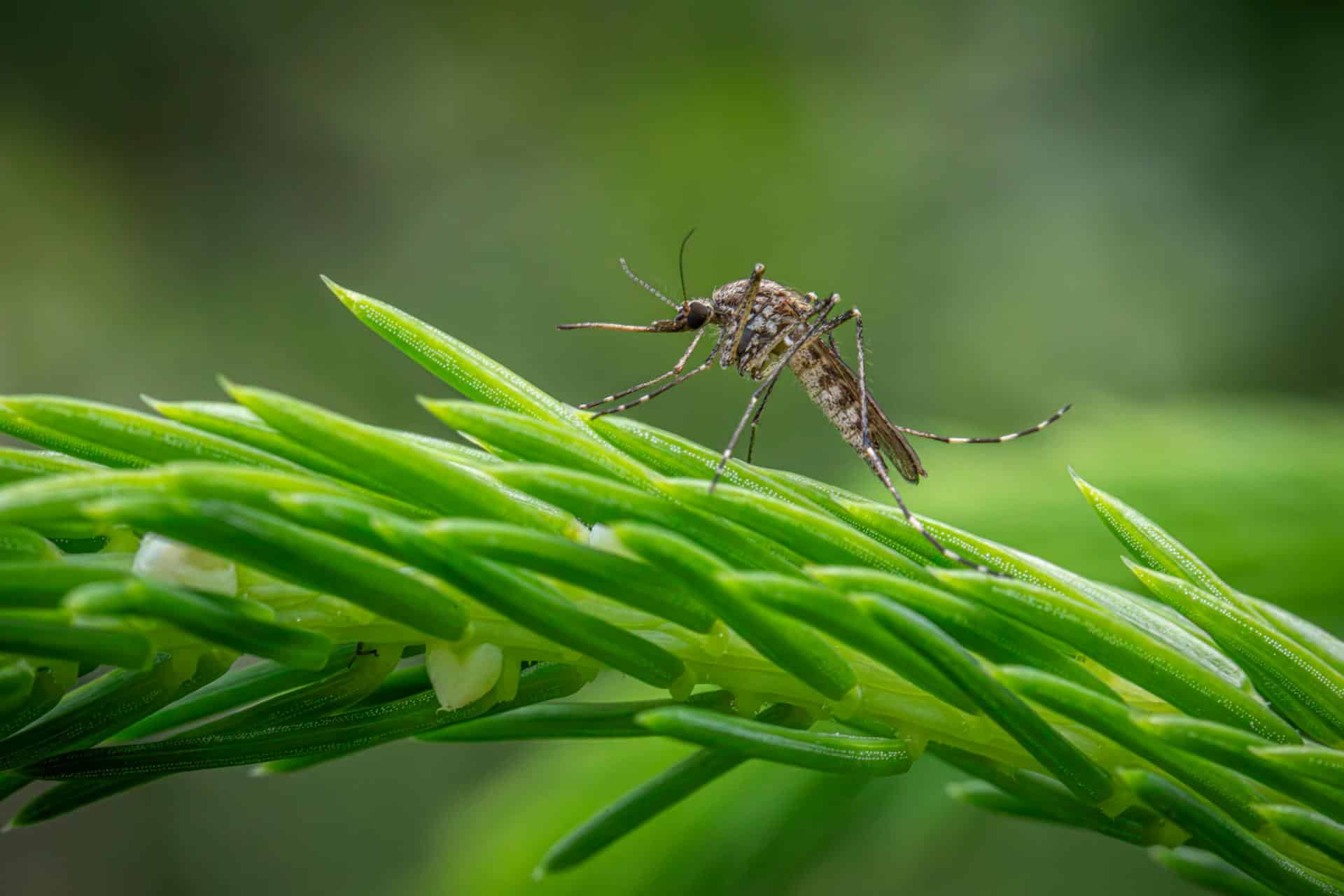
Mosquitoes: Puffy, Random, and Rude
Mosquito bites are usually the easiest to ID because they’re the ones that show up after you were outside living your life.
Pattern: puffy, round bumps, usually scattered (not a neat line).
Timing: soon after outdoor time, especially around dawn/dusk.
Where: any exposed skin.
Some people get big dramatic swelling (sometimes called “skeeter syndrome”), and it can look intense while still being basically harmless. But file this away if a mark stays flat and starts expanding, that’s not typical mosquito behavior. (Hold that thought for ticks.)
Ticks: The “Please Don’t Ignore an Expanding Ring” One
Ticks are less about “itchy bump” and more about “watch what happens over time.”
Clues:
- you might find the tick attached (check hairline, armpits, behind knees, groin yes, sorry)
- the bite can start as a small, flatter spot
Big red flag: an expanding bull’s eye style rash can show up 3 to 30 days later in many Lyme disease cases. Not everyone gets the classic perfect target shape, but expanding is the key word.
What to do:
- remove ticks promptly with fine tipped tweezers
- grab close to the skin and pull straight up
- save the tick in a sealed bag if you can (helpful for ID)
- watch for rash expansion or flu like symptoms for about a month
If you see that expanding ring rash even if you don’t remember a tick call your doctor.
Chiggers: The Waistband Itch That Makes You Question Nature
If you walked through tall grass/brush and then, a day later, your waistband area starts itching like you’ve been cursed… chiggers.
Pattern: tiny red bumps, sometimes small blisters/pustules.
Timing: usually you don’t feel them while you’re outside. The itch ramps up 24-48 hours later and can be intense.
Where: tight clothing edges waistbands, sock lines, bra straps, underwear elastic.
Pro tip: shower right after being in tall grass. It can help wash them off before they attach.
Fire Ants: Immediate Burn + White Topped Pustules
Fire ants are not subtle. They’re basically tiny arsonists.
Timing: you feel it immediately burning pain.
Pattern: later (within hours), you can get clusters of white topped pustules.
Do not pop them. (I know. It’s tempting. But infection risk goes way up.)
If you got nailed with a bunch of stings (like, a whole angry pile), it’s worth getting medical advice especially if you start feeling unwell.
“Spider Bites”: Usually Not Actually Spiders (Sorry)
I’m not saying spiders are innocent angels, but “spider bite” gets blamed for everything.
True spider bites are uncommon. A lot of “spider bites” are actually infections, irritated follicles, or other insect bites.
If you do suspect a serious spider bite (like brown recluse or black widow), don’t wait it out to see if it becomes a fun home science experiment get medical help. Black widow bites in particular can cause significant muscle cramping and systemic symptoms.
Plot Twist: Sometimes It’s Not a Bite at All
Before you declare war on your mattress, consider these very common bed bug look alikes:
- Contact dermatitis: rash exactly where something touched (jewelry outline, elastic line, new lotion zone)
- Hives: welts that move/change over hours
- Folliculitis: pimply bumps centered on hair follicles
- Carpet beetle larvae irritation: can cause itchy bumps from tiny hairs (not true bites)
My personal humiliation: I once went on a full “WHAT IS BITING ME” rant… and it was a new body wash. The enemy was lavender.
Confirm First, Then Treat (Don’t Go Full Exterminator on a Hunch)
Here’s the order I like:
- Take a photo of the bites (stick a coin next to them for scale very influencer of you).
- Answer the 3 questions (pattern/timing/location).
- Look for actual physical evidence:
- bed bug signs in bed seams
- flea dirt / pet itching
- tick check after outdoor time
If you can’t find evidence and new “bites” keep appearing, circle back to irritation/hives/folliculitis before you spend money and energy chasing the wrong thing.
Quick Relief for Most Bites (Because You’re Itchy Now)
For most basic bites/stings:
- wash with soap + water
- cold compress 10-20 minutes
- try not to scratch (I know, I know)
- OTC antihistamine can help itch
- hydrocortisone cream can reduce redness/swelling
If redness/warmth keeps spreading after a day of home care, or you see pus or red streaking get checked out.
When to Call a Doctor (The Non Dramatic but Important Part)
Call 911 if:
- trouble breathing
- facial/throat swelling
- dizziness/fainting
- rapid heartbeat
(That’s anaphylaxis territory.)
Same day medical care if you have:
- expanding bull’s eye/expanding rash
- red streaks moving away from the bite
- pus, worsening warmth, worsening pain
- fever with bites
- suspected black widow/brown recluse bite
- bites inside the mouth
If you’re unsure, take a photo and call your doctor’s office. A quick phone triage can save you a lot of anxious Googling (which always ends in “rare tropical disease,” obviously).
Your Next Move (aka: Don’t Panic, Just Narrow It Down)
If you’re staring at itchy mystery bumps, do this:
- Pattern + timing + location (your new holy trinity)
- Confirm with evidence before you treat your whole house
- Soothe the itch, watch for changes, and take photos for a week or two
Most bites are annoying but harmless. The goal is to figure out whether you’re dealing with a one off outdoor incident… or something in your home that needs attention (looking at you, fleas and bed bugs).
And if you want my very biased opinion: if you have pets and ankle bites, start with fleas. If you’re waking up with neat little lines on your upper body, start inspecting the bed. If you were outside at dusk and now you’re puffed up like a cartoon character, it’s probably mosquitoes being mosquitoes.
Now go drink some water, put on some hydrocortisone, and stop staring at your skin like it owes you money.




One Response
Very humourous and informative; thank you.