Your plants are thirsty, but what if you’ve been quenching that thirst all wrong?
Bottom watering plants flips traditional watering on its head, letting your greenery drink from below rather than above. The roots pull up moisture naturally, taking only what they need without leaving the soil surface soggy and sad.
This isn’t just a trendy technique cluttering your Pinterest board.
Gardeners are genuinely switching because bottom watering tackles stubborn issues like root rot, fungus gnats, and that crusty white buildup on soil.
You’ll learn exactly how this method works, which plants love it most, when to use it, and real talk from people who’ve tested it in their own collections.
What is Bottom Watering Plants?
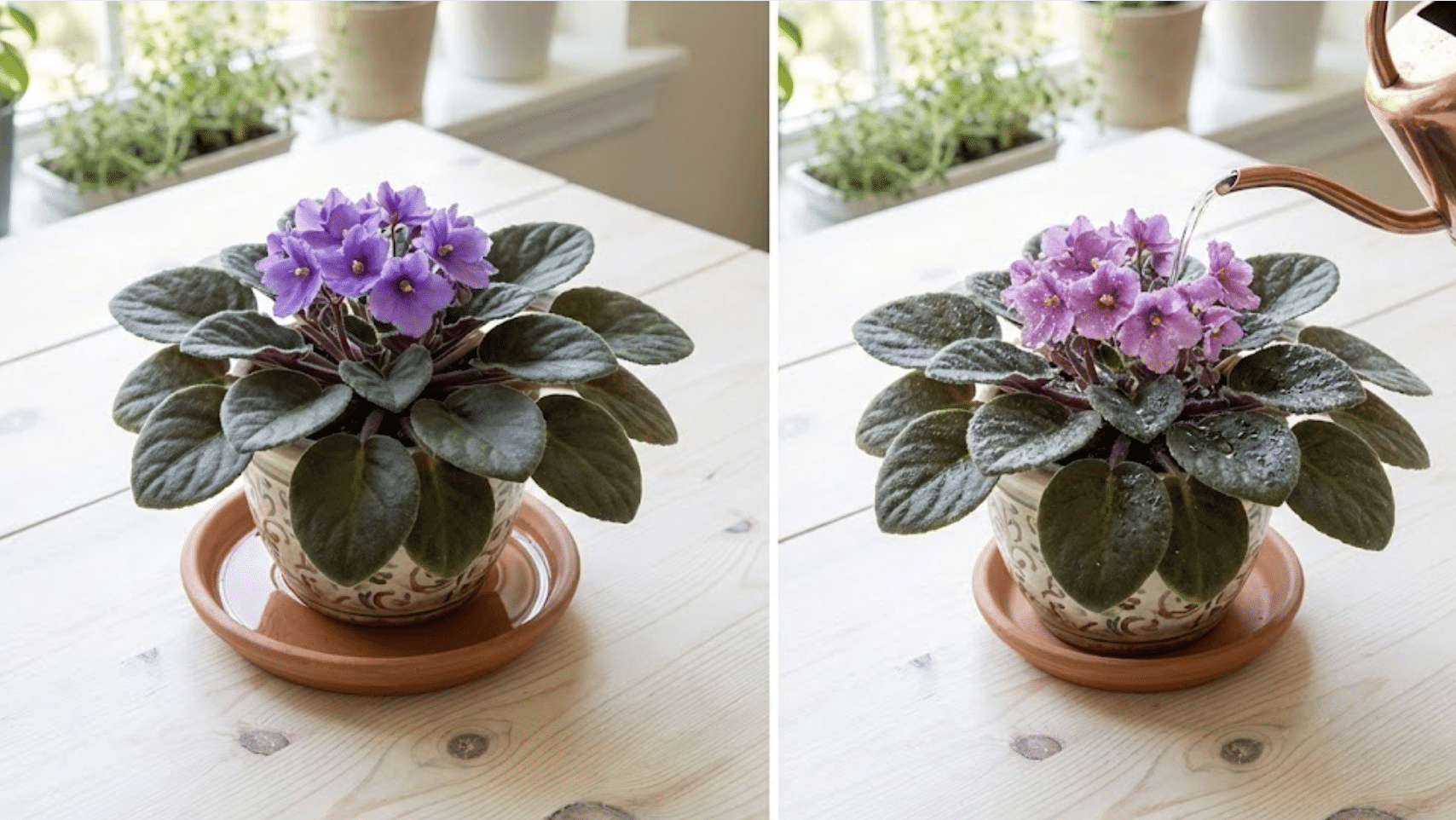
Bottom watering means placing your potted plant in a container of water and letting the soil absorb moisture from the drainage holes at the base.
Rather than pouring water onto the soil surface, you’re encouraging roots to drink upward through capillary action.
Traditional top watering sends water trickling down, which can miss root zones or create waterlogged pockets.
Bottom watering ensures even moisture distribution throughout the entire root system. The roots actively pull water as needed, promoting stronger, healthier growth.
This method works beautifully for plants in pots with drainage holes, giving them control over their hydration while keeping foliage completely dry.
Why Gardeners Use Bottom Watering?
Gardeners across Reddit’s plant communities swear by bottom watering for tackling persistent issues:
- Overwatering Prevention: Soil only absorbs what it can hold, stopping that soggy mess at the top
- Fungus Gnat Control: Dry soil surfaces mean these pests lose their breeding ground
- Root Rot Reduction: Water reaches roots directly without saturating the crown or stem base
- Even Moisture Distribution: No more dry pockets or water running straight through without absorbing
Most gardeners notice improvements within weeks. Fewer yellow leaves, perkier growth, and dramatically reduced pest problems become the norm.
One consistent theme? Plants with dense foliage or water-sensitive crowns show the most obvious changes.
Benefits of Bottom Watering Plants
Bottom watering isn’t just about convenience. It actively supports healthier plant biology and creates conditions where your greenery can genuinely thrive.
1. Encourages Deeper Root Growth
When water comes from below, roots grow downward and outward to reach it. Research on tomato plants shows that lower irrigation rates resulted in root systems expanding to deeper soil layers, creating stronger, more extensive roots.
Deeper roots mean better nutrient absorption, improved stability, and plants that can handle occasional missed waterings without immediately wilting.
2. Reduces Risk of Fungal Diseases
Wet foliage and damp soil surfaces invite fungal problems like powdery mildew and leaf spot. Fungal spores require a film of moisture on leaves to germinate, and overhead watering creates exactly these conditions.
Bottom watering keeps leaves completely dry, eliminating the moisture fungi need to establish. Your plant’s crown stays dry too, preventing the crown rot that kills so many otherwise healthy houseplants.
3. Prevents Soil Compaction
Top watering can compress soil over time, creating dense pockets where roots struggle. Compacted soils contain fewer large pores and reduced total pore volume, which limits both water infiltration and air circulation.
Bottom watering lets soil maintain its structure naturally, keeping those air pockets intact for better oxygen flow to roots and healthier microbial activity.
4. Helps Evenly Hydrate Dry Soil
Ever notice water running straight through bone-dry soil without actually wetting it? Hydrophobic potting soil can repel water when completely dried out, creating channels that bypass dry zones entirely.
Bottom watering forces soil to rehydrate slowly and completely, with moisture creeping upward to reach every particle instead of rushing through.
5. Keeps Leaves Dry and Healthy
Splashing water on leaves can spread diseases, leave mineral deposits, or cause sunburn if droplets act like tiny magnifying glasses. Overhead watering wets leaves, causing “leaf wetness periods” needed by most fungi.
Bottom watering protects delicate foliage completely, particularly important for plants with fuzzy leaves like African violets or succulents with protective waxy coatings you don’t want to wash away.
Downsides of Bottom Watering Plants
Bottom watering works beautifully for many plants, but it’s not without its quirks. Understanding these limitations helps you decide when to use this method and when to stick with traditional watering.
- Salt and Mineral Buildup: Minerals in water rise to the soil surface and accumulate over time, creating crusty white deposits that can harm roots.
- Time-Intensive for Large Collections: Soaking multiple plants individually takes significantly longer than a quick watering round with a can.
- Not Suitable for All Plants: Shallow-rooted plants, cacti, and succulents that prefer dry conditions between waterings don’t benefit from prolonged soil saturation.
- Requires Drainage Holes: Plants in decorative pots without drainage can’t use this method, limiting your container options.
- Still Needs Occasional Top Watering: Periodic flushing from above remains necessary to wash away accumulated salts and refresh the entire soil profile.
The key is balance. Bottom watering shouldn’t completely replace top watering, but rather complement it as part of a varied care routine that keeps your plants healthy and happy.
Which Plants Benefit Most from Bottom Watering?
Not every plant needs the same watering approach. Some absolutely thrive when drinking from below, while others prefer their moisture delivered differently.
Here’s your guide to matching plants with their ideal watering style.
| Plant Category | Examples | Why It Works |
|---|---|---|
| Tropical Houseplants | Pothos, Monstera, Philodendron, Peace Lily | Consistent root moisture without wet foliage |
| Fuzzy-Leafed Plants | African Violets, Gloxinia, Begonias | Keeps delicate leaves dry and spot-free |
| Seedlings & Young Plants | All seedling varieties, propagations | Undisturbed roots with even moisture |
| Fungus Gnat Targets | Any plant in moist soil | Dry surface eliminates breeding conditions |
| Crown-Sensitive Plants | Snake Plants, ZZ Plants | Prevents water pooling that causes rot |
Plants That Don’t Prefer Bottom Watering: Cacti, succulents, orchids, and drought-tolerant plants that need dry periods do better with top watering.
How to Bottom Water Plants: Step-by-Step
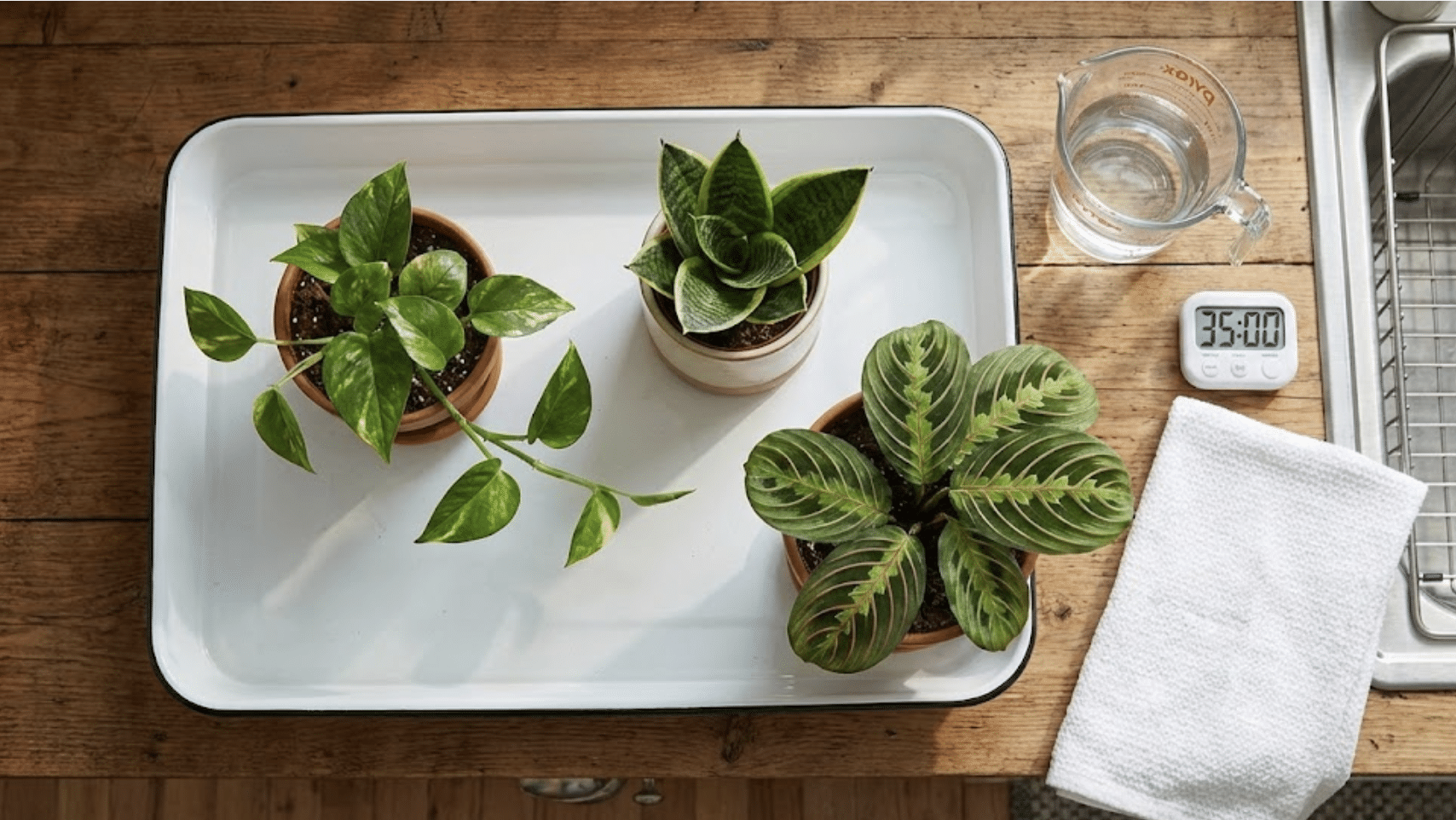
Bottom watering sounds fancy, but it’s remarkably simple once you get the hang of it. Here’s everything you need and exactly how to do it right.
What You’ll Need?
- A container, tray, or basin large enough to hold your plant pots
- Room temperature water (cold water can shock roots)
- Plants in pots with drainage holes
- About 30 minutes to an hour of patience
Step 1: Fill Your Container with Water
Pour room temperature water into your chosen container, filling it to a depth of one to two inches. You don’t need to submerge the entire pot; just enough water for the soil to draw moisture upward through the drainage holes.
Using room temperature water prevents shocking your plant’s roots.
Step 2: Place Your Plants in the Water
Gently set your potted plants into the water-filled container. The pots should sit comfortably with their drainage holes submerged.
If you have multiple plants, make sure they’re not overcrowded. You might notice the pots want to float initially due to air pockets in dry soil.
Step 3: Let the Soil Absorb Moisture
Allow your plants to sit and drink for 20 to 60 minutes, depending on soil dryness and pot size.
The soil will gradually pull water upward through capillary action. Larger pots or very dry soil need more time, while smaller containers absorb moisture faster.
Step 4: Check the Soil Surface
After waiting, touch the top inch of soil with your finger. It should feel damp or moist to the touch.
If it still feels completely dry, let the plant soak a bit longer. Once the surface is moist, your plant has absorbed enough water throughout its entire root system.
Step 5: Remove and Drain Excess Water
Lift the pots out of the water and place them on a drip tray or in the sink. Let excess water drain completely from the drainage holes for several minutes before returning plants to their usual spots.
Never leave plants sitting in standing water, as this invites root rot.
How Long to Bottom Water Plants?
Most plants need 20 to 60 minutes of soaking time, though this varies based on pot size and soil dryness.
Small pots with slightly dry soil might be ready in 20 minutes, while large containers or bone-dry soil can take a full hour or longer.
Check for full hydration by touching the top inch of soil; it should feel damp and cool. You’ll also notice the pot feels heavier when lifted.
Under-soaking signs: Top soil remains completely dry and dusty to the touch.
Over-soaking signs: Soil becomes waterlogged and soggy, water pools on the surface, or the pot sits in standing water for hours.
Remove immediately if over-soaked.
How Often Should You Bottom Water Plants?
Frequency depends on your plant’s needs and environment. Tropical houseplants like pothos and philodendrons typically need watering every 7 to 10 days, while succulents and snake plants prefer 2 to 3 weeks between waterings.
Seedlings require more frequent attention, often every 3 to 5 days.
Seasonal adjustments matter: Water more frequently during active growth in spring and summer, less in fall and winter when growth slows. Hot, dry conditions also increase watering needs.
Watch for these signs: Leaves drooping or curling, the top two inches of soil feeling completely dry, the pot feeling noticeably lighter, or leaves losing their vibrant color and appearing dull.
Bottom Watering vs. Top Watering
Both methods have their place in plant care, and the best gardeners use a combination of both.
Here’s how they stack up against each other and when to choose one over the other.
| Aspect | Bottom Watering | Top Watering |
|---|---|---|
| Method | Water absorbed upward through drainage holes | Water poured directly onto the soil surface |
| Time Required | 20-60 minutes per session | 2-5 minutes per session |
| Root Growth | Encourages deeper, stronger roots | Can lead to shallow root systems |
| Foliage | Stays completely dry | May get wet and spotted |
| Salt Buildup | Accumulates at the soil surface over time | Flushes salts downward and out |
| Fungus Gnats | Dry surface prevents breeding | Moist surface attracts pests |
| Soil Compaction | Minimal disturbance to soil structure | Can compact soil over time |
| Best For | African violets, seedlings, gnat-prone plants | Large collections, flushing salts, and all plants are periodically |
When Bottom Watering is Better: Plants with sensitive foliage, fungus gnat problems, hydrophobic soil needing rewetting, or encouraging deeper root growth.
When Top Watering is Necessary: Flushing accumulated salts monthly, large plant collections, cacti, and succulents preferring complete drying between waterings.
Tips from Experienced Plant Owners
Seasoned plant parents have learned through trial and error what really works. Here’s the wisdom they share in plant communities about making bottom watering work in real life.
- Alternate Watering Methods: Bottom water regularly, top water monthly to flush salts.
- Perfect for Plant Rescue: Best method to rehydrate severely dried, hydrophobic soil.
- Smart Tray Setup: Use shallow bins or baking dishes to water multiple plants simultaneously.
- Check Weight, Not Schedules: Lift pots to gauge moisture; heavy means hydrated, light means thirsty.
The consensus among long-time plant owners? Bottom watering isn’t an all-or-nothing choice. It’s one tool in your watering toolkit, best used strategically based on what each plant needs at that moment.
The Bottom Line
Bottom watering plants might feel like extra effort at first, but once you see the results (stronger roots, healthier foliage, and fewer pests), it becomes second nature.
You don’t need to overhaul your entire routine.
Start small, try it with one or two plants, and notice the difference. Mix it with traditional watering, adapt to what your plants tell you, and find your rhythm.
Have you tried bottom watering? Drop a comment below sharing your experience, favorite plants for this method, or any questions you’re still figuring out. Your insights help fellow plant lovers grow their green thumb confidence.