Door hardware is easy to ignore until something sticks, rattles, or refuses to lock. Then you find yourself in a store aisle or on a product page, unsure whether you need a passage knob, a privacy set, or a keyed entry lock, and whether the new hardware will fit your door.
Most of that confusion comes from a few terms and measurements. Once you know what each type of hardware does, how to confirm fit, and which small upgrades improve security, the choices get much simpler.
This guide covers the practical basics: matching function to each room, checking key measurements, and choosing simple upgrades that make doors feel and work better.
Key Takeaways
- Choose function first. Match the set to passage, privacy, or keyed entry use.
- Measure once. Confirm backset, bores, and door thickness before buying.
- Size hinges correctly. Match hinge size and count to the door.
- Read the label. Use Secure Home grades to compare tested performance.
- Reinforce entry doors. Upgrade strikes and hinge screws for better security.
Start With Function, Not Style
Before you think about finish or price, decide what the hardware needs to do. Most residential hardware falls into three functions, and matching function to the room avoids buying the wrong thing.
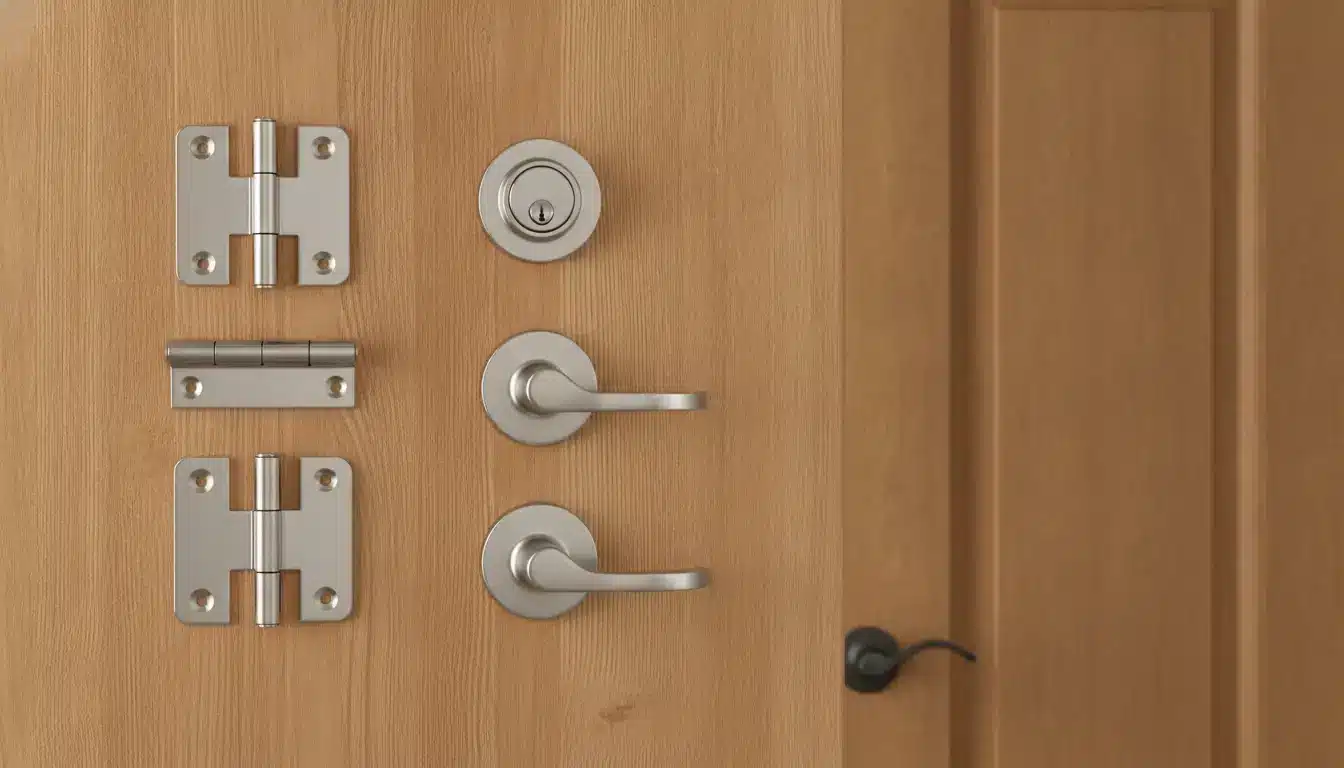
Passage sets are non-locking knobs or levers for hallway and closet doors. They latch the door shut and let you open it again.
Privacy sets lock from the inside, usually with a push button or turn button, and are meant for bedrooms and bathrooms. They include a small emergency release from the outside.
Keyed entry sets secure exterior doors and lock with a key from outside. For real security, pair the entry set with a deadbolt.
A single-cylinder deadbolt uses a key outside and a thumbturn inside, the usual choice for homes. A double-cylinder deadbolt requires a key on both sides. Because a dwelling’s main egress door must open from the inside without a key, check local code before installing one.
 A Quick Shopping Primer
 A Quick Shopping Primer
Whether you shop in person or online, hardware is usually grouped by category: hinges, locksets, door closers, and accessories such as strikes, viewers, and weatherstripping. Browsing by function helps avoid mismatched parts and returns.
If you want to see how these categories are organized for residential and light-commercial projects, a category-based online retailer can be a useful reference. Seeing the categories laid out can make it clearer which pieces you need for a given door.
As you shop, keep a short list for each door: function, the measurements covered below, and the finish you want. That list prevents guesswork at checkout.
Fit Matters: Measure Once
A lock that does not fit is one of the most common hardware frustrations, and it usually comes down to four numbers. Measure them once and write them down.
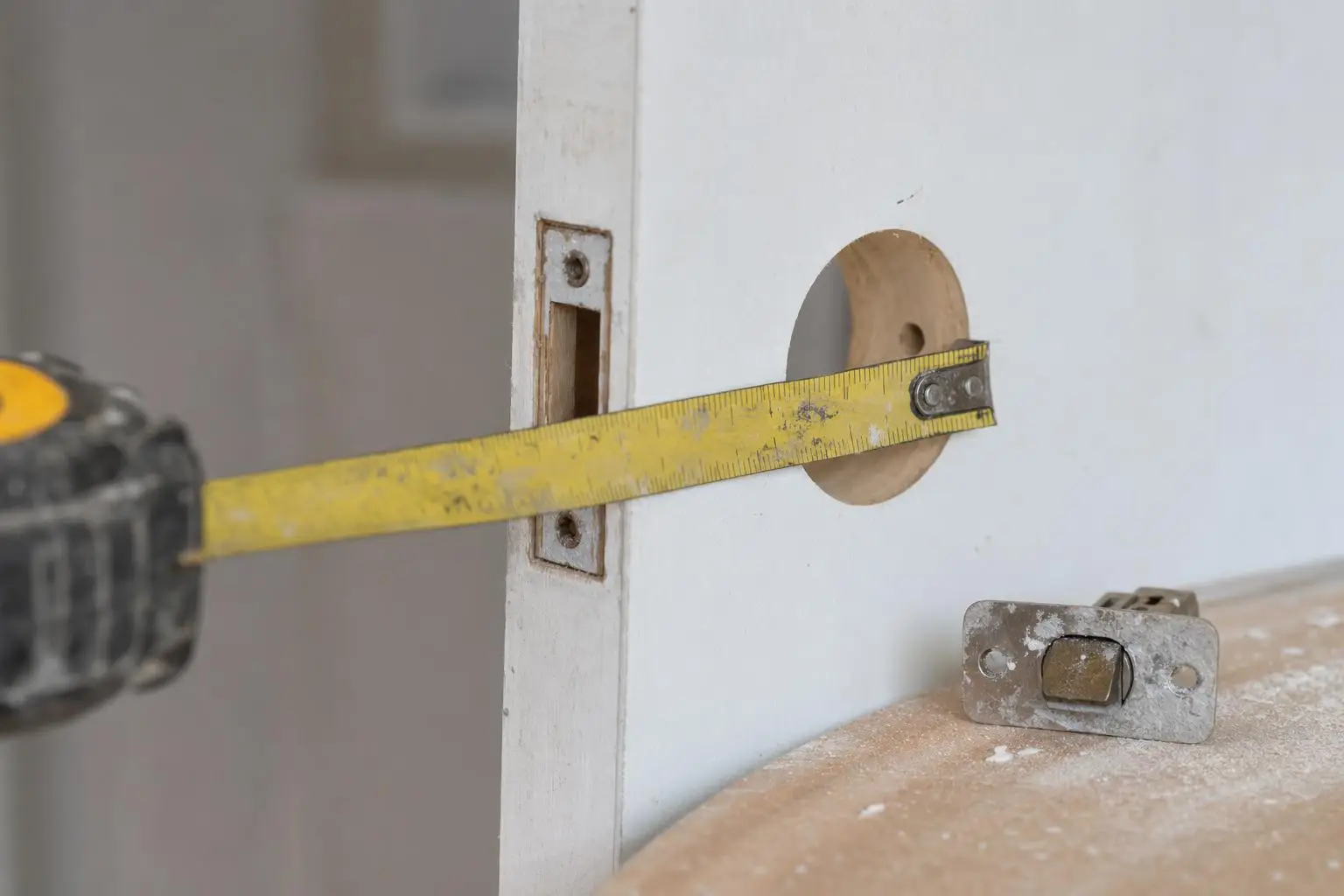 Backset is the distance from the edge of the door to the center of the large hole where the lock body sits. Standard residential backsets are 2-3/8 inch or 2-3/4 inch. Many locks include an adjustable latch that covers both.
Cross bore is the large hole through the face of the door, typically 2-1/8 inch in U.S. door prep. The smaller edge bore, where the latch slides in, is usually 1 inch.
Door thickness matters because most residential locks are designed for doors between 1-3/8 and 1-3/4 inches thick. If your door is thicker than standard, look for a thick-door kit, which some manufacturers include or sell separately.
If your door already has holes drilled, match a new lock to those existing bores and backset rather than trying to re-drill. Category filters from a hardware retailer can also help you compare hardware by backset, bore, and door type before you narrow the list by finish.
Hinges 101
Hinges do quiet, constant work, and the right ones keep doors hanging straight and closing cleanly.
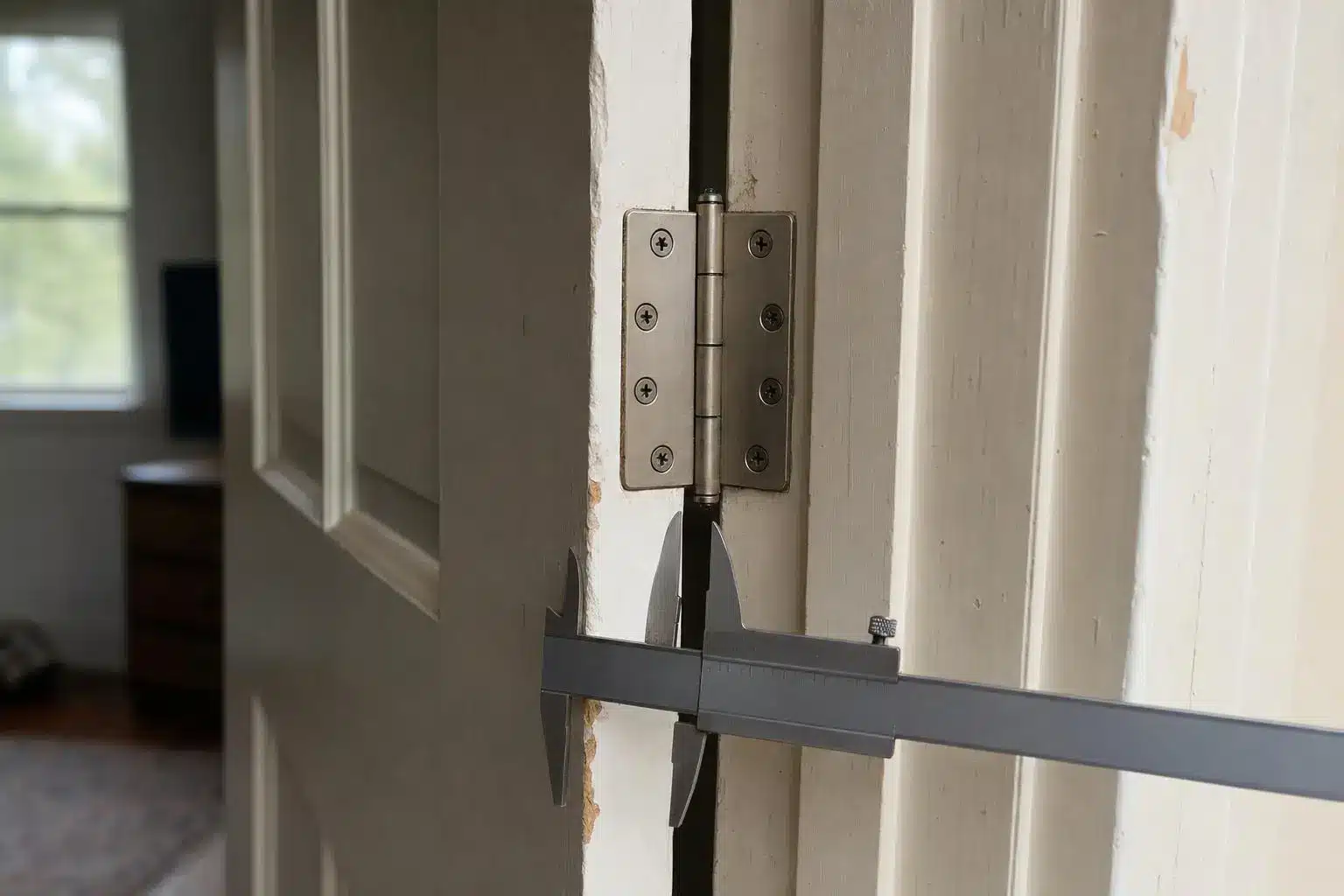 The common butt hinge is the familiar two-leaf hinge on most interior and exterior doors. Spring hinges pull a door closed on their own. Continuous or piano hinges run the full height of the door and spread stress along the whole edge for heavy or high-traffic doors.
For sizing, most homes use 3.5-inch hinges on interior doors and 4-inch hinges on exterior doors. A simple planning rule is one hinge for every 30 inches of door height, so a typical 80-inch door uses three hinges.
Outswing exterior doors deserve extra attention because their hinge pins face outside. Look for non-removable pin (NRP) hinges or security studs, which keep the door from being lifted off even if the pin is tampered with.
Reading Lock Labels
Lock packaging can be full of ratings that are easy to misread.
The BHMA Secure Home label grades door hardware on Security, Durability, and Finish. Each is rated A, B, or C, where A is best, B is better, and C is good. That gives you a quick way to compare tested performance. When you are sorting categories before checking labels, doors for pros can be a quick starting point for hinges, locksets, closers, and accessories.
Two ANSI/BHMA residential standards matter most: A156.39 covers locksets and latches, and A156.40 covers deadbolts. The deadbolt standard includes security tests, including a 1,350-pound force test against the deadbolt.
You may still see older Grade 1, 2, and 3 language on some listings. That is separate from Secure Home A/B/C ratings, so compare one rating system at a time.
Smart Locks Without the Hype
Smart locks add convenience, but they do not have to be complicated.
Keypad locks let you enter a code instead of using a key. Many work without an app or internet connection, which keeps them simple and reliable.
App-connected locks add remote features over Wi-Fi, Thread, or Bluetooth, so you can lock, unlock, or check status from your phone. Battery life varies, so plan on changing batteries and keep a backup key or code.
Matter is meant to help smart-home devices from different makers work together.
Five-Minute Security Upgrades
Some of the best security improvements are cheap, fast, and require almost no tools. These upgrades can make an entry door noticeably harder to force open.
- Upgrade the strike plate. Consumer Reports recommends a box strike and/or 3-inch screws on the strike plate so screws reach wall framing instead of just the jamb.
- Replace short hinge screws. Swap one screw per hinge for a longer 3-inch screw to anchor the hinge side into framing too.
- Fix latch alignment. If you have to lift or push the door to lock it, adjust the strike so the bolt slides in freely.
- Add a door viewer. A simple peephole lets you see who is at the door before opening it.
 Upgrade the strike plate. Consumer Reports recommends a box strike and/or 3-inch screws on the strike plate so screws reach wall framing instead of just the jamb.
Finishes and Materials, Simplified
Finish is where personal taste comes in, but a few practical notes help. Satin nickel has a soft, versatile look. Chrome reads cooler and more modern. Bronze tones lean warm and traditional. Repeating one finish family across a room keeps things cohesive.
Secure Home finish grades reflect corrosion and abrasion resistance, useful for heavy use or harsh weather. Near the coast, solid brass or stainless steel generally resists corrosion better than plated steel.
Storm, Screen, and Specialty Hardware
A few extra pieces solve specific problems around the house.
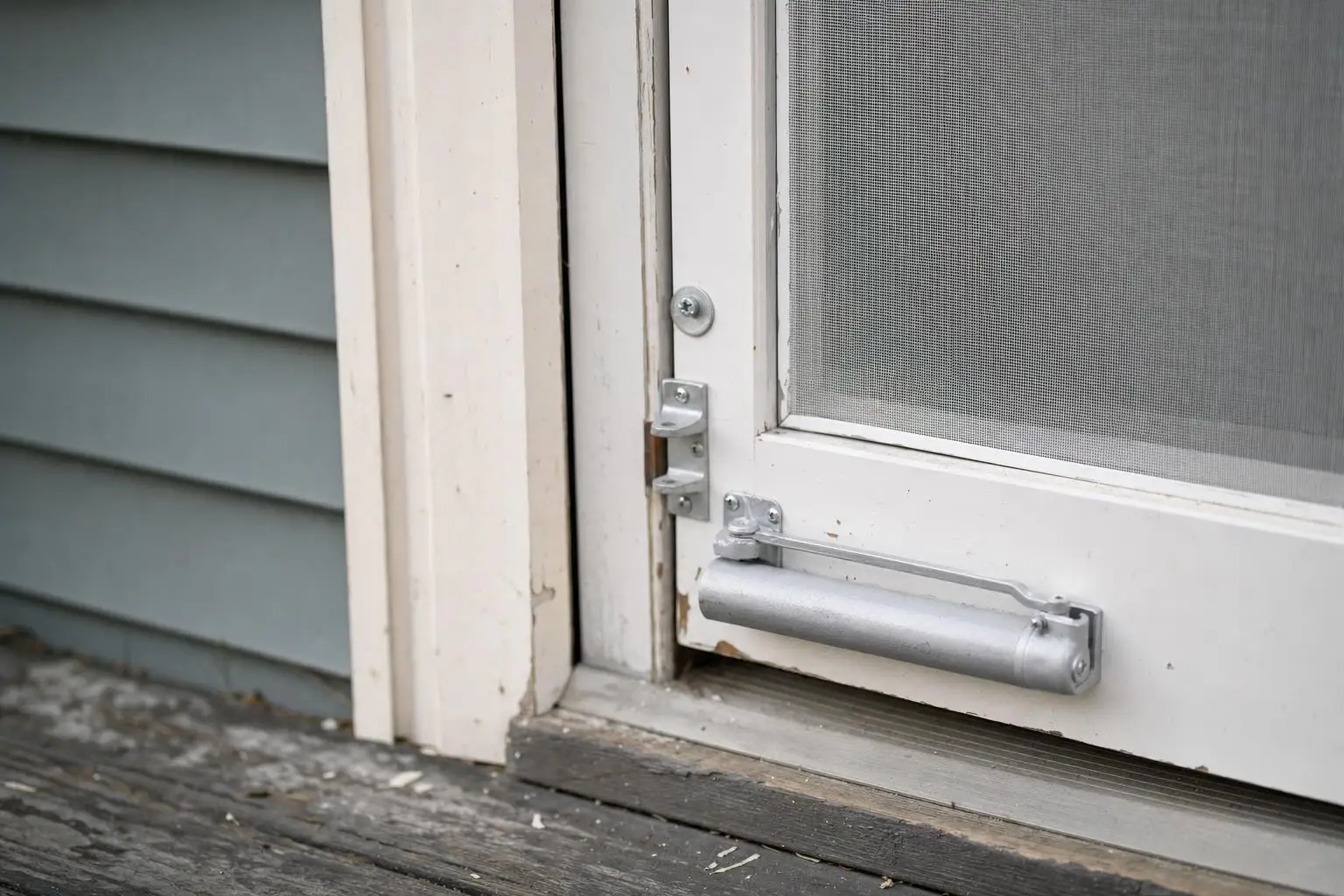 A storm door closer controls the panel’s speed so the door closes gently instead of slamming. Many include a simple hold-open feature, often a small washer you slide along the closer rod. For a related DIY project, screen door upgrades can help you think through comfort and airflow before choosing specialty hardware.
For French doors, flush bolts hold the inactive panel at the top and bottom. Door sweeps and weatherstripping seal gaps that let drafts in around an exterior door.
Keyed Alike and Re-Keying
If you have more than one exterior door, matching keys is a real convenience. Combo packs with an entry set and deadbolt are often sold keyed alike, so one key works for both.
Some brands offer DIY re-key technology that lets you reset a lock to a new key at home. That helps several doors share one key or lets you retire previous keys without replacing every lock.
A Simple Checklist Before You Buy
Door hardware feels technical until you break it into steps. Run through this list for each door and the rest becomes easier.
- Choose the function by room: passage, privacy, or keyed entry.
- Confirm the four measurements: backset, cross bore, edge bore, and door thickness.
- Pick the right hinge size and count for the door.
- Use Secure Home labels to compare security, durability, and finish.
- Add a reinforced strike and longer screws for an easy security boost.
- Check local code before choosing a double-cylinder deadbolt.
If you are comparing options online, a category-based source can help you match each item to the list instead of shopping by finish alone. With those decisions made, most upgrades take an afternoon and no specialized skills. Match the hardware to how each door is used, get the measurements right once, and a few small reinforcements will make your doors feel more solid and secure for years.