A beautiful outdoor space offers more than visual appeal. It creates a place to relax, spend time with family, and enjoy nature throughout the year. While many homeowners focus on flowers, shrubs, and garden beds, trees also play a major role in the safety and health of the landscape. Understanding when professional services such as emergency tree removal may be needed can help homeowners protect their property and outdoor spaces when severe weather strikes.
Trees provide shade, support wildlife, and add character to a yard. At the same time, they require regular attention to remain healthy and safe. A proactive approach to tree care helps create an outdoor environment that stays enjoyable during every season.
Start With Regular Tree Inspections
Many tree issues develop slowly over time. A tree may appear healthy from a distance while hiding structural problems that increase the risk of branch failure or decline.
Homeowners can benefit from making tree inspections part of their regular landscape routine. Look for signs such as dead branches, cracks in the trunk, fungal growth, or areas where leaves appear sparse compared to previous years.
Seasonal inspections also help identify potential hazards before storms arrive. Trees that receive attention early often have a better chance of remaining healthy and stable throughout the year.
Keep Trees Healthy Through Proper Maintenance
Healthy trees contribute to a healthier landscape. They provide shade that helps reduce moisture loss in garden beds and can create favorable growing conditions for many plants.
Routine maintenance supports long term tree health. Pruning helps remove damaged or weak branches while improving the tree’s structure. Removing unhealthy growth can also improve airflow through the canopy.
Proper watering practices are equally important. Trees often need extra support during extended dry periods, especially younger specimens that are still establishing their root systems.
Mulching around the base of a tree can help retain soil moisture and regulate temperature. It also reduces competition from weeds and grass.
Prepare Your Landscape for Seasonal Weather
Each season brings different challenges for homeowners and gardeners. Planning ahead can reduce the impact of changing weather conditions on both trees and garden spaces.
In spring, inspect trees for winter damage and remove broken branches. Summer often requires attention to watering needs, especially during periods of high heat.
Fall is a good time to clear debris and evaluate tree health before winter weather arrives. During winter, heavy snow and ice can place additional stress on branches and trunks.
Seasonal preparation helps reduce the likelihood of unexpected problems while supporting the overall health of the landscape.
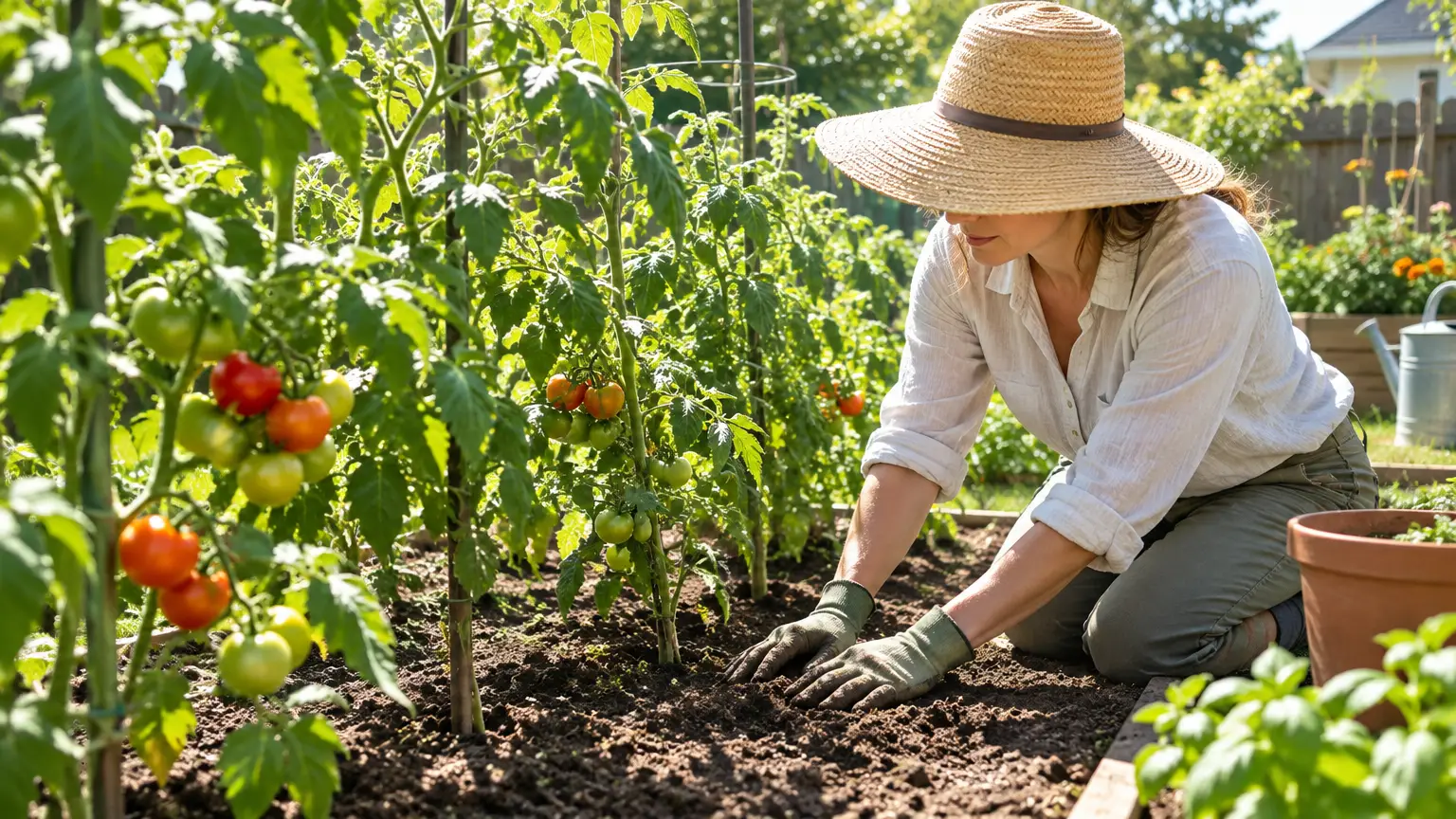
Protect Garden Areas From Tree Related Damage
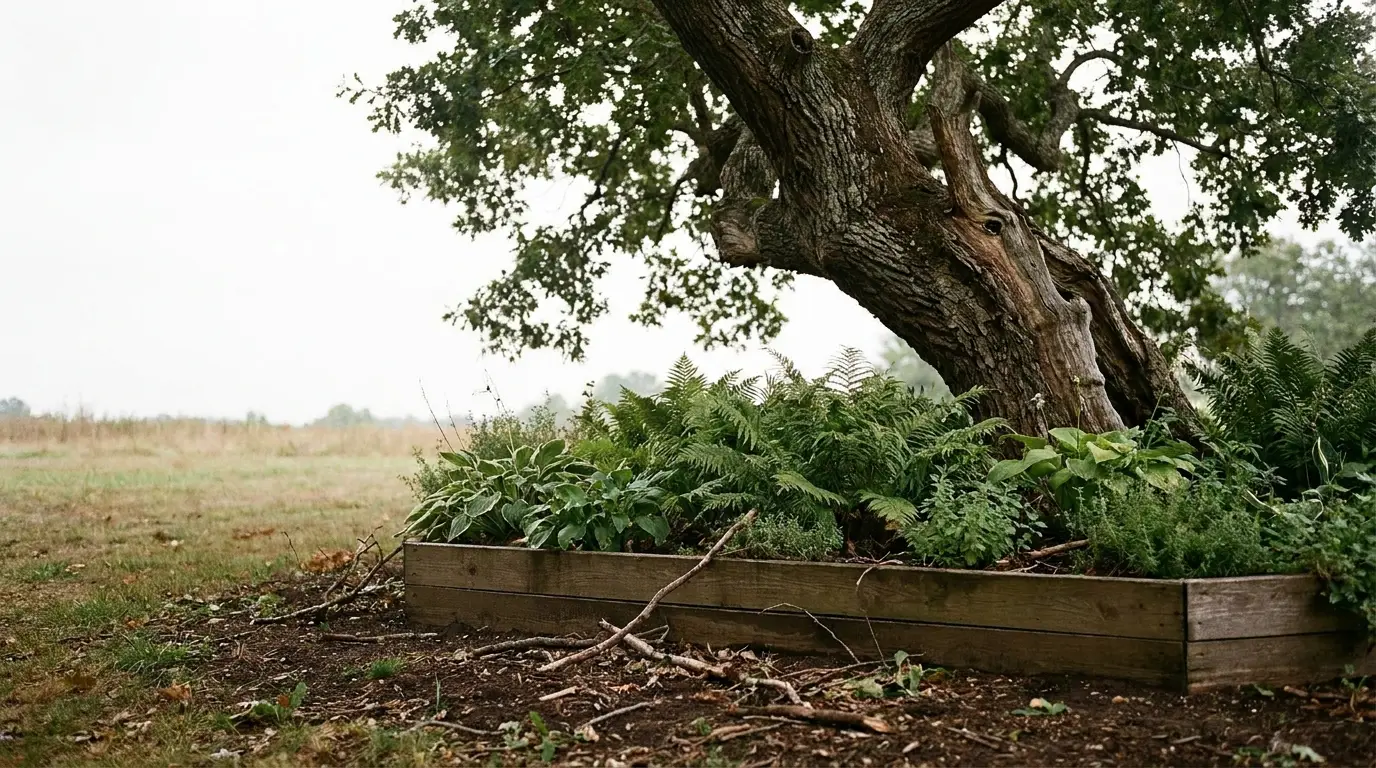
Trees and gardens often share the same space. When trees remain healthy, they can benefit nearby plants. When problems develop, they can create challenges for the surrounding landscape.
Falling branches can damage raised beds, flower gardens, fences, and outdoor structures. Overgrown canopies may block sunlight needed by certain plants. Weak trees can also become vulnerable during storms.
Managing tree health helps protect the time and effort invested in a garden. It also creates a safer environment for family members and visitors who spend time outdoors.
Encourage Strong Root Development
A tree’s health begins below the surface. Strong roots help trees absorb water and nutrients while providing stability during wind and storms.
Avoid practices that can damage roots, such as excessive soil compaction or repeated disturbance around the base of the tree. Construction projects, heavy equipment, and frequent digging can all affect root health.
When planting new trees, choose locations that provide enough space for future growth. Proper placement reduces future conflicts with structures, walkways, and other landscape features.
Healthy roots support healthier trees, which contributes to a safer and more resilient outdoor environment.
Create a Balanced Landscape
A successful landscape combines beauty, function, and safety. Trees, shrubs, flowers, and lawns all work together to create an inviting outdoor space.
Balance plays an important role in long term landscape health. Trees should have enough room to grow without crowding nearby plants. Garden beds should be planned with mature plant sizes in mind.
Regular maintenance helps preserve that balance. Small adjustments made throughout the year can prevent larger problems from developing later.
A well maintained landscape also tends to recover more effectively after periods of severe weather or environmental stress.
Know When Professional Help Is Needed
While homeowners can handle many routine landscape tasks, some tree concerns require professional evaluation. Large trees, storm damage, and structural issues often involve risks that should be addressed by trained experts.
Professional arborists can assess tree health, identify hazards, and recommend appropriate solutions. Their expertise helps homeowners make informed decisions that support both safety and long term tree health.
Seeking guidance early can often prevent minor concerns from becoming larger problems. It also provides peace of mind for homeowners who want to protect their property and outdoor spaces.
Enjoy a Safer Outdoor Space Year Round
Creating a safe outdoor space is an ongoing process rather than a one time project. Trees, gardens, and landscapes change over time, and regular care helps them remain healthy and enjoyable.
By paying attention to tree health, preparing for seasonal weather, and addressing potential concerns before they become serious, homeowners can create outdoor environments that remain welcoming throughout the year.
A thoughtful approach to landscape care supports both beauty and safety. It also helps ensure that gardens, trees, and outdoor living areas continue to provide value and enjoyment for many seasons to come.