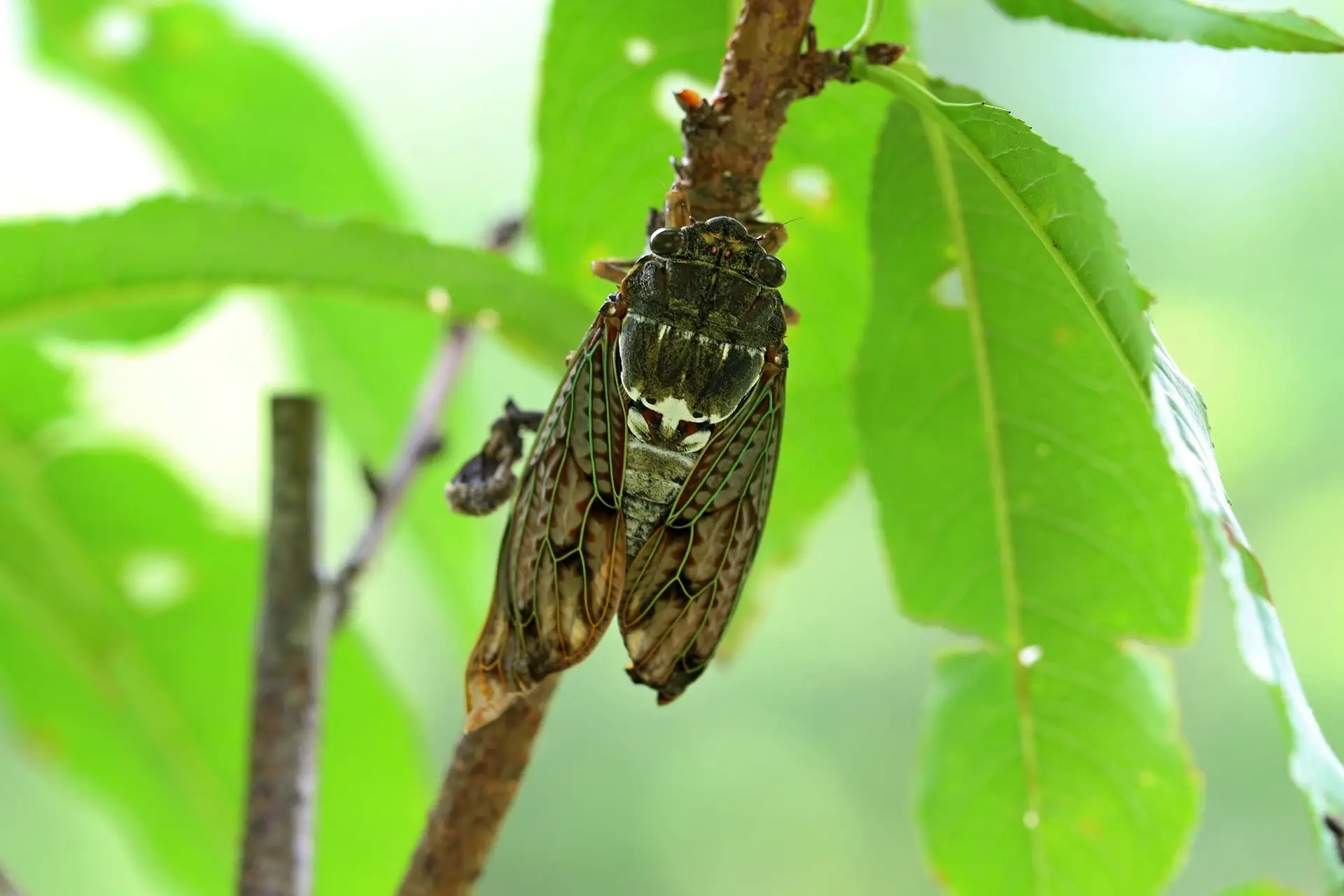
What does your garden sound like at six in the morning? I bet you know, and I bet you’ve been enjoying the therapeutic cicadas and the occasional Robin. And I would also bet that the ‘morning songs’ are very different from what it sounds like at six in the evening. There’s quite a concert going on out there, even if we’re not there to witness it.
Here’s an interesting thought. Recording these sounds is more than a pastime for freelancers and retirees. Scientists use acoustic recordings to study wildlife, track changes in animal communities, and understand how environments change over time.
And, before you say anything, no, you don’t need expensive recording equipment to experiment with the same idea in your backyard. A smartphone is perfectly fine. And in case you run into some format troubles, you can always use a free converter, say, Convertio. If your phone saves recordings as compressed M4A files, Convertio’s m4a to wav converter can prepare them for editing in software that works with uncompressed audio. The recording itself might be surprisingly revealing.
Jumping forward, there’s another important point, for which we’ll have to jump into the delightful world of file formats. Cornell Lab of Ornithology recommends WAV for high-quality wildlife recording because it preserves the audio without lossy compression (we’ll talk about this later). If you’ve already recorded in MP3, using an mp3 converter to wav can make the file compatible with an editing workflow that expects uncompressed PCM audio. Convertio provides this conversion directly in a browser.
Let’s talk some more about soundscapes, though, and how they determine the vibe of any garden, forest, and landscape in general.
Your Garden Is an Acoustic Ecosystem
Just because everything should (and does) have a name, scientists came up with a name for the collection of sounds produced by any environment. It’s called a soundscape. Biological sounds, i.e., birdsong and insect calls, natural nonbiological sounds, like rain and wind, and human-made noise, from traffic to lawnmowers.
The US National Park Service studies these soundscapes using audio recordings, sound-pressure measurements, spectrograms, and more. If WHY is the question in your head right now, let me answer it. Sound gives us info that visual observation won’t. Needless to say, most animals and birds are easier to hear than to spot in the trees. It also gives researchers time to go back and replay their recording over and over again.
What about the scientific possibilities? A 2023 study published in Nature Ecology & Evolution examined 8,023 audio recordings paired with bird surveys. Researchers found that changes in soundscapes could indicate changes in bird communities.
How to Make Your First Backyard Recording
The mentioned Cornell Lab was quite busy for decades, and collected and archived wildlife recordings in its Macaulay Library. Want to start recording? I’d listen to their advice if I were you. These scientists know what they’re talking about. Here’s what Cornell says:
- First, choose a recording location away from obvious noise sources and noise polluters. A spot near a bird feeder, a flowering border, or a quiet corner of the yard could work, provided you aren’t disturbing the animals.
- Hold your phone steady. Avoid moving or talking during recording.
- Point the microphone toward the sound you’re trying to capture.
- Even the rustling of your clothing can overwhelm a quiet bird call, so stay very still.
- Record for at least 30 seconds, but you can definitely take longer if you can.
- Longer recording – more examples of the target sound.
- Try recording the same place at different times:
- Early morning
- Midday
- Evening
- After rainfall
- Be consistent with it, and record repeatedly, so you have something to show for it.
What Happens Afterwards?
Just put your headphones on (good ones, preferably) and listen. You’ll be surprised how much goes unnoticed when you’re out there in the garden vs. listening to the footage afterwards. Lots of sounds become much more noticeable.
Once you’ve identified a few distinctive sounds, it’s time for editing. Again, you don’t have to e a music producer for this. Just basic skills will do. As we’ve discussed previously, recordings made on different devices may arrive in different formats. Some phones and applications save compressed audio, while specialist recording applications can produce uncompressed WAV files directly.
Caution! Converting an MP3 or a lossy M4A into WAV does not bring back sound information removed during compression. Whenever possible, record directly in WAV if your aim is serious wildlife documentation.
For existing recordings, Convertio can still help standardize files for editing and organization.
Everything is ready? Great. Get a simple-to-work audio editor to examine the waveform, trim the material you don’t need, adjust playback volume, etc. You’ll get the hang of it very quickly.
Caution #2! Avoid excessive noise reduction if you intend to use the recordings for identification or scientific purposes. Remember, background sounds and natural pauses can contain useful information.
Can You Identify the Musicians?
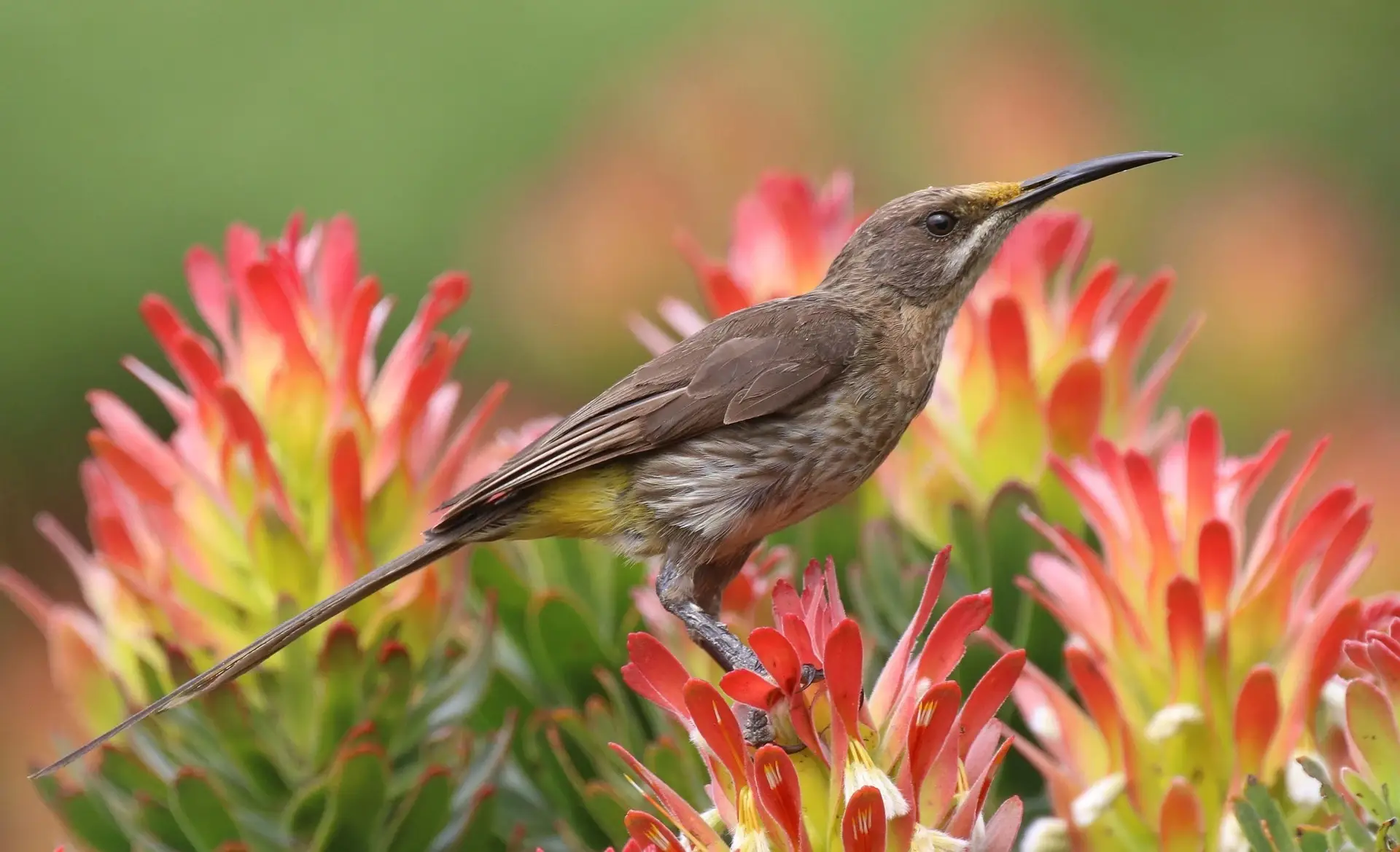
- Recognizing individual birds is perhaps the most entertaining part of the exercise.
The free Merlin Bird ID app, for example, includes a Sound ID feature that listens to bird vocalizations and suggests possible species. It also displays a spectrogram, allowing users to see the patterns associated with different calls.
But this is not a one-size-fits-all answer. All suggestions should be verified by comparing recordings. While you’re at it, checking species distributions is important, as well as considering the surrounding habitat.
- Once you’ve identified a few visitors, you can begin building a small seasonal record.
Do you hear the same birds in March and September? Does a particular call appear only during breeding season? Has a familiar sound disappeared, or has something new arrived?
Such observations won’t establish population trends on their own, but they can motivate closer attention to the wildlife using your garden.
- There’s also an opportunity to contribute to something larger. Cornell’s eBird platform accepts bird observations and associated recordings, while the Macaulay Library preserves wildlife media for research, education, and conservation.
- You can keep a personal collection, too. Organize recordings by date, location, and identified species, retain the original files, and store backup copies. Convertio can help with format compatibility when you need to prepare files for different audio programs, but a converted copy shouldn’t replace your original recording.
A year later, you’ll have more than an assortment of audio clips. You’ll have a record of what your garden sounded like across changing seasons.
And that’s quite a different way of looking at gardening. We spend considerable effort deciding what to plant, where to place flowers, and how everything should look from the patio. Recording the garden introduces another question entirely.
What lives here when we’re not paying attention?