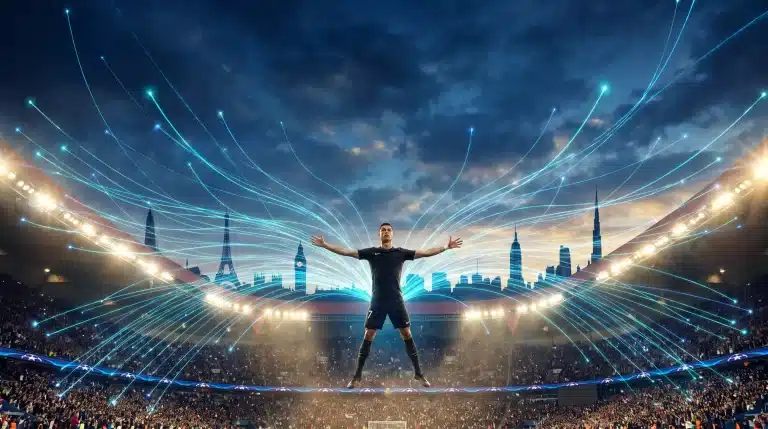
Cristiano Ronaldo’s transfer announcement to Al Nassr generated hundreds of millions of views across Instagram, X, TikTok, and YouTube within hours. Football clubs no longer rely only on television or local fanbases to grow influence. Social media turned them into global media brands communicating with supporters every day through training clips, dressing-room videos, transfer teasers, and match content. A single viral post can instantly reach audiences across Europe, Asia, the Middle East, and North America. Digital platforms also transformed how clubs attract sponsors, maintain fan loyalty, and stay relevant between matches. Modern football giants now compete for online attention almost as aggressively as they compete for trophies.
Viral Content Expands Global Fanbases
Football clubs now create digital content for worldwide audiences instead of focusing only on local supporters. Many fans also follow football highlights and live sports updates through platforms like MelBet, since the app gives quick access to match information, statistics, and major football events in one place. Clubs regularly produce short-form videos, behind-the-scenes footage, and player interaction content designed specifically for TikTok, Instagram Reels, and YouTube Shorts. A viral celebration clip or dressing-room moment can generate millions of views within hours and introduce clubs to younger audiences who may never watch a full live match.
The increase in visibility for supporter bases created by this type of Digital content is immense. Supporters from Indonesia, Saudi Arabia, the United States, and Nigeria now follow European clubs daily via mobile platforms. Additionally, many clubs are producing localized content in multiple languages to enhance international engagement. Furthermore, the ability of clubs to consistently provide Digital viral moments allows them to remain visible constantly (during both transfer windows and preseason tours). Therefore, the influence of football clubs is constant rather than episodic and limited to only those days that include matches.
Direct Communication Changed Fan Engagement
Social media removed the distance between football clubs and supporters. Fans now receive transfer news, injury updates, training clips, and match reactions instantly through official club accounts instead of waiting for traditional media coverage:
- Arsenal livestreams player arrivals and behind-the-scenes footage.
- Manchester City shares tactical clips and daily training content.
- Barcelona publishes multilingual posts for international audiences.
- Liverpool delivers live matchday updates through social platforms.
Constant communication creates stronger emotional connections between clubs and supporters worldwide. Fans feel closer to players, coaches, and club culture because updates arrive every day. Football clubs effectively became their own digital broadcasters, producing nonstop content to maintain audience attention and loyalty.
Digital Platforms Increased Commercial Influence
Football clubs today operate primarily as Digital business entities and secondarily as sports organizations. The number of followers that a club has on social media has a direct correlation with its potential to attract Sponsors, sell merchandise, drive streaming traffic, and access international marketing opportunities. Clubs with large numbers of followers (hundreds of millions) can expose brands to global audiences immediately through posts, videos, and campaigns. The online presence and reach of football clubs in terms of their commercial value can have a significant role in sponsorship negotiations and advertising agreements; therefore, online metrics carry great weight in these areas.
Sponsors Target Clubs With Massive Online Reach
Companies increasingly choose football clubs for partnerships based on social media reach rather than only trophies or stadium size. Football communities on pages like MelBet Instagram Jordan actively follow match highlights, transfer rumors, and player content every day, which shows brands how powerful online football audiences have become. A single post from Real Madrid or Manchester City can reach millions of users worldwide within minutes. That level of exposure makes football clubs highly attractive for airlines, sportswear companies, and tech brands looking to build global recognition quickly.
Companies can also use social media campaigns to measure engagement in real time. Companies can view how many times a video or post has been viewed, what types of engagement exist (e.g., comments), and what countries/demographics are viewing the campaign in real time. It is common practice for clubs with strong social media engagement to receive larger sponsorship contracts, as companies know that their campaigns will be exposed to global football audiences each day, not only during matches.
Players Became Powerful Social Media Brands
In addition to increasing the popularity of their respective clubs, professional footballers can increase their own individual popularity among fans around the world. The sheer volume of the digital audience that professional footballers have attracted creates a level of interest wherever they post content or announce they are moving to another team. For example:
- Cristiano Ronaldo has hundreds of millions of followers on Instagram.
- Lionel Messi receives huge levels of engagement during international competitions.
- Mbappé frequently becomes one of the most trending topics in the world after matches featuring him for either PSG or France.
Professional footballers’ level of popularity helps drive increased shirt sales for their respective clubs, increases sponsorship opportunities, and grows international audience sizes for clubs. The level of Digital engagement that occurs when top footballers announce they are leaving a club is immediate and widespread across multiple platforms worldwide.
Matchday Content Keeps Fans Constantly Connected
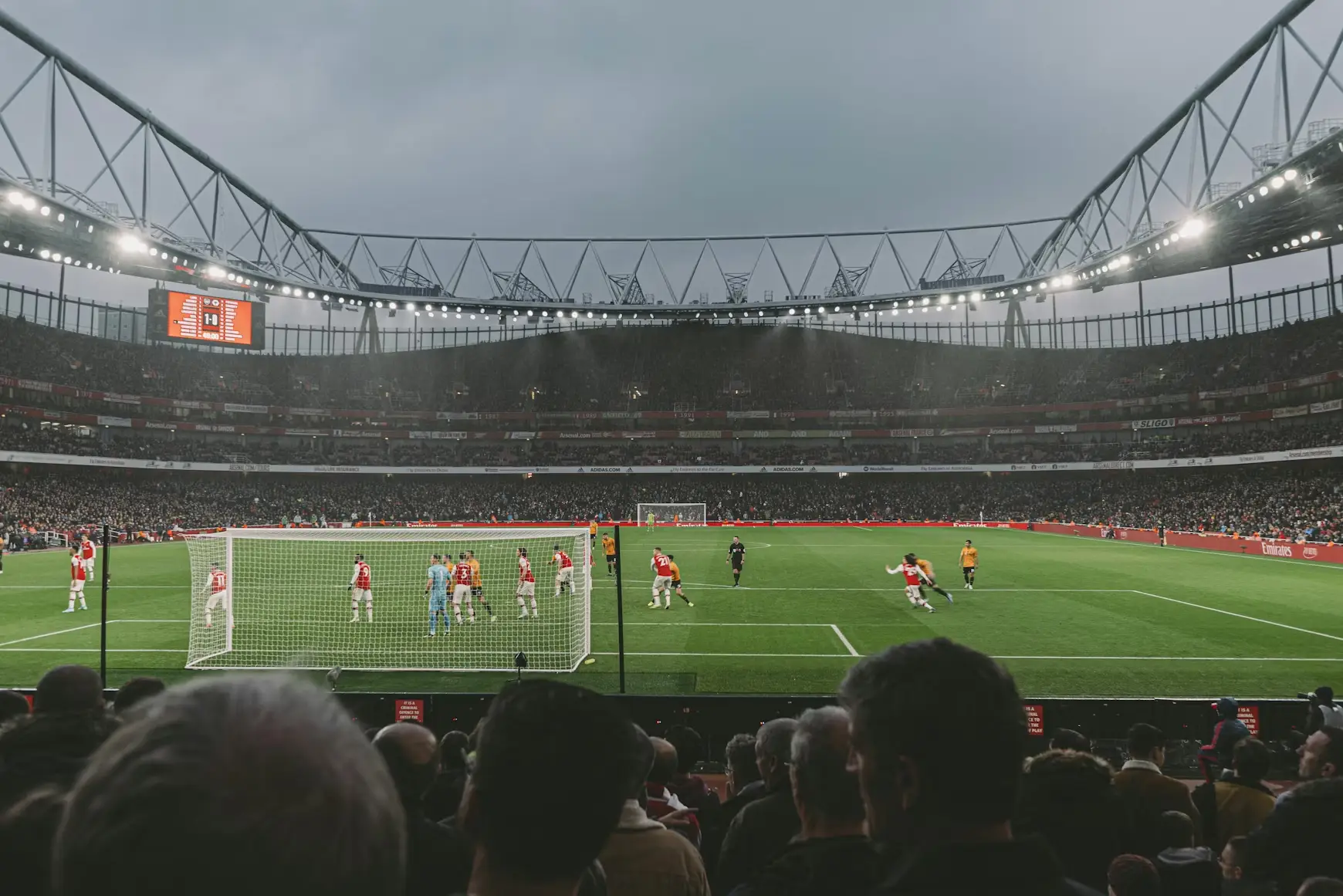
Football clubs can now make every matchday into a marathon of Digital coverage. Supporters can follow team arrival information before kick-off, warm-ups, dressing room footage, half-time reactions, and post-game interviews, all delivered directly via social media platforms. In fact, fans located thousands of miles away continue to be engaged throughout the duration of the event as clubs deliver continual coverage leading up to kick-off, during the game itself, and immediately following kick-off:
|
Content Type |
Fan Impact |
|
Team arrival videos |
Builds pre-match excitement |
|
Live training clips |
Increases engagement before kickoff |
|
Goal highlights |
Drives instant global reactions |
This constant content flow keeps clubs visible beyond stadium audiences alone. Matchdays became full digital experiences where fans interact with clubs in real time through comments, reactions, livestreams, and shared highlights across multiple platforms.
Transfer News Spreads Faster Through Social Media
Social media completely changed how football transfers are covered. Clubs no longer depend on television or newspaper headlines to announce signings. A teaser video, player photo, or short post can dominate global football discussions within minutes. Cristiano Ronaldo’s move to Al Nassr and Lionel Messi’s transfer to Inter Miami became worldwide online events before official presentations even started.
Fans now follow rumors, negotiations, and player reactions in real time across X, Instagram, TikTok, and YouTube. Supporters actively discuss transfers, while journalists and clubs compete to break updates first. Massive online attention also increases shirt sales, sponsorship exposure, and international audience growth for clubs during transfer windows.
International Audiences Follow Clubs Daily
Football clubs have been developing a global support base much larger than just within their immediate markets. The supporters for football clubs such as those in the U.K., Saudi Arabia, the United States, and India are able to engage on an everyday basis with clubs via social media platforms, including Instagram, TikTok, X, and YouTube. Bayern Munich, Manchester City, and Barcelona post regionally focused content and multi-lingual posts, along with various campaign-based items for international sponsorships. It is apparent that all three clubs recognize that the development of a global community will increase commercial value and create long-term fans.
The preseason tour has become one of the largest digital events for clubs. Clubs share videos of training sessions, meet with fans at scheduled appointments, and provide live updates of the match day experience from around the world. With these international trips, millions of fans can interact with their team(s) in real time, either by following each event online or seeing them perform in person. Football clubs are no longer looked upon as simply a local organization; they have developed into global entertainment companies that continue to be supported on a continuous basis throughout the entire globe.
Online Influence Now Shapes Club Reputation
Football clubs are now measured based on how well they captivate their audience, how well they are visible, and how well they stack up against other football clubs using digital platforms. The club that is able to effectively build a better online presence will be able to maintain its fan base over time, create the best opportunity for attracting new sponsors, and retain the interest of football fans who may lose interest in their club if there is an extended period of poor performance. New fans will develop a greater connection with football clubs through both these online stories, as well as through watching entire games. As such, having an effective digital platform is also becoming one of the most important competitive advantages football clubs can have.