Starting plants from seed gives you more control over what grows in your garden and when you plant it. It also lets you grow more varieties.
Still, sowing seeds can feel confusing at first. Planting too deep, adding too much water, or starting at the wrong time can leave you waiting for seedlings that never appear.
I used to think seeds simply needed soil and water, but small details can make a noticeable difference.
Learning how to sow seeds properly helps remove much of that guesswork. You begin to understand what each seed needs before it can sprout and establish healthy roots.
When is the Best Time to Sow Seeds?
Sowing seeds means placing seeds in soil or a growing medium so they can germinate and develop into new plants.
The best time to sow seeds depends on the plant variety, local climate, and growing conditions.
For many vegetables, herbs, and flowers, the main sowing period is late winter through spring, typically from February to May.
Seeds started indoors are often sown 6 to 8 weeks before the last expected frost, giving seedlings time to develop before moving outside.
Warm-season crops such as tomatoes, peppers, and cucumbers need warmer conditions, while peas, spinach, and lettuce tolerate cooler temperatures.
Some plants can also be sown from August to October for fall or winter growing. Always check the seed packet for specific timing.
How to Sow Seeds: Step-by-Step Process
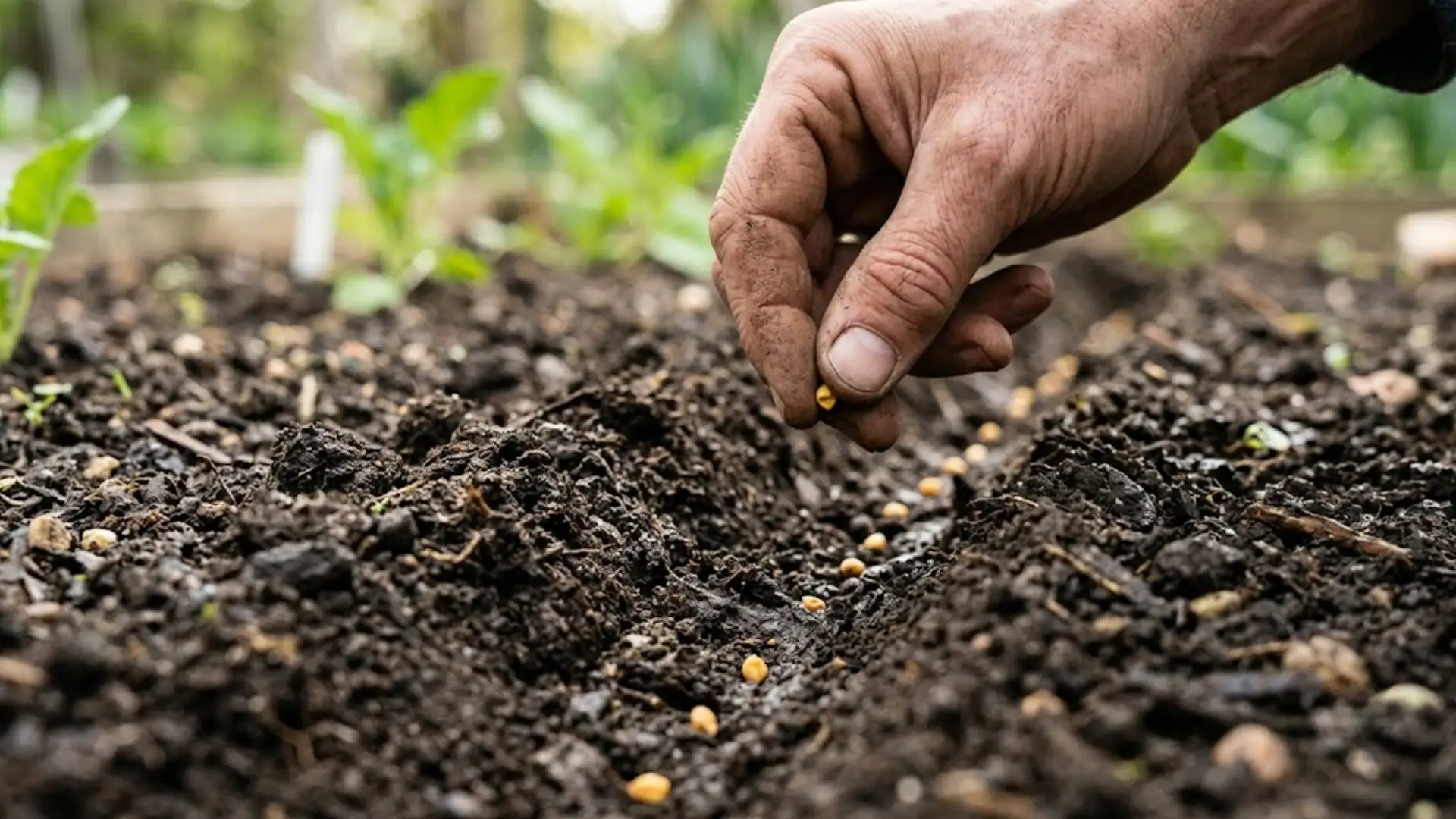
Sowing seeds is simple when you prepare the right growing conditions from the beginning.
The key is to use suitable soil, plant at the correct depth, and provide steady moisture and warmth. Follow these steps to give your seeds a healthy start.
1. Prepare the Soil or Seed-Starting Mix
Start with loose, well-draining soil that allows young roots to grow easily. For indoor sowing, fill seed trays or small containers with a fresh seed-starting mix.
If you are sowing directly outdoors, loosen the garden soil and remove weeds, stones, and large clumps. Gently level the surface before planting.
Lightly moisten the soil so it feels damp but not soaked. Starting with evenly moist soil makes watering easier after you plant the seeds.
2. Sow the Seeds at the Correct Depth
Check the seed packet for the recommended planting depth before sowing. As a general rule, plant seeds about 2 to 3 times as deep as their width.
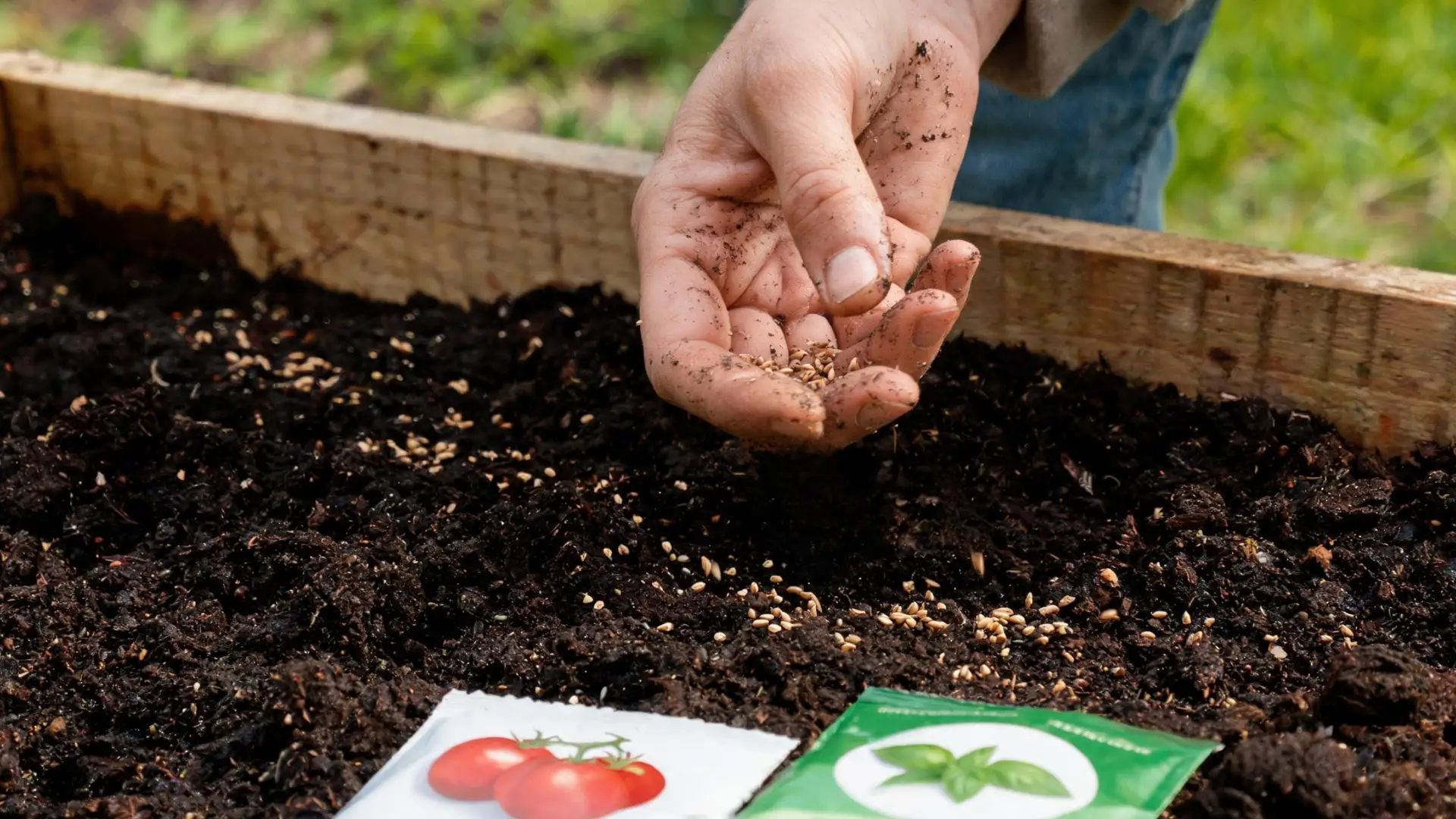
Make small holes or shallow rows in the prepared soil, then place the seeds inside.
Very small seeds may only need a thin covering of soil, while some should remain on the surface because they need light to germinate.
3. Space and Cover the Seeds
Place the seeds at the spacing recommended on the packet to give seedlings enough room to develop.
Proper spacing reduces competition for water, nutrients, and light as the plants grow.
Once the seeds are positioned, gently cover them with the appropriate amount of soil or seed-starting mix. Do not press the soil down firmly.
Label each row or container with the plant variety and sowing date.
4. Water the Seeds Gently
Water the newly sown seeds carefully so you do not wash them away or push them deeper into the soil. A spray bottle, fine watering can, or gentle hose setting works well.
Keep the soil consistently moist during germination, but never leave it waterlogged.
Check the surface regularly, especially during warm or dry weather. Indoor trays may dry at different rates depending on temperature and airflow.
5. Provide the Right Light and Temperature
Place your containers or trays where the seeds receive the temperature required for germination.
Many common seeds germinate well between 65°F and 75°F, although exact needs vary by plant. Once seedlings emerge, provide plenty of bright light to support strong, compact growth.
A sunny window may work, but grow lights can provide more consistent light indoors.
Continue checking soil moisture daily. As seedlings develop, watch for overcrowding and thin weaker plants when necessary.
How Deep Should You Sow Seeds?
The right sowing depth depends mainly on the size and type of seed. A useful general rule is to plant seeds about 2 to 3 times their diameter deep.
Small seeds usually need only a light covering of soil, while larger seeds can be planted at a deeper depth:
| Seed Size | Examples | Typical Sowing Depth |
|---|---|---|
| Very Fine (Needs Light to Germinate) | Lettuce, petunia, snapdragon | Surface, barely covered |
| Small | Carrot, basil, most flowers | 1/4 inch |
| Medium | Beans, squash, zucchini | 1/2 to 1 inch |
| Large | Corn, peas, sunflower | 1 to 2 inches |
Planting seeds too deep can make it difficult for young shoots to reach the surface. Seeds planted too shallow may dry out quickly or become exposed.
Always check the seed packet first, since it provides the recommended planting depth for that variety. After sowing, cover the seeds gently without pressing the soil firmly.
Different Methods for Sowing Seeds
Several ways to sow seeds exist, and the best method depends on the plant, available space, and growing conditions.
Some seeds grow best directly outdoors, while others benefit from starting in a protected environment.
- Direct Sowing: Plant seeds directly in garden soil where they will grow, avoiding the need for later transplanting.
- Seed Tray Sowing: Start seeds indoors in trays to better control moisture, temperature, light, and early growing conditions.
- Individual Pot Sowing: Sow seeds in separate small pots to provide more growing space and reduce root disturbance during transplanting.
- Row Sowing: Plant seeds in straight, evenly spaced rows to make watering, thinning, weeding, and plant care easier.
- Broadcast Sowing: Scatter seeds evenly across prepared soil instead of planting individually, commonly used for lawns, wildflowers, and some crops.
How Long Does It Take Seeds to Germinate?
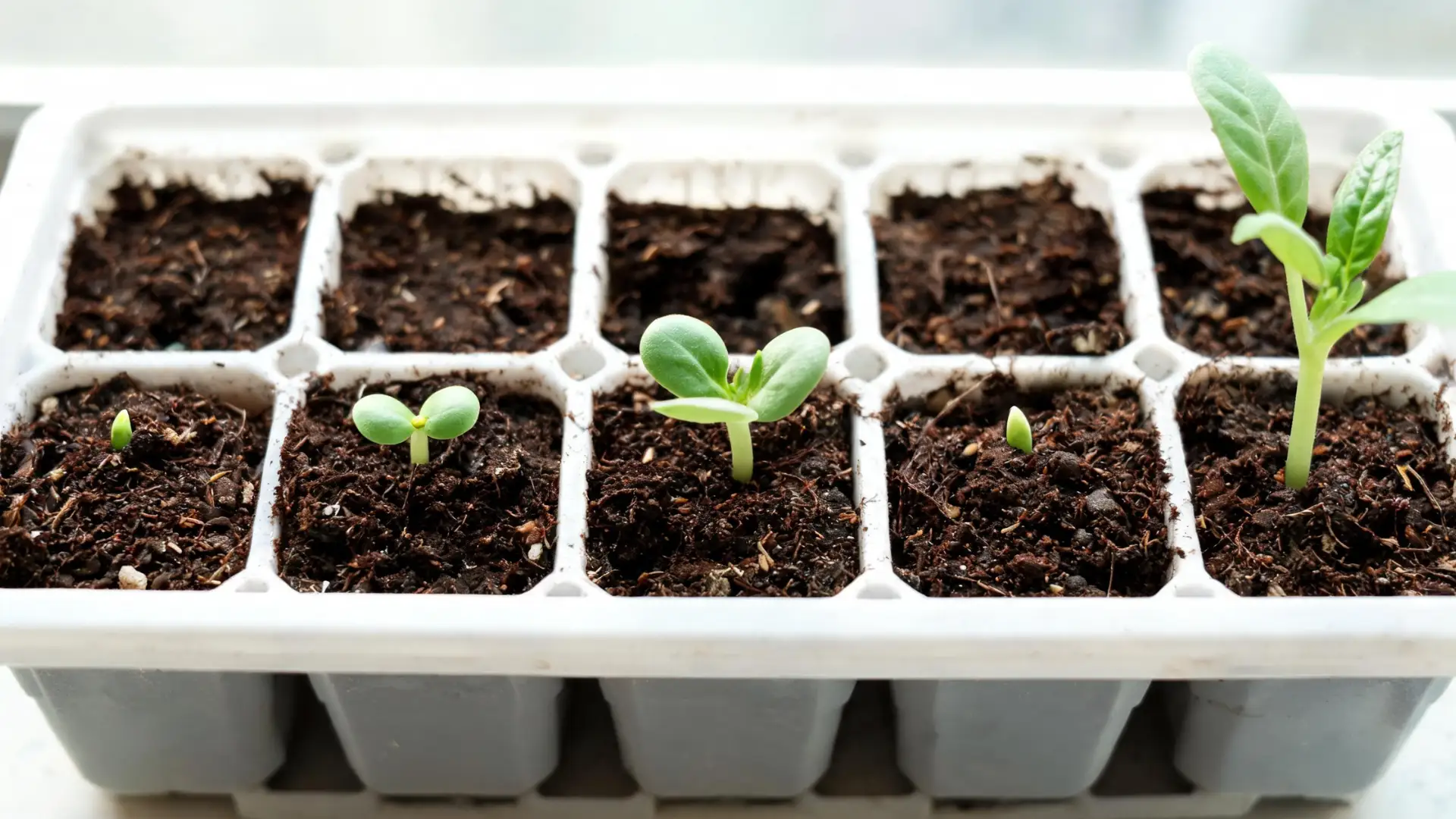
Most seeds take about 3 to 21 days to germinate, but the exact time depends on the plant variety and growing conditions.
Fast-growing seeds, such as lettuce and radishes, may sprout within a few days, while peppers, parsley, and some flowers can take two weeks or longer.
Soil temperature plays an important role because seeds germinate faster when temperatures match their preferred range.
Consistent moisture is also essential. Soil should remain evenly moist but never waterlogged during this period.
Seeds lose viability gradually, so if you are planting from packets that have sat around a while, it helps to know how to keep seeds viable in storage before you count on them to sprout.
If seeds have not sprouted within the expected period, check the soil temperature and moisture first.
What to Do After Your Seeds Germinate?
Once your seeds germinate, the young seedlings need proper care to develop strong roots, stems, and leaves.
Small changes in light, watering, spacing, and temperature can make a big difference during this early stage.
- Provide Enough Light: Place seedlings in bright light for about 12 to 16 hours daily to prevent weak, leggy growth.
- Water Carefully: Keep the soil evenly moist, but avoid overwatering because constantly wet soil can damage delicate roots.
- Thin Crowded Seedlings: Remove weaker seedlings when plants grow too close together, giving stronger ones enough space to develop.
- Maintain Suitable Temperatures: Keep seedlings in a stable environment and protect them from cold drafts, frost, and excessive heat.
- Prepare for Transplanting: Gradually harden off indoor seedlings before moving them outdoors permanently to reduce transplant stress.
Common Seed Sowing Mistakes to Avoid
Even small mistakes while sowing seeds can lead to slow germination, weak seedlings, or seeds that never sprout. Most problems are easy to prevent once you know what to watch for.
Avoid these common mistakes to give your seeds a better start.
- Sowing Seeds Too Deep: Planting seeds deeper than recommended can prevent young shoots from reaching the soil surface successfully.
- Overwatering the Soil: Too much water reduces airflow around seeds and can encourage rot, mold, and fungal problems.
- Letting Soil Dry Out: Seeds need consistent moisture during germination, so avoid allowing the growing medium to become completely dry.
- Sowing Seeds Too Close Together: Overcrowded seedlings compete for light, water, nutrients, and space, which can result in weaker growth.
- Ignoring Temperature Requirements: Soil that is too cold or hot can delay germination or prevent certain seeds from sprouting.
Conclusion
Sowing seeds becomes much easier once you understand the basics and give each seed the conditions it needs.
You do not need complicated equipment or years of gardening experience to get started.
A little patience and regular care can turn tiny seeds into healthy seedlings ready for the garden or containers.
If some seeds do not germinate the first time, adjust your approach and try again. Every planting helps you better understand what works in your growing space.
What seeds are you planning to sow this season? Tell us about them in the comments below.
Frequently Asked Questions
Can You Use Regular Potting Soil To Sow Seeds?
Yes, but seed-starting mix is usually better because it is lighter, drains well, and allows delicate roots to develop without struggling through dense soil.
Can You Sow Old Seeds?
Yes, old seeds may still germinate, but their success rate often decreases with age. Test several seeds first before planting an entire batch outdoors.
What is The Best Container For Starting Seeds?
Seed trays, cell packs, and small pots work well for starting seeds. Choose clean containers with drainage holes to prevent excess water around developing roots.