I used to think growing zucchini was as simple as giving it plenty of sun, water, and space.
Then I noticed how much the plants growing nearby could change the feel and performance of my garden.
Some seemed to fit naturally beside those broad zucchini leaves, while others quickly made the bed feel crowded and difficult to manage.
That realization made me pay closer attention to zucchini companion plants and how thoughtful plant placement can make gardening easier.
Below, I have listed some of the best companion plants for zucchini and which ones you should avoid planting with them.
What is Companion Planting?
Companion planting is the practice of growing certain plants close together because they can support each other in the garden.
For example, planting flowering herbs and flowers near zucchini can attract bees to the garden, which may improve pollination and fruit production.
Low-growing plants can also cover bare soil and help reduce moisture loss. However, not every plant grows well beside zucchini.
Some plants may compete for sunlight, water, nutrients, or space.
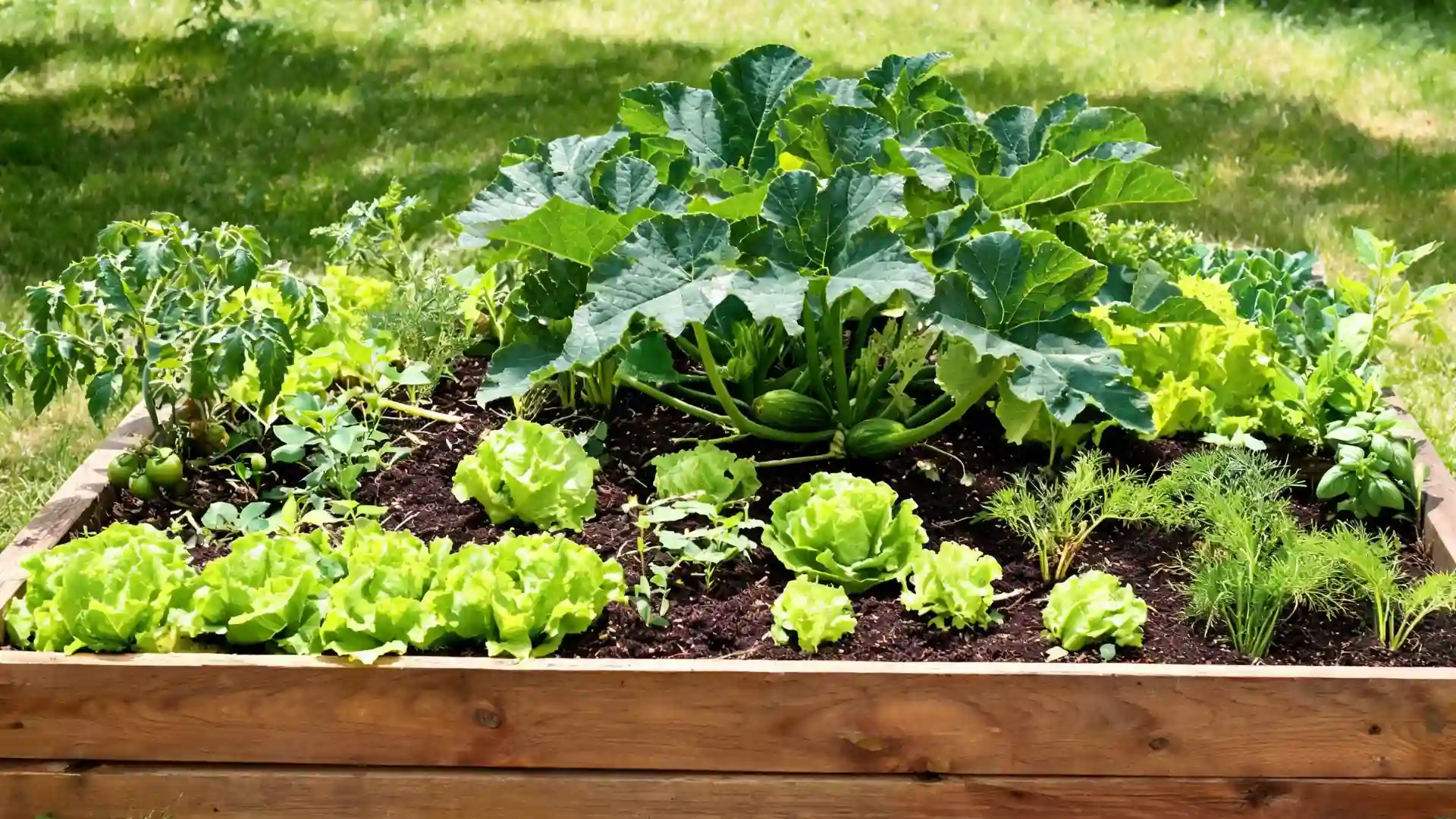
When choosing zucchini companion plants, consider their mature size, growth habits, sunlight needs, and watering requirements to create a healthy, productive garden.
Benefits of Choosing Companion Plants for Zucchini
Choosing the right companion plants can create better growing conditions for zucchini while making your garden more diverse and productive.
These benefits can make zucchini plants easier to manage throughout the growing season:
- Attracts bees and other pollinators needed for zucchini flowers to produce fruit.
- Encourages beneficial insects that help control common garden pests.
- Makes better use of garden space.
- Adds plant diversity, creating a balanced environment.
- Allows you to harvest quick-growing vegetables before zucchini plants spread fully.
Avoid overcrowding zucchini, as its large leaves require plenty of room and airflow.
With thoughtful placement, companion plants can support healthy zucchini growth while helping you use your garden space more effectively.
Best Companion Plants for Zucchini
Zucchini grows well alongside a variety of vegetables, herbs, and flowering plants.
The best companions fit comfortably around its spreading foliage and have compatible growing requirements.
1. Nasturtiums
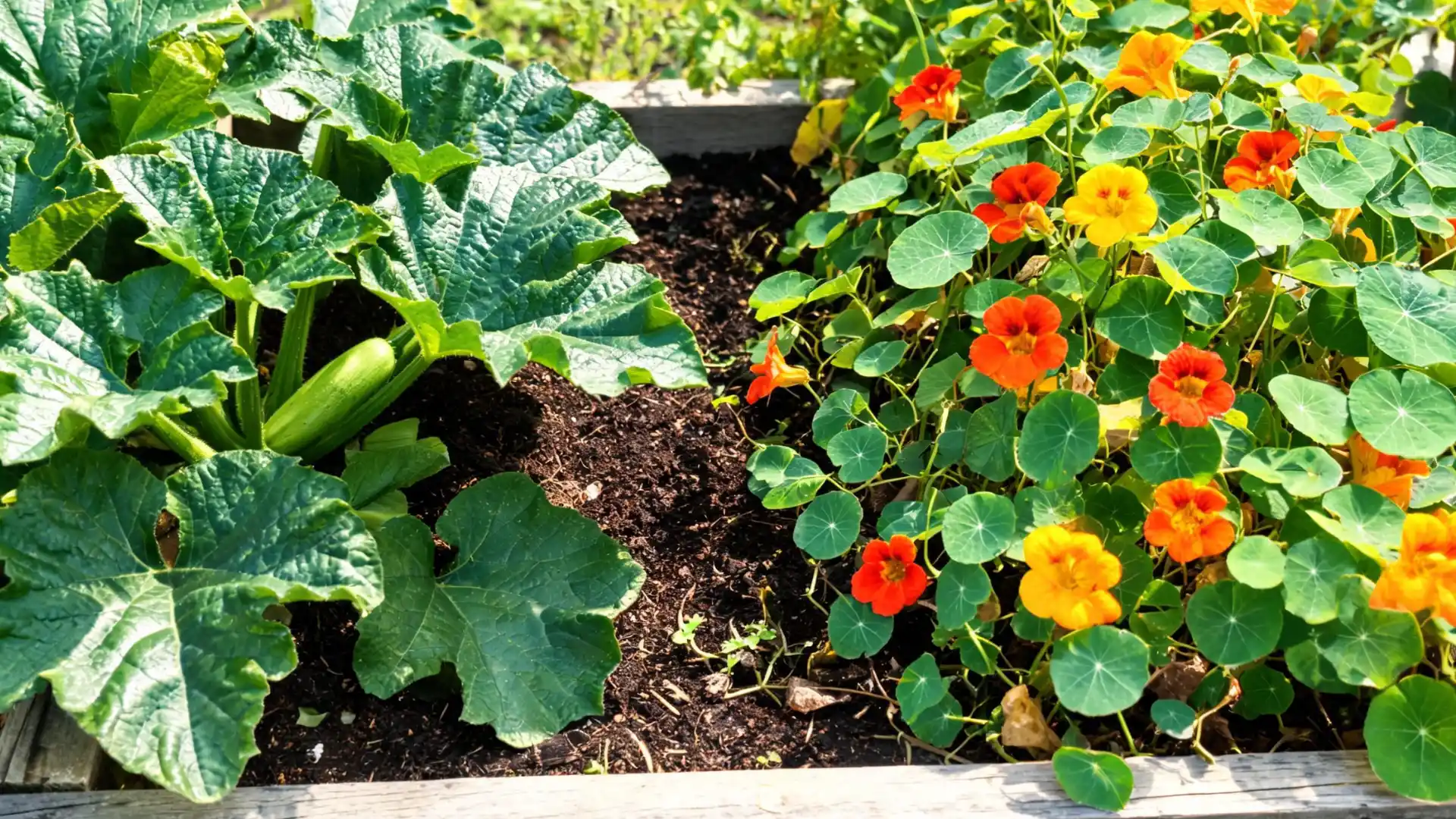
Size: About 12 inches tall, with trailing varieties spreading 3-6 feet.
Nasturtiums are easy-growing annual flowers that prefer full sun and well-drained soil, making them compatible with zucchini.
Their rounded leaves and bright orange, yellow, or red flowers can spread along the edges of a vegetable bed with little maintenance.
Plant them around the outer area of zucchini plants so their trailing stems have enough room to spread.
2. Marigolds
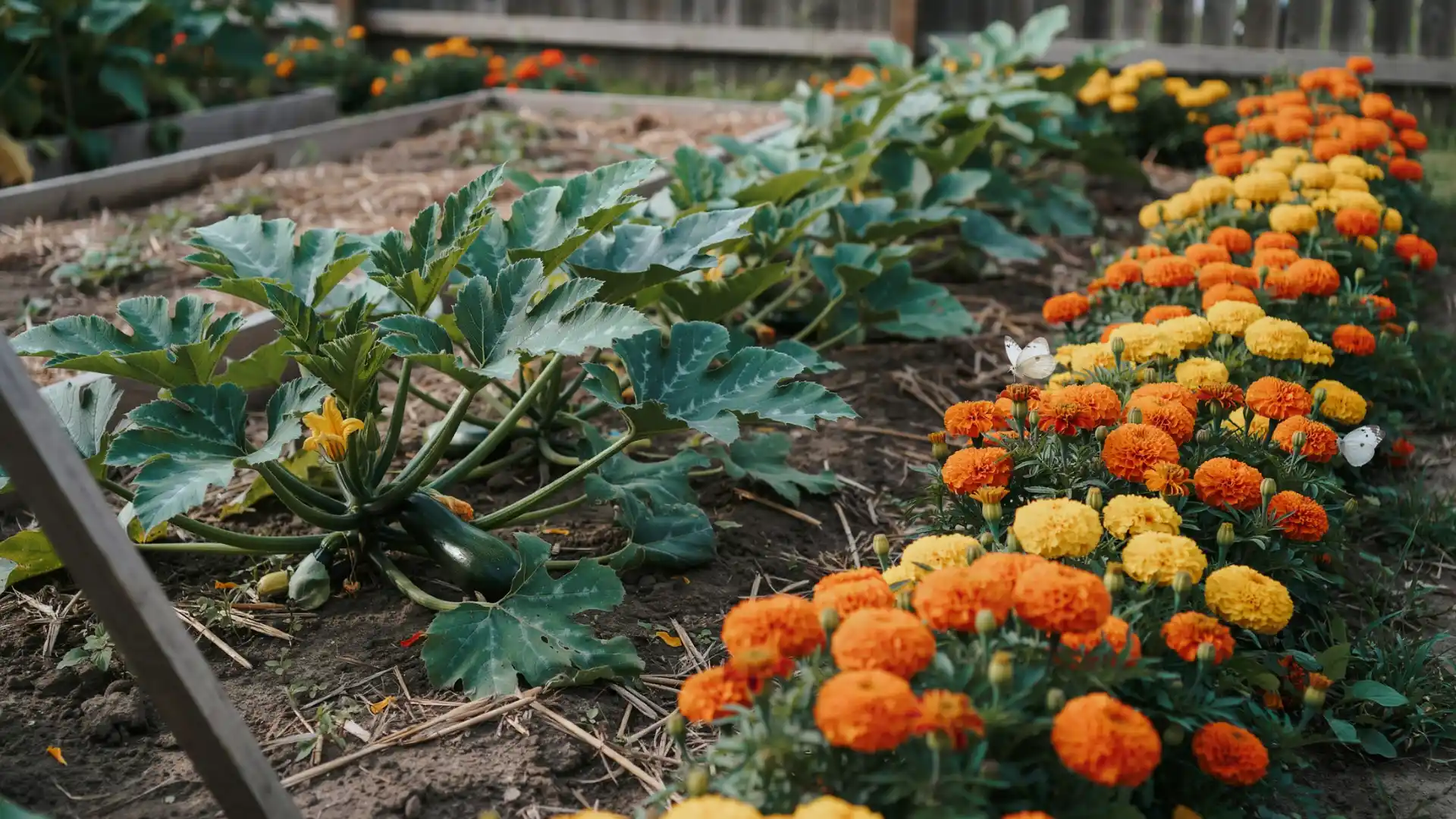
Size: Most French marigolds grow 6-18 inches tall and 6-12 inches wide.
Marigolds are compact annual flowers that grow well in sunny vegetable gardens and tolerate a range of well-drained soils.
French marigolds are particularly practical around zucchini because their smaller growth habit fits easily along bed borders and between wider planting spaces.
Plant them where they receive at least 6 hours of direct sunlight daily.
3. Borage
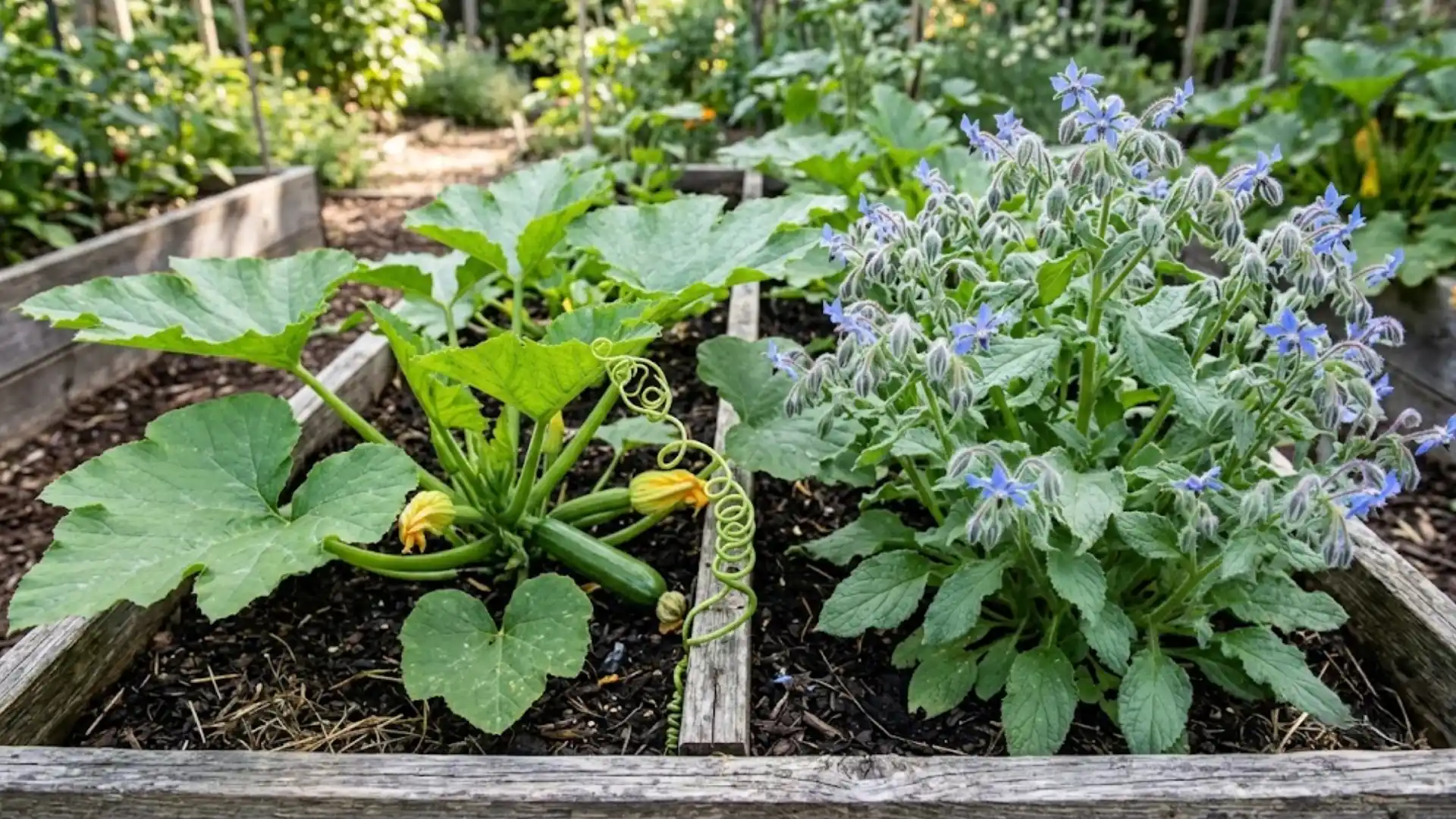
Size: Typically grows 2-3 feet tall and about 1-2 feet wide.
Borage is a fast-growing annual herb recognized by its fuzzy leaves and star-shaped blue flowers.
It prefers full sun but can tolerate partial shade and grows best in well-drained soil.
Because mature plants can become broad and bushy, position borage beside or at the edge of a zucchini bed rather than directly beneath zucchini foliage.
4. Dill
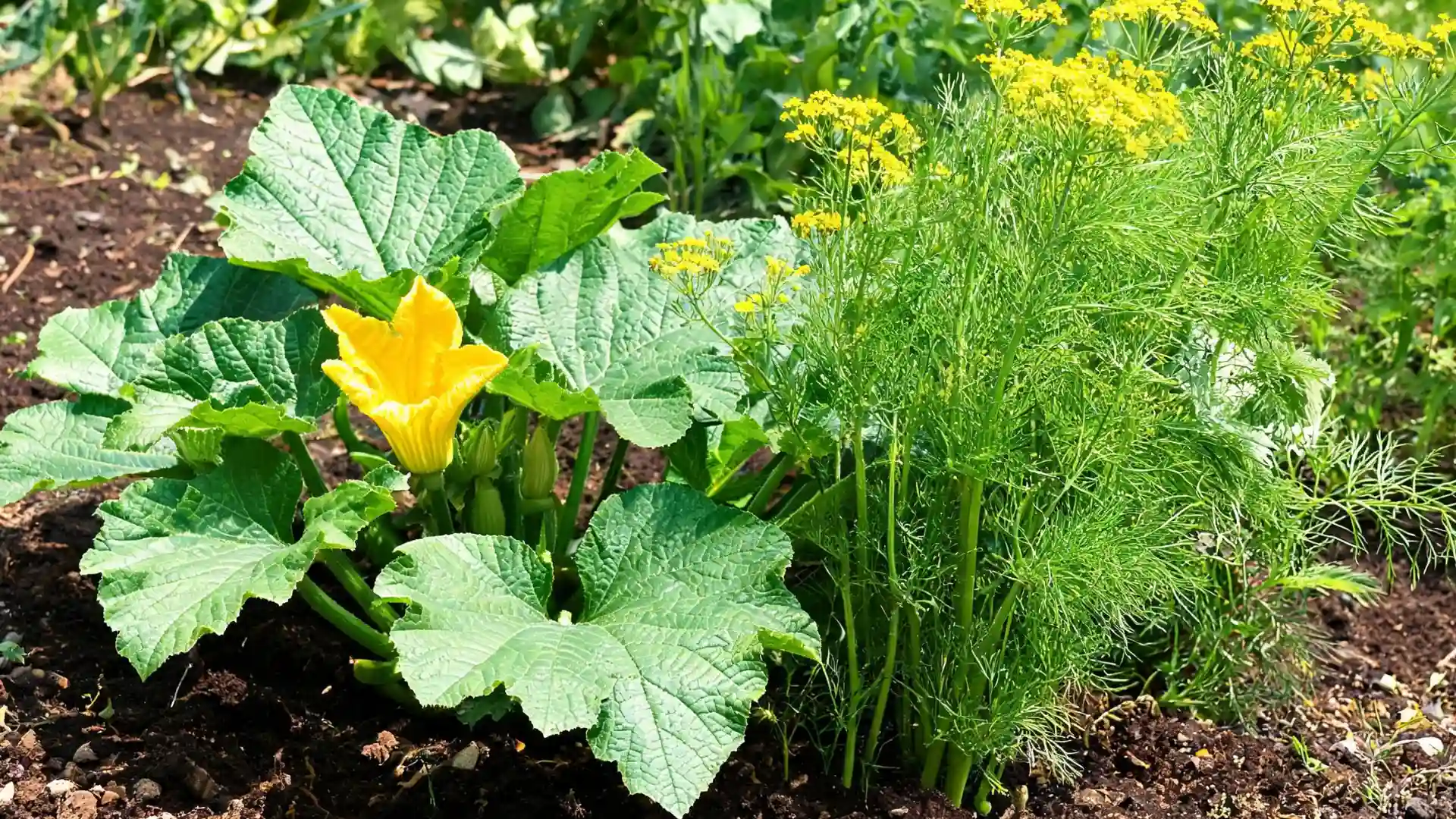
Size: Usually grows 2-4 feet tall and about 1-2 feet wide.
Dill is a fast-growing annual herb with soft, feathery foliage and clusters of small yellow flowers. It grows best in full sun and loose, well-drained soil with moderate moisture.
Place dill near the edge of a zucchini bed where its upright stems will have enough room without crowding zucchini leaves.
Allowing some plants to flower can also add useful diversity to the vegetable garden.
5. Oregano
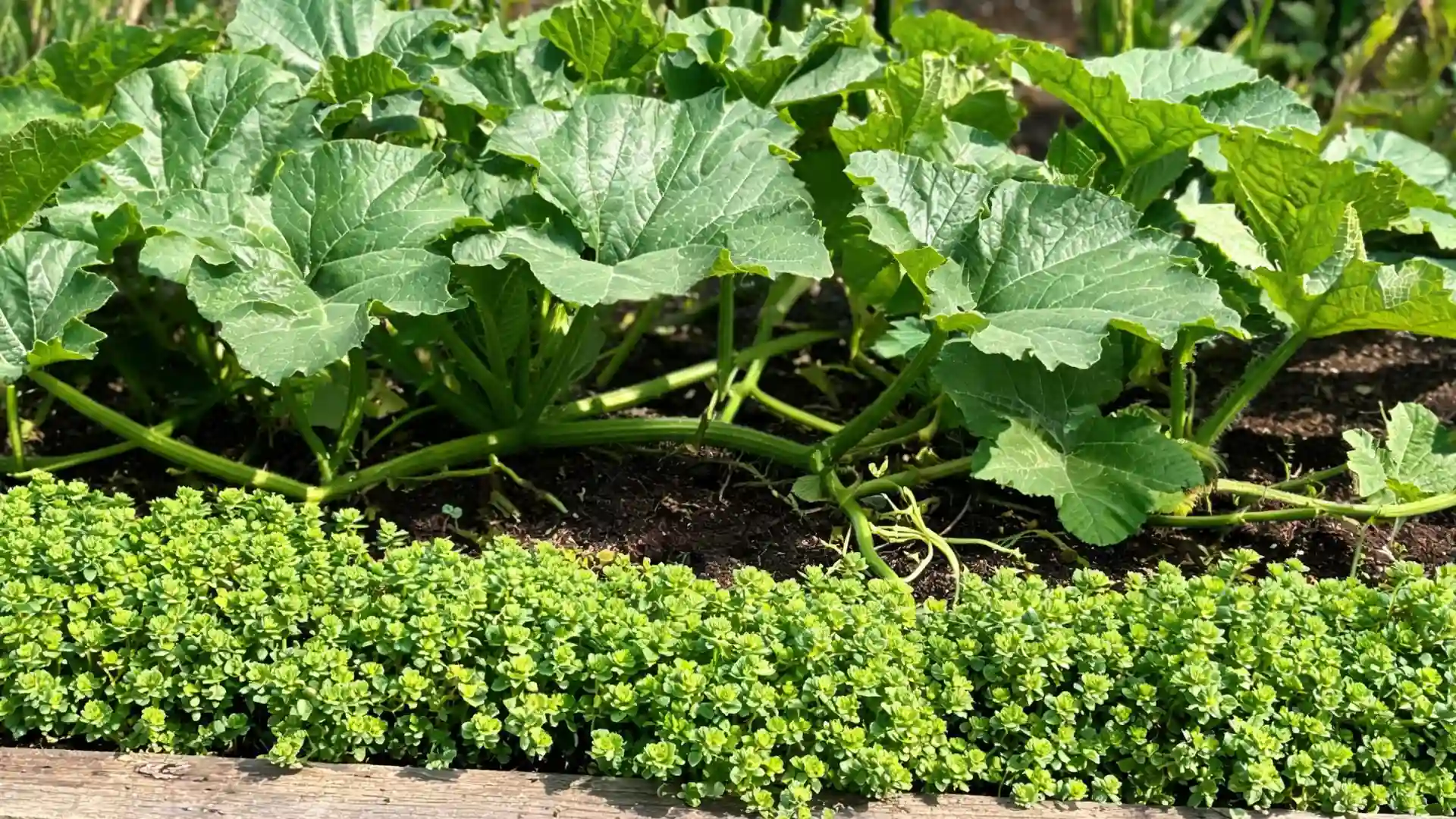
Size: Typically reaches 1-2 feet tall and spreads about 1-2 feet wide.
Oregano is a hardy perennial herb that prefers full sun and well-drained soil.
Its low, spreading growth habit makes it suitable for planting along the borders of zucchini beds, where it can grow without taking up much vertical space.
Oregano prefers soil that dries slightly between waterings, so avoid placing it where zucchini irrigation keeps the ground constantly wet.
6. Thyme
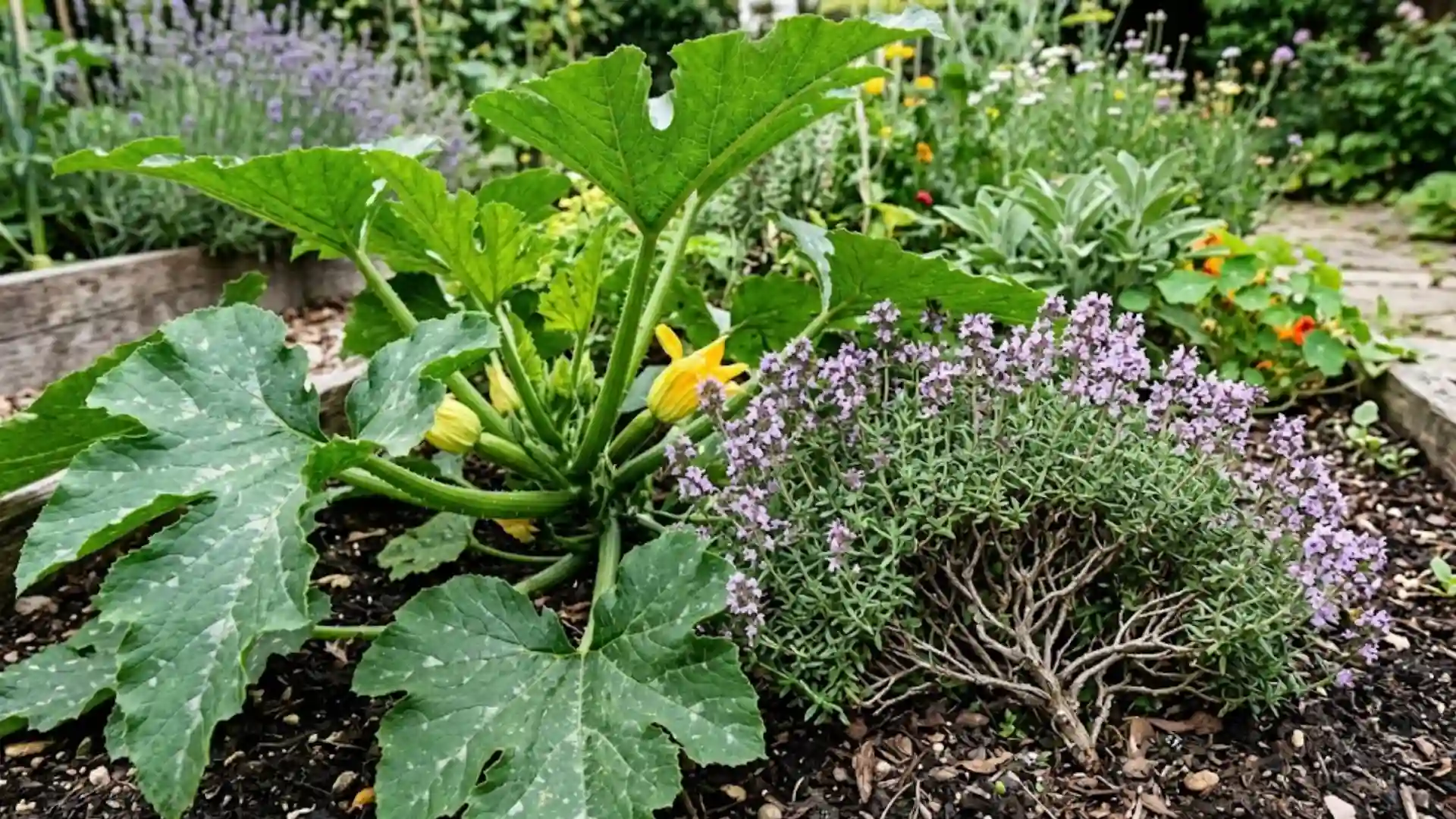
Size: Usually grows 6-12 inches tall and spreads about 12-18 inches wide.
Thyme is a compact perennial herb with small aromatic leaves and a low-growing, woody habit.
It performs best in full sun and loose, well-drained soil and generally prefers drier conditions than zucchini.
Plant thyme around the outer edge of the zucchini bed rather than close to the main stem, where frequent watering may keep the soil too moist.
7. Parsley
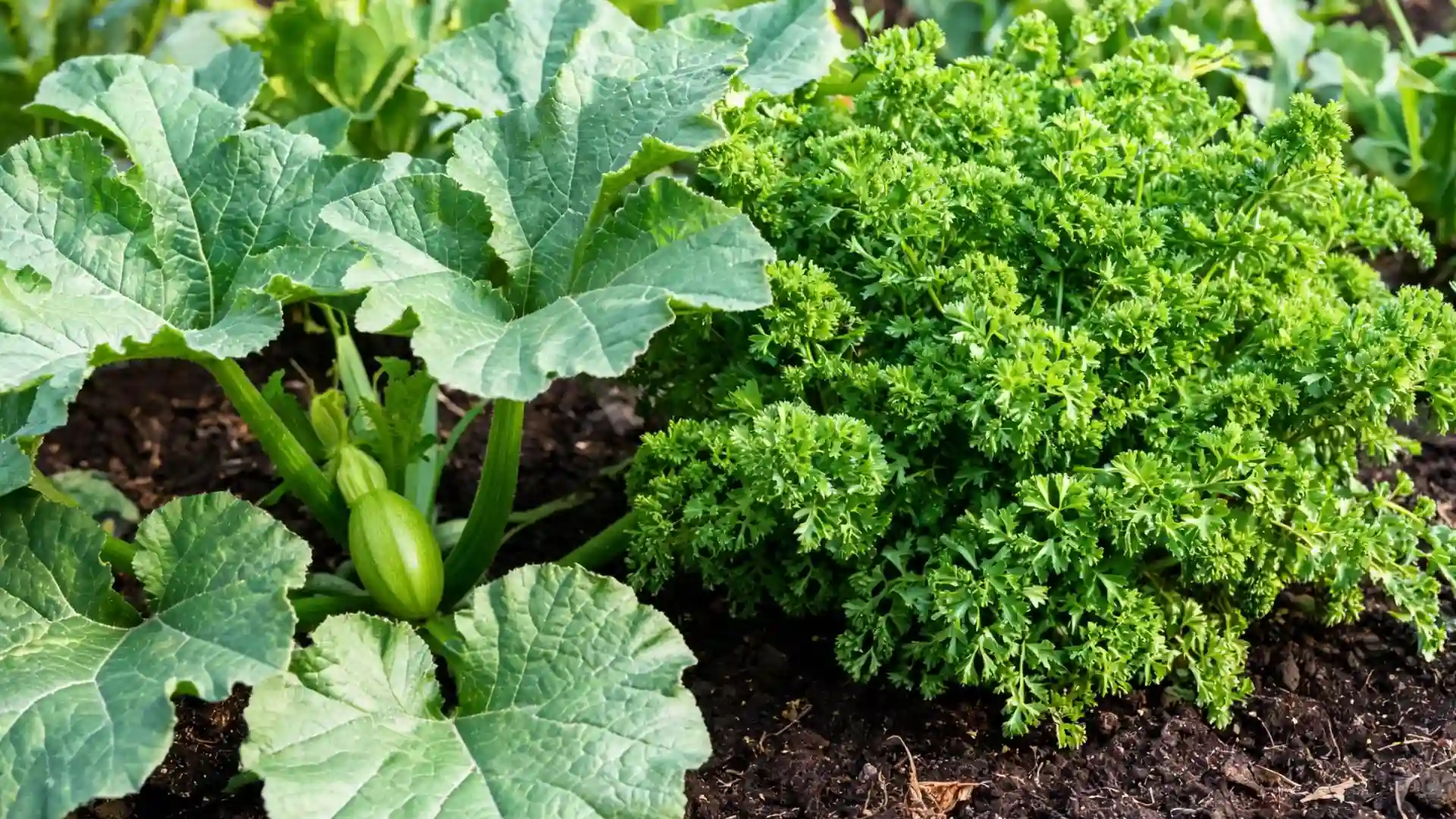
Size: Usually grows 12–18 inches tall and spreads about 9–12 inches wide.
Parsley is a biennial herb with leafy green growth that fits easily around zucchini without creating heavy shade.
It grows best in full sun to partial shade and prefers rich, well-drained soil that stays evenly moist.
Plant parsley along the edge of the zucchini bed, leaving enough space for airflow between plants.
8. Chives
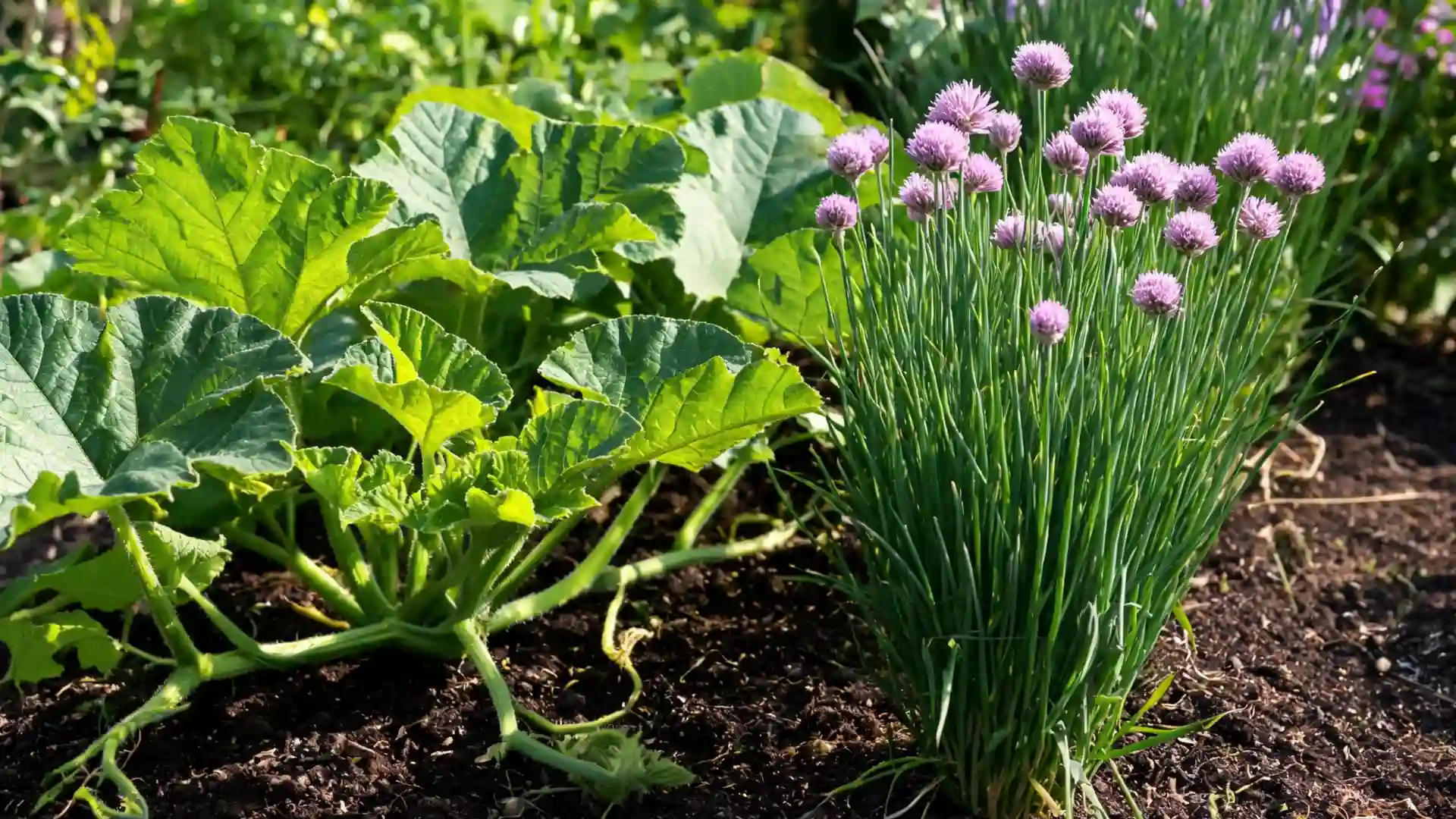
Size: Typically grows 12-18 inches tall and spreads about 8-12 inches wide.
Chives are compact perennial herbs that produce slender, grass-like leaves and purple flowers in late spring or early summer.
They prefer full sun and fertile, well-drained soil with consistent moisture. Their upright growth makes them easy to place around zucchini without interfering with its spreading foliage.
Plant chives along bed borders or between widely spaced zucchini plants, and divide established clumps every few years to prevent overcrowding.
9. Mint
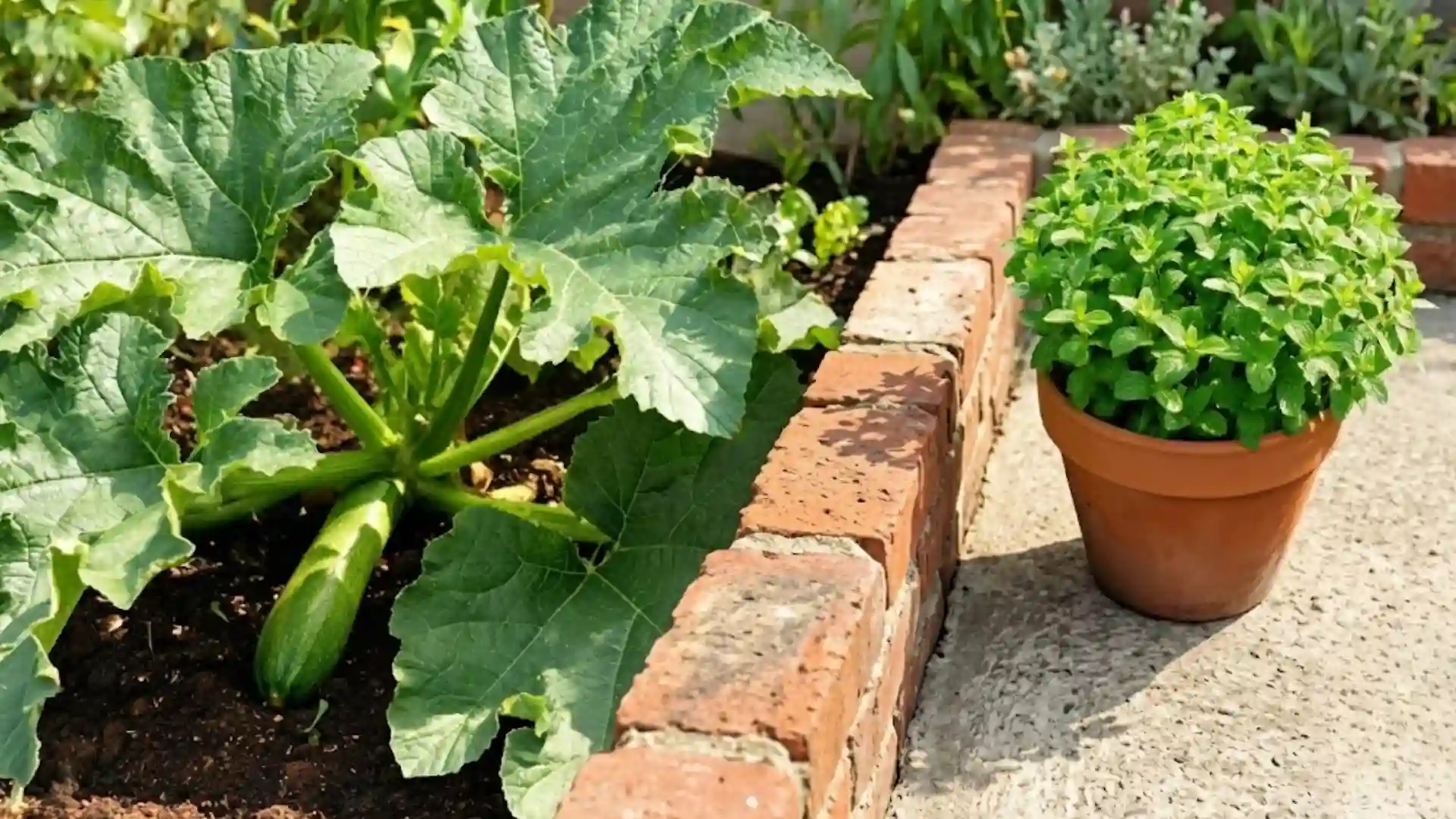
Size: Most varieties grow 1-2 feet tall and can spread several feet if left unrestricted.
Mint is a vigorous perennial herb known for its fragrant leaves and fast-spreading underground stems.
It grows well in full sun to partial shade and prefers moist, well-drained soil.
Because mint can quickly take over a vegetable bed, grow it in a container placed near zucchini rather than directly in the ground.
10. Basil
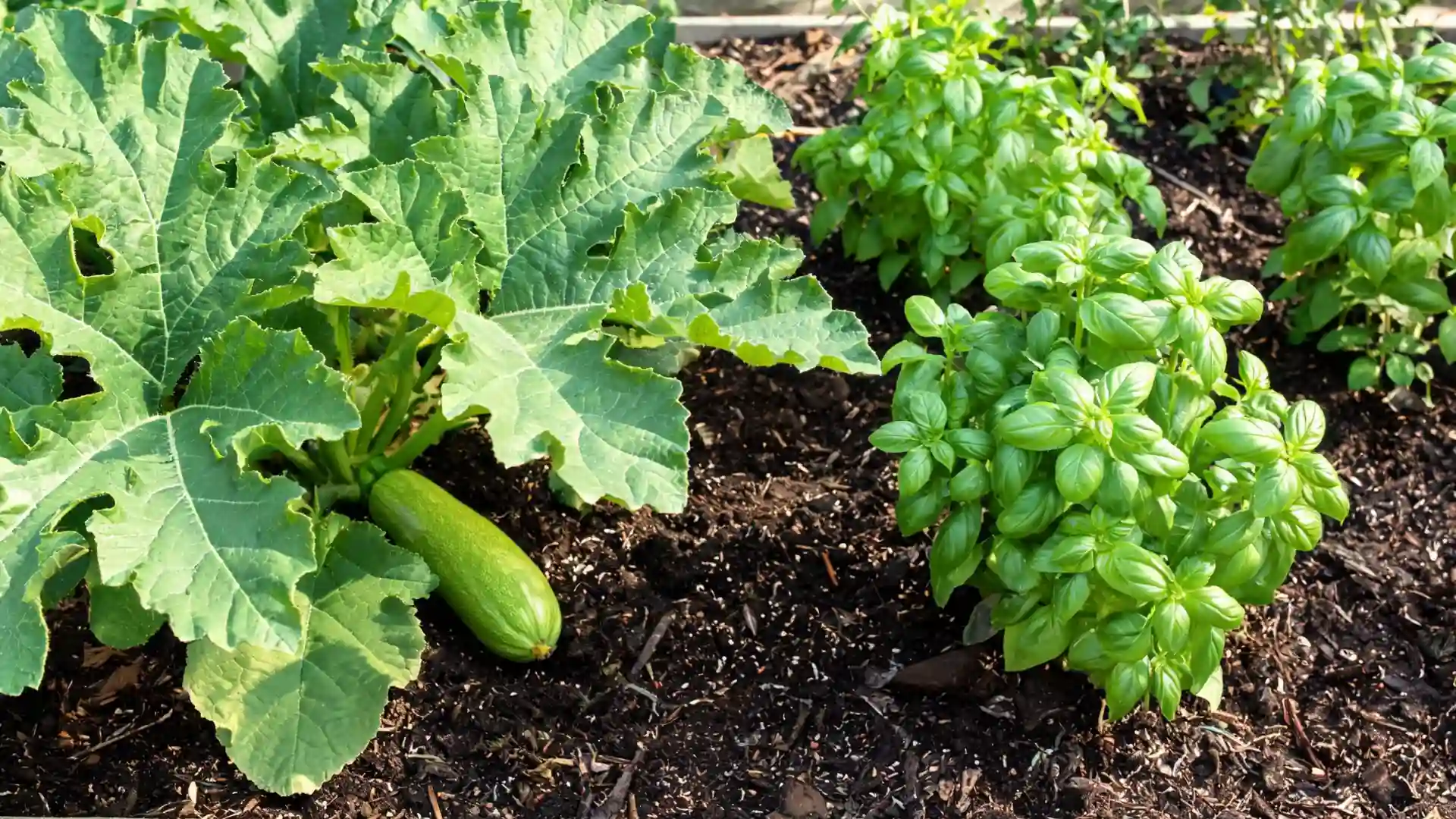
Size: Most varieties grow 12-24 inches tall and about 12-18 inches wide.
Basil is a warm-season annual herb that grows well under many of the same conditions as zucchini.
It prefers full sun, fertile, well-drained soil, and consistent moisture throughout the growing season. Plant basil around the edges of the zucchini bed where it can receive enough sunlight.
Pinching the growing tips regularly encourages bushier growth, while removing flower buds can extend the leaf-production period.
11. Calendula
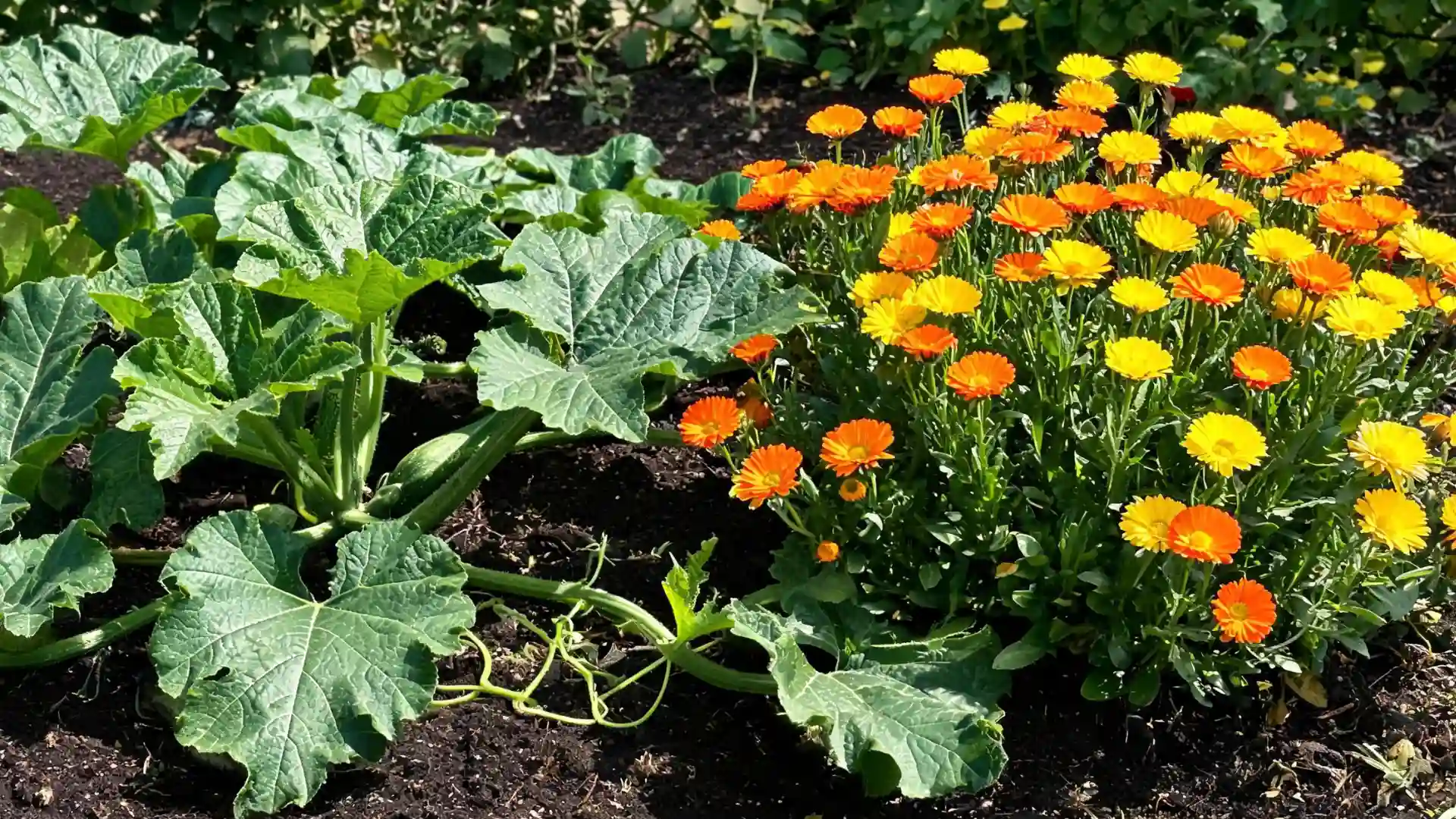
Size: Typically grows 12-24 inches tall and spreads about 12-18 inches wide.
Calendula is a cool-season annual flower known for its bright yellow and orange blooms. It grows best in full sun to partial shade and prefers moderately fertile, well-drained soil.
Plant calendula around the border of a zucchini bed so it receives enough light without competing with spreading zucchini foliage.
12. Sweet Alyssum
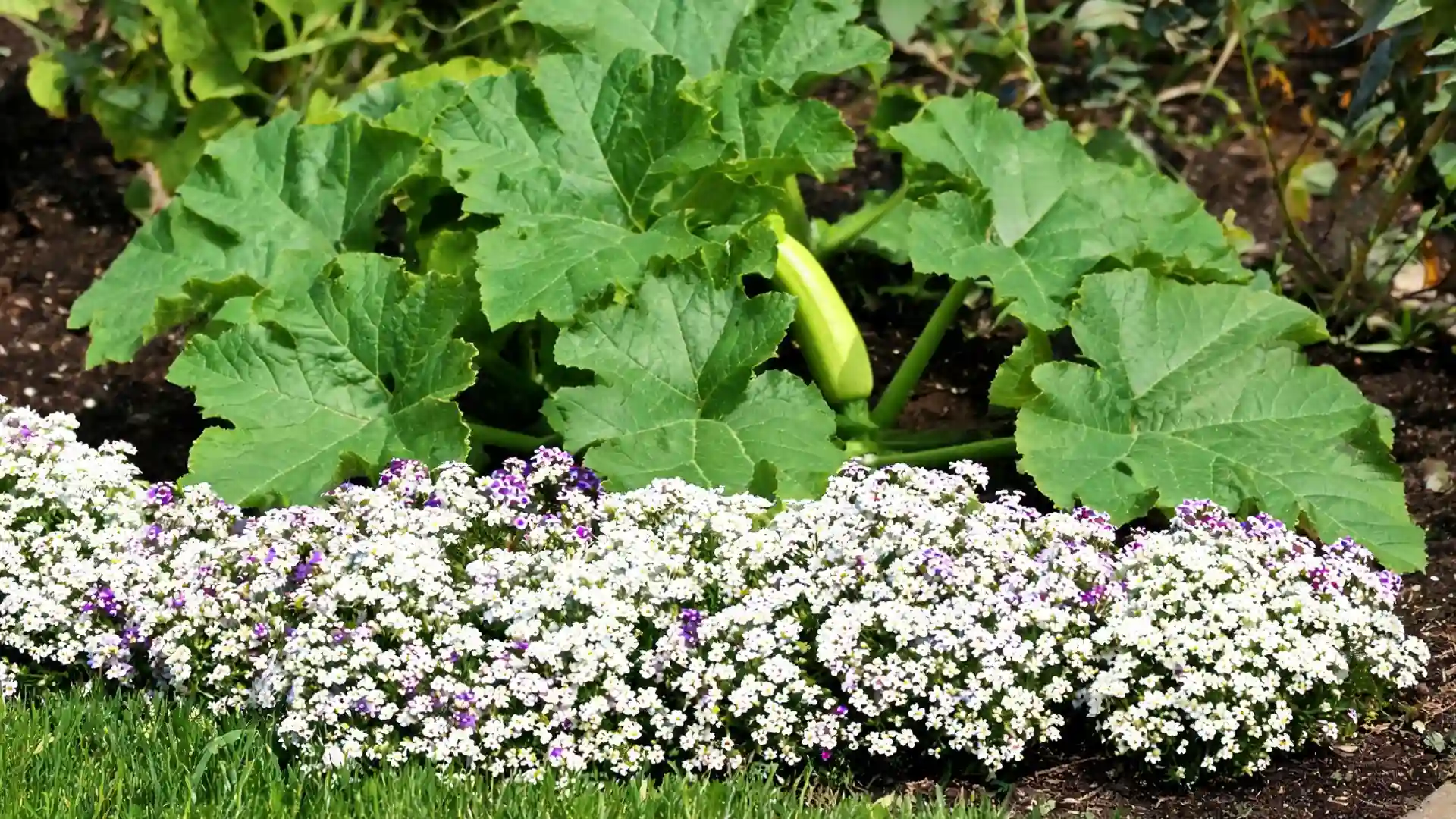
Size: Usually grows 4-10 inches tall and spreads about 10-18 inches wide.
Sweet alyssum is a low-growing annual flower that forms compact mounds covered with clusters of tiny white, pink, or purple blooms.
It prefers full sun to partial shade and well-drained soil with moderate moisture. Its shallow roots and compact habit make it suitable for planting along zucchini bed edges.
Trim plants lightly if they become leggy, especially during hot weather, to encourage fresh, compact growth and additional flowering.
13. Sunflowers
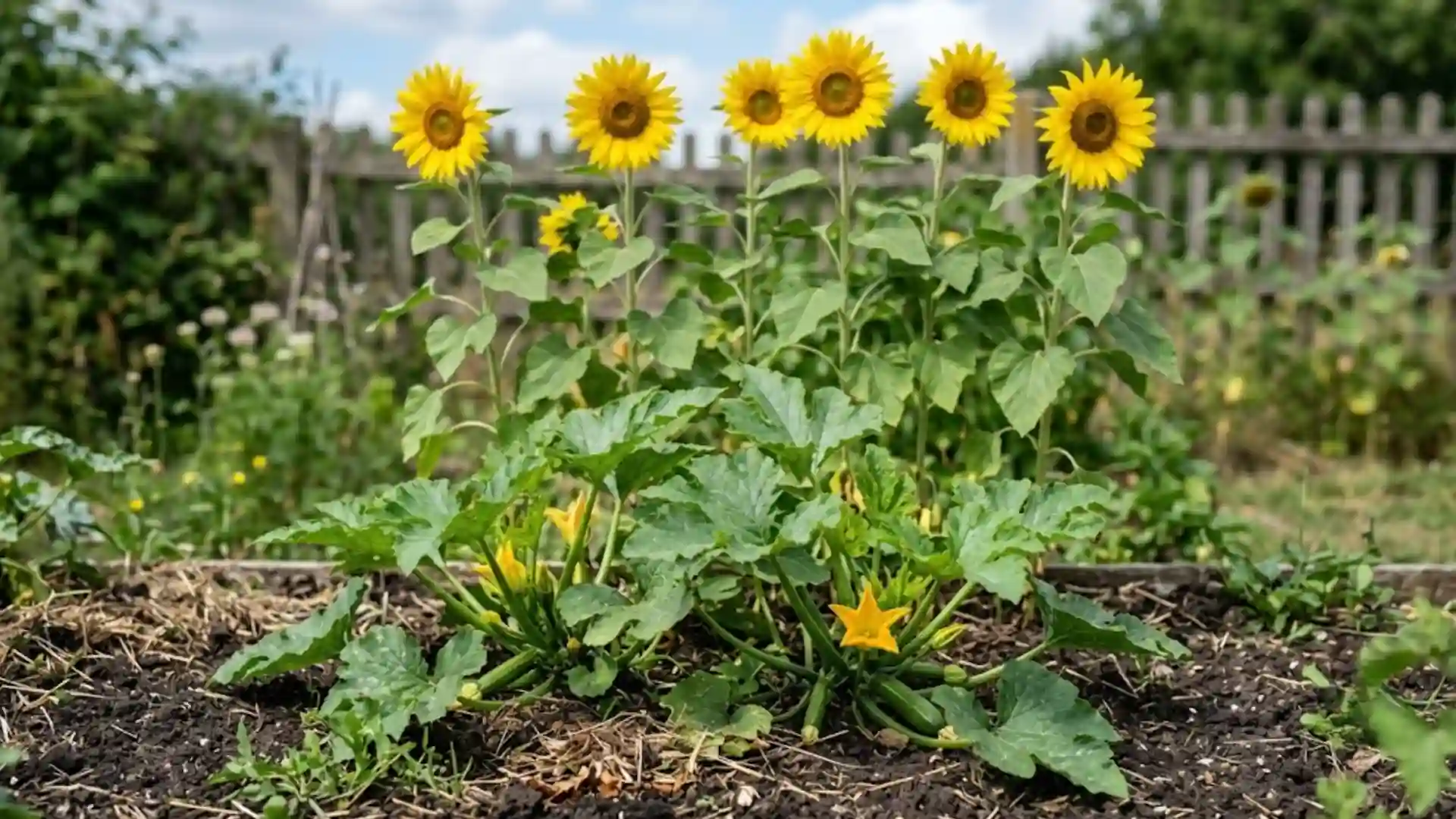
Size: Depending on the variety, sunflowers grow 2-10 feet tall and spread about 1-3 feet wide.
Sunflowers are tall annual plants that prefer full sun and fertile, well-drained soil.
Their upright growth can work well near sprawling zucchini when they are positioned carefully.
Plant sunflowers on the north side of the garden bed so their height doesn’t cast excessive shade on zucchini.
14. Cosmos
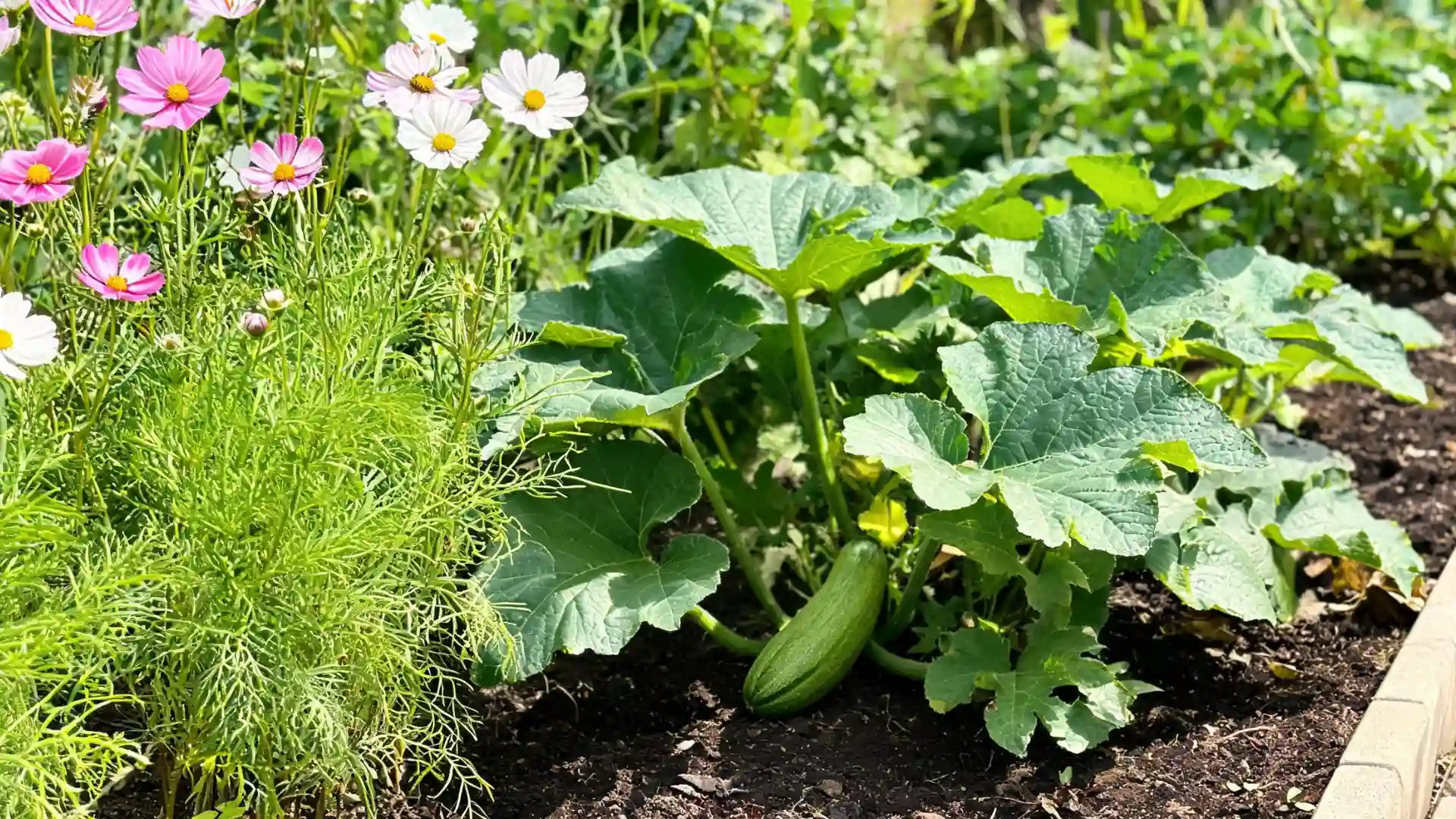
Size: Most varieties grow 2-5 feet tall and spread approximately 1-2 feet wide.
Cosmos are easy-care annual flowers with feathery foliage and daisy-like blooms in pink, white, orange, or red.
They grow best in full sun and well-drained soil and generally perform well without rich soil or heavy fertilizing.
Position cosmos behind or along the outer edge of zucchini beds to prevent their stems from interfering with large leaves.
15. Beans
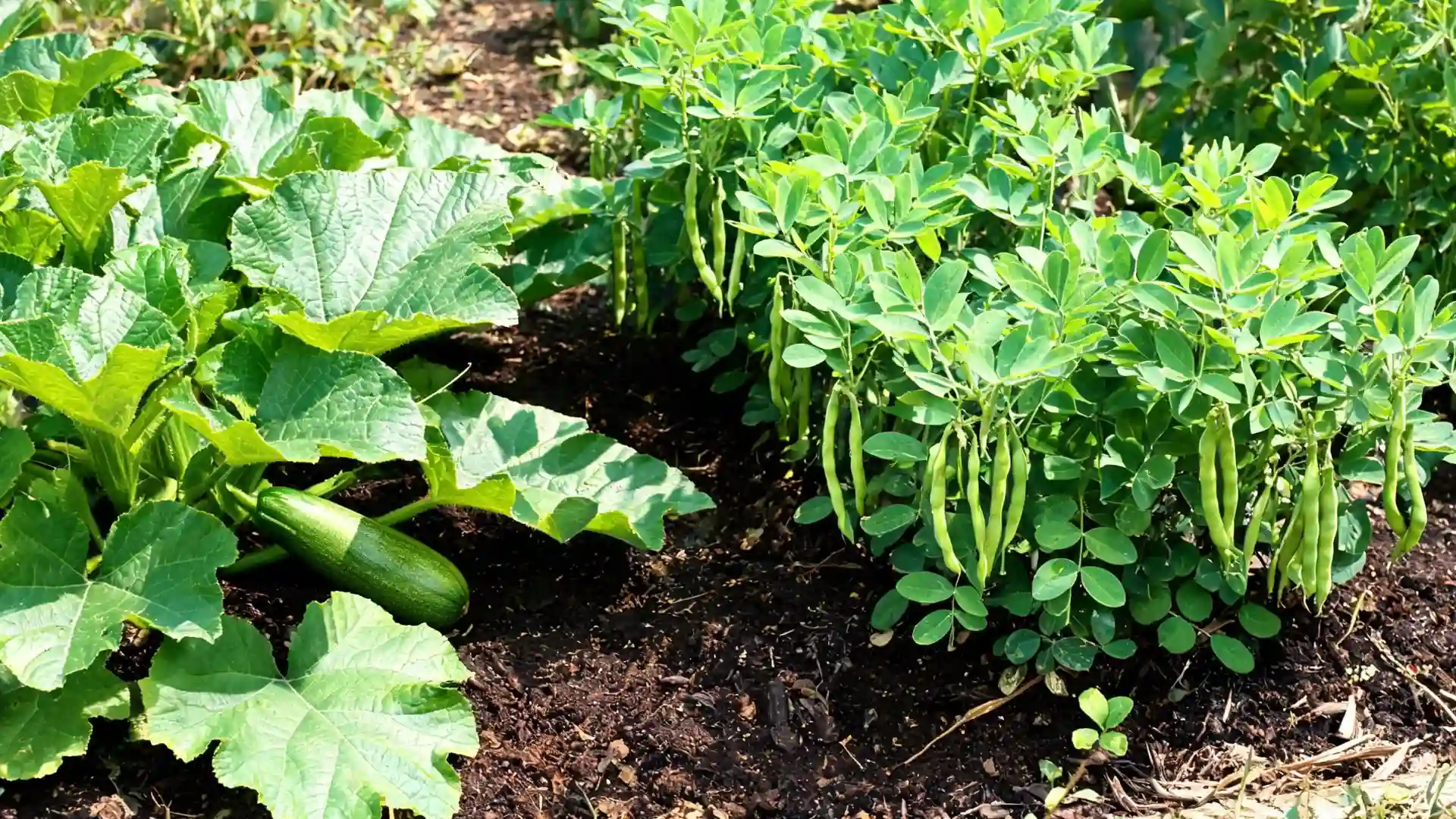
Size: Bush beans reach 1-2 feet tall, while pole beans can climb 6-10 feet.
Beans are warm-season vegetables that grow as either compact bushes or climbing vines.
They prefer full sun, well-drained soil, and consistent moisture.
Bush beans can be planted around bed edges, while pole beans should be trained vertically on a trellis positioned where it will not shade zucchini.
These layering principles carry over if you are also working out a companion planting layout for tomatoes in another part of the yard.
16. Peas
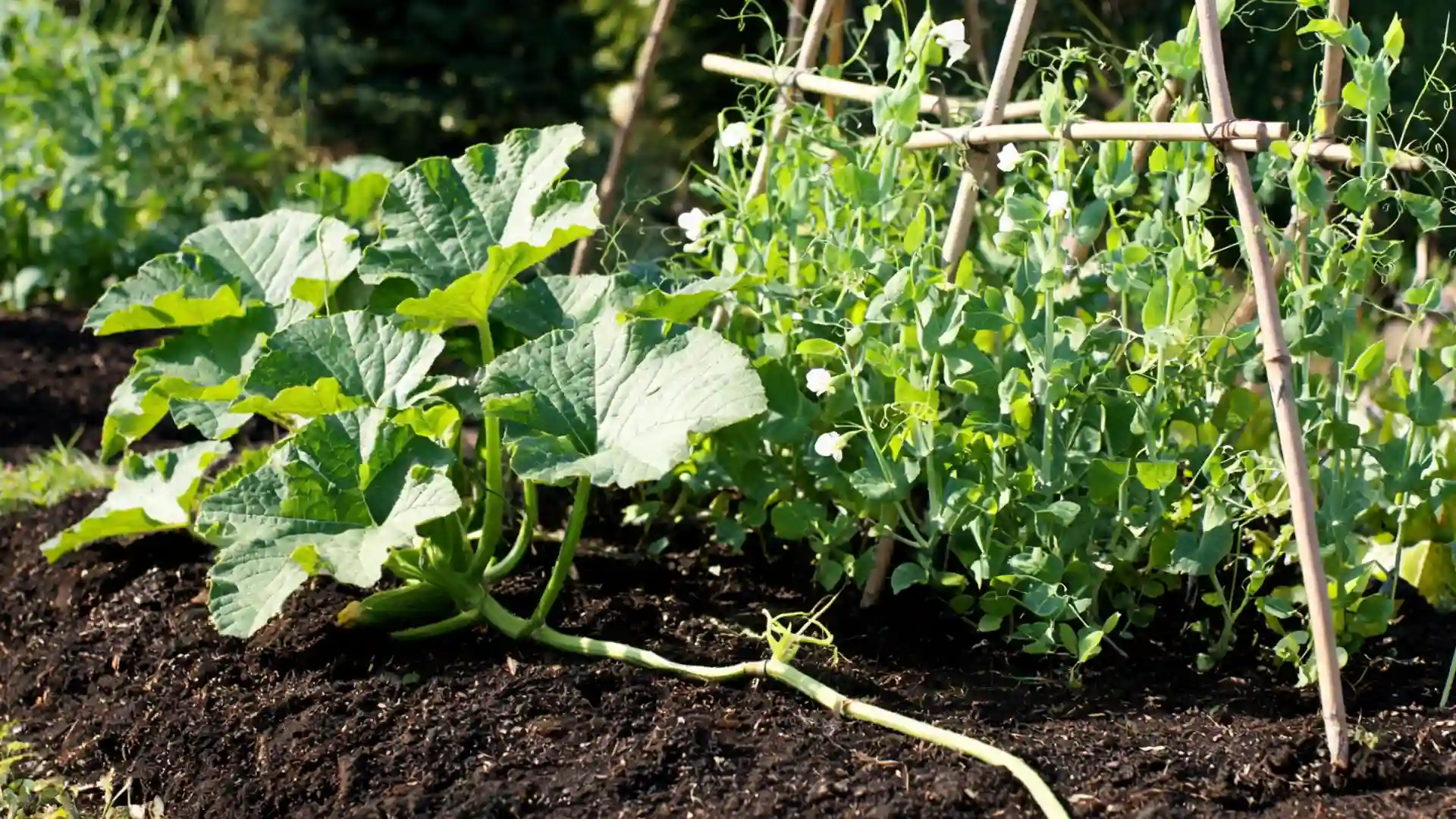
Size: Bush peas grow 1-3 feet tall, while climbing varieties can reach 4-6 feet.
Peas are cool-season vegetables that grow best in full sun and fertile, well-drained soil with consistent moisture.
Since peas prefer cooler temperatures than zucchini, start them earlier in the season and harvest them as zucchini begins vigorous summer growth.
Climbing varieties need a trellis, positioned where it will not shade zucchini. Bush varieties require less support and work well in smaller garden beds.
17. Corn
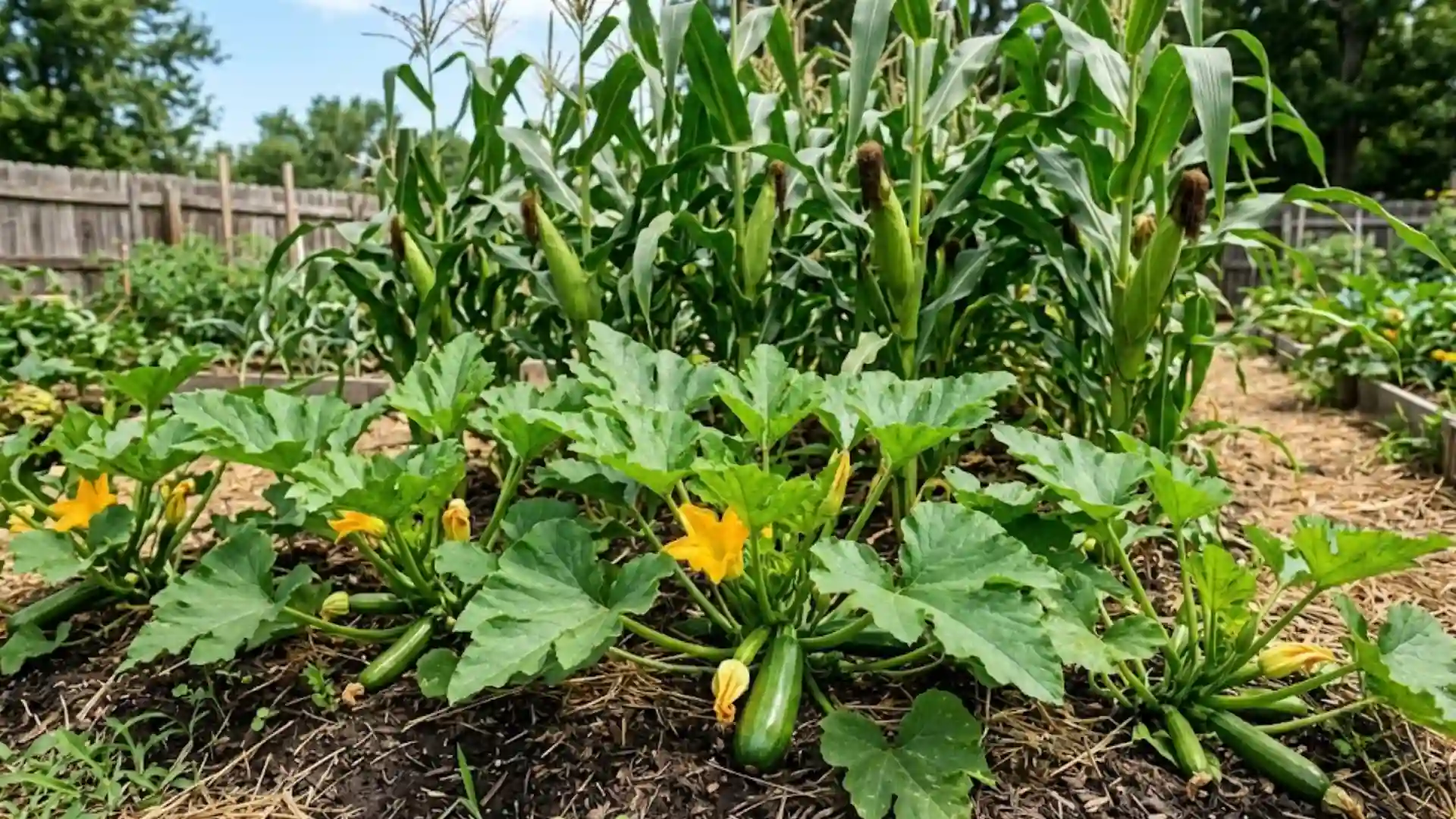
Size: Most sweet corn varieties grow 5-8 feet tall and spread about 1-2 feet wide.
Corn is a warm-season crop that prefers full sun, fertile soil, and regular watering. Its tall, upright growth uses vertical space, while zucchini spreads across the soil below.
Plant corn in blocks rather than single rows to support proper wind pollination, and give zucchini enough room between plants.
Position the crops carefully so dense corn foliage does not create excessive shade or restrict airflow around zucchini plants.
18. Radishes
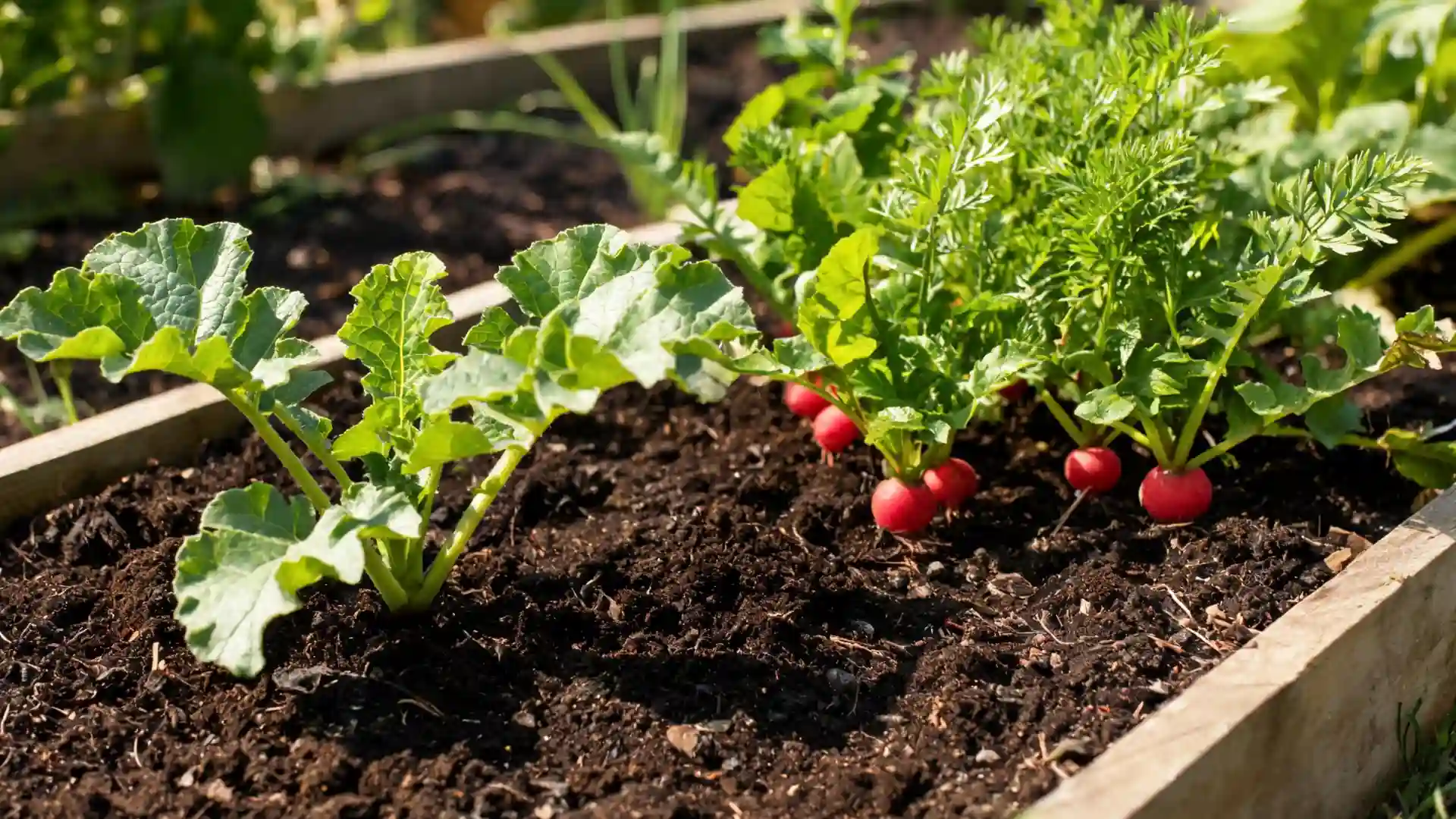
Size: Foliage usually reaches 6-12 inches tall, while roots commonly measure 1-3 inches across.
Radishes are fast-growing root vegetables that perform best in full sun to partial shade and loose, well-drained soil.
Sow them around zucchini while the plants are still young and have not developed their full leafy spread. Most radishes mature quickly, letting you harvest them before zucchini takes over more garden space.
19. Carrots
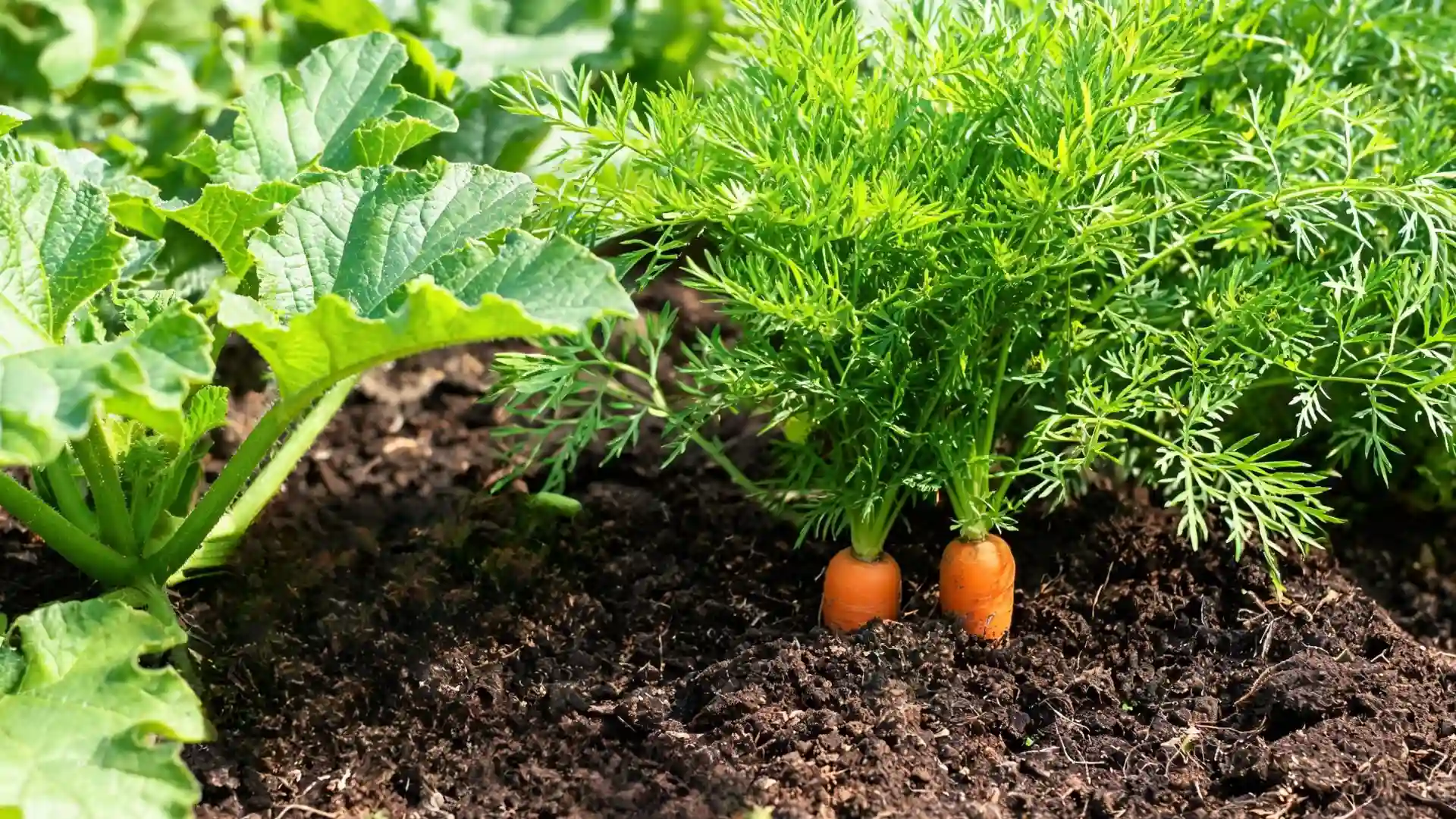
Size: Carrot foliage grows 12-18 inches tall, while roots typically reach 5-10 inches long.
Carrots are cool-season root vegetables that grow best in full sun and loose, deep, well-drained soil. Their underground growth allows them to occupy a different growing zone.
Sow carrots while zucchini plants are still small so seedlings receive enough sunlight during early development.
Keep the soil evenly moist during germination, and thin crowded seedlings to give them room to develop straight, well-formed roots.
20. Beets
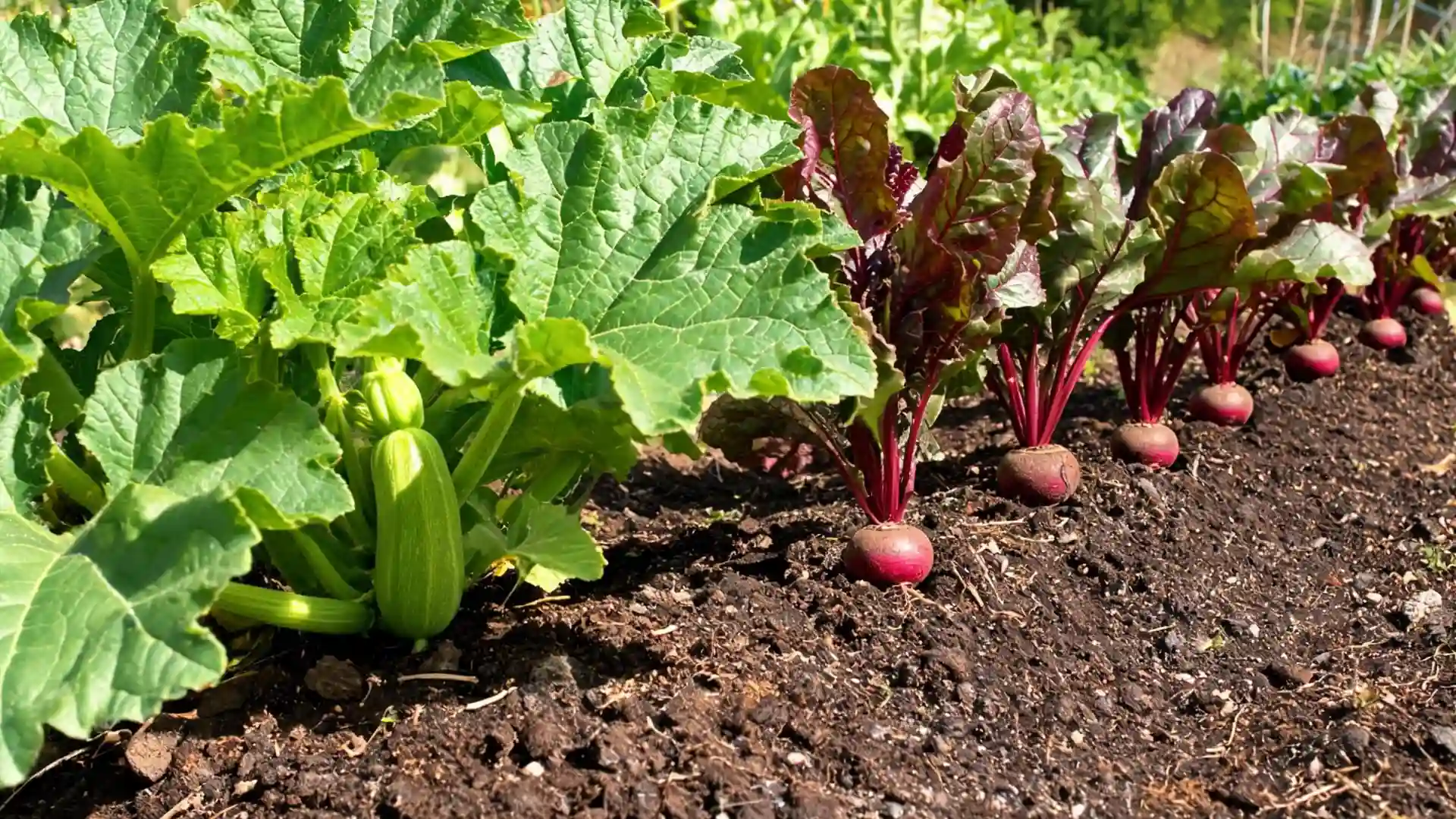
Size: Beet foliage reaches 12-18 inches tall, while mature roots are generally 1-3 inches wide.
Beets are compact root vegetables that prefer full sun to partial shade and fertile, well-drained soil. They can be planted near young zucchini.
Sow seeds along the outer portions of the bed where zucchini leaves will not completely block sunlight.
Thin seedlings after germination to prevent crowded roots, and maintain consistent soil moisture to encourage smooth, tender beets.
21. Lettuce
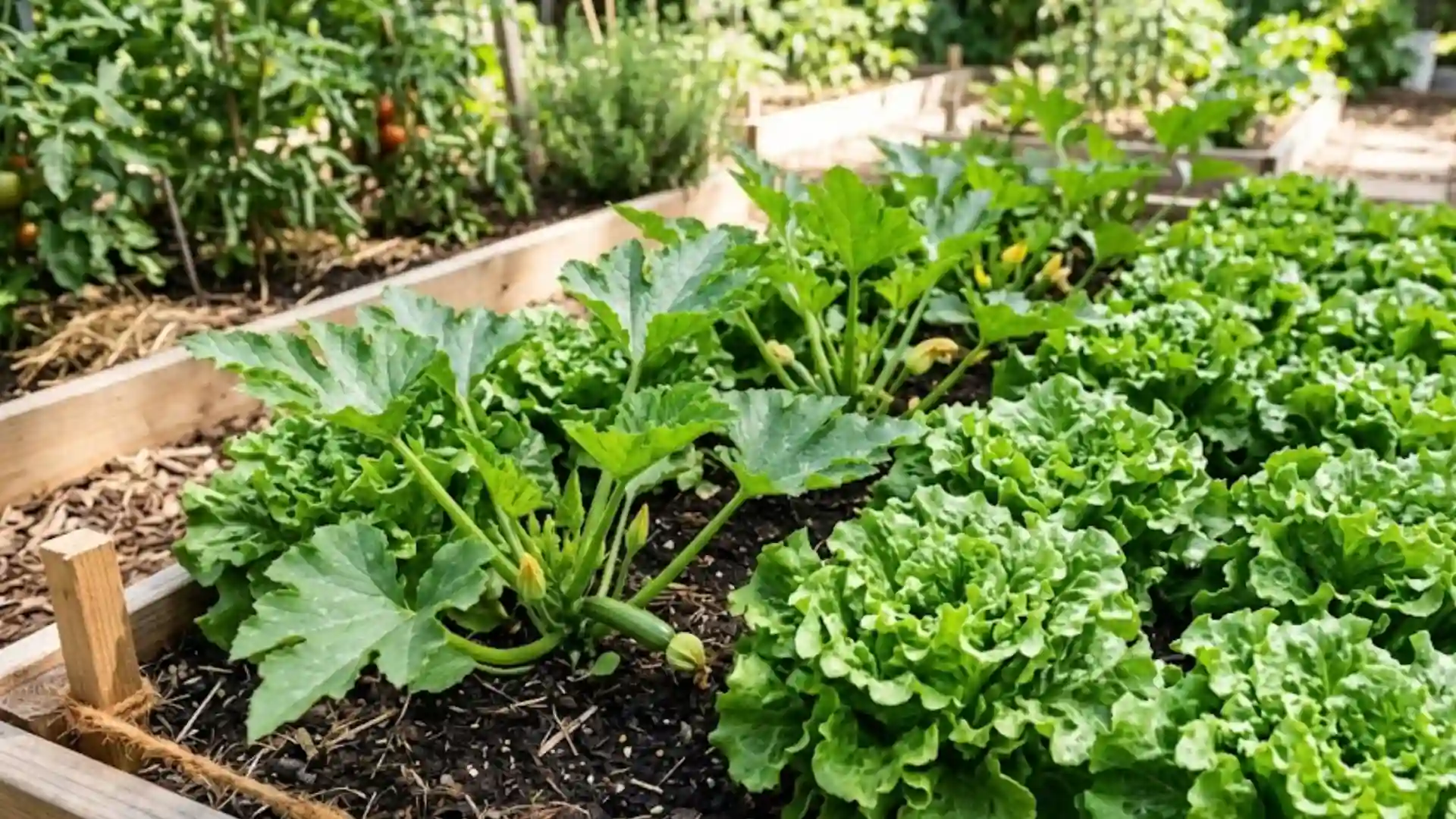
Size: Most lettuce varieties grow 6-12 inches tall and spread approximately 6-12 inches wide.
Lettuce is a shallow-rooted leafy vegetable that performs best during cool weather in fertile, moisture-retentive soil.
Plant it around young zucchini early in the season, allowing you to use open bed space before zucchini reaches its mature spread.
Harvest outer leaves regularly or remove entire heads once they reach maturity.
What NOT to Plant With Zucchini?
The plants listed below are ones I usually avoid as companions because some are not ideal neighbors for zucchini and can compete for space, sunlight, and nutrients.
Others have similar growing habits or share common pests and diseases.
| Plant | Why You Should Avoid it |
|---|---|
| Potatoes | Potatoes can compete with zucchini for nutrients and water. |
| Pumpkins | Their long, spreading vines can overcrowd zucchini and reduce available growing space. |
| Winter Squash | Large squash varieties need considerable space and may compete with zucchini for sunlight and nutrients. |
| Cucumbers | They can compete for space and may attract some of the same pests and diseases as zucchini. |
| Melons | Spreading melon vines can crowd zucchini plants and make watering, harvesting, and airflow more difficult. |
| Fennel | Fennel is generally better grown separately because it may interfere with the growth of some nearby vegetables. |
How to Companion Plant Zucchini Successfully?
Successful companion planting starts with giving zucchini enough room to grow while choosing nearby plants with compatible needs.
Follow these simple tips to create a productive and manageable garden bed.
- Allow Enough Space: Leave plenty of room around zucchini, so its large leaves don’t overcrowd nearby companion plants.
- Choose Compatible Plants: Select companions with similar sunlight, soil, and watering needs to make routine garden care easier.
- Maintain Good Airflow: Avoid planting too densely, as good air circulation helps zucchini foliage dry properly after rain or watering.
- Place Tall Plants Carefully: Grow taller companions where they will not block the sunlight zucchini needs for healthy growth.
- Add Flowers and Herbs: Plant flowering companions nearby to attract ladybugs, bees, hoverflies, and other beneficial insects to the garden.
Can You Grow Zucchini Companion Plants in Containers?
Yes, you can grow zucchini with companion plants in containers, but you need enough space for healthy growth.
Zucchini develops large leaves and an extensive root system, so choose a large container with good drainage.
Compact herbs and flowers such as basil, chives, thyme, marigolds, and nasturtiums can work well nearby.
Avoid adding too many plants to the same pot because overcrowding can increase competition for water, nutrients, and sunlight.
You can also place companion plants in separate containers next to your zucchini, which gives each plant more growing room.
Conclusion
Companion planting with zucchini should focus on plants that suit your growing conditions.
You can start with just one or two companions and adjust your planting choices based on what works well in your garden.
Observing your plants throughout the season is often the best way to find successful combinations.
Out of the list above, which companion plant will you choose? Share your favorite pairings in the comments below.
Frequently Asked Questions
Can Tomatoes And Zucchini Grow Together?
Yes, tomatoes and zucchini can grow together when given adequate spacing, sunlight, nutrients, and water, although both plants require plenty of resources during active growth.
How Close Can Zucchini Be Planted Next To Each Other?
Plant zucchini about 24 to 36 inches apart, depending on the variety. Adequate spacing gives large leaves room to spread while maintaining good airflow between plants.
Is It Better To Start Companion Plants From Seed Or Transplants?
Fast-growing herbs and flowers like nasturtiums and dill do well direct-sown from seed. Slower crops like basil often establish faster as transplants near zucchini.