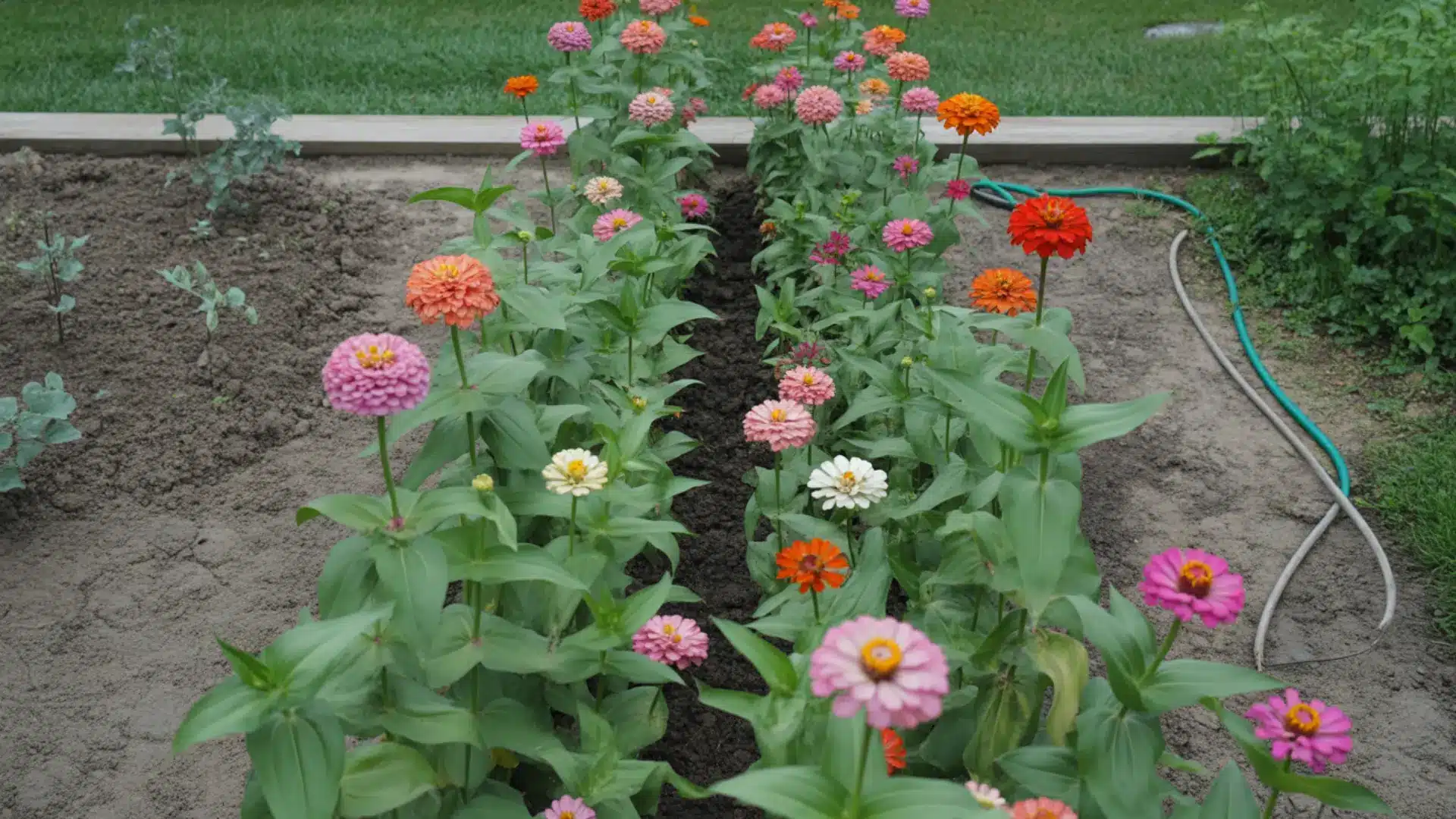
Few flowers give a gardener as quick a reward as zinnias do.
In my own beds, the first zinnia blooms usually open before anything else I’ve planted that season.
Often within about two months of sowing the seed. Knowing the zinnia growth stages and when to plant seeds for your climate takes the guesswork out of the process and helps the plants grow stronger from the very start.
Below, you will find the growth stages, ideal timing for your zone, and habits to keep zinnias blooming longer.
Zinnias at a Glance
Zinnias pack a lot of personality into one plant, and a quick snapshot makes it easy to see why they’re such a staple in home gardens. Every stage covered here builds on these fundamentals.
Keep them in mind as you plan your planting timeline.
| Attribute | Details |
|---|---|
| Scientific Name | Zinnia elegans (most common garden species) |
| Plant Family | Asteraceae (daisy family) |
| Native Region | Mexico, southwestern US, Central America |
| Plant Type | Warm-season annual |
| Height Range | 6 inches to 4 feet, depending on variety |
| Bloom Colors | Red, pink, orange, yellow, purple, white, green (no true blue) |
| Bloom Time | Early summer through first frost |
| USDA Zones | 3-10 (grown as an annual in most zones) |
Understanding the Zinnia Life Cycle
A zinnia completes its entire life cycle in one growing season.
It sprouts, blooms, and sets its own seed in as little as 8 to 10 weeks under good conditions. Seed production can take as long as 12 weeks. The cycle runs through 6 stages:
- Germination: 4-7 days
- Seedling Growth: 7-14 days
- Vegetative Growth: Weeks 2-5
- Budding: Weeks 5-7
- Flowering: Week 7 onward
- Seed Production: Plant declines around week 12 or later
Unlike perennials, zinnias don’t take years to establish.
This fast pace means every stage matters more. A few days of early neglect can set the whole timeline back.
The same six-stage rhythm shows up in other quick-growing garden flowers, and comparing notes with how a different plant moves through its own bloom-to-seed cycle can make the pattern easier to recognize.
When to Plant Zinnia Seeds?
Timing matters more with zinnias than people expect. They’re sensitive to cold and won’t tolerate frost at any stage.
Soil needs to reach at least 60°F to germinate reliably. 70-75°F is the sweet spot for fast, even sprouting.
Cold, wet soil is the top cause of seed rot. Wait until all frost danger has passed before direct sowing. Even a light freeze can kill young seedlings.
Zinnias do best when direct sown. They dislike root disturbance from transplanting.
Start seeds indoors 4-6 weeks before your last frost date. Use peat pots to limit root disruption later.
Zinnia Growth Stages
Every zinnia moves through six clear stages between the seed packet and the vase on your table.
Here is what happens at each point, and what your plants need from you along the way.
Stage 1: Germination
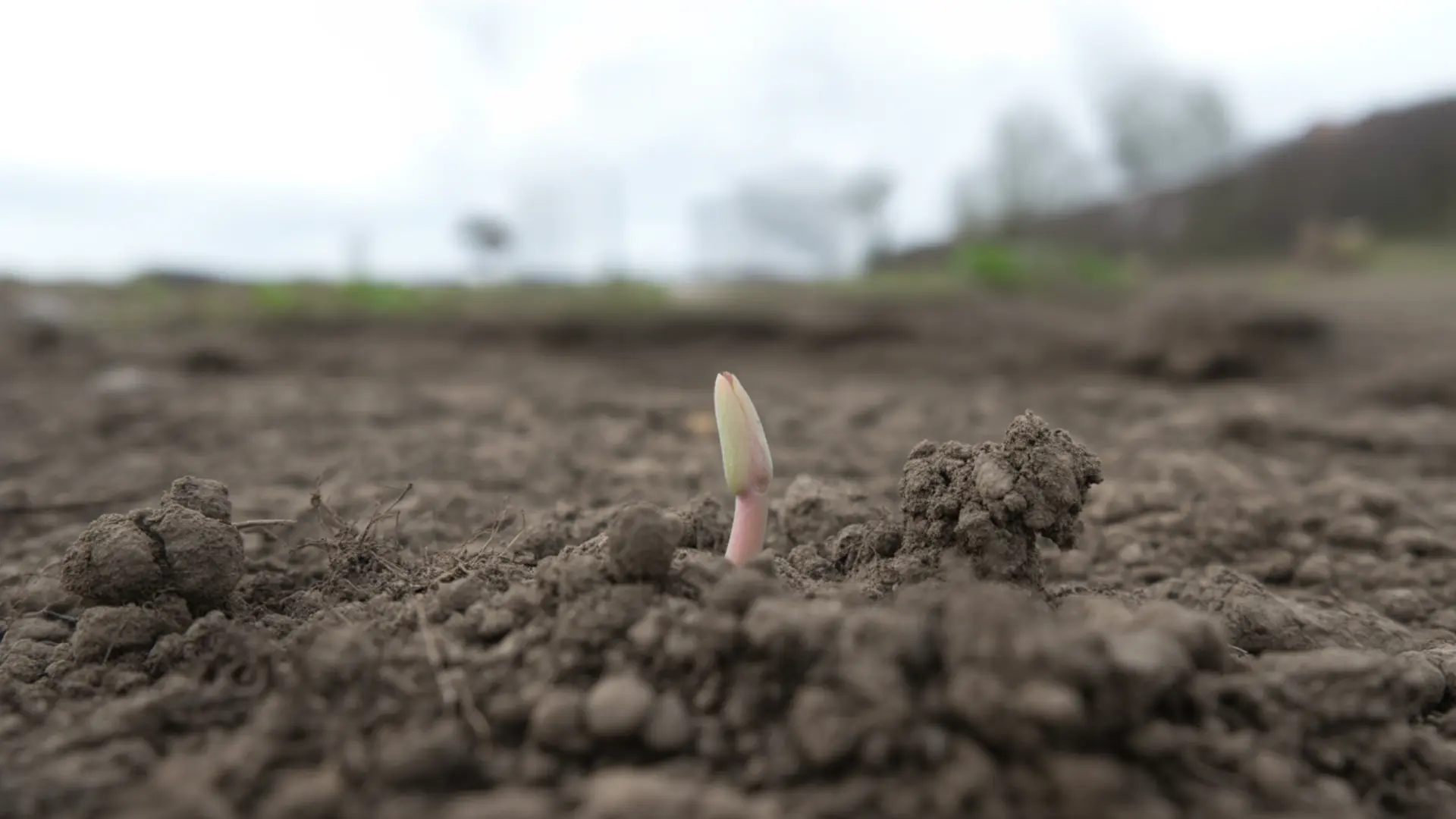
Patience pays off here more than anything else.
Once a zinnia seed is planted, it absorbs moisture and swells within the first day or two. A small root emerges first, anchoring the seed before a sprout pushes upward through the soil surface. Keep these conditions in mind:
- Moisture: Soil should stay moist but never soggy throughout this stage.
- Warmth: Aim for 70-75°F to speed up germination significantly.
- Timing: Sprouts typically appear within 4-7 days of planting.
- Light: Darkness isn’t required, but light isn’t necessary at this point either.
Once that first green sprout breaks through, the plant shifts into its next phase almost immediately.
Stage 2: Seedling Stage
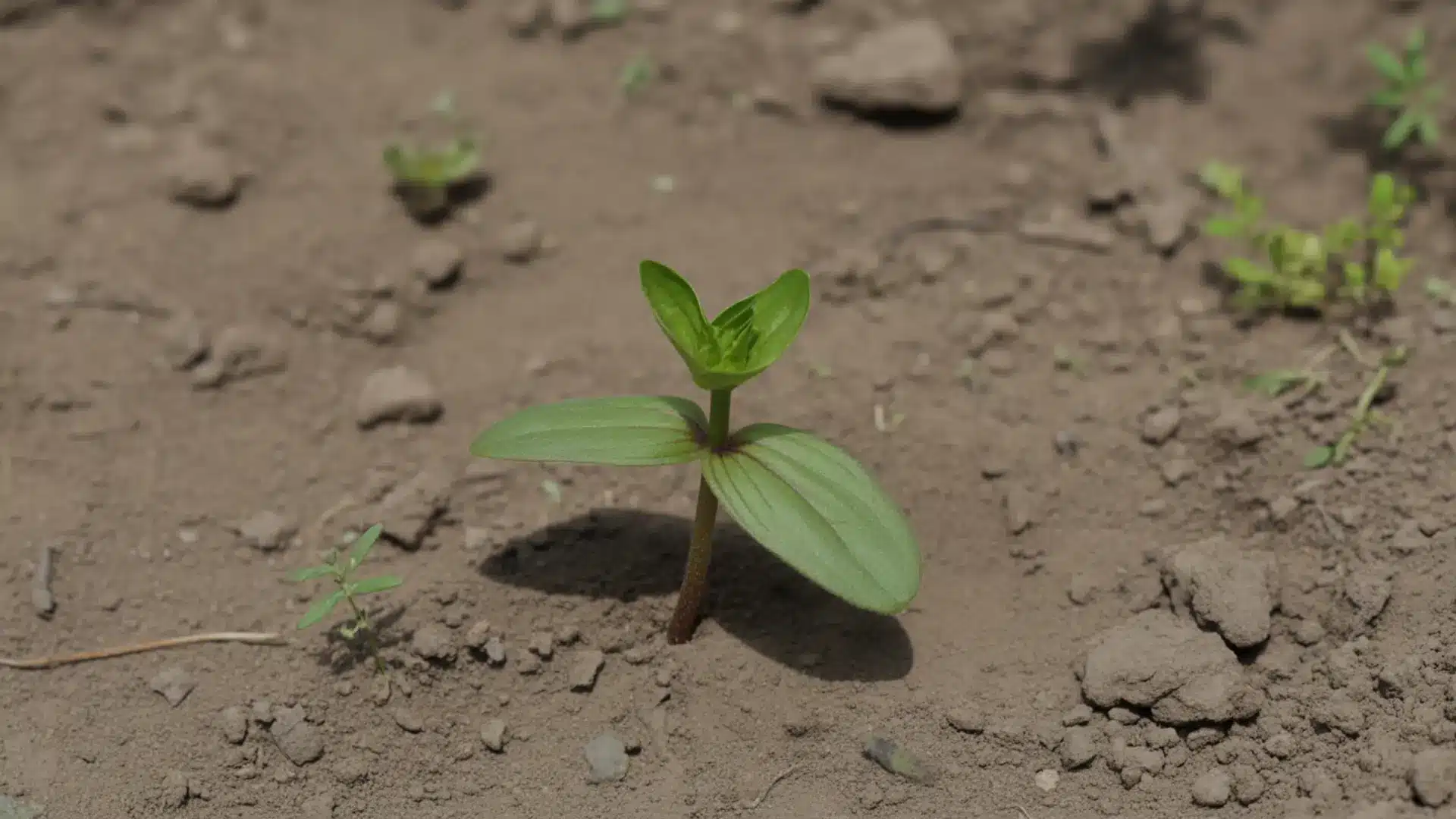
The seedling stage is short but sets the tone for everything that follows.
This is when a zinnia starts looking like an actual plant instead of a sprout.
Cotyledon (seed) leaves unfold first, usually between days 7 and 9, followed by the first true leaves around days 10 to 12. By days 12 to 14, the root system strengthens and thinning is recommended if seedlings are crowded.
Seedlings are fragile during this window, so protect them from pests and heavy rain until they’re a bit sturdier.
By the end of this stage, your zinnias are ready to put real energy into growing bigger.
Stage 3: Vegetative Growth
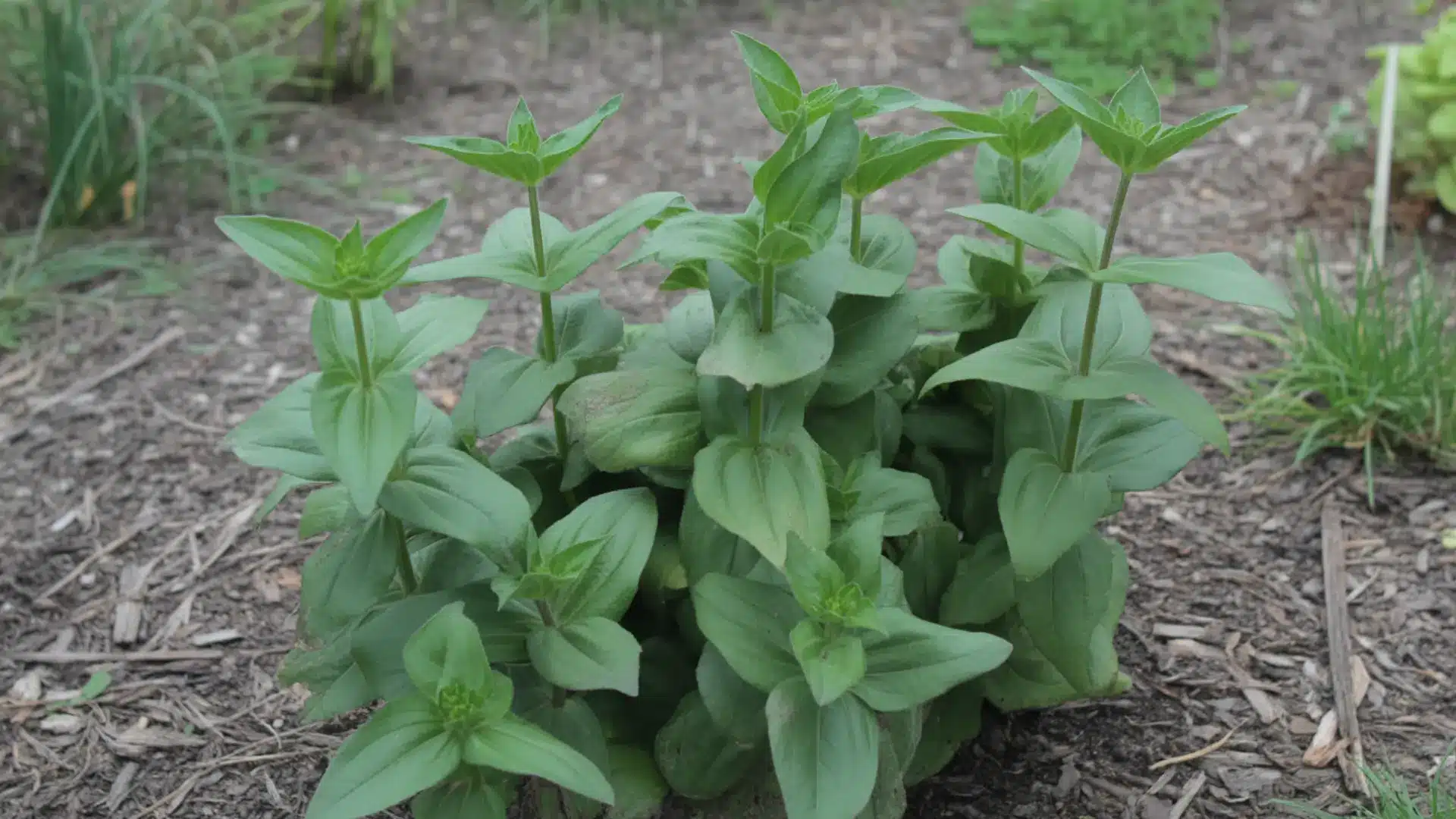
Zinnias do most of their bulking up, growing taller and fuller before any sign of a bud shows up.
- Stem Growth: Stems thicken and multiply as the plant branches out.
- Leaf Development: Leaf production increases rapidly, giving the plant its full look.
- Pinching: Pinching the main stem after 3-4 sets of leaves encourages bushier growth.
- Fertilizing: Light fertilizing can begin once the plant has established several leaf sets.
- Watering: Watering needs increase slightly as the plant gets bigger.
By the end of this stage, the plant has the size and structure it needs to start forming flower buds.
Stage 4: Budding Stage
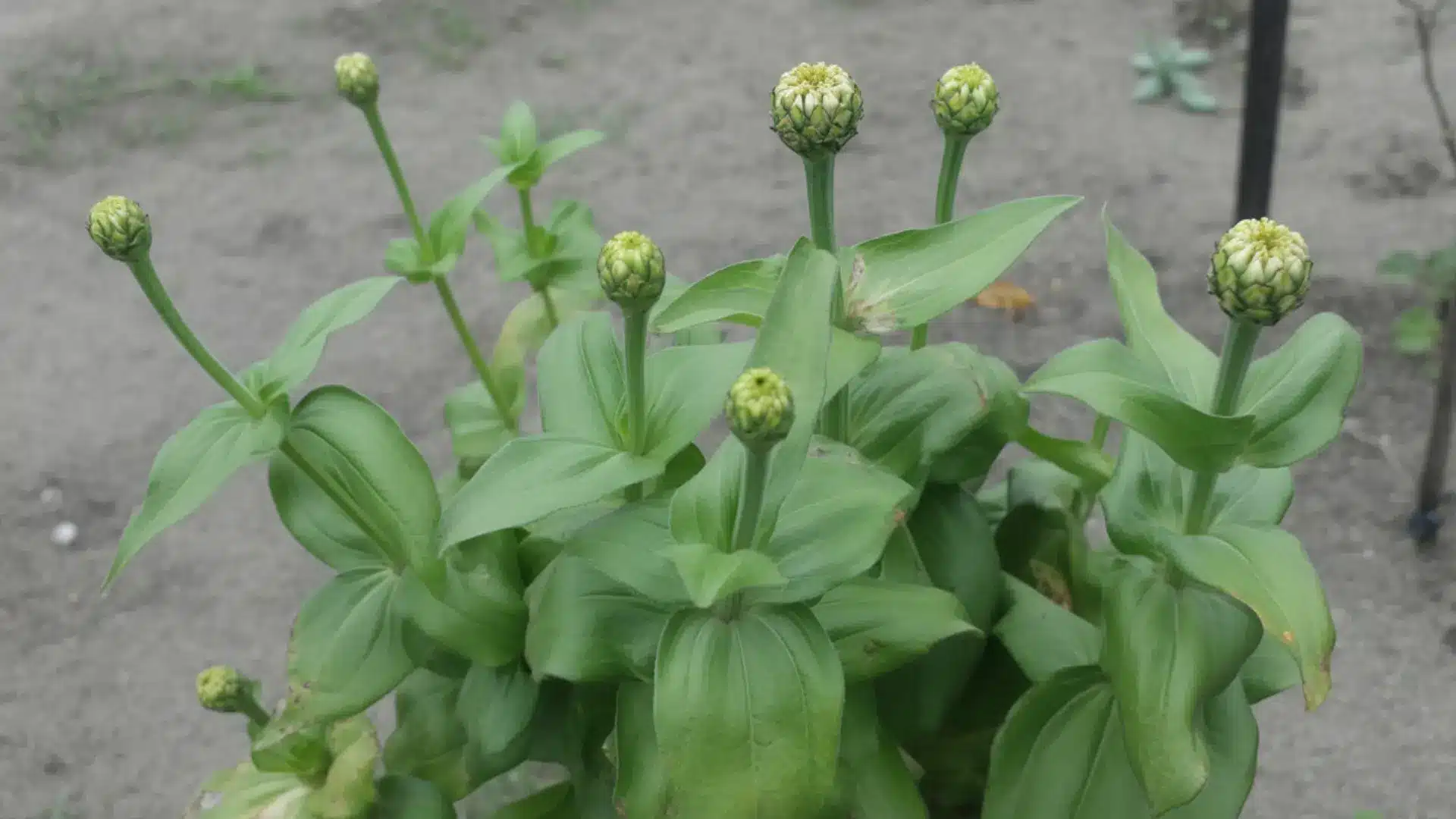
After weeks of leaf and stem growth, the plant finally starts preparing to flower.
Small changes become noticeable almost daily.
Tight, round buds begin forming at the tips of stems as the plant redirects its energy away from foliage.
Consistent watering matters more here than at almost any other stage, since drought stress during budding can delay flowering or produce smaller blooms.
Full sun exposure also plays a bigger role now, helping buds develop evenly and on schedule.
Stage 5: Flowering Stage
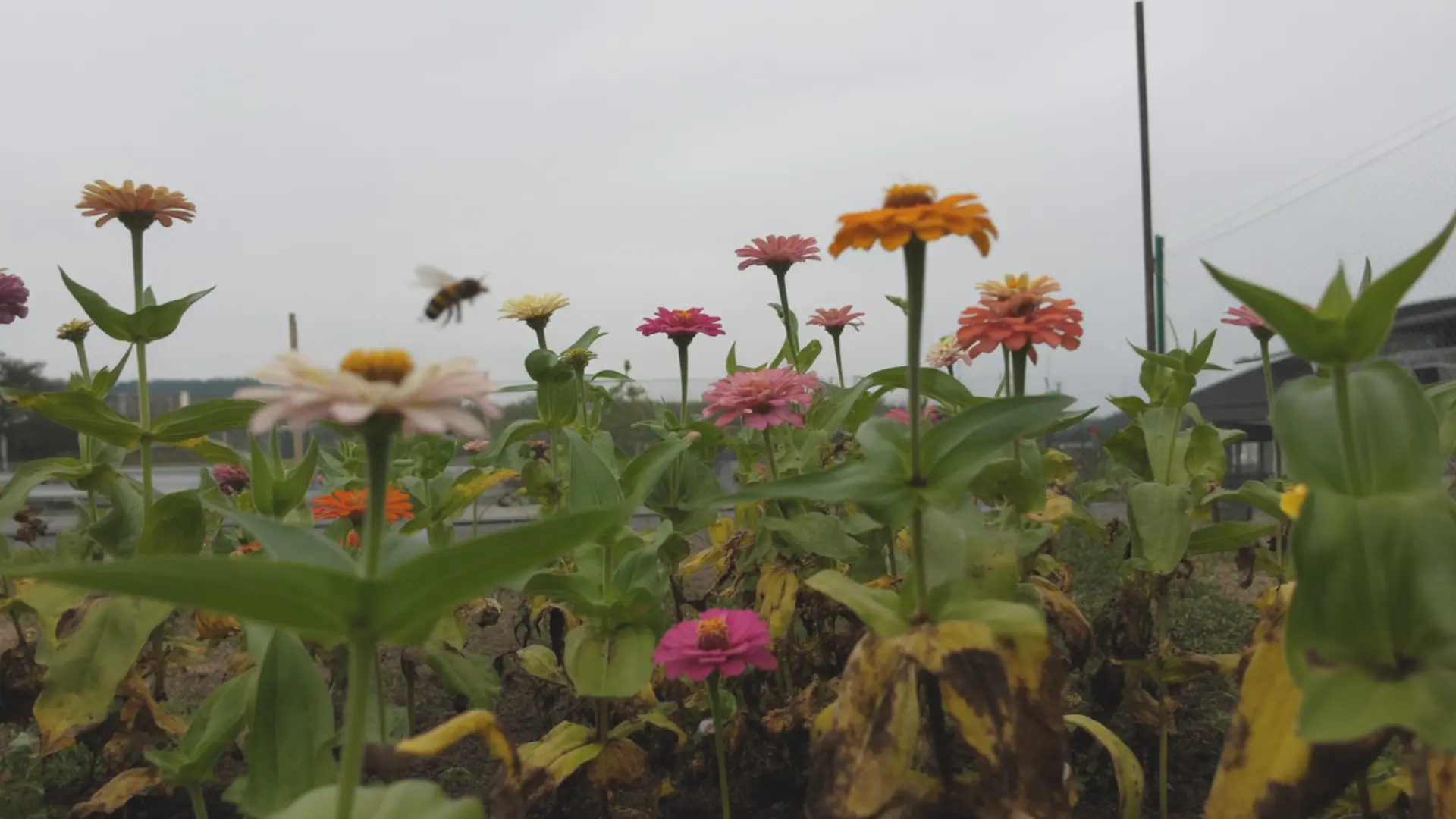
This is the payoff stage, and the one most gardeners are growing zinnias for in the first place.
- Bloom Opening: Buds open into full blooms over just a few days.
- Color Development: Colors reach their full intensity within the first week of opening.
- Deadheading: Deadheading spent flowers encourages new buds to form continuously.
- Bloom Duration: Blooming can last 8-10 weeks or more with regular deadheading.
- Cutting Flowers: Cutting flowers for arrangements actually encourages more blooms, not fewer.
This stage typically runs until the first fall frost, making it by far the longest part of the zinnia’s life cycle.
Stage 6: Seed Production and Plant Decline
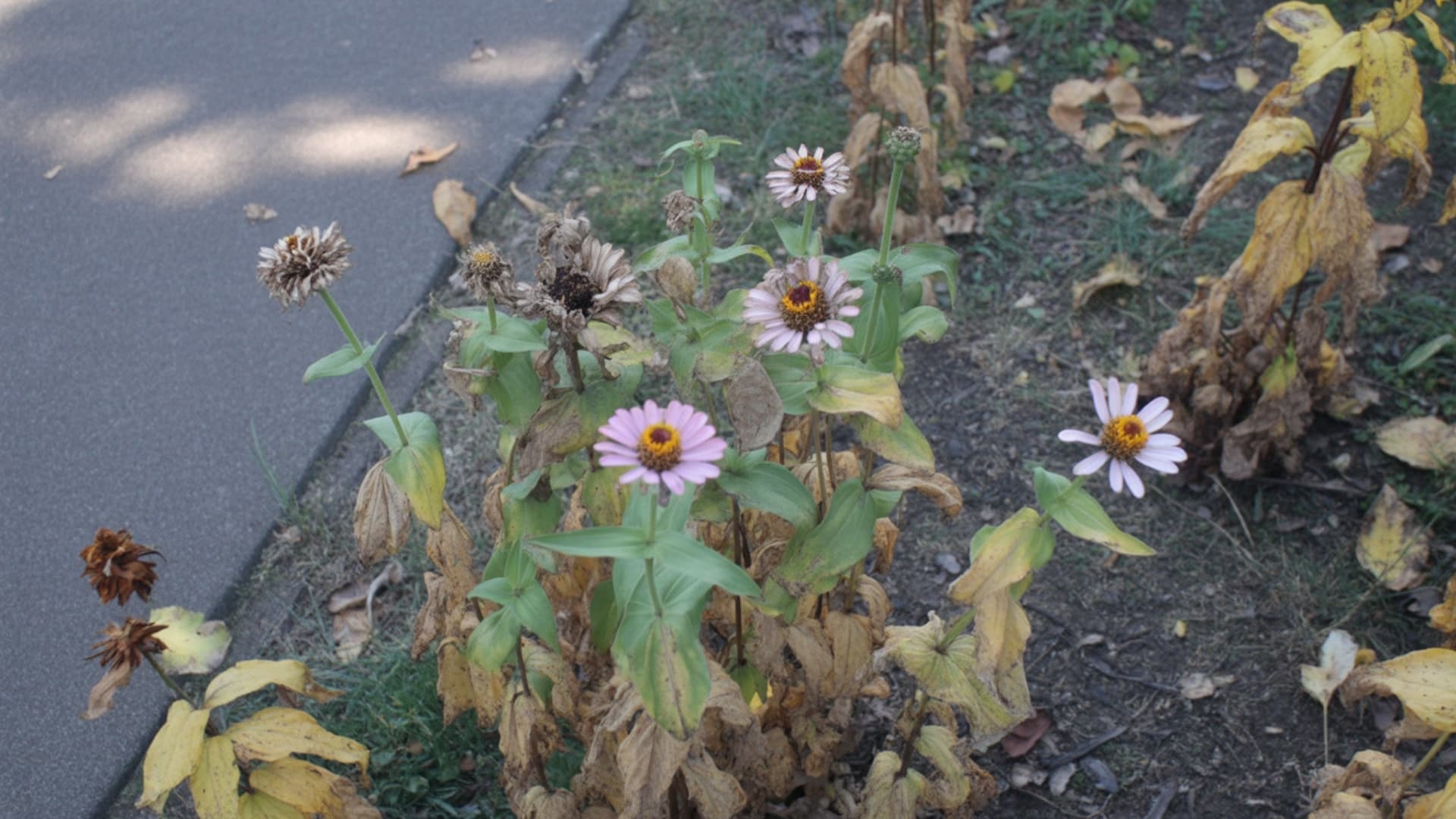
Eventually, a zinnia plant stops producing new flowers.
It shifts energy into producing seeds instead. Blooms left uncut will dry out.
They form seed heads at the center of each flower. Once seed production begins, blooming slows down. The plant channels its energy into maturing those seeds. This stage marks the natural end of the growing season.
Collected seeds can be dried and saved for next year’s planting.
Common Problems During Zinnia Growth Stages
Even with good conditions, zinnias run into a handful of recurring issues at different points in their growth.
Catch these early, and know which stage they show up in, to keep blooms coming longer.
| Problem | Common Cause | Fix |
|---|---|---|
| Poor germination | Cold or wet soil | Wait for soil to reach 70-75°F before sowing |
| Damping off | Overwatering, poor airflow | Ease up on water, space seedlings out |
| Leggy, weak stems | Low sunlight | Move to a sunnier spot, thin crowded seedlings |
| Stalled budding | Excess nitrogen, uneven watering | Use balanced fertilizer, water on a schedule |
| Powdery mildew | Humidity, poor airflow, overhead watering | Space plants out, water at the soil line |
| Fewer blooms | Spent flowers left on plant | Deadhead regularly |
Zinnia Care by Growth Stage
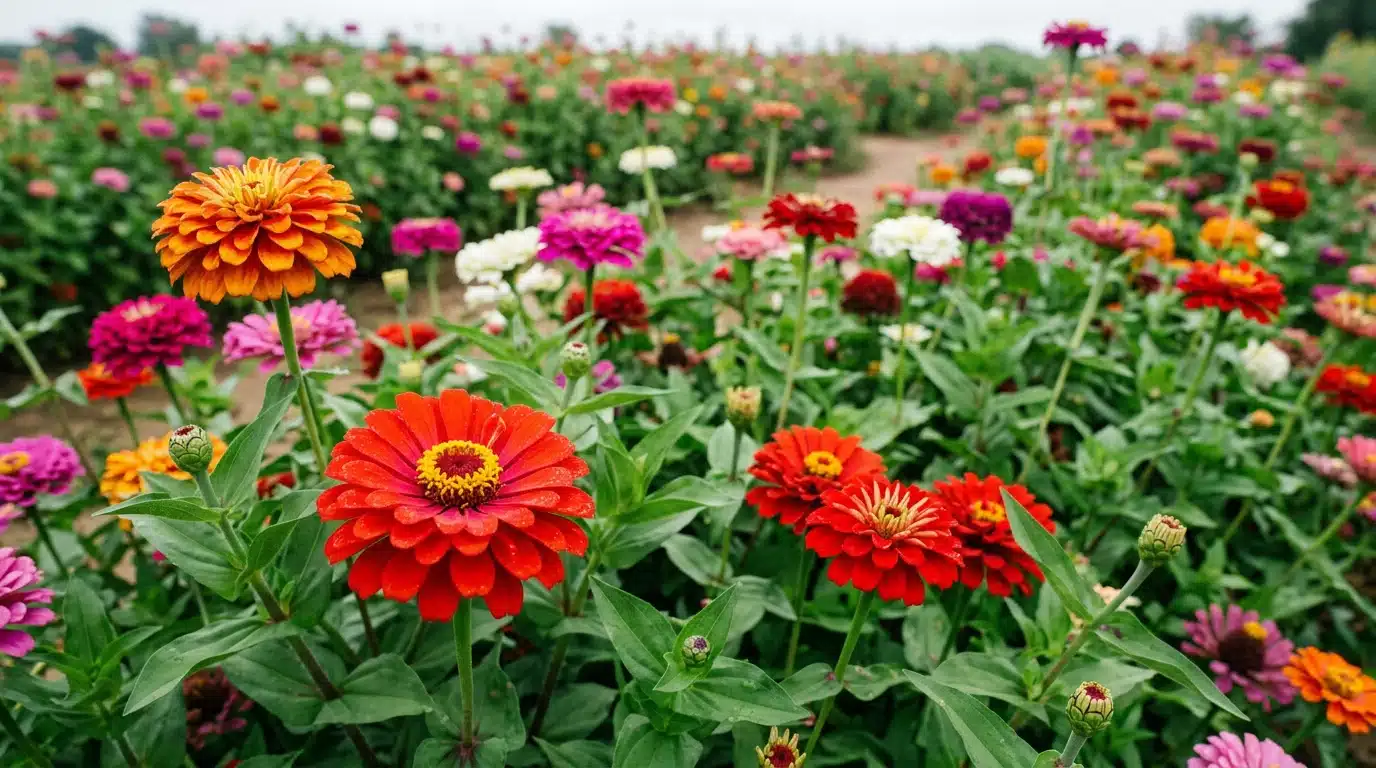
Healthy zinnias come down to a few essentials: watering, light feeding, good spacing, and regular deadheading.
Watering
Water at the soil line, not overhead, to keep foliage dry and disease-free. Deep, infrequent watering builds stronger roots than frequent light sprinkles. Let the top inch of soil dry before watering again.
During hot stretches, zinnias may need water every 2-3 days.
Set plants tolerate short dry spells better than young seedlings, which need consistent moisture to avoid stress.
Feeding
Light, steady feeding keeps blooms coming without pushing the plant off balance.
- Use a balanced, slow-release fertilizer every 4-6 weeks for steady blooms.
- Avoid heavy nitrogen, since it favors leaves over flowers.
- Work compost into soil before planting for a strong nutrient base.
- Established, blooming plants rarely need frequent feeding.
- Over-fertilizing can stall bud formation and weaken stems.
Spacing and Airflow
Crowded plants trap humidity, raising disease risk. Give each plant 12 to 18 inches of space based on variety size.
Good spacing lets foliage dry quickly after rain or watering.
Thin seedlings early instead of waiting until plants mature. Proper airflow cuts down on powdery mildew and other fungal problems, keeping plants healthier through every stage this season.
Deadheading
Consistent deadheading keeps new blooms coming instead of the plant shifting to seed.
| What to Do | Why It Matters |
|---|---|
| Snip blooms above a leaf set with clean tools | Prevents ragged cuts and disease |
| Repeat every few days at peak bloom | Keeps flowers coming continuously |
| Remove faded blooms promptly | Redirects energy into new buds |
| Don’t skip for long stretches | Delay shifts plant toward seed production |
| Stay consistent all season | Extends blooming by several weeks |
Factors Affecting Zinnia Growth Stages
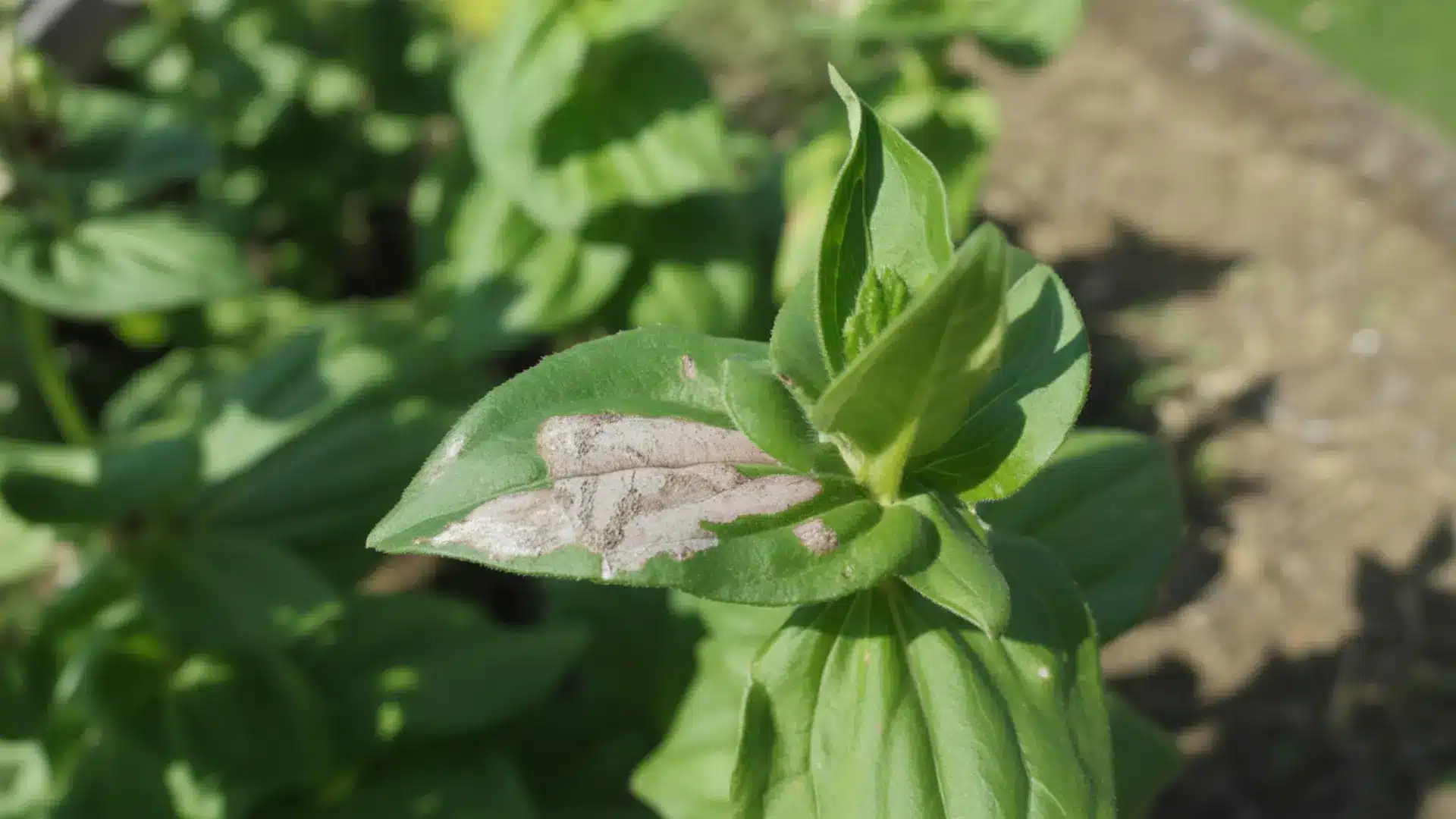
Several outside conditions can speed up or stall each stage. Here’s what actually shifts the timeline.
1. Sunlight
Less light delays budding and shrinks bloom count. Full sun keeps stems sturdy and flowering on schedule.
Shaded plants often stretch thin, chasing light instead of building strength.
2. Soil Quality
Well-draining soil with a neutral to slightly acidic pH supports healthy roots. Heavy clay traps moisture and invites rot. Loose, amended soil helps seedlings establish faster.
Poor drainage is the top cause of stalled or failed germination.
3. Temperature
Warm conditions between 70-75°F keep growth steady. Cold snaps below 50°F stall development at any stage.
Heat above 90°F stresses plants during flowering. Consistent warmth shortens the path from seed to bloom.
4. Watering
Even moisture matters more than volume. Dry soil causes wilting and slows growth. Soggy soil invites root rot and fungal disease. Steady, moderate watering keeps roots healthy and blooms coming reliably.
5. Air Circulation
Poor airflow raises the risk of powdery mildew. Proper spacing lets foliage dry faster after watering or rain.
Good circulation keeps plants healthier through every growth stage.
How to Grow Stronger Zinnias From the Start?
Strong zinnias start with the basics done right. Warm the soil before sowing, since cold ground stalls germination.
Direct sow whenever possible, as zinnias dislike disturbed roots. Thin crowded seedlings early to avoid competition for light and nutrients.
Pinch the main stem once plants have 3-4 sets of leaves to encourage branching.
Water at the base, not overhead, to keep foliage dry. Full sun, at least 6 hours daily, builds sturdy stems.
These early habits shape the whole season ahead.
Tips to Speed Up Zinnia Growth
If you want earlier blooms or to improve plant growth, a few simple habits help from the start.
Small, consistent actions quickly add up and can mean the difference between a good and great bloom season.
- Use black plastic mulch or start seeds indoors to hit that 70-75°F sweet spot faster.
- Soaking seeds in water for a few hours before planting can speed up germination by a day or two.
- Removing weaker seedlings early gives remaining plants more room, light, and nutrients to grow faster.
- Pinching the main stem once the plant has sets of leaves redirects energy into earlier bud formation.
- A light, balanced fertilizer every few weeks keeps growth steady instead of stalling between stages.
- Removing spent blooms promptly encourages new flowers rather than seed production.
Frequently Asked Questions (FAQs)
How Long Does It Take For a Zinnia Seed to Sprout?
Zinnia seeds typically sprout within 4 to 7 days under warm, moist conditions.
How Long From Planting to Bloom?
Most zinnias bloom within 60 to 70 days of being planted from seed.
Can You Plant Zinnia Seeds Directly in the Ground?
Yes, zinnias grow best when direct sown after the last frost date.
Do Zinnias Rebloom After Cutting?
Yes, regular cutting and deadheading encourage zinnias to produce new blooms continuously.
Wrapping Up
Zinnias make growing your own flowers almost effortless once you understand each growth stage’s needs.
I have grown them in raised beds and in nothing more than a five-gallon bucket, and the timeline holds steady either way: sprout, grow, bud, bloom, and set seed, all within a single warm season.
Learn the zinnia growth stages for your zone, get the timing right, and the rest of the process takes care of itself with just a bit of regular attention.
Have you grown zinnias before? Drop a comment below and let us know what’s worked for you.