A salad isn’t the first place you’d expect to find a flower. But some belong there more than you’d think.
I started adding petals to my food out of curiosity, and it turned into something I do often.
Some flowers are peppery, some are sweet, and a few even taste like cucumbers.
Learning what flowers are edible opened up a new way for me to enjoy food: simple, colorful, and a little surprising.
You might be wondering which flowers are actually safe to eat and how they taste.
This blog will walk you through it all, what to look for, how to use them, and which ones can turn an everyday meal into something more fun. Let’s start with the basics.
Why People Eat Flowers
People eat flowers for their flavor, color, and texture. Some add a spicy kick, others bring sweetness, and many just look nice on a plate. But there’s more to it than tossing petals into a salad.
First, not all flowers are the same.
Edible means you can eat it. Food safe means it hasn’t been sprayed with chemicals or grown with harmful stuff. Good tasting? That’s personal. Some edible flowers taste bitter or bland, so not all of them are worth eating.
Some flowers taste better raw: like nasturtiums with their peppery bite.
Others, like squash blossoms, are better cooked because heat softens them and brings out their flavor.
This topic can be tricky. Mistaking one flower for another can be dangerous. Some are toxic. Others might be sprayed with pesticides. And a few may cause allergies. That’s why it’s important to learn first and always be sure before taking a bite.
Safety Rules Before You Eat Any Flower
Before you taste any flower, there are a few rules you have to follow. Just because a flower looks nice doesn’t mean it’s safe to eat.
- Only eat flowers you can clearly identify. Some look alike, but one might be toxic.
- Make sure the flower is truly edible. Not all pretty blooms are safe.
- Know how it was grown. Avoid flowers treated with pesticides or other chemicals.
- Don’t eat flowers from florists or nurseries. These are often sprayed and not meant for eating.
- Start small. Even edible flowers can cause allergies for some people.
- Wash them gently. Rinse off dirt and bugs before using them in food.
It’s better to be extra careful than risk getting sick. Once you’re sure they’re safe, edible flowers can be a fun and colorful part of your meals.
What Flowers Are Edible?
Here’s a list of edible flowers you can actually use in your kitchen.
These are some of the safest and most common ones, with simple info to help you decide how and when to use them:
1. Nasturtium
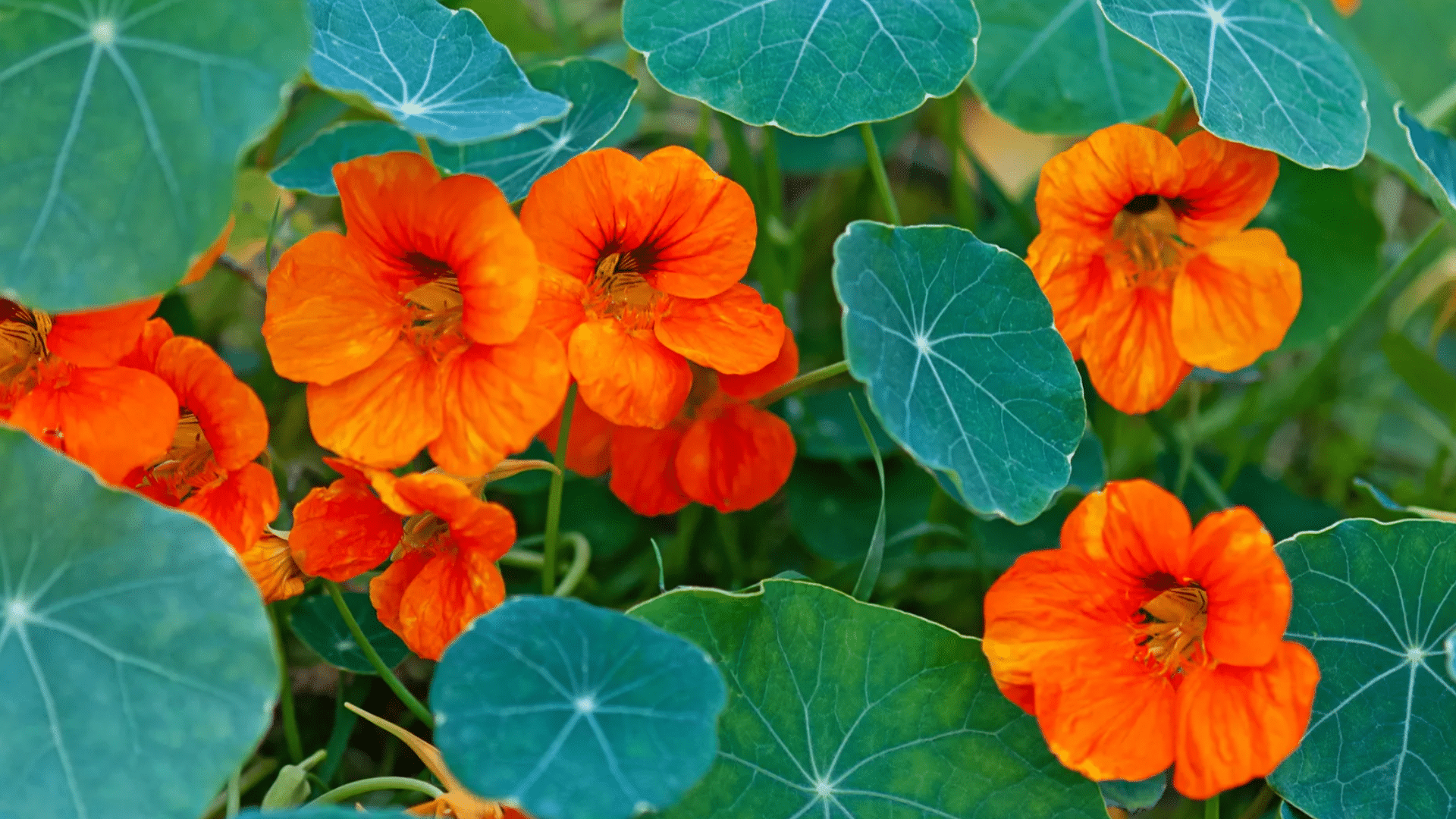
These bright flowers grow easily and have a bold, peppery flavor. Both the leaves and blooms are edible.
- Taste: Peppery, like arugula or radish
- Best uses: Salads, sandwiches, savory snacks
- Parts to eat: Whole bloom and leaves
2. Pansy / Viola
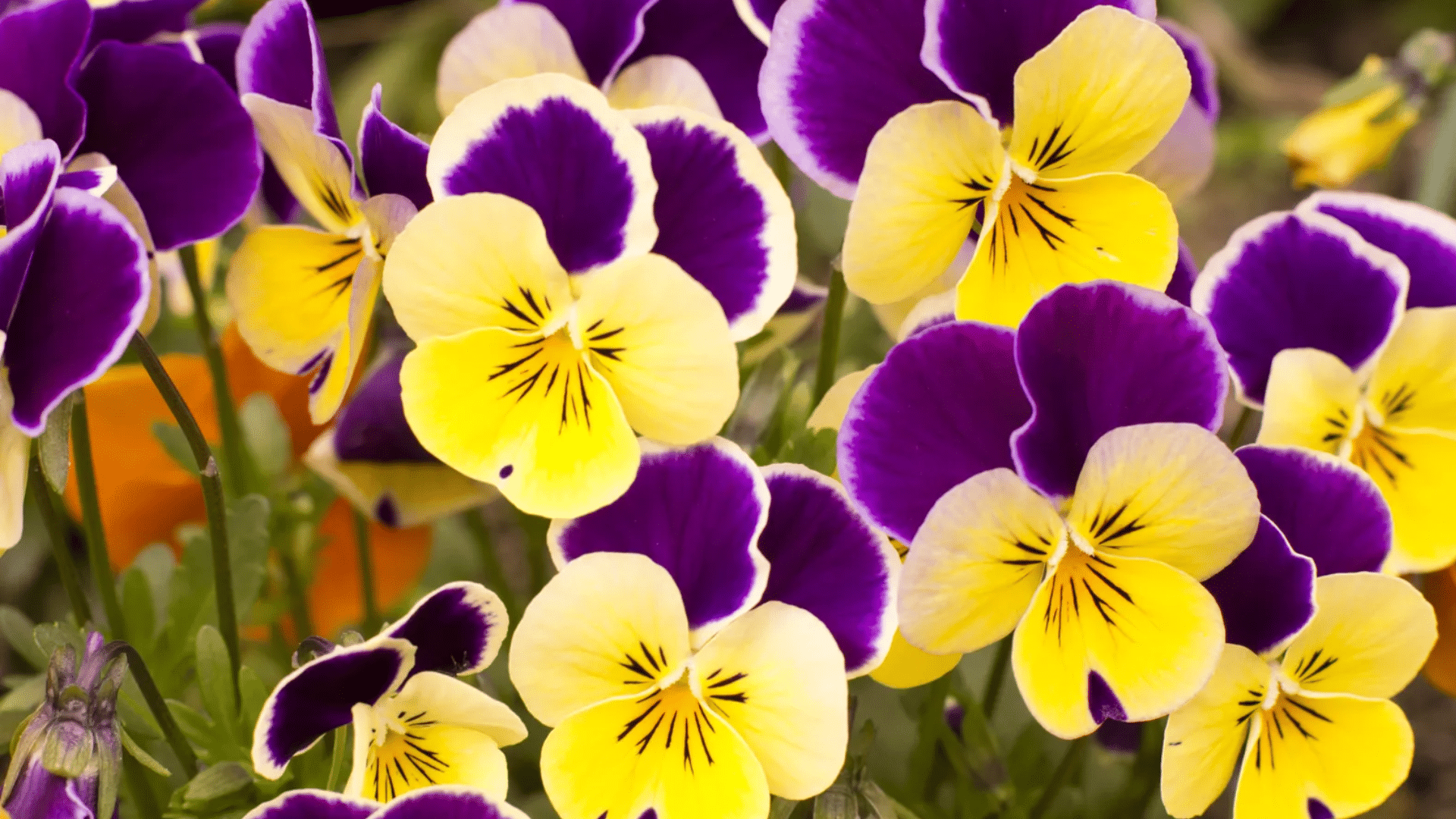
These colorful, flat-faced flowers are often used for decoration. They’re easy to grow and even easier to use.
- Taste: Mild, slightly sweet or grassy
- Best uses: Garnish for cakes, cupcakes, salads
- Parts to eat: Whole bloom
3. Rose
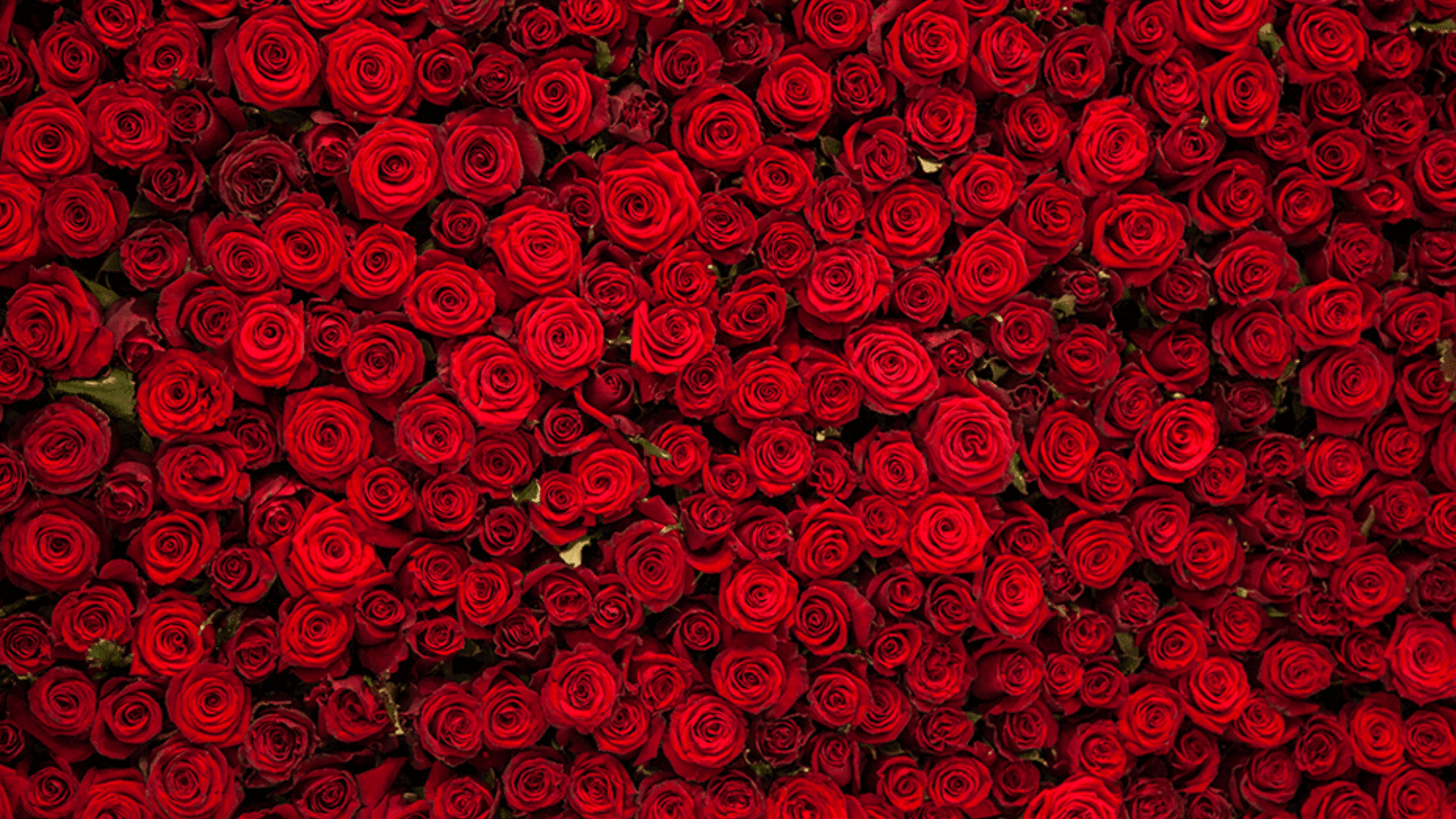
Roses are edible, but not all taste the same. Scented, old-fashioned varieties tend to have the best flavor.
- Taste: Sweet, floral, sometimes fruity
- Best uses: Desserts, syrups, teas, salads
- Parts to eat: Petals only
4. Calendula (Pot Marigold)
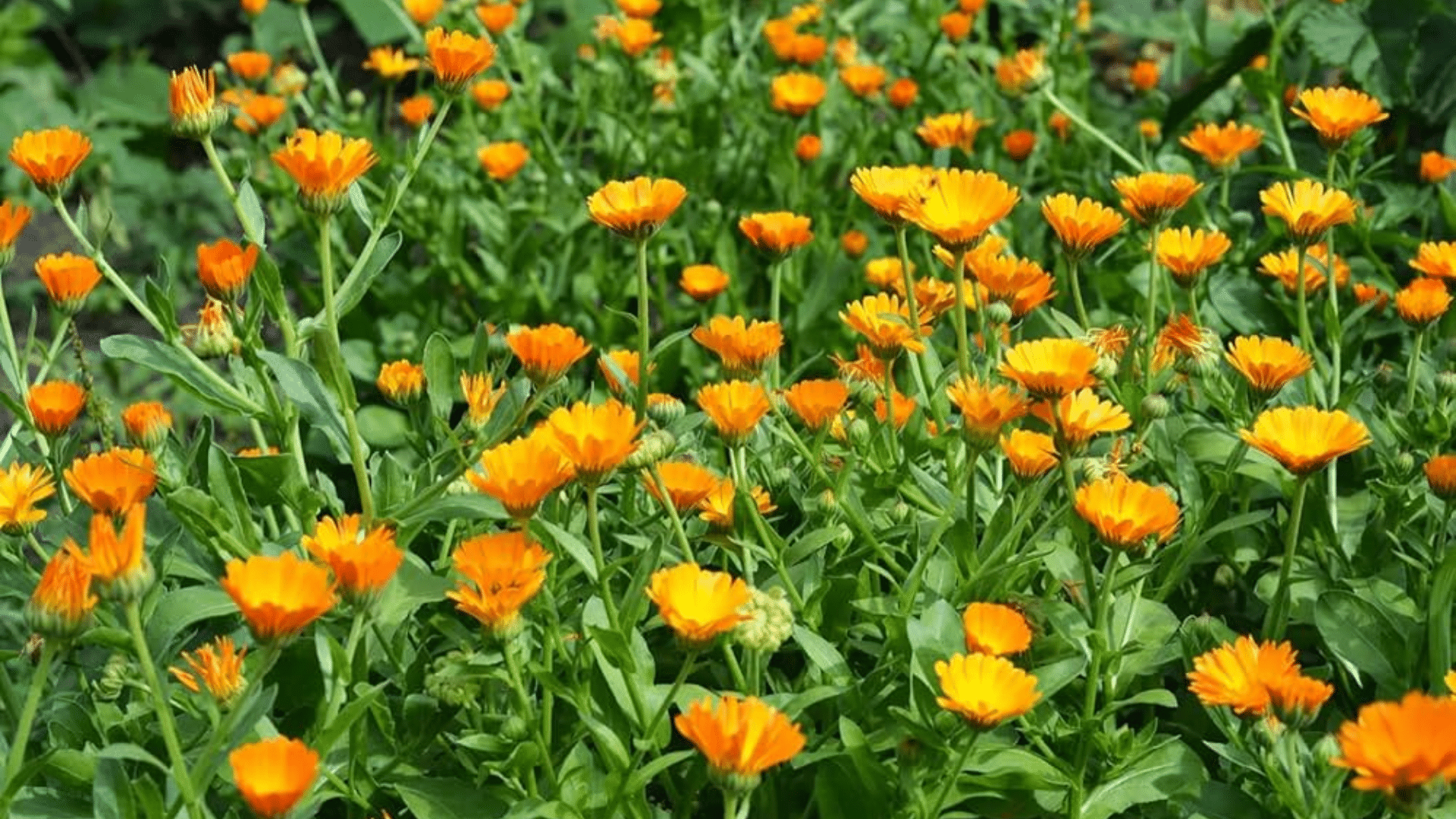
Known for its bright petals, calendula adds a splash of color and a mild kick to many dishes.
- Taste: Peppery to slightly bitter, earthy
- Best uses: Rice dishes, soups, salads
- Parts to eat: Petals only
5. Borage
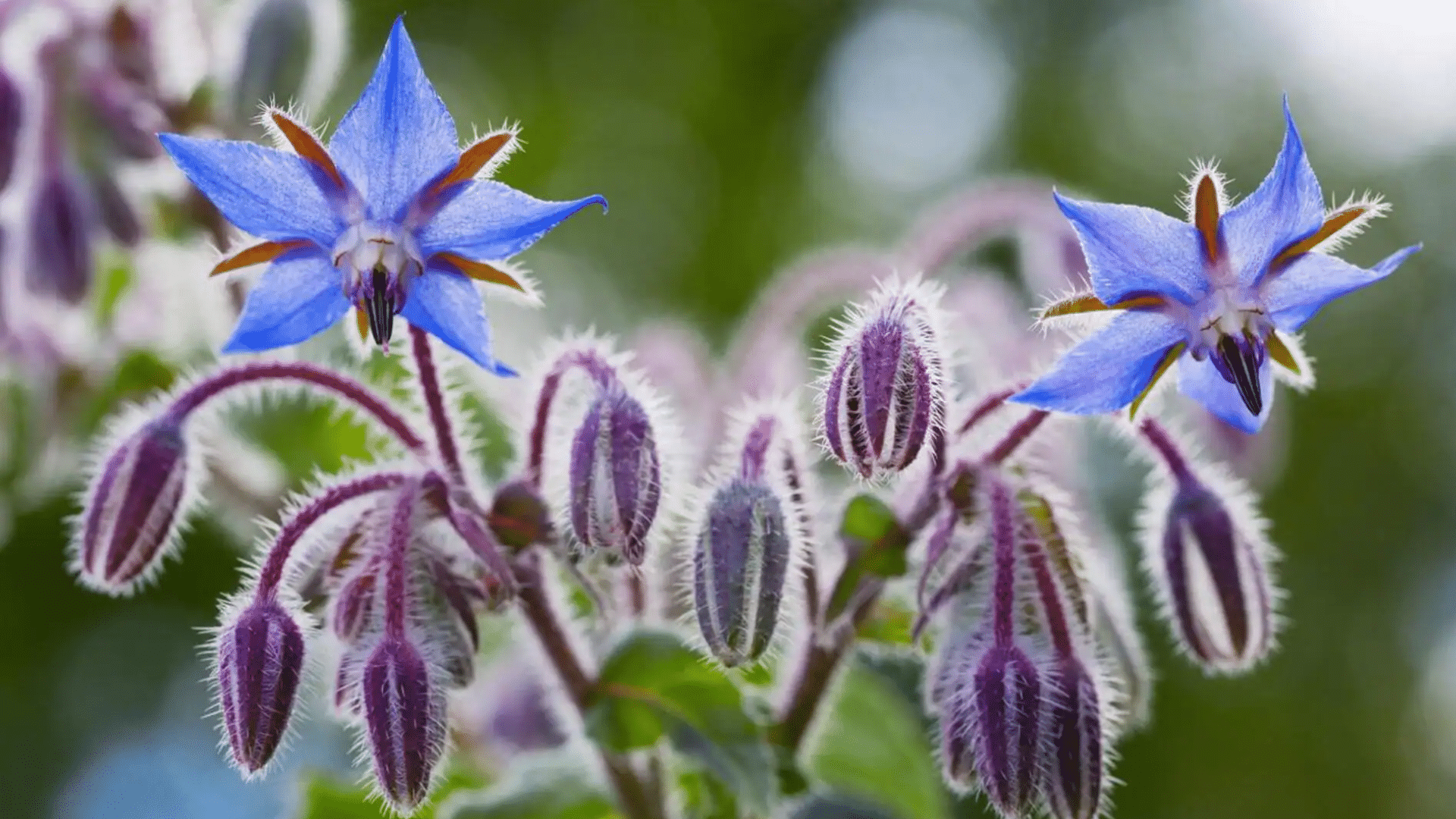
Borage flowers are star-shaped and blue. Their light flavor and fresh look make them great in cold foods.
- Taste: Light, like cucumber
- Best uses: Drinks, cold dishes, ice cubes
- Parts to eat: Whole bloom
6. Bee Balm (Monarda)
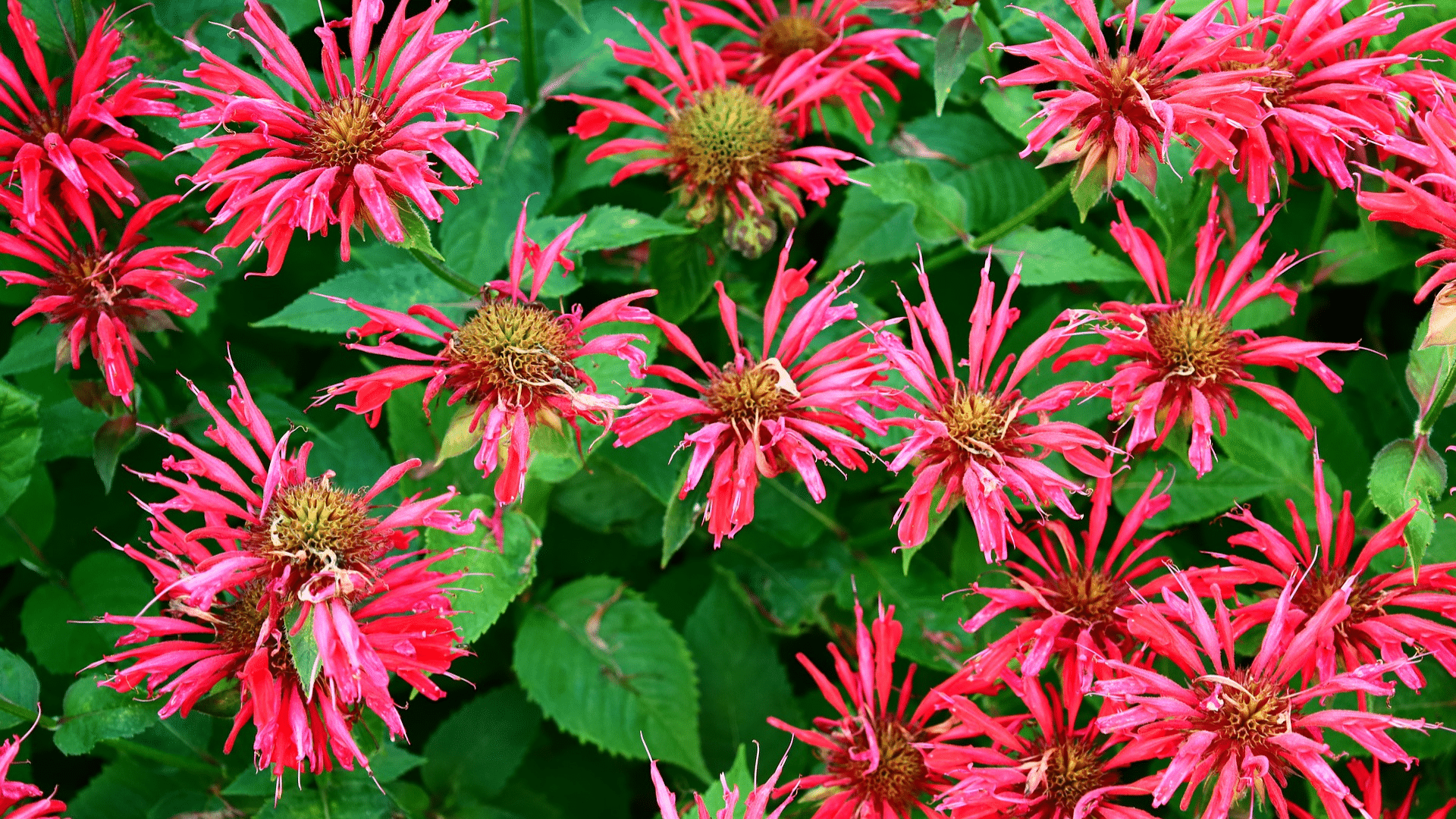
This wildflower is bold and colorful, with a strong scent. It brings a minty twist to sweet or savory foods.
- Taste: Minty, slightly citrusy
- Best uses: Teas, salads, fruit dishes
- Parts to eat: Petals only
7. Chive Blossoms
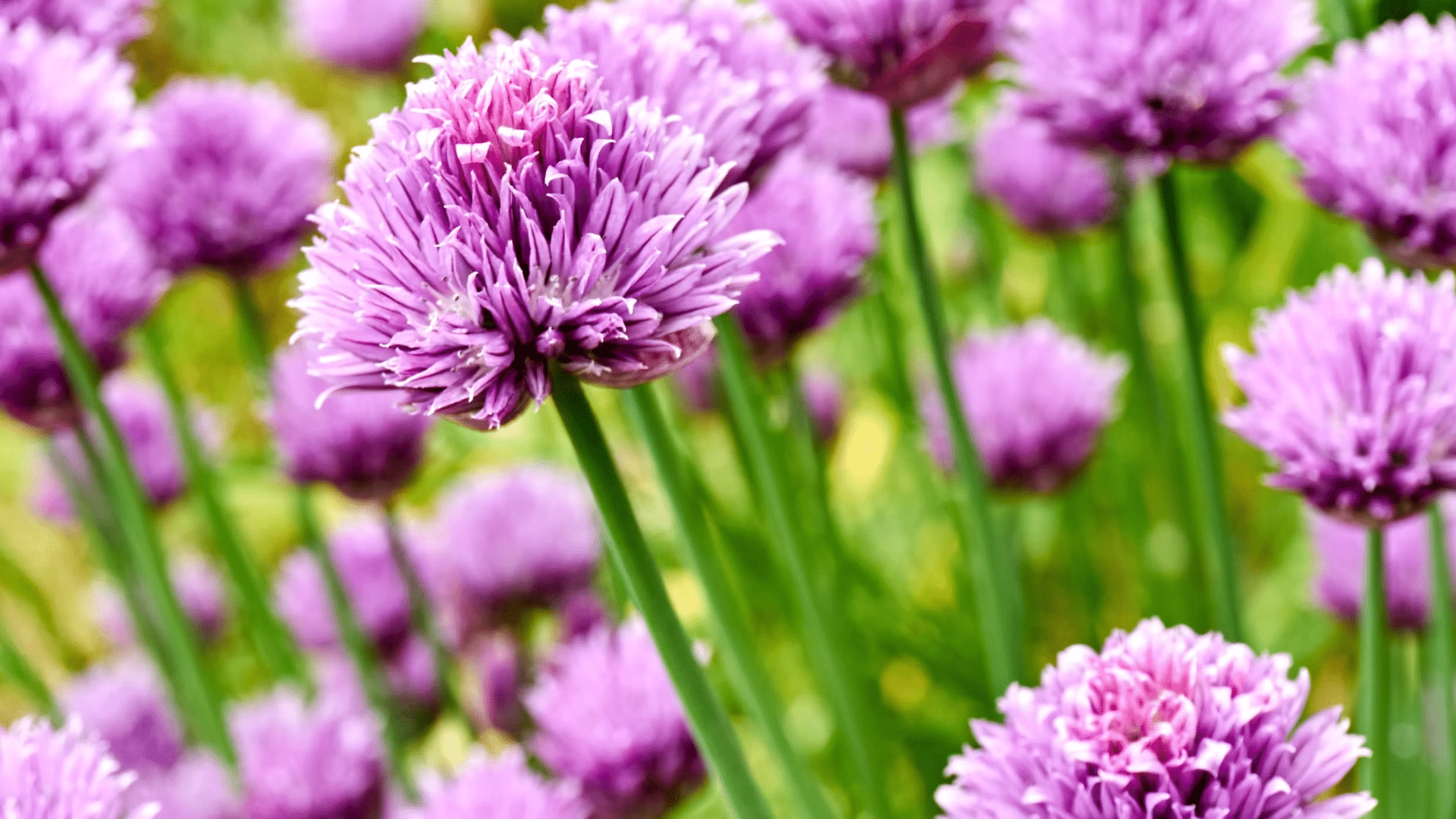
These round, purple blooms come from chive plants. They pack a mild onion flavor and brighten up savory dishes.
- Taste: Mild onion
- Best uses: Butter, dips, eggs, savory dishes
- Parts to eat: Whole blossom
8. Lavender
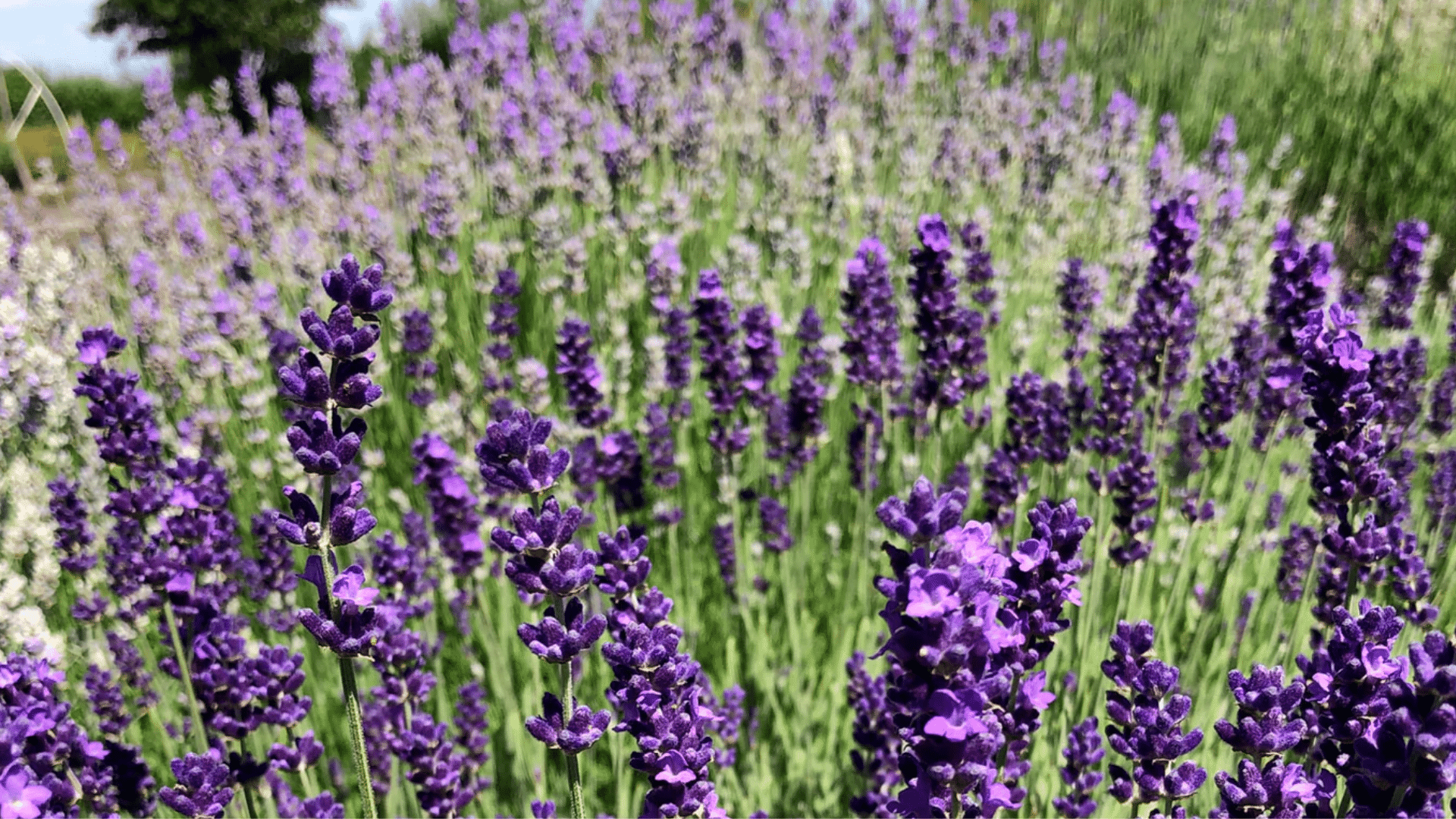
Lavender has a strong scent and even stronger flavor. It’s best used in small amounts.
- Taste: Strong, floral, like rosemary
- Best uses: Baked goods, teas, syrups
- Parts to eat: Buds and petals
9. Chamomile
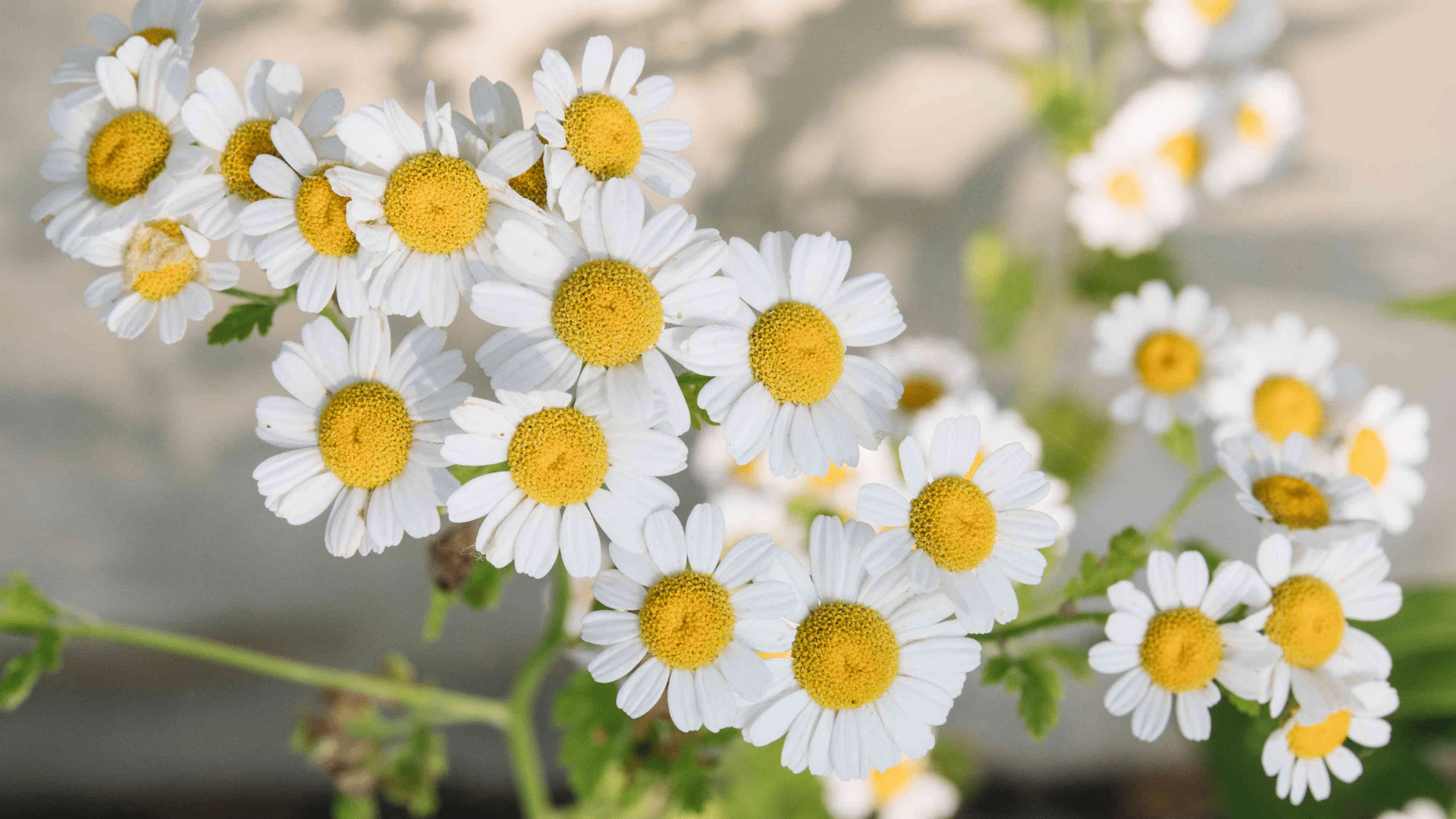
These daisy-like flowers are mostly known for tea, but they can also be used fresh or dried in other ways.
- Taste: Apple-like, sweet and gentle
- Best uses: Teas, honey infusions
- Parts to eat: Petals and center
10. Hibiscus
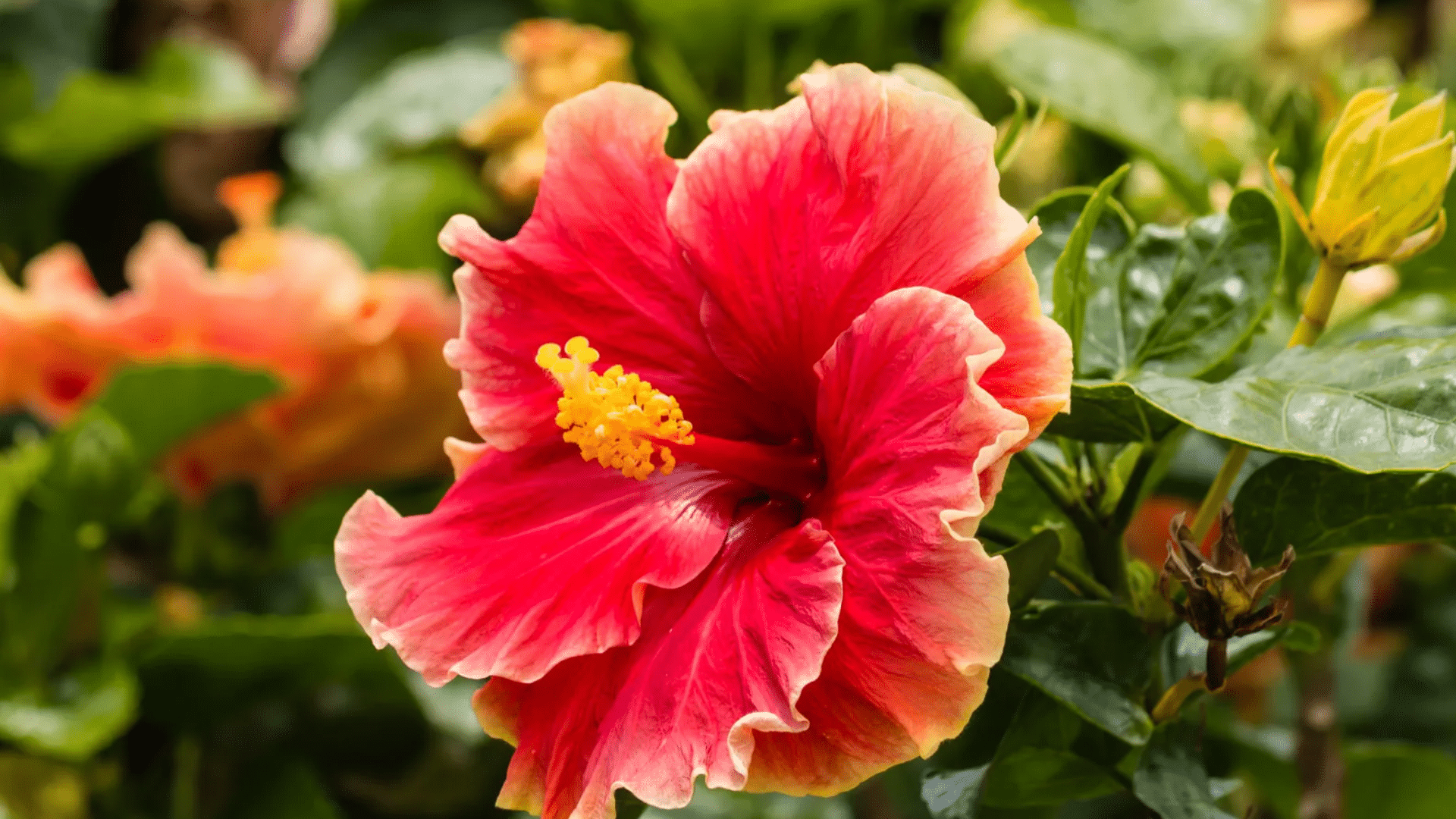
Known for its deep red color and bold taste, hibiscus is used in teas and syrups around the world.
- Taste: Tart, fruity, like cranberry
- Best uses: Teas, syrups, jams
- Parts to eat: Petals only
11. Squash / Zucchini Blossoms
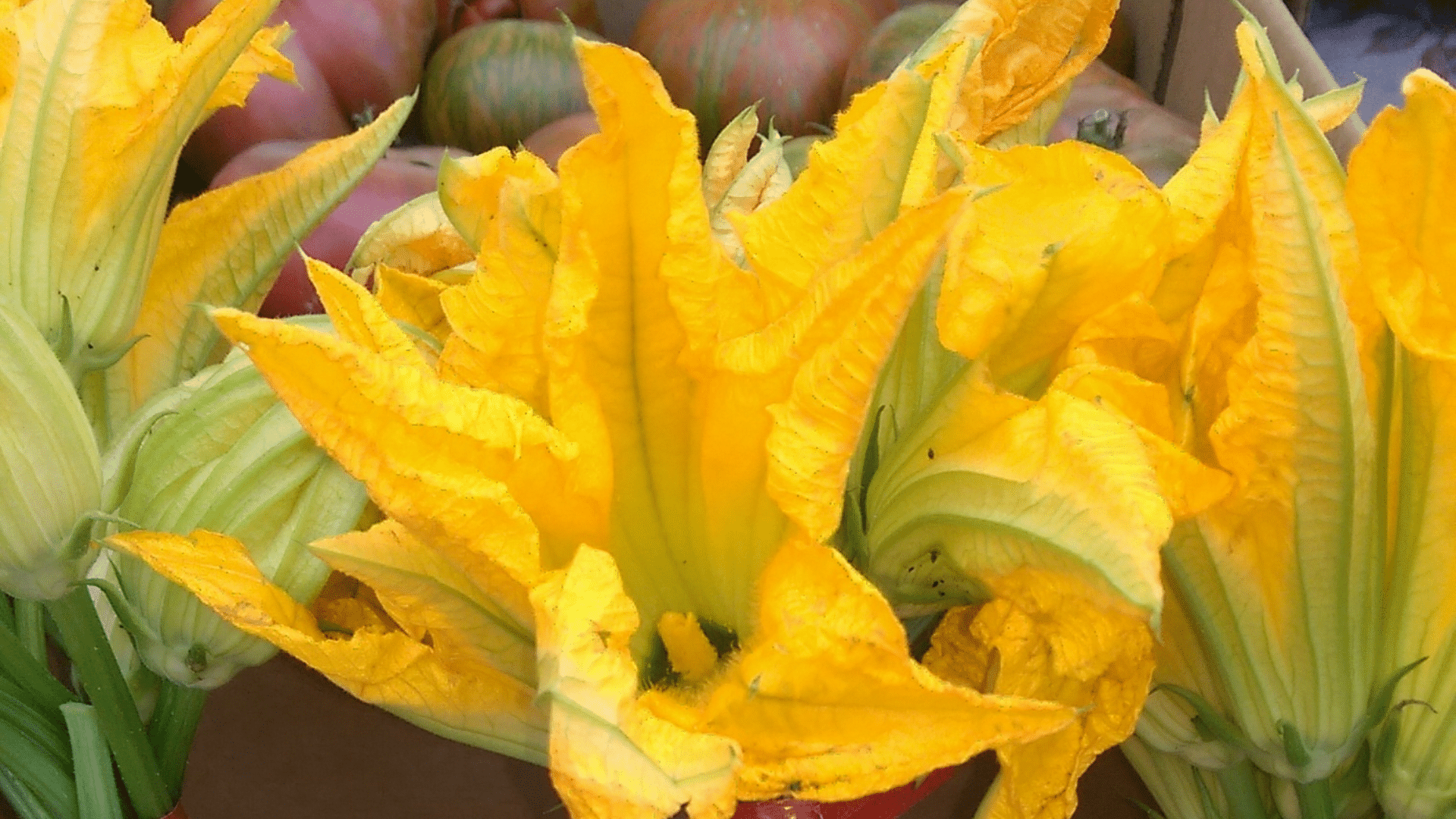
These large yellow blooms grow on squash plants and are often stuffed, cooked, or added to savory meals.
- Taste: Mild, slightly sweet and earthy
- Best uses: Stuffed and fried, added to quesadillas or pasta
- Parts to eat: Whole bloom
12. Thyme Blossoms
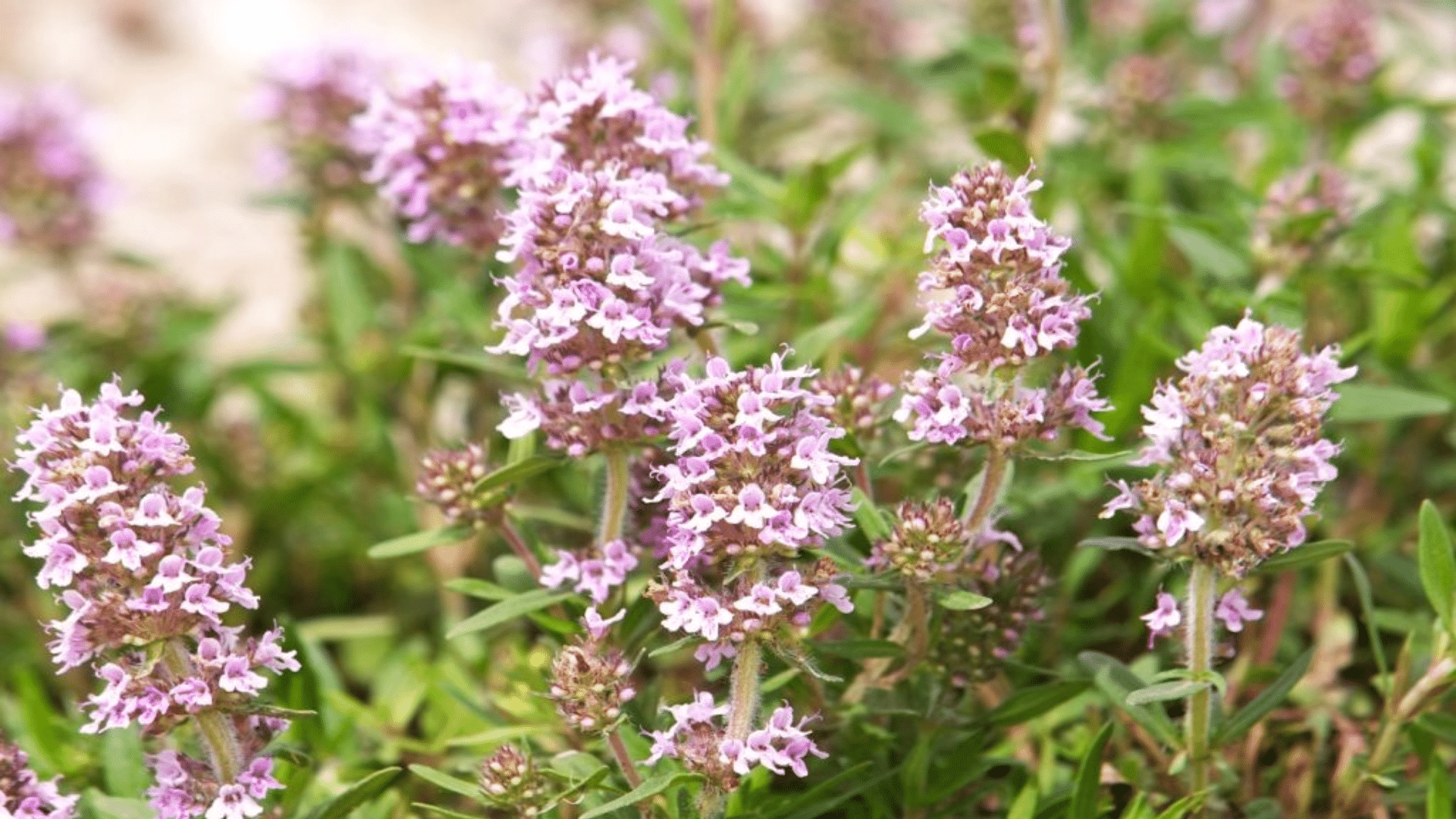
These tiny flowers offer a soft version of thyme’s classic flavor. They’re small but flavorful.
- Taste: Like the herb, but milder
- Best uses: Garnish, herb butter, savory baking
- Parts to eat: Whole bloom
13. Basil Blossoms
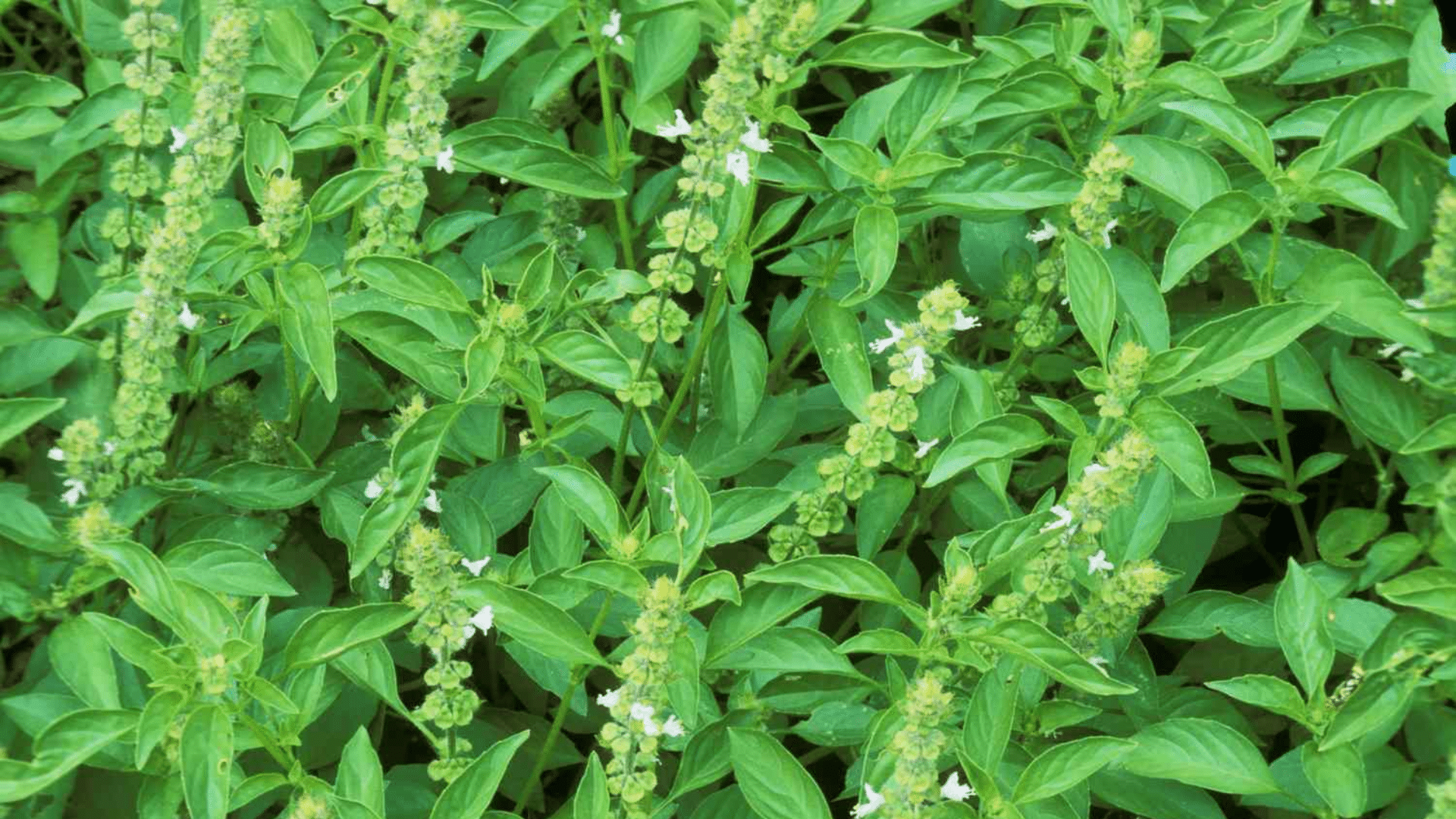
Basil flowers bloom when the plant is mature. They hold the same flavor as basil leaves, with a light twist.
- Taste: Strong basil flavor, slightly sweeter
- Best uses: Salads, pasta, herb oils
- Parts to eat: Whole bloom
14. Violets
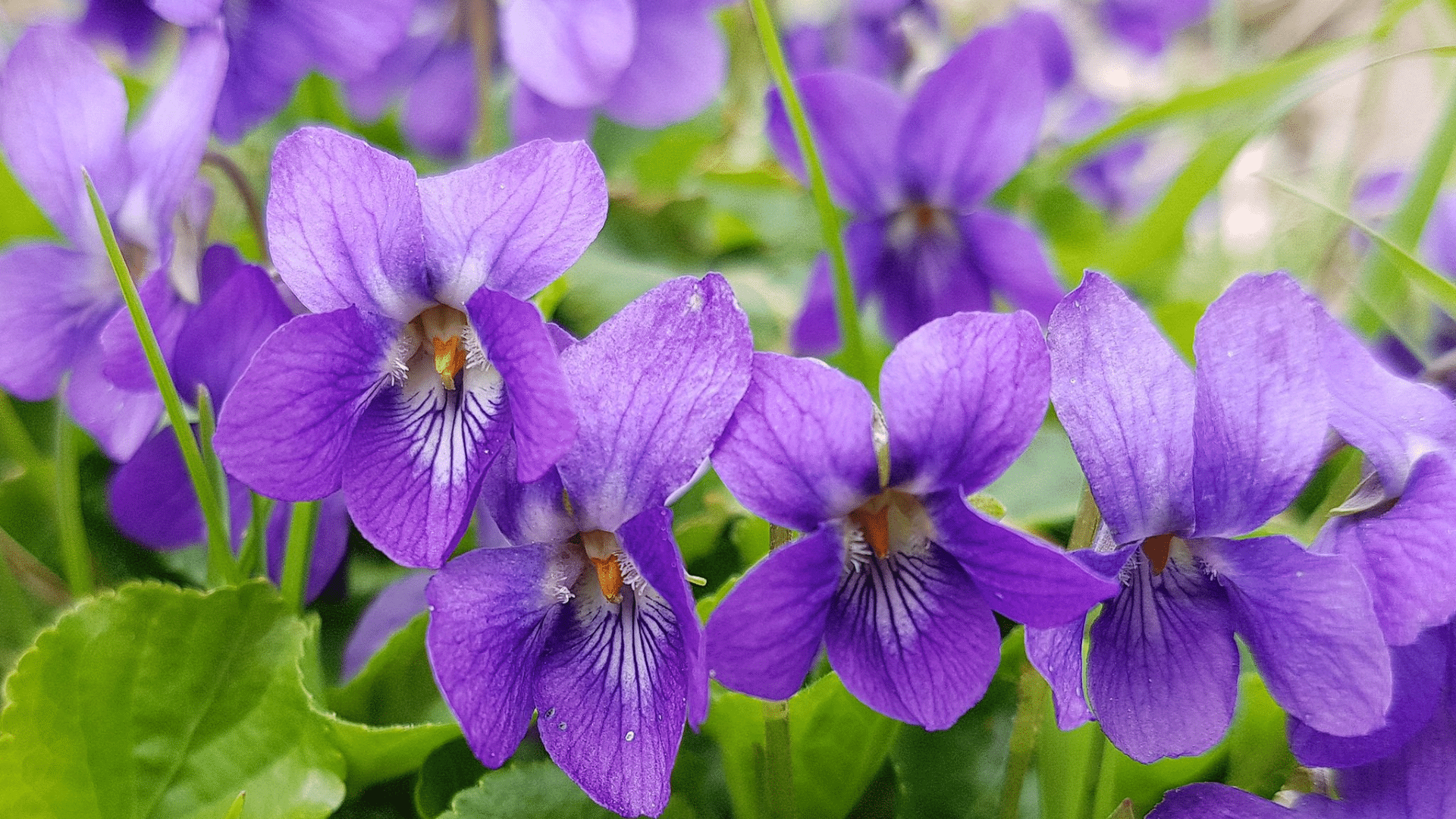
Small and sweet, violets are often used in desserts or candied for a colorful touch.
- Taste: Mild, sweet, slightly grassy
- Best uses: Candying, drinks, salads, baked goods
- Parts to eat: Whole bloom
These flowers are all safe to eat only if you’re sure they’re clean, chemical-free, and properly identified.
Always wash them gently, and try just a small amount the first time. Edible flowers can bring new flavors and fun touches to your meals; just use them smartly.
Flowers You Can Eat Raw vs. Flowers That Taste Better Cooked
Many edible flowers are eaten raw because of their color, freshness, and mild flavor. Raw flowers like nasturtiums, pansies, borage, violets, and calendula are commonly used in salads or as garnishes.
They hold their shape and color well and bring a fresh bite. Their light, peppery, or sweet flavors don’t need cooking to stand out.
Some flowers taste better cooked. Squash or zucchini blossoms are a good example; they’re large and slightly firm when raw, but become soft and rich when stuffed and fried.
Cooking also helps remove bitterness in some flowers and improves texture, especially for larger blooms.
Portion size matters. Flowers are usually an accent, not the main food. A few petals or one bloom per serving is enough. They’re best used as small touches that lift the look or taste of a dish.
Pairing is simple: peppery flowers like nasturtiums or chive blossoms go well with savory foods like cheese, eggs, or leafy greens. Floral blooms like lavender or rose pair better with sweet things like honey, fruit, or chocolate.
The goal isn’t to cover your plate with flowers; just add a few that fit the taste and mood of the dish.
Unsafe Flowers to Skip and Easy Mix-Ups to Watch For
Not all flowers are safe to eat; some are just for looks.
Here’s the simple rule: if you can’t identify a flower with 100% confidence, don’t eat it.
Even if it looks edible, it might not be. Some flowers have similar colors or shapes but belong to very different (and unsafe) plants.
Here’s a quick list of common flowers to avoid and examples of lookalikes that can fool even careful people:
| Unsafe Flower or Plant Group | Why Avoid It | Can Be Confused With |
|---|---|---|
| Oleander | Highly toxic even in small amounts | Looks like rose or jasmine |
| Foxglove | Poisonous; affects the heart | Similar shape to snapdragons |
| Lily (various types) | Many are toxic to humans and pets | It can look like squash blossoms |
| Daffodils | Not edible; can cause stomach issues | May look like small edible lilies |
| Azalea / Rhododendron | Leaves and flowers are toxic | Sometimes confused with bee balm |
| Hydrangea | Contains harmful compounds | It may look like edible clover |
| Wisteria | Beautiful but toxic | Can resemble pea flowers |
If you’re not growing your own edible flowers or buying clearly labeled food-grade ones, avoid foraging unless you’ve had proper training.
It’s not worth the risk. Always choose safety over guesswork when it comes to eating flowers.
Easy Ways to Use Edible Flowers in Everyday Foods
Edible flowers aren’t just pretty; they can actually bring flavor, texture, and color to your food. But how you use them depends on the dish.
Some flowers hold up well raw, others need heat or drying. Here’s how to get the best results based on what you’re making:
Salads and Bowls
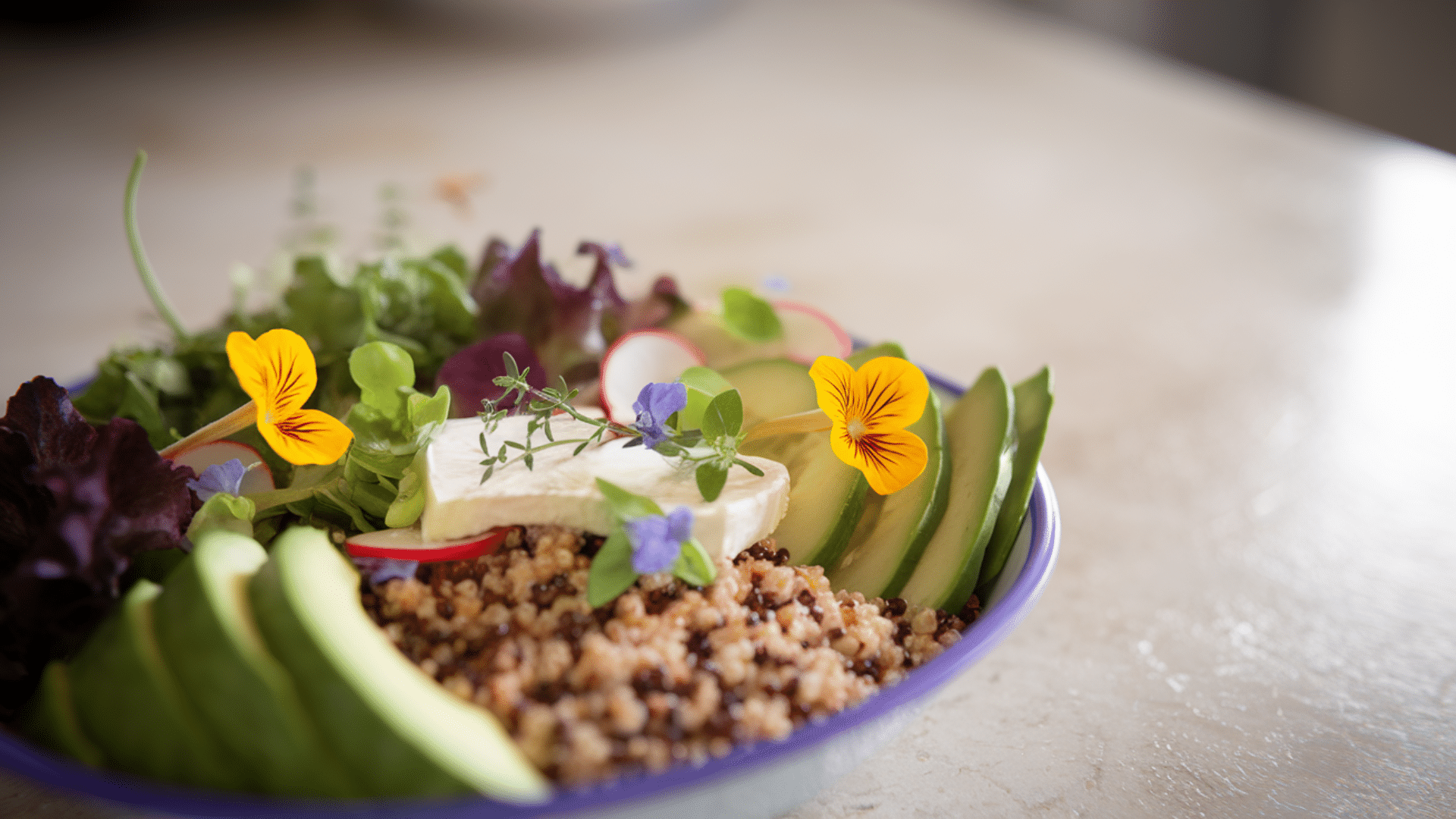
Use peppery or herb-flavored flowers like nasturtium, chive blossoms, thyme, or basil flowers. Tear them gently and toss them in just before serving.
These flowers add bite and color, not just decoration. For grain bowls, pair them with leafy greens, grains, or soft cheeses.
Cakes and Cupcakes
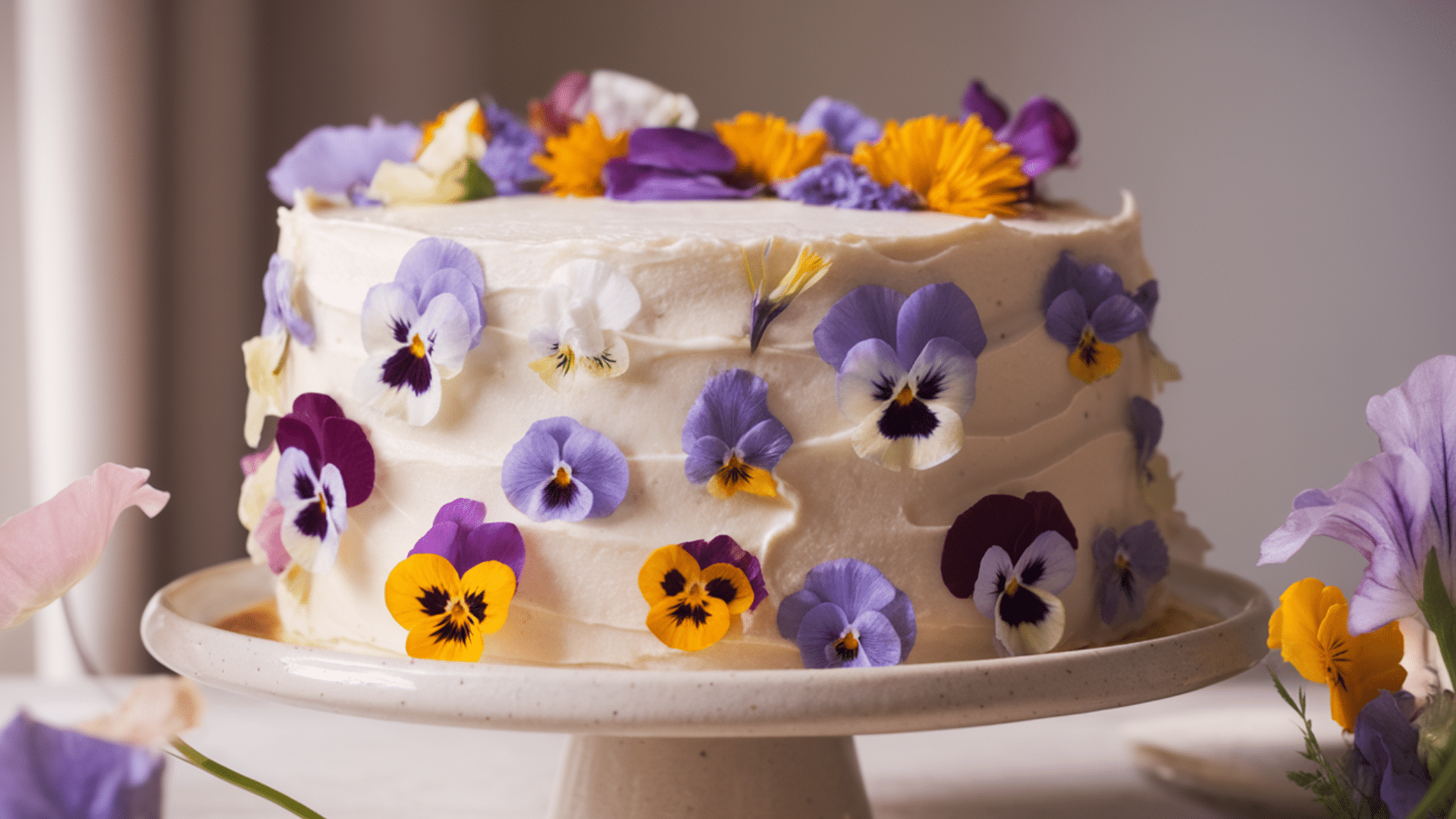
Pick sturdy petals like pansies, violas, roses, and calendula. These keep their shape well and won’t wilt fast. Press them gently into frosting or buttercream after it’s been chilled.
For color that lasts, use them fresh and keep the cake refrigerated until serving.
Drinks
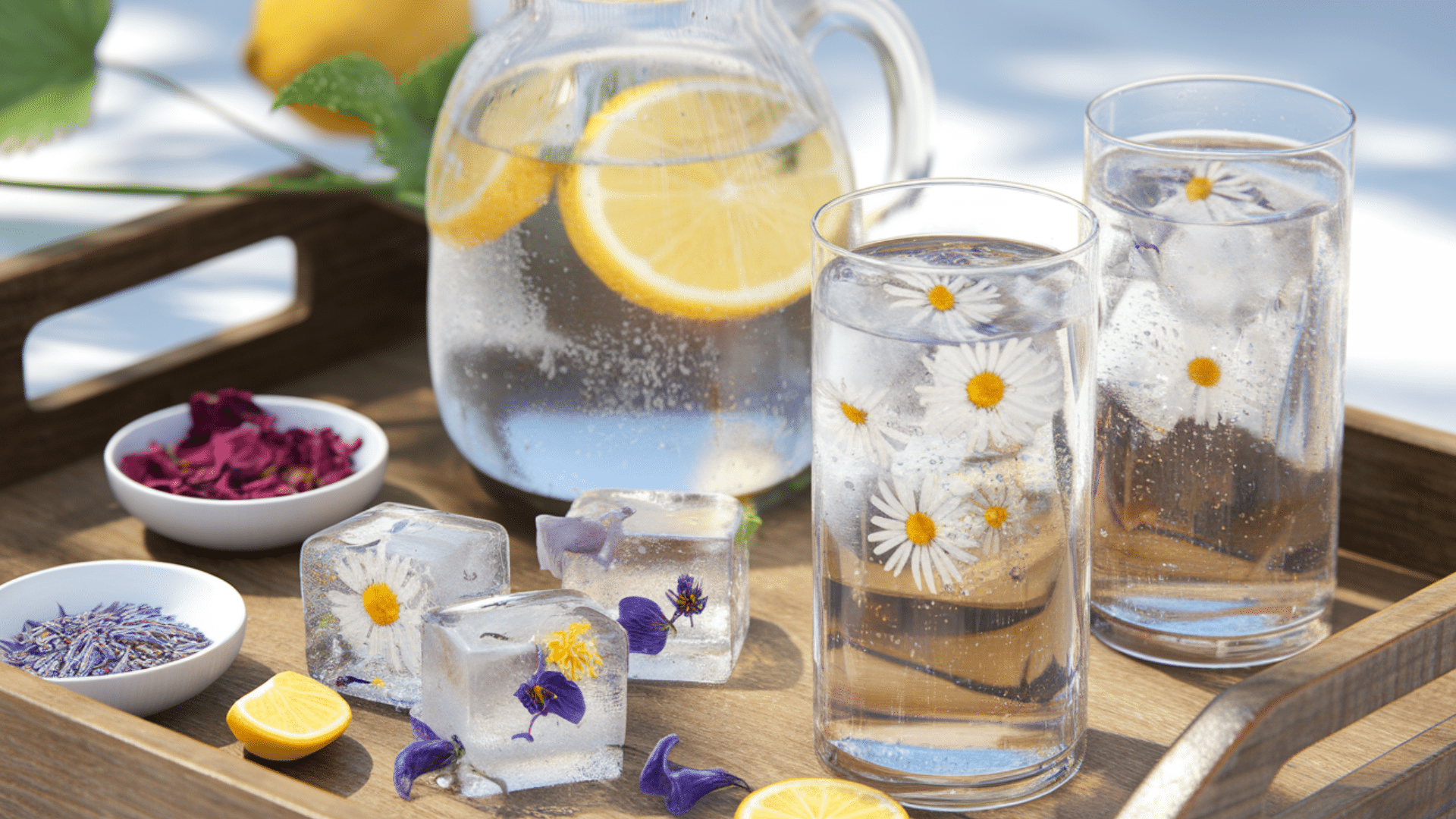
Use flowers like borage, chamomile, lavender, and hibiscus. Drop fresh blooms into ice cube trays for a fun look, or dry the petals for tea and homemade syrups.
You can also float petals in lemon water or spritzers. Avoid flowers that get slimy when wet.
Savory Cooking
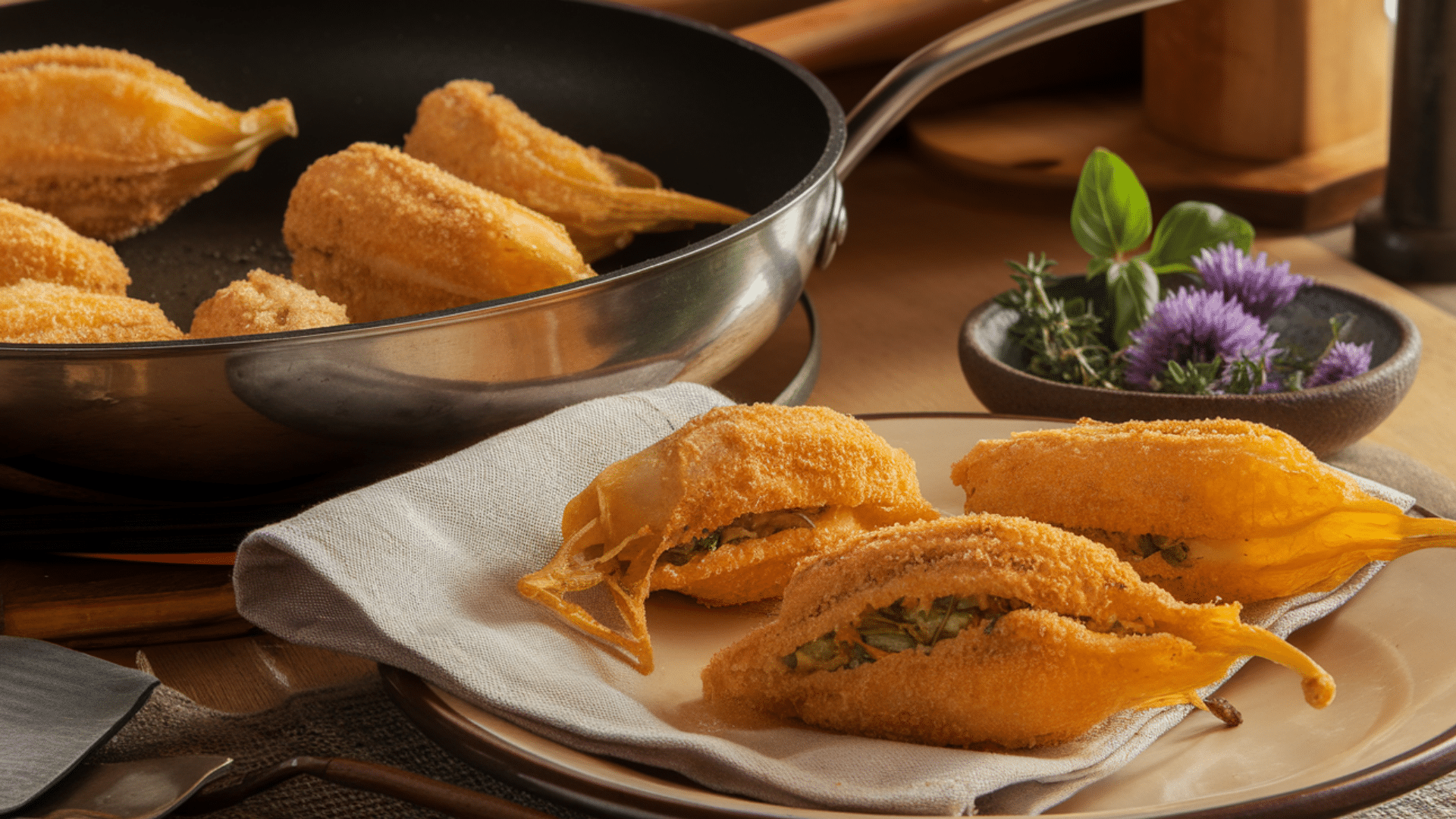
Zucchini or squash blossoms are perfect for stuffing and frying. Basil, thyme, or chive flowers also work well sprinkled on pasta, eggs, and roasted veggies as a finishing touch.
Heat brings out the flavor in some herb flowers, but use them last so they don’t wilt too much.
DIY Extras
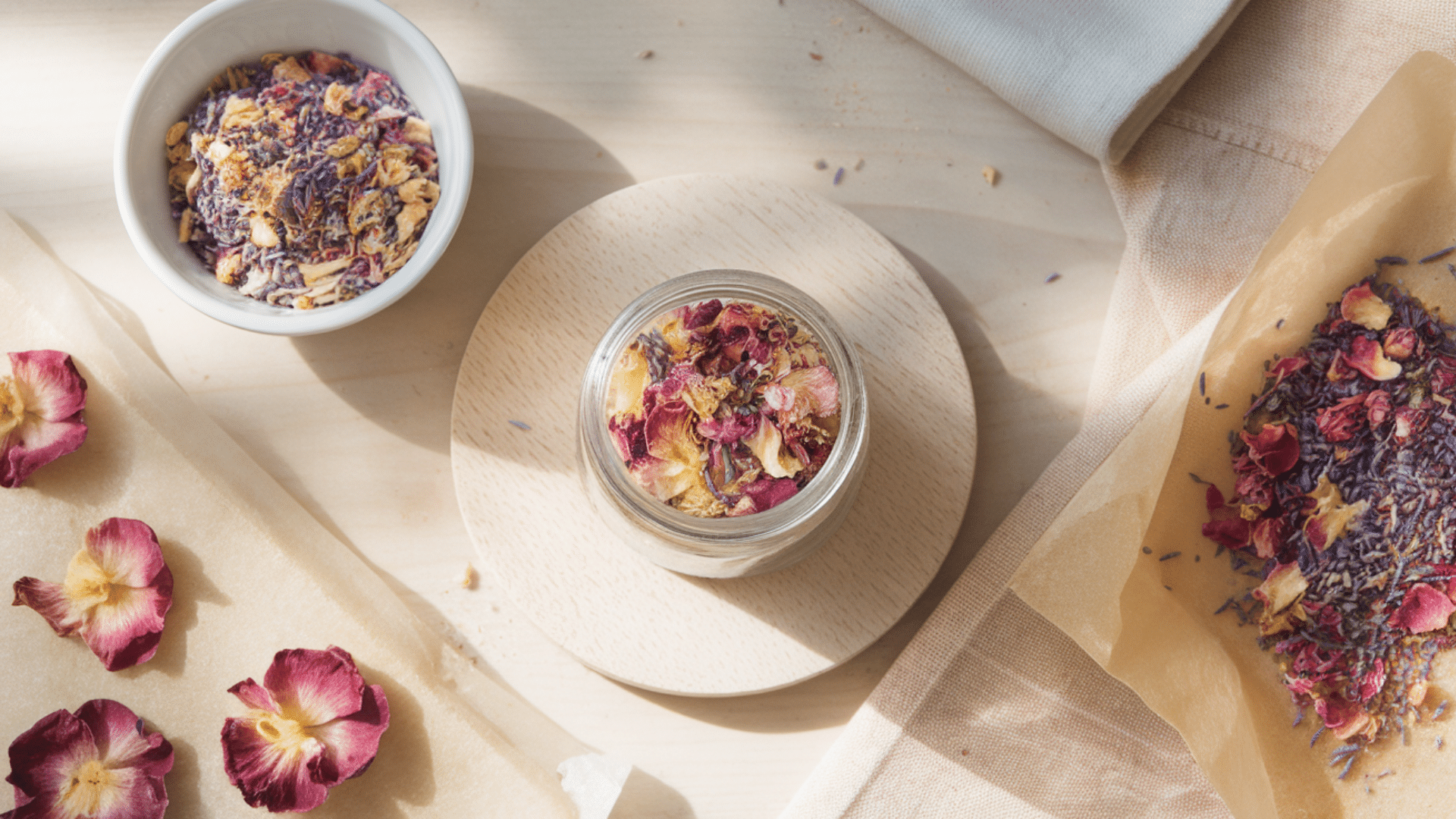
These little projects are easy to try and add something special to your kitchen shelf:
- Edible Flower Sugar: Dry petals like rose or lavender, and mix them with sugar. Store in a sealed jar and use in baking or tea.
- Sprinkles: Chop colorful petals into small pieces and dry them. Use as natural sprinkles on frosting or yogurt.
- Drying Tips: Dry flat in a cool, dark spot. Flowers like lavender and chamomile keep their color well. Pansies and violets fade fast or turn brown if not dried gently and stored correctly.
Edible flowers can be fun and useful in all kinds of recipes. A small touch goes a long way, so experiment and see what works for your taste.
Keep them dry, clean, and cold until you’re ready to use them.
What People Say About Edible Flowers
Real-life experiences with edible flowers show what truly works in the kitchen. Many gardeners and home cooks say some edible flowers are perfect for getting started.
For example, Nasturtium often tops their list. Its peppery taste and bold look make it a go‑to flower to toss in salads or use as a garnish. People also love Borage for its fresh, cucumber‑like flavor and the bright blue flowers that pop up in drinks or summer dishes.
Purple blooms from Chive blossoms get praise for adding a subtle onion‑like flavor to butter, eggs, soups, or salads, useful when you want flavor without spice.
Mild flowers like Viola or pansies are often described as some of the easiest and gentlest to use, especially on cakes, desserts, or salads.
But not all edible flowers get universal love. Some people find certain ones too strong or fragrant. For instance, floral‑scented varieties can overpower simpler dishes if used in large amounts.
Others point out that texture or aftertaste might not appeal to everyone, a flower that smells nice might seem “soapy” or too intense on the tongue for some people.
Real‑world advice often circles back to caution: taste a small amount first, and match the flower to the dish rather than tossing them blindly.
Find the Right Edible Flower For You
Not sure which flower to use? Here’s a quick way to pick the right one based on flavor and use. Whether you’re cooking, decorating, or just testing things out, this simple guide can help you choose in seconds.
| What You Want | Try This Flower | Why It Works |
|---|---|---|
| Something peppery | Nasturtium | Bold, spicy taste; great in salads |
| Something mild and colorful | Pansy / Viola | Gentle flavor and holds shape well |
| A fresh cucumber flavor | Borage | Crisp and cooling; perfect for summer dishes |
| A soft onion-like flavor | Chive Blossoms | Mild pop of flavor for savory foods |
| A floral touch for desserts | Rose or Lavender (light) | Sweet, floral, use sparingly |
| A savory base for stuffing | Squash Blossoms | Big, mild blooms that work well cooked |
Use this chart when you’re short on time or planning a new recipe. Start with what you want the flower to do: add bite, color, scent, or flavor and let that lead your pick. Simple, quick, and no guesswork.
How Edible Flowers Have Been Used for Generations
Edible flowers aren’t just a modern idea; they’ve been part of everyday cooking in many cultures for centuries. People have used them in teas, sweets, stews, and special dishes for holidays or festivals.
This history shows that flowers aren’t just pretty decorations; they’re real ingredients with flavor and meaning. Knowing this helps you use them more naturally, like steeping petals in hot water for calming drinks, folding them into rice dishes, or adding them to light batters for a subtle twist.
When you see how long people have been using edible flowers, it feels more normal to try them yourself. It’s not just about looks; it’s about bringing something useful and traditional into your cooking in a simple way.
Conclusion
I never thought I’d be the kind of person who sprinkled flowers on my food, but here we are.
Learning what flowers are edible opened up a part of cooking I didn’t know I was missing. It’s not about being fancy.
It’s about finding small ways to make meals feel more alive. A few petals here and there, and suddenly, your plate feels like it has a story.
You don’t need a garden or a special reason to try this: just curiosity and a little care. Pick one flower that stood out to you and try it in something you already enjoy.
Keep it simple. Keep it safe. And let yourself be surprised.
There’s more to learn, so take the next step. Check out the other blogs and see what else you can do!