Some rooms make you slow down. You walk in, and there’s a calm you can’t quite explain.
No loud colors. No flashy furniture. Just a quiet feeling that everything belongs. That’s the quiet strength of classic interior design. I’ve always been drawn to spaces like that: simple, steady, and built to last.
You’re probably here because you want that same feel in your home. Not something trendy, but something that stays good over time.
I’ll show you what makes classic design work, the key parts to focus on, and how you can bring that same feeling into your own space.
You’ll come away with ideas you can use right now and a better sense of what “classic” really means.
Why Classic Interiors Still Feel Right Today
Some things just don’t go out of style. Classic interiors are one of them. They age better because they don’t chase what’s “in” at the moment.
Instead of bold trends that wear out fast, classic design leans on steady shapes, calm colors, and strong materials. That’s why it holds up. It’s made to last.
But that doesn’t mean it’s stuck in the past. Classic interiors can fit into modern life.
Open kitchens, smart lighting, and family-friendly layouts can all be part of a classic home. The style may feel traditional, but it makes room for how we live now.
Lately, more people are drawn to warmer, layered spaces again. Cold, minimal looks are starting to feel empty.
Classic design brings back a sense of comfort: soft textures, deeper colors, and furniture that feels lived-in. It creates homes that feel full, calm, and ready to be lived in.
What Defines Classic Interior Design
Classic interior design feels steady. It looks clean, put together, and calm. It doesn’t try to surprise you. Instead, it makes you feel at ease the moment you step in. This is what you’ll notice when a space is designed this way:
1. Balance and Symmetry: Your eyes will spot it right away. Furniture is placed evenly. Lamps match on both sides of the bed. Art is centered. This kind of setup makes a room feel stable and peaceful.
2. Traditional Shapes and Proportions: Sofas, chairs, and tables often have soft curves or simple lines. Nothing too boxy or too sharp. It feels familiar because the shapes have been around for a long time, and they still work.
3. Natural Materials and Quality Finishes: You’ll see real wood, solid stone, and honest fabrics like cotton or linen. Nothing shiny or fake. These materials feel good to touch and last a long time.
4. Calm Color Foundations with Depth: Walls are often soft shades like cream, beige, or muted gray. But they’re not flat or dull. There’s depth—maybe from layered paint, lighting, or shadow. It makes the room feel alive without shouting.
5. Layered Textures and Thoughtful Details: A classic room won’t be empty. You’ll find wool throws, soft rugs, wood grain, and metal fixtures. Nothing feels random. Even small things like a lamp switch or drawer pull feel like they were chosen on purpose.
Classic interior design isn’t stiff or fancy, it’s just done with care. You feel the difference in the space.
It feels solid, calm, and well-built. That’s what makes it stand out.
How to Use Classic Design Without Making Your Home Feel Dated
Many people worry that classic design will make their home feel old or too formal, but that only happens when things are overdone. Heavy drapes, dark wood everywhere, and oversized furniture can weigh a room down.
Instead, focus on lighter finishes, soft fabrics, and pieces with clean shapes. Modern touches can help too. A sleek lamp, updated hardware, or fresh lighting can make a big difference without taking away the classic feel.
If your home is smaller or newer, avoid forcing in features like grand moldings or antique-style furniture.
Let the design match the space. Stick with calm colors, natural textures, and simple layouts. What really makes a classic home feel classic is restraint, not more stuff.
It’s about picking what matters and letting the room breathe. When you focus on balance and quality, the space feels warm and lived-in, not outdated. Done right, classic interior design still feels fresh, calm, and very now.
Classic Interior Design Ideas You Can Use in Any Home
You don’t need a big house or a historic space to use classic design. These ideas work in all kinds of homes—old or new, large or small. Each one brings a sense of calm, balance, and quiet style you’ll actually enjoy living with.
1. Symmetrical Living Room Seating Around a Focal Point
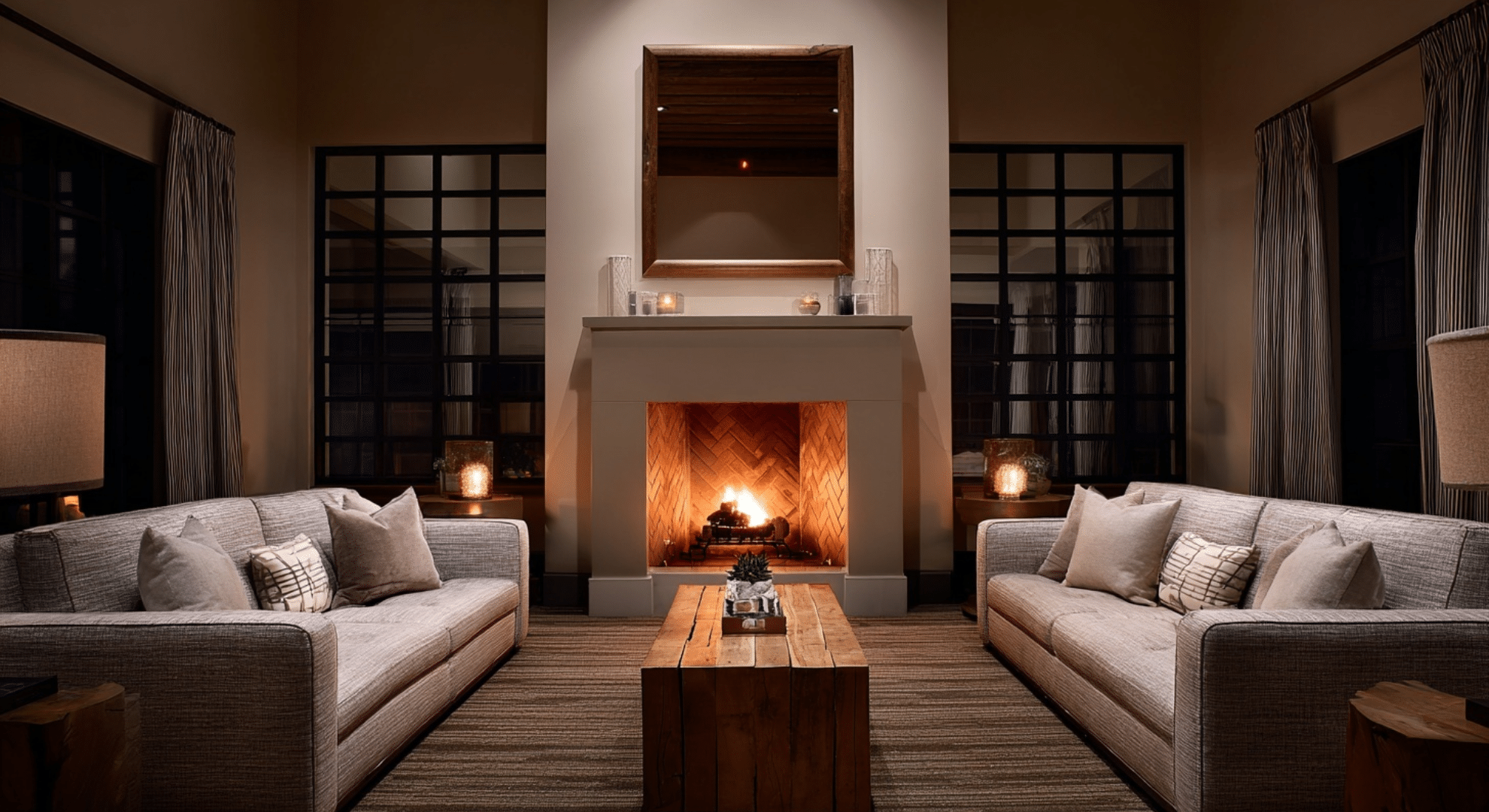
This layout makes a space feel calm and pulled together. Matching chairs or sofas facing each other around a coffee table or fireplace create balance.
It works best in square or rectangular living rooms with a strong center point like a fireplace or large window. It keeps the space functional, while the symmetry gives it a soft, classic feel that’s easy on the eyes.
2. Neutral Walls Paired With Dark Wood Furniture
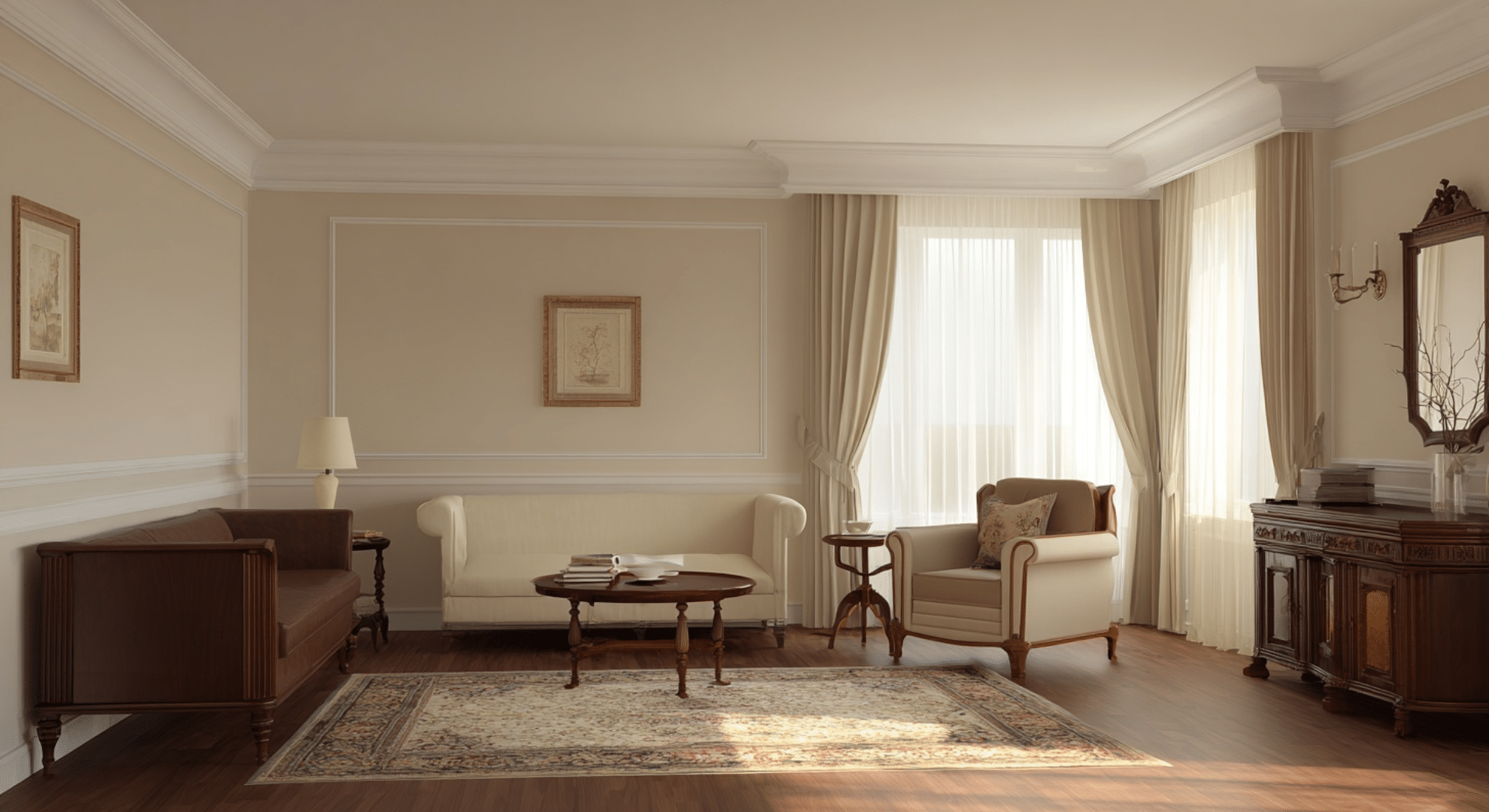
Soft wall colors like off-white or beige allow darker wood pieces to stand out without clashing. This pairing creates warmth and contrast while keeping the look grounded.
It works well in any room where you want a relaxed, steady tone like dining rooms or bedrooms. The combination feels clean and lasting, and helps highlight the quality and shape of your furniture.
3. Layered Window Treatments With Sheers and Drapes
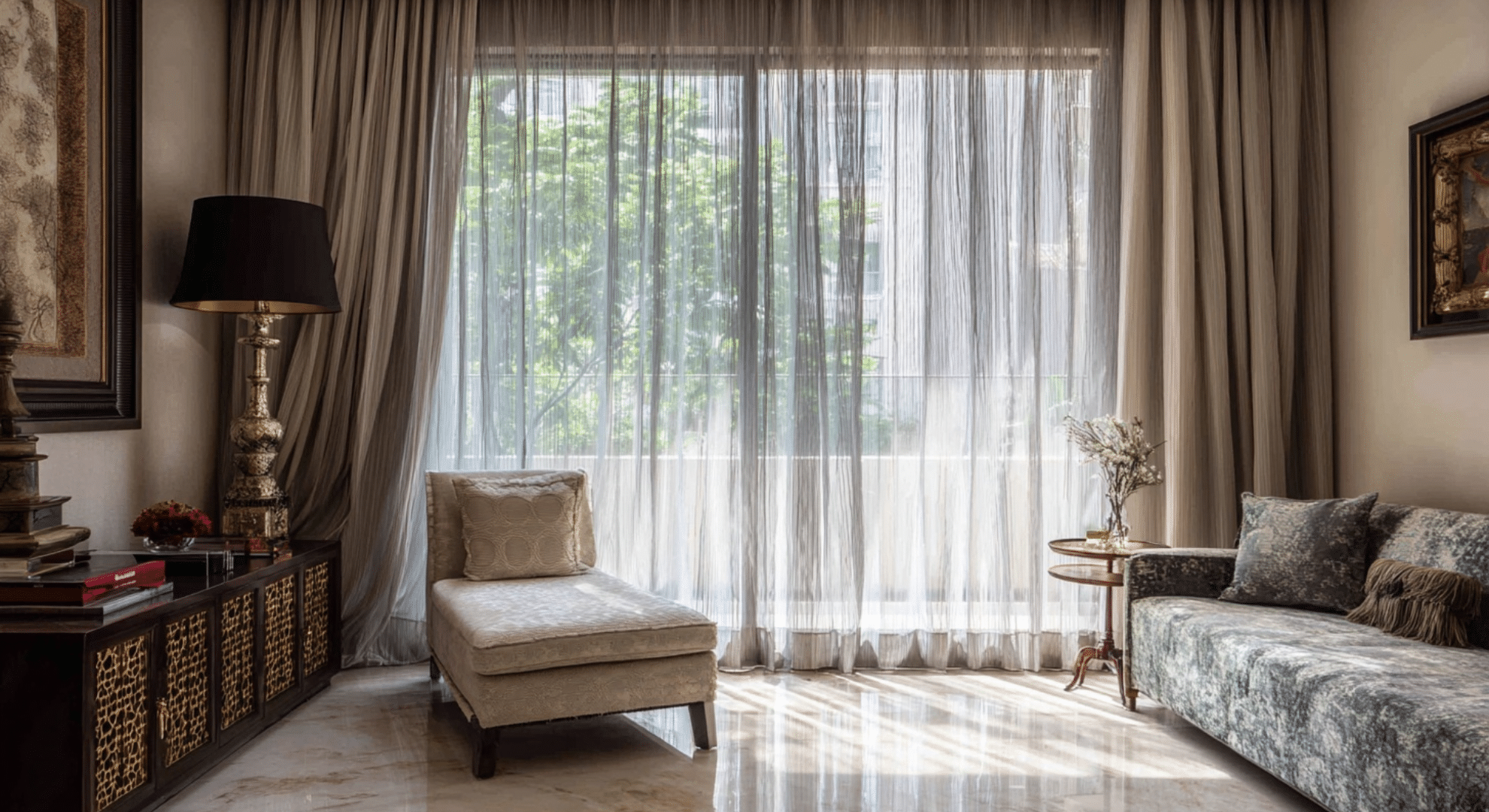
Using both sheers and heavier drapes adds texture, softness, and control over light. Sheers keep things bright, while the outer layer adds privacy and warmth. This idea fits best in bedrooms or living spaces where you want more comfort and light control.
The layers also help make windows feel more finished and thoughtfully styled without being too bold or trendy.
4. Built-In Bookcases Framing a Fireplace
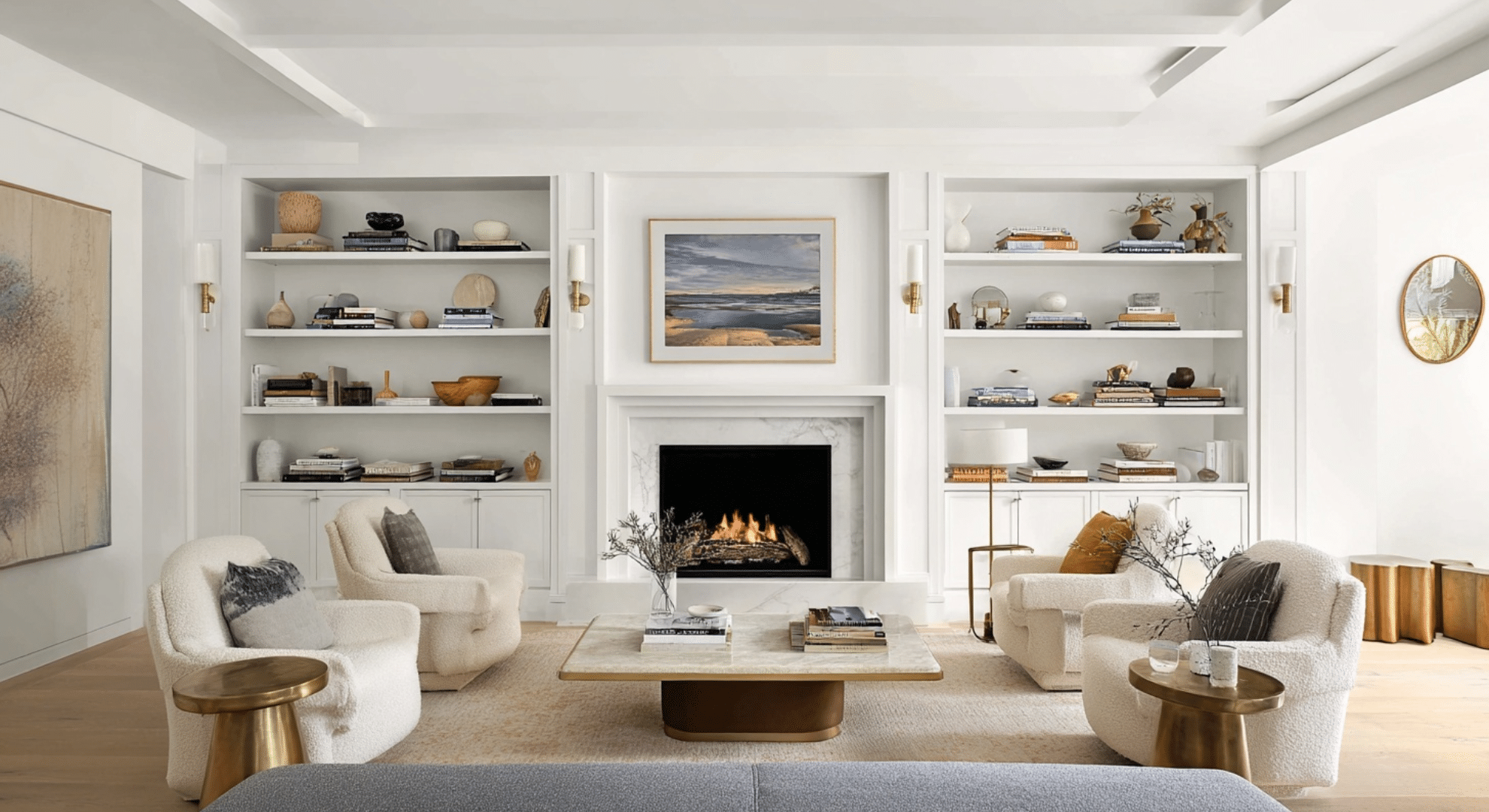
Framing a fireplace with built-in shelves adds both function and structure. It creates a strong visual center and gives you space to show books, art, or simple decor. This works well in family rooms or reading areas.
It feels thoughtful and cozy, while staying clean and classic. Built-ins also help older or plain rooms feel more connected and finished.
5. Traditional Area Rugs Used to Anchor Furniture
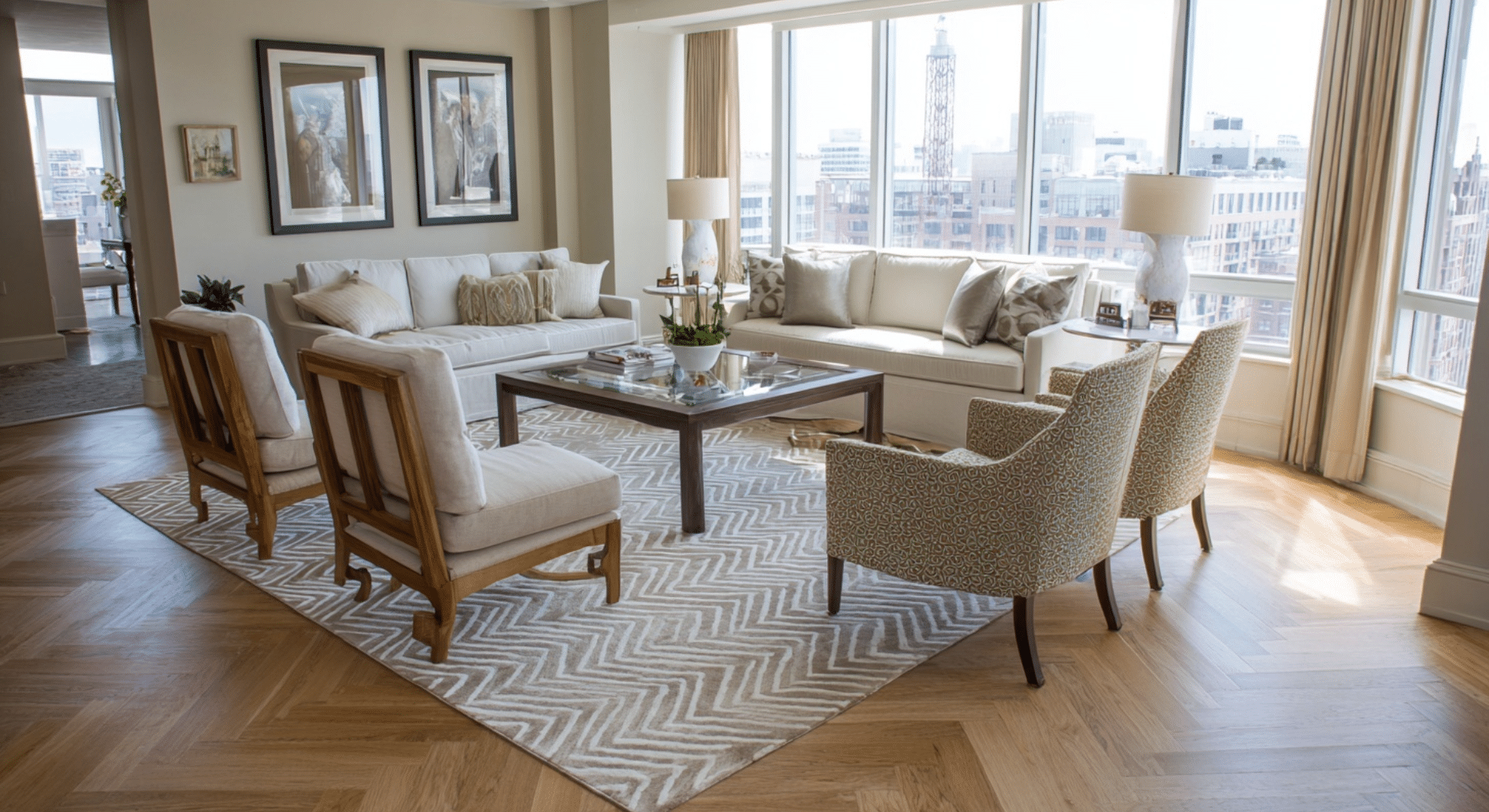
Classic rugs with subtle patterns and soft colors help bring a room together. Placing them under sofas or tables defines the space and adds comfort. They work especially well in open rooms where you need to create zones.
Area rugs also make hardwood floors feel warmer and help tie your furniture into one connected layout that looks intentional.
6. Curved Sofa Silhouettes Instead of Boxy Seating
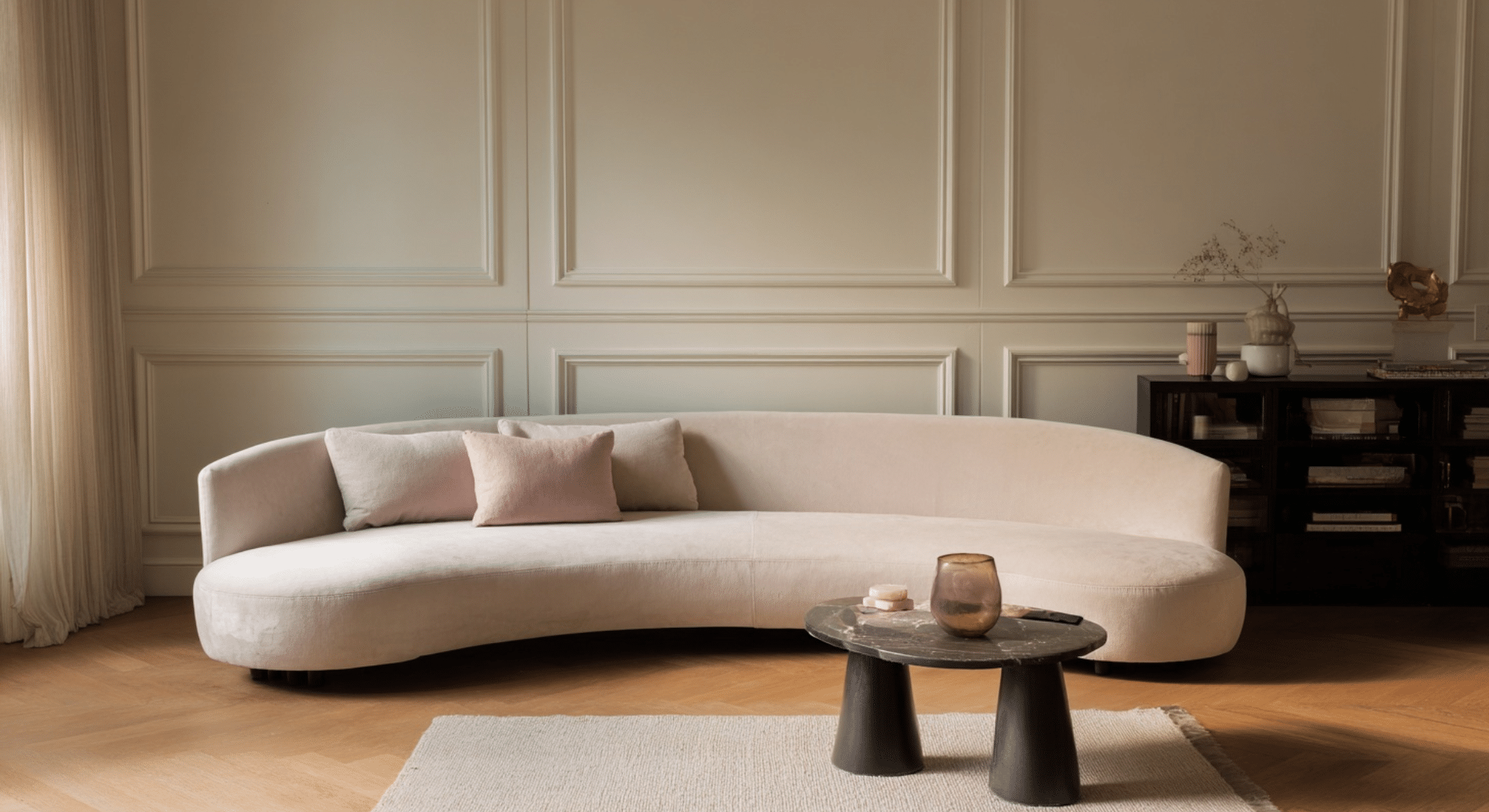
Curved sofas soften a room and break up too many straight lines. They feel more inviting and offer a touch of quiet style without being flashy. These shapes work best in living rooms where you want comfort without bulk.
Curved lines help small rooms feel more open and large rooms feel less rigid. They bring movement without losing that classic look.
7. Matching Table Lamps for Balanced Lighting
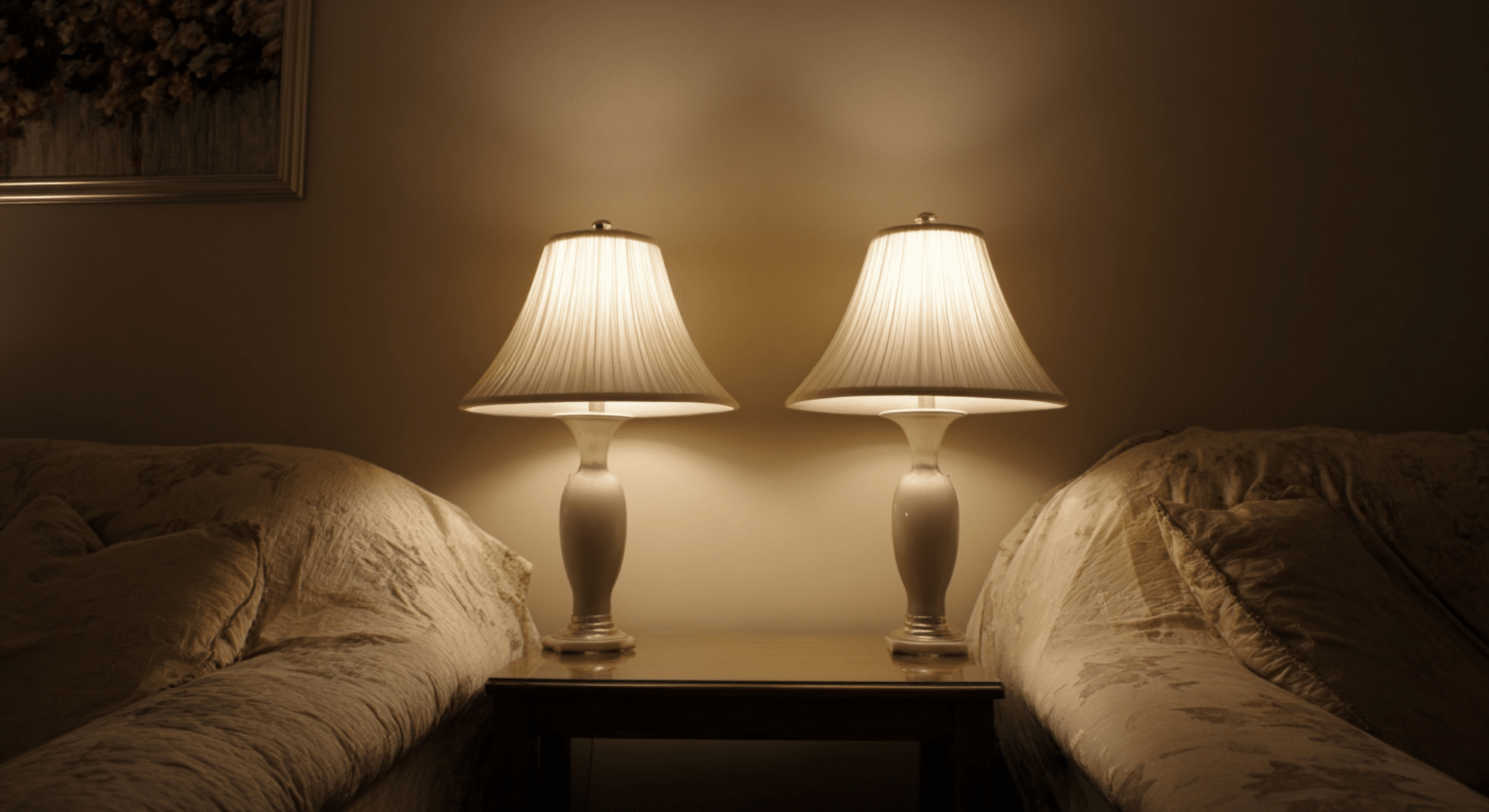
Placing matching lamps on side tables or consoles helps even out lighting in a room. It also adds a clear, steady rhythm to the design. This works well in bedrooms, living rooms, or hallways.
When both sides of a bed or sofa are lit evenly, the space feels calmer and more comfortable. Matching lamps are simple, but they really help the whole room feel finished.
8. Upholstered Dining Chairs With Classic Shapes
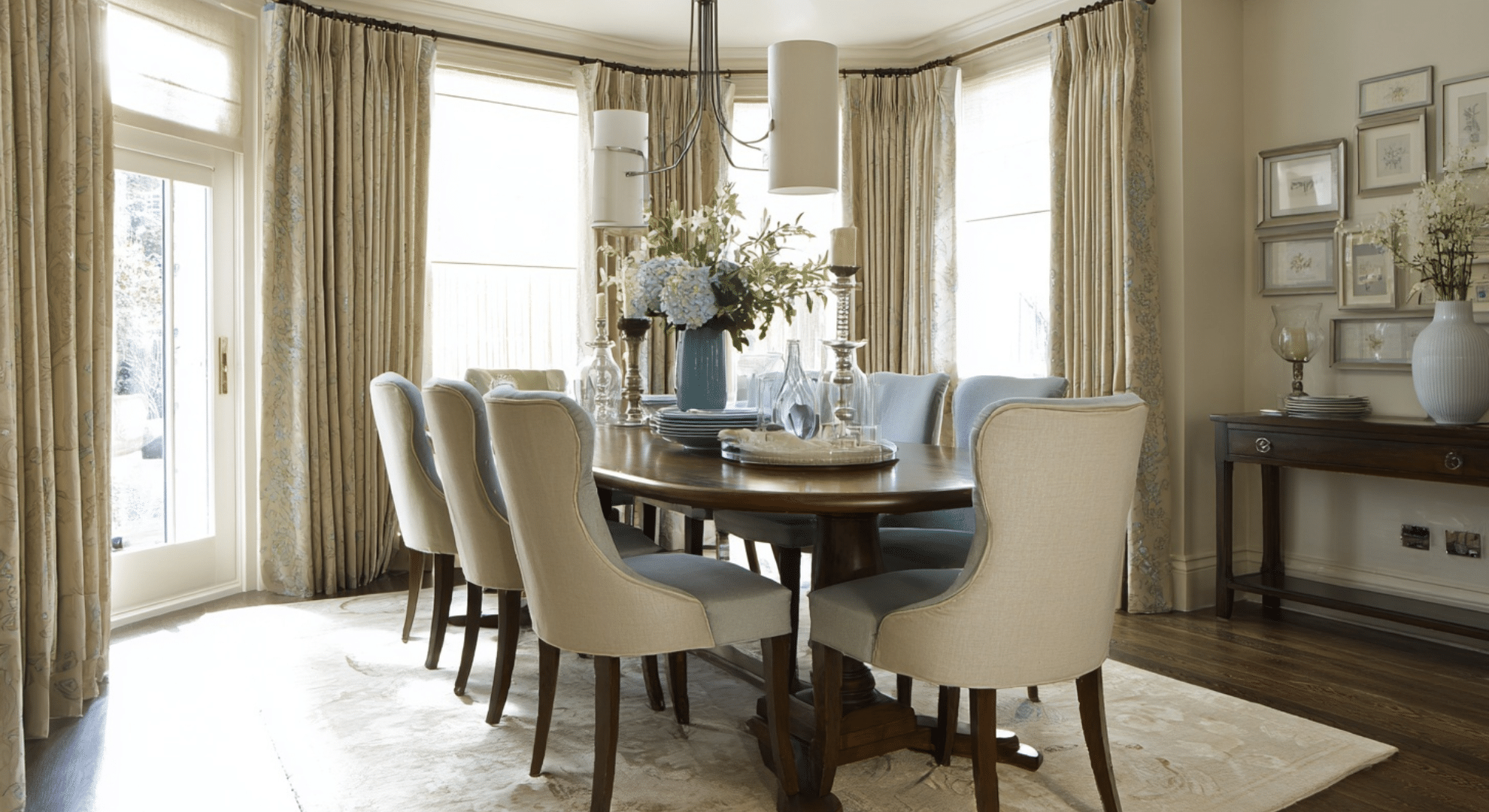
Dining chairs with soft seats and backs make meals more relaxed and comfortable. Choose classic lines, like rounded backs or simple arms, for a clean look. These chairs work in any size dining room.
They add warmth and invite people to stay at the table longer. Paired with a wood table, they strike a perfect balance between comfort and tradition.
9. Wall Molding Used to Add Depth Without Color
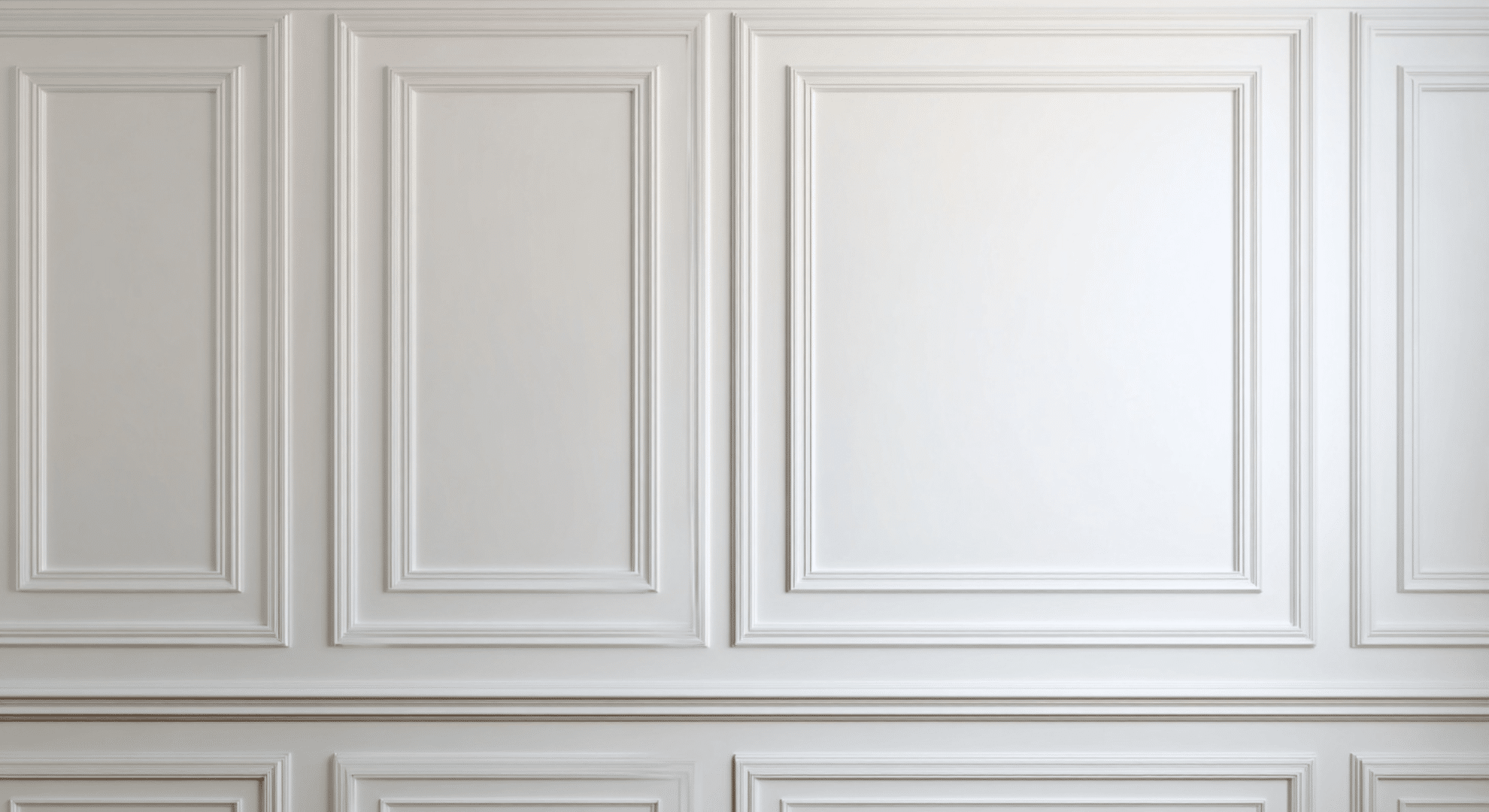
Molding adds quiet detail to walls without needing bold paint or patterns. It gives flat walls a sense of shape and breaks up large spaces. Use it in dining rooms, entryways, or bedrooms to give more character.
It works well in newer homes that need a bit of texture. It’s a simple way to add richness without going overboard.
10. Antique or Vintage Accent Tables as Statement Pieces
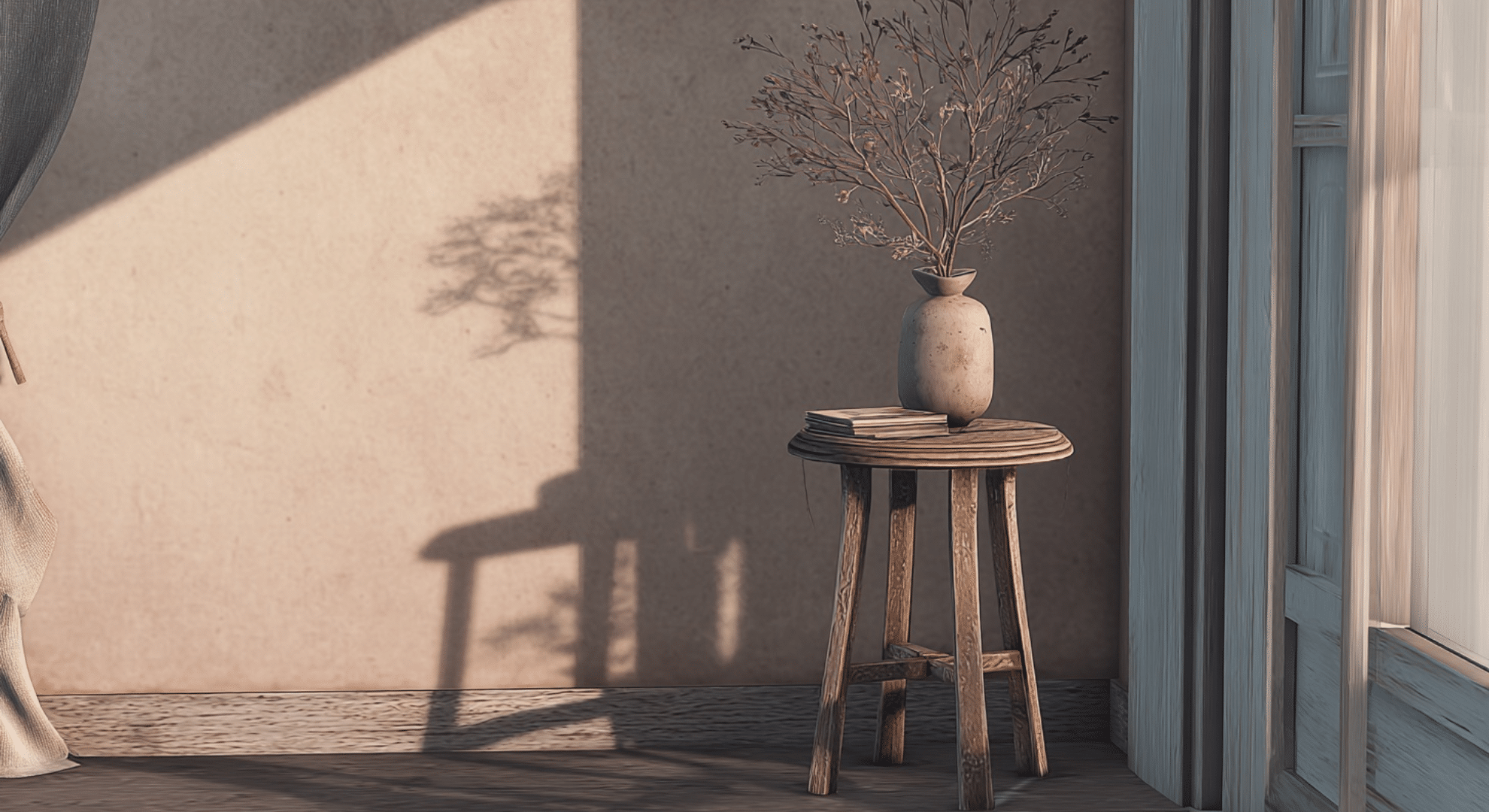
A small table with history adds appeal and personality. Look for worn wood, simple carvings, or curved legs. These pieces work well beside sofas, beds, or in entryways. They stand out without needing to match everything else.
One strong piece like this can bring a whole room together while keeping the classic style grounded and real.
11. Soft Patterned Fabrics on Pillows or Chairs
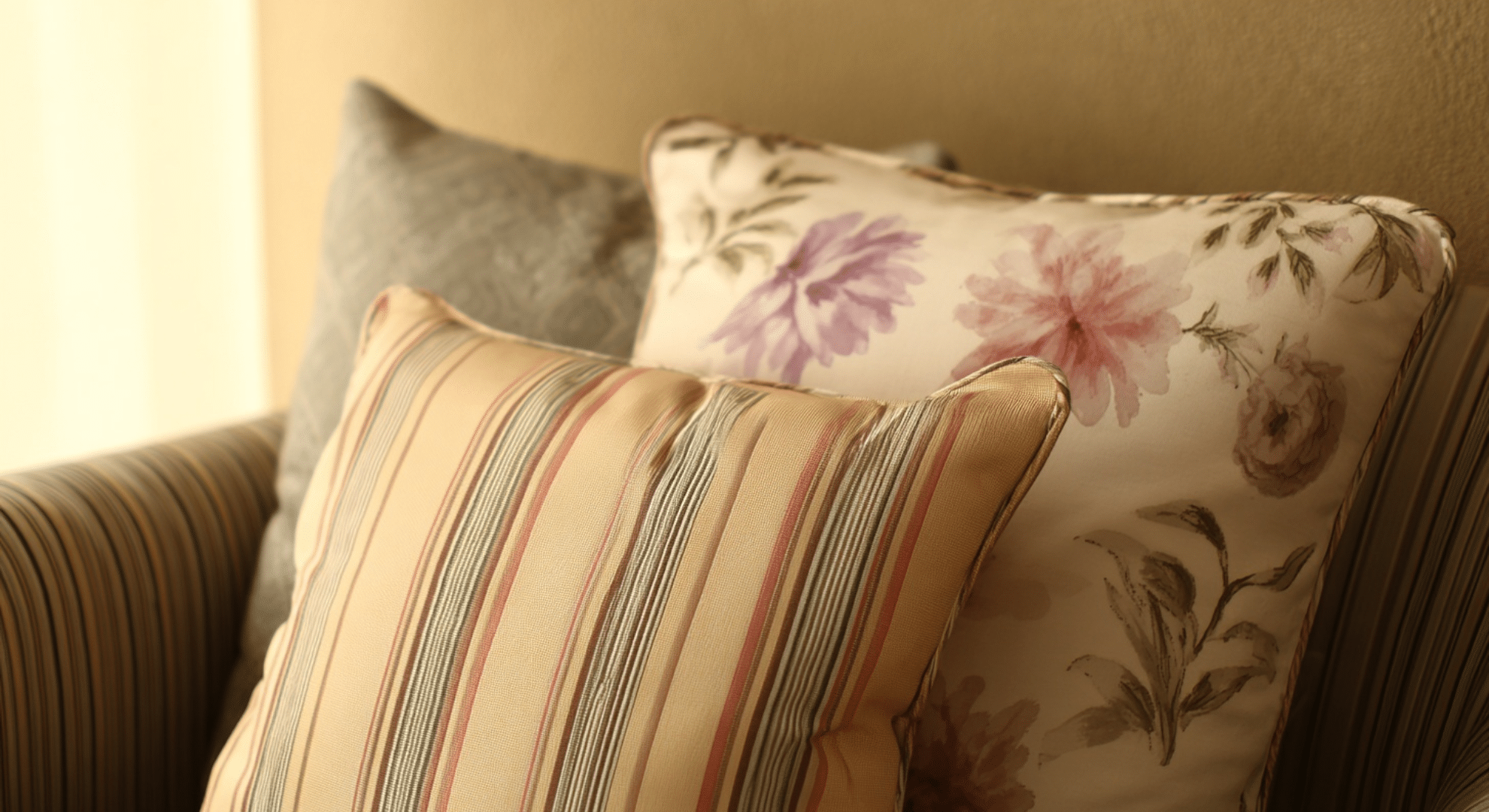
Using gentle prints like florals, checks, or faded stripes adds interest without noise. These work well in family rooms, bedrooms, or reading nooks. Soft patterns give a space life while keeping it relaxed.
They’re easy to change if needed and help tie different pieces together without making things feel too matched or too busy.
12. Traditional Chandeliers as a Room Centerpiece
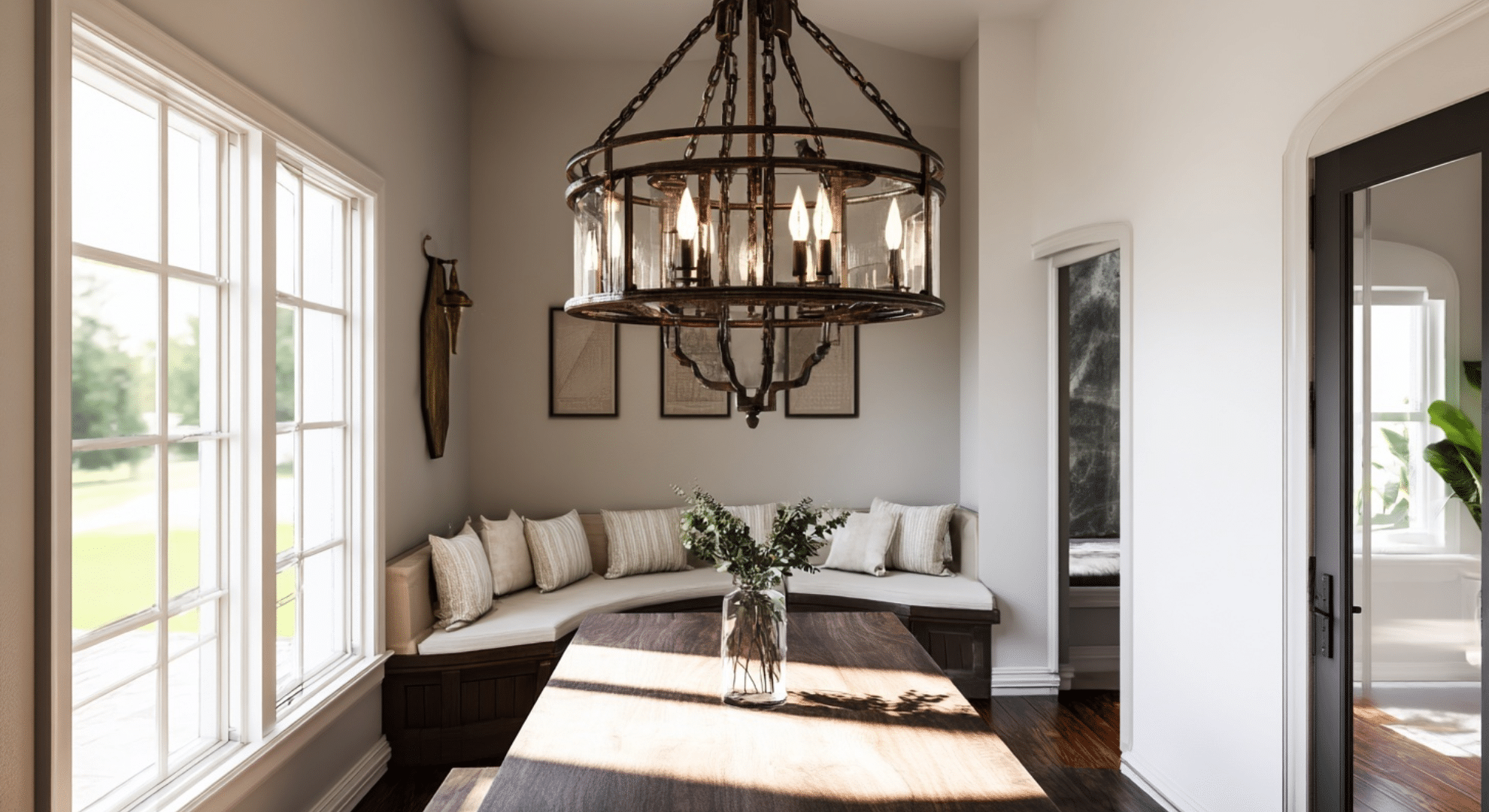
A classic chandelier can set the tone for a whole space. Look for ones in bronze, glass, or simple metal finishes. They work best in dining rooms, entryways, or bedrooms with higher ceilings.
A good chandelier adds just enough shine and shape to feel special, without taking over the room. It becomes a steady focal point, not a flashy one.
13. Framed Artwork Arranged in Clean, Even Spacing
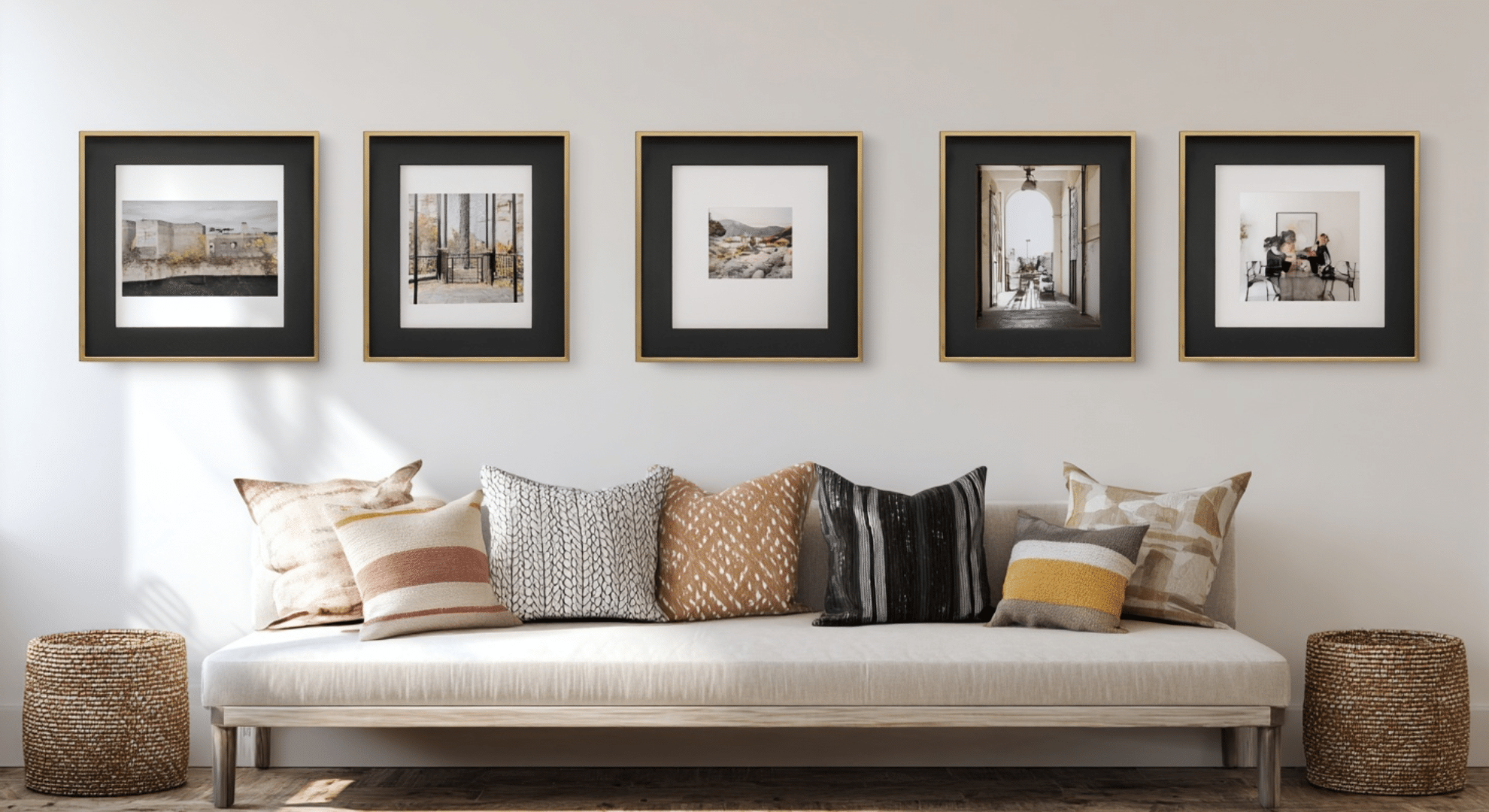
Lining up artwork evenly keeps things neat and focused. Matching frames or a clear layout makes a wall feel organized, not cluttered. This works in hallways, living rooms, or behind sofas and beds.
It’s a calm way to show your style without making the wall too loud. Repeating the layout makes the whole space feel more put together.
14. Classic Console Tables in Entryways
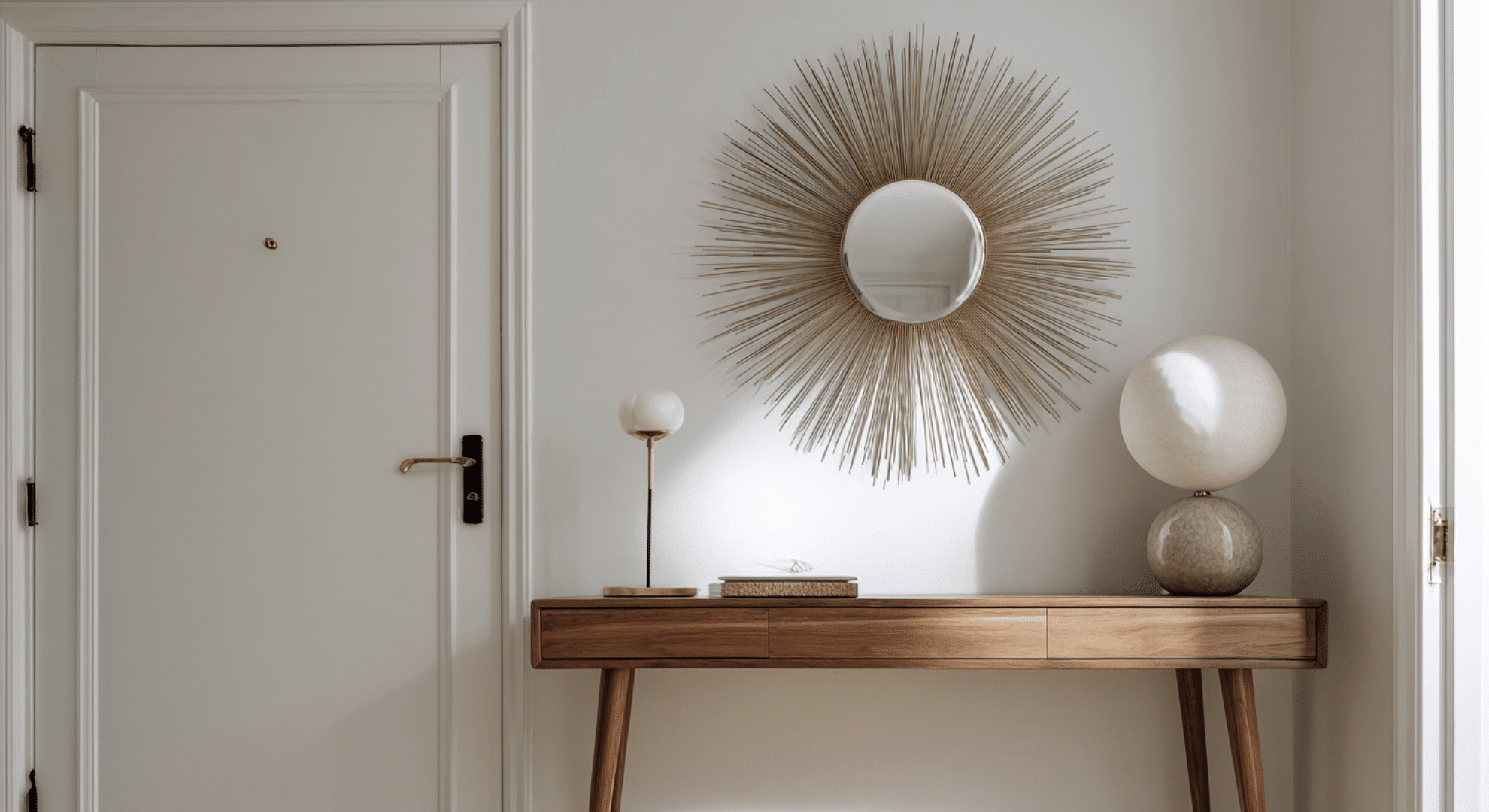
A simple wood console with drawers or a bottom shelf adds usefulness right where you need it. It’s perfect for setting down keys, bags, or a small lamp. This works best in front halls or behind sofas.
It helps organize space without making it feel crowded. Choose a piece with clean lines and warm wood to keep the look classic and useful.
15. Upholstered Headboards With Simple Profiles
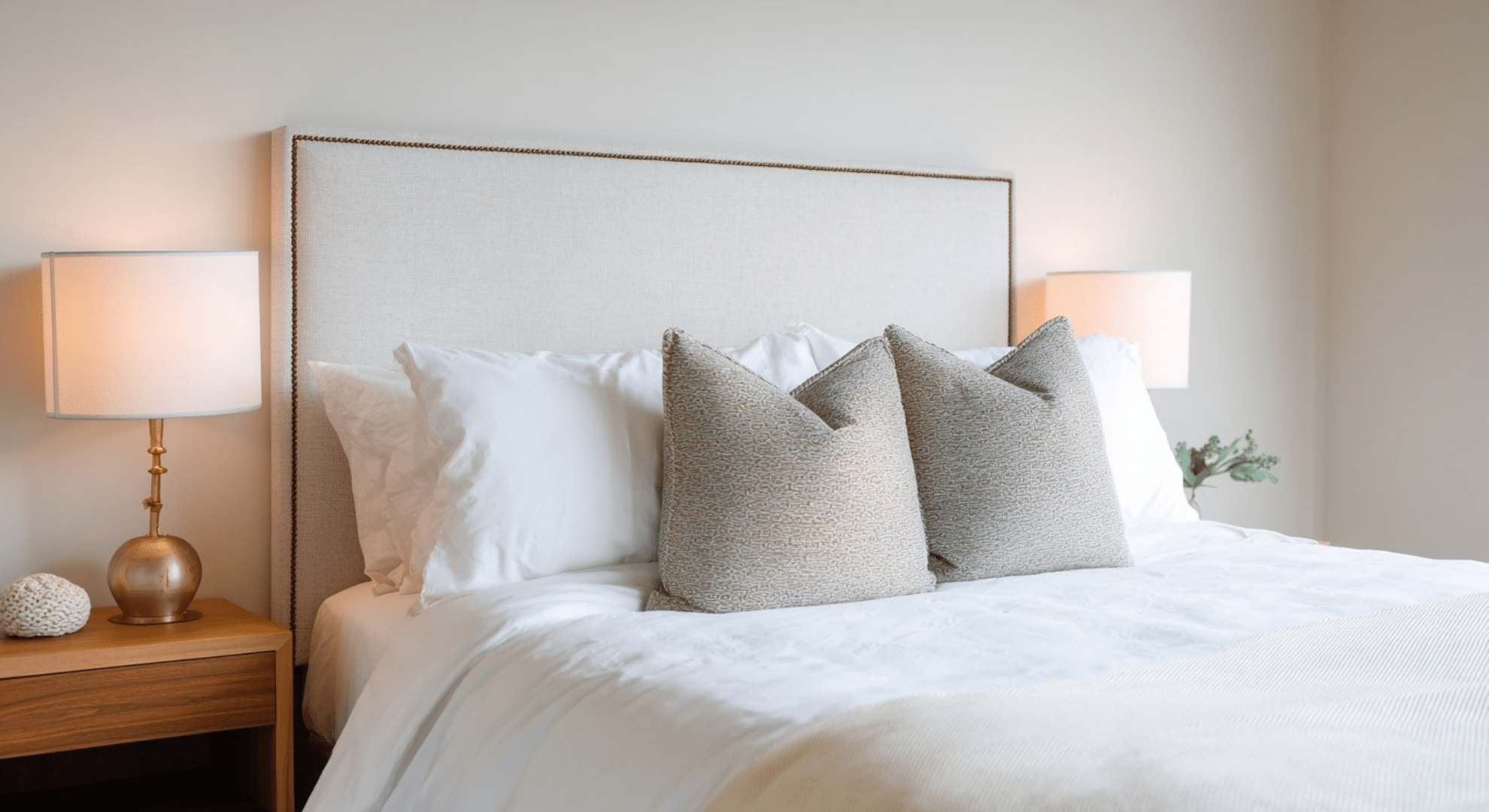
A padded headboard adds comfort and structure to any bedroom. Choose a shape that’s soft like rounded or slightly curved. These work well in both large and small bedrooms.
Upholstered headboards also bring in fabric texture, which helps warm up the space. Keep the fabric simple to stay in line with the calm, classic design.
16. Neutral Bedrooms With Textured Bedding Layers
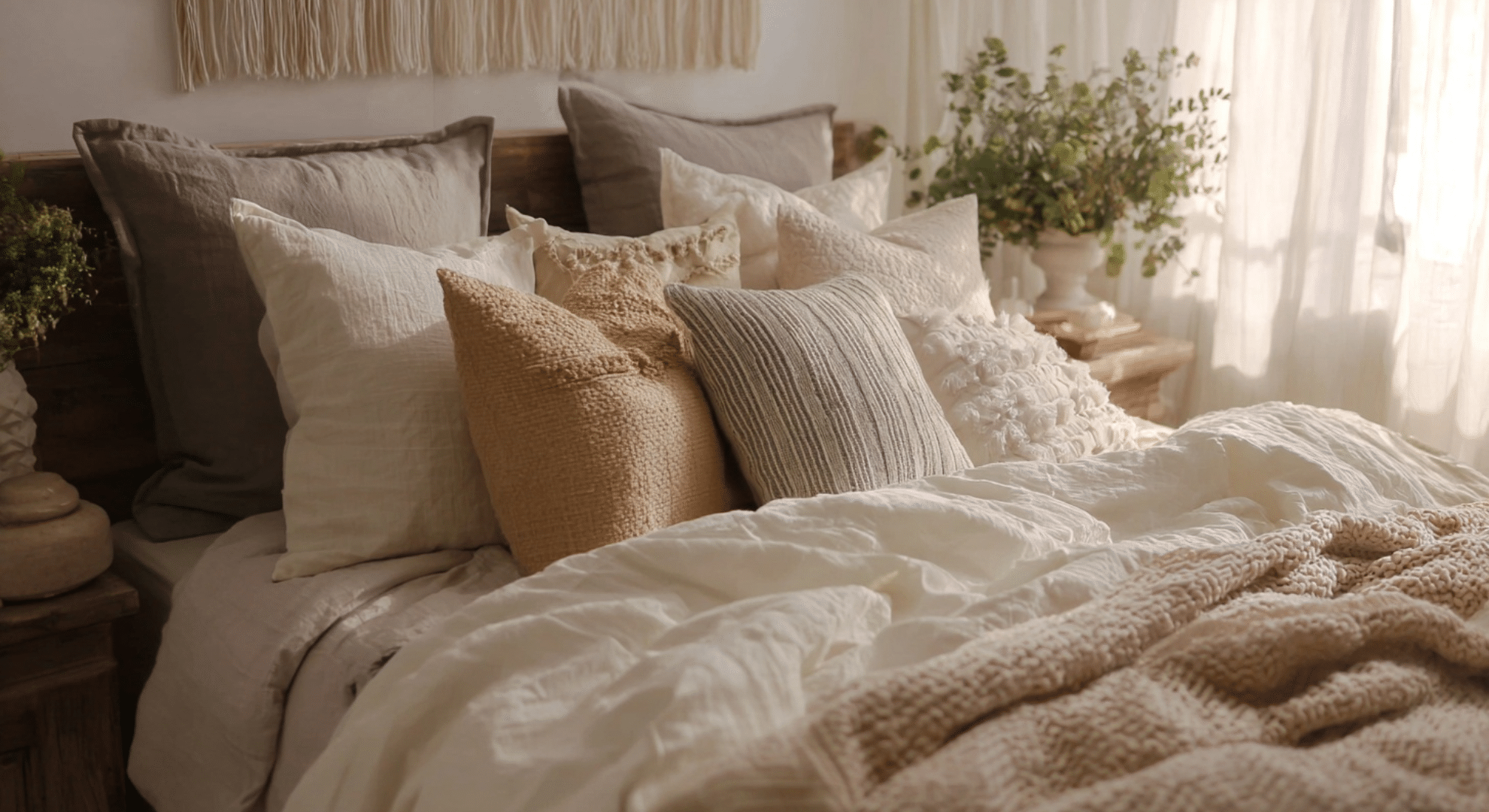
Keeping your bedroom color soft helps it feel restful. Add texture with quilts, linen sheets, or knitted throws. This idea works in any bedroom size. Even without color changes, the room feels full and inviting because of the mix of fabric types.
It’s an easy way to make your bed look thoughtful and welcoming every day.
17. Traditional Coffee Tables With Solid Wood Tops
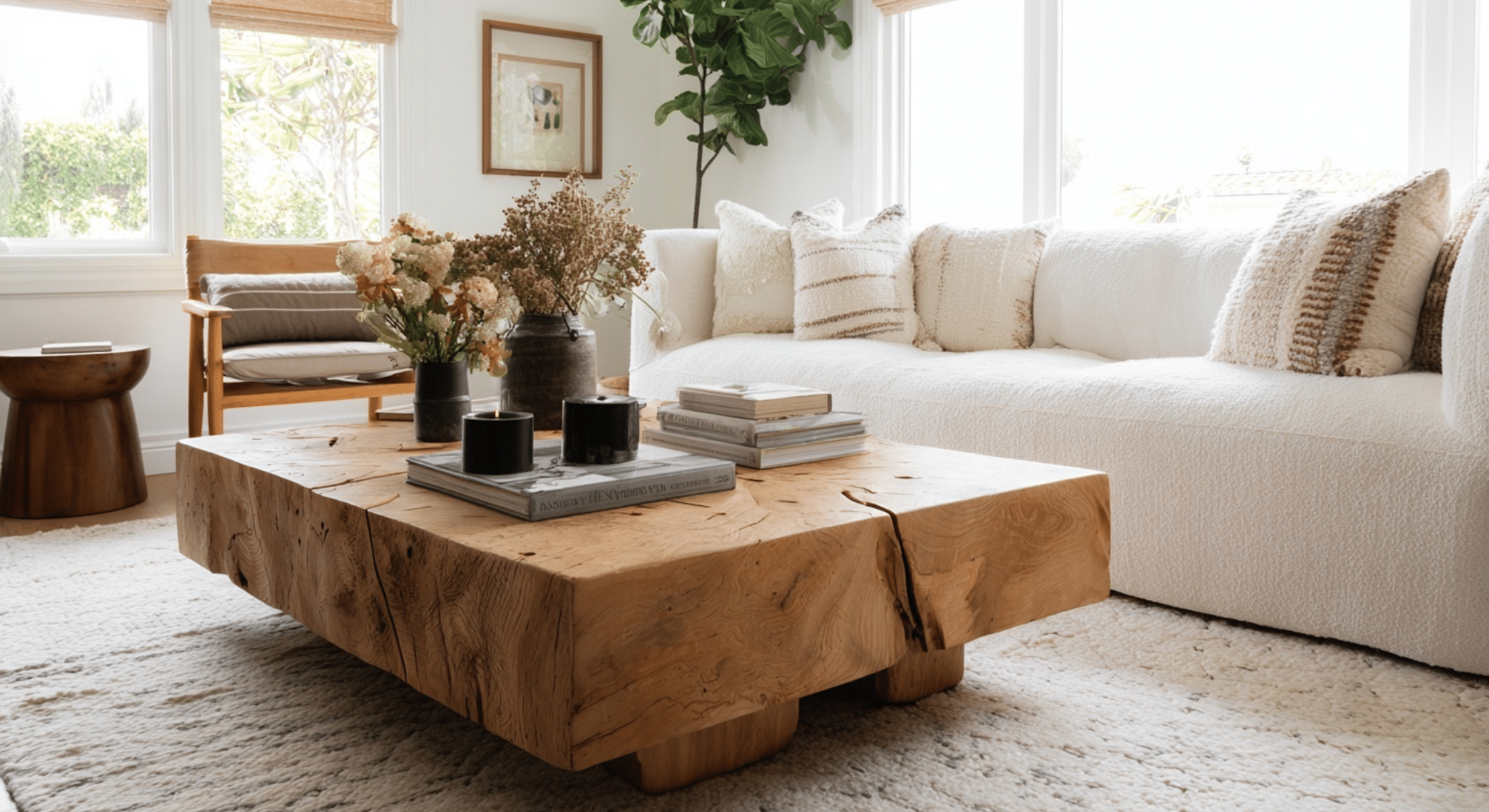
A solid wood coffee table adds strength and warmth to a living space. Choose one with simple lines or soft curves. This works in family rooms or sitting areas where the table sees daily use.
It grounds the seating area and gives you a steady surface for books, trays, or feet. The feel is strong, but not heavy.
18. Wainscoting Used to Break Up Large Walls
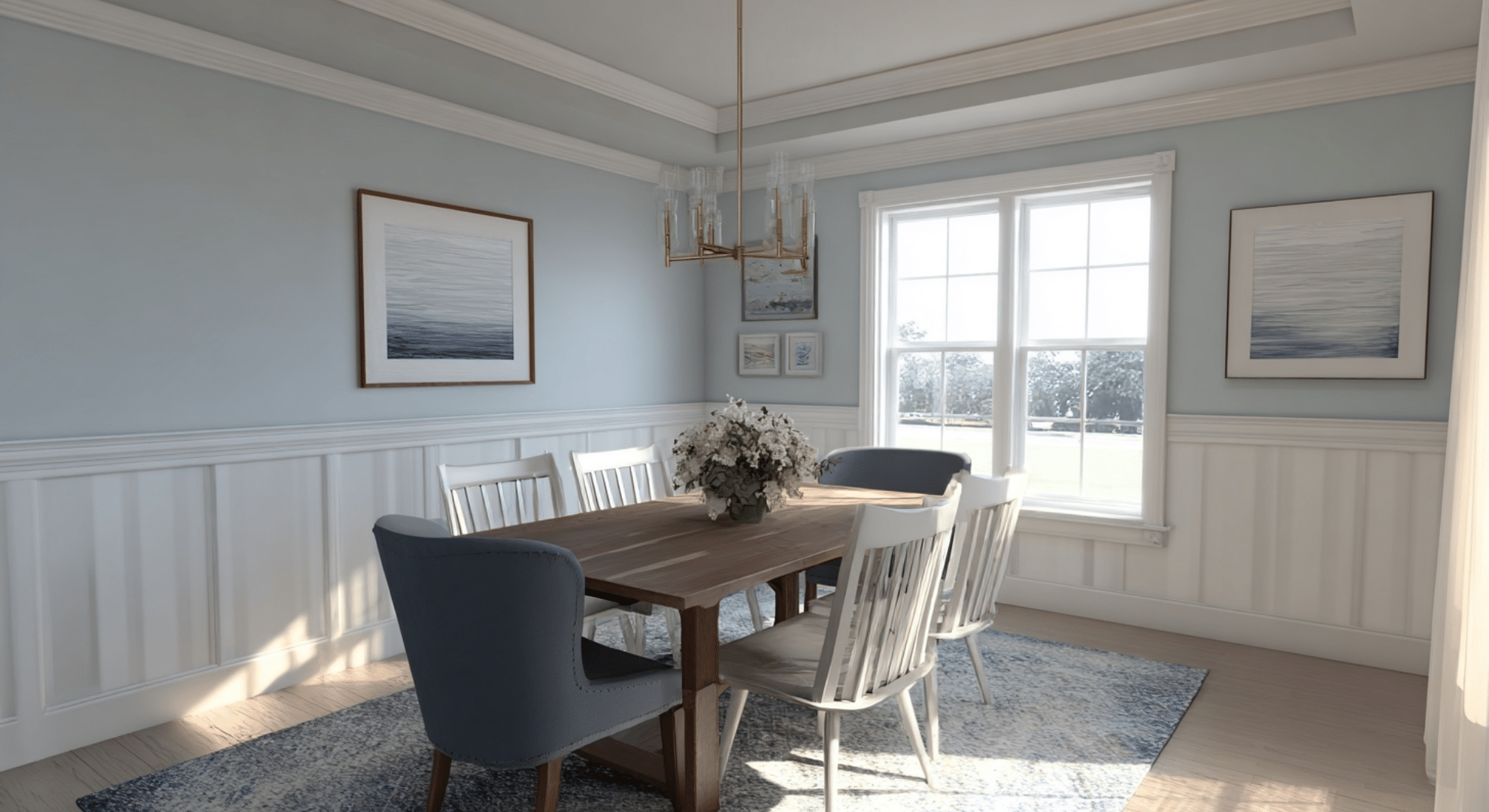
Wainscoting gives walls structure and helps big rooms feel more cozy. It works well in dining rooms, hallways, or stairways. Choose a simple style and a neutral color for a classic feel. It adds just enough shape to the room without taking over.
This is a great way to give new builds or plain rooms a more classic sense of age.
19. Accent Chairs Placed in Pairs for Visual Balance
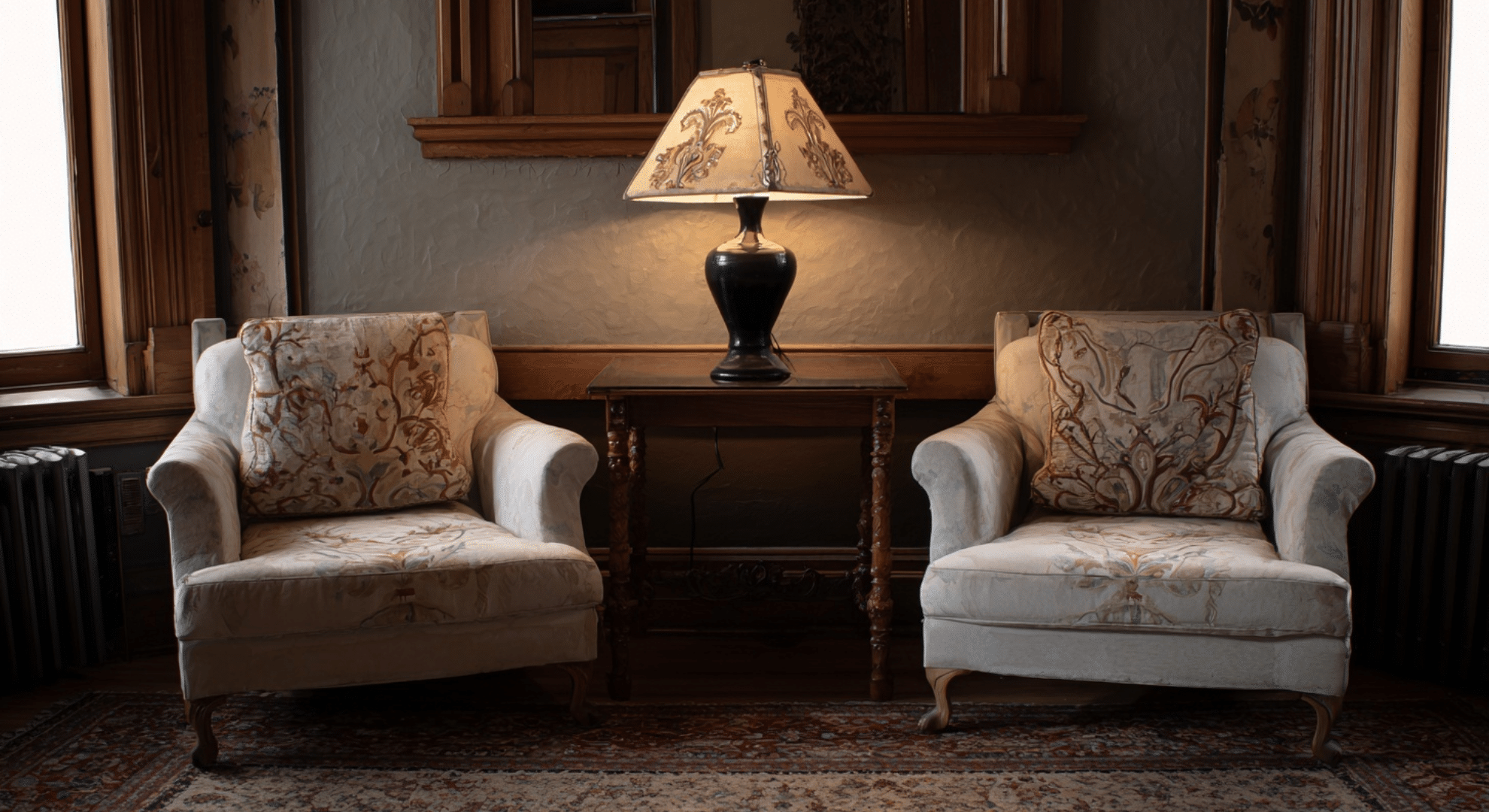
Two matching chairs side by side create a natural break in the room. They work well across from sofas or near fireplaces. This setup adds balance and helps fill the space without clutter.
Choose chairs with classic lines and calm fabrics. The result feels planned, steady, and easy to live with.
20. Subtle Stripes or Plaids in Upholstery
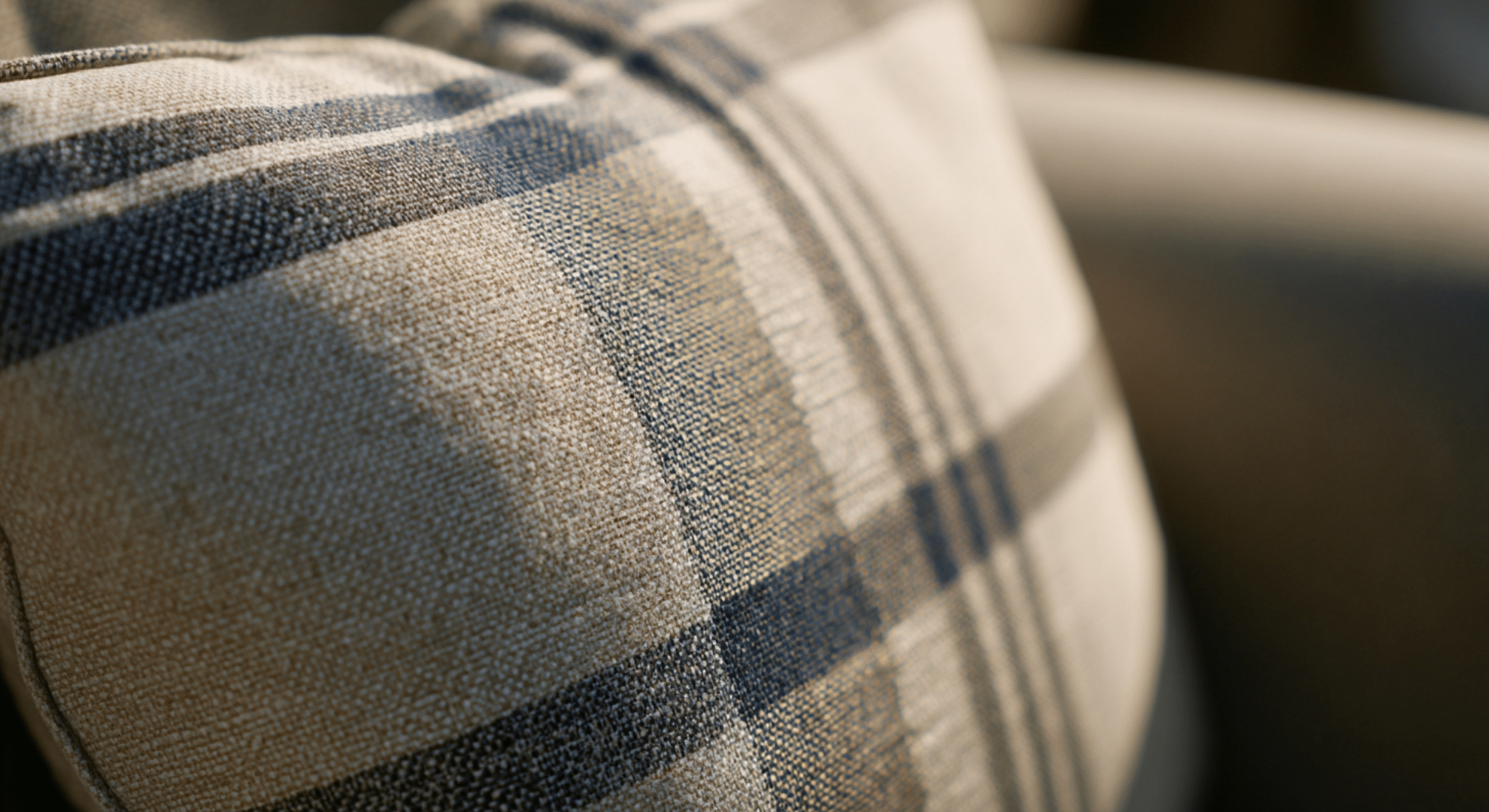
Using soft stripes or small plaid patterns adds depth without boldness. These fabrics work on chairs, ottomans, or even dining seats. They add a touch of pattern while keeping the overall look calm.
Stick to muted colors so they mix easily with the rest of the room. It’s a quiet way to add detail that doesn’t compete.
21. Traditional Dressers Used Outside Bedrooms
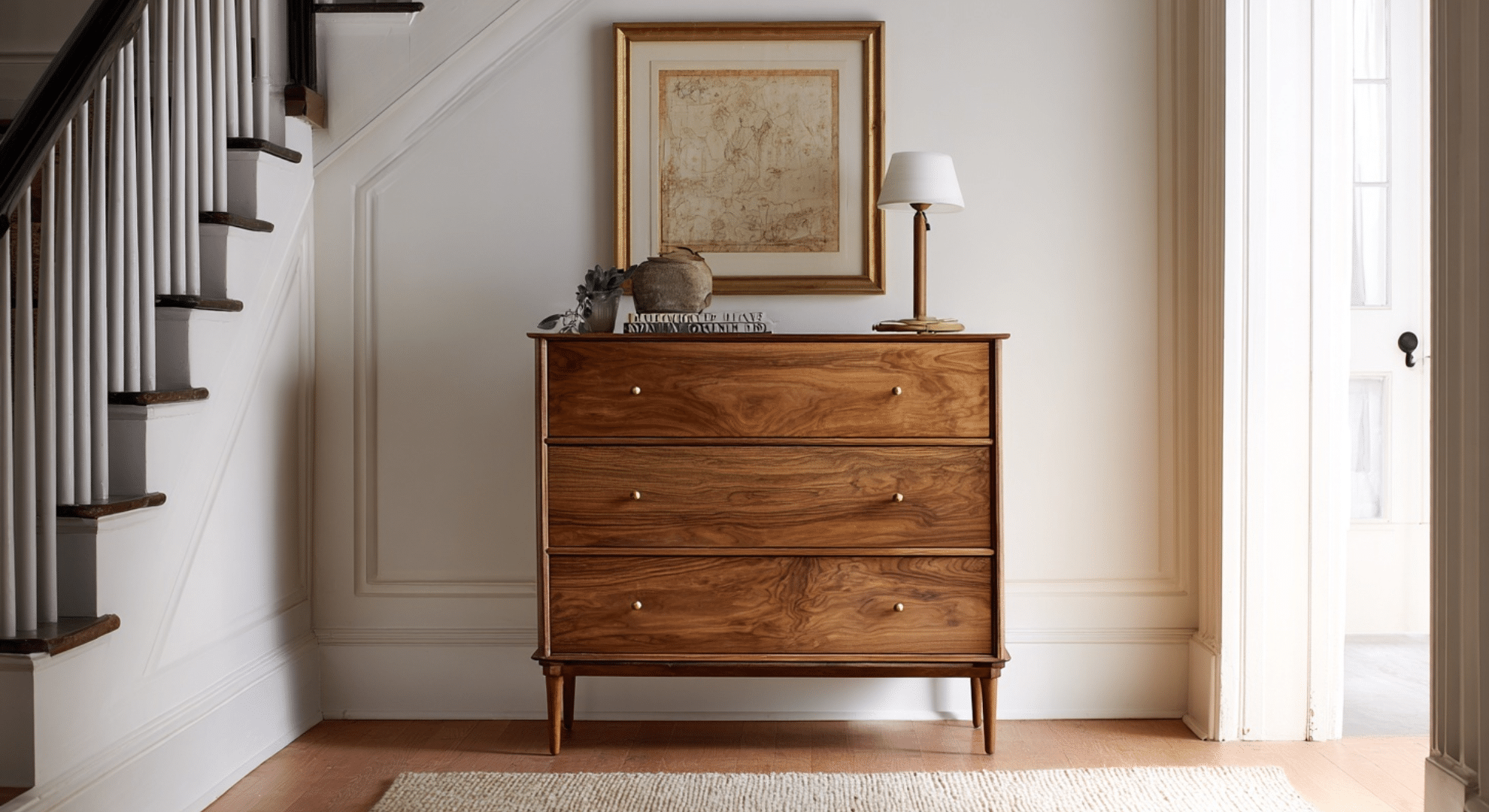
A well-made dresser isn’t just for clothes. Use one in a hallway, living room, or even a dining area for storage that looks good. Choose wood tones and classic hardware to keep the look classy.
These pieces work well in open spaces that need both form and function. They add weight and usefulness without needing modern furniture.
22. Floor Lamps With Fabric Shades
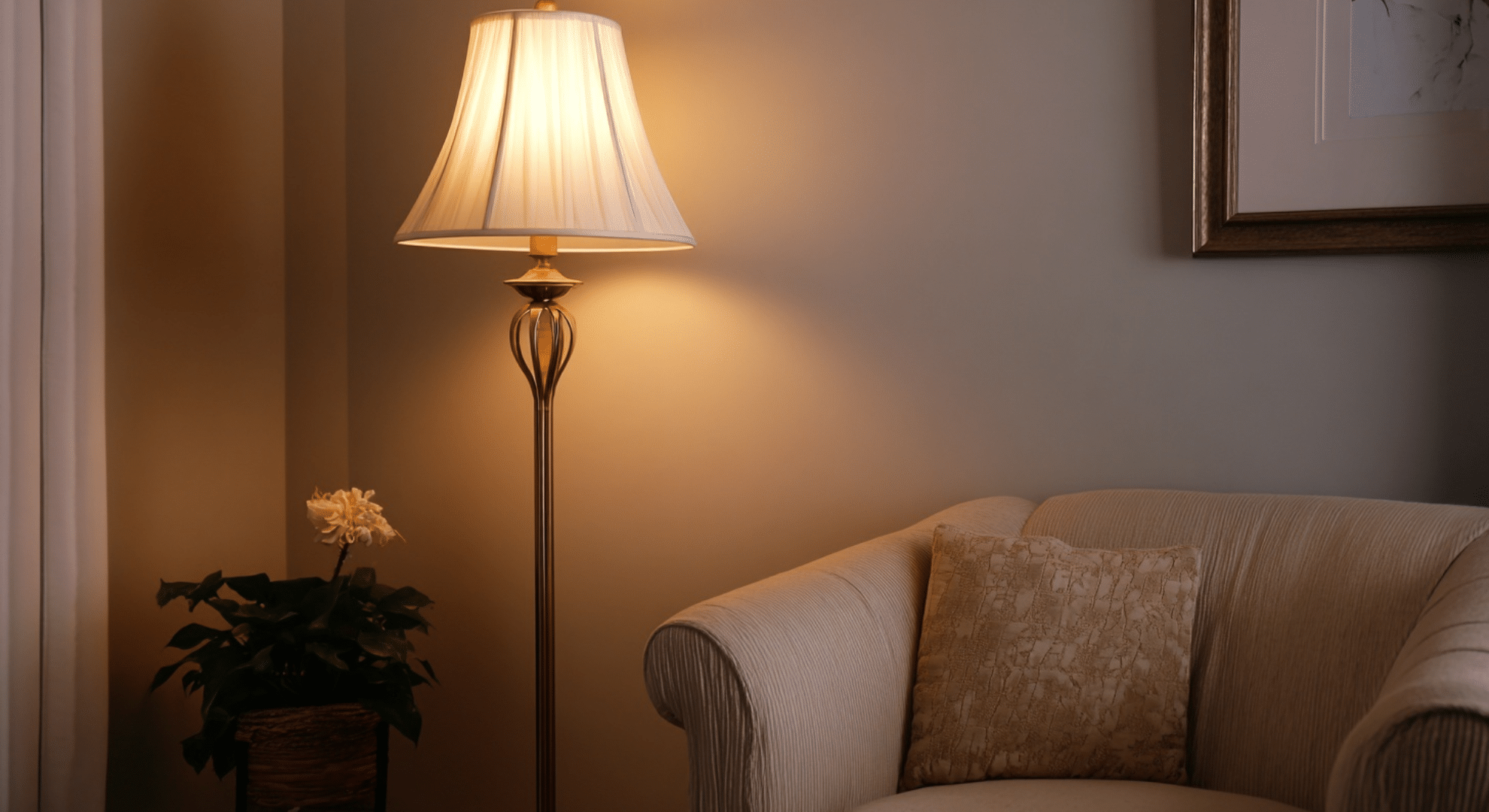
Floor lamps with soft, fabric shades bring warmth and height to a room. They fit nicely beside a chair or sofa for cozy reading light. The fabric keeps the light soft, not harsh.
These work best in living rooms, bedrooms, or corners that need filling. The shape is simple, and the effect is both gentle and classic.
23. Muted Color Accents Instead of Bright Pops
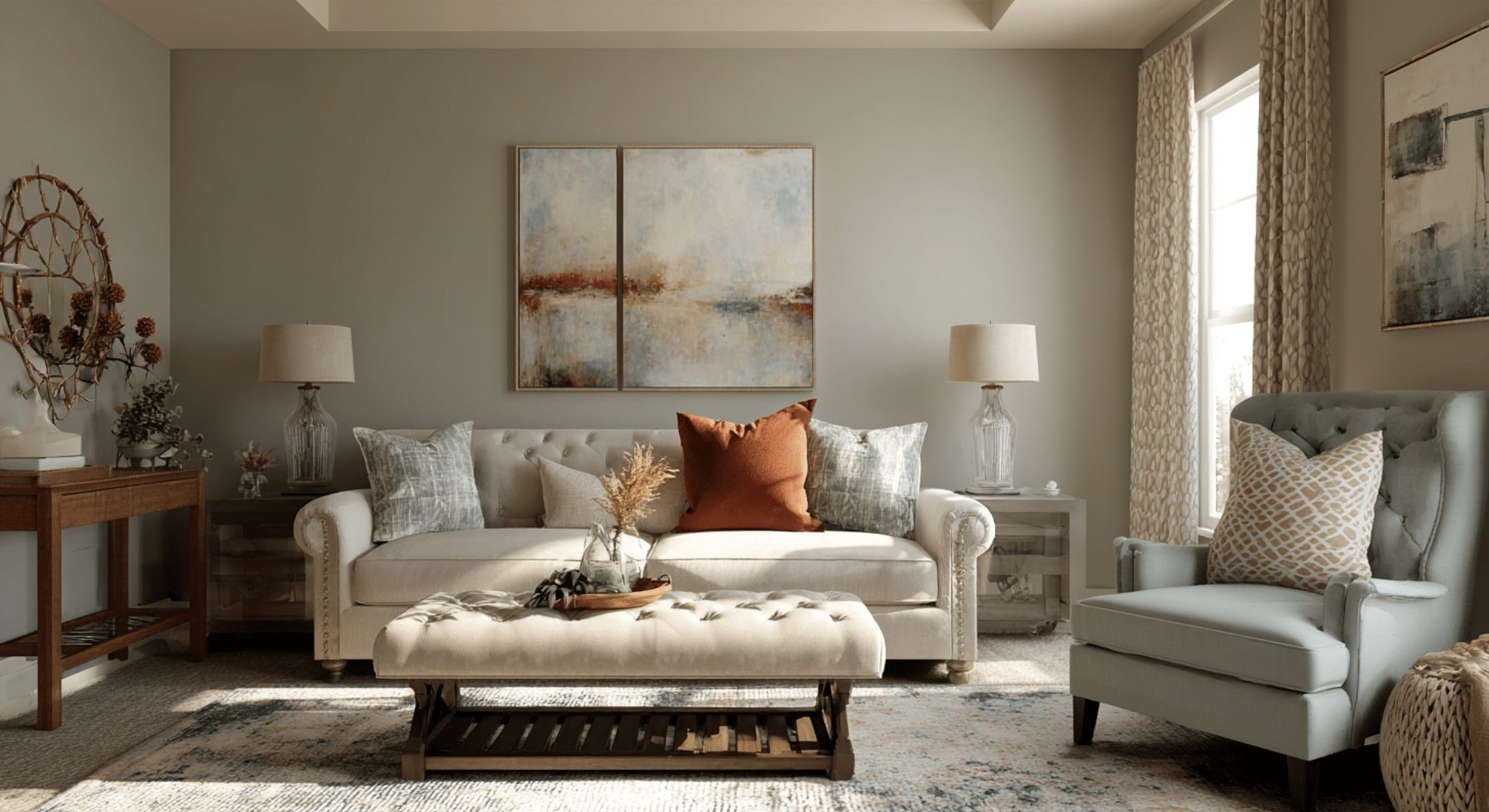
Using soft blues, greens, or rust tones brings in interest without shouting. These colors work well on pillows, throws, or art. They help break up all-neutrals, but still blend in.
This is perfect for homes that want a little color without losing calm. The mood stays steady, and nothing looks too trendy or too bold.
24. Classic Hardware on Cabinets and Furniture
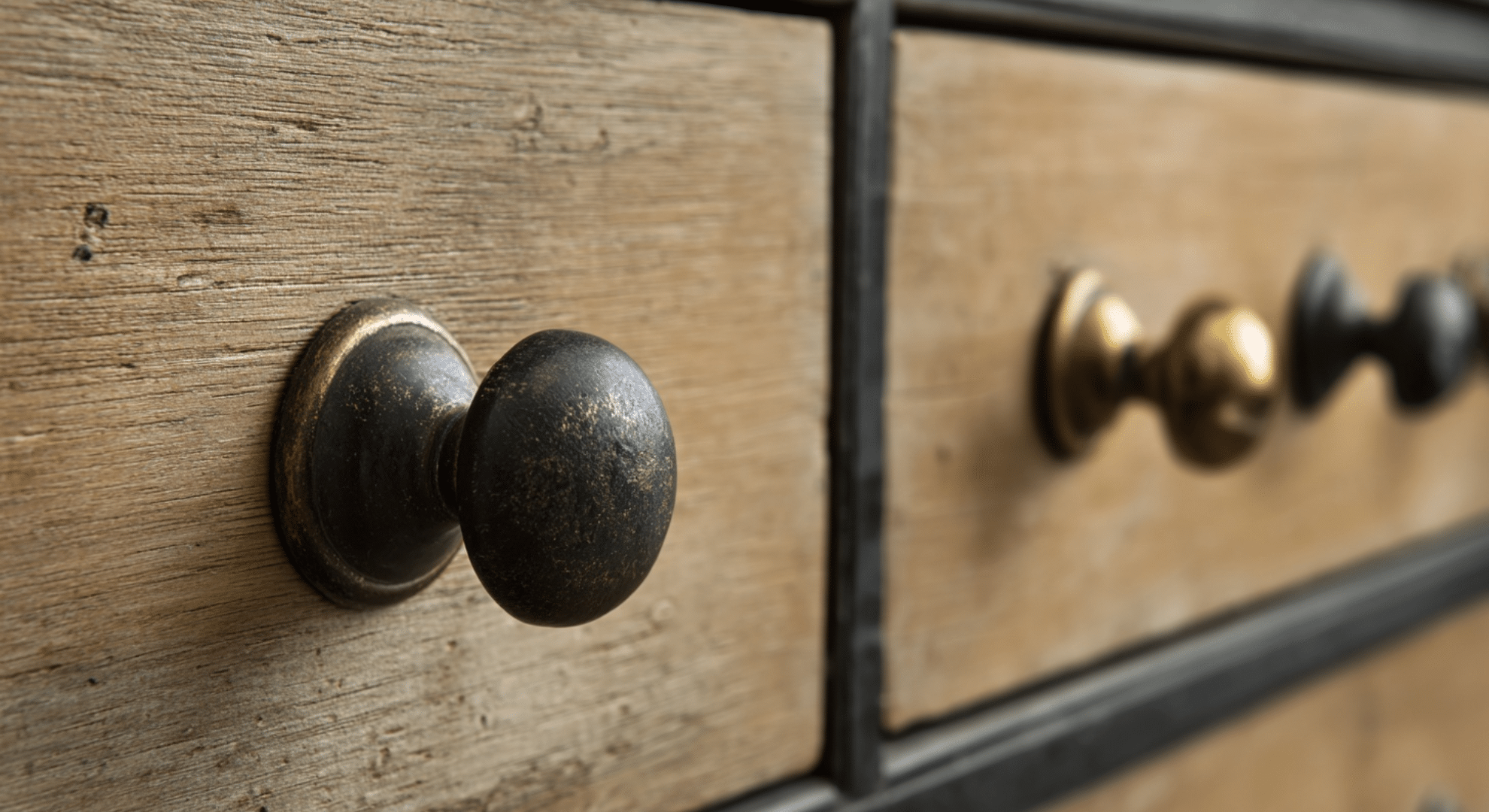
Handles and knobs in aged brass, bronze, or black metal give your furniture a classy look. Swapping hardware is a small change, but it makes a big difference. Use it on kitchen cabinets, dressers, or bathroom drawers.
Classic shapes and finishes add quiet detail that holds up well over time and doesn’t pull too much attention.
25. Fireplace Mantels Styled With Simple, Even Decor
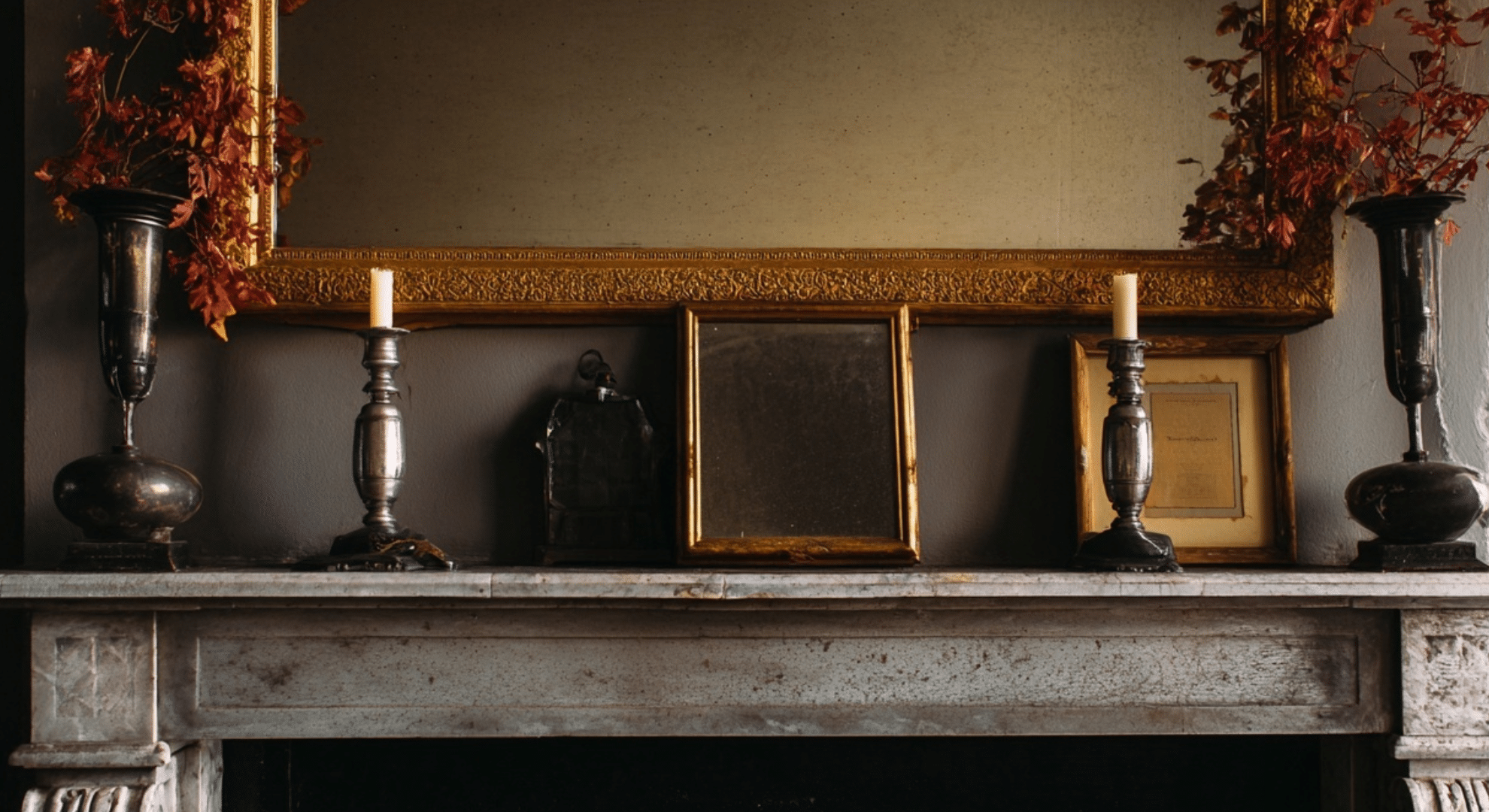
A clean mantel setup helps the whole room feel balanced. Stick to a few items like framed art, a small vase, or candles. Keep the layout even and avoid clutter.
This works in living rooms or bedrooms with fireplaces. It draws your eye in without feeling too decorated. The mantel becomes a calm anchor for the space.
26. Tall Curtains Hung Close to the Ceiling
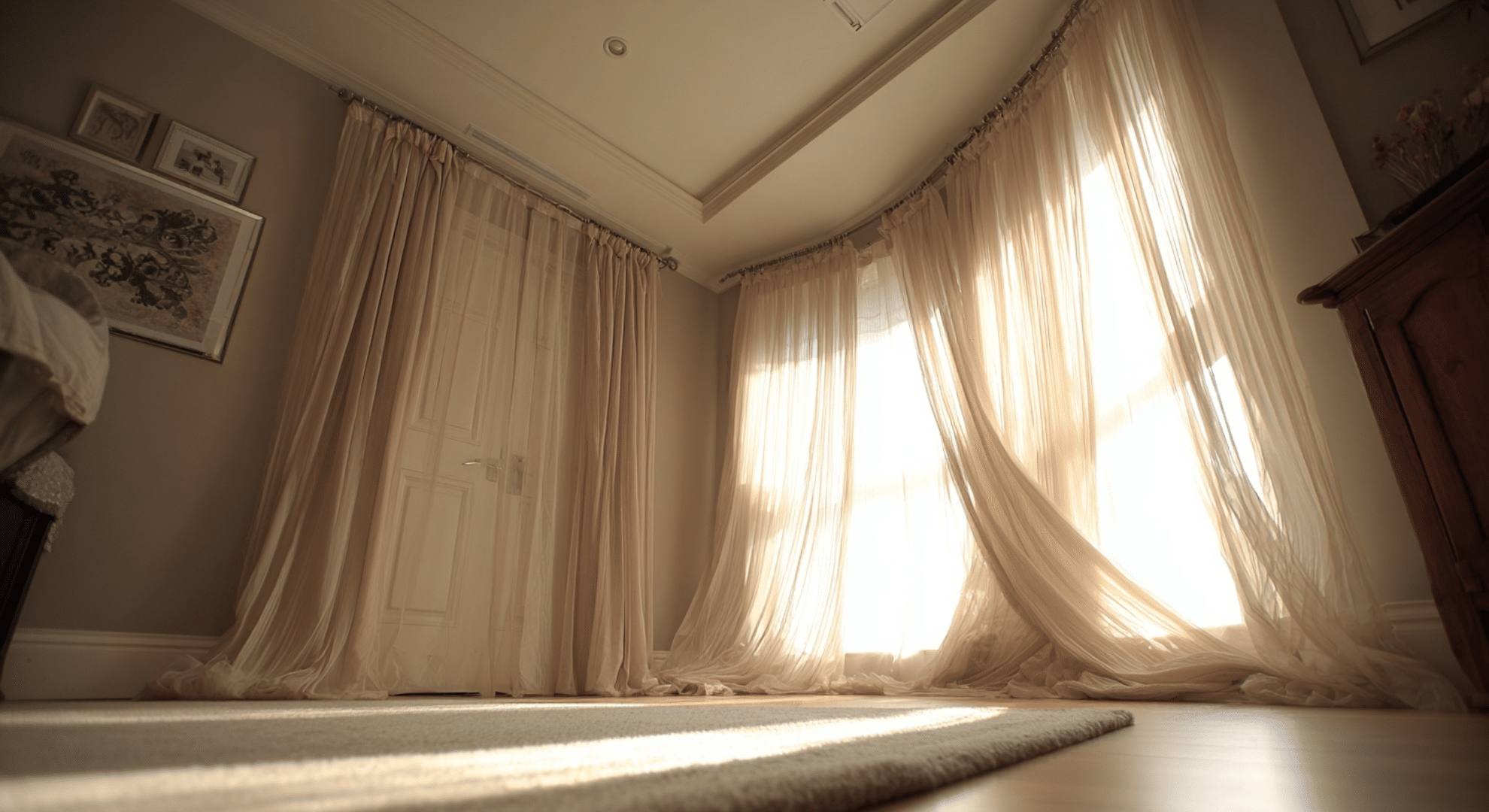
Hanging curtains just under the ceiling makes windows look taller. It also adds soft height to the room. Use this in bedrooms, living areas, or dining rooms. Choose simple fabric and neutral colors for a classic look.
This trick works well in small homes, too; it helps walls feel bigger without any structural changes.
27. Wood Flooring Left in Natural or Warm Finishes
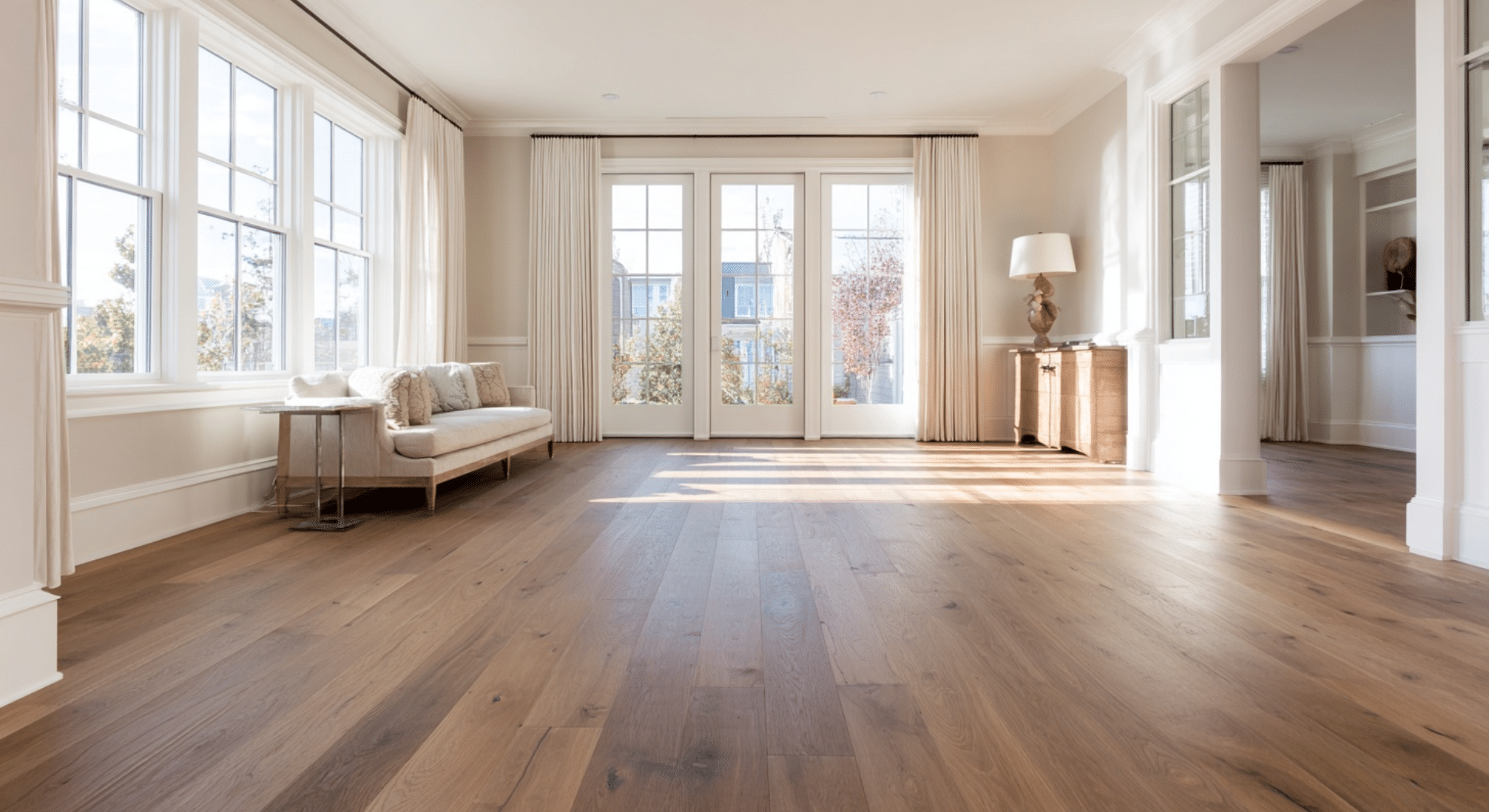
Natural wood floors bring in warmth and age well. Skip glossy finishes and stick with matte or satin looks. These floors work in almost any room and help connect open spaces.
The soft color keeps the home feeling grounded and calm. Wood brings texture and tone without needing extra color or detail.
28. Traditional Mirrors With Simple Frames
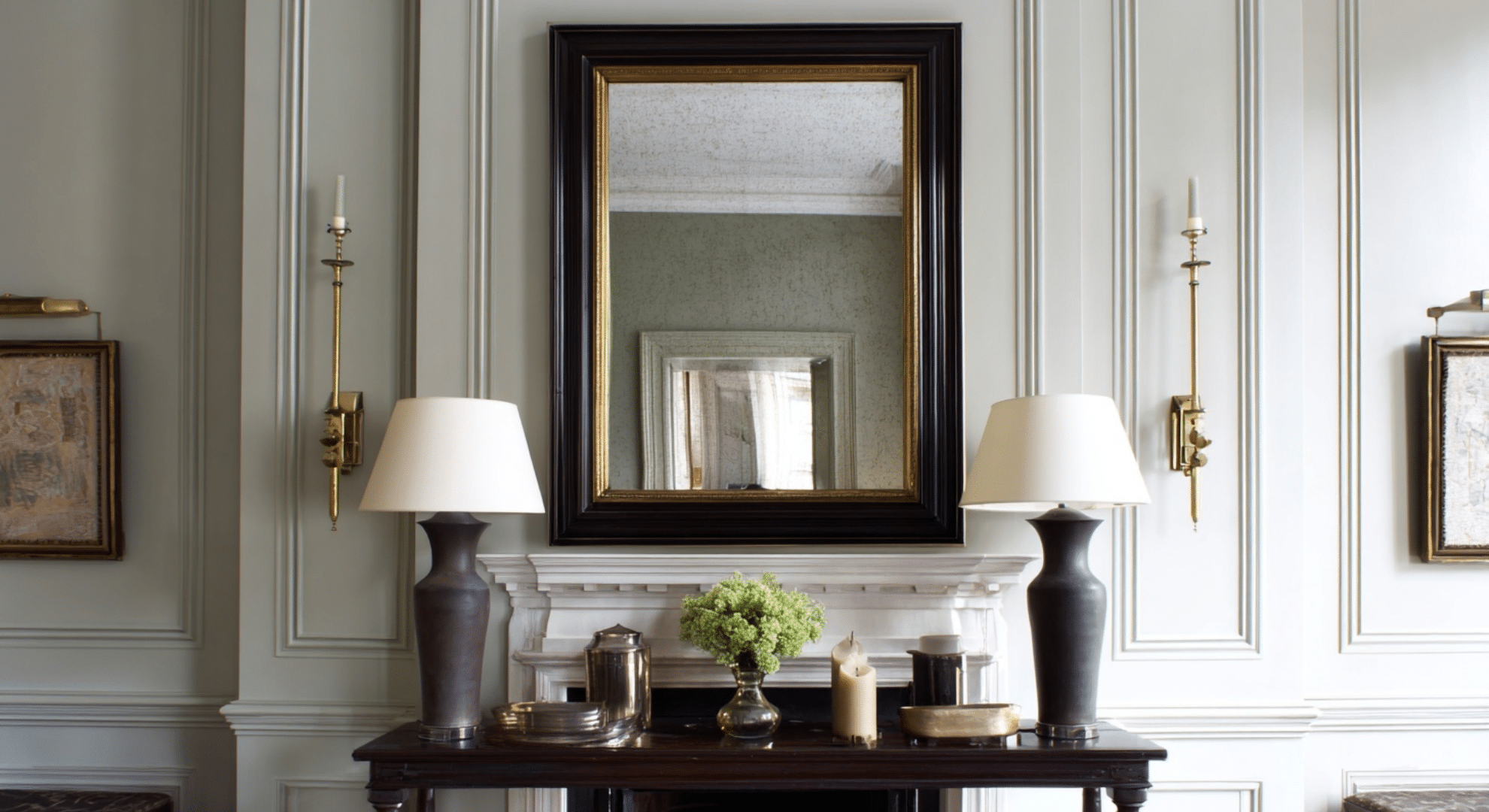
Mirrors with basic wood or metal frames add both light and structure. Place them above mantels, in entryways, or behind lamps. They reflect light and help small spaces feel bigger.
Avoid overly ornate shapes and stick to clean edges or soft curves. A well-placed mirror brings balance and function to the room without pulling focus.
29. Layered Rugs for Depth in Larger Rooms
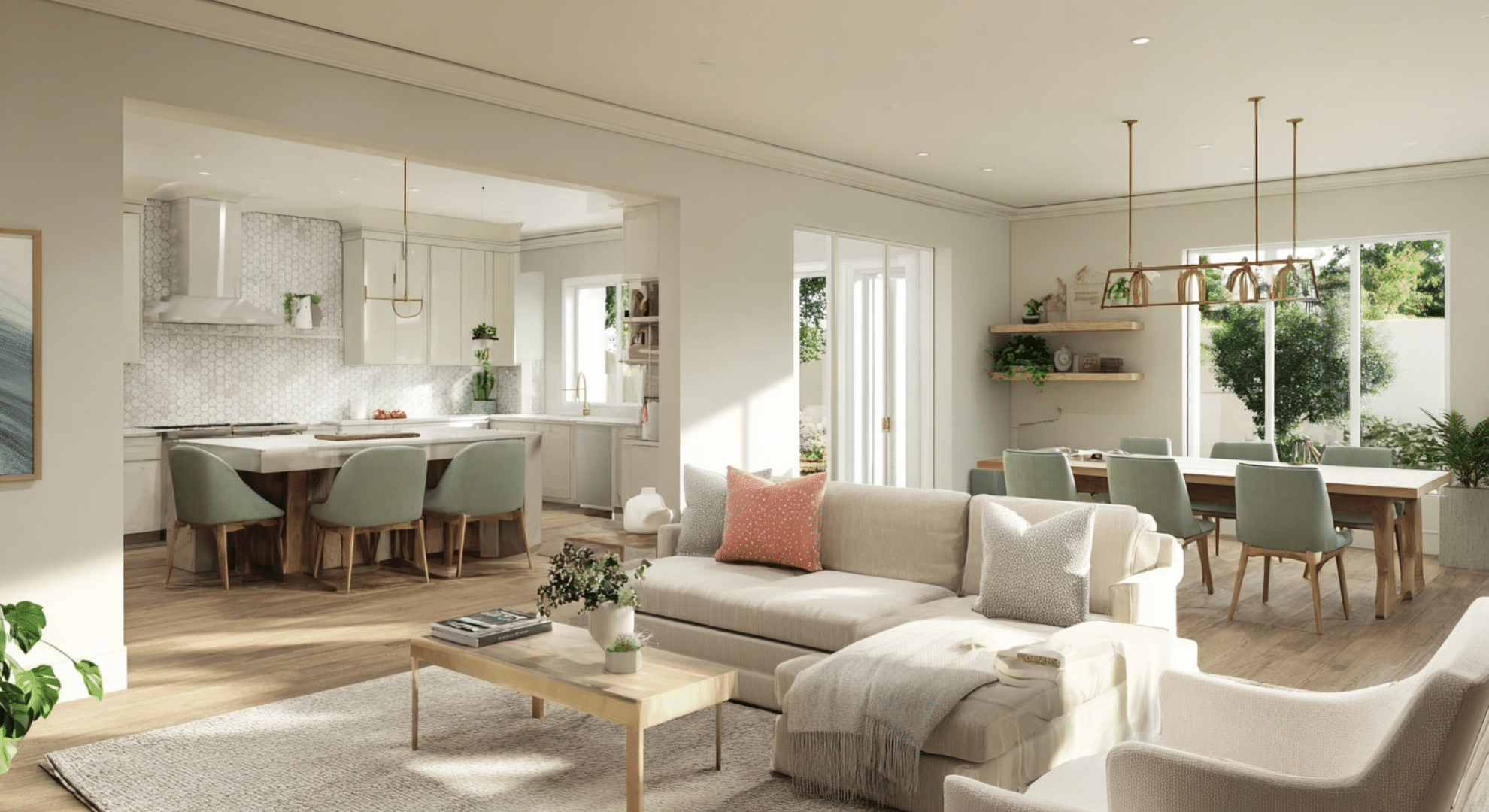
Using more than one rug adds comfort and texture to large spaces. Place a neutral base rug and add a smaller patterned one on top. This works well in open living rooms or bedrooms.
It gives the space more detail without needing bright colors or new furniture. The layering adds depth, helping the space feel full and lived-in.
30. Color Palettes That Repeat Across Rooms
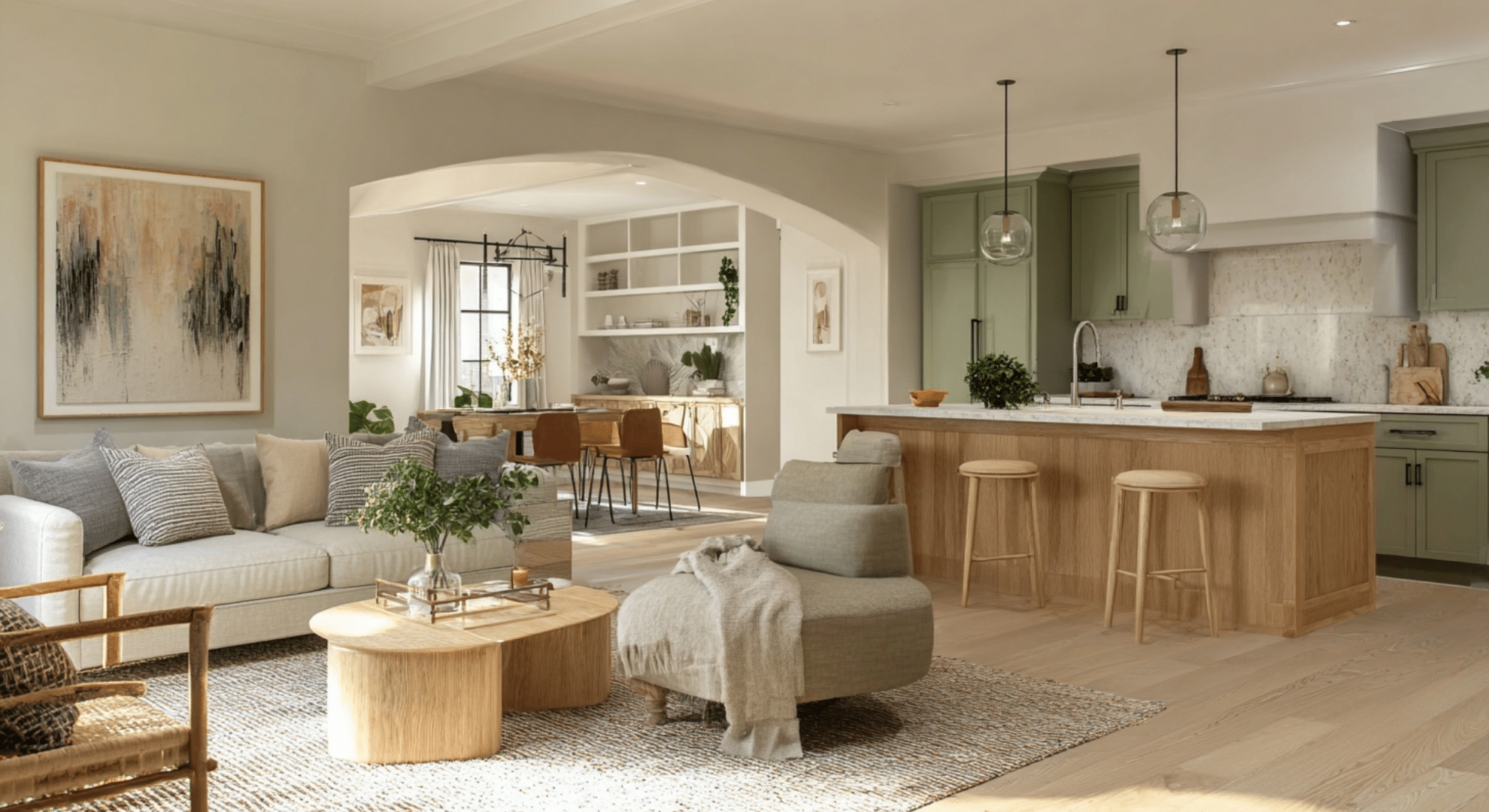
Using similar soft colors in every room ties the whole home together. Creams, soft grays, gentle greens, or muted blues are easy to live with. This idea works well in open floor plans or connected spaces.
Repeating the palette builds flow and calm. Each room feels separate, but everything still fits together in a natural, steady way.
Can Classic Interior Design Work on a Budget?
Absolutely. You don’t need a huge budget to bring a classic look into your home.
In fact, this style is all about long-term thinking, smart choices, and using what lasts, not what’s trendy or expensive. The key is knowing where to spend and where you can save without losing the look
| Spend On | Save On |
|---|---|
| Solid wood furniture (lasts longer) | Accessories (like vases or trays) |
| Lighting with classic shapes | Art prints or framed photos |
| Neutral, high-quality paint | DIY wall molding or wainscoting |
| Upholstery in soft, durable fabric | Secondhand pieces you can refresh |
| Window treatments with good lining | Store-bought curtains with custom rods |
Using vintage furniture or thrifted items can be a smart move.
Just focus on good bones: solid wood, real metal, or classic shapes. Even small upgrades like changing hardware, hanging curtains higher, or switching out light fixtures can give your space a classic feel without the big cost.
Is Classic Interior Design Right for Your Home?
Before you jump in, it’s worth asking if classic interior design fits your space and your life. This style isn’t just about looks. It’s about how your home feels and works every day. Here’s how to figure out if it’s a good match.
Classic design works best in homes that can handle a little structure. Open layouts are fine, but if your space is tight, you’ll need to keep furniture simple and scaled right. Classic pieces have weight, so if your rooms are small, you may need to go lighter with colors and shapes.
Do you like calm, order, and class looks over bold or fast-changing trends? Then classic style may feel just right. If you lean toward minimal or ultra-modern, this might feel too layered or warm.
Classic design is great for families or anyone who wants a lived-in feel that still looks pulled together. It supports comfort and function—think soft seating, strong materials, and balanced rooms.
If you want a space that won’t need a full update every few years, classic is a smart choice. The style lasts. But if you like changing things often or following the latest looks, you might find it a bit slow.
In the end, classic interior design is for those who value steadiness, comfort, and quiet beauty. If that sounds like you, it’s likely a strong fit.
Conclusion
I’ve always found comfort in spaces that feel calm and familiar. That’s what classic interior design gives me.
It helped me stop chasing trends and start building a home that actually feels like mine. Now think about your own space. What do you want it to feel like when you walk through the door?
If today’s blog gave you a few clear ideas, start small. Switch out one thing. Rearrange a room. See what feels better. You don’t need a perfect home. You just need one that fits you.
If this post helped you see your space in a new way, keep going. There’s more waiting for you.
Check out other blogs on the website for down-to-earth tips and real design ideas you can use!