Tampa humidity does not stay outdoors.
It enters through doors, rides in on shoes, settles into subfloors, lingers beneath rugs, and quietly affects building materials year-round. Most residents notice the obvious parts first: fogged windows, constantly running air conditioning, damp garage smells, swollen outdoor furniture, or towels that never seem fully dry.
But flooring usually absorbs the long-term impact more than anything else inside the house.
In humid climates like Tampa, floors expand, contract, trap moisture, shift slightly, and age differently compared with homes in drier regions. Materials that perform perfectly well in Arizona or Colorado may struggle badly along Florida’s Gulf Coast if installation methods, subfloor preparation, and moisture control systems are not handled correctly.
This becomes especially important because Tampa’s climate rarely gives floors much recovery time.
The city experiences high humidity levels for much of the year, particularly during summer rainy seasons when moisture combines with heat almost continuously. According to the National Weather Service, Florida’s humid subtropical climate produces prolonged periods of elevated atmospheric moisture that directly affect homes and building materials.
Flooring therefore becomes less about appearance alone and more about environmental performance.
Tampa Homes Experience Constant Moisture Pressure
One reason flooring problems appear so frequently in Florida is because moisture operates from multiple directions simultaneously.
Outdoor humidity enters through air exchange and everyday activity. Ground moisture can affect slab foundations. Air conditioning systems create temperature differences that influence condensation behavior indoors. Heavy rainfall periods increase overall environmental moisture saturation around structures.
All of this affects floors continuously.
Wood flooring is particularly sensitive because wood naturally expands and contracts based on surrounding humidity conditions. Excess moisture can contribute to cupping, warping, gaps, swelling, adhesive failure, or surface distortion over time.
Laminate flooring can also struggle if moisture penetrates seams or reaches underlying layers repeatedly. Even tile installations are not completely immune because grout, subfloors, and adhesives may still experience moisture-related stress beneath the visible surface.
This surprises many homeowners because the floor itself may initially look fine.
Problems often begin invisibly below the surface long before visible warping or buckling appears.
Tampa’s weather patterns intensify these risks because homes frequently cycle between extremely humid outdoor conditions and aggressively cooled indoor environments. That repeated fluctuation creates constant expansion and contraction pressure on flooring systems.
Humidity Is the Problem but Flooring Professionals Usually Already Know the Solutions
One reason flooring companies operating in Tampa approach installations differently is because local humidity conditions are so well understood within the industry.
Experienced installers typically evaluate much more than surface appearance before recommending materials. Subfloor moisture levels, slab condition, indoor humidity control, room usage, ventilation patterns, and product expansion behavior all matter heavily in Florida installations.
Not every flooring material behaves equally in humid environments.
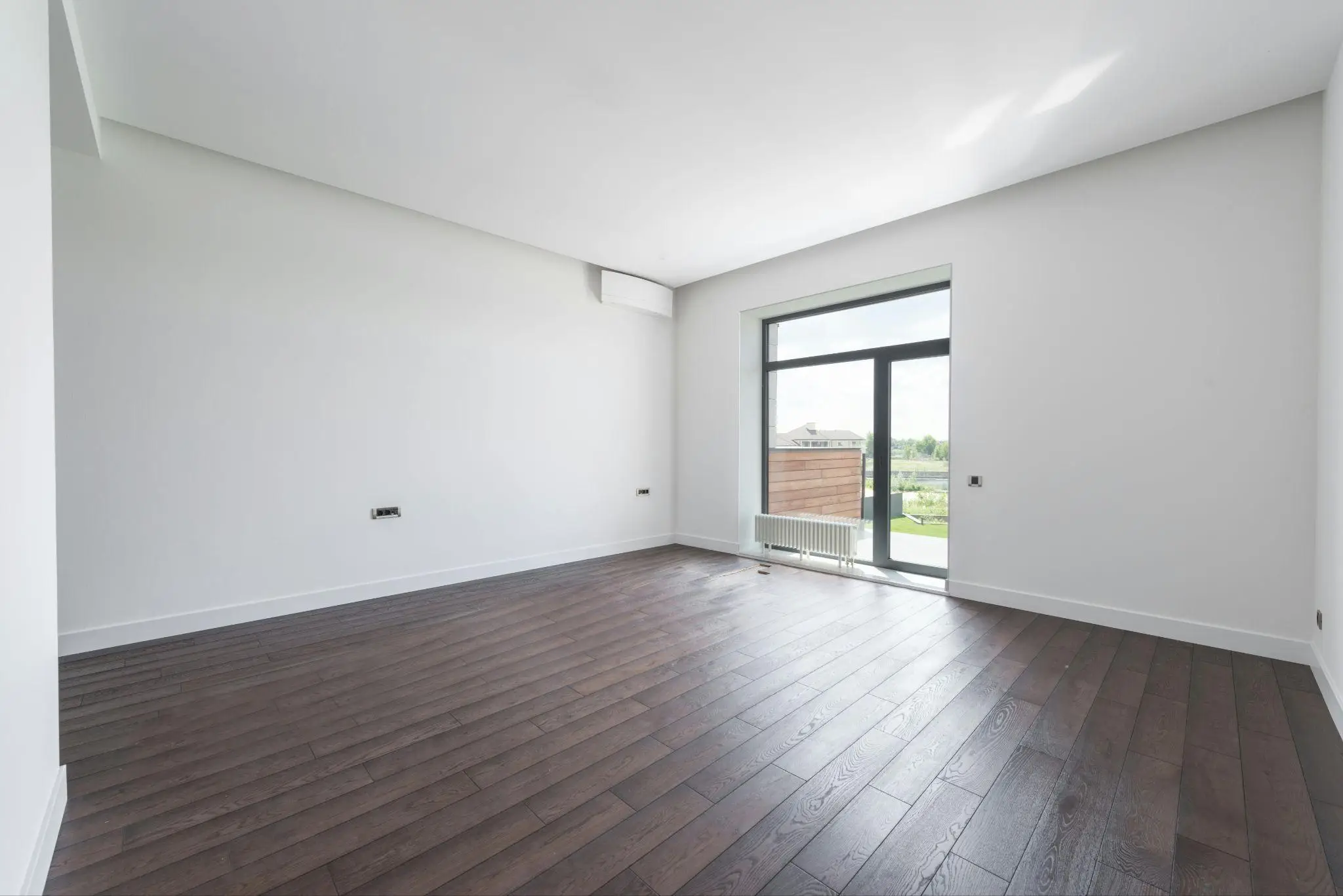
Luxury vinyl plank flooring, for example, became especially popular throughout Florida partly because it handles moisture more predictably than many traditional wood products. Porcelain tile also remains common because of its durability and water resistance. Engineered hardwood generally performs better than solid hardwood in humid climates because layered construction reduces expansion movement somewhat.
But material choice alone does not solve everything. Installation methods matter just as much.
Moisture barriers, acclimation periods, expansion gaps, adhesive selection, and subfloor preparation all become critical in Tampa homes. Flooring installers working regularly in Florida climates often spend significant time simply managing moisture conditions before installation even begins.
That preparation phase frequently determines whether flooring lasts properly long term.
Air Conditioning Quietly Shapes Floor Performance
One interesting thing about Florida flooring is how closely it connects to HVAC systems.
Air conditioning does much more than cool indoor air. It also removes humidity. When HVAC systems function poorly, indoor moisture levels can rise enough to affect floors noticeably over time.
This means flooring performance often reflects broader environmental management inside the house.
Homes with inconsistent cooling patterns sometimes experience more expansion-related floor movement because indoor humidity fluctuates more dramatically. Vacation properties can become particularly vulnerable if cooling systems are reduced heavily while homes sit empty during hotter months.
That is why some flooring professionals now discuss humidity control almost as much as flooring products themselves.
Indoor humidity ideally remains relatively stable year-round rather than swinging dramatically between seasons or occupancy patterns.
Waterfront Living Creates Additional Challenges
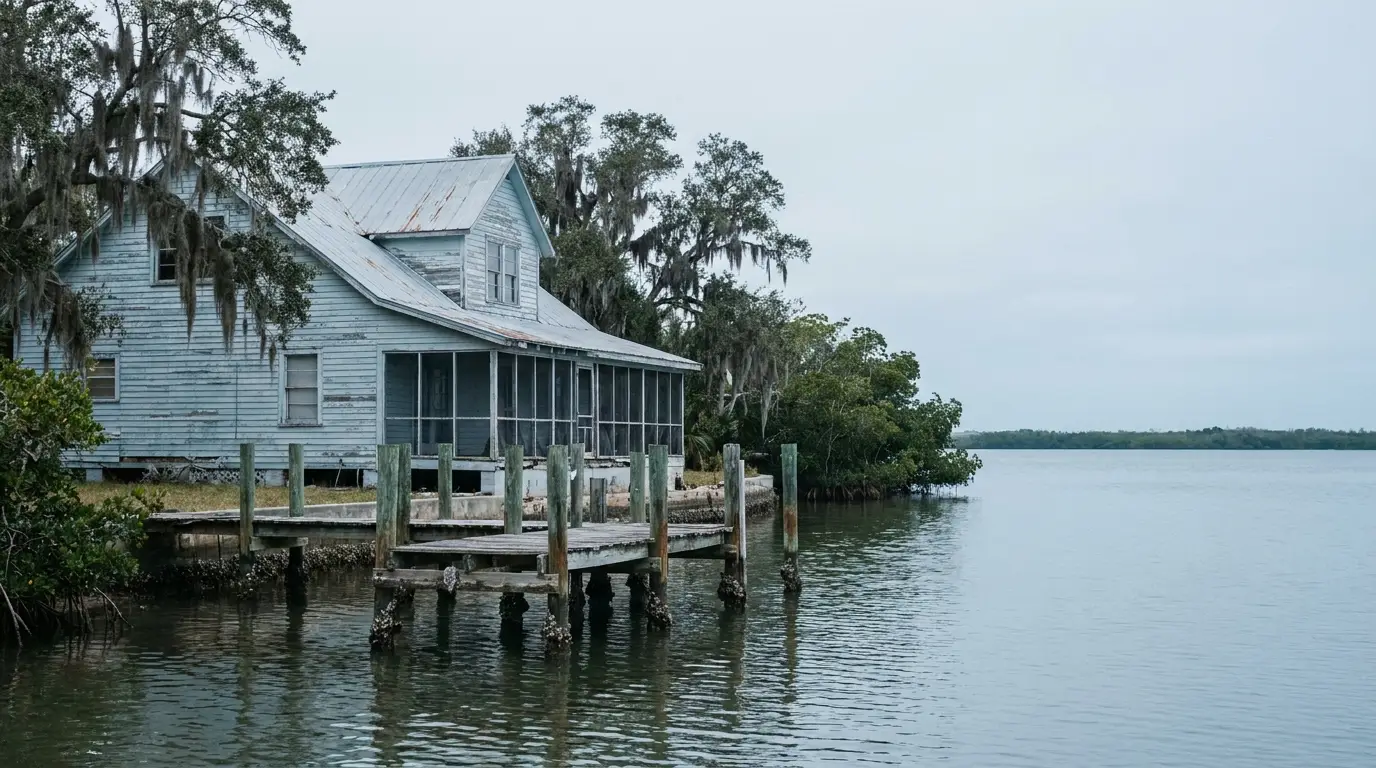
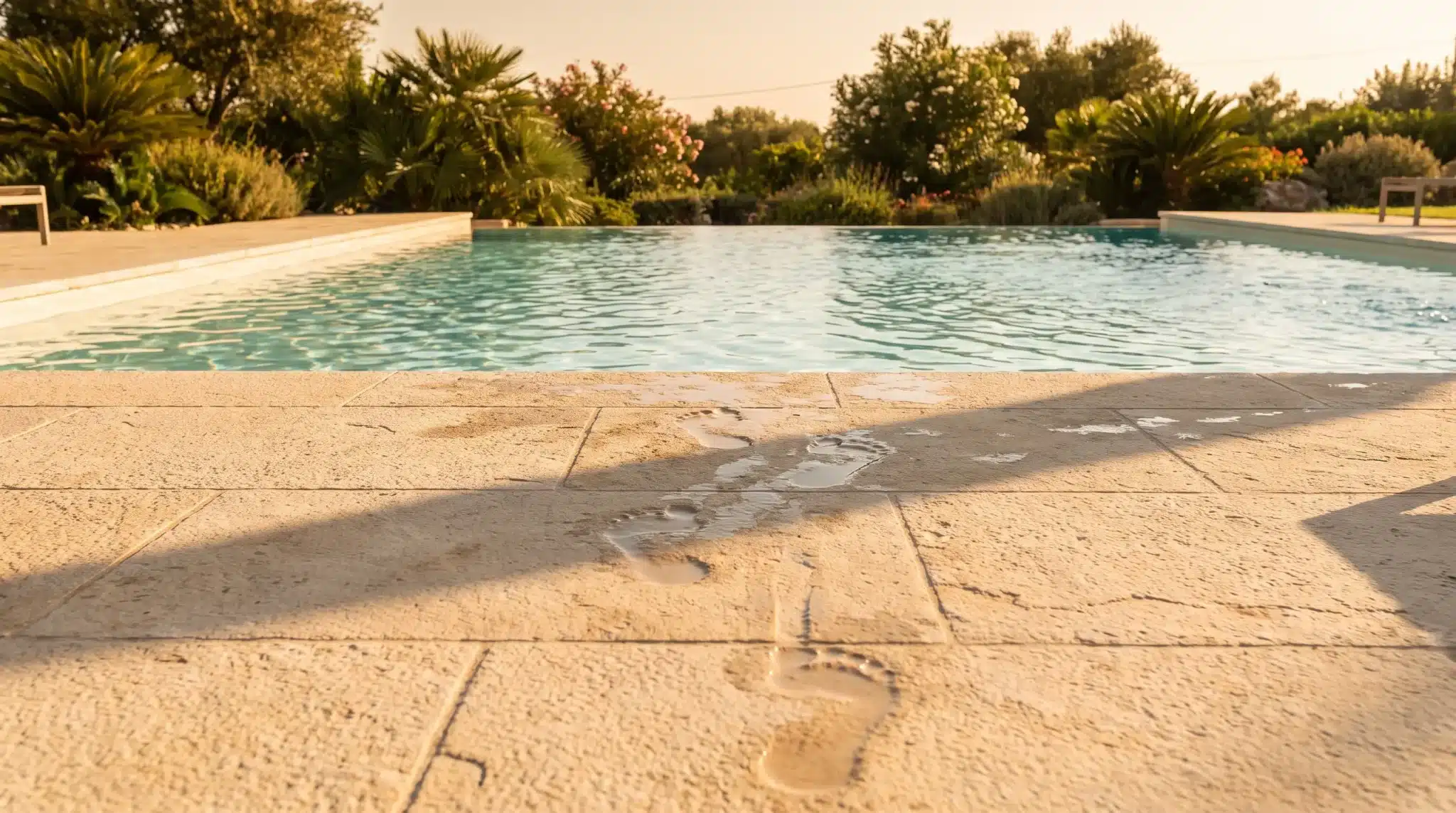
Many Tampa-area homes sit near bays, canals, wetlands, or coastal zones where environmental moisture remains elevated almost continuously.
Salt air compounds the issue further.
Coastal moisture exposure can affect adhesives, underlayment materials, and even metal transition components over long periods. Homes near the water also tend to keep windows and doors open more frequently during cooler months, introducing additional humidity variation indoors.
Flooring therefore needs to tolerate environmental stress consistently rather than occasionally.
This partly explains why certain materials dominate Florida housing developments while others remain less common despite looking attractive initially.
Practical durability tends to win eventually in humid climates.
Rugs and Underlayers Can Trap Moisture Too
One issue many homeowners overlook is how rugs and underpadding affect moisture behavior.
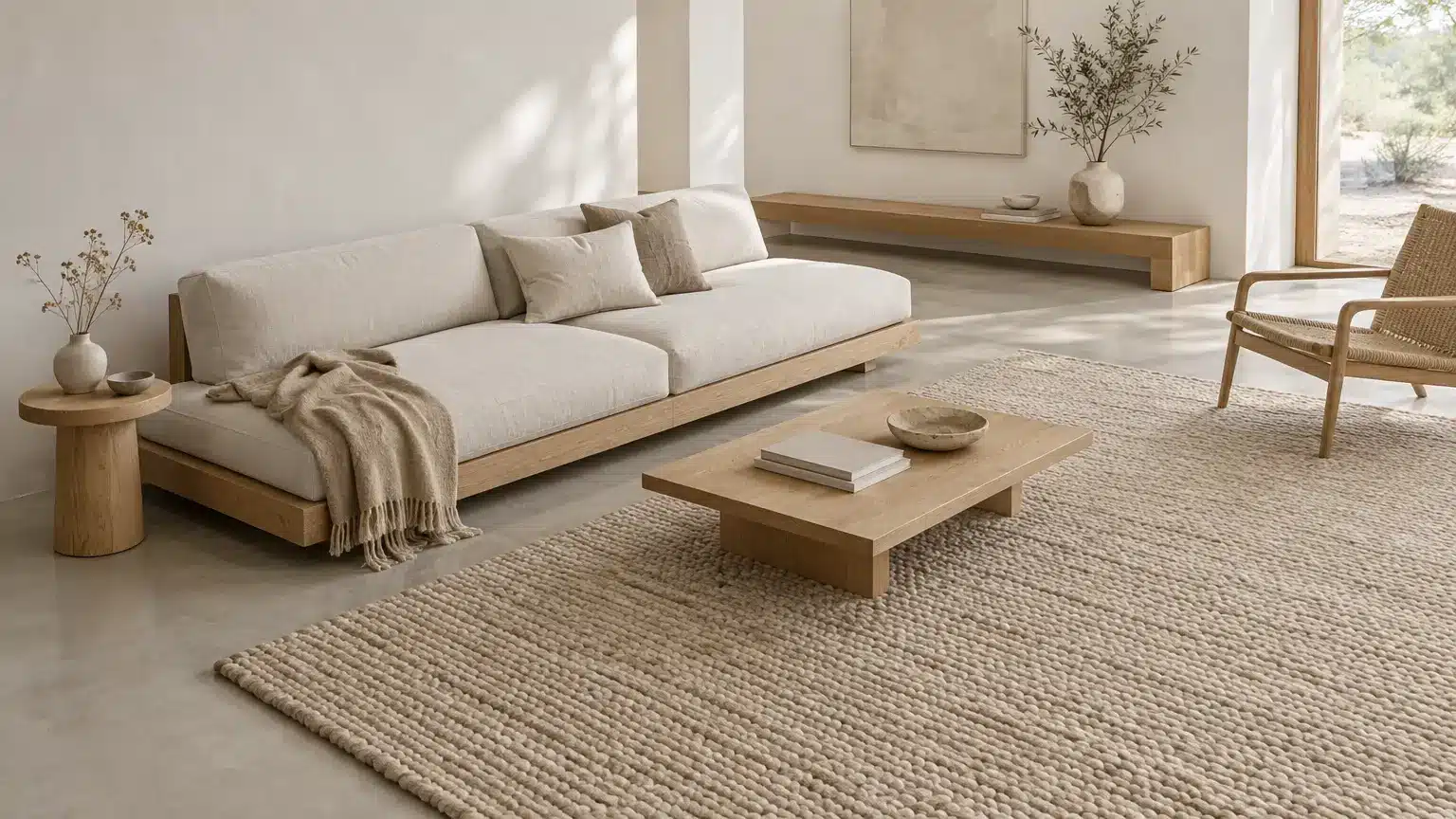
Large rugs placed over flooring in humid environments may trap moisture beneath them, especially if airflow remains limited. This can sometimes contribute to discoloration, trapped humidity pockets, or mildew development in poorly ventilated areas.
Bathrooms, entryways, laundry rooms, and waterfront-facing spaces become especially vulnerable because moisture exposure occurs repeatedly there.
Flooring decisions therefore involve understanding how the entire room functions rather than choosing materials based purely on appearance.
Florida Building Trends Are Already Adapting
Modern Florida home construction reflects lessons learned from decades of humidity-related wear.
Builders now commonly prioritize moisture-resistant flooring systems, improved slab preparation, better insulation strategies, upgraded vapor barriers, and more climate-adapted materials overall. Many newer homes avoid solid hardwood entirely in high-risk moisture zones.
This shift mirrors broader climate-adaptation trends happening across coastal housing markets.
As humidity, rainfall intensity, and temperature fluctuations continue affecting homes more aggressively, building materials are evolving accordingly. Flooring manufacturers now heavily market waterproof, water-resistant, and humidity-stable products specifically because demand increased in regions like Florida.
Tampa Homeowners Often Notice the Same Early Warning Signs
Humidity-related floor problems usually develop gradually.
Doors may stop closing smoothly because floors shift slightly. Corners begin lifting subtly. Small gaps appear and disappear seasonally. Floorboards feel uneven underfoot during wetter months. Laminate seams become more visible. Tile grout may discolor or crack around moisture-prone zones.
These issues rarely appear dramatically overnight unless flooding occurs.
Instead, floors slowly absorb environmental stress year after year until problems become obvious enough to require attention.
That long-term process is why moisture testing and climate-aware installation matter so heavily in Tampa specifically.
The Best Flooring Choices Usually Match the Climate Rather Than Trends
Many homeowners understandably focus first on visual style when selecting floors.
But in climates like Tampa, long-term success usually depends more on environmental compatibility than aesthetics alone.
A material that handles humidity well for fifteen years often proves more valuable than a trend-driven option requiring major repairs after repeated moisture exposure.
This does not mean Tampa homes cannot use beautiful flooring. It simply means climate realities need to shape those choices from the beginning.
The city’s humidity is not temporary, seasonal, or occasional. It is part of the operating environment every single day.
Which means, whether homeowners notice it immediately or not, Tampa floors are usually fighting moisture constantly beneath the surface.