
A home can look beautifully decorated and still feel uncomfortable or incomplete. Often, the difference comes down to how well its individual elements work together. Furniture, colors, lighting, textures, and decorative accents all influence the atmosphere, but none should feel out of place. A successful interior brings these details together while leaving room for everyday life.
Interior designers approach this by looking beyond individual purchases. Rather than focusing solely on current trends, they consider the property’s character, the needs of the people living there, and how each room connects to the next. This creates a more considered approach to decorating, one that can remain appealing for years.
Start with a Clear Vision for Your Interior Design
Before buying new furniture or choosing paint colors, consider how you want your home to feel. Do you prefer a relaxed setting with natural finishes, or a more refined interior with defined contrasts and elegant details? Having a general direction makes decorating decisions easier and helps prevent unrelated choices from competing for attention.
Find the Balance Between Personal Style and Timeless Design
A timeless interior does not have to be plain or predictable. Personal touches are what make a home interesting. The trick is to build around elements that are unlikely to lose their appeal, such as well-made furniture, natural wood, simple silhouettes, and balanced color combinations.
Trendy accessories can still have a place, but they work best when they do not dictate the entire look. A colorful cushion, unusual lamp, or piece of contemporary artwork can introduce something fresh without requiring major changes whenever tastes shift.
Think About How Rooms Connect
A home feels more harmonious when its rooms share a few visual elements. This does not mean using identical furniture or repeating the same color everywhere. Instead, consider carrying similar wood tones, complementary fabrics, or related finishes from one area to another.
This approach is particularly useful in open-plan homes, where the living room, dining area, and kitchen are visible at the same time. A consistent palette helps define these spaces without making them feel disconnected.
Give Functional Features a Place in Your Design
Some of the most noticeable features in a room are also the ones people use every day. Storage, lighting, shelving, window treatments, and architectural details all serve practical purposes, but they can also shape the overall look.
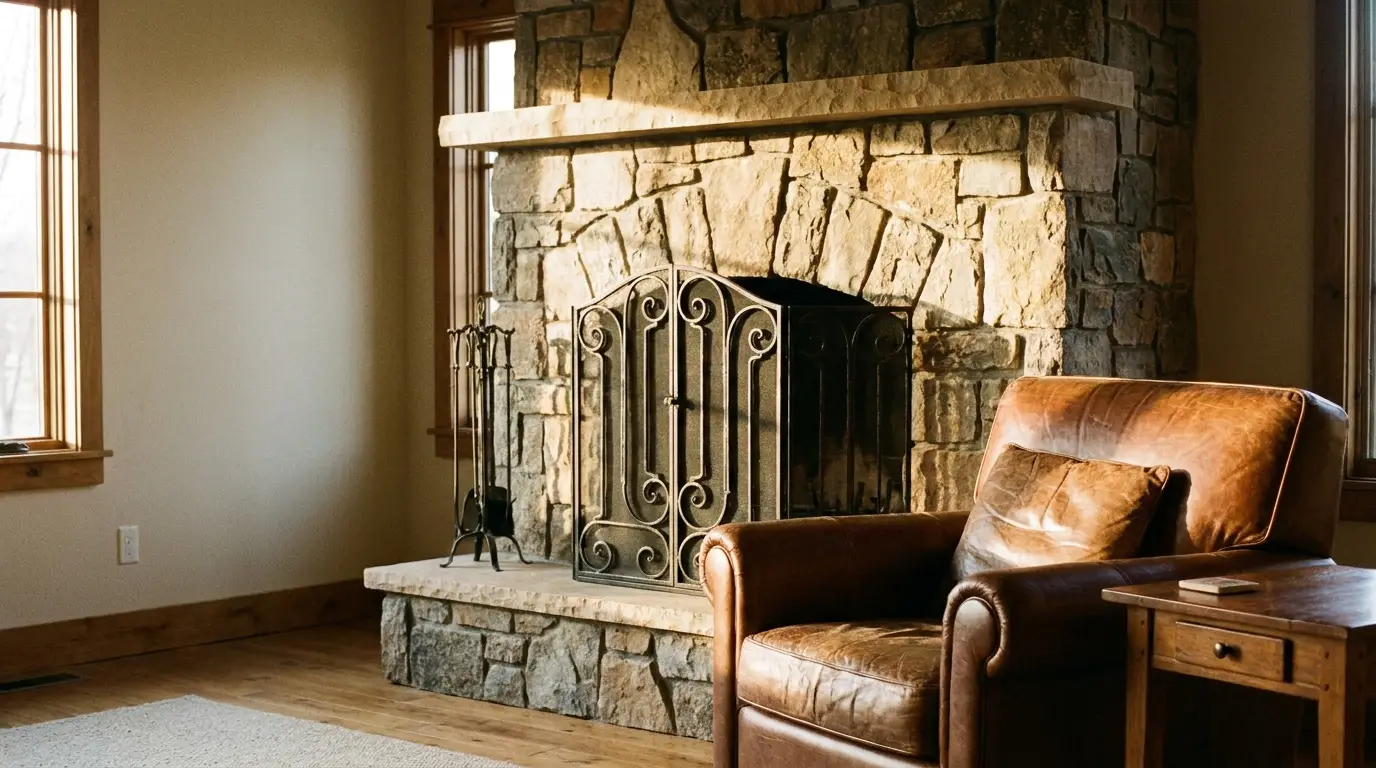
A fireplace is a good example. It can naturally become a focal point in a living room, drawing attention through its shape, surrounding materials, and position within the space. The details around it matter just as much as the fireplace itself. A carefully chosen design can make this feature feel like a natural part of the room, and those interested in a more personalized touch can explore different ways to get a custom fireplace screen. A screen selected to suit the fireplace’s proportions and surrounding finishes can bring the entire arrangement together.
The same principle applies to other practical features. Built-in shelving can display books and meaningful objects, attractive storage can keep everyday clutter out of sight, and well-placed lamps can make reading corners more comfortable. Considering appearance alongside function helps create rooms that are both attractive and easy to use.
Choose Materials, Colors, and Textures That Work Together
With the overall direction established, the next step is choosing materials and finishes that support it. Natural wood can introduce warmth, stone adds texture and visual weight, while metal details create contrast. Glass and lighter fabrics help prevent heavier materials from making a room feel crowded.
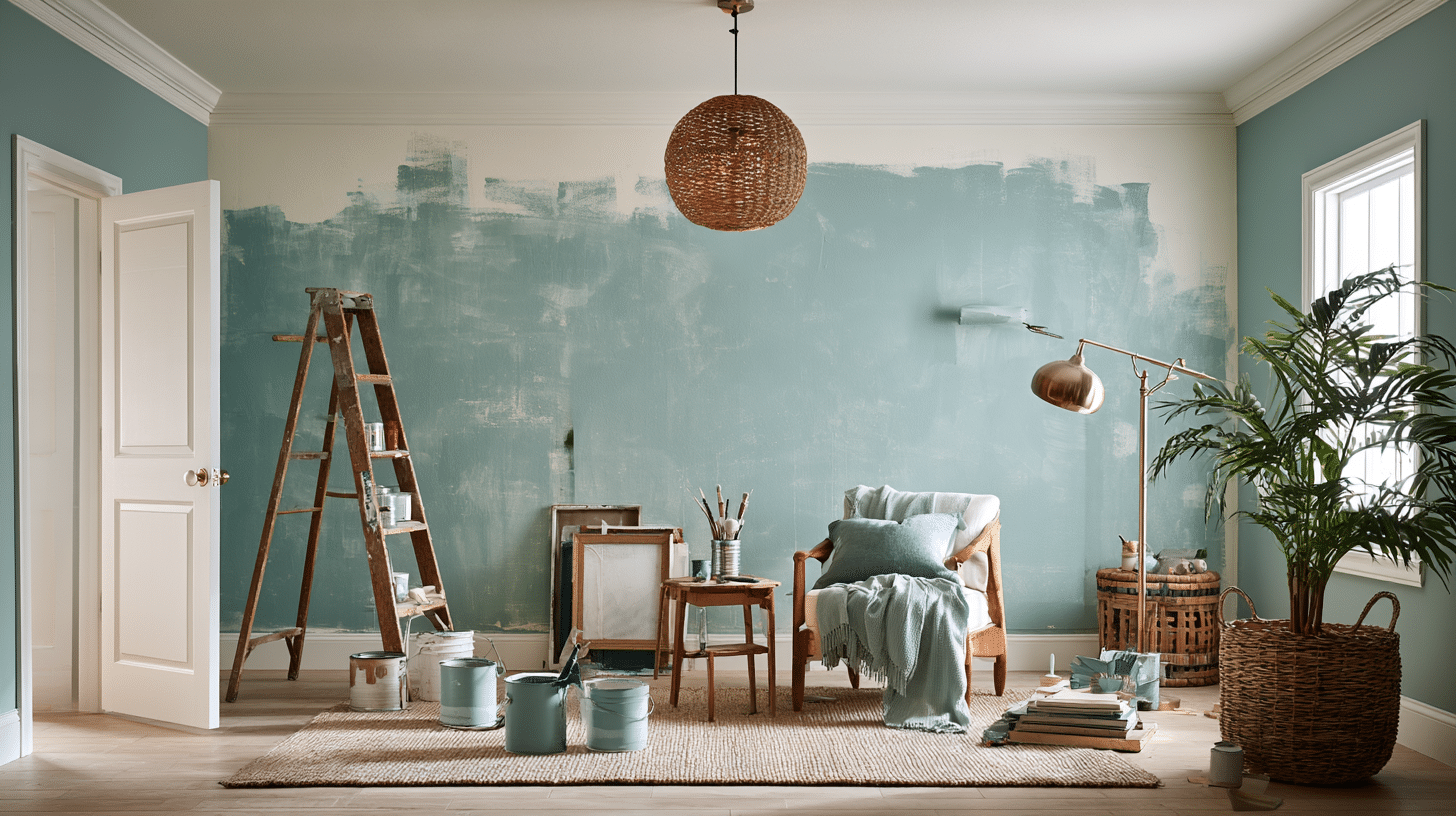
Color choices should reflect each space’s size and lighting conditions. Soft neutrals can make smaller rooms feel more open, while deeper shades can add depth to larger areas. It is worth testing paint samples on different walls because natural and artificial light can change how a color appears throughout the day.
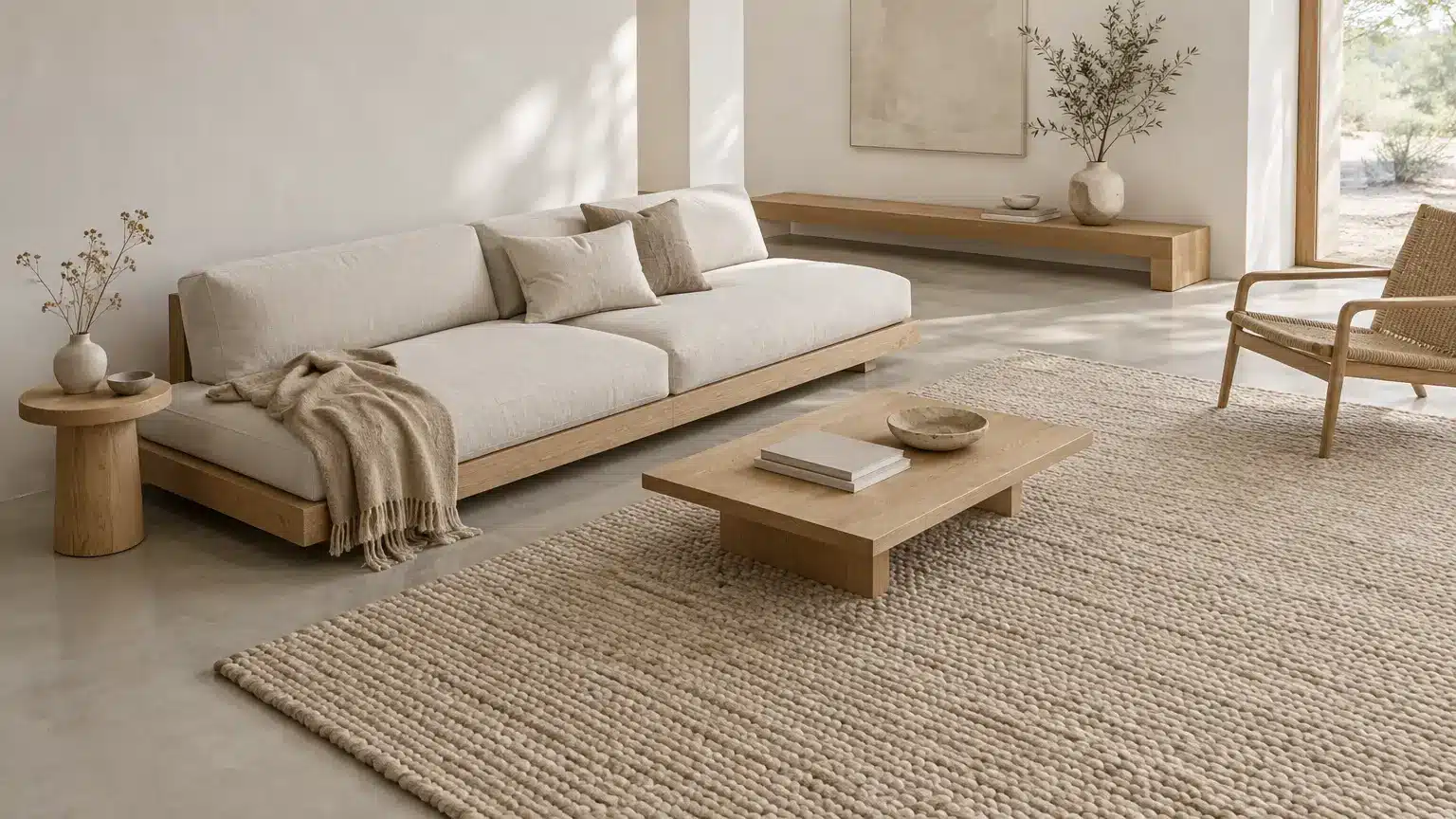
Texture offers another way to make a simple palette more interesting. A linen sofa, woven rug, wooden coffee table, and ceramic accessories can create a layered look without relying on strong patterns or excessive decoration.
The American Society of Interior Designers offers insight into professional interior design and the relationship between thoughtfully planned spaces and everyday living. Its resources can help you consider how different design decisions shape the experience of a room.
Use Decorative Details to Add Character and Warmth
Once the main furniture and finishes are in place, smaller details help give a home its personality. Artwork, mirrors, plants, rugs, and decorative objects can introduce color and character, but choosing them carefully matters more than simply adding more.
For instance, a large artwork can give an otherwise simple wall a clear focal point. Mirrors can reflect daylight and make a room feel more open, while houseplants introduce natural shapes and softer visual lines. These elements work particularly well alongside wood, stone, and other organic materials.
Lighting deserves particular attention, too. Relying on a single ceiling fixture can leave a room feeling flat, especially in the evening. Combining overhead lighting with table lamps, floor lamps, and subtle accent lights creates a more comfortable atmosphere. It also allows different parts of the room to serve different purposes throughout the day.
For inspiration, Architectural Digest features a wide range of residential interiors that demonstrate how artwork, furniture, lighting, and decorative accents can work together. Exploring different approaches can help homeowners identify ideas that suit their own preferences rather than copying an entire design.
Make Comfort and Practicality Part of the Plan
A well-designed home should look good, but it should also support the routines of the people living in it. Furniture needs to fit the available space, walkways should remain clear, and frequently used items should be easy to reach. Even an attractive room can become frustrating if its layout makes everyday activities difficult.
Comfort also depends on the indoor environment. Natural light, fresh air, suitable ventilation, and appropriate materials all influence how a room feels. The U.S. Environmental Protection Agency’s indoor air quality guidance provides practical information about maintaining healthier indoor spaces.
Durability is equally important. Frequently used rooms benefit from materials that are easy to maintain and can handle regular wear. Choosing quality furniture and finishes may take more thought at first, but it can reduce the need for frequent replacements and help preserve the home’s appearance.
Conclusion
Creating a timeless and inviting home is less about following a particular style and more about making thoughtful decisions. A balanced color palette, natural materials, practical layouts, and carefully selected decorative features can work together to create an interior that feels comfortable and visually appealing.
The most successful spaces also leave room for personal expression. By choosing elements that suit everyday needs and reflect individual taste, homeowners can create a home that feels welcoming now and continues to do so as their preferences and routines change.