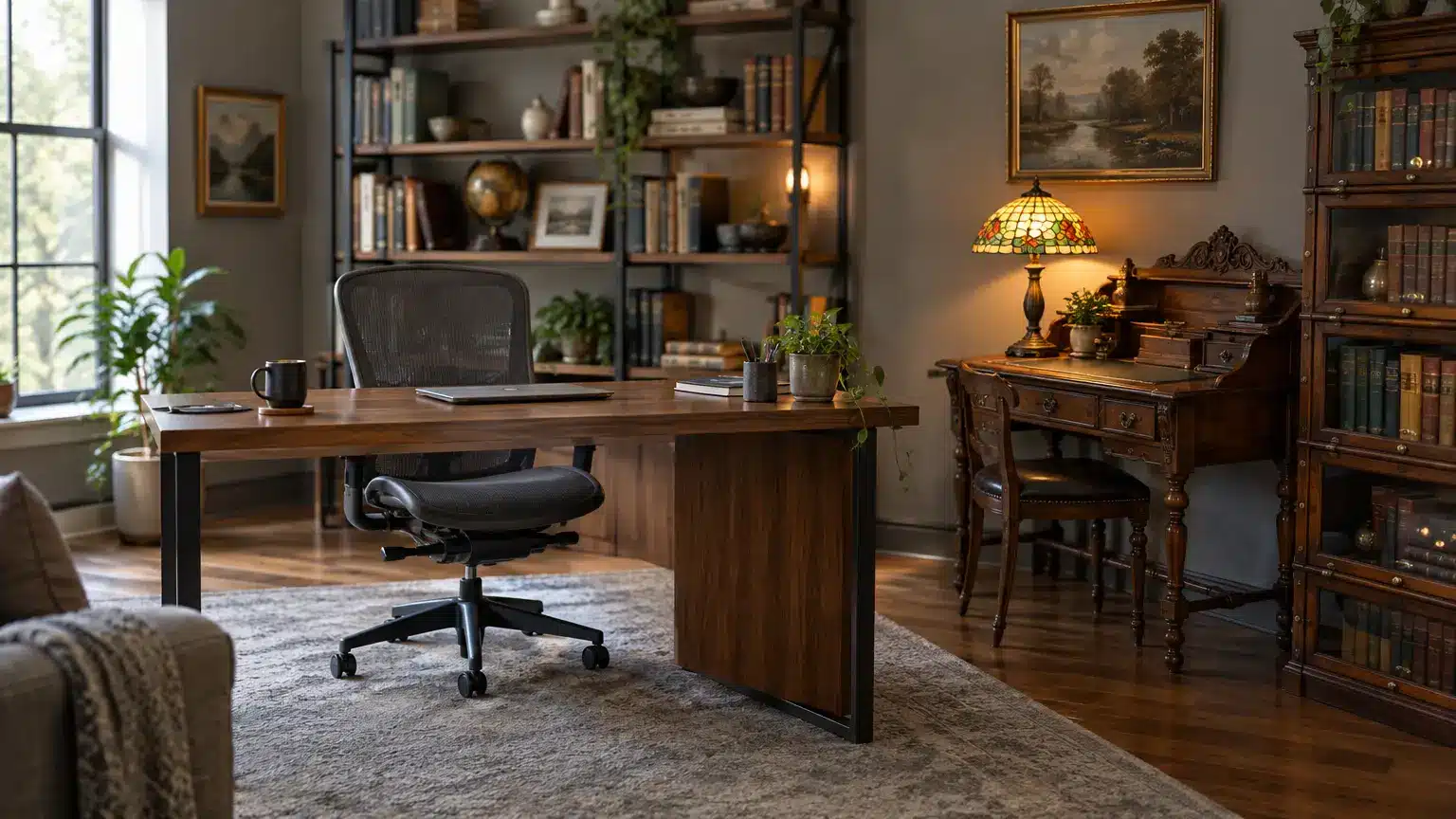

Terrazzo-inspired tiles have become a popular choice in contemporary interior design, offering a distinctive combination of texture, pattern, and color. Their characteristic speckled appearance introduces visual interest without requiring elaborate decorative elements. Whether used across expansive floors or as statement wall coverings, these tiles can enhance residential and commercial spaces.
One of the advantages of terrazzo-look surfaces is their versatility. They complement minimalist interiors, industrial aesthetics, and modern architectural concepts. By selecting appropriate colors, finishes, and surrounding materials, designers can create spaces that feel cohesive while maintaining a unique visual identity.
Unlike plain surfaces, terrazzo-inspired designs introduce variations in color and pattern that can influence the overall appearance of a room. Depending on the size and distribution of the decorative fragments, these tiles can create either a subtle background or a more prominent design feature. This flexibility makes them suitable for interiors with different decorative styles and spatial requirements.
What Are the Features of Terrazzo-Inspired Tiles?
Terrazzo-inspired tiles feature patterns resembling small fragments embedded within a background surface. This distinctive appearance adds dimension to interiors and creates an alternative to conventional solid-colored tiles.
The visual character of terrazzo-inspired surfaces depends on several elements, including the size of the fragments, the contrast between colors, and the overall pattern density. Designs with smaller, closely spaced details can create a more uniform appearance, while larger and more contrasting fragments tend to draw greater attention. Understanding these differences helps designers select surfaces that complement the intended interior style.
The NovaFlake collection offers a design direction worth exploring for projects seeking decorative surfaces with contemporary appeal. Its visual character can inspire interiors that combine expressive patterns with understated furnishings. When considering speckled tile designs, several design elements deserve attention:
- Pattern distribution: Speckled surfaces introduce subtle movement across floors and walls.
- Color coordination: Complementary furnishings help establish a consistent interior aesthetic.
- Surface coverage: Extensive tiled areas create continuity, while smaller sections provide decorative accents.
- Lighting conditions: Natural and artificial lighting influence how surface details appear.
These considerations help determine how chip-patterned surfaces interact with the surrounding environment.
Tile dimensions and installation layouts can also affect how terrazzo-inspired patterns are perceived. Larger formats may emphasize visual continuity across expansive surfaces, while smaller tiles can introduce additional detail through grout lines and placement arrangements. Selecting a suitable format allows the decorative pattern to complement the proportions of the room.
Where Can Terrazzo-Inspired Tiles Be Used in Interior Design?
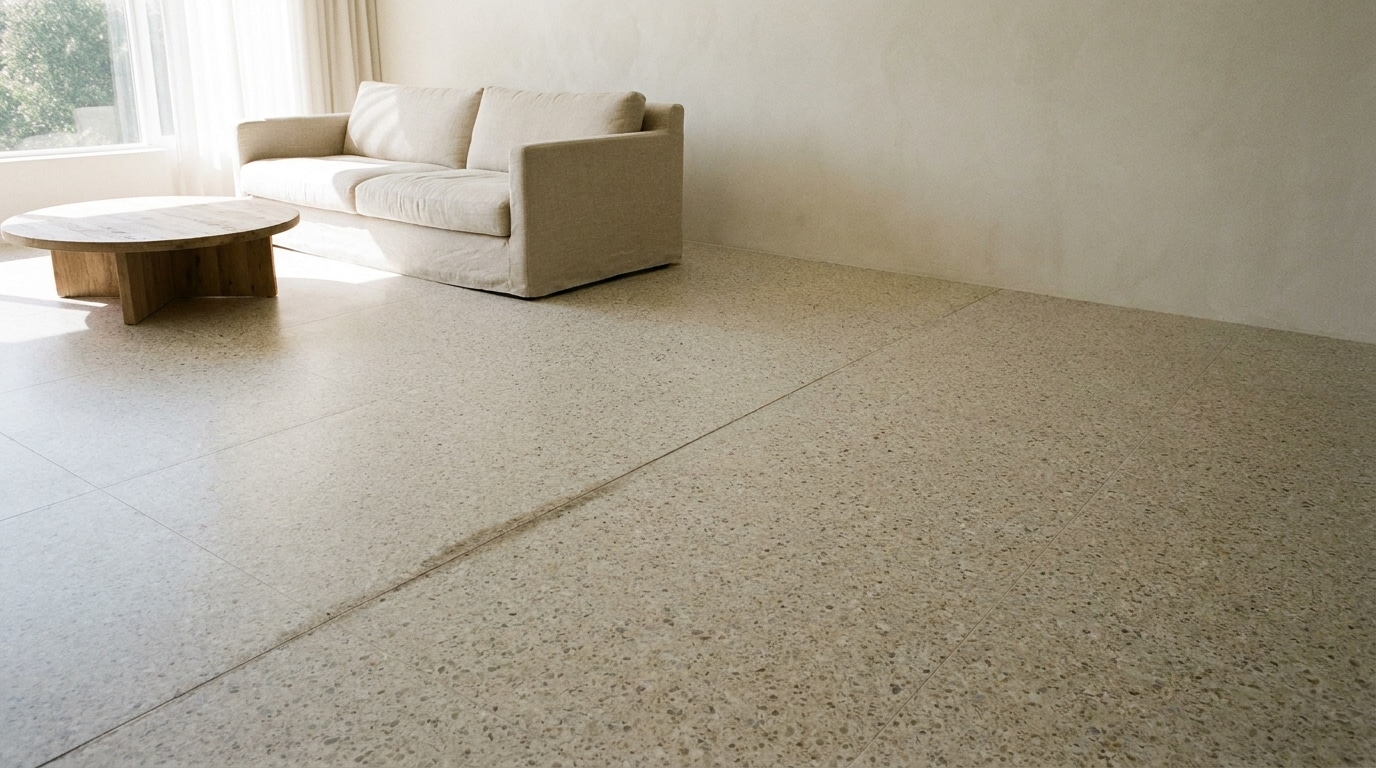
Terrazzo-look tiles can contribute to different areas of a property. In living rooms, patterned flooring provides visual character without overwhelming furniture arrangements. Kitchens can benefit from decorative wall applications that complement cabinetry and countertops.
In open-plan living areas, terrazzo-inspired flooring can help connect different functional spaces through a consistent surface design. Alternatively, patterned tiles can be introduced in selected sections to distinguish dining areas or kitchen zones from the surrounding interior. Pairing these surfaces with simpler furniture and decorative elements helps maintain a balanced appearance.
Bathrooms also offer opportunities for introducing terrazzo-inspired surfaces. Combining patterned tiles with simpler surrounding materials helps establish a sophisticated atmosphere.
In commercial environments, decorative tile designs can contribute to memorable entrances, reception areas, and shared spaces. However, product suitability should always be verified against the technical requirements of each intended application.
How Can You Combine Patterned Tiles with Different Materials?
Successful material combinations rely on thoughtful contrasts between textures, colors, and finishes. Terrazzo-inspired surfaces often work particularly well alongside natural wood, metal accents, and neutral furnishings.
Wood introduces warmth, while metallic details contribute a contemporary architectural character. Neutral walls can allow speckled porcelain flooring to become the main decorative feature without creating unnecessary visual complexity.
Color coordination is particularly important when combining terrazzo-inspired tiles with other materials. Designs featuring beige, cream, or earthy tones can complement wooden furniture and warm interior palettes. Gray or monochromatic patterns, on the other hand, may work well with black metal details, glass surfaces, and minimalist furnishings. Choosing surrounding materials that reflect one or more colors within the tile pattern can help create a cohesive result.
Balancing patterned and plain surfaces is another effective approach. When terrazzo-inspired tiles cover a large floor area, understated walls and furniture can prevent the interior from appearing visually crowded. In contrast, a smaller decorative section can accommodate stronger colors or more expressive patterns without dominating the entire room.
The choice of accessories and textiles can further support the overall design. Soft fabrics, simple lighting fixtures, and furniture with clean lines can complement the detailed appearance of terrazzo-inspired tiles. These combinations allow the patterned surfaces to remain a distinctive feature while maintaining a comfortable and balanced interior atmosphere.
Exploring the design possibilities available through VitrA Tiles can help architects, designers, and homeowners identify suitable surfaces for contemporary interiors. With careful consideration of patterns, materials, and spatial requirements, terrazzo-inspired tiles can become a distinctive element of modern interior design.