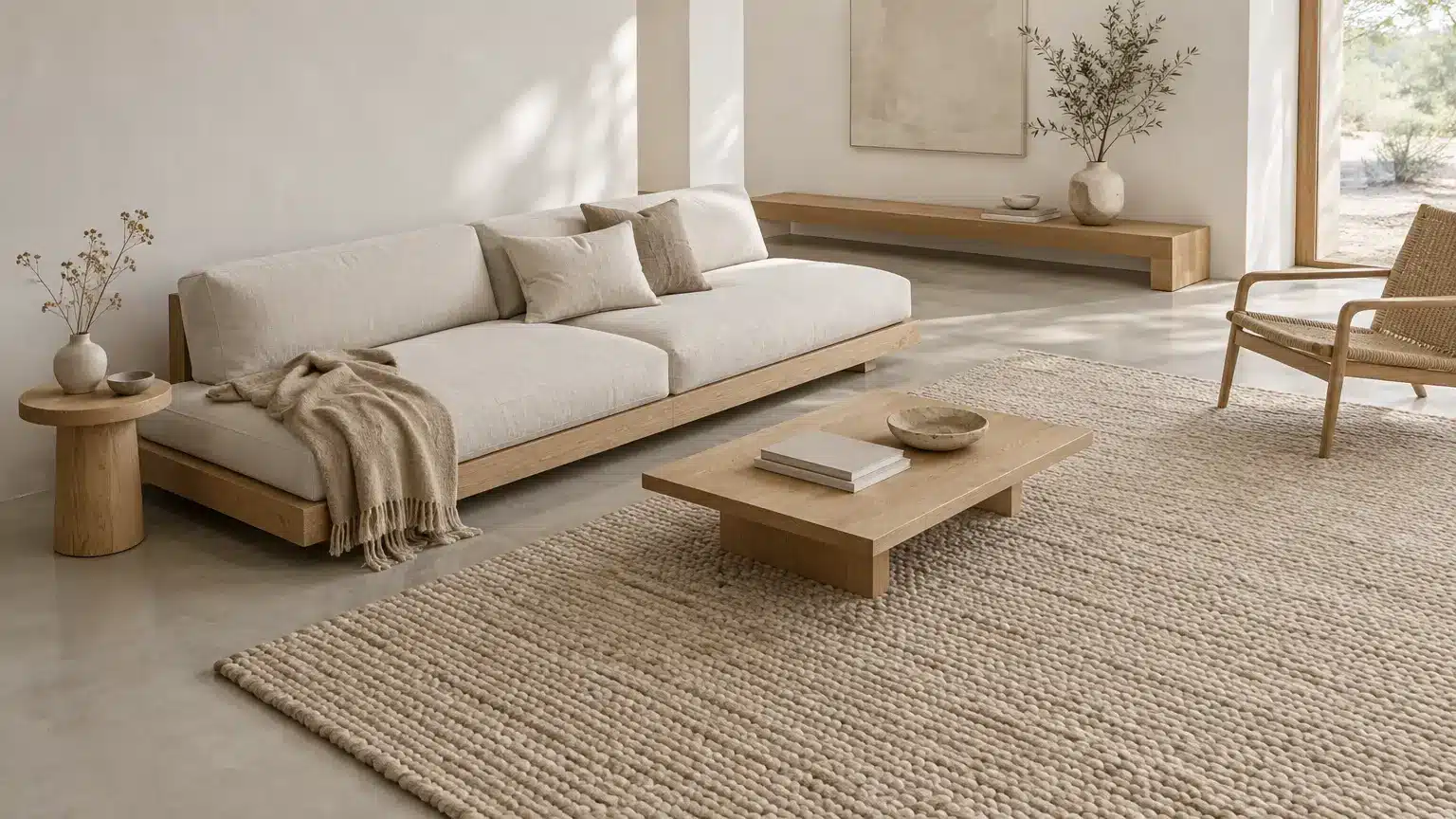

Fresh flowers can transform a room’s color palette, create focal points, and add personality to a space. But how can homeowners incorporate modern floral design ideas without investing in elaborate installations or expensive decor?
The possibilities range from a small arrangement on a dining table to large floral installations on a terrace or in a backyard. Much like in the fashion industry, new color combinations, materials, and design techniques often make their debut at professional trade shows before finding their way into everyday life.
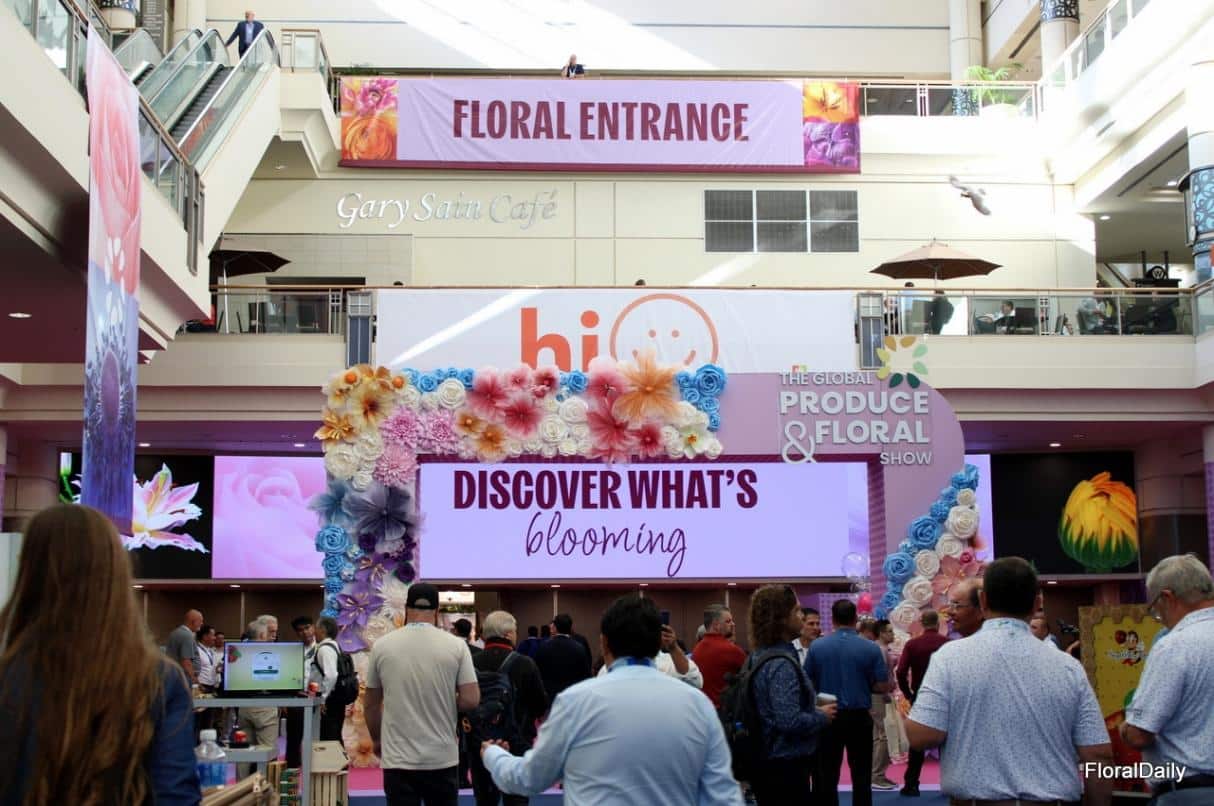
One such event was the Global Produce & Floral Show, organized by the International Fresh Produce Association (IFPA) from October 14 to 16, 2026, at the Orange County Convention Center in Orlando, Florida. The show brought together more than 1,000 exhibitors, including flower and plant growers, decorative accessory suppliers, and packaging manufacturers.
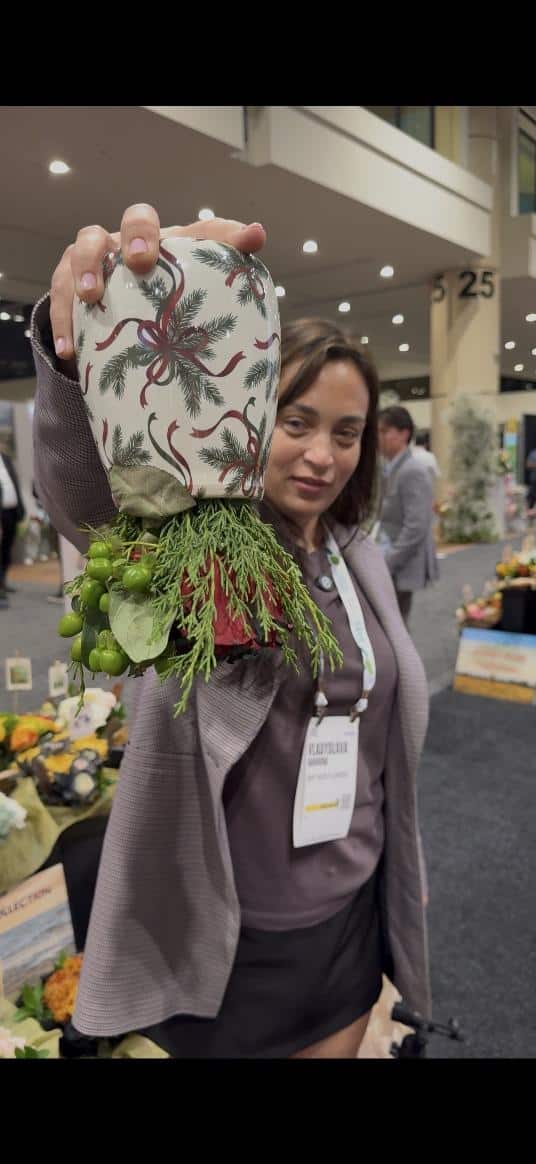
Among the attendees was Vladyslava Nahorna, an internationally experienced floral designer, owner of Why Not Flowers in Jacksonville, Florida, and member of the Association of Ukrainian Florists and the Society of American Florists (SAF). Drawing on her experience in floral design and landscaping, Nahorna identified several trends and shared how ideas from the professional floral industry can be adapted for homes and gardens.
Oversized Roses and Sophisticated Colors Offer an Alternative to Traditional Bouquets
One of the notable trends in contemporary floral design is the growing popularity of roses with large, densely petaled blooms and sophisticated color palettes. Even a few of these flowers can create a striking focal point in a room.
At the Orlando show, Nahorna was particularly interested in rose suppliers offering unusually large blooms, extensive color selections, and surprisingly affordable prices.
“The roses really impressed me. Some varieties had enormous blooms when fully open, and the range of colors immediately made me think of all the different ways they could be used in floral designs. What surprised me even more was that some of these roses cost less than the varieties I usually purchase with much smaller blooms. It’s an interesting trend because statement floral arrangements are becoming more affordable, and you don’t always need a lot of flowers to create something beautiful,” Nahorna says.
Ecuadorian rose growers offer a good example of the variety available in today’s floral market. Rosaprima’s fall 2026 collection, for instance, featured seven rose varieties: Intensity and Mamma Mia in rich red, the vibrant pink French Kiss, lavender-toned Shocking Blue and Moon River, dusty mauve Razzmatazz, and caramel-brown Toffee.
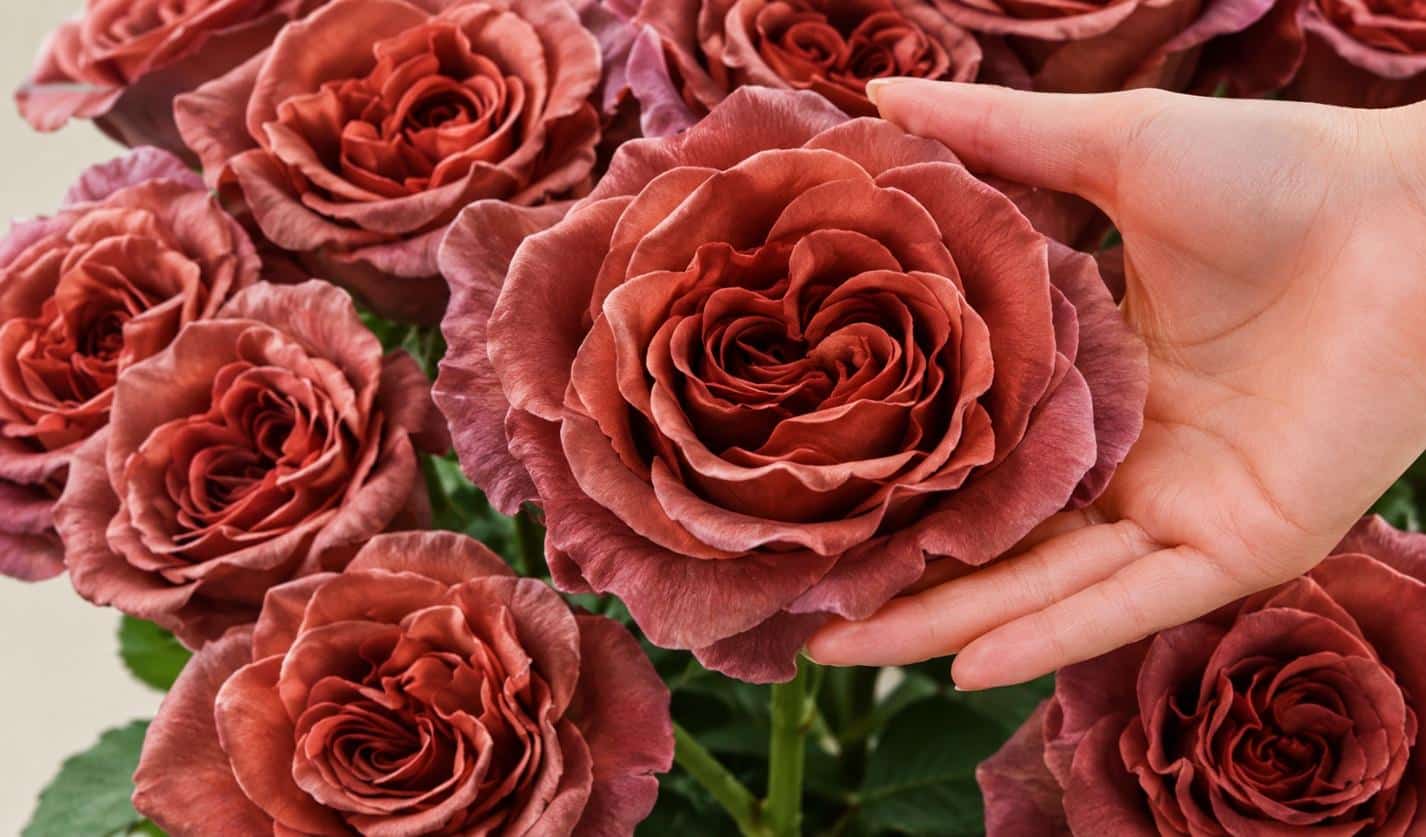
“What makes these roses especially appealing for home decor is their shape and color. Caramel and muted mauve shades pair beautifully with natural wood and neutral fabrics, while deep red or bright pink blooms can make a statement on a coffee table or console table,” Nahorna explains.
She believes homeowners should choose floral arrangements based on the space they’re decorating rather than traditional expectations of what a bouquet should look like.
“For a small table, I’d choose three to five large roses in similar shades instead of a big bouquet with lots of different flowers. It’s important to leave some space between the blooms so you can appreciate the shape of each one. Sometimes that kind of arrangement looks more interesting than a tightly packed, traditional bouquet,” Nahorna says.
Ready-Made Bouquets From Ecuador: Refreshing a Room Without Changing the Decor
Ecuador is one of the world’s leading exporters of cut roses. Thanks to its high-altitude growing regions and relatively consistent growing conditions, Ecuadorian farms supply flowers almost year-round, offering a wide selection of varieties and colors regardless of the season.
At the Orlando show, Nahorna was drawn to ready-made bouquets assembled directly on Ecuadorian farms according to predetermined specifications.
“I was interested in the option of ordering bouquets using a specific recipe, where you can choose the rose varieties, the number of stems, and the color combinations in advance. That’s especially convenient for home decor. You can create an arrangement that perfectly fits your space in terms of shape and size, then simply change the color palette. For example, you might use warm peach and burgundy tones in the fall, then switch to white and cream roses in the winter. It allows you to refresh your home’s floral decor regularly without changing the overall design concept. And if your florist offers this service, you can order fresh arrangements on a recurring basis, whether that’s weekly or every other week,” says Vladyslava Nahorna.
Spill-Proof Vases and Creative Designs: When Floral Decor Becomes Practical
Modern floral accessories aren’t just about aesthetics. Manufacturers are introducing products that make arrangements easier to transport, keep stems in place, and allow designers to create fuller displays with fewer flowers.
Among the products that caught Nahorna’s attention in Orlando were unconventional vases, spill-proof containers, and quick-packaging systems.
One example is the Grab Me! Non-Spill Vase from Dream Farms. Arrangements come ready to display with water already inside, while a specially designed, shatter-resistant container helps prevent spills during transportation. Available in several sizes, the vase is a practical option for decorating party tables, terraces, and event spaces where multiple arrangements need to be set up quickly.
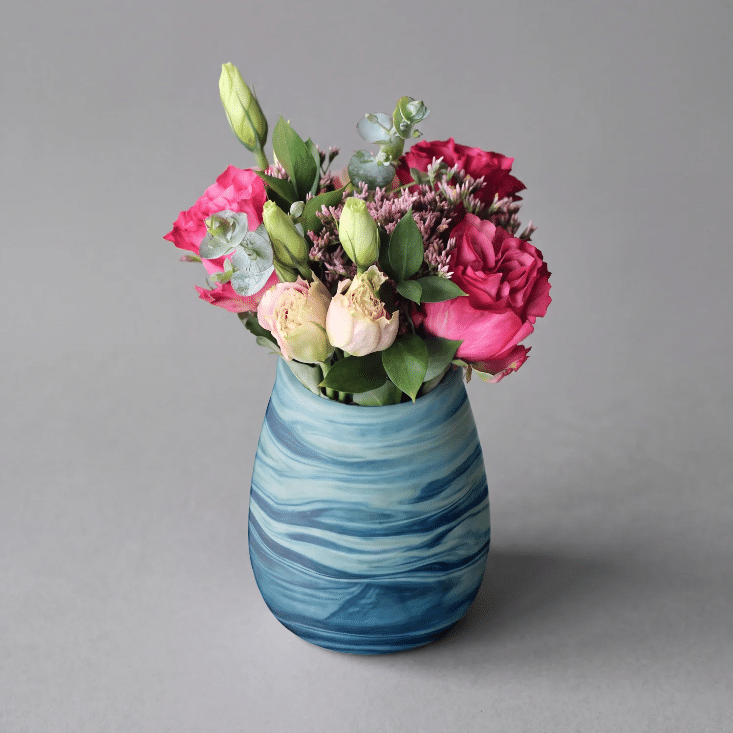
Another example comes from Accent Decor’s decorative collections. The waterproof Olivander Vase features a bold silhouette and textured surface resembling natural stone, making it suitable for both indoor and outdoor settings.
The tiered ceramic Ditsy Tulipiere, designed by artist Jessica Hiemstra, offers a different approach. Its multiple levels allow shorter flower stems to be arranged at varying heights, creating a full, dimensional display without requiring a large number of flowers.
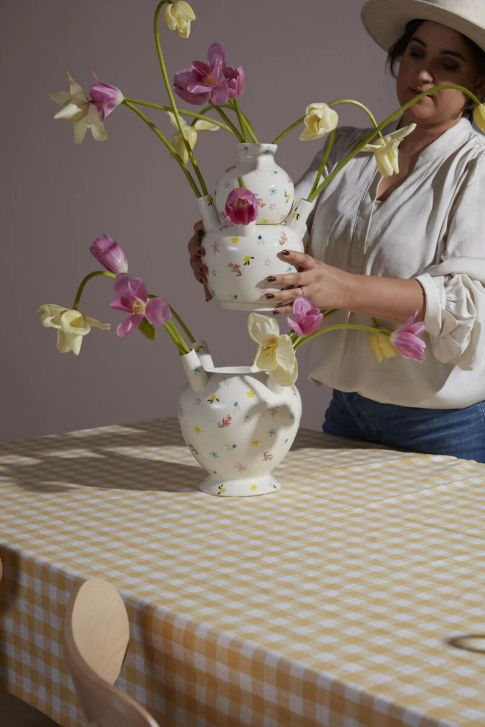
“I love floral accessories that are both beautiful and practical. A tiered vase, for example, lets you create a full-looking arrangement with just a few short stems, while a sturdy, spill-proof container makes transportation much easier. Sometimes choosing the right vase can change the way a bouquet looks more than adding extra flowers ever could,” Nahorna says.
For smaller spaces, she recommends narrow vases designed to hold just a few stems. Spacious living rooms can accommodate tall floor arrangements, while terraces and patios benefit from sturdy containers with wide bases.
From Tabletop Bouquets to Floral Installations in the Garden
While tabletop arrangements can refresh a home’s interior with small decorative touches, larger floral structures can transform an entire outdoor space, whether it’s a courtyard, terrace, or private garden.
At this fall’s Global Produce & Floral Show, several large-scale floral art installations attracted visitors’ attention. These included a flower-covered llama, a heart-shaped orchid display, a floral installation featuring a decorative throne decorated by Queens Bouquet Network and other sculptural creations. Together, they demonstrated how floral design can extend far beyond traditional bouquets.
This part of the exhibition was particularly meaningful to Nahorna.
“When I worked on landscaping projects in Ukraine and participated in a floral art installation festival, what interested me most was how plants could change the way people experienced a space. We had to consider scale, proportions, and how each installation looked from different angles. Now, when I see similar projects at major floral shows, I realize just how much floral art has evolved over the past few years. There are so many more interesting materials, shapes, and technical solutions available, and the selection of plants for bringing ambitious ideas to life is truly enormous,” Nahorna recalls.
However, she emphasizes the importance of distinguishing between interior floral decor and landscaping for a private property.
For living and dining rooms, tabletop arrangements, hanging floral elements, and decorative vases are generally enough to make an impact. Gardens, courtyards, and spacious terraces, on the other hand, offer opportunities for larger structures, living floral arches, vertical arrangements, and seasonal art installations.
Outdoor floral design also requires more than visual planning. Sun exposure, wind, rain, access to watering, and structural stability all need to be considered. Cut flowers are generally best suited for temporary installations, while permanent landscaping should rely on living plants adapted to the local climate.
“You don’t need to recreate an entire exhibition installation at home. You can take one interesting design technique and incorporate it into a smaller arrangement. But if you’re working with a large private property, you have the opportunity to explore volume and the architecture of the space. The key is making sure a floral installation isn’t just beautiful but also appropriate for the conditions where it will be displayed,” Nahorna explains.
Floral Design Is Becoming Part of Everyday Life
The innovations showcased at the Global Produce & Floral Show 2026 highlight several directions in floral decor, including a wider variety of flower types and colors, ready-made arrangements, functional accessories, and more adventurous approaches to spatial design.
For homeowners, these developments open up new decorating possibilities, from displaying a few unusual roses in a small vase to creating custom floral installations in the garden.
According to Vladyslava Nahorna, the value of professional trade shows goes beyond discovering new ideas. They also introduce practical solutions that make floral decorating more accessible and convenient.
“When I attend shows like this, I’m not just looking for new trends to bring into my flower shop. I’m also paying attention to ideas that people can actually use at home. I really appreciate an approach to decorating that doesn’t require complicated preparation or constant maintenance. After all, flowers should bring joy, not become another chore. It’s encouraging to see manufacturers recognizing that, too, and offering more ready-to-use, practical solutions,” Nahorna concludes.