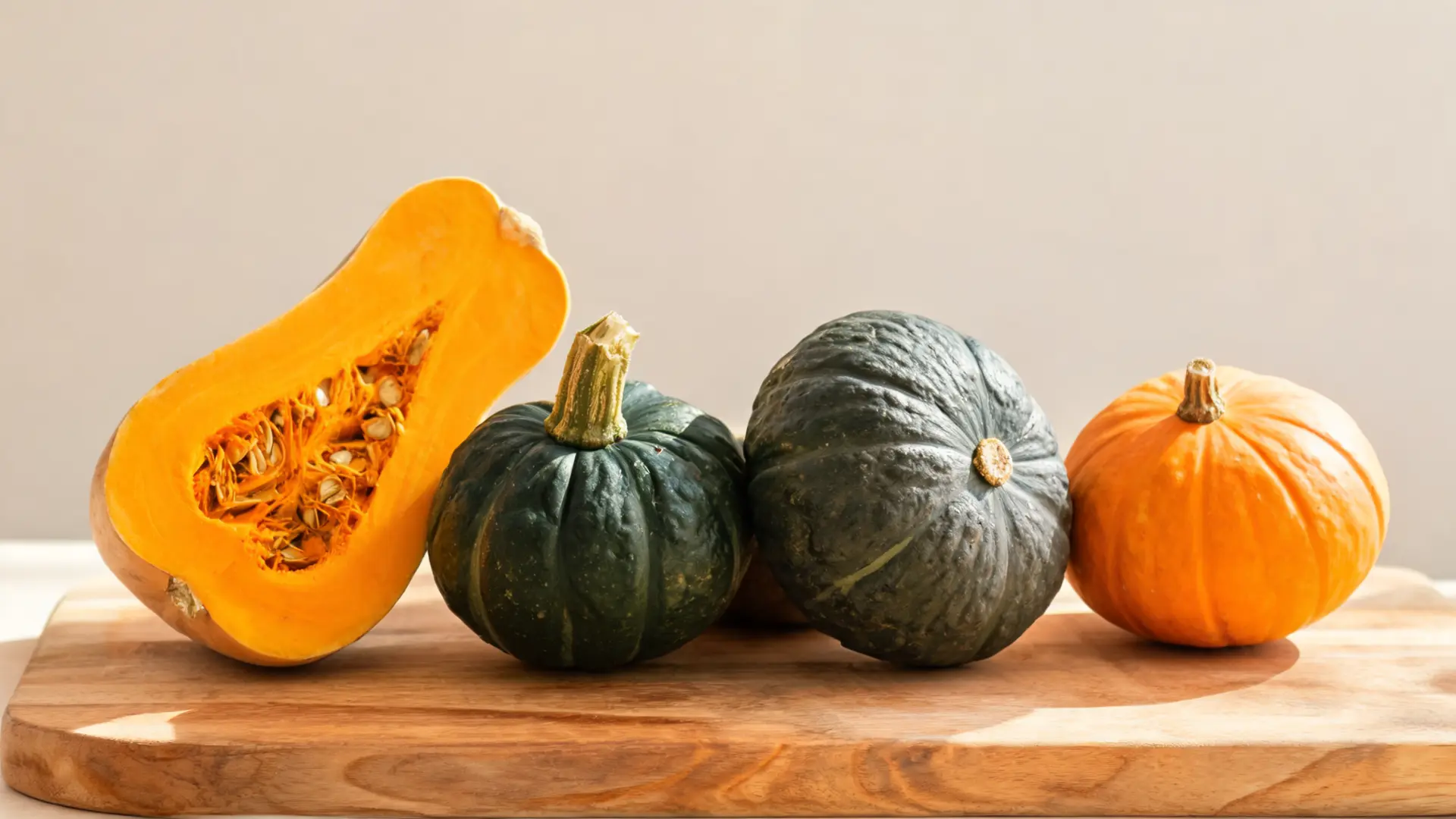
Have you ever picked up a squash at the store, brought it home, and been unsure of how to prepare it?
Many shoppers believe all winter squash taste alike, but the reality is quite different.
Some are sweet enough to swap for dessert. Others turn stringy like noodles.
A few need roasting low and slow, while some cook in half the time. Choosing the wrong ingredient often results in bland soup or a squash that does not soften properly.
Understanding winter squash varieties matters. And that is exactly why we are here; this blog gathers what makes each one unique and how to get the most out of every single one.
Winter Squash Varieties at a Glance
Texture, flavor, and nutrition differ across popular varieties, even before considering size or shape.
| Variety | Texture | Flavor | Key Nutrients |
|---|---|---|---|
| Butternut | Smooth, dense | Sweet, mildly nutty | Vitamin A, fiber |
| Acorn | Slightly fibrous | Mild, nutty | Vitamin C, potassium |
| Spaghetti | Stringy, watery | Neutral | Lowest calories and carbs |
| Kabocha | Dry, starchy | Sweet, earthy | Beta-carotene, fiber |
| Delicata | Creamy, soft | Sweet, corn-like | Vitamin A, fiber |
| Honeynut | Dense, smooth | Concentrated sweetness | High beta-carotene |
| Buttercup | Dry, dense | Sweet, rich | Vitamin A, potassium |
| Hubbard | Dry, firm | Mild, earthy | Fiber, potassium |
How to Pick Winter Squash Varieties?
Choosing a quality winter squash involves a few simple checks.
Begin by examining the color. Seek out deep, vibrant hues and dull, matte skin.
Shiny skin usually indicates the fruit was harvested too early. When selecting, lift it gently. It should feel heavy relative to its size, which signals dense, moisture-rich flesh rather than a dried-out interior.
Check the stem. A dry, firm, intact stem means the squash was cured properly and will store well.
Skip anything with soft spots, cracks, or mold near the stem. These are early signs of spoilage
How to Cut and Prep Winter Squash Safely?
Cutting into a raw winter squash can feel like a workout, especially with tougher varieties like Hubbard or kabocha.
A few simple steps make it much safer and easier.
Begin by gently softening the squash. Microwave it whole for 2–3 minutes or quickly oven-bake it to loosen the skin.
Use a sharp, sturdy chef’s knife rather than a small paring knife to avoid slipping. Place the squash on a stable, flat surface, cutting a thin slice off one side first so it sits flat. Then cut straight down from stem to base.
Once halved, scoop out the seeds and stringy pulp with a sturdy spoon before cooking.
Winter Squash Varieties to Know
Winter squash comes in more shapes, colors, and flavors than most people realize. Some are sweet enough to pass for dessert, while others are dense, earthy, and built for slow-cooked comfort.
This provides a closer look at seventeen varieties worth adding to your kitchen this season:
1. Butternut Squash
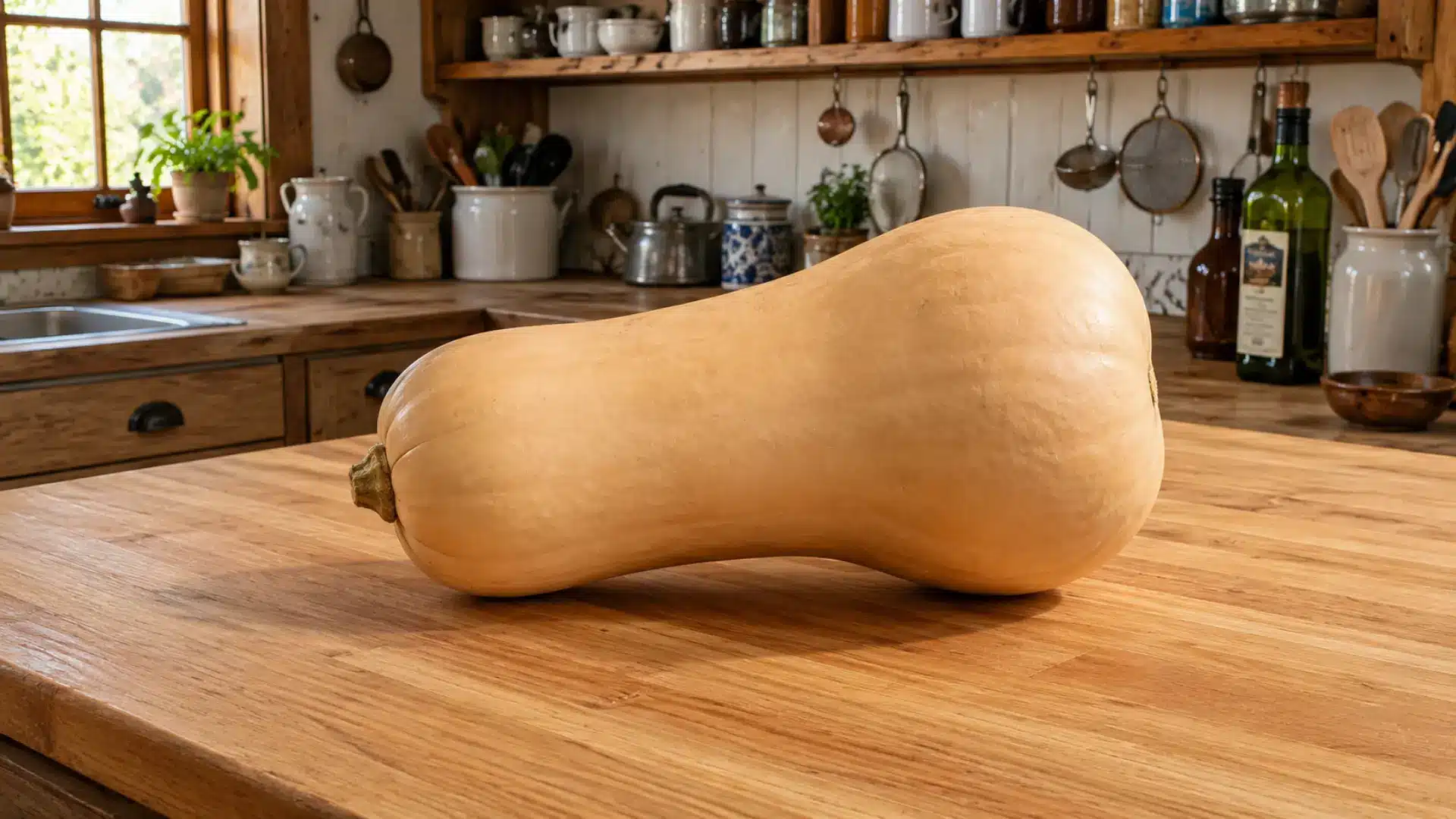
Butternut squash has a pale tan, bottleneck-shaped exterior with dense, sweet, deep orange flesh.
Its tough skin is inedible raw but softens fully once roasted. It stores well for 2–3 months in a cool, dry space. Developed in Massachusetts in the 1940s, it became the standard grocery-store squash.
Seeds cluster in the round base, leaving the neck mostly solid.
Because it is grown commercially at scale, it is usually the most affordable variety.
- Ideal Use: Roast, puree
- Popular Recipes to Try: Butternut squash soup, roasted butternut salad
For the best flavor, roast it with sage and brown butter, finishing with a touch of nutmeg just before serving.
2. Acorn Squash
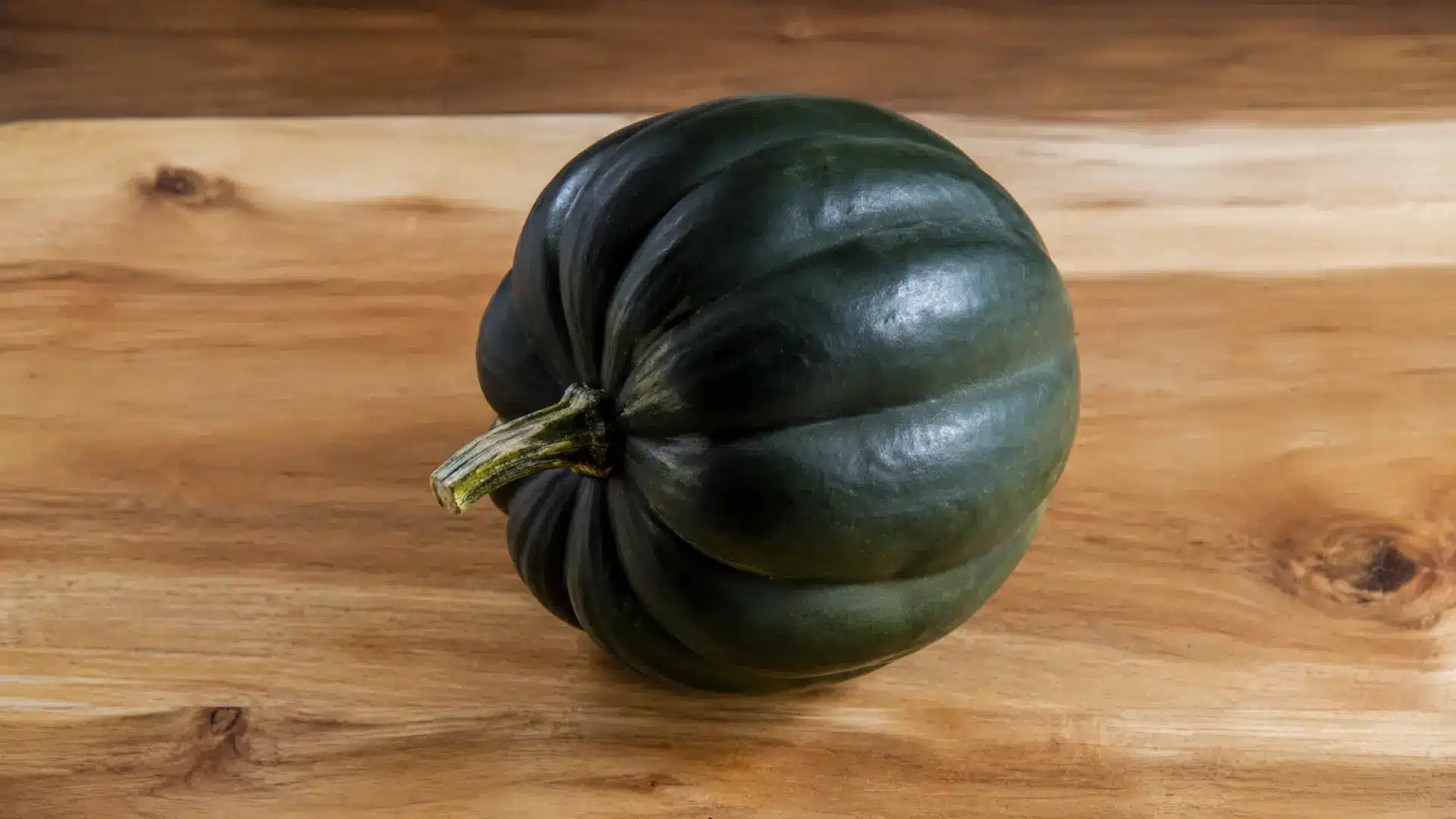
Acorn squash is small, ribbed, and dark green, with pale orange flesh carrying a mild, nutty sweetness.
Its skin softens when roasted and can be eaten.
It stores for 1–2 months. It matures faster than wide varieties, often ready within 80 days.
The ribbed exterior naturally divides into wedge-shaped portions once cut, and its bowl-like cavity holds fillings well, making it a common pick for stuffed, single-serving dishes.
- Ideal Use: Bake, stuff
- Popular Recipes to Try: Stuffed acorn squash with quinoa, maple-baked acorn squash
Try drizzling it with maple syrup and topping with toasted walnuts for a warm, comforting finish.
3. Kabocha Squash
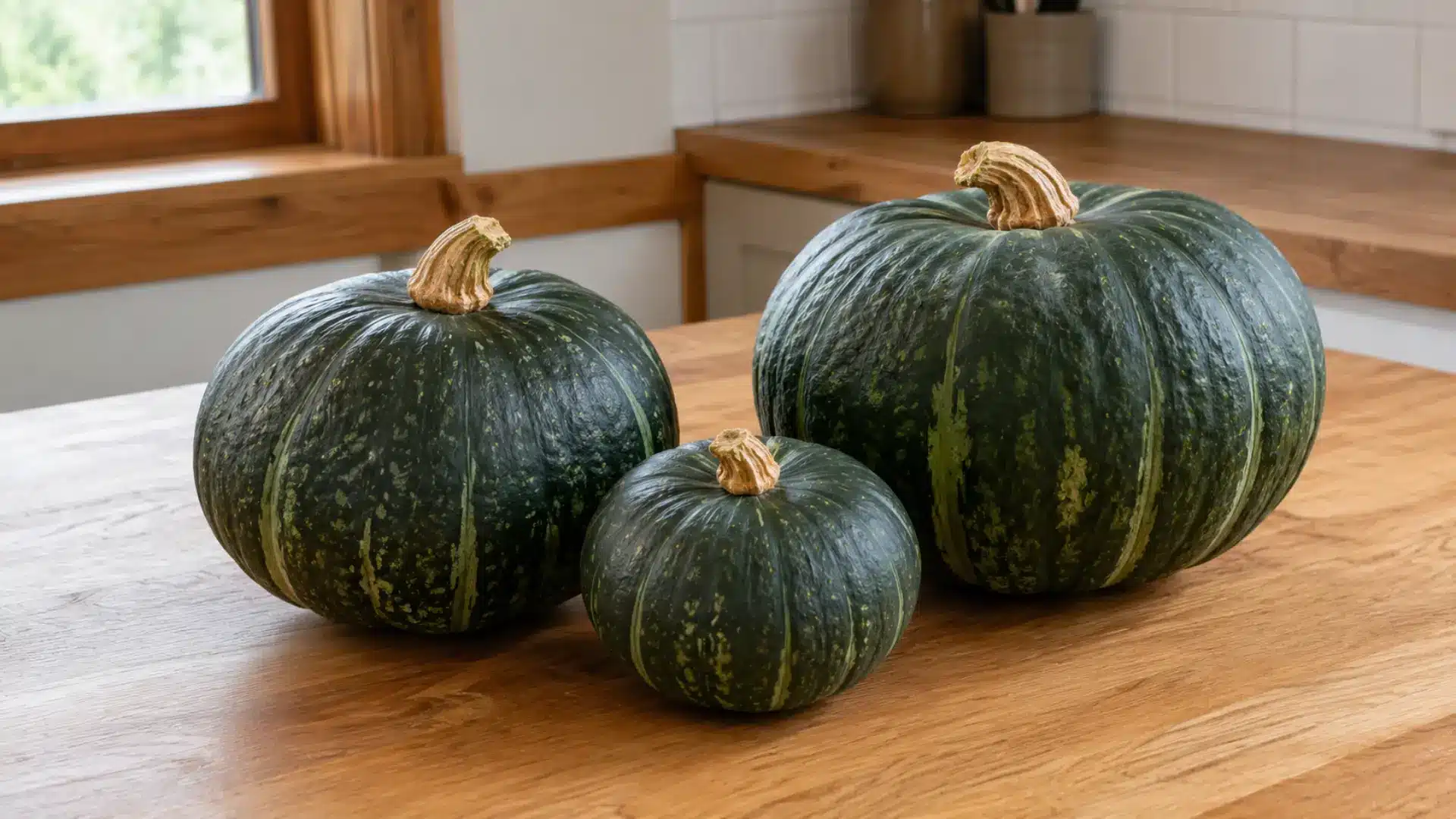
Kabocha squash has a deep green, bumpy exterior surrounding dense, chestnut-like flesh with a sweet, starchy character. Its skin is thin, edible, and softens nicely when cooked.
It keeps for 1–3 months and is a staple in Japanese cooking, especially tempura.
It originated in Japan, where curing it for a couple of weeks after harvest concentrates its natural sugars. The dense flesh holds its shape well in stews.
- Ideal Use: Roast, simmer
- Popular Recipes to Try: Japanese kabocha tempura, kabocha squash curry
Simmering it in a light broth with miso and ginger brings out its natural sweetness beautifully.
4. Spaghetti Squash
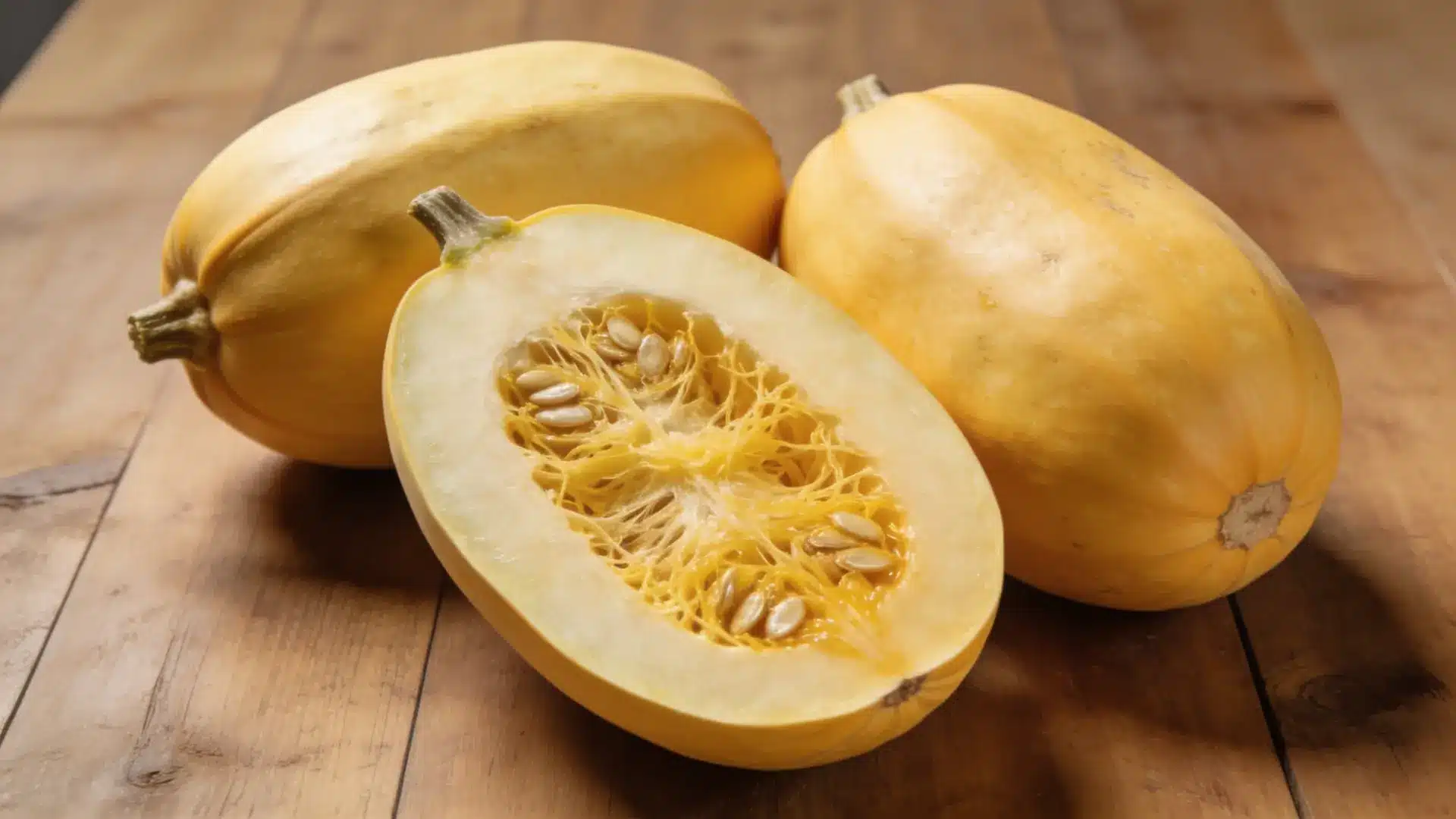
Spaghetti squash is oval-shaped with pale yellow skin and mild, watery flesh that separates into noodle-like strands once cooked. The skin is tough and not eaten. It stores for 1–2 months and works as a low-carb pasta substitute.
Roasting it cut-side down releases excess moisture, keeping the strands firmer.
Its seeds cluster centrally, similar to a pumpkin’s, and it naturally carries a low glycemic index.
- Ideal Use: Bake, microwave
- Popular Recipes to Try: Spaghetti squash with marinara, garlic butter spaghetti squash
A simple toss with garlic, parmesan, and fresh basil turns it into a light, satisfying meal.
5. Delicata Squash
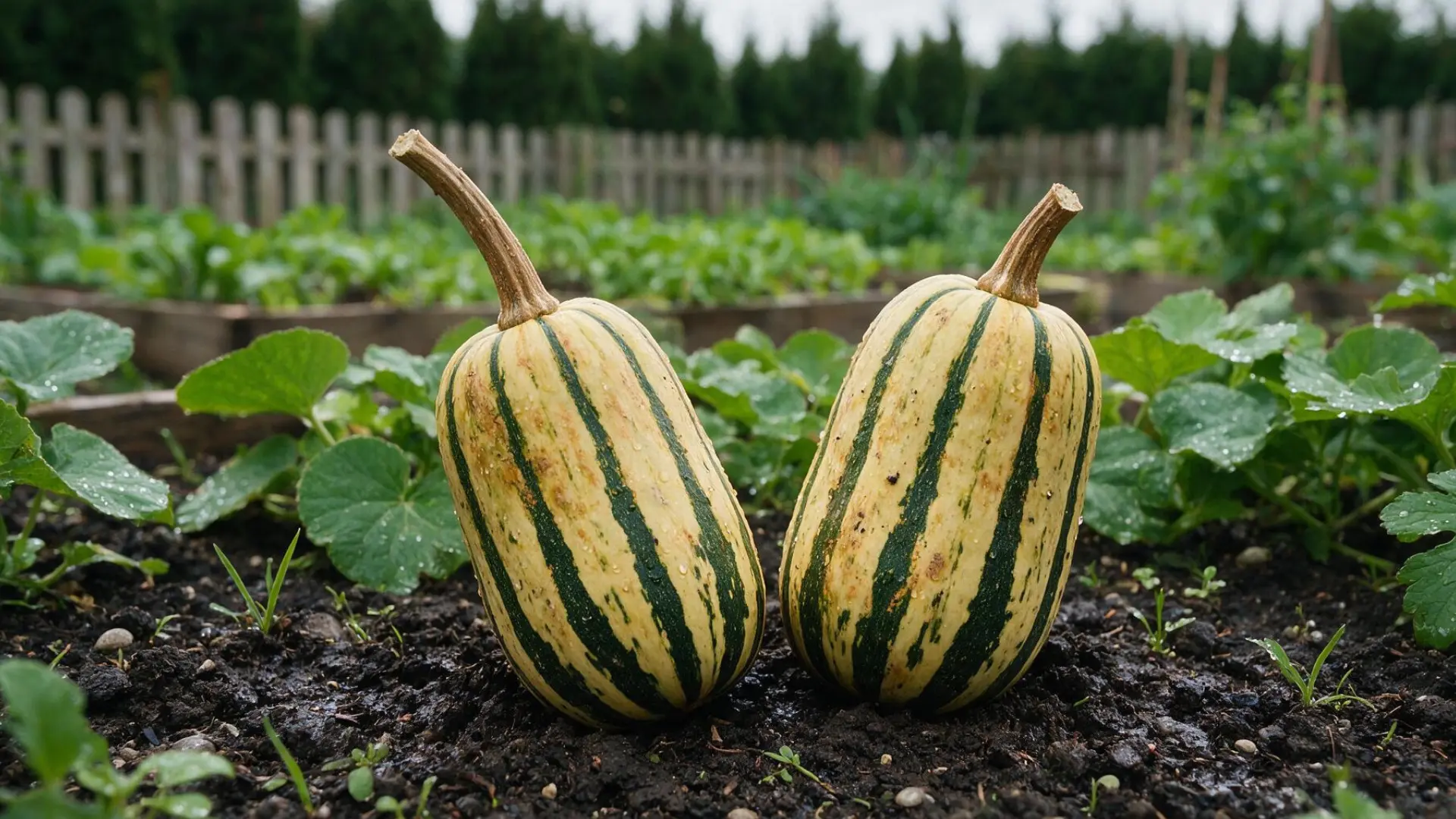
Delicata is cylindrical with cream-and-green striped skin and sweet, creamy flesh reminiscent of sweet potato.
Its skin is thin enough to eat once roasted. It has a shelf life of only 1–3 weeks, so it’s best cooked soon after purchase. It is sometimes called sweet potato squash for its flavor.
The seeds can be roasted and eaten as a snack, and its small size slices into rings easily.
- Ideal Use: Roast, sauté
- Popular Recipes to Try: Roasted delicata squash rings, delicata squash salad
A squeeze of lime with chili flakes and fresh cilantro adds a nice contrast to its natural sweetness.
6. Honeynut Squash
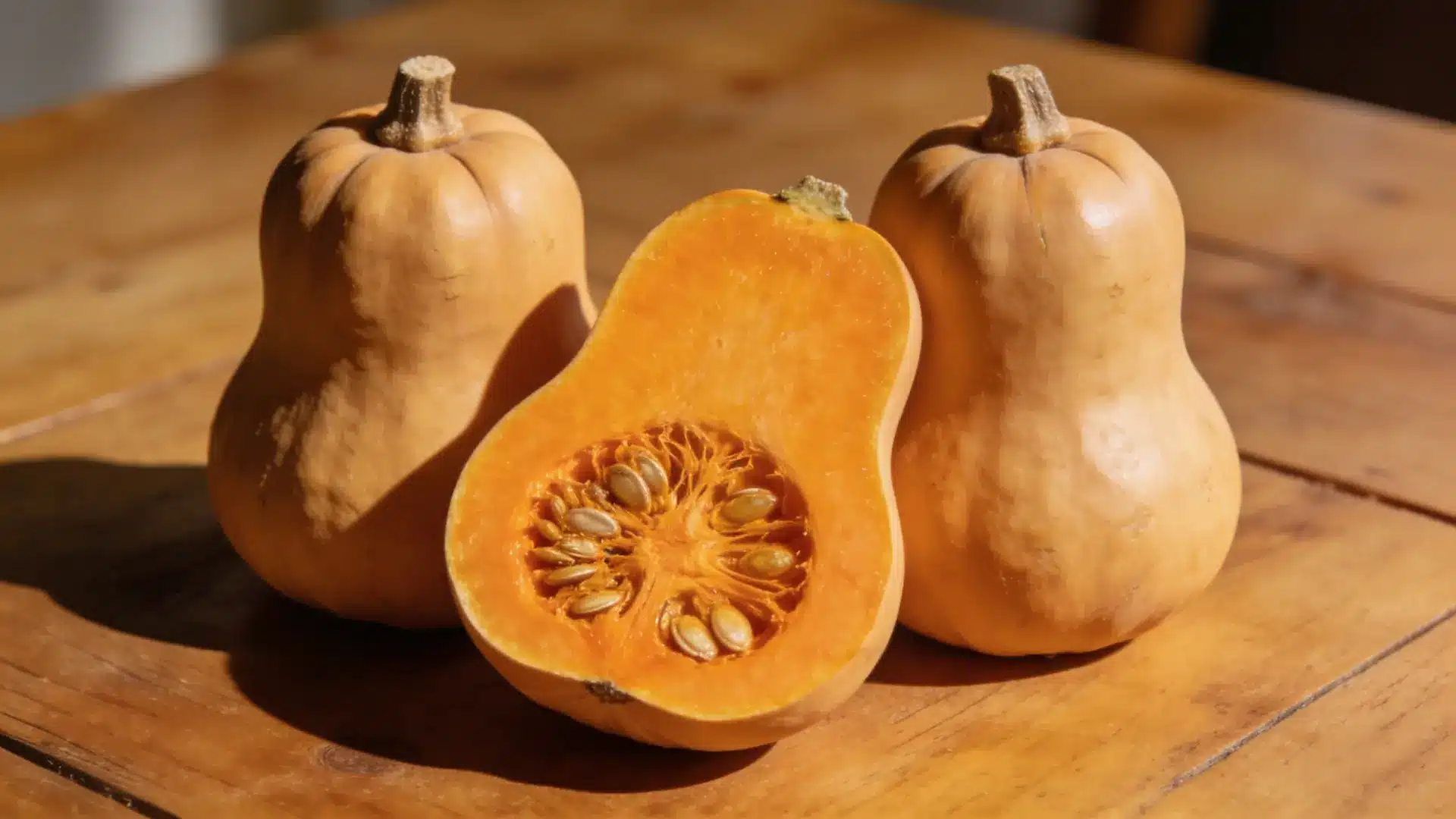
Honeynut squash is essentially a miniature butternut, with tan skin and sweeter, richer orange flesh.
Its thin skin becomes tender and edible once roasted. It stores for 1–2 months, and its small size suits single servings.
It was bred by a plant scientist working with a chef to create a smaller, sweeter butternut. I believe it carries more beta-carotene than standard butternut, though that’s worth verifying against a nutrition source.
- Ideal Use: Roast whole
- Popular Recipes to Try: Maple-roasted honeynut squash, honeynut squash soup
Roasting it with brown sugar, thyme, and a drizzle of olive oil brings out its natural caramel notes.
7. Buttercup Squash
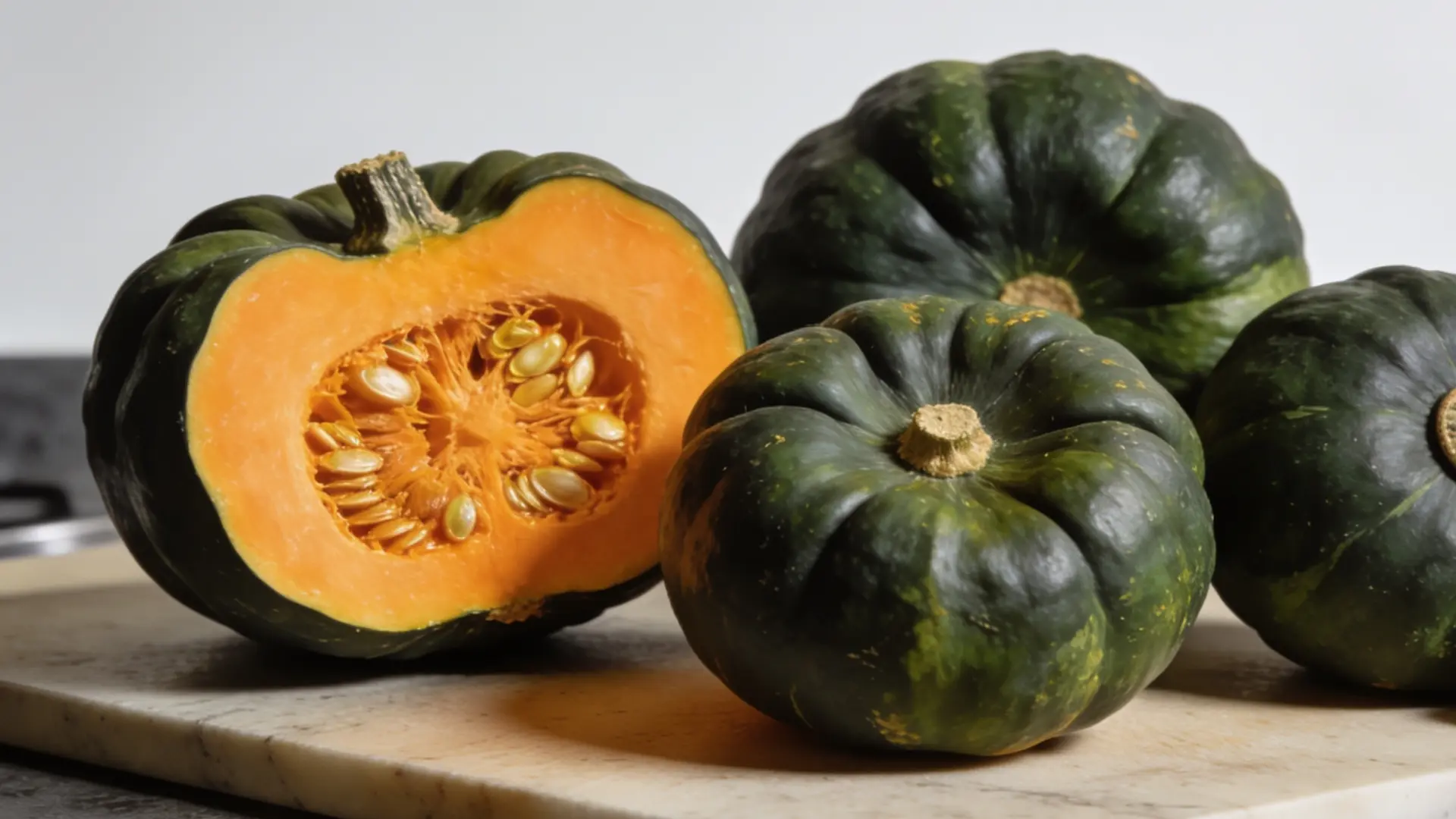
Buttercup squash is squat and dark green, marked by a small gray button on its blossom end, with sweet, dry, dense orange flesh. Its thick skin is usually removed after cooking.
It stores well for 2–3 months and mashes to a texture close to sweet potato.
The button shape gives the variety its name and sets it apart from turban squash. It is closely related to kabocha but tends to taste sweeter.
- Ideal Use: Bake, mash
- Popular Recipes to Try: Buttercup squash mash, buttercup squash pie
Stirring in butter with cinnamon and a pinch of allspice makes for a warm, comforting side dish.
8. Red Kuri Squash
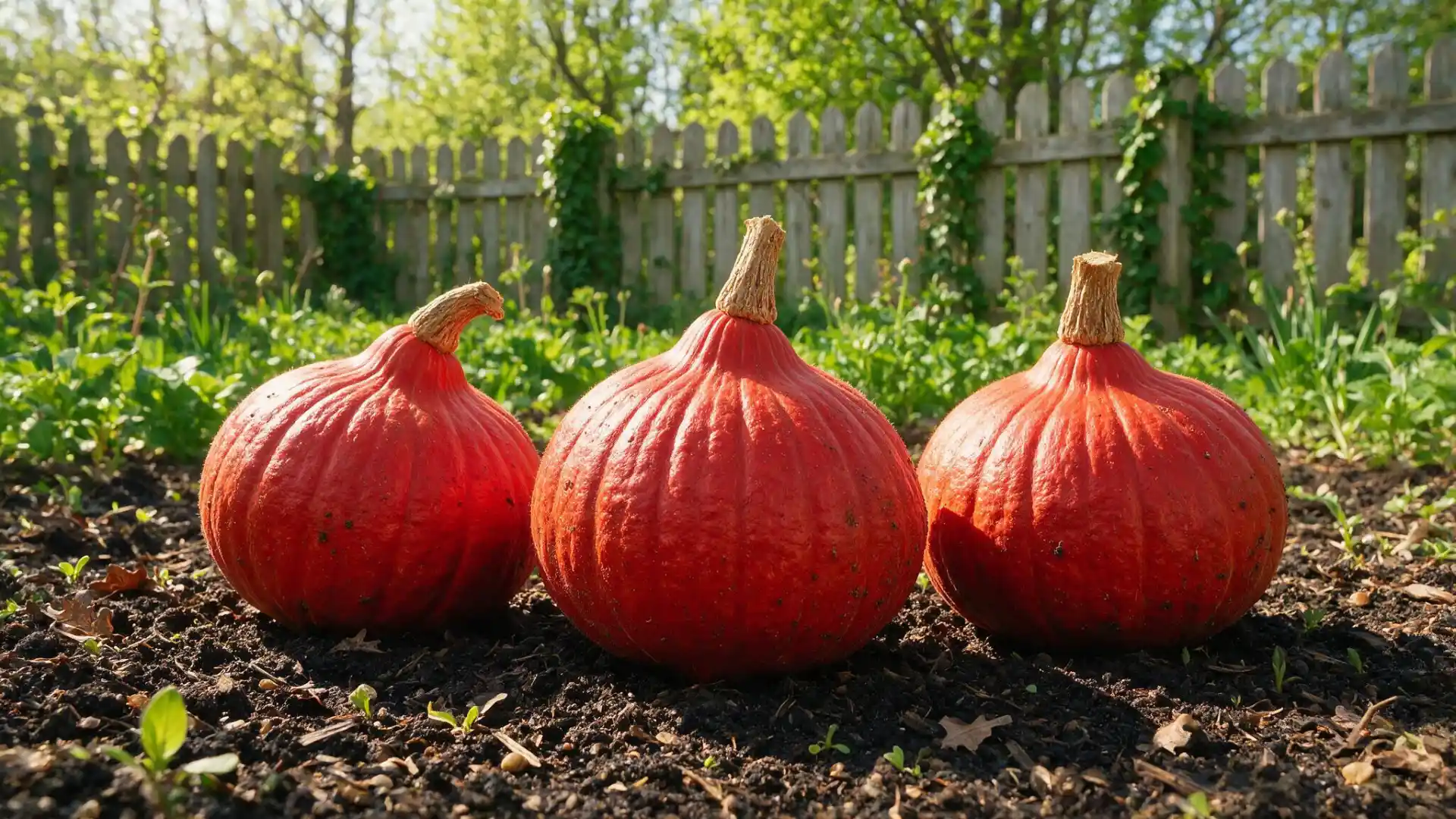
Red kuri squash, often called Hokkaido pumpkin, has a smooth, teardrop-shaped orange-red exterior with sweet, chestnut-like flesh that lacks the stringiness found in some other varieties.
Its thin skin softens fully when cooked and can be eaten without issue.
It stores for 2–3 months and adapts easily to both sweet and savory recipes alike.
- Ideal Use: Roast, simmer
- Popular Recipes to Try: Red kuri squash soup with coconut milk, roasted red kuri wedges
Simmering it with coconut milk and warm curry spices makes for a rich, comforting bowl of soup.
9. Hubbard Squash
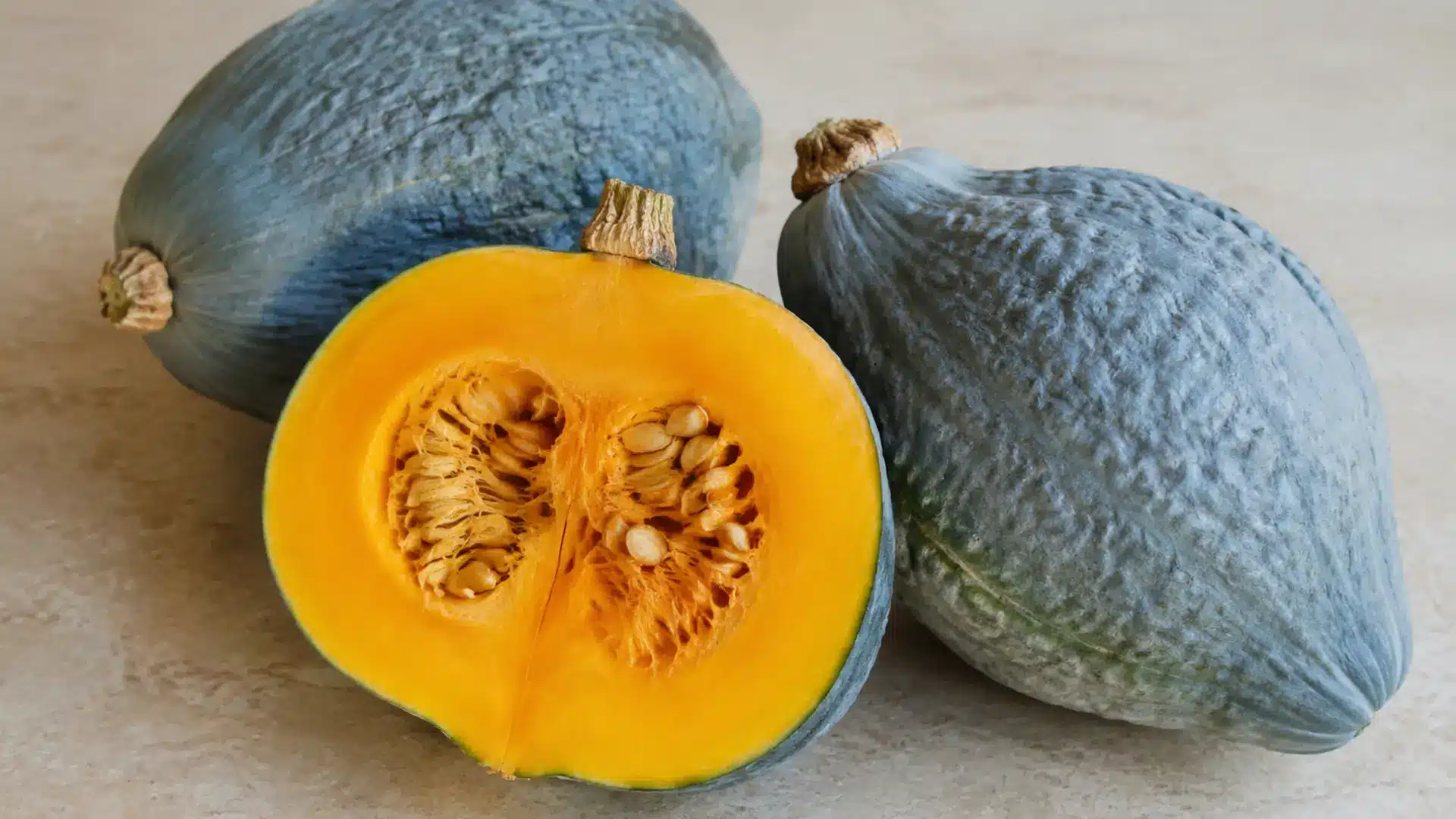
Hubbard squash is large and teardrop-shaped, appearing in blue-gray, orange, or green tones with thick, bumpy skin. The dense, dry flesh carries a flavor close to sweet potato. It stores exceptionally well, often for 5–6 months.
It is one of the oldest squash varieties grown in the 1800s.
Markets sell large pre-cut squash, with cans over 15 pounds, and some cooks open the rind with a mallet.
- Ideal Use: Bake, puree
- Popular Recipes to Try: Hubbard squash pie, hubbard squash soup
Blending the puree with nutmeg, brown sugar, and a splash of cream makes an excellent pie filling.
10. Turban Squash
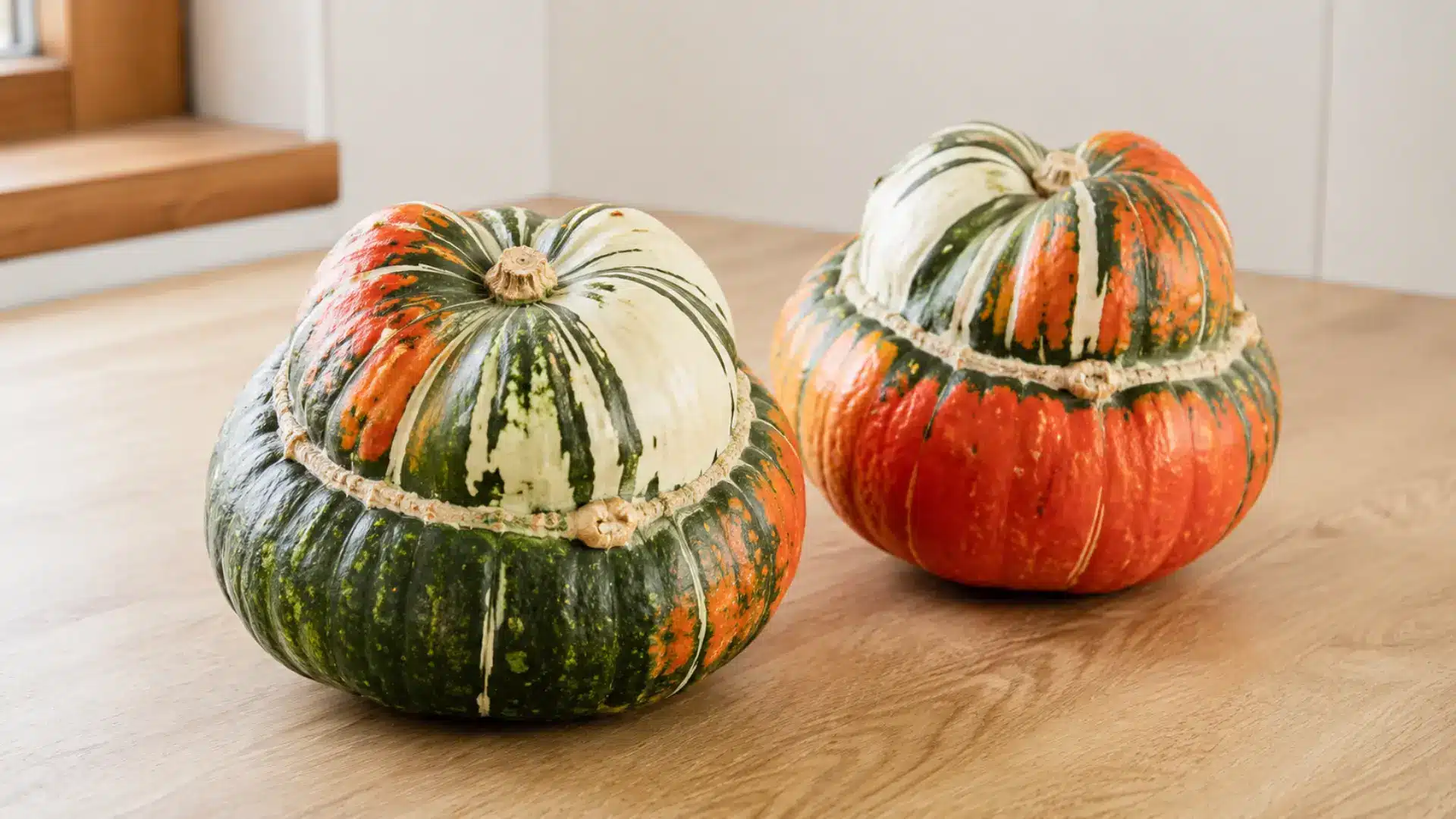
Turban features a turban-like shape with green, orange, and white patches, often serving as a centerpiece.
Its mildly sweet flesh resembles buttercup squash.
It stores for 2–3 months. It’s grown as often for decoration as for eating, especially around fall table displays, and its unusual shape makes it harder to find in mainstream grocery stores.
Harvesting before the first hard frost preserves its color.
- Ideal Use: Roast, stuff
- Popular Recipes to Try: Stuffed turban squash, roasted turban squash wedges
Roasting it with rosemary, garlic, and a dusting of parmesan makes for an elegant side dish.
11. Sugar Pumpkin
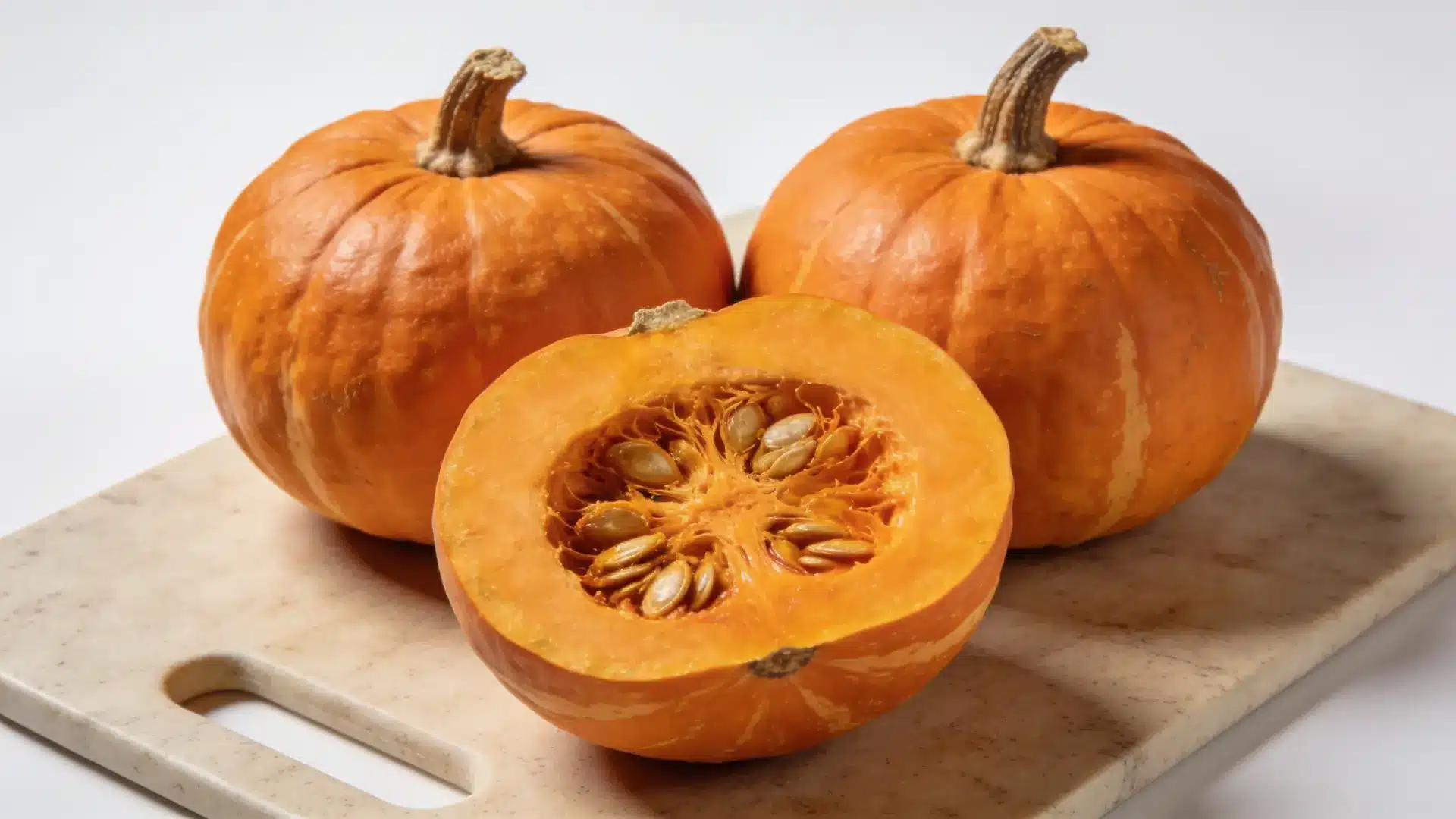
Sugar pumpkins are small, round, and deep orange, with sweeter, less stringy flesh than typical carving pumpkins.
Their thin skin is removed before or after roasting. They store for 2–3 months and are preferred for baking and purées. Also known as pie pumpkin, it’s bred for cooking rather than carving.
Its denser flesh needs less water cooked off when making purée, and its smaller size is easier to handle.
- Ideal Use: Bake, puree
- Popular Recipes to Try: Homemade pumpkin pie, pumpkin puree soup
Adding cinnamon, cloves, and a touch of maple syrup to the puree brings out its natural warmth.
12. Carnival Squash
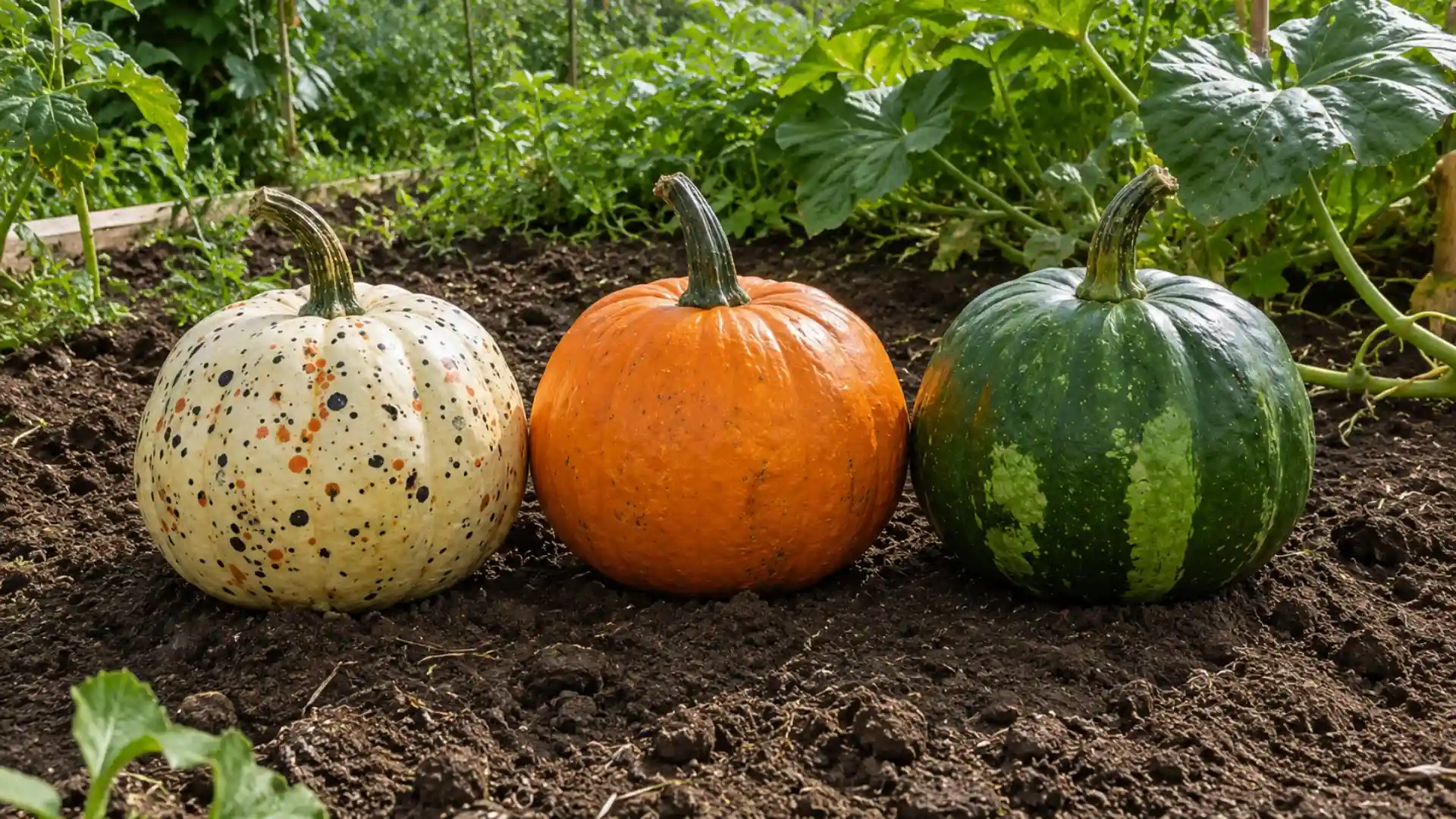
Carnival squash is a colorful acorn-squash hybrid, speckled with cream, orange, and green skin surrounding mildly sweet, nutty flesh. Its skin becomes edible once fully roasted. It has a shelf life of about a month.
It was bred by crossing acorn and sweet dumpling squash for a decorative result.
Because of its short shelf life, it’s best used within a few weeks, and it matures relatively quickly in the garden.
- Ideal Use: Roast, stuff
- Popular Recipes to Try: Stuffed carnival squash with wild rice, roasted carnival squash halves
Topping it with sage, brown butter, and toasted pecans makes for a rich, nutty finish.
13. Sweet Dumpling Squash
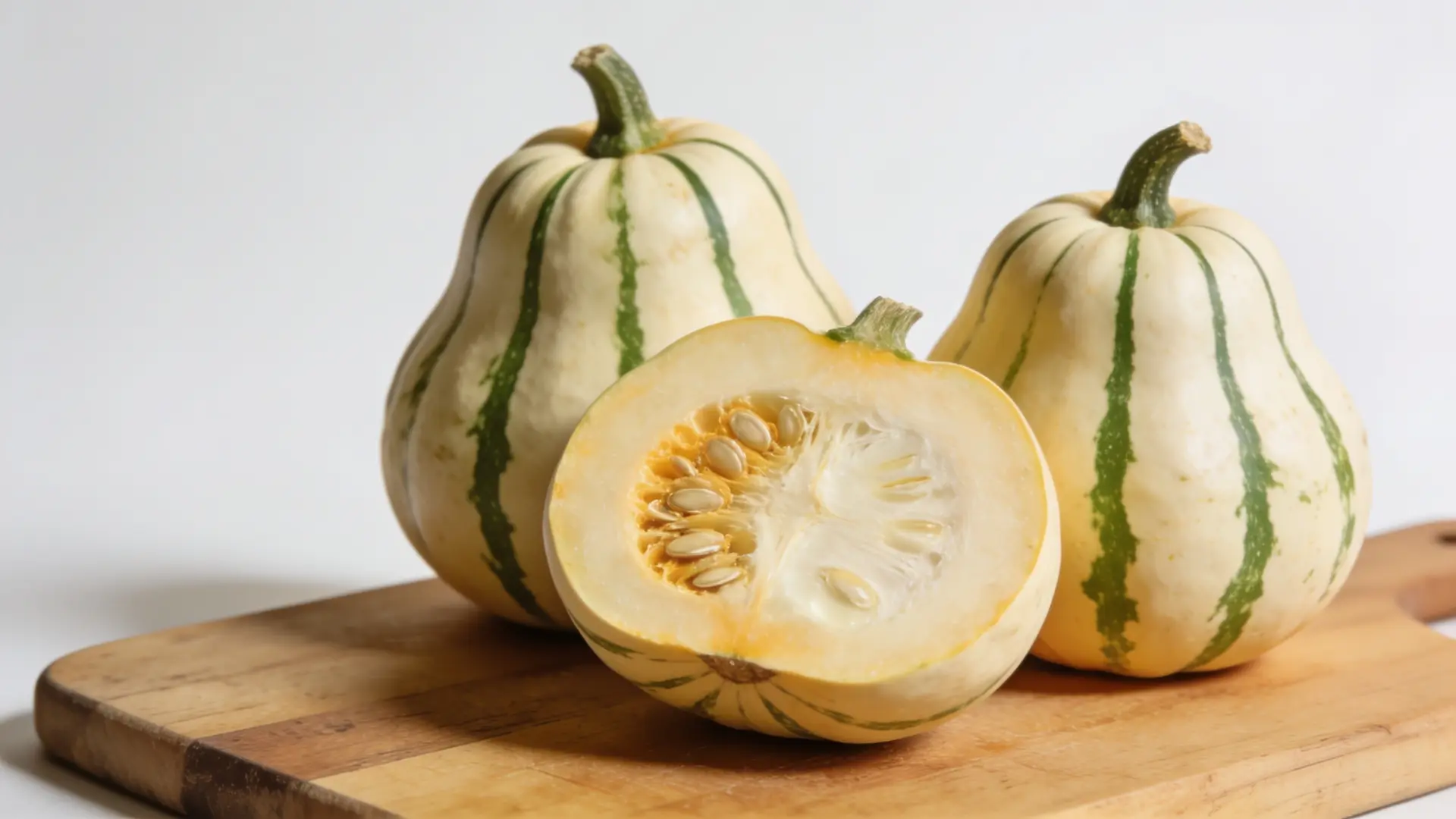
Sweet dumpling squash is small, round, and cream-colored with green stripes, holding tender, sweet flesh similar to sweet potato. Its thin skin turns fully edible once roasted. It stores for 2–3 months and suits individual portions.
It’s an heirloom, so seeds saved from a ripe squash typically grow true to the parent plant.
Its compact vines take up less space, suiting small gardens, and its small size means shorter roasting times.
- Ideal Use: Roast whole
- Popular Recipes to Try: Sweet dumpling squash stuffed with sausage, roasted sweet dumpling halves
Filling it with sausage, apple, and fresh sage creates a well-balanced, hearty dish.
14. Green Hubbard Squash
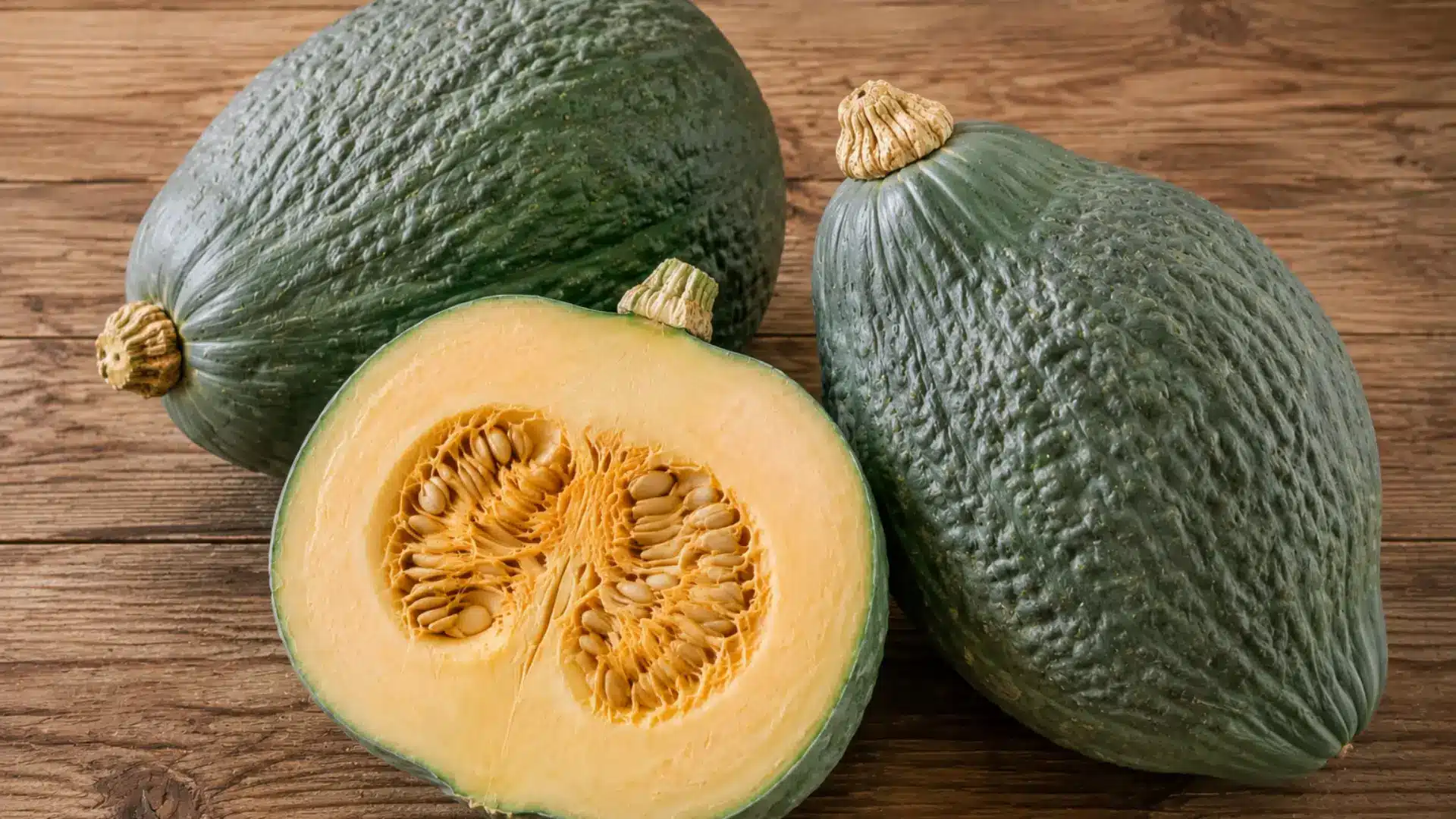
Green Hubbard squash has thick, green, bumpy skin and pale orange flesh with a mild, slightly sweet flavor.
It’s known for excellent keeping quality, often lasting 5–6 months when stored properly, making it dependable for cooking through winter. It’s more compact than other Hubbard types, easier to lift and store.
Its rind still requires a sturdy knife, and home gardeners often prefer it for ease of handling.
- Ideal Use: Bake, simmer
- Popular Recipes to Try: Hubbard squash casserole, hubbard squash soup
Simmering it with thyme, cream, and a touch of black pepper makes a smooth, comforting soup.
15. Banana Squash
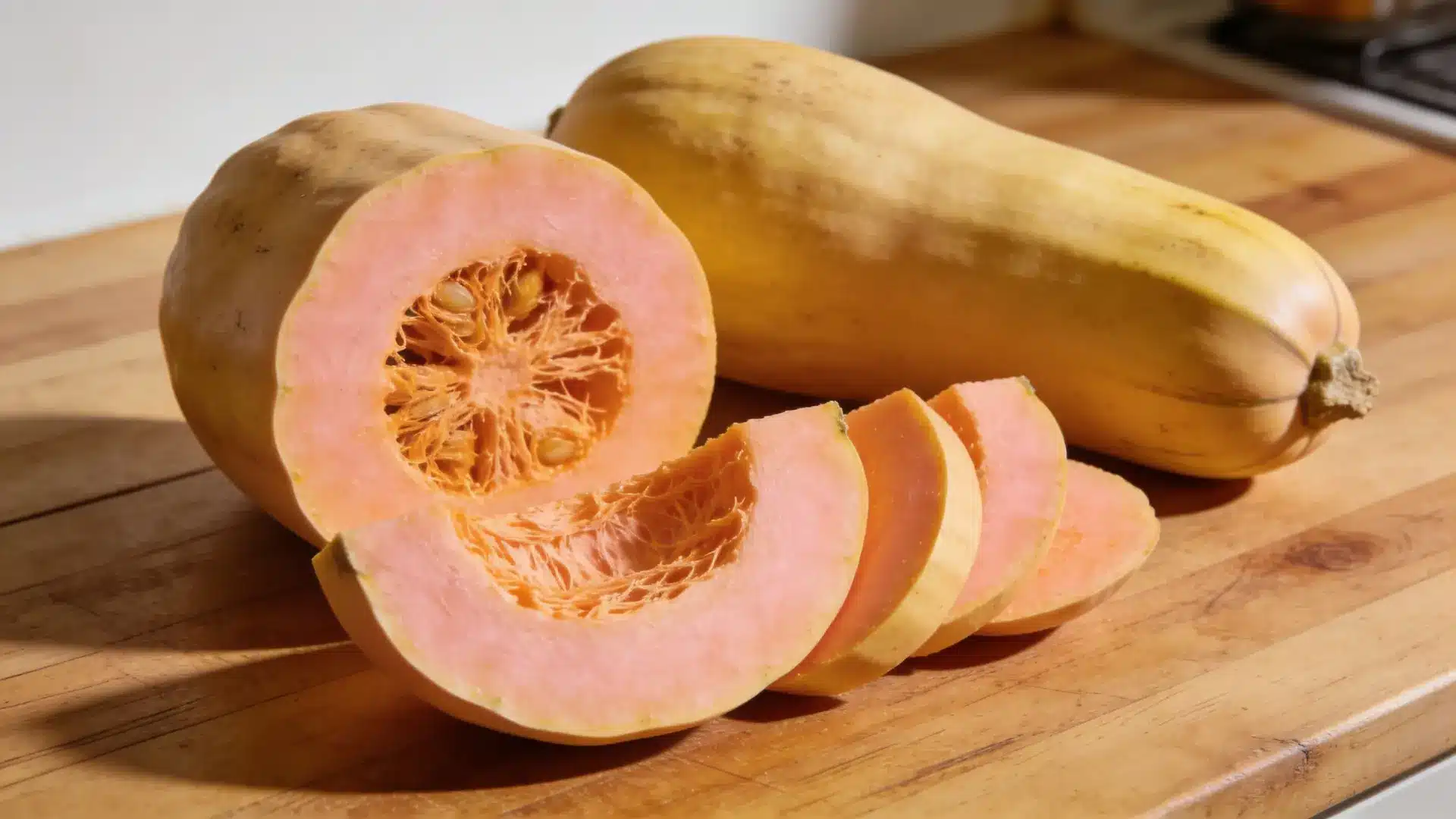
Banana squash is long and cylindrical, with pale orange-pink skin and moist, sweet flesh.
Because of its large size, it is often sold pre-cut in stores rather than whole.
It stores for 2–3 months and purées smoothly. A single squash can weigh several pounds, sometimes over ten, so stores often shrink-wrap it into smaller portions.
It grows especially well in cooler climates like the Pacific Northwest.
- Ideal Use: Bake, puree
- Popular Recipes to Try: Banana squash bread, banana squash casserole
Blending it with vanilla, brown sugar, and chopped pecans works especially well in baked recipes.
16. Golden Nugget Squash
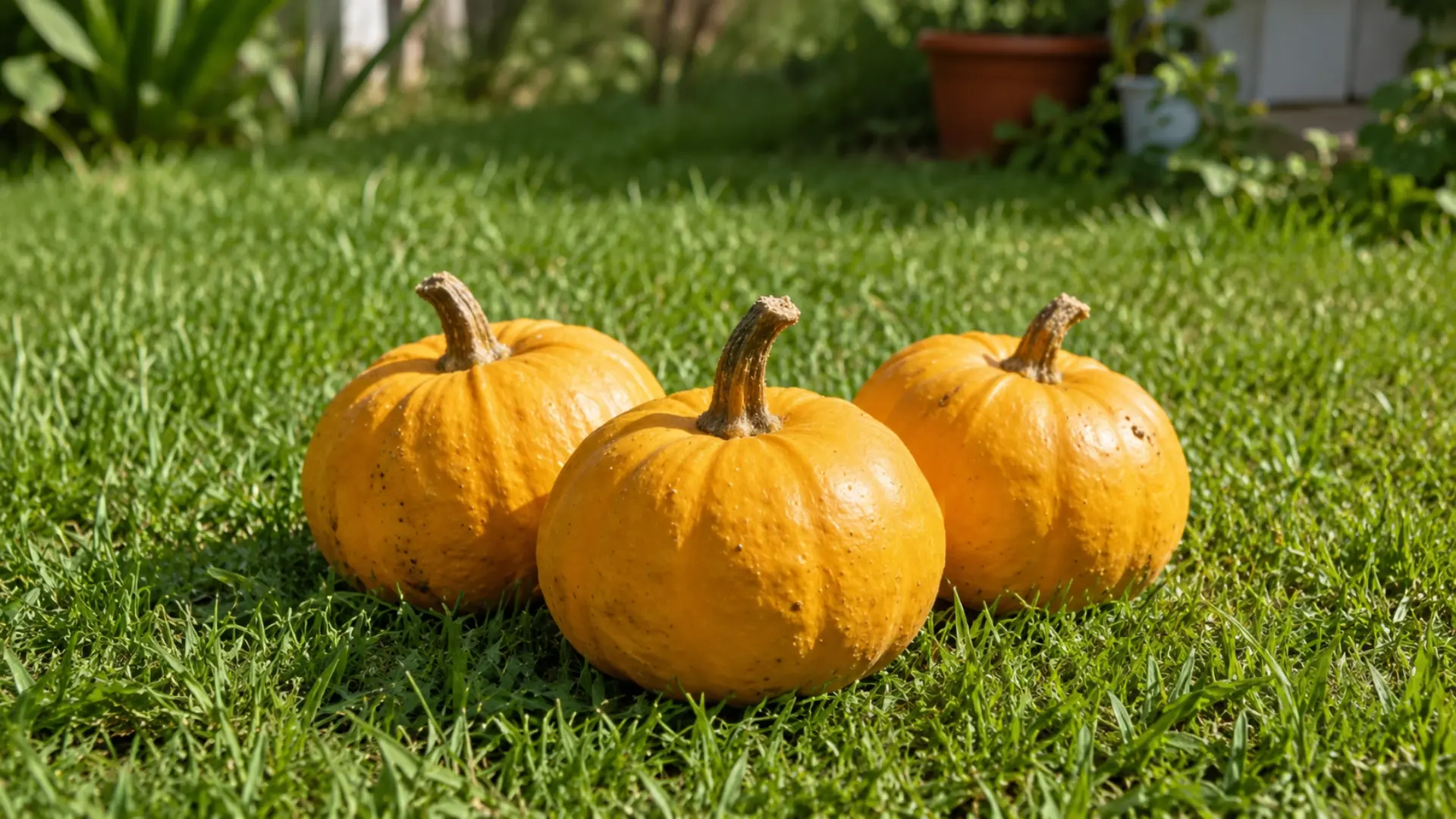
Golden nugget squash is small, round, and bright orange, with a mild flavor like a gentler acorn squash.
Its skin is edible but often set aside for texture. It has a shelf life of about a month.
It grows on compact, bush-type vines needing far less garden space than sprawling varieties. Its mild flavor pairs well with bolder spices like cumin, and it’s best enjoyed within a few weeks of harvest.
- Ideal Use: Roast whole
- Popular Recipes to Try: Roasted golden nugget squash halves, golden nugget squash soup
Roasting it simply with butter, thyme, and a pinch of salt lets its natural flavor shine.
17. Long Island Cheese Pumpkin
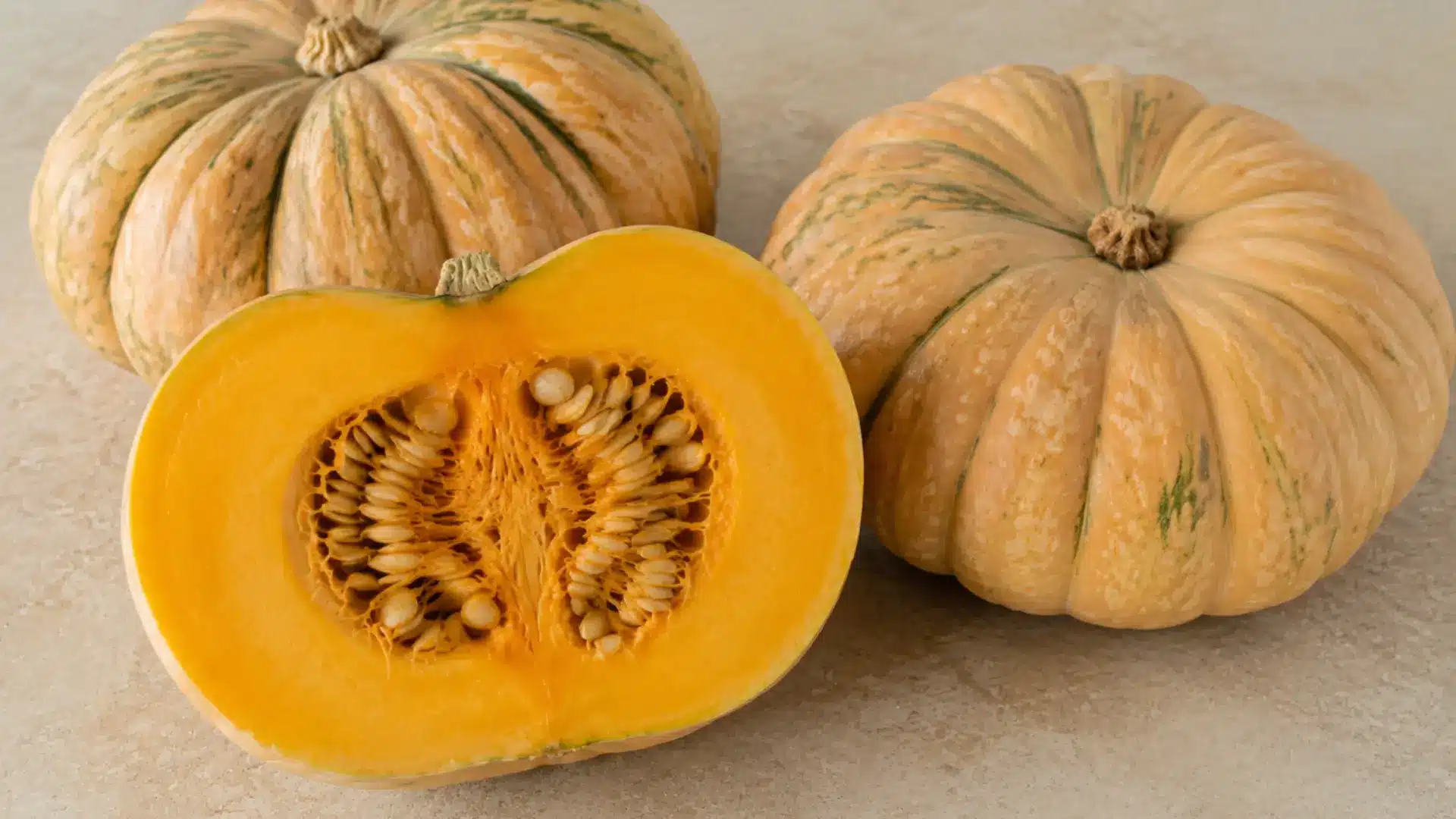
Long Island cheese pumpkin is a flattened, ribbed heirloom with pale tan skin resembling a wheel of cheese, holding rich, sweet orange flesh. It stores for 2–3 months and is prized for baked dishes.
It’s an heirloom with records tracing back to 1800s Long Island farms.
Its flattened shape and pale color earned the “cheese” nickname, and it was historically popular for pie-making in the Northeast.
- Ideal Use: Bake, puree
- Popular Recipes to Try: Long Island cheese pumpkin pie, roasted cheese pumpkin soup
Combining the puree with nutmeg, brown butter, and maple syrup makes for an especially rich pie filling.
18. Musquée de Provence (Fairytale Pumpkin)
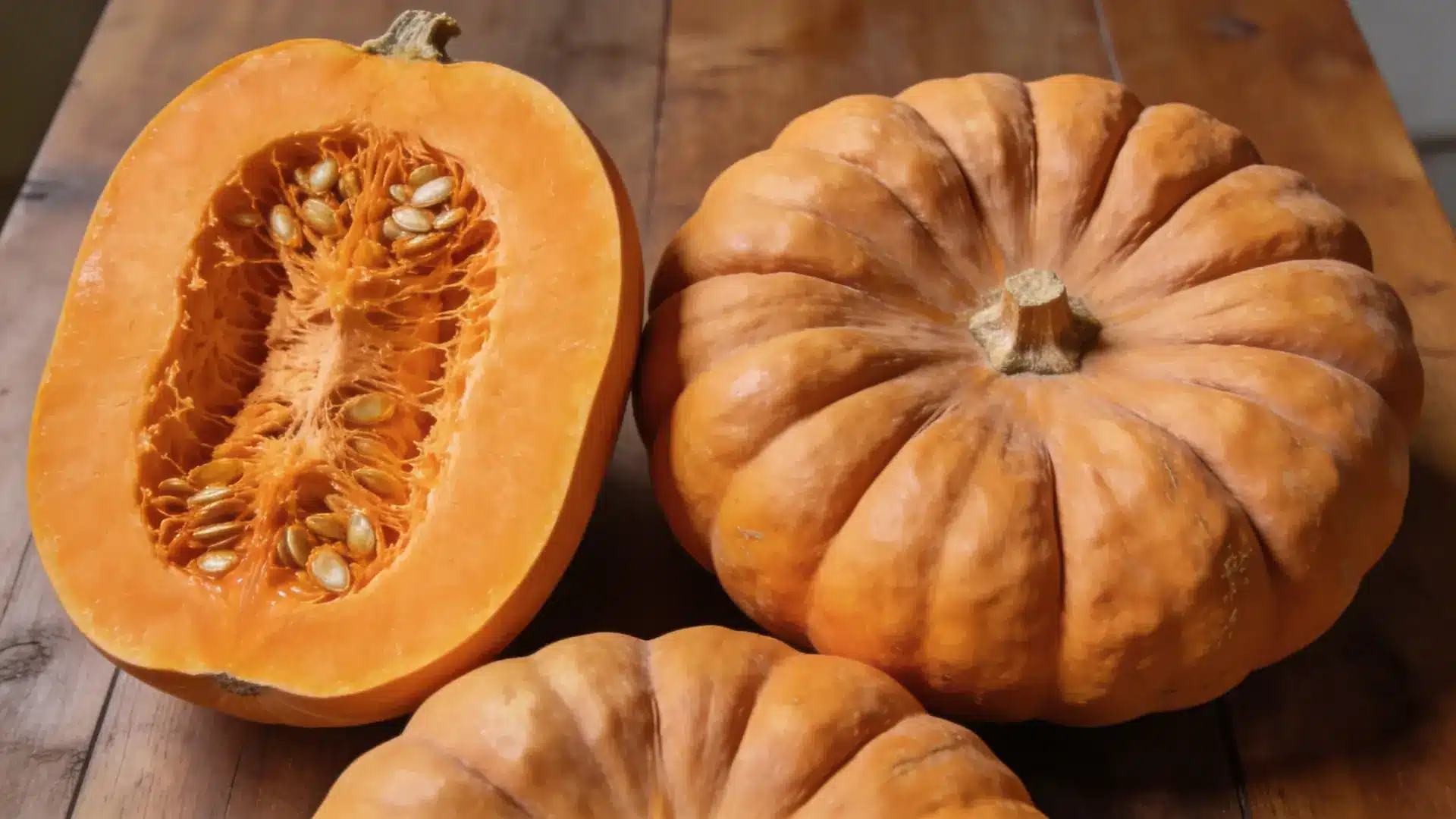
Musquée de Provence has a flattened, deeply ribbed shape with tan-to-orange skin turning fully orange when ripe.
Its dense, sweet flesh resembles a cross between pumpkin and sweet potato. It stores for 2–3 months.
It’s a French heirloom, and its name refers to the faintly musky aroma of the ripe flesh. Its deeply ribbed shape resembles pumpkins used in fairy-tale-style displays, and it holds up well in slow-cooked dishes.
- Ideal Use: Bake, puree
- Popular Recipes to Try: Musquée de Provence pumpkin pie, roasted pumpkin risotto
For the best flavor, roast the puree with cinnamon and brown sugar, finishing with a drizzle of cream just before serving.
19. Marina di Chioggia
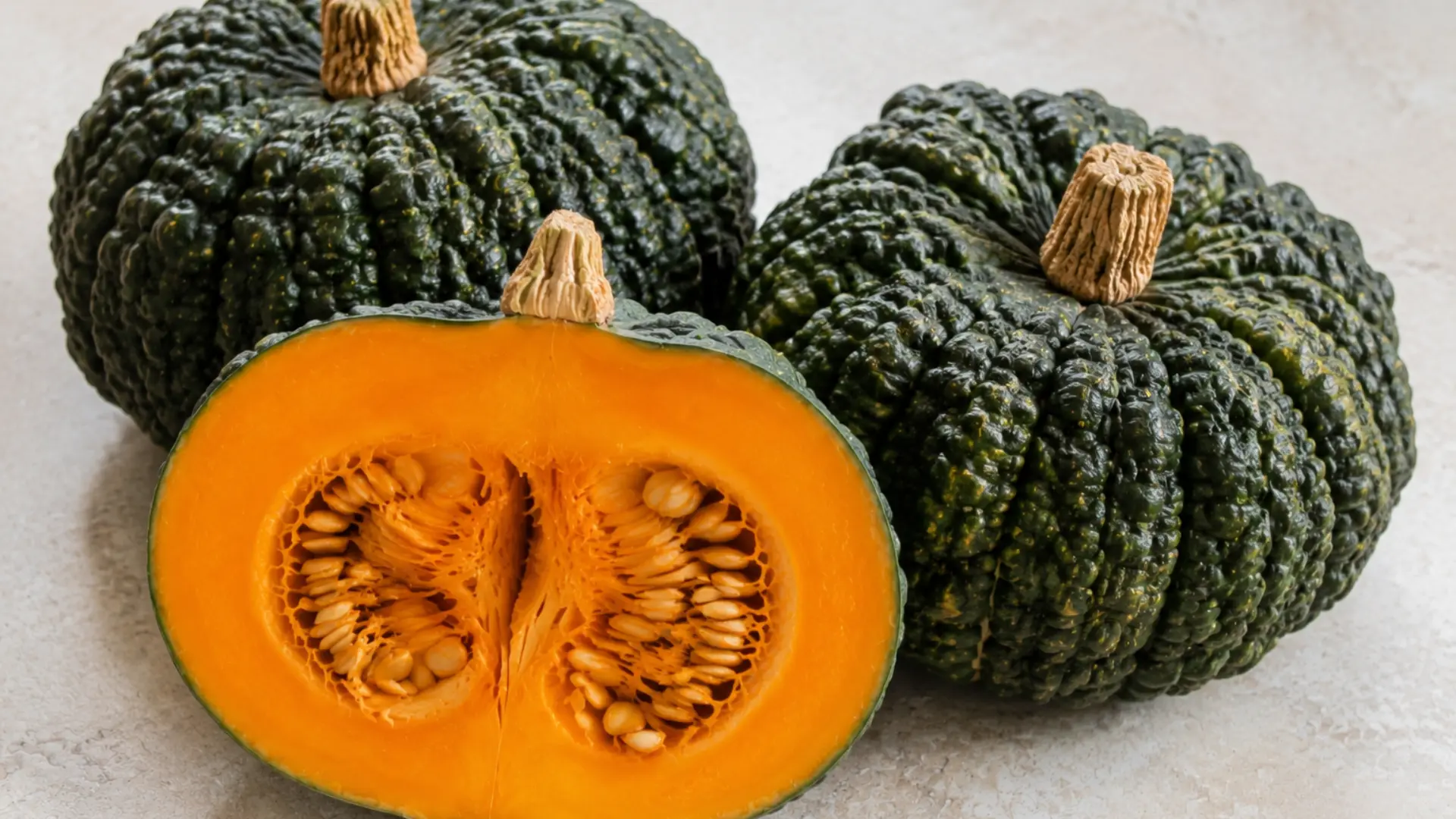
Marina di Chioggia has a dark green, deeply warted exterior with dense, bright orange flesh similar in richness to kabocha squash. It stores exceptionally well, often 3–5 months.
It’s an Italian heirloom named after Chioggia, a coastal town near Venice.
Its textured skin sets it apart from smoother squash, and in Italy, it’s traditionally used for risotto and gnocchi.
- Ideal Use: Roast, simmer
- Popular Recipes to Try: Marina di Chioggia risotto, roasted squash gnocchi
For the best flavor, simmer it with sage and parmesan, finishing with a drizzle of olive oil just before serving.
Winter Squash vs. Summer Squash
Beyond how they’re grown and cooked, the two also differ in seeds, calories, and how they’re sold at the store.
| Aspect | Winter Squash | Summer Squash |
|---|---|---|
| Seeds | Large, hard, often removed before cooking | Small, soft, edible |
| Calorie Density | Higher, starchier flesh | Lower, mostly water |
| Skin | Rarely eaten | Usually eaten |
| Market Form | Sold whole or pre-cut | Always sold whole |
| Growing Season | Long, matures in fall | Short, harvested young in summer |
How to Store Winter Squash Properly?
Give each squash some space. Stacking or touching squash speeds up spoilage, since bruises spread rot fast.
Use a shelf or slatted crate instead of a cold concrete floor. Direct contact with concrete traps moisture underneath. Skip plastic bags and airtight containers. Squash needs airflow, not a sealed environment.
Cooling produce properly before storage matters too, since flesh that goes onto the shelf still warm from the garden keeps breaking down faster than squash that’s had a chance to cool first.
Rotate your stock. Cook older squash first and check newer ones less often.
Keep the space stable. Frequent temperature swings shorten shelf life faster than steady cool conditions do.
A closet shelf, basement, or unheated pantry corner usually works well.
Growing Winter Squash at Home
A few additional steps at each stage distinguish a scraggly vine from a bountiful harvest.
Working out your garden’s spacing and layout ahead of time keeps sprawling squash vines from crowding out everything planted nearby.
- Step 1: Work compost into the soil before planting to boost fertility.
- Step 2: Sow seeds in small mounds to improve drainage around the roots.
- Step 3: Water deeply once or twice a week instead of light daily sprinkles.
- Step 4: Hand-pollinate flowers early in the season if you notice few bees visiting.
- Step 5: Mulch around the base to retain moisture and keep weeds down.
- Step 6: Feed with a balanced fertilizer once vines start spreading.
- Step 7: Rotate or gently reposition heavy fruit to prevent flat spots.
- Step 8: Cut squash from the vine with a few inches of stem attached.
- Step 9: Cure harvested squash in a warm spot for a week before storing.
Ready to Pick Your Squash?
At the end of the day, there’s no single best winter squash, only the best one for what you’re making.
A creamy soup calls for red kuri or butternut, while a stuffed dish suits acorn or sweet dumpling. Now that you know how to pick, store, and prep each variety, the hardest part is choosing where to start.
Try a kabocha, a honeynut, or a turban squash sitting quietly at the market.
Pick a dish you have never cooked before, and use your next meal as the perfect reason to try making it.
Frequently Asked Questions (FAQ’s)
What is the Sweetest Winter Squash Variety?
Honeynut and buttercup squash are generally considered the sweetest of the common varieties.
Can You Eat the Skin of Winter Squash?
Thin-skinned types like delicata and kabocha are edible; thicker skins like Hubbard’s aren’t.
How Long Does Winter Squash Last Unrefrigerated?
Properly cured squash lasts several weeks to six months in cool, dry storage.
Is Pumpkin Considered a Winter Squash?
Yes, pumpkin belongs to the same Cucurbita family as other winter squash varieties.
What’s the Easiest Winter Squash to Cook With for Beginners?
Butternut squash is widely available, simple to peel, and forgiving to cook with.