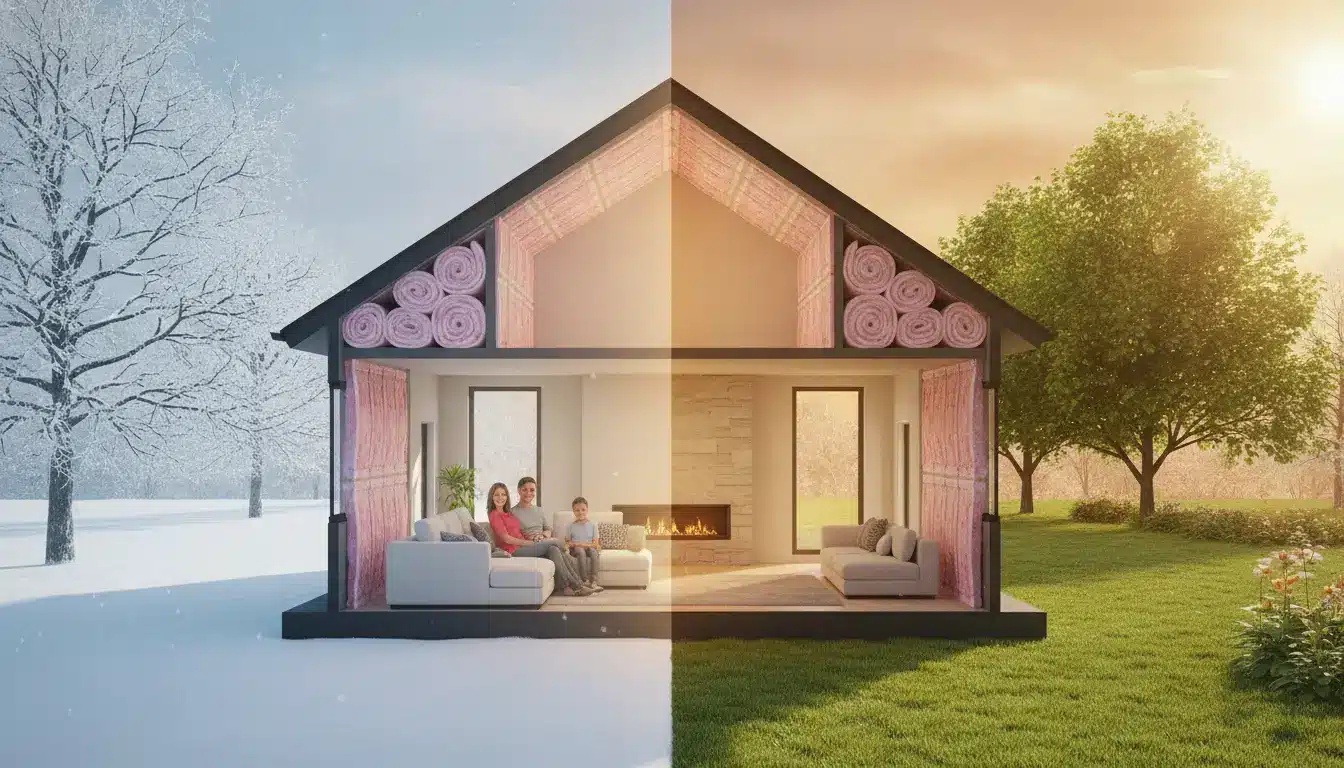
Proper insulation is a primary factor in maintaining indoor temperatures that remain within an even range – this material slows the movement of thermal energy between the interior and exterior of a building. During cold months, insulation retains heat. During warm months, it limits the volume of outdoor heat that enters living areas. If insulation is insufficient, external weather changes significantly influence internal room temperatures. Insulation is useful in attics, exterior walls, floors and ceilings. The performance of these materials depends on the specific product, correct installation and total coverage. Gaps or compressed areas create paths where heat travels easily. Fixing these faults leads to more uniform temperatures across the property.
Improving Comfort in Cold Weather
Heat naturally moves toward colder spaces through walls, ceilings and windows. Insulation slows this movement and keeps warmed air inside for longer durations – this process prevents rooms from becoming cold and reduces air currents that feel like drafts, especially near exterior walls or under attics. Sufficient insulation also minimizes temperature variations between different rooms. Residents often increase thermostat settings when certain areas lose heat quickly, which creates high demand for heating hardware. Better insulation allows heating systems to function under manageable conditions.
Reducing Heat During Summer
Insulation is valuable in warm seasons because it prevents outdoor heat from entering the building. Roofs and walls absorb thermal energy from sunlight. If insulation is poor, this energy reaches living spaces – this effect is most visible on top floors and in rooms under the attic. Limiting heat transfer allows cooling systems to maintain steady temperatures. Air conditioning units operate less frequently when less heat enters the structure. Property owners should evaluate insulation levels before they choose a new air conditioner to ensure the hardware matches the thermal performance of the building.
Supporting Energy Efficiency
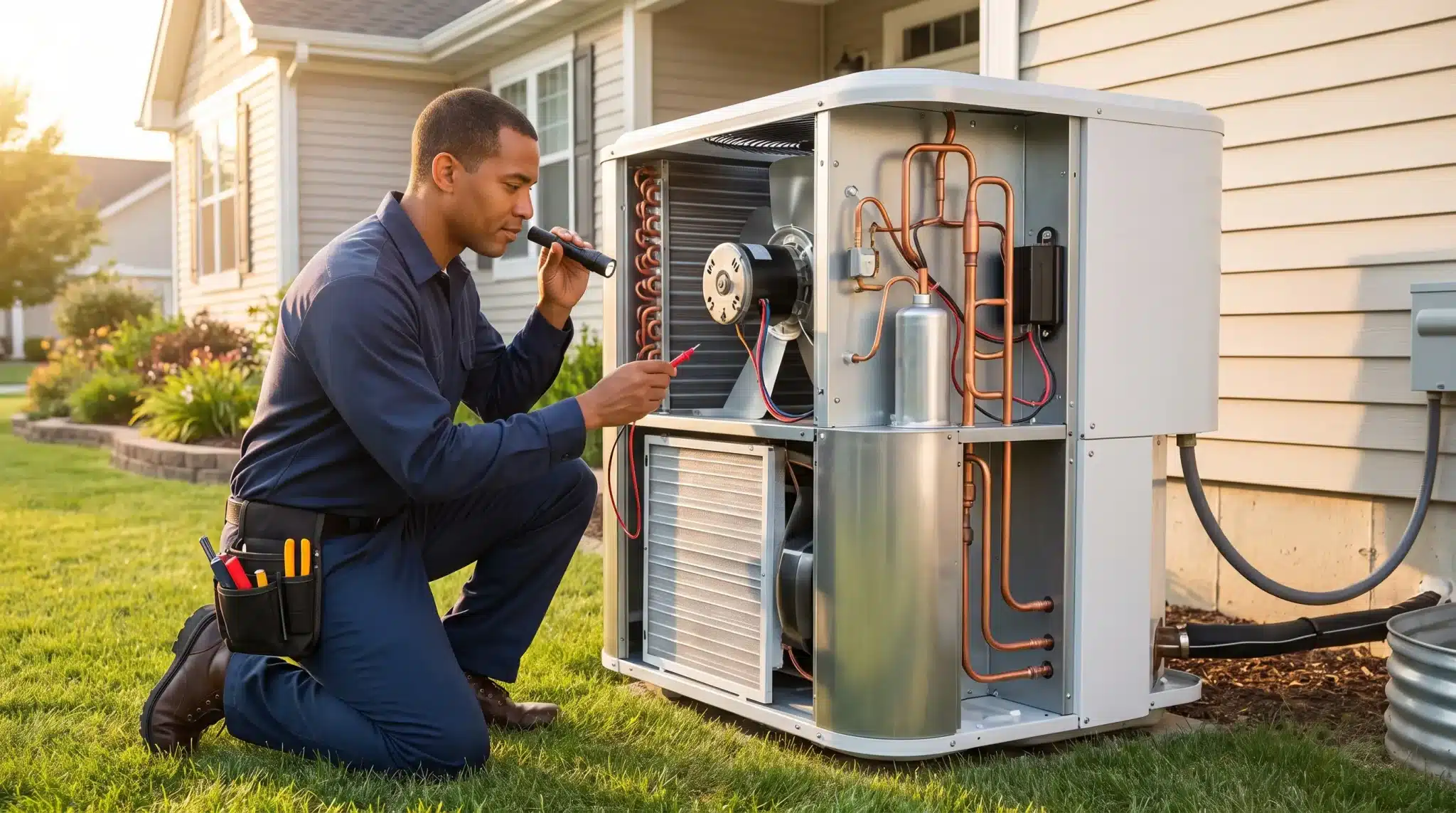
An insulated building requires less energy to stay at a chosen temperature. When the structure retains heat in winter and repels it in summer, mechanical systems perform less work – this efficiency helps residents control their energy use over time. Insulation is one part of the total energy performance of a building. Air sealing, high quality windows and functional ventilation work with insulation to improve results. Local experts, like those providing HVAC Ottawa, THEY can offer advice on specific regional climate requirements.
Improving Indoor Temperature Balance
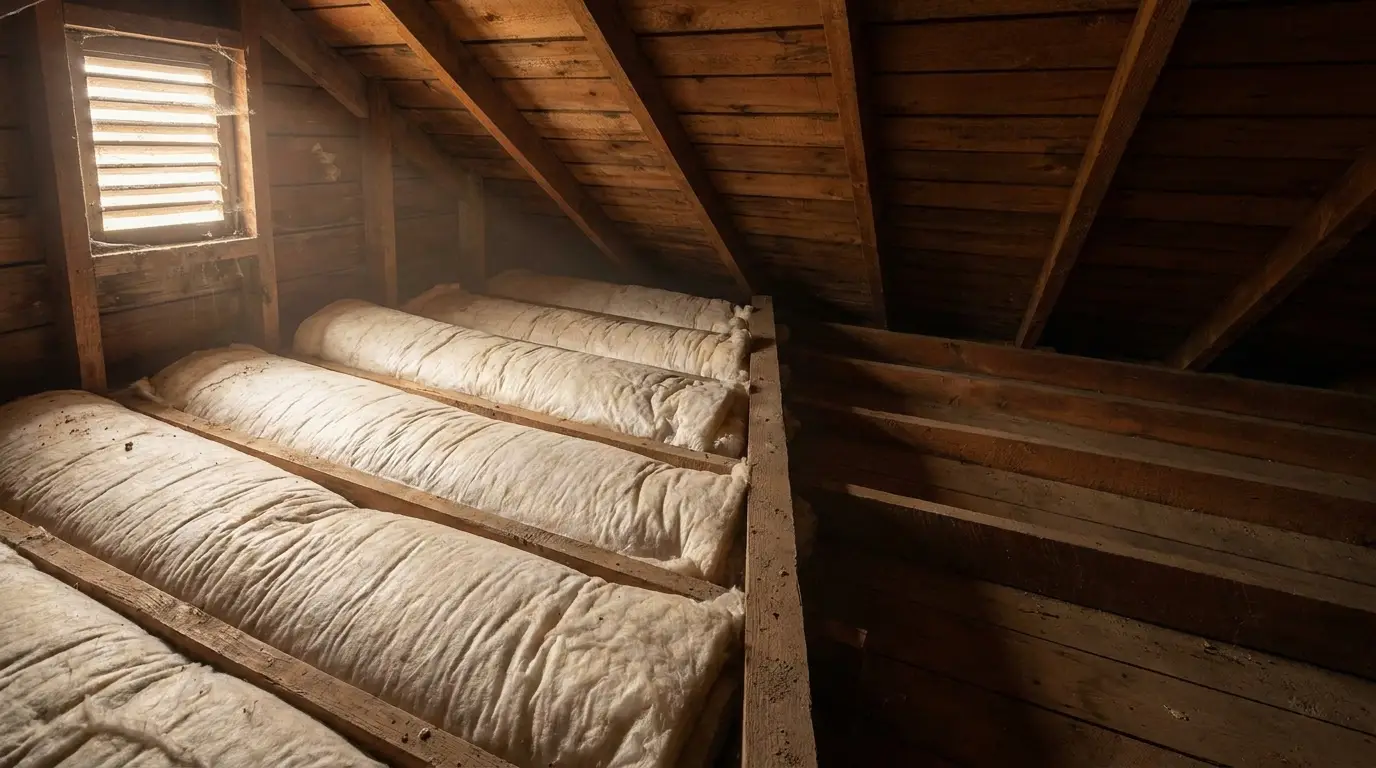
Uneven temperatures often indicate that heat is moving through the building at different speeds. As an example, a bedroom located above a garage without climate control is often colder in winter and warmer in summer than other rooms. Upper floors also change temperature more quickly if the attic lacks insulation. Adding insulation to the specific spots creates a balanced environment. Residents must also check that air flows correctly through ducts. A room with good insulation remains uncomfortable if the ventilation system does not deliver enough air or if return vents are blocked.
Protecting the Building Structure
Correct air conditioner installation supports the long term condition of a building. It creates predictable indoor conditions – limiting temperature shifts inside walls and ceilings. Professionals must install these materials carefully because different homes require specific moisture management and ventilation strategies. Property owners should check for moisture, rot or air leaks before they add new material. Covering a damaged area prevents a proper inspection and leads to structural problems. A professional assessment identifies parts of the building that require repair or sealing before the insulation process begins.
Maintaining Comfort Throughout the Year
Insulation provides benefits in every season – resisting heat transfer. It keeps rooms warm during cold weather and cool during hot weather – these factors lower the physical strain on heating and cooling machines. Homeowners should plan for insulation improvements early in the renovation process. Upgrading the building exterior before replacing mechanical systems creates a more efficient environment. When insulation, windows, & HVAC systems function together, the property uses energy effectively and remains comfortable.