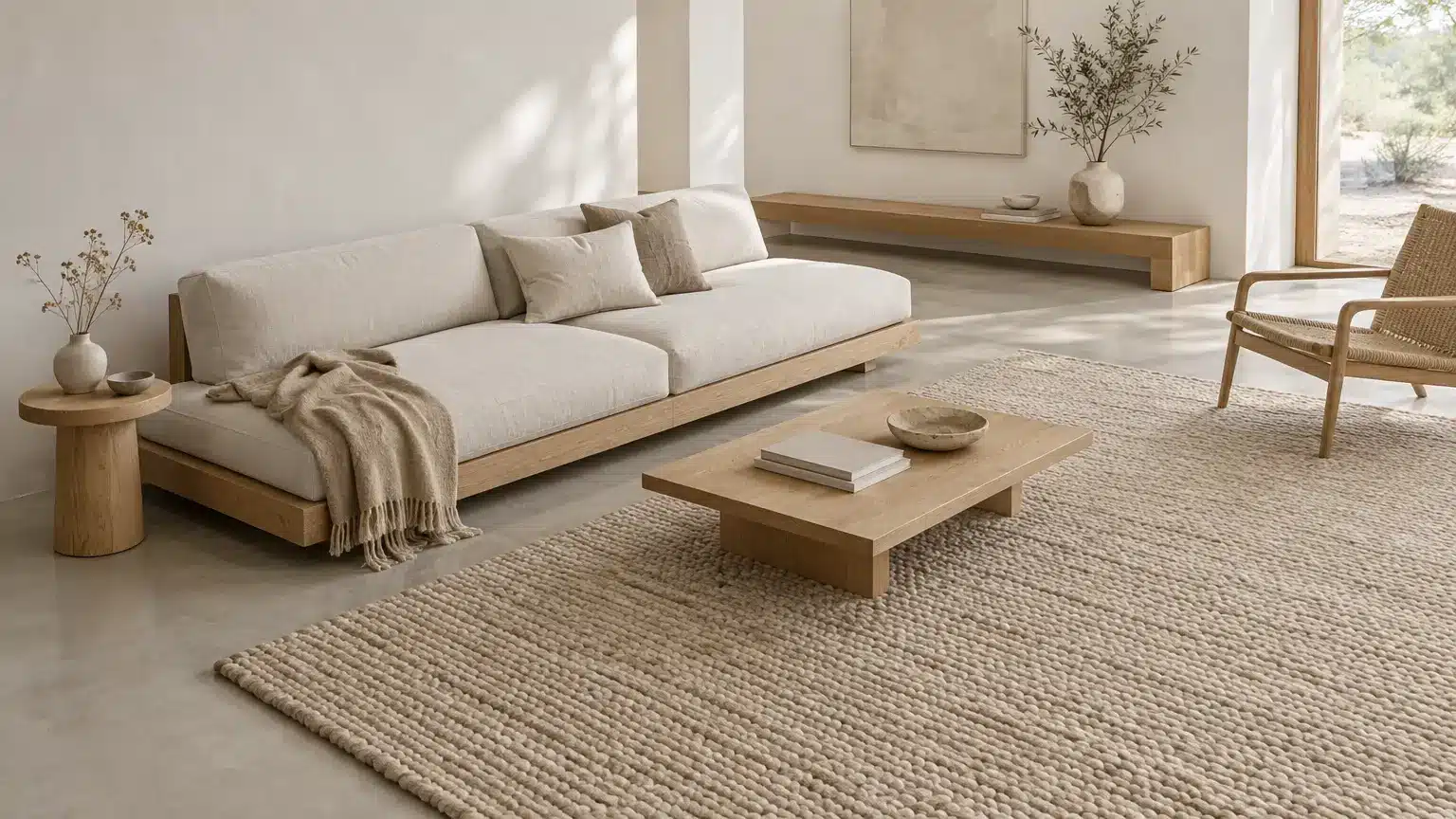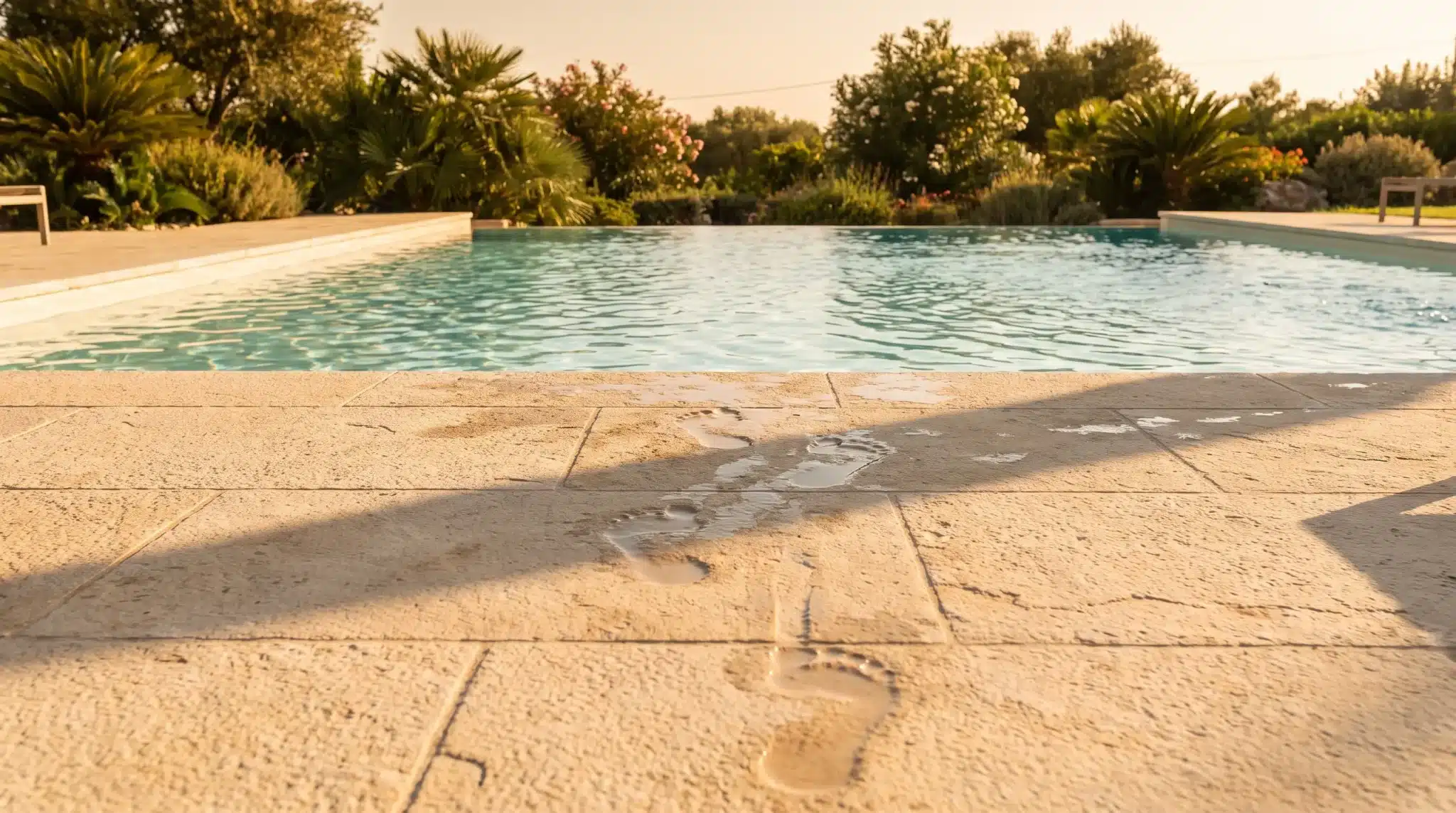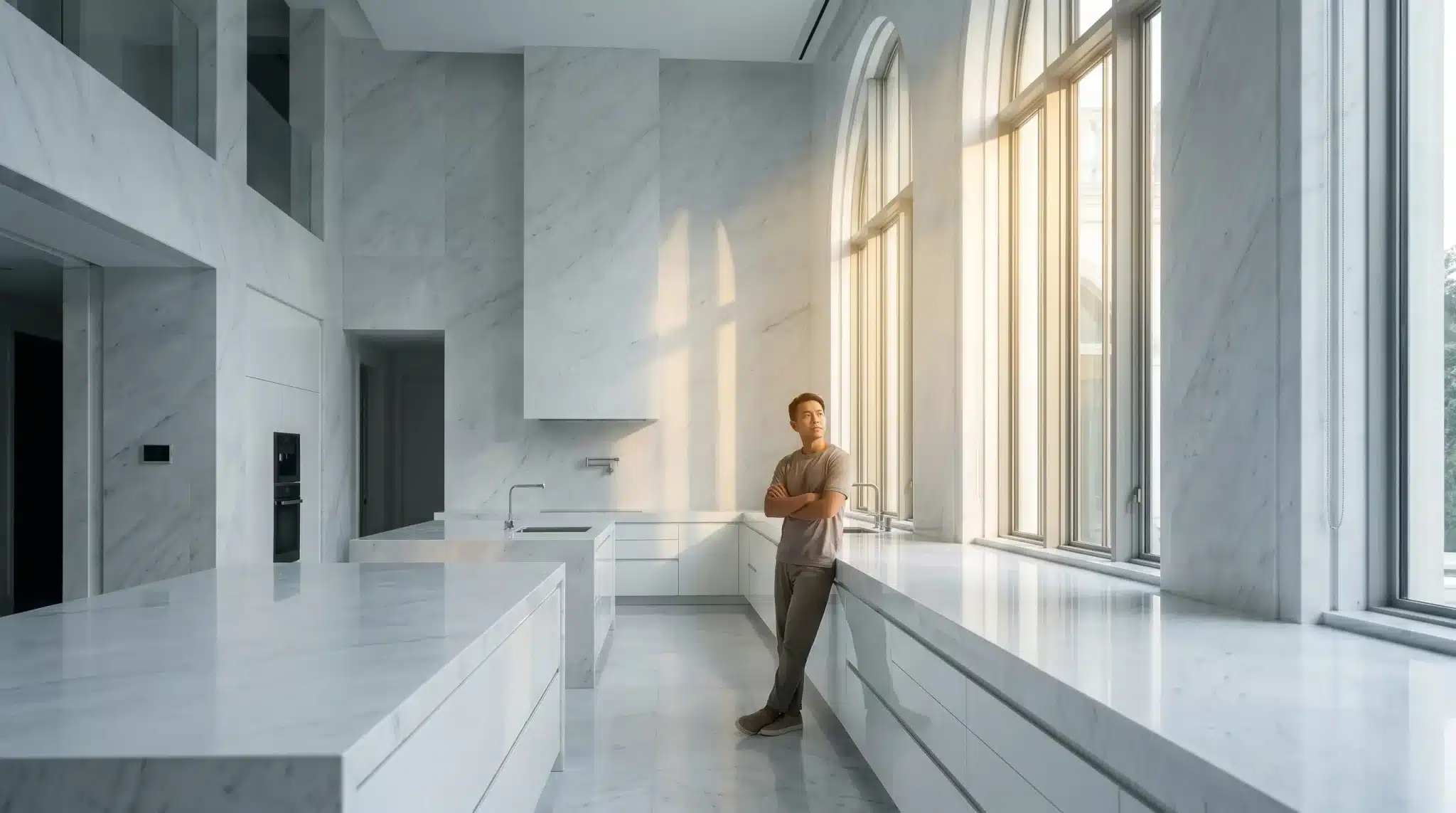
Luxury renovations continue dominating design magazines, television programs, and social media platforms. Large kitchen expansions, oversized bathrooms, dramatic lighting installations, and highly customized interiors often appear impressive at first glance. Yet many homeowners are beginning to question whether these expensive upgrades genuinely improve everyday comfort or simply create visually appealing spaces that become difficult to maintain over time.
This shift in perspective has developed gradually as renovation costs continue rising across nearly every category of residential construction. Homeowners are becoming more selective about where they invest because they want practical long-term value rather than temporary visual excitement. A renovation may look stunning during revealing photos while still failing to support the routines and habits that shape daily life inside the home.
As a result, remodeling priorities are evolving beyond appearance alone. More people are focusing on comfort, flexibility, organization, and realistic usability instead of automatically pursuing the most expensive upgrade options available. Questions about functionality are beginning to carry just as much weight as visual design decisions during renovation planning.
Large Spaces Do Not Always Create Better Functionality
One of the most common assumptions in high-end remodeling is that larger spaces automatically improve quality of life. Expanded kitchens, oversized bathrooms, and dramatic open-concept layouts often become central features in expensive renovations. However, bigger rooms do not necessarily create more comfortable daily living environments.
Some oversized layouts actually reduce efficiency by increasing walking distance, complicating organization, or creating awkward furniture placement challenges. A kitchen with excessive empty space may look luxurious while making cooking routines less practical. Similarly, extremely large bathrooms sometimes prioritize visual impact over comfort and convenience.
Homeowners are increasingly recognizing that proportional design often matters more than scale alone. Well-planned layouts supporting natural movement and realistic daily use tend to feel more comfortable long-term than dramatic spaces designed mainly around appearance.
High-End Features Can Create Unexpected Maintenance Demands
Luxury finishes and customized design elements often require far more upkeep than homeowners initially anticipate during the planning process. Delicate materials, specialty surfaces, and highly customized fixtures may look impressive when newly installed but become difficult to maintain consistently over time.
Natural stone surfaces, oversized glass installations, and complex lighting systems frequently demand specialized cleaning and ongoing maintenance attention. Some homeowners later realize they spend more time preserving the appearance of their renovated space than actually enjoying it comfortably during daily routines.
This has led many people to reconsider whether every premium upgrade genuinely improves long-term livability. Homeowners are becoming more cautious about selecting materials and features based solely on appearance without evaluating practical maintenance expectations realistically.
Visual Trends Often Age Faster Than Expected
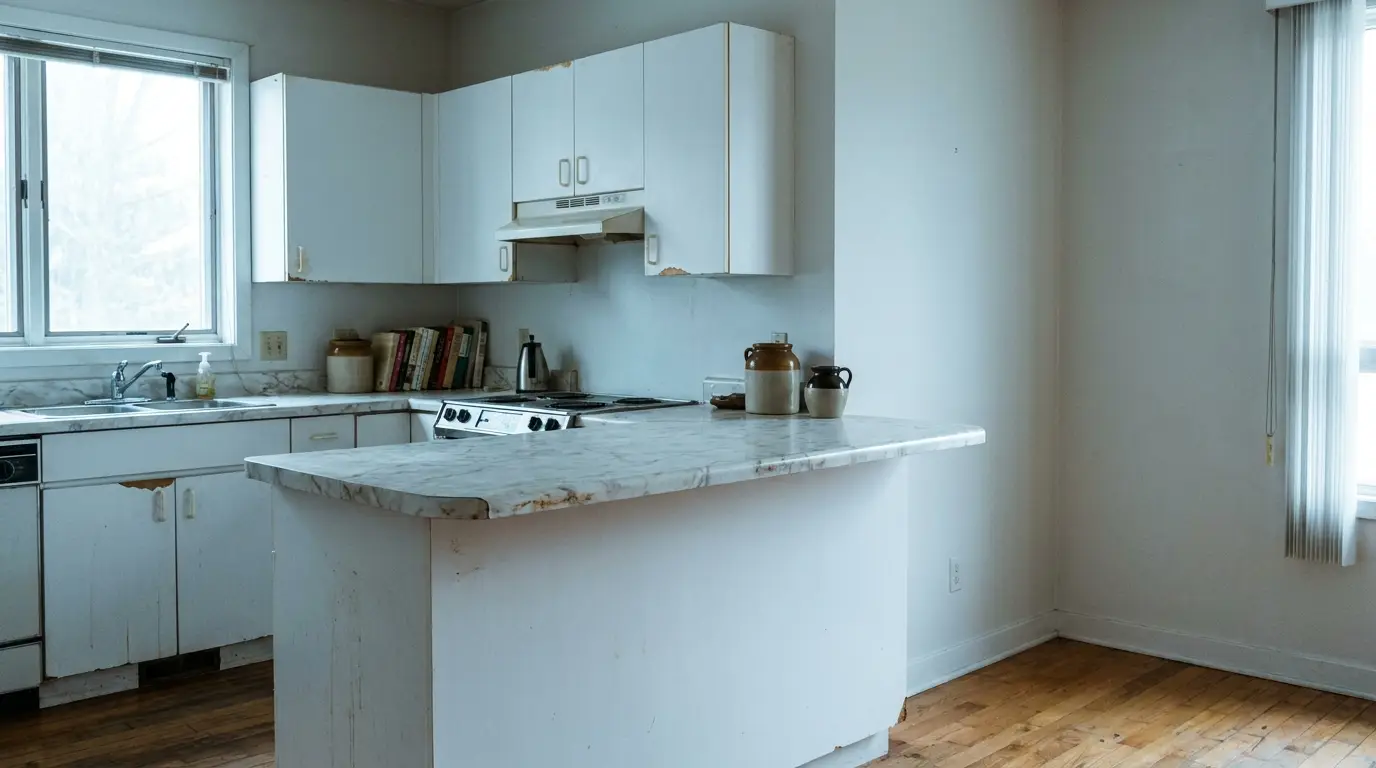
Luxury renovation trends now evolve extremely quickly due to constant exposure through social media and online design content. Features considered modern today may already feel visually outdated only a few years later. Homeowners who invest heavily in highly trend-focused designs sometimes experience renovation fatigue sooner than anticipated.
Bold statement kitchens, ultra-minimalist interiors, and dramatic decorative concepts can initially feel exciting while later becoming visually restrictive or emotionally exhausting. Design choices heavily tied to one particular trend cycle often lose flexibility as personal preferences and broader styles continue shifting.
This is one reason many homeowners exploring luxury remodeling services are beginning to prioritize timeless functionality over aggressively trend-driven aesthetics. Balanced design choices generally adapt more comfortably over time than highly stylized spaces built primarily around visual impact.
Renovation Stress Sometimes Changes the Original Goal
Large-scale remodeling projects often begin with the goal of improving comfort and enjoyment inside the home. However, the renovation process itself can become emotionally exhausting when budgets expand, timelines shift, and decision-making grows increasingly complicated. Some homeowners eventually feel overwhelmed by the complexity of maintaining a highly customized project.
The pressure to create a perfect finished result sometimes leads people toward unnecessary upgrades that were never part of the original vision. What started as a practical improvement project can gradually become an attempt to maximize visual luxury at every stage regardless of actual lifestyle needs.
This emotional shift is causing more homeowners to evaluate renovation priorities differently. Simpler, highly functional upgrades often create greater long-term satisfaction than highly complicated redesigns focused entirely on prestige or appearance.
Budget Expectations Are Becoming More Realistic
Homeowners are also paying closer attention to how renovation budgets align with long-term value and usability. Rather than assuming expensive automatically means better, many people now want clearer understanding of where construction costs are actually going and whether those expenses support meaningful daily improvements.
This has increased interest in planning tools and budgeting resources before projects begin. A home cost calculator, for example, helps homeowners evaluate renovation possibilities more realistically before becoming emotionally attached to highly expensive design concepts. Early financial clarity often leads to more balanced decision-making throughout the project.
Budget transparency also helps homeowners prioritize features more effectively. Functional improvements involving storage, layout flow, lighting, and organization frequently provide stronger everyday benefits than highly decorative upgrades that increase costs dramatically without changing how the home actually functions.
Comfort Is Becoming More Important Than Impressiveness
Many homeowners are moving away from renovation goals centered entirely around visual impact or resale perception. Instead, they are focusing more carefully on how spaces feel during ordinary routines such as cooking, relaxing, working, or spending time with family. Comfort and ease of use are becoming stronger priorities than creating dramatic showcase interiors.
This change is influencing how rooms are designed and furnished. Softer layouts, practical storage, adaptable spaces, and balanced lighting often create greater satisfaction than highly formal or heavily stylized environments. People increasingly want homes that feel natural to live in rather than spaces designed mainly to impress visitors.
As this mindset continues evolving, renovation success is being measured differently than in previous years. The goal is shifting toward improving everyday experience instead of simply maximizing visual luxury or square footage.
Personal Lifestyle Matters More Than Design Popularity
Homeowners are beginning to recognize that renovation decisions should reflect personal routines instead of copying highly curated online inspiration directly. A feature that works beautifully in a professionally staged luxury home may feel impractical in another household with completely different habits and priorities.
Families with children, remote work routines, active entertaining schedules, or quieter lifestyles all require different types of functionality. Renovation choices that genuinely support those patterns tend to provide more lasting satisfaction than designs selected mainly because they are currently fashionable.
This more personalized approach has changed how many renovation conversations begin. Instead of focusing immediately on finishes and visual trends, homeowners are increasingly discussing how they want their spaces to function emotionally and practically every day.
Thoughtful Renovation Often Creates Better Long-Term Satisfaction
Expensive remodeling does not automatically guarantee a better living experience. In many cases, the most successful renovations are not necessarily the largest or most visually dramatic projects. They are the spaces designed thoughtfully around comfort, flexibility, and realistic daily use.
Careful planning helps homeowners avoid upgrades that create unnecessary complexity while still improving overall quality of life significantly. Functional layouts, durable materials, and balanced design choices often remain satisfying much longer than trend-focused luxury features requiring constant attention.
Whether homeowners are evaluating luxury remodeling services or using a home cost calculator to plan future renovations more realistically, many are beginning to prioritize spaces that support everyday living comfortably rather than pursuing visual excess without long-term practicality in mind.