For years, pitched roof windows were talked about in fairly simple terms: they let in more daylight, make dark rooms feel bigger, and help turn attics into usable space. All true. But that framing is now far too narrow.
Modern pitched roof windows have evolved into a design and performance feature that affects far more than brightness. They influence ventilation, thermal comfort, energy use, acoustics, and even the way a home is experienced day to day. In many renovations and loft conversions, they are no longer a finishing touch. They are part of the building strategy.
That shift matters because homeowners are asking more of their spaces. A loft room might need to function as a bedroom, home office, guest room, and quiet retreat over the course of a week. Natural light still plays a major role, of course, but light alone does not make a room practical or comfortable.
More Light, Yes — But Better Light
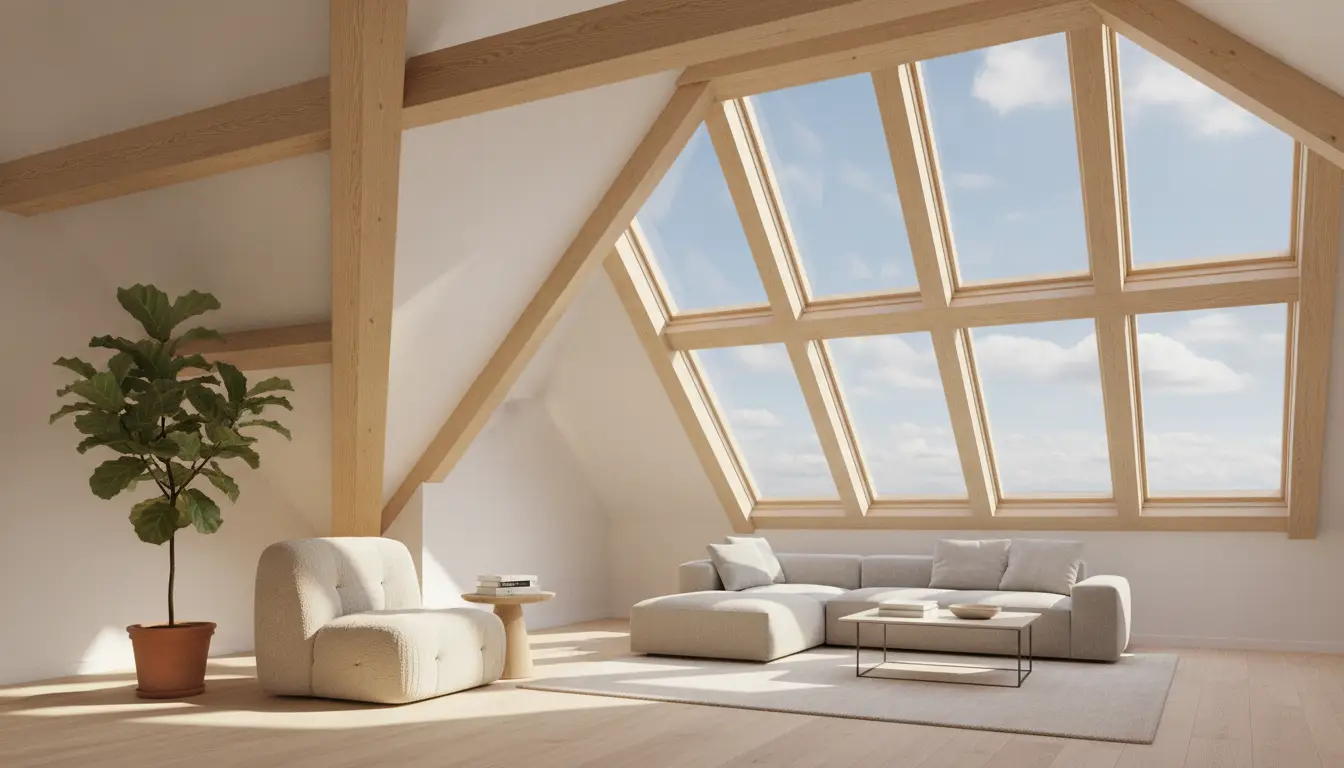
There is a difference between adding daylight and improving the quality of it. Pitched roof windows sit at an angle that captures daylight differently from vertical glazing, often bringing light deeper into a room and changing how that room feels throughout the day.
This has a practical effect. A well-positioned roof window can reduce dependence on artificial lighting for longer periods, especially in top-floor spaces that traditionally suffer from low wall area and awkward layouts. But the more interesting benefit is less measurable: daylight from above tends to feel softer, more even, and more architectural. It can make ceilings appear higher and corners less compressed.
That is why designers increasingly think in terms of daylight balance rather than sheer window size. Too much direct sun can create glare and overheating. Too little leaves the room flat and gloomy. The best results come from matching orientation, glazing specification, and placement to the way the room will actually be used.
Ventilation Has Become Just as Important as Illumination
Homes today are often more airtight than older housing stock, which is good for efficiency but can create issues with stale air, excess humidity, and trapped heat. Roof windows can help solve that, particularly at high level where warm air naturally collects.
In loft conversions, this becomes especially important in summer. Anyone who has spent time in a converted attic during a heatwave knows the problem: the room can become uncomfortable long after sunset. Operable pitched roof windows create a release point for rising hot air, improving cross-ventilation when paired with lower-level openings elsewhere in the home.
This is one reason specifiers now look beyond appearance when choosing systems. Details like opening mechanisms, trickle ventilation, glazing performance, and rain-sensor automation all contribute to whether the window works well in real life. Homeowners researching premium skylight solutions for sloped roofs are often comparing these functional considerations just as closely as they compare aesthetics.
Comfort Is About Temperature, Not Just Daylight
Winter Heat Loss Is No Longer a Given
Older roof windows earned a mixed reputation because they were often associated with draughts and poor insulation. That concern still lingers, but it reflects outdated products more than current standards. Today’s better-performing models typically use improved seals, insulated frames, and high-spec glazing to reduce heat transfer significantly.
That means a roof window no longer has to be a weak point in the thermal envelope. In fact, when correctly specified and installed, it can contribute to a room that feels consistently comfortable year-round rather than simply bright.
Summer Overheating Needs Active Management
The more urgent issue in many modern homes is overheating. South-facing roof glazing can introduce significant solar gain, particularly in upper-storey rooms with limited air movement. This is why shading options, glazing choices, and orientation analysis are now central to specification.
A good roof window strategy considers:
- where the sun hits at different times of year
- whether the room is used mainly in the morning, afternoon, or evening
- how hot air will escape
- whether blinds or external shading are needed
That is a more sophisticated conversation than “how do we get more sun into the loft?”
They Change How Space Is Used
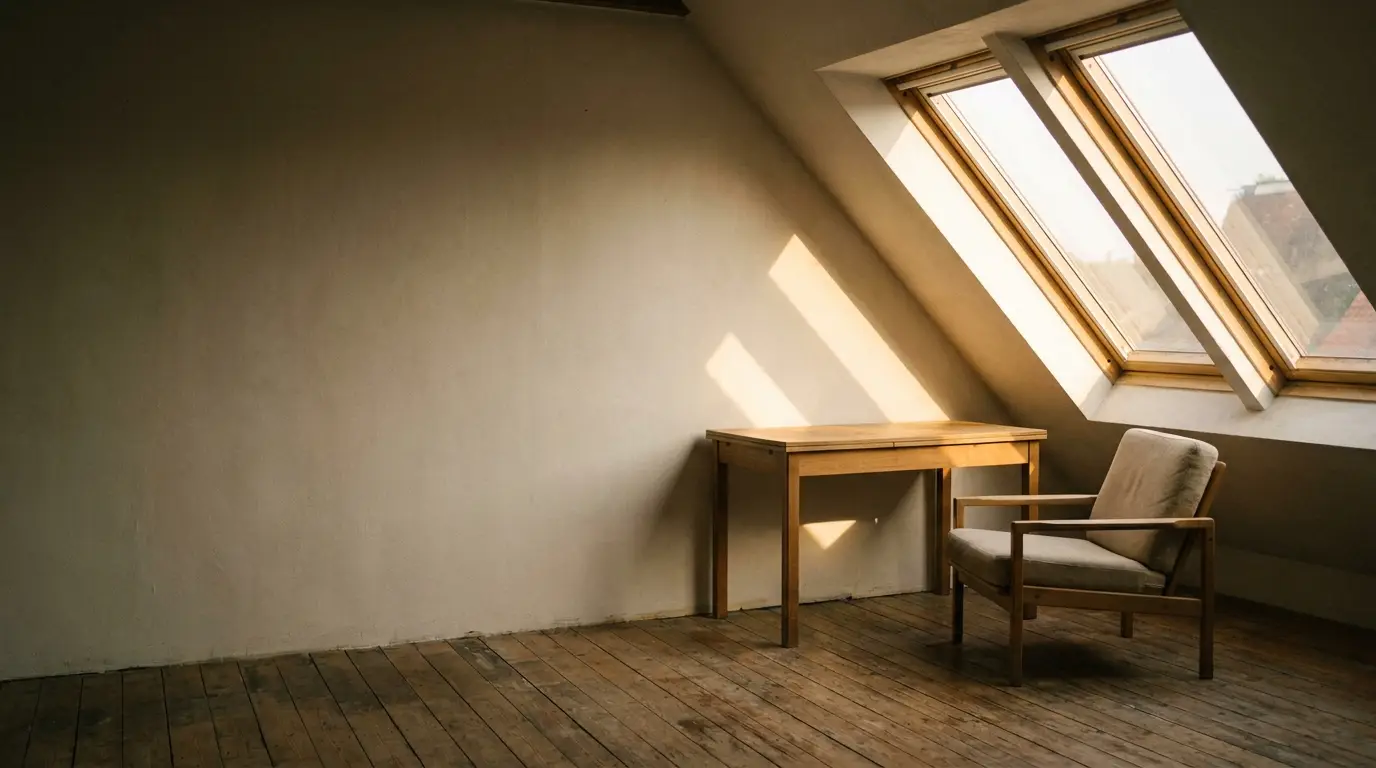
One of the most overlooked benefits of pitched roof windows is psychological. They do not just brighten rooms; they make them more usable.
A top-floor room with limited daylight often feels secondary, even if it is technically large enough for daily use. Add roof glazing in the right place, and the same room can feel intentional. Suddenly it becomes somewhere you want to work, read, sleep, or spend time. That matters in homes where every square metre needs to earn its keep.
Better Views Create Stronger Connection
There is also the matter of outlook. While vertical windows frame the street or neighbouring property, roof windows often offer a different visual experience: sky, treetops, shifting weather, moonlight. That can make a room feel less enclosed, which is particularly valuable in compact urban homes where privacy is a concern.
This is not just an architectural flourish. There is growing evidence that access to daylight and views of the sky can support wellbeing, concentration, and mood. In work-from-home spaces, those effects are especially relevant.
Noise, Maintenance, and Safety Have Improved Too
Older assumptions about roof windows often ignore how much the category has matured. Modern units can offer better acoustic insulation than many people expect, which matters if the property sits under a flight path or near a busy road. Self-cleaning coatings, easier access designs, and more reliable flashing systems have also reduced some of the maintenance anxieties that once put homeowners off.
Safety and compliance are part of the conversation as well. Depending on placement and intended use, factors such as fire escape requirements, toughened or laminated glazing, and opening reach all need careful thought. These are not glamorous details, but they are what separate a roof window that merely looks good from one that performs properly over time.
The Real Value Lies in Integration
The most successful pitched roof windows are not chosen in isolation. They are integrated into a broader plan for how a room should function across the seasons. That includes structure, insulation, ventilation, orientation, and interior layout.
This is why the “more sunlight” argument no longer tells the full story. Daylight may be the first thing you notice, but comfort is what determines whether a room actually works. A well-designed roof window can improve air quality, reduce reliance on electric lighting, support thermal performance, and transform underused upper-storey space into one of the best parts of the home.
In other words, the modern pitched roof window is no longer just about making a room brighter. It is about making it better.