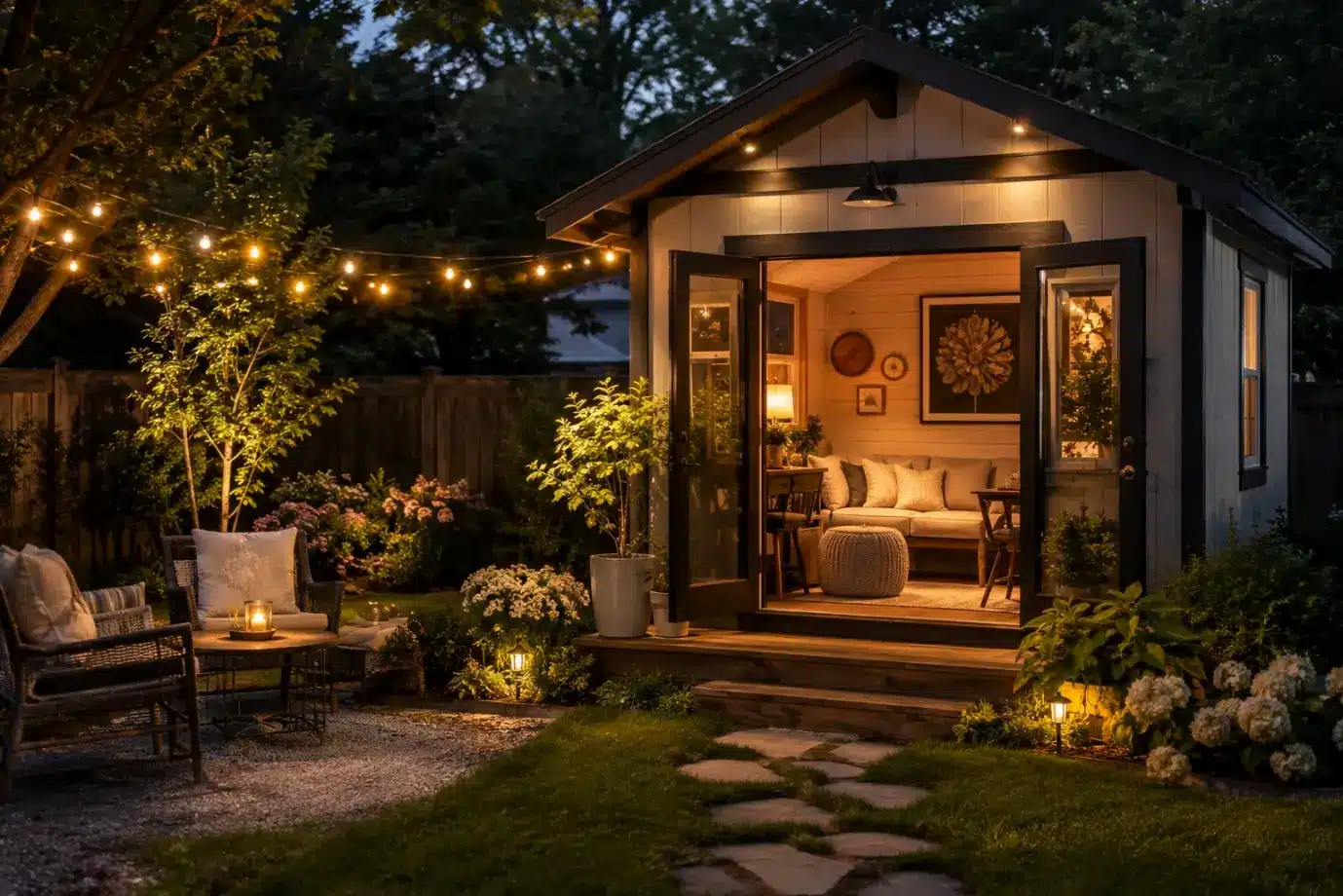
A garden shed does not have to remain a dark storage space filled with tools, half-used paint cans, and forgotten outdoor furniture. With a thorough cleanup, comfortable seating, and the right lighting, it can become a backyard retreat for reading, hobbies, entertaining, or simply enjoying a quiet hour away from the house.
Lighting has an especially important role in the transformation. It affects whether the shed feels cold and utilitarian or warm and inviting. A practical plan combines general illumination with focused task lighting and a decorative feature, such as a neon sign, that gives the room a clear personality.
Decide How You Will Use the Shed
Begin with the purpose of the space. A backyard bar has different lighting needs from an art studio, potting room, or reading hideaway. Defining its main use will prevent you from buying attractive fixtures that do not provide the light you actually need.
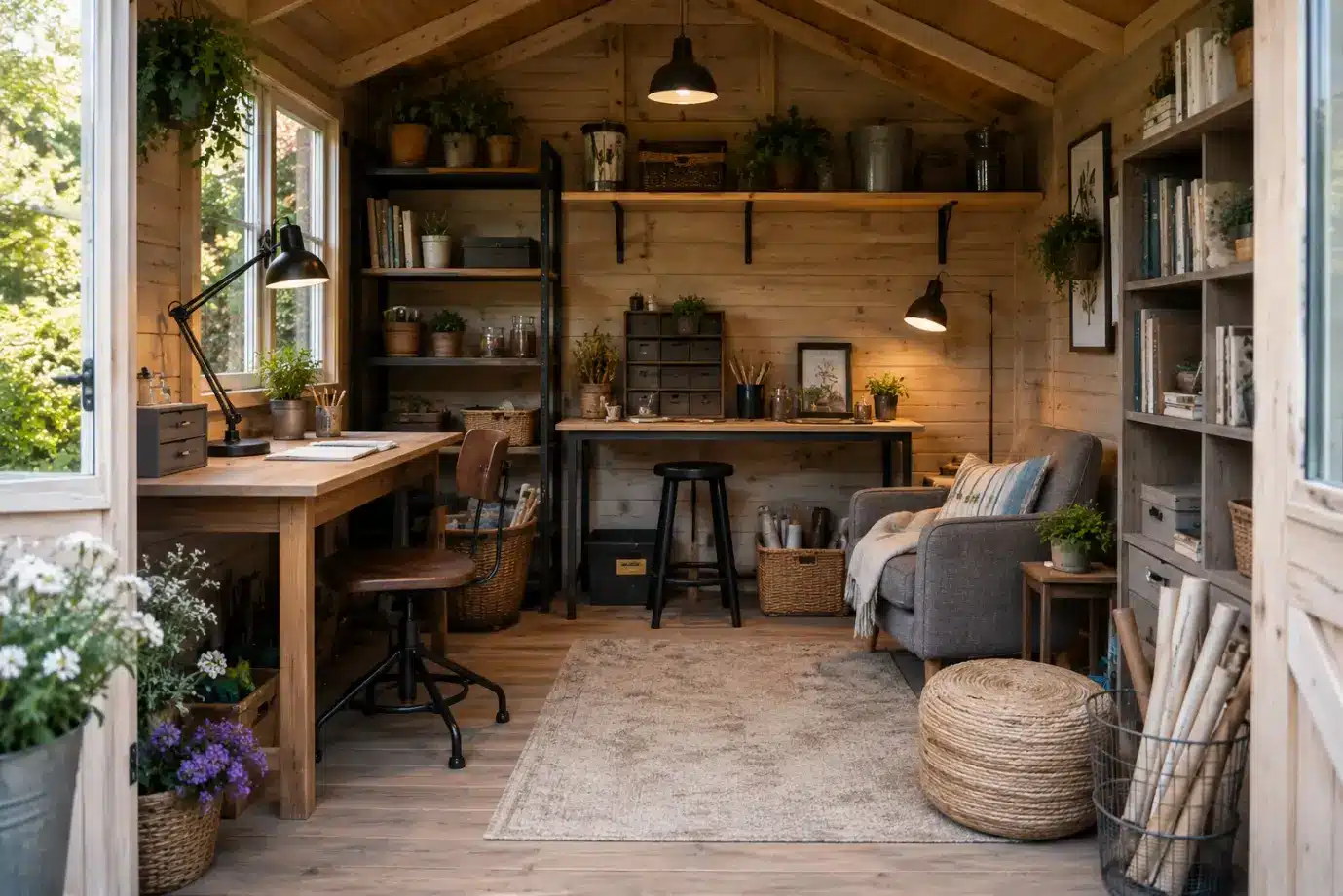
Make a list of the activities that will happen there. If you plan to read, work, or complete crafts, include a bright lamp near the chair or desk. A drinks station needs enough light for preparing and serving beverages. A space intended mainly for conversation can rely on softer illumination.
Consider how often you will use the retreat after sunset. A shed that closes before dark may need only basic interior lighting. One used for evening gatherings will also need a safely lit route from the house.
Start With Practical Overhead Lighting
Decorative fixtures cannot compensate for a room that is difficult to navigate. Install reliable general lighting first. A ceiling fixture or a pair of wall lights can spread illumination across the floor and make shelves, doors, and furniture easier to see.
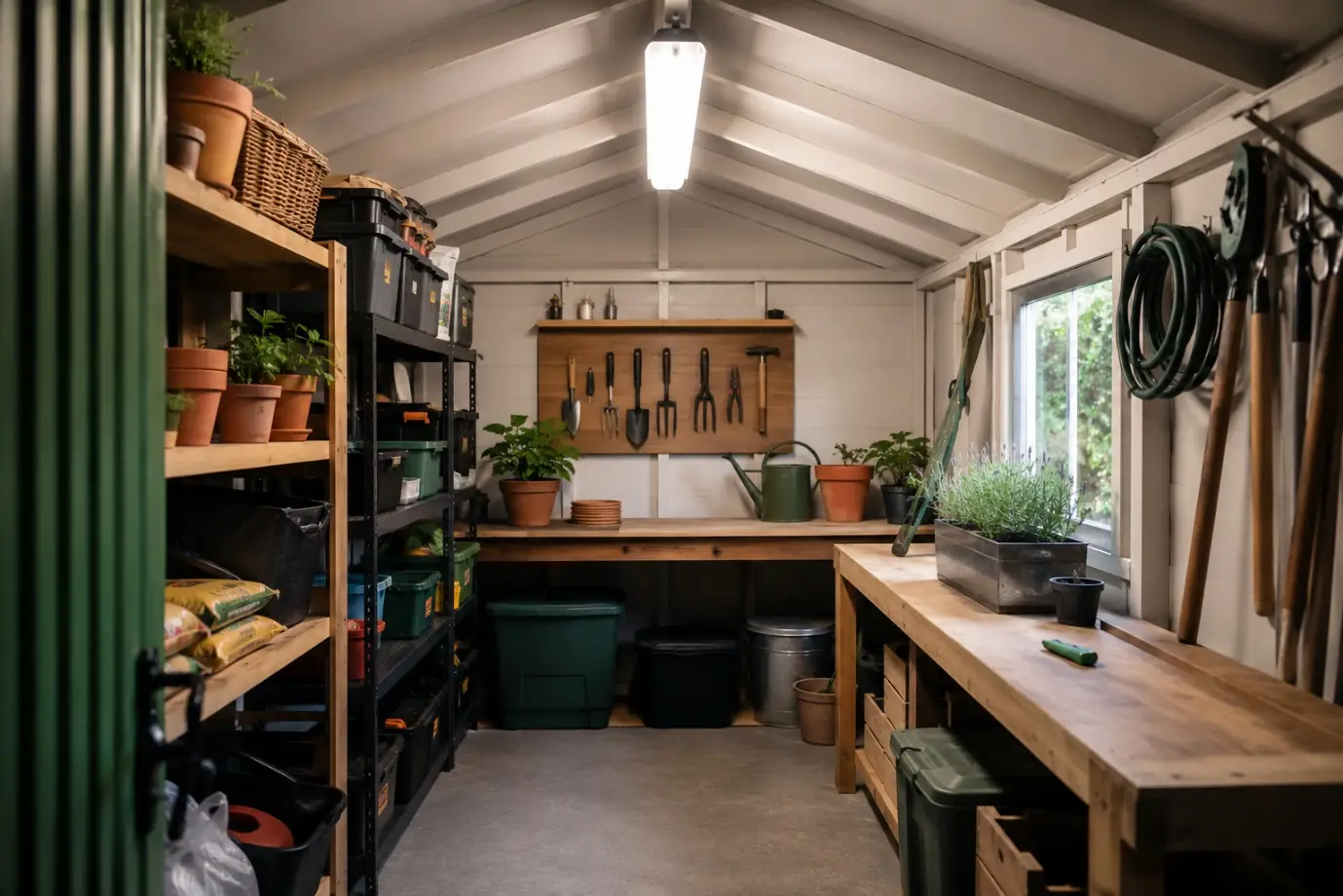
Avoid relying on a single exposed bulb, which often creates harsh shadows and makes the corners feel gloomy. Frosted shades or diffused LED fixtures produce a softer, more even result.
If the building does not have an electrical connection, battery-powered and rechargeable fixtures may provide a temporary solution. Any permanent wiring should be installed according to local codes, preferably by a qualified electrician.
Add Focused Light Where You Need It
Task lighting directs brightness toward a particular activity. Place a desk lamp near a workspace, a reading lamp beside a comfortable chair, or under-shelf lights above a potting bench.
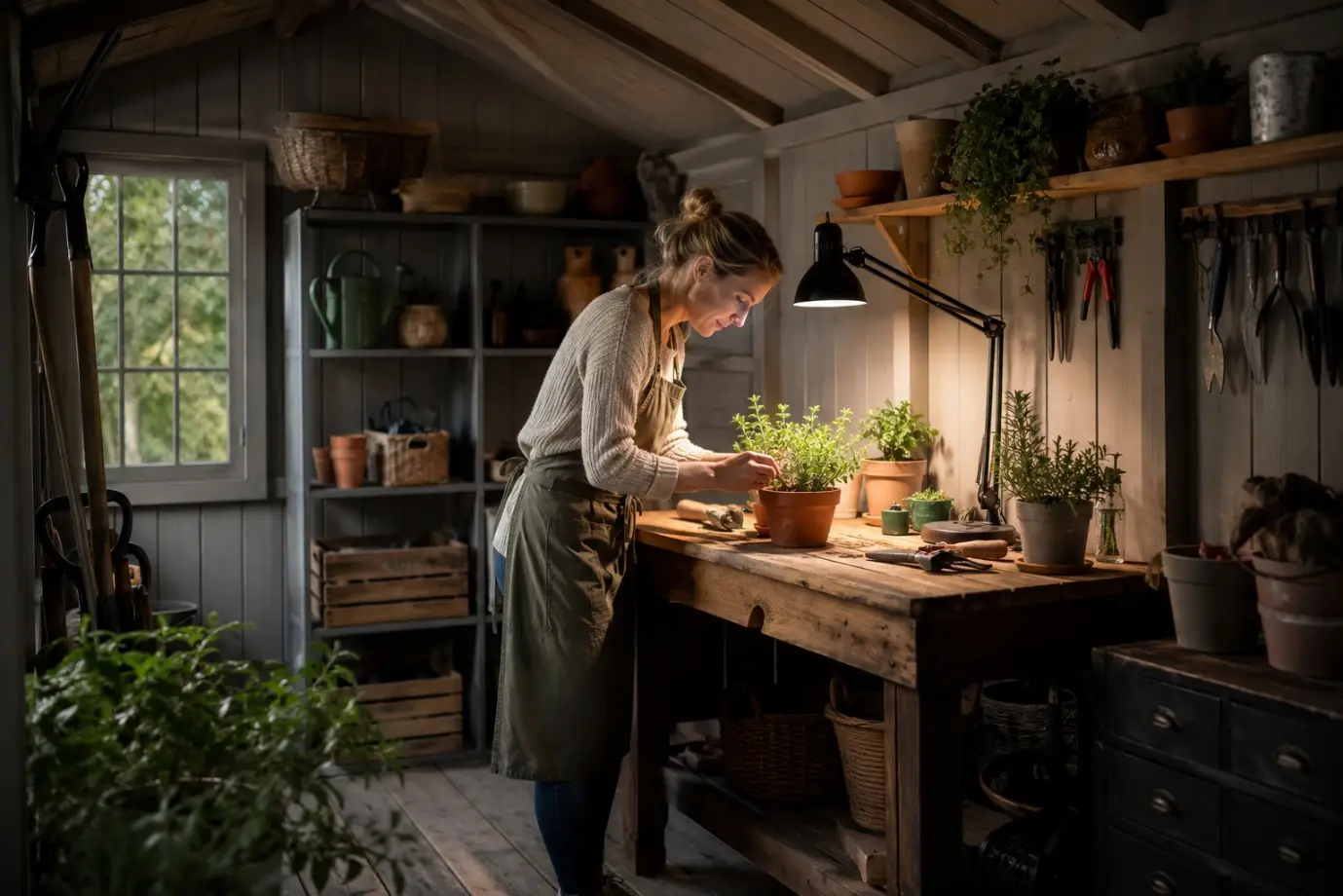
Position the fixture so your hands and body do not cast shadows across the work surface. Adjustable lamps are useful when the same table serves several purposes. They can provide strong illumination for a project and then be turned toward the wall for a softer glow.
Keep cords away from walking routes, damp areas, and places where garden tools may catch them. In a compact shed, wall-mounted lamps can preserve valuable floor and table space.
Create a Focal Point With Custom Neon Signs
Once the practical lighting is in place, add a decorative feature that gives the room its own personality. Custom neon signs Neonchamp can turn an ordinary wall into the focal point of a backyard retreat. They work well in playful garden bars, colourful craft rooms, music spaces, and relaxed seating areas.For a personal hideaway, choose a favorite phrase, nickname, or symbol. Custom neon letters can spell out a short message without requiring additional artwork around them. Longer wording may become difficult to read in a small building, so keep the design concise.
NeonChamp allows customers to personalize details such as wording, color, font, and size. Before ordering, measure the wall and mark the proposed dimensions with painter’s tape. Check the outline from both the doorway and the main seating position.
Use Color to Set the Mood
Different colors change the character of a small room. Warm white, amber, and soft yellow create a restful atmosphere that works well with timber walls, woven baskets, and natural fabrics. Pink, blue, green, and red feel more energetic and can support a bar, game room, or creative studio.
The color should complement the materials already inside the shed. A bright blue custom LED sign can provide contrast against warm wood, while a pale pink design may soften dark painted walls.
Do not add too many competing colors. If the illuminated feature is bold, keep nearby lamps and string lights warm and understated. Repeating one color in cushions, planters, or small accessories will make the room feel connected.
Layer the Light Instead of Overfilling the Room
A successful lighting plan usually includes three levels. General lighting makes the space safe to use, task lighting supports specific activities, and accent lighting creates atmosphere.
String lights can trace a ceiling beam or frame a window. A small table lamp can warm a seating corner. Neon light signs provide color and visual interest without taking up a shelf or floor area.
Place each light at a different height. When every fixture sits near the ceiling, the room can feel flat. Combining overhead lighting with a mid-height wall feature and a lower lamp gives the interior more depth.
Dimmers and separate switches make these layers easier to control. You can use full lighting for cleaning or hobbies, then switch to a gentler combination when guests arrive.
Connect the Shed to the Rest of the Backyard
The retreat should not feel isolated from its surroundings. Add low-level path lighting between the house and shed so people can move safely after dark. Solar stakes may suit sunny garden paths, while wired fixtures provide more consistent illumination where a suitable electrical setup is available.
Lights near steps, changes in ground level, and the entrance deserve priority. Decorative lighting can then highlight a planter, small tree, or seating area.
If the shed opens onto a covered patio, repeat one material or color inside and outside. Matching lantern finishes or warm-white bulbs can connect the two areas without making every fixture identical.
Check Whether the Sign Suits the Setting
Not every light is intended for outdoor exposure. Even a covered shed or garden building may experience moisture, dust, heat, and sharp temperature changes.
Before installing custom LED neon signs, confirm whether the selected product is rated for indoor, damp, or outdoor use. Check the sign itself as well as its adapter, controller, cables, and connections. An indoor-only product should remain in a dry, enclosed building.
Outdoor outlets should have suitable weather protection. Avoid running extension cords permanently through doorways or across the yard. Ask an electrician for advice if the building needs new outlets or a dedicated power supply.
Keep the Design Easy to Update
A backyard retreat will probably change after you begin using it. The reading room may become a hobby studio, or the potting shed may develop into a place for weekend drinks. Choose furnishings and lighting that can adapt.
Custom made neon signs with simple wording or imagery are easier to reuse than designs tied to a single event. Mounting the piece on a removable backing panel can also make it easier to relocate without damaging the shed wall.
Leave some open space rather than decorating every surface immediately. After spending time in the finished room, you will have a better sense of where another lamp, shelf, or chair would be useful.
A forgotten shed can become one of the most enjoyable places in the backyard. Start with lighting that makes it safe and functional, then add color and character in measured amounts. The result will feel less like an outdoor storage building and more like a retreat designed for the way you want to spend your free time.