If you’re looking for a crop that practically grows itself, sugar snap peas are your answer. They’re sweet, satisfying to harvest, and surprisingly forgiving for first-time gardeners.
That said, even the easiest plants have a rhythm, and snap peas are no different.
Get their timing right, give them something to climb, and they reward you generously. Get it wrong, and the heat takes them before you’ve had your first handful.
Here’s everything you need to know about when to plant sugar snap peas, whether they need a trellis, and what to skip if you want a happy, thriving harvest.
When to Plant Sugar Snap Peas?
Plant sugar snap peas as early as the soil can be worked in spring, even if mornings are still crisp. They genuinely love the cold and will push through without much fuss.
The goal is getting them in while the ground is cool but no longer frozen, giving them a long, comfortable growing window before summer heat rolls in.
If spring slips by too quickly where you live, fall is worth trying, too.
Cooler climates give peas a second chance to thrive as temperatures drop back down to that sweet spot between cool and mild.
Planting Calendar by Region
Knowing your region makes all the difference when it comes to planning your pea patch. Sugar snap peas don’t follow a universal calendar; they follow your climate.
Here’s a simple breakdown to help you figure out your ideal planting window:
| Region | Climate Type | Best Planting Time |
|---|---|---|
| Northern U.S. | Cold winters, short springs | Early to mid-spring |
| Central/Midwest U.S. | Moderate, variable | Late winter to early spring |
| Southern U.S. | Mild winters, hot summers | Late fall to winter |
How to Know It’s the Right Time to Plant?

Cool-season crops like snap peas are less about the calendar and more about reading your garden’s cues. These three signs are your green light to get planting.
1. The Soil is Workable and Not Waterlogged
If you can push a trowel in without forcing it and the soil crumbles rather than clumps, you’re in good shape. Soggy, compacted soil suffocates young roots before they even get started.
For most USDA Zones 3 to 5, this window opens somewhere in March to April. Zones 6 and 7 often see workable soil as early as late February.
2. Daytime Temperatures are Sitting in a Comfortable Range
Snap peas germinate well when daytime temps are consistently cool but not cold. A thermometer telling you anything between the mid-40s and low 70s Fahrenheit is a good sign.
Gardeners in Zones 8 and 9 want to catch this window in late fall or winter instead, since their springs warm up too fast for peas to settle in comfortably.
3. The Ground Passes the Simple Squeeze Test
Grab a small handful of soil and squeeze it. If it holds its shape but breaks apart when you poke it, moisture levels are just right.
Zones 3 and 4 gardeners especially benefit from this check since snowmelt can leave soil deceptively wet on top while still frozen underneath. Patience here saves a lot of replanting later.
Note: Not sure which USDA Zone you’re in? The official USDA Plant Hardiness Zone Map lets you find your zone by zip code and is the most reliable reference for planning any cool-season crop. You can find it at planthardiness.ars.usda.gov
Can You Plant Sugar Snap Peas in Fall?
Fall planting is absolutely worth considering if you’re in a region where summers are brutal, and winters stay mild.
Cooler climates give snap peas a genuine second season, and the bonus is real: fewer pests are active in fall, and the slower, cooler growth often means a sweeter, more extended harvest.
The one thing to watch is frost. A hard freeze can wipe out young plants quickly, so timing your fall sowing to allow enough growing time before temperatures drop too far is key.
It’s a little more calculated than spring planting, but the payoff is worth it.
Do Snap Peas Need a Trellis?
Most gardeners wonder about this before they even buy seeds, and the short answer is yes, a trellis is worth it for most varieties.
Sugar snap peas are natural climbers and genuinely perform better with something to grab onto. It keeps the vines tidy, the air moving, and harvest days significantly easier on your back.
Why a Trellis Makes a Difference?
Give your peas something to climb, and they’ll reward you in more ways than one:
- Keeps vines lifted off the ground, reducing rot and moisture buildup.
- Better airflow through the plant means less risk of powdery mildew.
- Easier to spot and pick pods at their peak.
- Healthier structure overall leads to a longer, more productive harvest.
When Can You Get Away Without One?
Not every garden needs a full trellis setup, and some varieties are perfectly happy without one:
- Bush varieties are naturally compact and largely self-supporting.
- Dwarf cultivars like Sugar Ann do well in containers without added support.
- Small garden beds with closely spaced plants can lean on each other.
- Low-growing varieties rarely climb past a height that needs managing.
Best Types of Trellises for Sugar Snap Peas
Not all trellises are created equal, and the best one really comes down to your garden setup, budget, and how permanent you want the structure to be.
| Trellis Type | Best For | Cost | Reusable |
|---|---|---|---|
| Netting or Mesh | Row gardens and raised beds | Low to moderate | Yes |
| Bamboo Stakes | Small patches and containers | Very low | Yes |
| Wire Fencing | Larger plots | Moderate | Yes |
| DIY String Trellis | Temporary or budget setups | Minimal | No |
How to Plant Sugar Snap Peas?
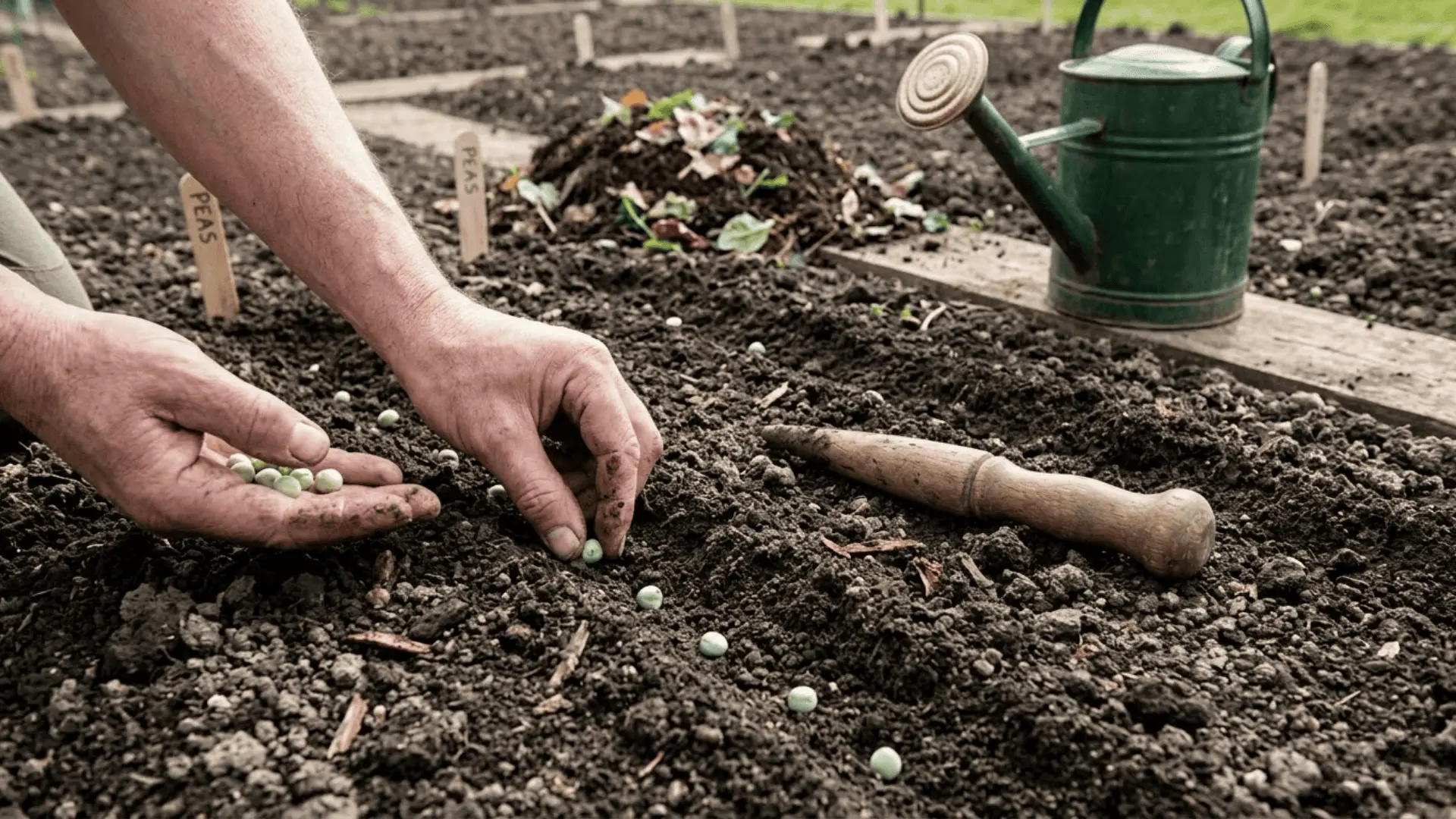
Getting sugar snap peas in the ground is refreshingly straightforward, and since they prefer to be sown right where they’ll grow, there’s very little prep involved.
- Step 1: Pick a spot that gets a good amount of daily sun with soil that drains well.
- Step 2: Loosen the soil and work in some compost if it needs a little enriching.
- Step 3: Sow seeds directly into the ground, about an inch deep, since peas don’t take well to transplanting.
- Step 4: Space seeds a few inches apart to give each plant enough room to establish.
- Step 5: Water gently after sowing and keep the soil consistently moist until germination kicks in.
Once your seeds are in, the hardest part is honestly just waiting. Most sugar snap peas germinate within a week or two when soil conditions are right, and from there, they move fast.
Soil and Sunlight Requirements
Sugar snap peas aren’t particularly fussy, but they do have preferences worth respecting.
Well-draining soil with a bit of organic matter gives them the foundation they need to establish strong roots early on.
Full sun is ideal, though they’ll tolerate a little shade, especially as temperatures start climbing. What they won’t tolerate is heat trapped by walls, pavement, or south-facing spots that turn harsh by midsummer.
Keep them away from overly warm microclimates, and you’ll find they grow with very little interference, which is really the whole appeal of this crop to begin with.
Watering and Care Tips
Snap peas are low-maintenance by nature, but a little consistent attention to watering goes a long way in keeping them productive.
- Keep the soil evenly moist, especially during germination and flowering.
- Water at the base of the plant to keep foliage dry and disease at bay.
- Mulch around the base to lock in moisture and regulate soil temperature.
- Pull back on watering if the soil feels consistently wet; soggy roots do more damage than dry ones.
Get the watering rhythm right, and your peas will largely take care of themselves from there.
Growth Timeline for Sugar Snap Peas
Knowing what to expect at each stage makes the whole growing process feel a lot more manageable, and with snap peas, things move quickly once they’re in the ground.
| Growth Stage | What’s Happening | Timeframe |
|---|---|---|
| Germination | Seeds sprout and push through the soil | 1 to 2 weeks after sowing |
| Seedling Growth | Vines begin climbing, and tendrils appear | Weeks 2 to 4 |
| Flowering | Small white blooms signal pods are on the way | 4 to 6 weeks in |
| Pod Development | Pods fill out and become harvest-ready | Week 6 onwards |
| Harvest Window | Pods are plump, crisp, and at peak sweetness | 2 to 3 months after planting |
What’s Wrong With My Snap Peas: Common Problems Solved
Even the most beginner-friendly crops hit a few bumps, and snap peas are no exception. Here’s what gardeners run into most often, and how to sort it out quickly.
Problem 1: My seeds have been in the ground for weeks, and nothing is coming up.
The Fix: Soil that’s too cold or holding too much moisture is usually the culprit. Improve drainage where you can, give it a few more days, and wait for soil conditions to warm up just slightly before resowing.
Problem 2: My snap pea plant looks healthy and full, but there are no pods forming.
The Fix: Heat stress or poor pollination is likely slowing things down. Try planting earlier in the season next time to catch that cooler window before temperatures climb.
Problem 3: The leaves on my snap pea plant are turning yellow, and I’m not sure why.
The Fix: Overwatering or a minor nutrient imbalance tends to show up this way. Ease back on watering, check your drainage, and consider working in a balanced compost to refresh the soil.
Problem 4: My snap pea vines keep flopping over and won’t stay upright.
The Fix: Without proper support, vines have nothing to anchor themselves to and will sprawl. Getting a trellis or even a simple string support in place early makes a noticeable difference right away.
Community Discussion: This Reddit thread from r/vegetablegardening has some genuinely useful back-and-forth from growers who’ve tested it firsthand: How Critical is it to Thin Snap Peas?
Tips for a Bigger Harvest
A generous harvest doesn’t happen by accident, and with snap peas, a few small habits make a surprisingly big difference.
- Plant as early as the soil allows to make the most of the cool growing window.
- Use a trellis to encourage vertical growth and keep plants producing longer.
- Pick pods regularly because the more you harvest, the more the plant is encouraged to set new ones.
- Succession plant every couple of weeks for a steady supply rather than one big flush.
Treat your snap peas well through the season, and they’ll keep giving back right up until the heat calls it.
Companion Plants for Sugar Snap Peas
What you grow alongside your snap peas matters more than most gardeners initially expect. The right neighbors can support growth and deter pests, while the wrong ones quietly work against them.
| Companion Plant | Relationship | Why It Works or Doesn’t |
|---|---|---|
| Carrots | Beneficial | Loosen soil beneath peas without competing for nutrients |
| Lettuce | Beneficial | Thrives in the same cool conditions, great use of space |
| Radishes | Beneficial | Fast-growing, helps deter aphids naturally |
| Onions | Avoid | Inhibit pea growth and stunt development underground |
| Garlic | Avoid | Similar to onions, the chemistry between them doesn’t mix well |
Growing Sugar Snap Peas in Containers
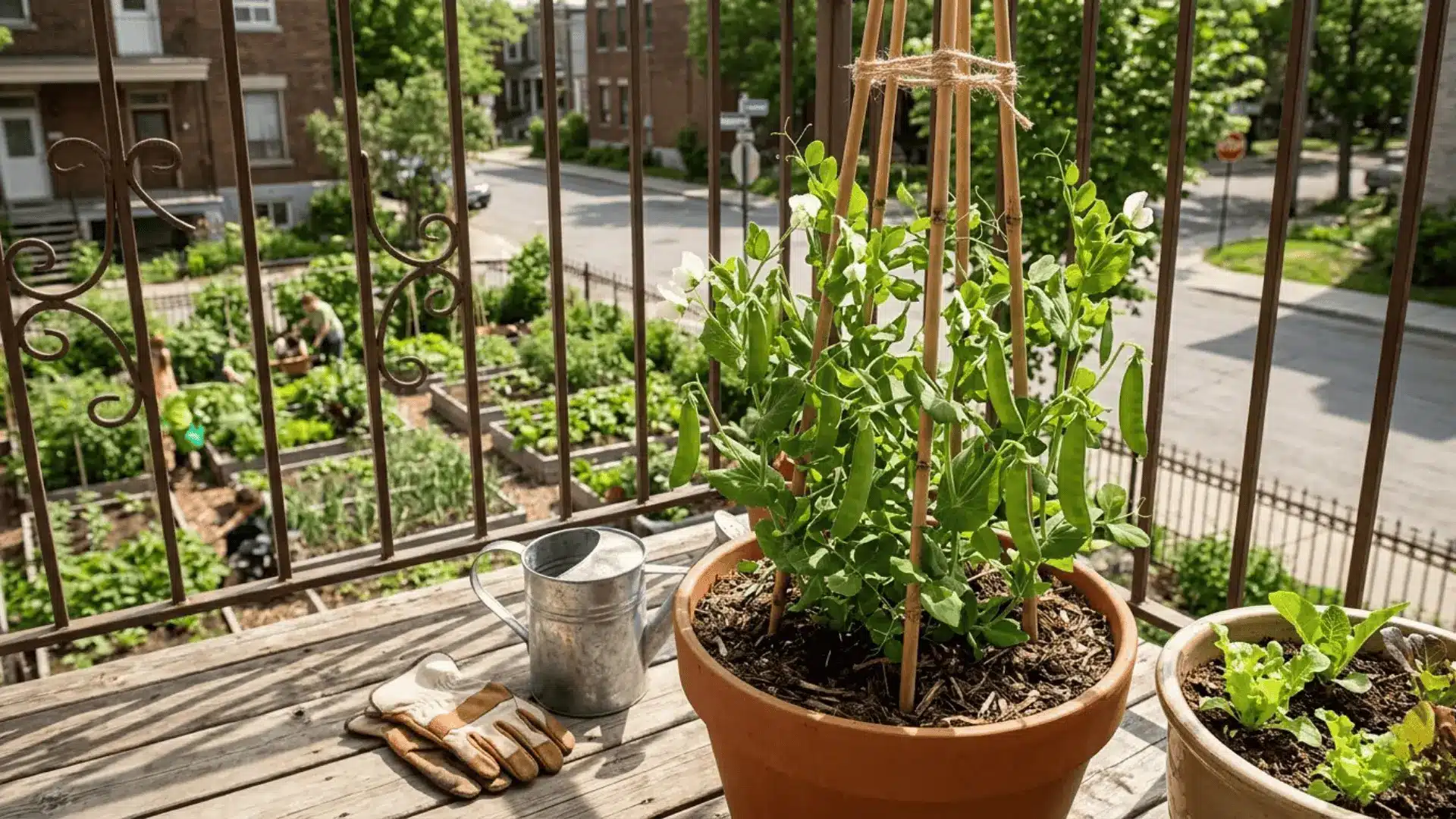
Container growing works really well for snap peas as long as you set things up right from the start.
A deep pot with solid drainage is non-negotiable since shallow containers restrict root development, and waterlogged soil will stall growth fast.
Choose a dwarf or bush variety if space is tight, and always have a small trellis or bamboo stake ready because even compact varieties appreciate something to lean on.
Container peas dry out faster than garden beds, so check moisture levels more frequently and water accordingly.
Beyond that, they’re surprisingly happy in pots and well worth trying on a balcony or patio.
That’s a Wrap
Growing sugar snap peas is one of those quiet gardening wins that never gets old.
Once you understand when to plant sugar snap peas and what they need to thrive, everything else falls into place naturally. They’re fast, they’re rewarding, and they make even a small garden feel wildly productive for their size.
Start early, give them support, and pick often. That’s really all it takes.
If you’ve grown snap peas before or you’re planning your first patch this season, drop a comment below and share what’s worked for you.