Summer is genuinely one of the most rewarding times to be out in the garden. The longer days and warmer temperatures create ideal conditions for all sorts of crops, and if you plan things even a little bit ahead of time, you’ll be amazed at what you can grow. It’s not just about chucking seeds in the ground and hoping for the best, a bit of thought goes a long way. Picking the right crops for the season makes all the difference, and starting with some dependable summer veg gives you a solid foundation to build from.
Why Seasonal Planning Matters
Seasonal planning isn’t as complicated as it sounds. At its core, it’s simply about understanding what your garden needs at different points throughout the year. When you know which vegetables do best in each season, you can stagger your sowing, avoid overcrowding, and stop the soil from being stripped of the same nutrients over and over again.
Summer brings its own particular challenges. The heat and longer daylight hours can push growth along quickly, sometimes too quickly. Plants that aren’t suited to warmer conditions can bolt, attract pests, or just struggle. A little forward planning helps you sidestep these problems and make the most of what is, genuinely, a brilliant season for growing.
Choosing the Right Crops for Summer
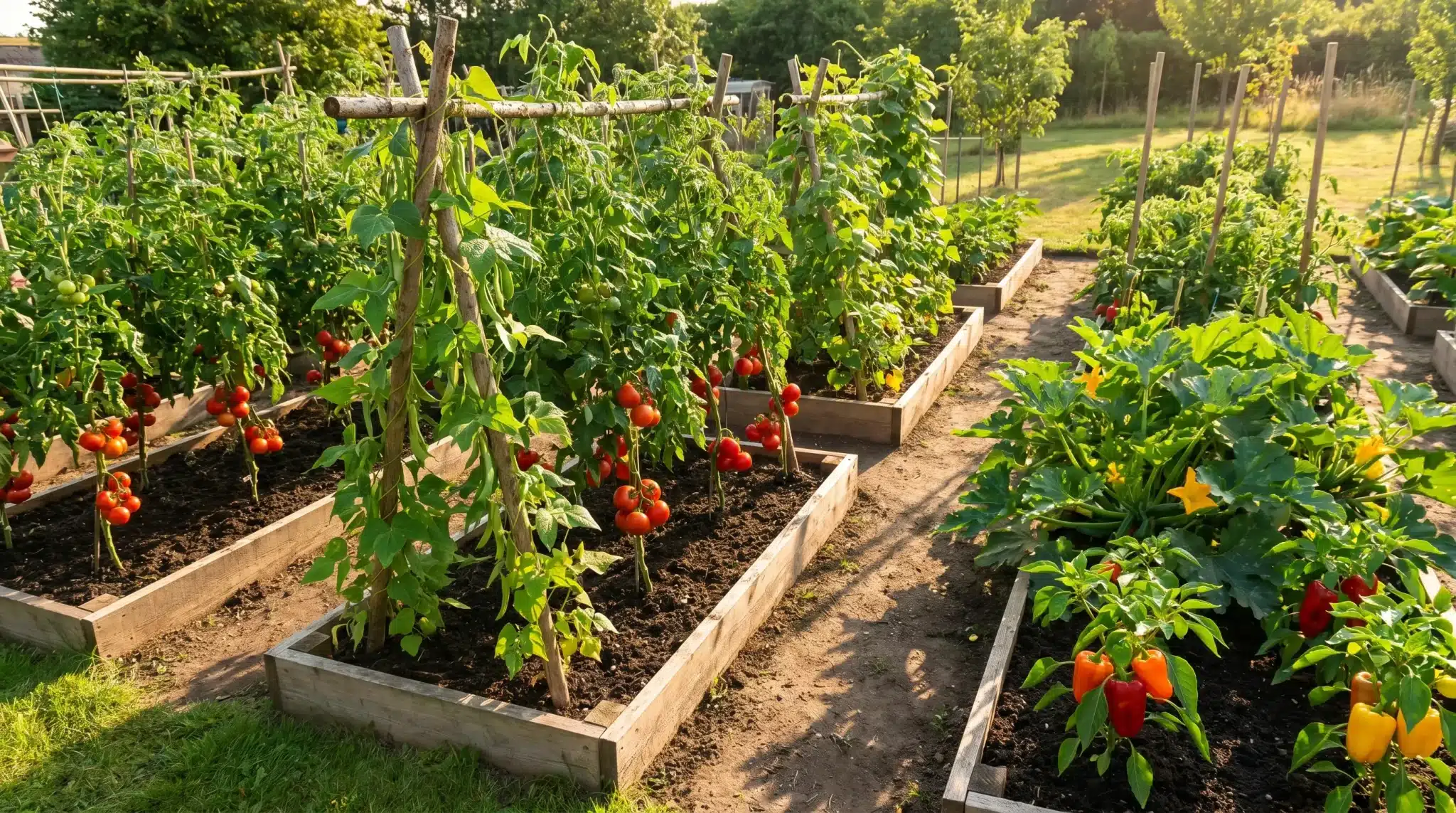
Not everything thrives in summer heat, so it pays to be selective. Heat-loving crops, tomatoes, peppers, courgettes, beans, come into their own when temperatures are up. Leafy vegetables like lettuce, spinach, and Swiss chard can also do well, though they’ll appreciate a bit of shade during the hottest part of the day, otherwise they tend to bolt fairly quickly.
A good mix of fast-growing and slower-maturing crops keeps the harvest coming steadily rather than arriving all at once. There’s nothing worse than being overwhelmed with courgettes one week and having nothing to pick the next. Thinking about your garden layout at this stage is useful too. Whether you’re working with rows, raised beds, or containers, arranging things sensibly makes watering and upkeep much easier. Companion planting, more on that shortly, is also worth factoring in from the start.
Sowing Techniques for Summer
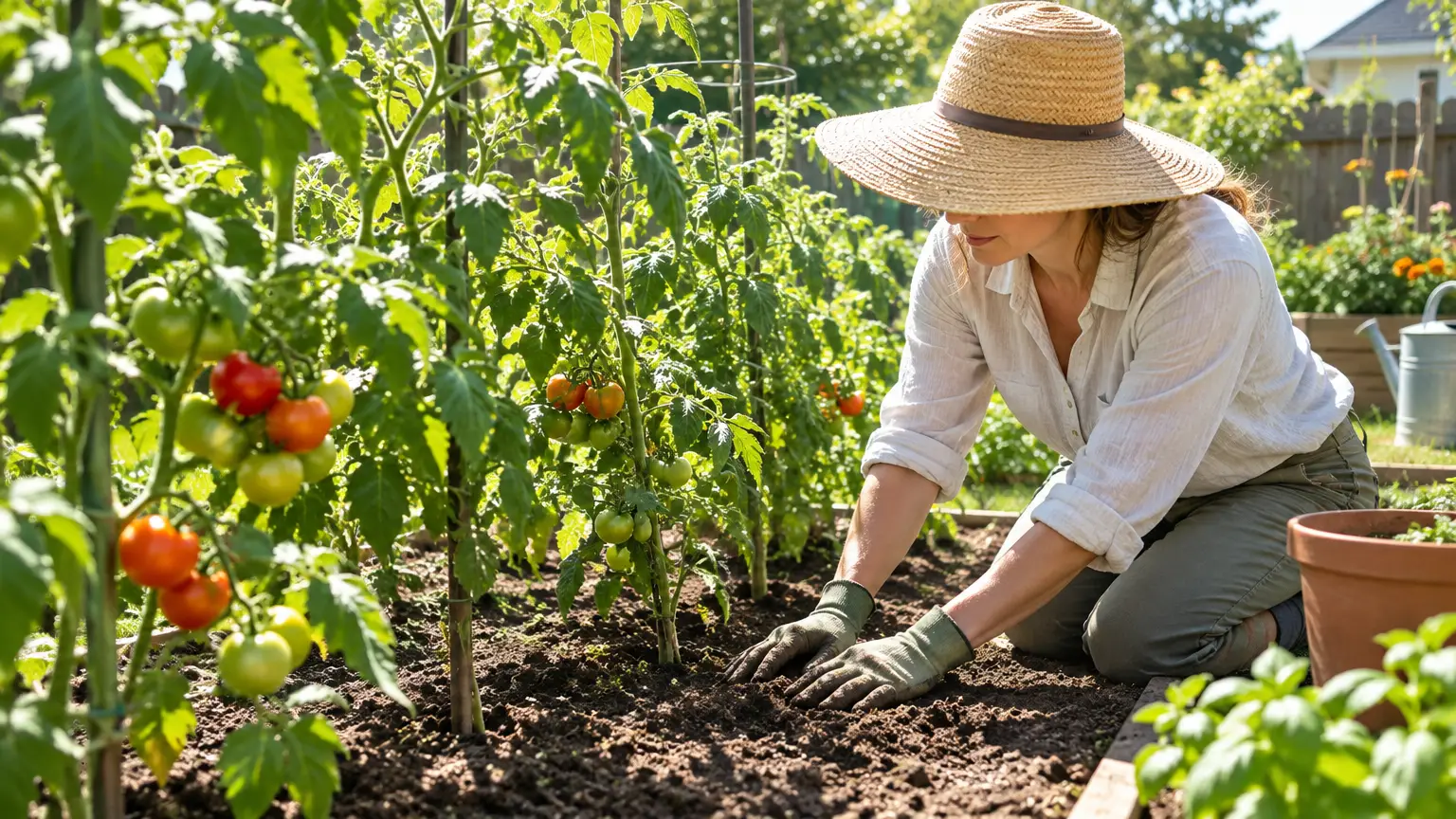
How you sow depends largely on what you’re growing. Some crops are perfectly happy being sown directly into the ground; beans, carrots, and radishes all fall into this category, provided the soil has warmed up enough. Others, particularly tomatoes and peppers, really benefit from being started off indoors or in a greenhouse first. Getting them established before they face the full intensity of summer sun gives them a much better chance.
Spacing matters more than people often realise. Overcrowded plants compete for water and nutrients, and poor airflow between them makes fungal problems far more likely. Seed packets usually give guidance on spacing, and it’s worth following it rather than trying to squeeze in an extra row. Labelling your beds as you go is also a good habit, once several different things are growing away nicely, it can be surprisingly hard to remember what’s what.
Watering and Maintenance
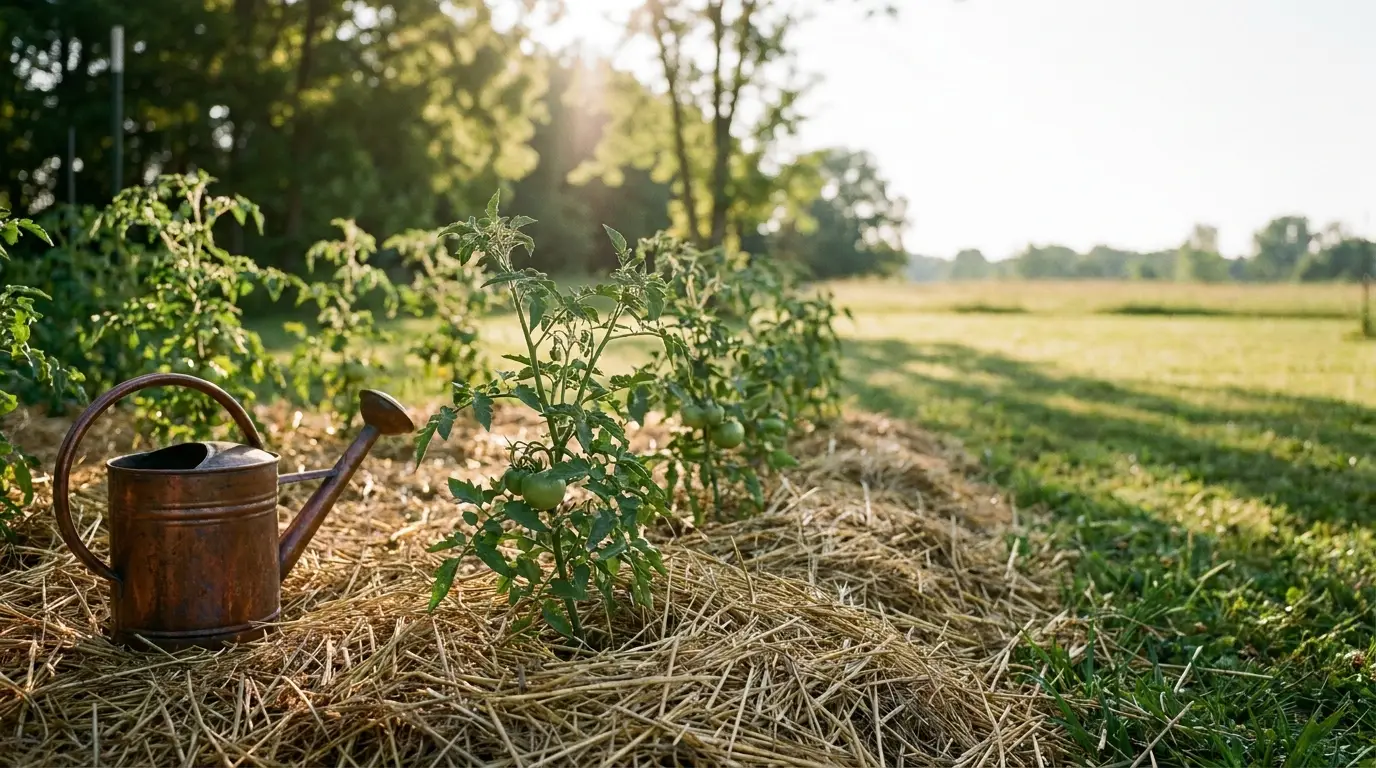
Keeping on top of watering is probably the most important job in a summer garden. During dry spells, plants can go from fine to struggling very quickly. Watering in the early morning or late evening is far more effective than midday watering, since less is lost to evaporation and there’s no risk of scorching the leaves.
Mulching is well worth the effort too. Spread straw, grass clippings, or shredded leaves around the base of your plants and you’ll retain moisture in the soil, regulate temperature, and improve soil structure all in one go. Beyond watering, regular maintenance means pulling weeds before they take hold, keeping an eye out for pests, and checking that climbing plants like beans and tomatoes have adequate support. A daily wander round the garden, even just five minutes, means you’ll catch problems early, before they have a chance to spread.
Companion Planting and Crop Rotation
Companion planting is one of those things that sounds more complicated than it is. Certain plants simply get on well together. Basil planted near tomatoes is a classic example, it’s thought to improve flavour and can help deter some common pests. Growing carrots alongside onions can reduce carrot fly, which is a particular nuisance if you’ve had trouble with it before.
Crop rotation is equally straightforward once you get into the habit of it. Moving different vegetable families around your beds from one season to the next prevents the soil from becoming depleted and reduces the build-up of soil-borne diseases. Keeping a basic garden journal, even just a rough sketch of what was planted where, makes this much easier to manage and is invaluable when planning future seasons.
Harvesting Tips
Harvesting at the right time makes a noticeable difference to flavour. Beans and courgettes are far tastier when picked young and tender; leave them too long and they become tough and seedy. Leafy greens benefit from regular picking, which not only keeps the plant productive but also delays bolting. Tomatoes and peppers are best left to ripen fully on the plant, though in very hot conditions it’s sometimes worth picking them just before they’re completely ripe to stop them going over.
Keeping on top of harvesting also reduces the risk of rot and pest problems. Overripe or damaged fruit is an open invitation to insects, so a regular check and a prompt pick is always the better approach.
Making the Most of Summer Veg
There’s a real satisfaction in growing your own food, and summer is when that feeling is at its most abundant. With some sensible planning, a good mix of summer veg, and reasonably consistent care, you can have fresh produce coming out of the garden for months. It needn’t be overwhelming, start with what you know, try a few new things, and adjust as you go.
Summer gardening rewards observation and patience in equal measure. Get those basics right and you’ll have a productive, colourful, and deeply enjoyable garden from the first sowing right through to the final harvest.