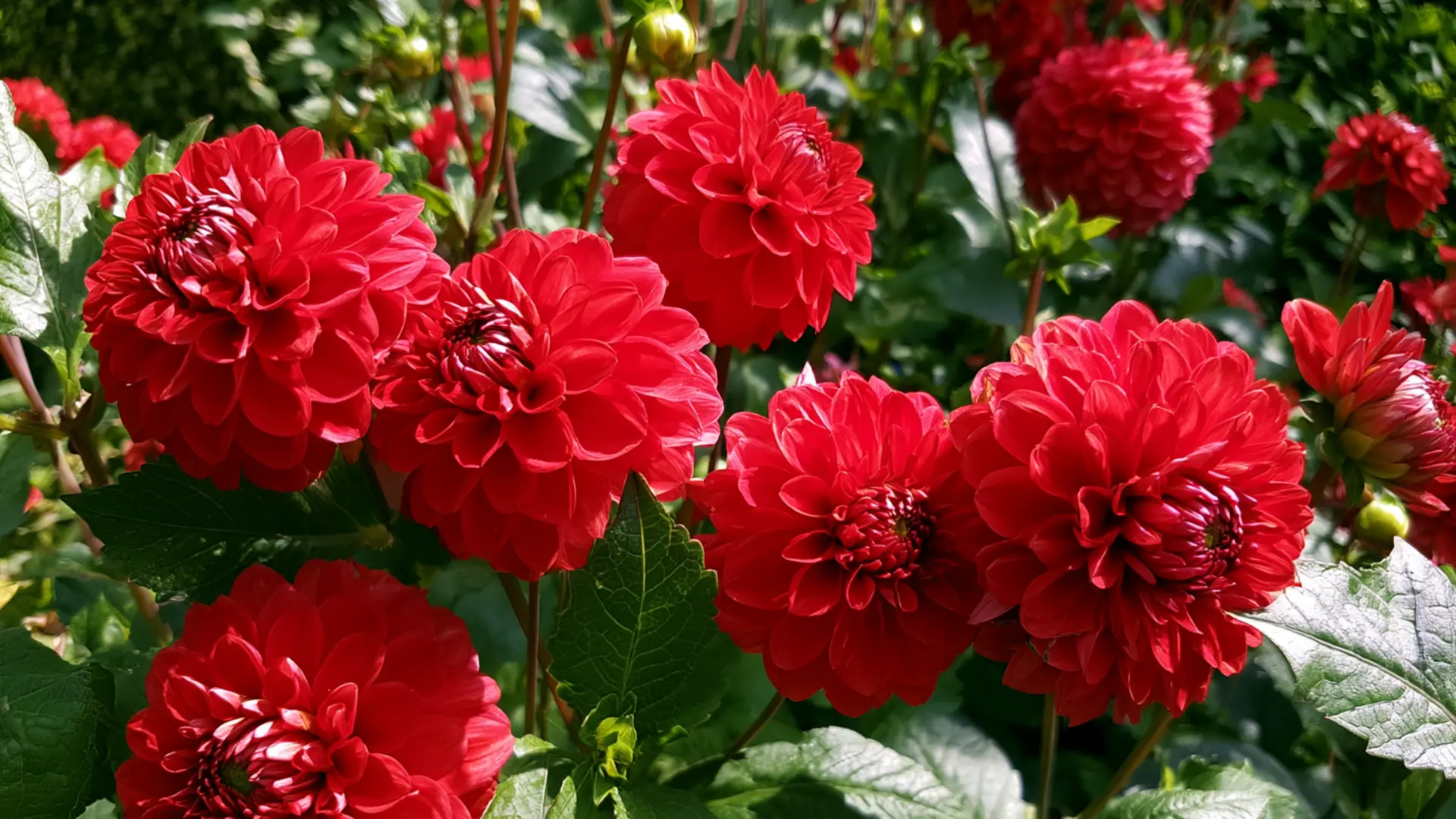
Dahlias are a favorite among gardeners because they are easy to plant.
Plant too early, and frost wipes out fresh growth overnight. Plant too late, and you lose weeks of bloom time.
Knowing when to plant dahlias makes the difference between a garden full of color and a season of disappointment. Soil temperature, tuber health, and location all play a role long before the first bud appears.
This blog covers soil prep to early trouble spotting to ensure strong dahlias from tuber to bloom.
Get the basics right now, and the rest falls into place naturally.
When to Plant Dahlias?
Timing matters more than people think. Plant dahlia tubers after the last frost, once soil temperatures hit 60°F.
Cold, wet ground rots tubers before they get a chance to sprout.
In most regions, that means mid-to-late spring, but gardeners in warmer zones can start a few weeks earlier. Check your local frost date first, since planting too soon undoes all your prep work.
If you started tubers indoors, harden them off for a few days before transplanting. Patience pays off here.
A week or two delay won’t hurt, but an early frost will kill new growth fast.
Should You Start Dahlias Indoors or Plant Tubers Outside?
Both methods work, but they suit different goals.
Starting indoors gives you a four-to-six-week head start on blooms.
Pot tubers in containers with a well-draining mix, then keep them in a bright, warm spot.
Sprouts appear within a few weeks. Planting directly outside is simpler and skips the transplant shock altogether.
It suits gardeners short on space or time. Short-season climates benefit most from an indoor start, since it stretches the bloom window. Long, warm growing seasons make outdoor planting just as effective.
Choose based on your climate and how eager you are for early flowers.
Choosing Healthy Dahlia Tubers Before Planting
A weak tuber won’t give you a strong plant, no matter how well you time the season.
Here is what to check before you buy or plant:
- Firm Texture: Skip anything soft, mushy, or shriveled.
- Visible Eyes: Look for small pink or red buds near the crown.
- Size Matters: Bigger tubers store more energy for early growth.
- No Mold or Rot: Dark spots or a sour smell mean it is done.
- Intact Skin: Deep cuts or cracks invite disease.
Picking the Best Planting Location
Location decides how well your dahlias perform. Pick a spot with full sun, at least six hours a day.
Less sun means fewer blooms and weaker stems. Soil drainage matters just as much, so avoid low spots where water pools after rain. Raised beds work well if your yard holds moisture.
Wind exposure is another factor people overlook. Tall varieties may need shelter or staking against strong gusts.
Space plants far enough apart, too, since dahlias need airflow to avoid fungal issues.
A thoughtful spot now means far less troubleshooting later in the season.
Preparing Soil for Strong Roots and Bigger Blooms
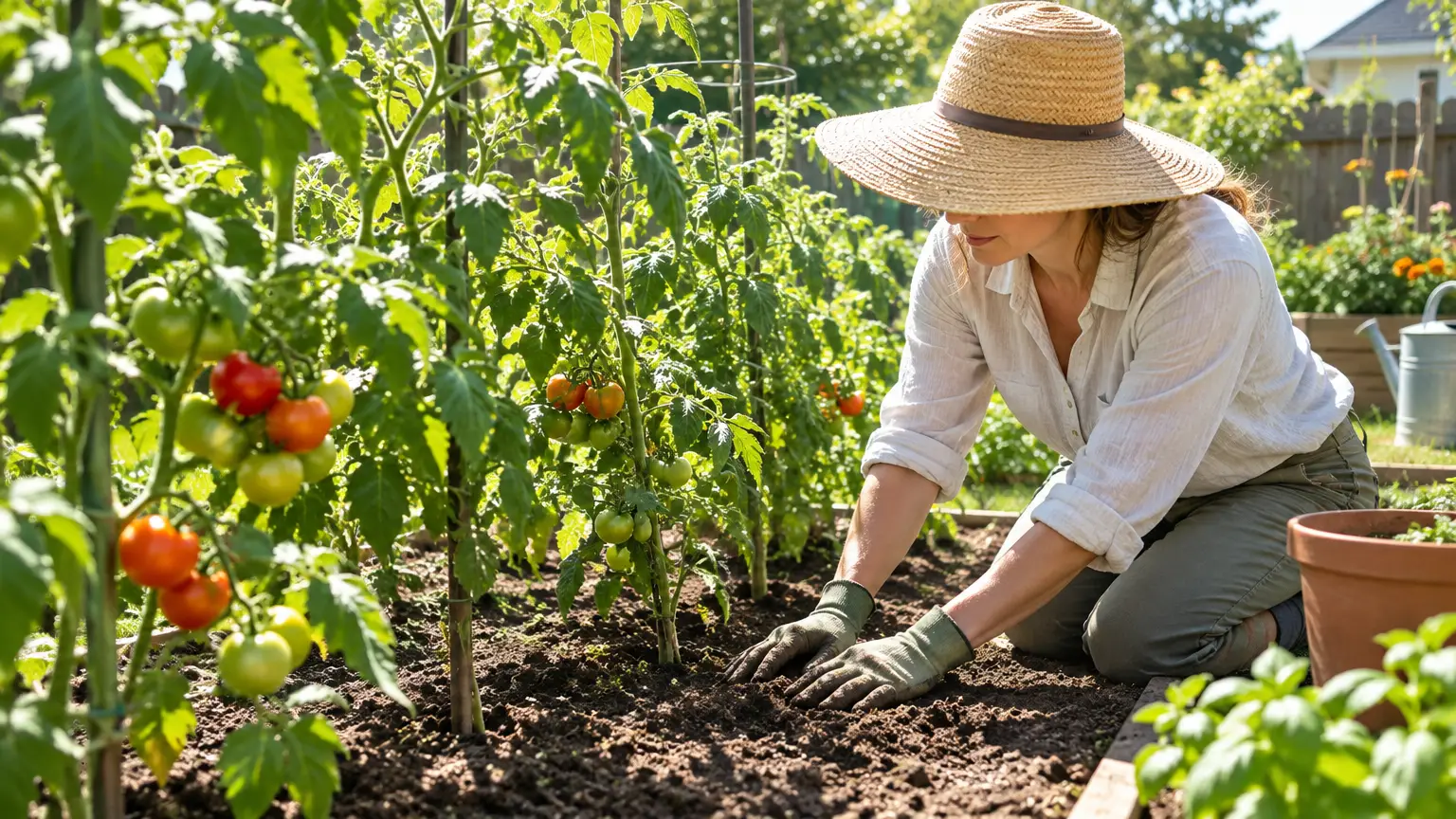
Good soil does half the work for you. Loosen it to about a foot deep so roots can spread freely.
Mix in compost or aged manure to boost nutrients naturally.
Dahlias prefer slightly acidic to neutral soil, somewhere around 6.5 to 7.0 pH. Test yours if you’re unsure. Heavy clay needs sand or organic matter worked in to improve drainage. Avoid fresh manure, since it can burn young roots.
A balanced, well-fed bed sets the stage for sturdy stems and bigger, healthier blooms once summer arrives.
Step-by-Step: How to Plant Dahlia Tubers?
Planting dahlia tubers is simple, but paying attention to a few details greatly improves their growth.
- Prep the Hole: Dig about 6-8 inches deep and wide enough for the tuber to lie flat.
- Add Support: If the variety grows tall, place a stake now before the tuber goes in, so you don’t damage it later.
- Position the Tuber: Lay it horizontally with the eye facing up.
- Cover Lightly: Add just 2-3 inches of soil at first, filling in more as sprouts grow.
- Water Sparingly: Hold off on heavy watering until sprouts appear above ground.
- Mulch: Add a layer around the base to help retain moisture and control weeds.
Dahlia Care Through Every Growth Stage
Once dahlias take root, ongoing care determines how they perform all season. From watering to feeding to support, each stage builds toward stronger stems and longer bloom cycles.
Small, consistent efforts now prevent bigger problems later.
Watering Dahlias Without Causing Rot
Dahlias like moisture, not soggy soil. Water deeply once or twice a week, depending on heat and rainfall.
Let the top inch of soil dry before watering again. Shallow, frequent watering encourages weak roots that can’t handle dry spells. Morning watering is best, since it gives foliage time to dry before evening.
Overwatering is the fastest way to invite rot, especially in heavy soil.
During hot periods, tubers dry out quicker, so check soil moisture more often rather than sticking to a set schedule.
Feeding Dahlias for Continuous Flowers
Dahlias are heavy feeders once they start growing. Use a low-nitrogen fertilizer, since too much nitrogen builds foliage instead of flowers. A formula higher in phosphorus and potassium supports blooming instead.
Browsing a few low-nitrogen fertilizer picks made for other bloom-heavy plants can help narrow down what works best for dahlias too.
Feed every three to four weeks throughout the growing season.
Stop feeding about a month before the first expected frost, so plants slow down naturally. Overfeeding can weaken stems and reduce bloom quality, so stick to recommended amounts.
Consistent, moderate feeding keeps flowers coming steadily instead of in short, unpredictable bursts.
Supporting Tall Dahlias Before They Flop
Taller dahlia varieties need support early, not after they’ve already bent.
Stake plants at planting time to avoid damaging tubers later. Use sturdy stakes or cages, since heavy blooms add real weight to stems. Tie stems loosely as they grow, checking ties periodically so they don’t cut into stalks.
Wind and rain can snap unsupported stems overnight. Bamboo stakes or a simple grid system both work well.
Setting support early saves you from untangling and re-staking a collapsed plant mid-season.
Pruning, Pinching, and Deadheading for More Blooms
Regular upkeep keeps dahlias producing instead of slowing down.
| Task | Why It Matters | When to Do It |
|---|---|---|
| Pinching | Encourages bushier growth, more stems | When the plant reaches 12–16 inches |
| Deadheading | Redirects energy to new buds | As soon as blooms fade |
| Pruning | Improves airflow, reduces disease risk | Mid-season, as needed |
Growing Dahlias in Pots Successfully
Container growing works well if you pick the right size and stay consistent with care.
- Step 1: Choose a pot at least 12–16 inches wide and deep.
- Step 2: Fill it with well-draining potting mix, not garden soil.
- Step 3: Plant one tuber per pot, eyes facing upward.
- Step 4: Place the pot where it gets six or more hours of sun.
- Step 5: Water when the top inch of soil feels dry.
- Step 6: Feed every three to four weeks with a low-nitrogen fertilizer.
- Step 7: Stake the plant early to support upright growth.
- Step 8: Rotate the pot occasionally for even sun exposure.
- Step 9: Move pots indoors or to shelter before the first frost.
For a pot that fills out with minimal extra work, pairing a dahlia with a few other easy-care flowers for beginners keeps the whole container low-maintenance.
What to Do with Dahlias After Flowering?
Once blooms fade for the season, shift your focus to the tubers.
Cut stems back to a few inches after the first light frost blackens the foliage. Let cut stalks sit for a day or two before digging, since this helps tubers cure slightly. Dig carefully to avoid nicking clumps with your shovel.
Shake off excess soil, but skip washing them clean.
Store tubers in a cool, dry, dark space, ideally between 40–50°F. Check on them monthly for soft spots or shriveling.
Proper storage now means healthy tubers ready for replanting once next season’s frost danger passes.
Common Dahlia Problems and How to Fix Them
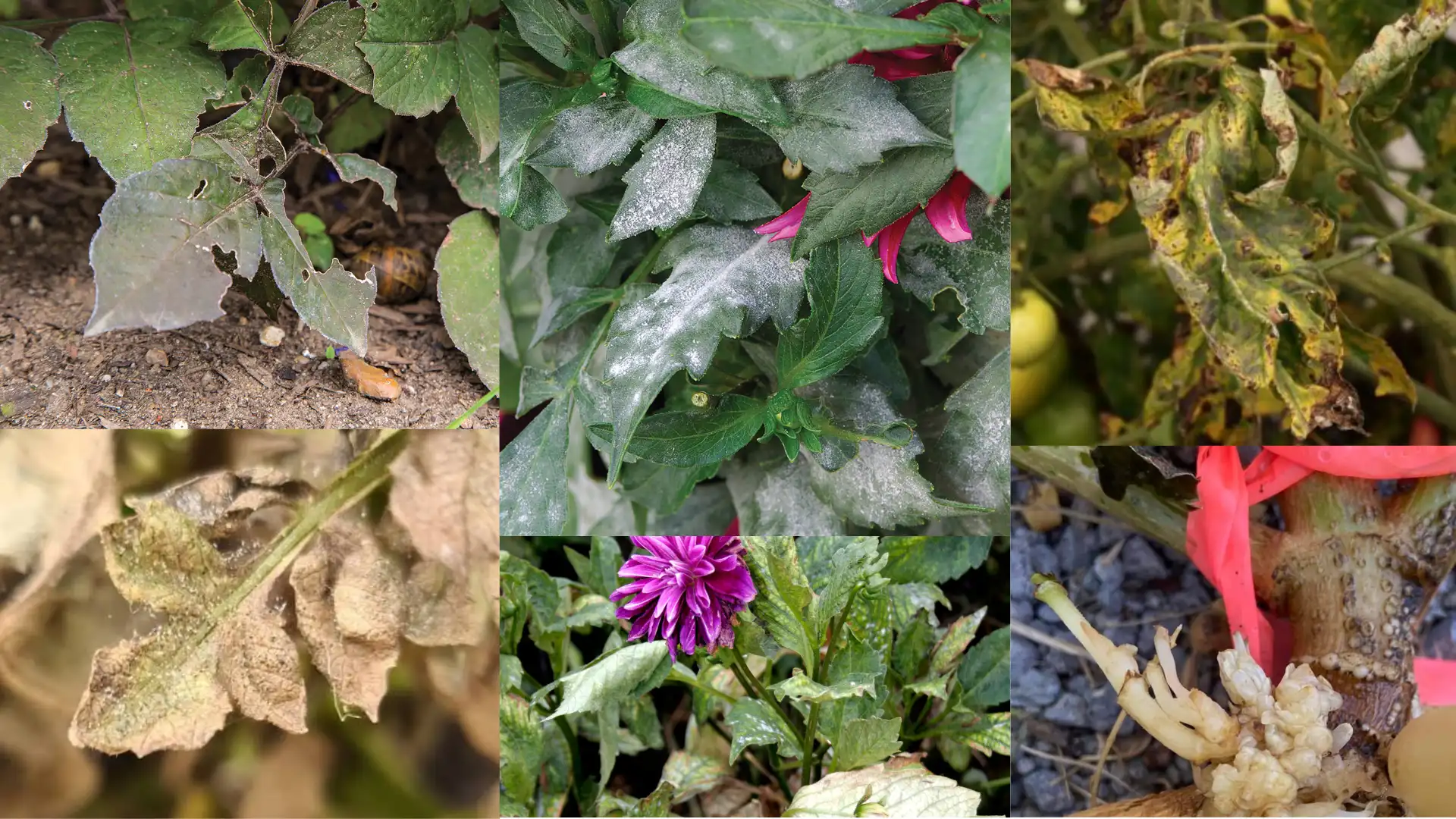
Even healthy plants run into trouble sometimes. Here is how to spot issues early and correct them fast.
1. Yellowing Leaves: Often signals overwatering or poor drainage. Cut back watering and check for soggy soil around roots. Adjust your schedule based on rainfall, not habit.
2. Weak or Leggy Stems: Usually caused by too little sunlight. Move containers to sunnier spots or thin nearby plants blocking light. Staking helps temporarily.
3. No Blooms Forming: Often linked to excess nitrogen or high heat stress. Switch to a bloom-boosting fertilizer and ensure consistent watering during peak summer.
4. Stunted Growth: Cold soil or poor tuber quality can cause this early on. Ensure the soil has sufficiently warmed before inspecting tuber health.
5. Split or Cracked Stems: Usually from rapid growth after heavy rain following drought. Maintain a steady watering schedule to prevent abrupt moisture fluctuations.
Common Dahlia Pests and Diseases
Pests and diseases can spread fast if left unchecked, so early identification matters most.
| Issue | Signs to Watch For | Quick Fix |
|---|---|---|
| Aphids | Clustered on new growth, sticky residue | Spray with insecticidal soap |
| Earwigs | Chewed holes in petals overnight | Trap using rolled newspaper |
| Spider mites | Fine webbing, speckled leaves | Increase humidity, rinse leaves |
| Powdery mildew | White, dusty coating on foliage | Improve airflow, avoid wet leaves |
| Botrytis blight | Gray mold on buds and stems | Remove affected parts quickly |
Companion Plants That Pair Well with Dahlias
Choosing good neighbors can enhance blooming and naturally deter pests.
Here are top companions worth planting nearby:
- Marigolds: Repel nematodes and deter common garden pests.
- Zinnias: Share similar sun and water needs, and bloom together.
- Basil: Masks the scent that attracts aphids and beetles.
- Salvia: Attracts pollinators without competing for nutrients.
- Nasturtiums: Act as a trap crop, luring pests away.
Can Dahlias Stay in the Ground Over Winter?
It depends entirely on your climate. Gardeners in zones 8 and warmer can often leave tubers in the ground safely.
A thick layer of mulch adds extra protection against unexpected cold snaps.
Colder regions, though, need tubers dug up before winter sets in. Ground that freezes solid will destroy tubers completely, leaving nothing to replant. If you’re unsure which zone you’re in, check before deciding.
When in doubt, digging up and storing tubers is the safer choice.
It takes more effort, but it guarantees healthy tubers for next year’s garden.
Do Dahlias Bloom the First Year?
Yes, most dahlias bloom their very first year from planting.
Tubers typically produce flowers within eight to twelve weeks, depending on variety and conditions.
Warmer climates yield faster results; cooler areas take longer. Starting tubers indoors earlier can speed up first blooms. Established plants, though, tend to produce fuller, more abundant flowers by their second season.
First-year blooms are still worth the wait, especially with proper care.
Patience through the early growing stages pays off with steady color by mid-to-late summer.
Frequently Asked Questions (FAQ’s)
What is the Best Month to Plant Dahlia Tubers?
Late April to May works best, once frost danger has fully passed.
Are Dahlias Better in Pots or the Ground?
Ground planting suits larger gardens, while pots offer better control in small spaces.
What Should Not Be Planted near Dahlias?
Avoid planting near fennel or sunflowers, since both compete aggressively for nutrients.
Do I Need to Soak My Dahlia Tubers Before Planting?
No soaking needed; excess moisture before planting can actually encourage rot.
What Triggers Dahlia Tubers to Sprout?
Warm soil combined with consistent moisture signals tubers to break dormancy.
The Closing Note
Getting the timing right is really the whole trick with dahlias. Plant a healthy tuber in full sun after the last frost, and most of the hard part is already done.
From there, it is just steady watering, a little feeding every few weeks, and staking before the plant needs it.
Do that, and you will get blooms from midsummer clear through to the first frost.
Have you planted dahlias before? Tell me what worked for you in the comments, or ask away if you are just getting started.