
Every corn harvest starts with one small question about timing. Knowing when to plant corn can make or break your whole harvest season.
Some gardeners plant too early and end up with seeds that just rot. That is an easy mistake to avoid once you know the basics.
Every region, soil type, and corn variety has its own timing rules. I learned most of this by checking my own soil before planting each year.
You do not need to guess your way through this decision. Get ready to grow corn like you actually know what you are doing.
When to Plant Corn This Year?
Corn grows best when it goes in the ground during spring, once the soil has warmed up enough. Planting dates vary widely across the country.
Warmer states can plant earlier, while cooler regions need more patience. That’s why checking soil temperature matters so much before digging in.
Local field or garden conditions also play a big role in timing. There’s a difference between the earliest date corn can survive and the best window for strong growth.
The last frost date alone won’t tell the whole story. Soil conditions matter just as much. Later sections cover how timing shifts by region.
Corn Planting Times Across Different U.S. Regions
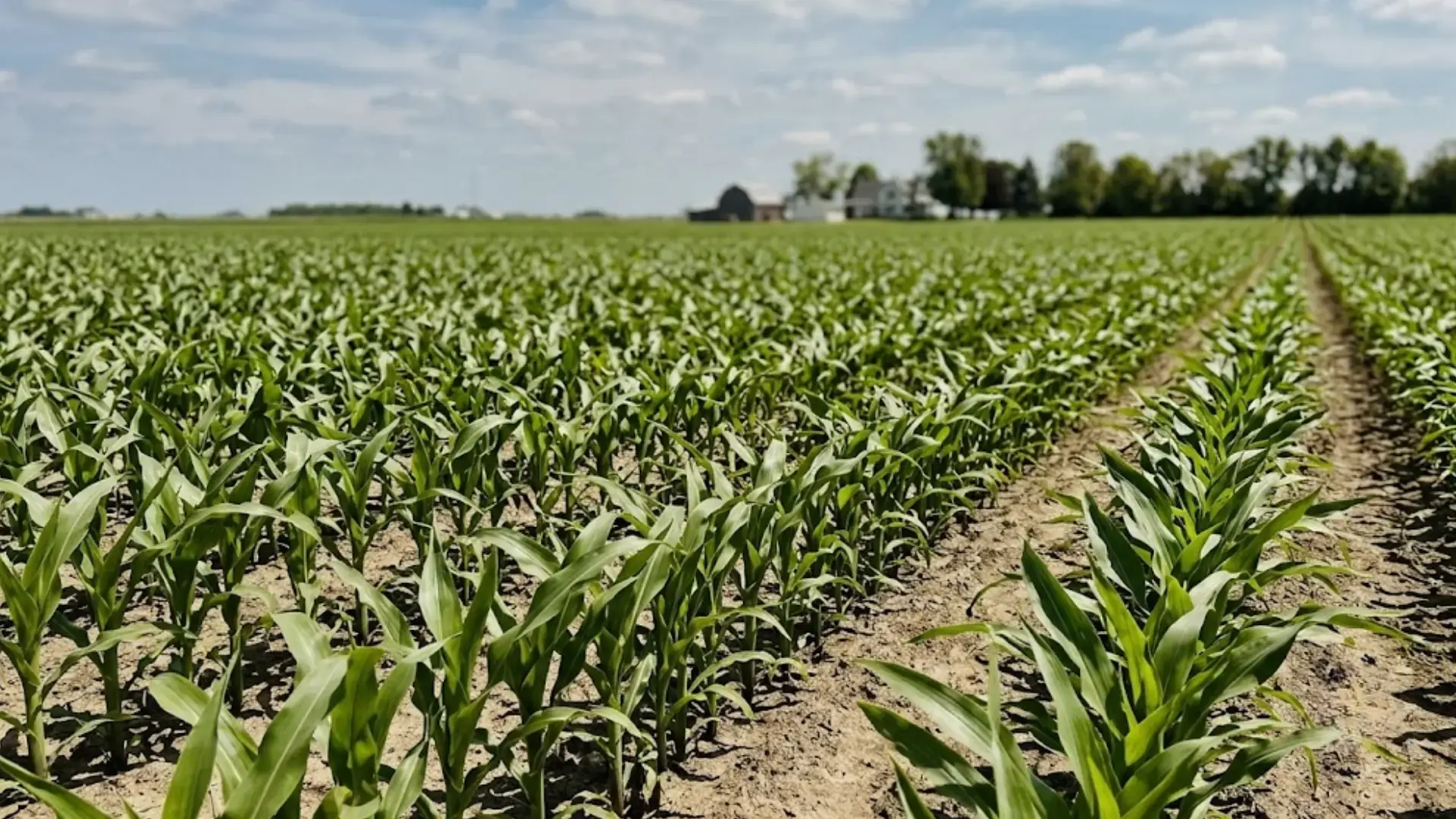
I’ve learned over time that corn planting depends a lot on where you’re gardening. Here’s what I want you to keep in mind before you plant:
1. Southern U.S.
Warm soil arrives early across the South, giving states like Texas, Georgia, and Florida a head start. Corn seeds sprout fast once the ground heats up.
Early to mid-spring plantings usually work well in this region. Rot risk drops when soil warms quickly. Even so, a late cold snap can sneak in, so checking soil temperature first is always worth the effort.
2. In the Midwest
Spring fields tend to stay wet and cool across places like Iowa, Illinois, and Nebraska. Corn planted too early in soggy soil often struggles to sprout.
Waiting until mid to late spring usually yields better results. Farmers and gardeners closely monitor both soil temperature and field dryness.
That extra patience helps young corn plants get off to a much stronger start.
3. Northern U.S.
A shorter growing season shapes planting decisions in states like Minnesota, Michigan, and Maine. Soil takes longer to warm here than in southern areas.
Young corn seedlings can suffer if planted too soon. Mid to late spring is usually the safer choice. Picking a faster-maturing variety also helps make the most of these tighter frost-free windows.
4. In the Western States
Elevation changes everything when it comes to corn planting out west. In states like Colorado, Idaho, and Washington, mountain regions often wait until late spring or early summer.
Nearby valley areas can warm up much sooner. Local climate swings widely even within one state. Testing soil temperature at your own location is the best way to time things right.
5. Southwestern States
Corn planting looks different out here since arid conditions and irrigation play a bigger role than rainfall. States like Arizona and New Mexico rely on controlled watering rather than natural spring moisture.
Planting usually happens in early spring once nighttime temperatures stay consistently mild. Heat arrives fast in this region, so timing avoids the harshest summer stretch.
Irrigation scheduling often matters more here than waiting on soil temperature alone.
6. Northeastern States
Cooler springs and variable weather shape corn planting across states like New York, Pennsylvania, and Vermont. Soil warms more slowly here than in southern regions.
Late spring plantings are common once frost risk has passed. Sudden temperature swings can still catch gardeners off guard early in the season.
Choosing a variety suited to a shorter growing window often works best in this part of the country.
Corn Planting Dates by USDA Hardiness Zone
Regional guidance gets you close, but your USDA hardiness zone gives you a narrower starting point. Here’s a general breakdown by zone:
| USDA Zone | Typical Outdoor Planting Window | Soil Temperature Needed | Frost Risk Level |
|---|---|---|---|
| Zone 5 | Mid-to-late May | 60°F or warmer | High until late spring |
| Zone 6 | May | 60°F or warmer | Moderate |
| Zone 7 | April | 55 to 60°F | Low to moderate |
| Zone 8 | Mid-March to mid-April | 55 to 60°F | Low |
| Zone 9 | March | 55°F or warmer | Very low |
| Zone 10 | February | 55°F or warmer | Minimal |
These windows are general guidelines, not fixed rules for every garden. Always confirm timing against your local extension office and current soil temperature.
When to Plant Corn Based on Your Last Frost Date
Your average last frost date gives you a general idea of when spring planting season begins. But soil temperature matters just as much.
I always check both before I even think about planting. Air can feel warm while the soil underneath stays cold and damp.
Corn needs warm soil to sprout well, not just mild air temperatures. An unusually cold or wet spring can push planting back further than expected.
You can find your local last frost date through extension offices or gardening websites. Over the time, I’ve learned that historical frost dates are averages, not guarantees.
Weather can still surprise you, so always check current conditions before planting.
When Does Corn Grow: The Growth Timeline
Corn moves through a clear set of stages from the moment it’s planted to the moment it’s ready to pick. Here’s how that timeline breaks down:
| Stage | Timing | What Happens |
|---|---|---|
| Planting | Spring, once soil warms | Seeds go into the ground |
| Early growth | 1 to 3 weeks after planting | Sprouting and root development |
| Peak growth | Early to mid-summer | Fast growth, stalks rise, tasseling begins |
| Early variety maturity | About 60 to 75 days | Ready for harvest sooner |
| Mid variety maturity | About 75 to 90 days | Standard harvest window |
| Late variety maturity | About 90 to 100+ days | Longest time to harvest |
| Harvest | Late summer to fall | Timing depends on planting date and variety |
Actual dates shift based on your location, weather, and the specific corn variety you choose. Checking your seed packet gives you the most accurate maturity timeline for your garden.
When to Plant Different Types of Corn?
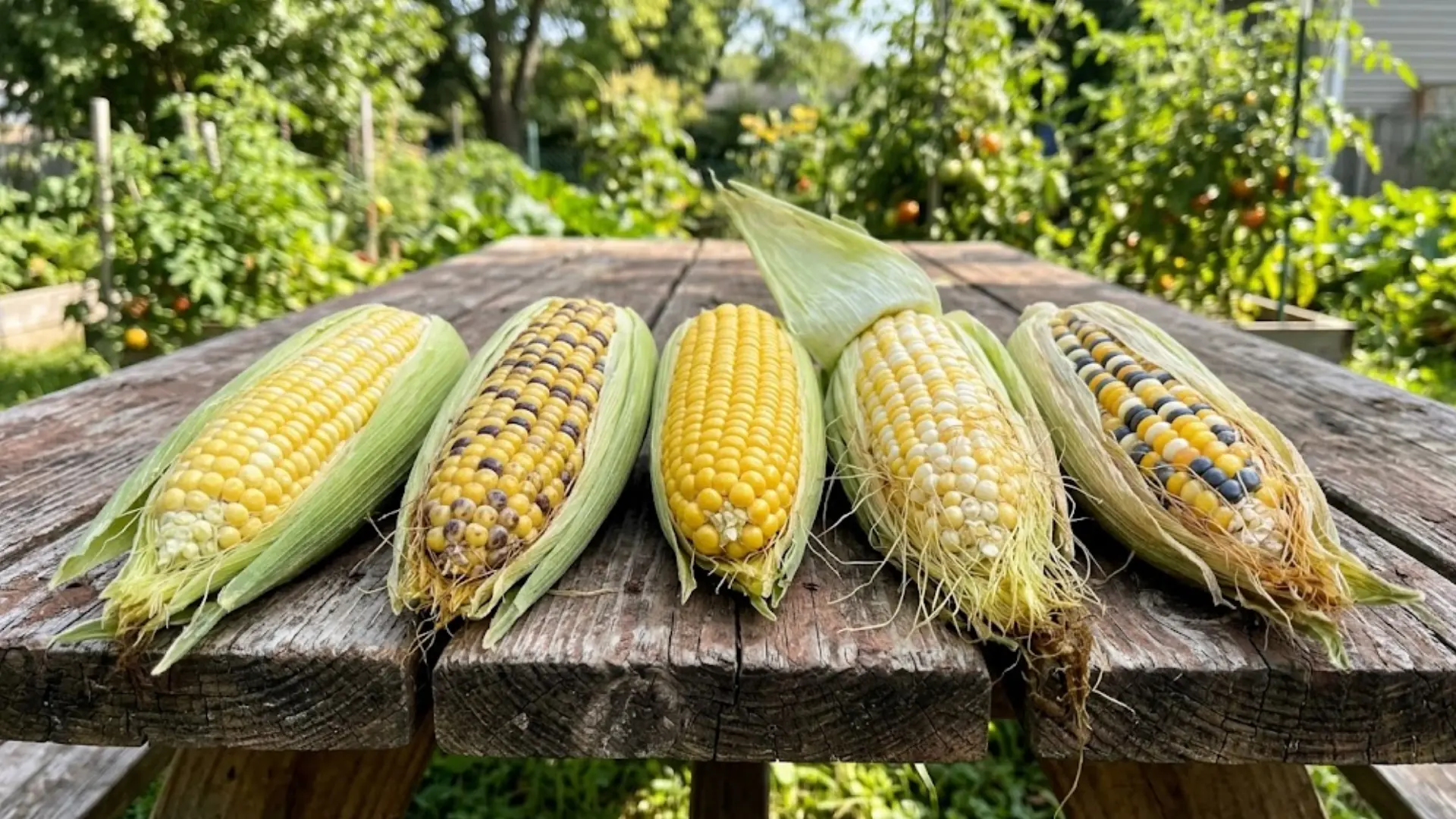
According to my research, corn planting times shift depending on the type you’re growing. Here’s what I found for each main type:
1. Sweet Corn
Home gardeners should wait until soil warms to about 60 degrees before planting sweet corn. Cold soil causes poor germination, especially with sugary-enhanced and supersweet types.
Supersweet seeds are more sensitive and can rot fast in damp, chilly ground. Plant sweet corn in mid to late spring for the best results and healthiest plants.
2. Field Corn
Field corn planting depends heavily on soil conditions across large growing areas. Farmers closely monitor soil temperature and moisture before starting each season.
Most field corn goes into the ground in mid to late spring. Recommendations vary a lot by state, so local agronomic guidance offers the most accurate timing.
3. Popcorn
Popcorn needs warm soil just like other corn types before it goes in the ground. Plant popcorn in late spring once soil has warmed and frost risk has passed.
It also needs a long season for ears to fully mature and dry out. Checking your cultivar’s maturity date helps you plan planting correctly.
4. Flint and Dent Corn
Flint and dent corn generally need longer growing seasons than sweet corn does. These types are often grown for grinding, animal feed, or decorative use.
Plant flint and dent corn early in spring to make the most of the season. Early planting matters even more since they mature slowly.
How to Know Your Garden Is Ready for Corn Planting?
Your garden needs to check off a few boxes before you put corn seeds in the ground. Here’s a simple checklist to run through first:
- Soil has warmed to the right temperature range for corn to sprout well and grow steadily.
- Soil isn’t soggy or muddy, since wet ground often causes corn seeds to rot quickly.
- No long stretches of cold weather are forecast, since chilly spells can stall young corn plants.
- Your garden gets full sun most of the day, which corn needs for strong, healthy growth.
- Your chosen variety has enough frost-free days left in the season to fully mature before fall.
I always run through this list, loosening soil and mixing in compost the same way when preparing garden beds, before planting a single seed.
What Gardeners Say About When to Plant Corn
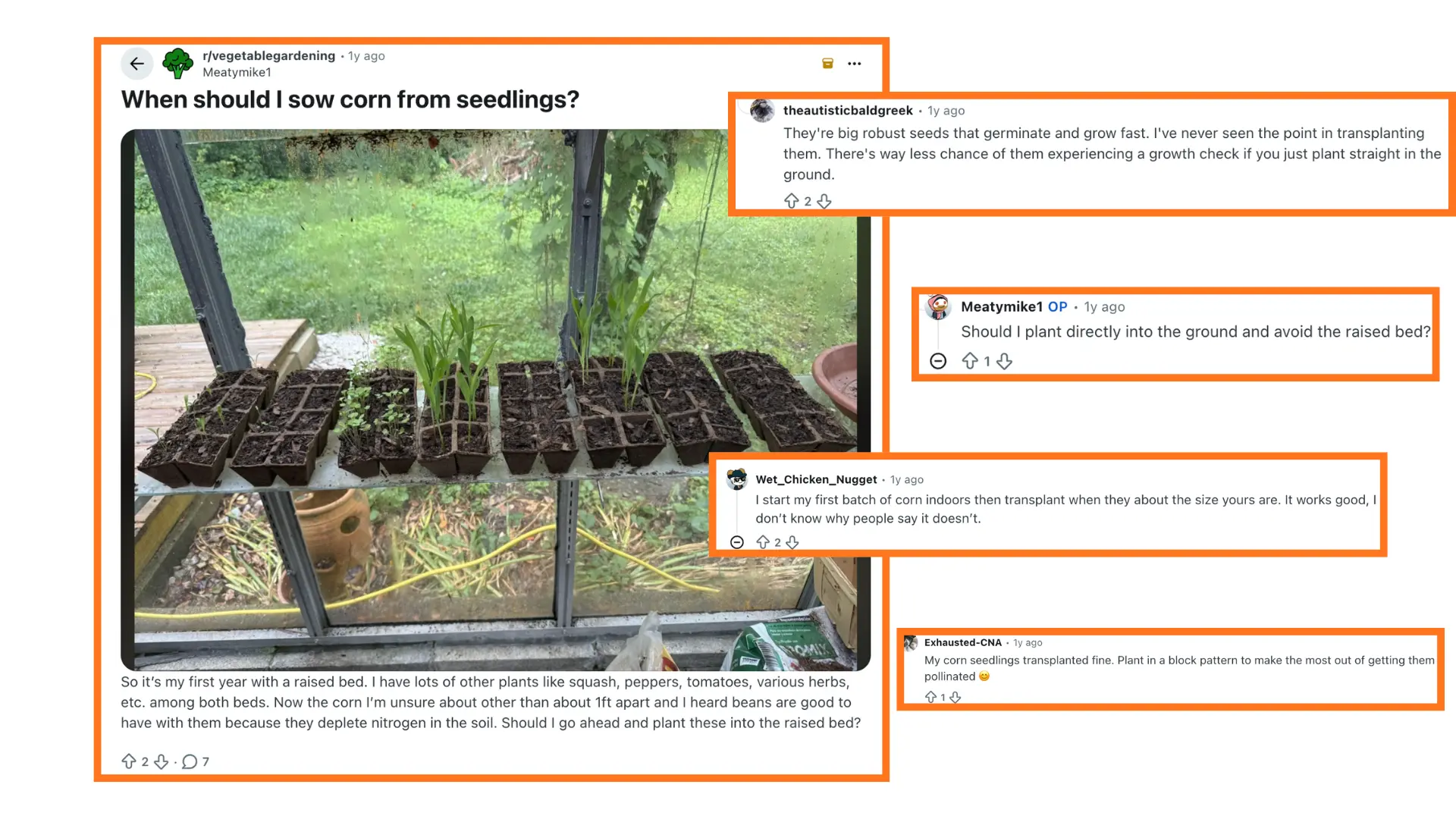
I’ve read a thread where home gardeners exchange planting advice about timing. On Reddit, gardeners often discuss growing corn from seedlings versus direct seeding.
One gardener asked, “Should I plant directly into the ground and avoid the raised bed?” This question comes up often in corn planting discussions.
Many gardeners share their own soil temperature readings before planting. Others mention watching regional weather patterns closely each spring.
Waiting for warmer soil often leads to better germination results. These informal conversations often reflect real trial and error.
They remind readers that local growing conditions matter just as much as general planting charts.
How to Plant Corn at the Right Time?
Once your timing is right, a few simple steps set your corn up for success. Here’s what to focus on when planting:
- Choose a sunny location: corn needs full sun and plenty of direct light to grow strong stalks and healthy ears.
- Prepare the soil: loosen the soil, mix in compost for fertility, and make sure water drains well before planting.
- Sow corn seeds directly: corn is usually direct-sown since it doesn’t transplant well, so check your seed packet for exact depth.
- Plant corn in blocks: several short rows help wind carry pollen between plants better than one single long row.
- Water after planting: keep soil evenly moist during germination, but avoid soaking it enough to cause standing water.
Since corn needs block planting, plan your vegetable garden layout before digging, especially alongside other crops.
How Late Can You Plant Corn?
No single cutoff date works for every garden across the country. It depends on your corn variety’s days to maturity and your area’s first fall frost.
You’ll also need to count how many frost-free growing days remain in your season. Faster-maturing varieties work better if you’re planting later than usual.
Late planting can affect pollination timing and reduce your final harvest. Regional differences matter too, since frost dates vary widely by location.
To estimate your latest planting date, use this simple formula:
Expected first fall frost − variety’s growing period − weather buffer = approximate latest planting window
This gives a helpful estimate, not a guaranteed safe date, since weather can shift things earlier or later than planned.
Note: Always round down when estimating your buffer days, and check local frost data yearly since averages shift and don’t guarantee exact timing.
Frequently Asked Questions (FAQs)
Can You Plant Corn Seeds and Transplants Together in The Same Bed?
Yes, though most gardeners stick to one method since mixing timelines can complicate spacing, watering needs, and overall care routines.
Does Corn Need a Different Planting Schedule in Containers versus The Ground?
Container corn often needs slightly warmer soil since pots heat and cool faster than garden beds throughout the season.
Can You Succession Plant Corn for a Longer Harvest Window?
Yes, planting new rows every two to three weeks helps stagger your harvest across several weeks total.
The Bottom Line
Timing matters a lot when it comes to growing healthy corn. Understanding when to plant corn saves you from wasted seeds and empty rows.
Checking soil warmth before planting saves you a lot of trouble later. I learned this the hard way after losing a few early batches. A little patience works better than rushing the process.
Your harvest depends on small choices you make right now. You now know what your soil and climate actually need before planting.
Corn does best when you plant it at the right time, not just any day. Drop your planting date in the comments below and let me know how it goes!