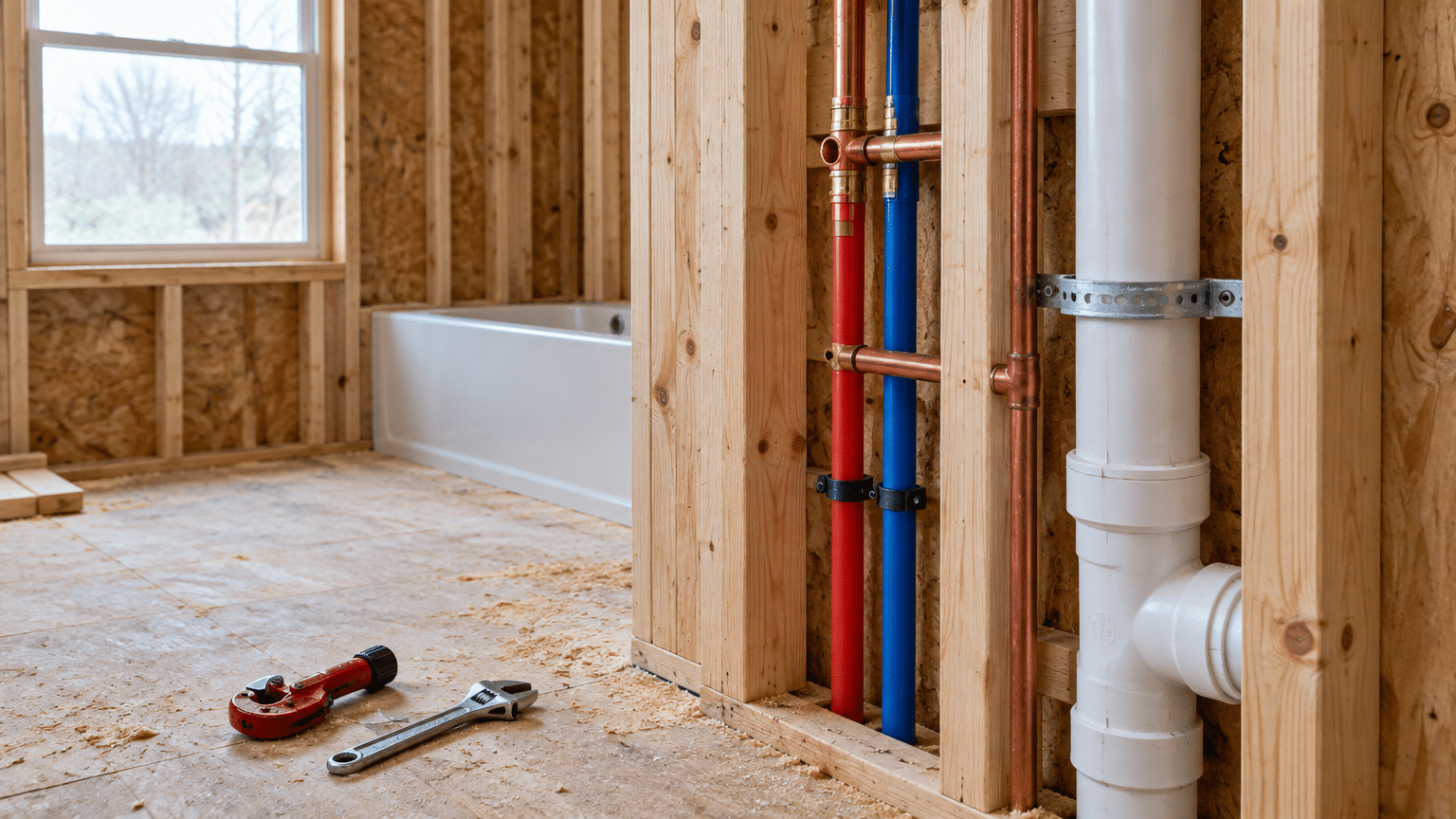

A home renovation is often planned as a controlled expense. A budget is set, a contractor is hired, and a timeline is expected to hold. However, that plan can change quickly when hidden damage is uncovered, turning an upgrade into an urgent effort to protect the home.
When repairs cannot be delayed, financing is often considered. The question becomes less about whether money should be spent and more about which borrowing option best fits the urgency, scope, and financial situation. Some options are designed for speed, while others offer lower rates or larger amounts, each with important tradeoffs.
Personal Loans
Personal loans are often viewed as one of the strongest options when urgent repairs appear during a renovation. They are commonly chosen because they can provide fast access to funds without requiring the home to be used as collateral. That feature is especially important when repairs must begin quickly, and the borrower wants a straightforward funding process.
These loans are usually offered with fixed monthly payments and a defined repayment term. That structure can make planning easier because the full cost of repayment is generally clear from the start. In urgent situations, that predictability is often valued.
Banks, credit unions, and online lenders are frequently considered by borrowers who need speed and convenience. Some providers may offer streamlined applications, quick decisions, and funding timelines that work well when repairs cannot wait.
For those comparing online lenders, options such as loans like 1st Choice Money Center alongside similar providers may be reviewed to evaluate eligibility, funding speed, and payment terms. For urgent repairs, personal loans are often seen as a practical and flexible choice.

Home Equity Loans
A home equity loan may also be considered when a homeowner has built enough value in the property and needs a larger sum for repairs. This option allows borrowing against available equity, with the money usually provided as a lump sum. That can be useful when the full repair cost is already known.
This type of loan is often associated with lower interest rates than unsecured borrowing. That advantage may appeal to homeowners planning major work such as roof replacement, foundation stabilization, or a full plumbing overhaul. Still, the process is usually slower than a personal loan application, and the home is used as collateral.
Home equity loans are often reviewed in these situations:
- A large repair estimate has already been prepared,
- The homeowner has substantial equity in the property,
- The borrower wants one fixed amount and fixed payments,
- The repair timeline allows for a longer approval process.
This option may suit larger projects, but it’s often less convenient when urgent damage requires quick action. In many emergency cases, a faster unsecured loan may be easier to manage.
Home Equity Lines of Credit
A home equity line of credit, or HELOC, may be useful when repair costs are expected to change as the work progresses. Instead of receiving one full amount upfront, the borrower is approved for a credit line that can be used as needed. This setup can be helpful when renovation-related issues continue to arise over time.
This structure may be practical when one repair leads to another. A leak may expose mold. Damaged flooring may reveal deeper structural problems. Electrical corrections may be required after walls are opened. In these cases, flexible access to funding may appear beneficial.
A HELOC can allow borrowing to be matched more closely to actual costs. Interest is generally charged only on the amount used, which may reduce unnecessary borrowing when final totals remain uncertain. However, rates are often variable, which means monthly payments may rise over time. That uncertainty can make budgeting more difficult during an already stressful repair process.
Credit Cards
Credit cards are sometimes used when repairs must begin immediately, and another funding source has not yet been secured. They may help cover a short-term deposit, a small emergency service call, or temporary materials needed to prevent further damage.
This option may suit smaller expenses, but it is generally less suitable for larger repair needs. Higher interest rates can increase total borrowing costs quickly if balances are not repaid promptly. For that reason, credit cards are usually seen as a temporary measure rather than a full financing strategy.
Several concerns should be reviewed before this option is used:
- Interest rates are often higher than personal loan rates,
- Minimum payments may extend repayment for too long,
- Large balances may affect future borrowing capacity,
- The total cost may rise quickly if the balance is carried.
Credit cards are generally better suited to smaller repair expenses than major reconstruction needs. They may help bridge a short gap, but they are rarely the most efficient long-term solution for serious home repairs uncovered during a renovation.
Choosing the Right Fix for the Financing Problem
Urgent repairs create pressure, but the financing decision should still be made with care. A personal loan may serve a borrower who needs speed and predictable payments. A home equity loan may fit a larger known expense.
A HELOC may work when repair costs are still evolving. A credit card may cover a short-term emergency. The strongest choice is usually the one that matches the repair itself. The size of the expense, the speed required, the borrower’s credit position, and the long-term repayment impact should all be weighed together. When a renovation turns into an urgent repair, the financial response should be just as practical as the repair plan itself.