I once passed a wooden gate wrapped in vines, and something stopped me: long, purple blooms swaying gently in the breeze.
I didn’t know the name then, but I never forgot how it looked. Later, I found out it was wisteria. That simple moment made me ask, When does wisteria bloom?
If you’re wondering the same thing, you’re in the right place. Wisteria usually blooms in spring, but the exact timing depends on where you live and what kind you have.
In this blog, I’ll share what I’ve learned: when it blooms, why it might not, and how you can help it thrive. You’ll find simple tips to enjoy the full beauty of wisteria and get the most out of your plant.
What to Expect From Wisteria Each Year
Wisteria flowers don’t stick around for long, but when they do bloom, they’re unforgettable. The blooms usually last just a few weeks. They show up, put on a show, and then fade. That’s part of their charm.
But if your plant doesn’t bloom right on schedule, don’t worry. Bloom timing isn’t set in stone. It shifts every year depending on things like spring temperatures, rainfall, and even late frosts.
A warm, early spring might bring flowers sooner. A cool or slow spring might delay them.
Even two wisteria plants growing near each other can bloom weeks apart. One might get more sun or be a little more protected from wind. That’s normal.
If this is your first time growing wisteria, it’s easy to think something’s wrong when the flowers don’t show up right away.
But variation is part of how wisteria works. Keep caring for it. It’s likely just waiting for the right time.
When Does Wisteria Bloom in Most Climates
Wisteria usually blooms in spring, with flowers appearing sometime between April and early June. In most places, the peak bloom happens from late April through May.
This is when you’ll see the biggest burst of color, with long clusters of flowers hanging from vines like bunches of grapes.
But wisteria doesn’t follow a strict calendar. In some years, blooms might come early. Other times, they might be late. The main reason for this is the weather.
A mild winter followed by a warm early spring can cause wisteria to bloom sooner. On the other hand, if spring starts cold or there’s a late frost, blooming may be pushed back.
It also depends on where you live. Warmer areas may see flowers by early April, while colder climates might need to wait until late May or even early June. Soil, sun, and plant age can also play a part.
So if you’re watching your wisteria and wondering why it’s not blooming just yet, give it time. The window for blooming can stretch over several weeks, depending on the season’s conditions.
That variation is entirely normal, and with a bit of patience, those flowers will come through.
Wisteria Bloom Time by USDA Growing Zone
USDA growing zones help you figure out what plants grow best in your area based on how cold it gets in winter.
Wisteria can grow in many of these zones, but the time it blooms depends a lot on your local weather.
Below is a guide to what you can expect in different zones, with a helpful table and a reminder that even within zones, microclimates (like shaded yards or sunny walls) can shift bloom times:
Zone 3–4
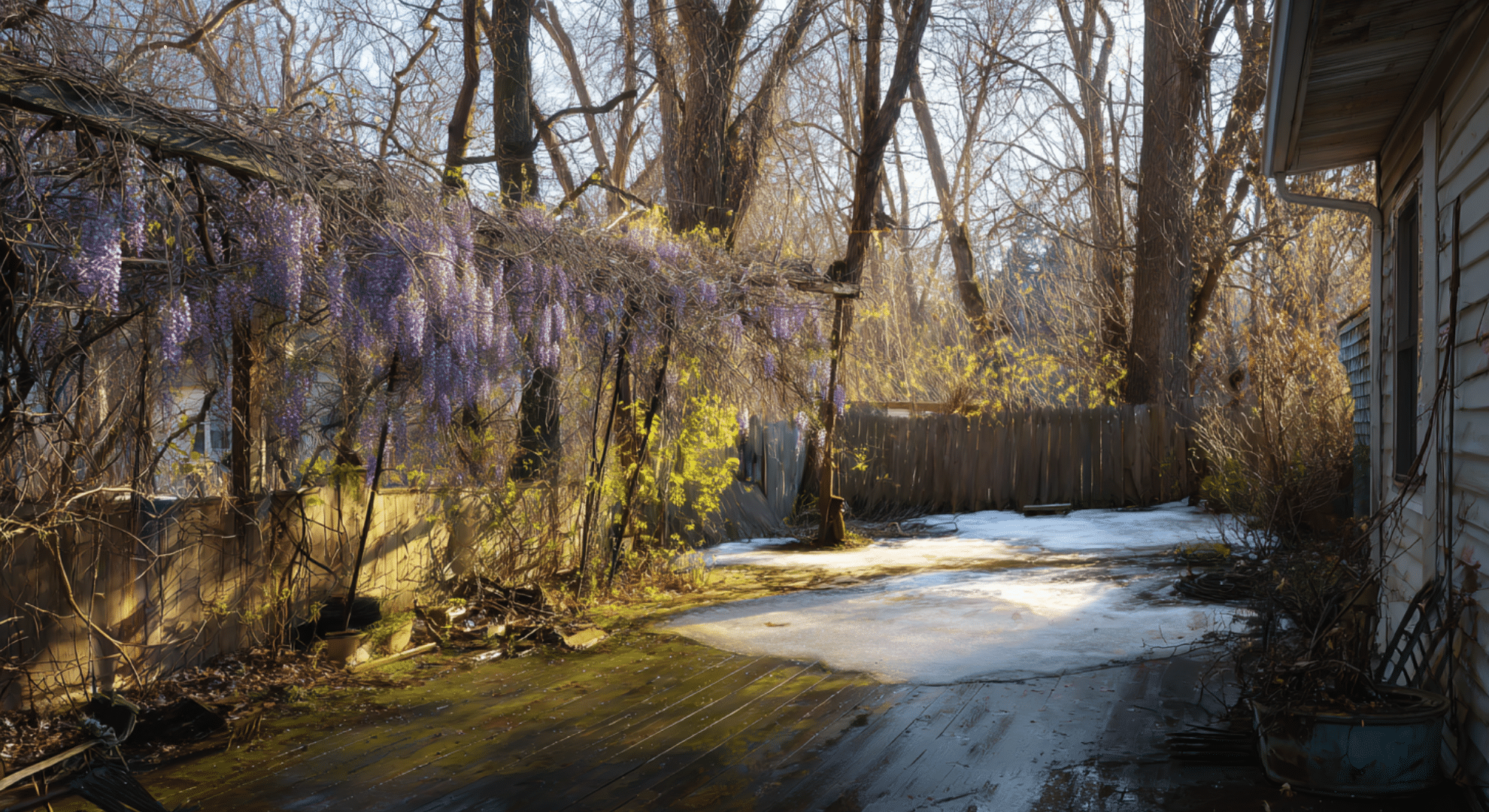
Expected bloom window: Late May to early June
Wisteria is a bit of a gamble in these colder zones. The growing season is short, and winter damage can slow growth. Blooms may show up later in spring, usually around late May or early June.
Frost delay risks: Late frosts can damage buds, pushing flowering even later or reducing bloom quality.
Zone 5–6
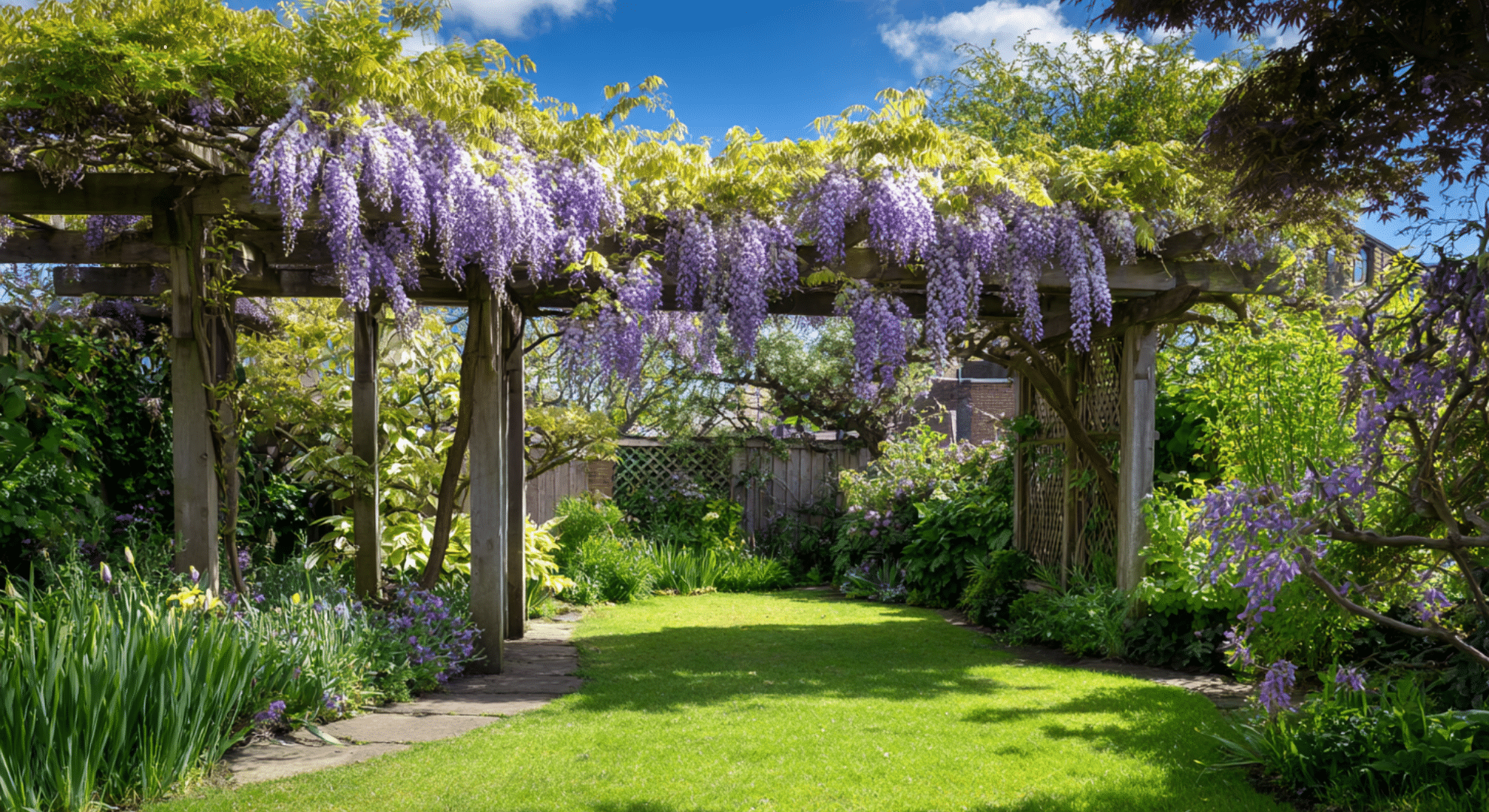
Most common bloom timing: Mid to late May
This is a sweet spot for many hardy wisteria types.
Peak color weeks: Often the last two weeks of May, depending on weather. If spring warms up early, blooms can begin as early as May.
Zone 7–8
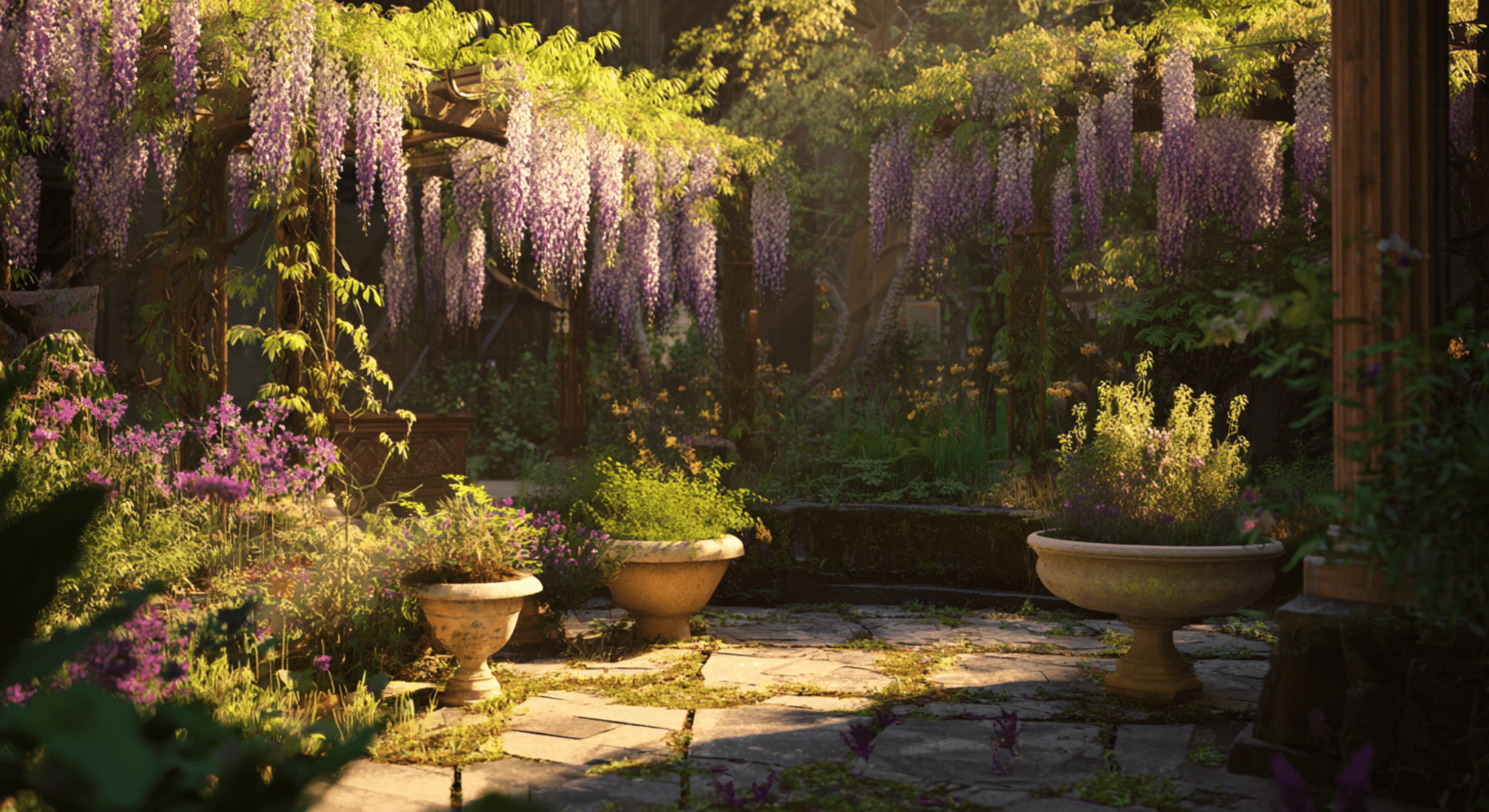
Earlier blooms: Late March to mid-April
In these warmer zones, wisteria wakes up earlier.
Heat impact on bloom length: If temperatures rise quickly, blooms may not last as long. A cooler spring helps them stick around for a few extra days or weeks.
Zone 9
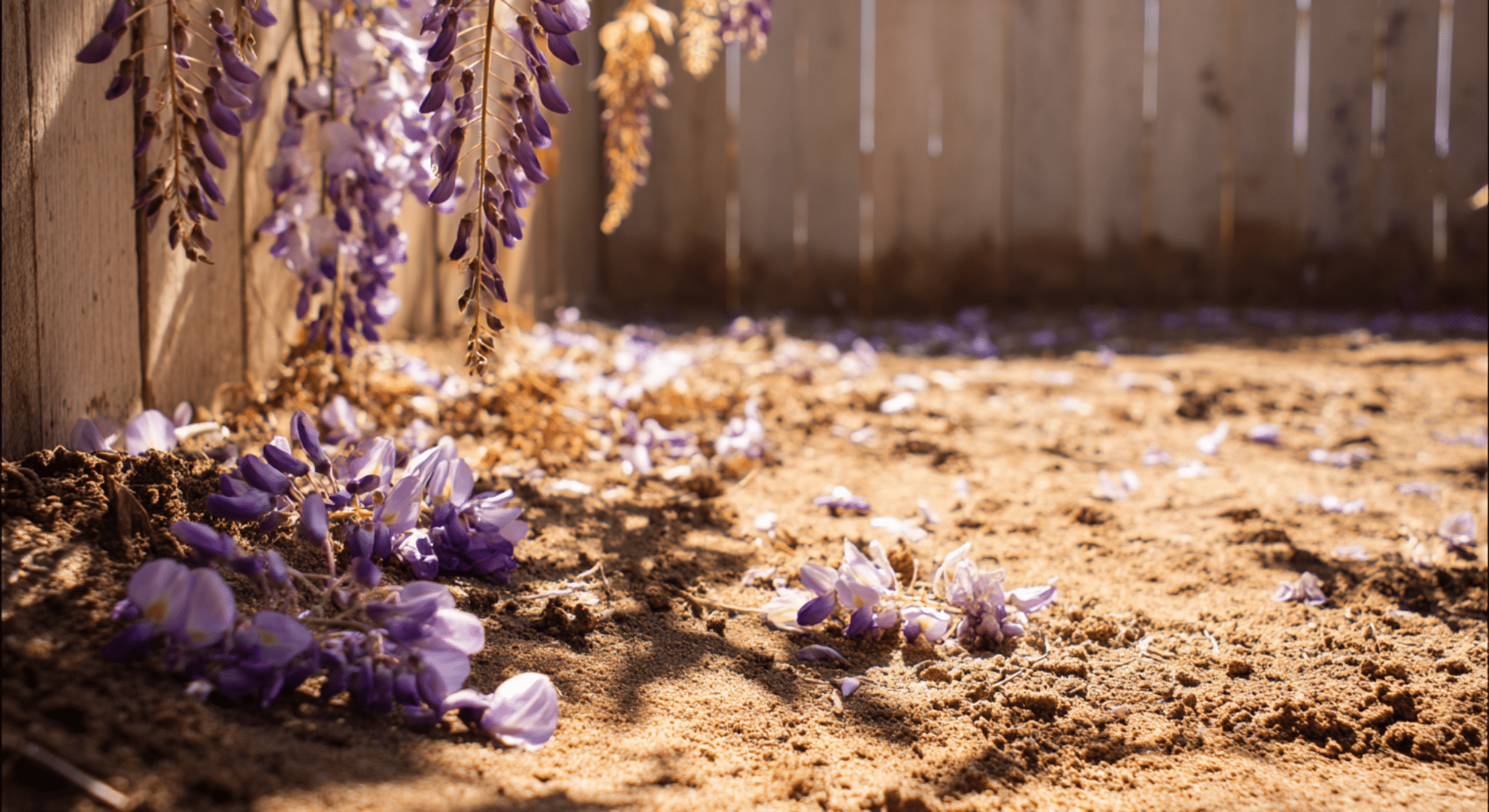
Shorter bloom season: Mid-March to early April
Wisteria blooms early here but fades faster because of the heat.
Weather-driven timing: Warm nights and quick temperature spikes can shorten the bloom period, sometimes to just a week or two.
Even if you know your USDA zone, your yard might have its own pattern. South-facing walls, shaded spots, or wind exposure can make your plant bloom earlier or later than expected. Keep an eye on how your plant reacts each year, it will teach you a lot about your space.
Bloom Timing by Wisteria Type
Not all wisteria plants bloom at the same time. The type of wisteria you have can change when you see flowers and how they appear.
Knowing the kind you’re growing helps you set the right expectations and avoid guessing if something’s wrong. Here’s what to know about the main types:
Japanese Wisteria
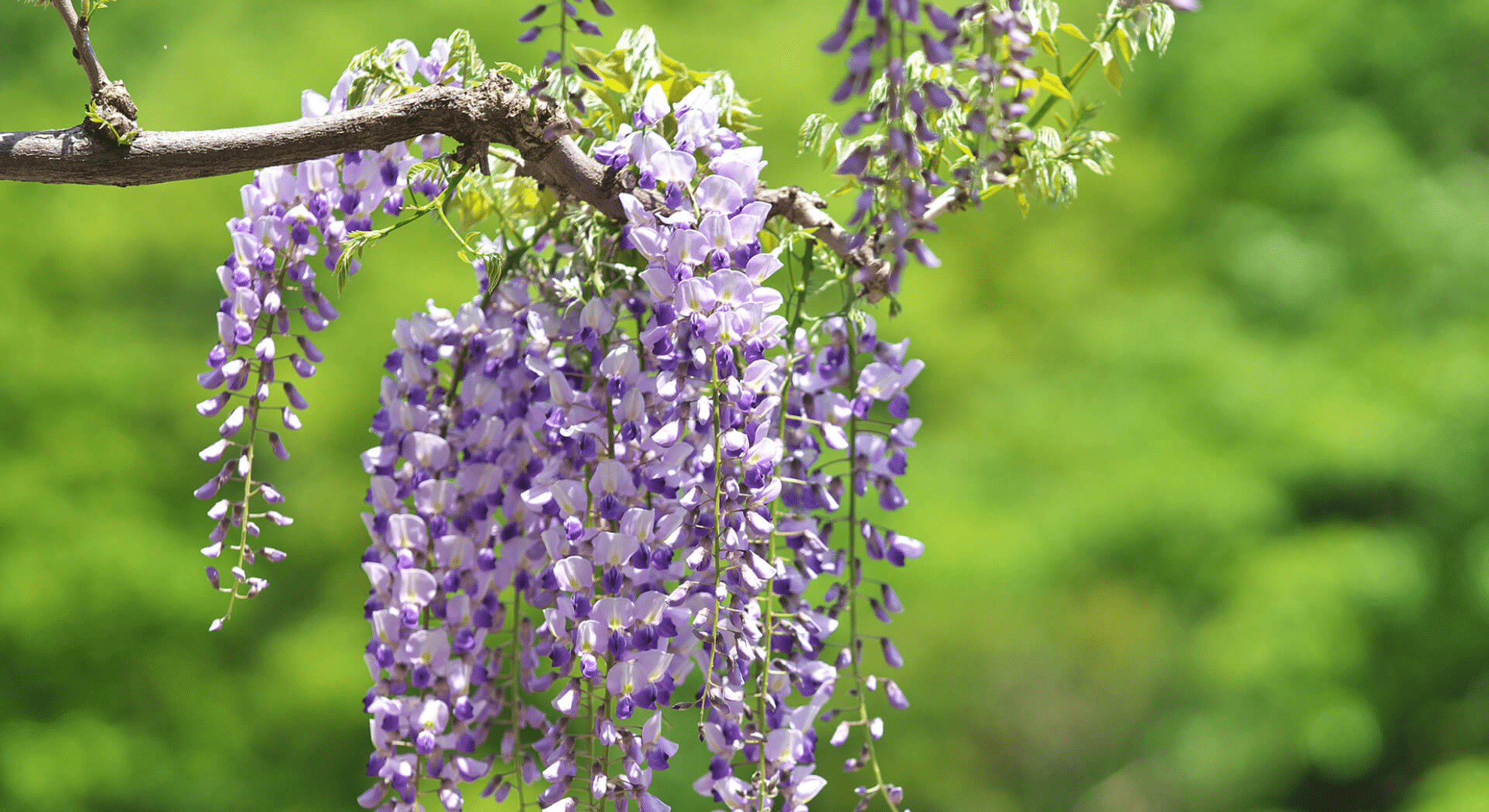
Japanese wisteria is usually the first to bloom in spring. It often flowers before the leaves fully open, which makes the blooms stand out even more.
Expect to see long, showy clusters in early to mid-spring. This early blooming habit can make it more sensitive to late frosts.
Chinese Wisteria
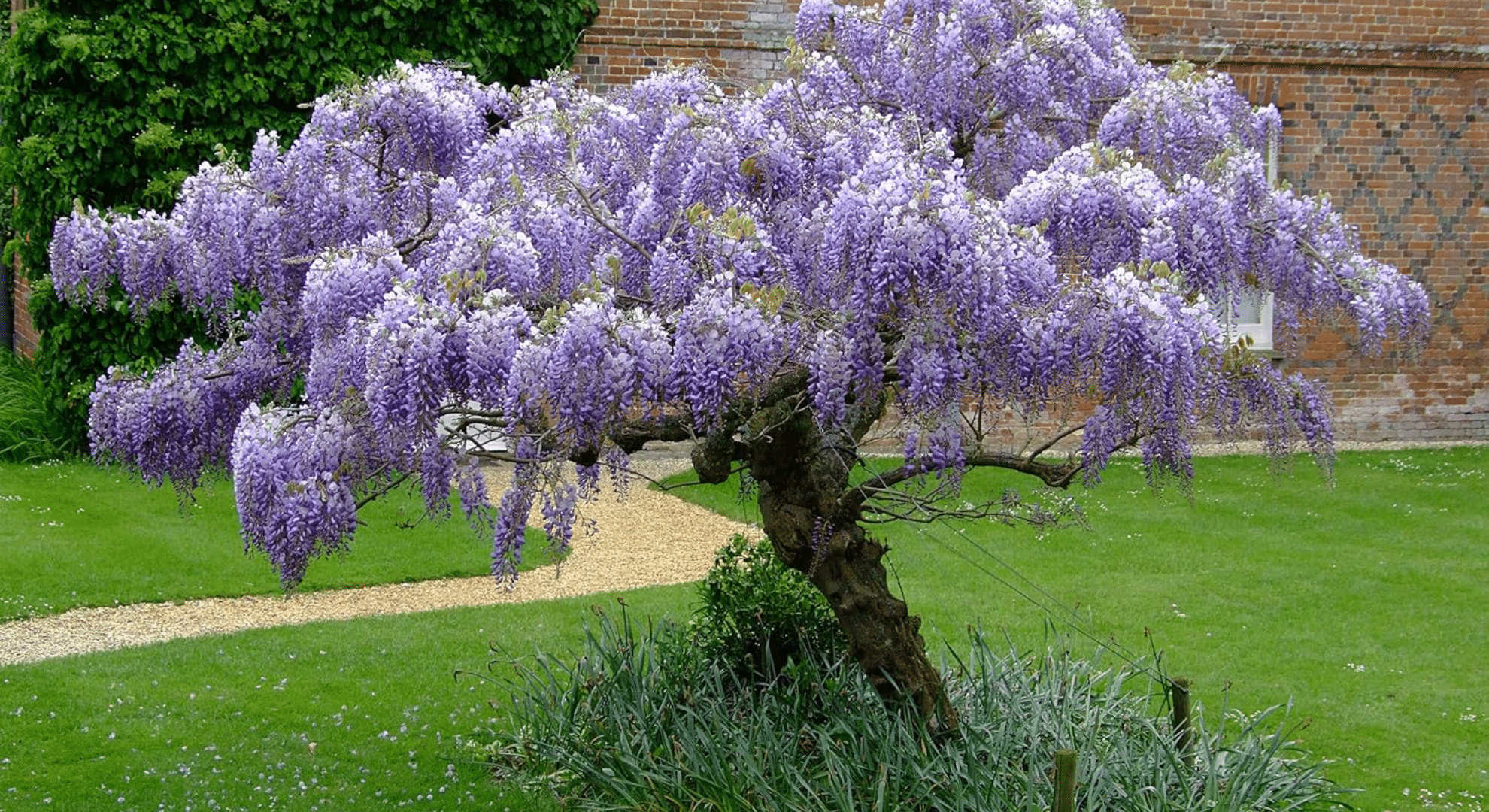
Chinese wisteria typically blooms in mid-spring. Unlike the Japanese kind, its leaves and flowers often come out at the same time.
The overlap creates a fuller look, but the flowers may be slightly shorter. This type tends to be more common in home gardens.
American Wisteria
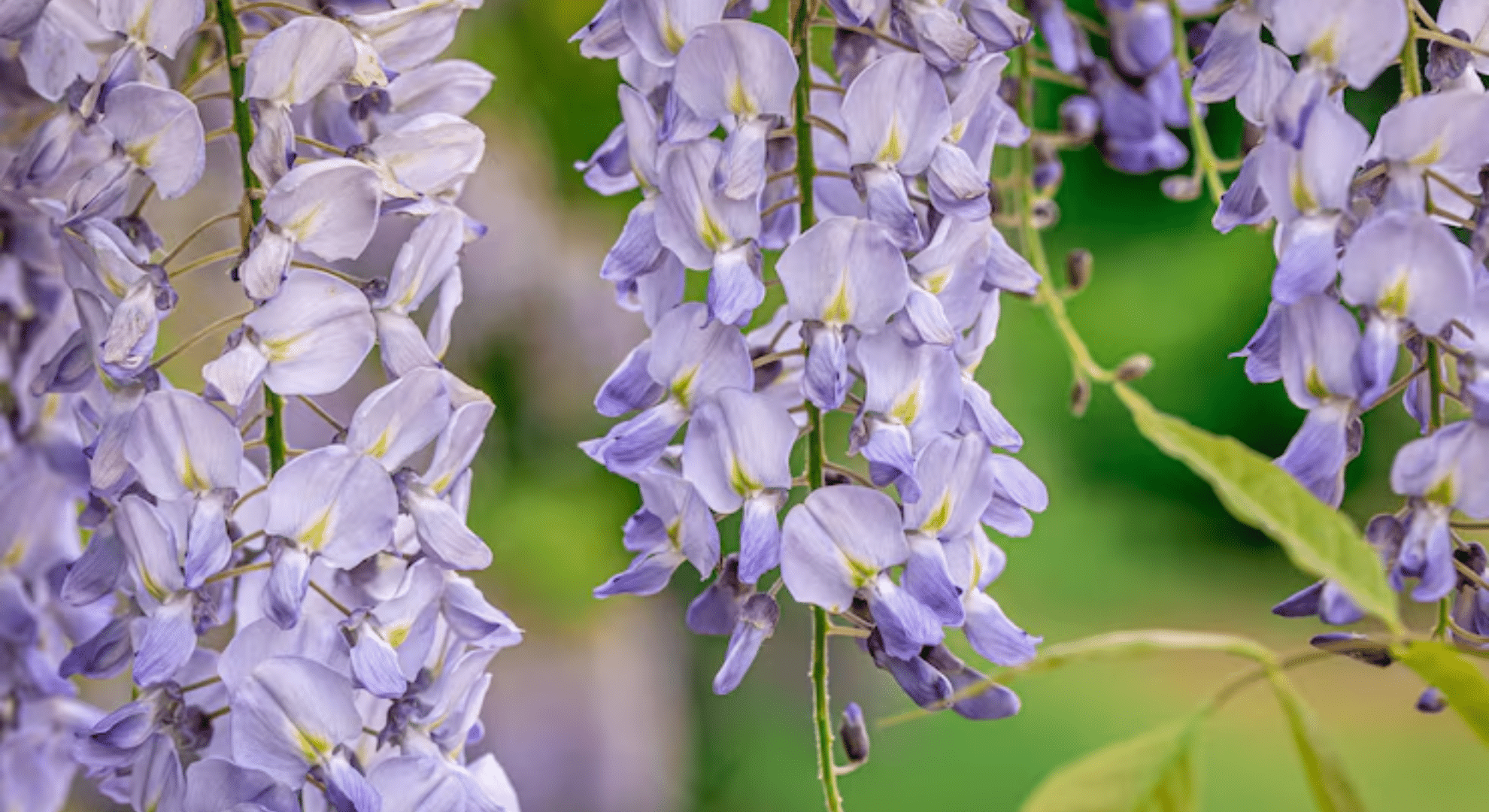
American wisteria blooms later than the others, often in late spring or early summer. It has shorter flower clusters and smaller leaves.
Sometimes, it may bloom a second time in late summer, though the second round is usually lighter. It’s also native to the U.S. and less aggressive.
How Long Does Wisteria Bloom Last
Wisteria blooms usually last about two to three weeks. That short window is part of what makes them feel so special. Once the flowers open, they put on a bold show, then fall away as the leaves take over.
But not every bloom lasts the full two to three weeks. Sometimes, flowers fade faster. Hot weather can speed things up.
Strong sun and warm nights may cause blooms to wilt and drop early. Rain and wind also play a big part. A few rough storms can knock flowers off the vine before their time.
Cooler, mild spring weather helps flowers stay longer. A light breeze and soft sunshine can stretch the blooming period out a bit more.
The spot where your wisteria grows also matters. Plants sheltered from wind and harsh weather usually hold their blooms better than those in exposed areas. All of that affects how long the beauty lasts.
Can Wisteria Bloom More Than Once a Year?
Yes, some wisteria plants can bloom more than once a year, but the second bloom is usually smaller. This extra flowering often happens in late summer, after the main spring show.
American wisteria is more likely to do this, though some Chinese wisteria varieties may surprise you too.
The second bloom depends on good care, regular pruning, and healthy weather conditions. Long stretches of hot, dry weather can stop it from happening. The second round of flowers won’t be as full or bright, but it’s still a nice bonus.
To help encourage more blooms, keep the vine trimmed, well-watered, and growing in full sun. The healthier your plant, the better your chances of seeing it bloom again.
Why Your Wisteria Has Not Bloomed Yet
If your wisteria hasn’t bloomed yet, don’t panic. There are a few common reasons, and most can be fixed.
Plant age is one of the biggest. Wisteria grown from seed can take 7 to 15 years to bloom. Even nursery plants may need a few years to settle in before flowering.
Pruning mistakes can also delay flowers. Cutting too much or pruning at the wrong time, such as in early spring, can remove buds before they open. It’s best to prune lightly in summer and again in late winter.
Too much fertilizer, especially nitrogen, encourages leaf growth instead of flowers. If your plant looks full of leaves but has no blooms, this might be the cause.
Lack of sunlight is another issue. Wisteria needs full sun for at least 6 hours each day to bloom well. It also needs steady water while forming buds. With the right care, flowers will come.
When It is Normal to Wait vs. When Something is Wrong
It’s easy to feel frustrated when your wisteria won’t bloom, especially if you’ve been waiting for a while. But in many cases, it’s completely normal.
The key is knowing the difference between a healthy wait and a sign that something needs fixing.
Here’s a simple guide to help you figure out what’s going on:
| Situation | Normal | Needs Attention |
|---|---|---|
| Plant age | Under 5 years old, no blooms yet | Over 7 years old, never bloomed |
| Leaf growth | Healthy green leaves, steady vine growth | Lots of leaves, but weak or leggy vines |
| Sunlight | At least 6 hours of direct sun each day | Less than 4 hours of sun daily |
| Pruning | Light pruning in summer and winter | Heavy or untimely pruning, especially in spring |
| Fertilizer use | Little to no fertilizer or a balanced mix | High-nitrogen lawn fertilizer nearby |
| Bud formation | Swollen buds form by late winter or early spring | No signs of buds year after year |
Waiting is part of growing wisteria. But if your plant shows more signs from the “needs attention” side, a few changes in care might help blooms finally show up next season.
What Gardeners Say About Wisteria Bloom Time
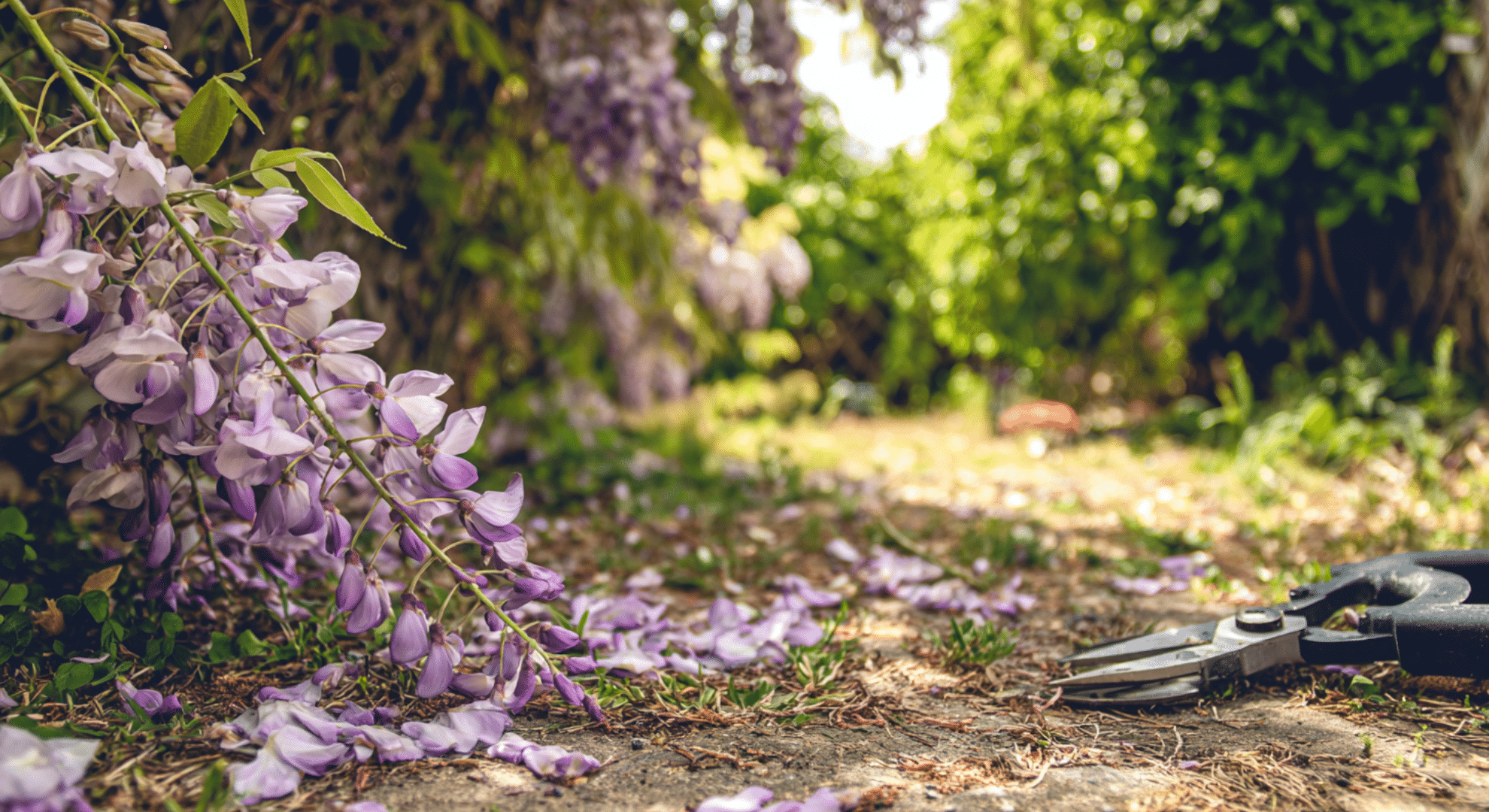
Many gardeners agree that timing and care play huge roles in when wisteria blooms and how well it flowers.
In online discussions, growers note that even similar plants in the same area can bloom at very different times, often based on variety and pruning history.
One gardener shared that their vine was blooming while the neighbor’s identical aspect wisteria had not yet started, sparking questions about plant type and pruning effects.
Experienced growers often emphasize patience. Many posts and guides point out that wisteria may take several years before it flowers, especially if grown from seed, and that choosing plants from cuttings or grafts often speeds up blooming.
They also stress proper pruning routines and full sun exposure, saying these help buds form more reliably each season.
Across communities and expert blogs, the message is consistent: bloom timing varies by type, weather, and care.
Observing your plant over a few seasons and adjusting pruning and light will help you understand its personal schedule and improve your chances of a great floral display.
What to Do After Wisteria Finishes Blooming
Once your wisteria stops blooming, it’s a good time to help the plant stay healthy and get ready for next year. Start by removing any dead or faded flowers.
This stops seed pods from forming and helps the plant focus on growing vigorous vines.
Next, check for any tangled or overly long shoots. You can trim these back to keep the vine neat and under control. Light pruning also helps shape the plant and keeps it from getting too thick.
Make sure your wisteria has enough water, especially during hot or dry weeks. A deep watering once a week is usually enough.
You can also add a low-nitrogen fertilizer if the plant looks tired or slow. Too much nitrogen will give you more leaves, not more flowers, so be careful.
This quiet time after blooming is when the plant starts building energy for next year’s blooms.
Conclusion
The first time I waited for my wisteria to bloom, I checked it every day like it was a surprise party I didn’t want to miss. What I learned is this: it’s not just about when does wisteria bloom, but how the whole process works.
Now that you’ve got the facts, take a look at your plant with fresh eyes. Is it getting enough sun? Is it old enough to flower? Have you been trimming it at the right times? You’ve got the know-how now—use it.
And here’s something to remember: wisteria teaches patience. It shows up when it’s ready, not when we are.
Want to keep growing your garden smarts? There’s more waiting for you. Go check out the other blogs and find something new that makes your garden time even better!