I still remember planting my first peony and checking it every morning like it was hiding a secret. One day, the tight green buds opened, and just like that, the whole plant changed.
If you’ve been wondering when do peonies bloom, I get it.
Timing matters with these flowers. Their season is short, but when it hits, it’s worth every bit of the wait.
In this blog, I’ll share what I’ve learned about when they bloom, what can affect the timing, and how you can spot the signs before the show begins.
By the end, you’ll know exactly what to look for so you can enjoy every bloom without missing a thing.
What to Expect From Peonies Each Year
Peonies only bloom once a year, and their flowering window is short: often just 7 to 10 days per plant.
That short burst of beauty is part of what makes them so loved, but it can also catch people off guard. It’s common to feel like you “missed it,” especially if you were waiting for weeks and then suddenly the blooms come and go in a flash.
Without knowing what to expect, the timing can feel random. One year they bloom early, the next they’re late. You might check every day, then blink and they’re already fading.
That’s totally normal. Peonies respond to weather, sun, soil, and plant maturity, so they rarely bloom at the exact same time each year.
But once you understand their patterns and what affects them, it’s easier to plan ahead.
You’ll feel more in tune with their rhythm and less likely to miss their big moment.
When Do Peonies Bloom in Most Gardens
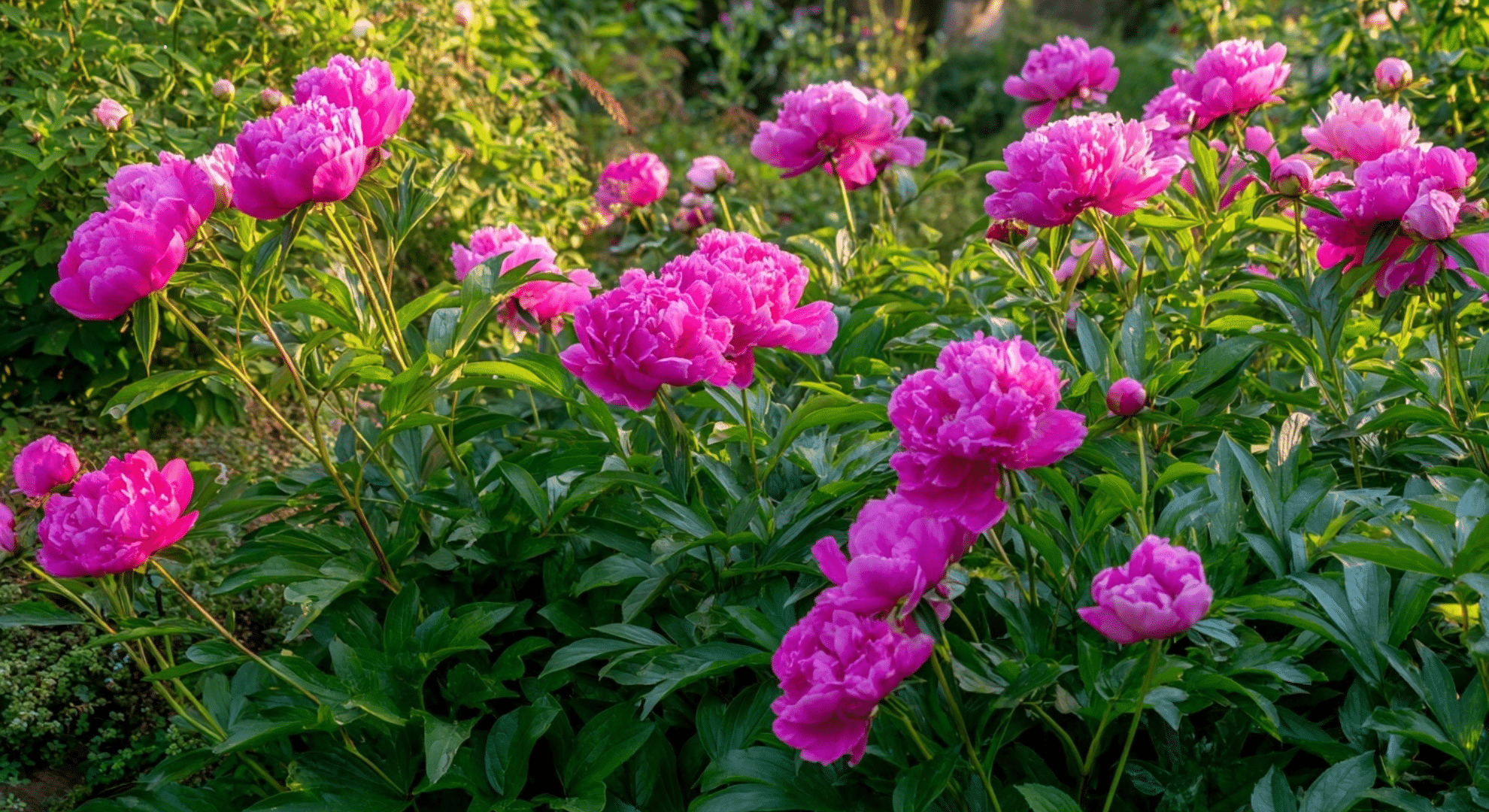
Peonies usually bloom in late spring to early summer, depending on where you live. For most gardens, that means May or early June.
In warmer areas, they might start blooming in late April, while in cooler zones, you might not see flowers until mid to late June.
This window shifts slightly every year because peonies are sensitive to the weather. A warmer spring can push them to bloom earlier, while a cold or rainy season can delay them.
That’s why it’s hard to pin down an exact week. You might see changes from one year to the next, even if your plants are healthy.
There’s also a difference between early, mid, and late bloomers. Some peony varieties bloom first, others peak in the middle of the season, and some hold out until the end.
Peak bloom refers to when most flowers are open at once. Early bloom means just a few buds are starting, and late bloom is when the last flowers are hanging on.
If you grow a mix of peony types, you can stretch the season a little longer. But even then, each plant will still only bloom for about a week or so before the flowers fade.
Factors That Affect the Blooming Period
The blooming period of peonies can change each year based on a few key things. These factors decide how early they bloom, how long they last, and how healthy the flowers look.
Here are the main things that affect blooming:
- Temperature: Warm springs speed up blooming, while cold ones slow it down
- Sunlight: Peonies need full sun to bloom well and on time
- Soil quality: Poor soil or bad drainage can stress the plant and delay blooms
- Type of peony: Different types bloom at different times in the season
- Age of the plant: Young peonies may take a few years to bloom regularly
Watching these factors can help you better predict your peony’s blooming time and make small changes to support a longer, healthier season.
When Are Peonies in Season Across Different Regions
When people ask when are peonies in season, they usually want to know when they’ll see blooms where they live. “In season” doesn’t mean a single date.
Instead, it’s the general window when peonies bloom in your area. That window depends a lot on your location, not the calendar.
Peony season starts in the south and slowly moves north as temperatures warm up.
Here’s a simple breakdown of bloom timing by region:
- Southern regions (zones 7–8): Late April to early May
- Mid-range climates (zones 5–6): Mid to late May
- Northern and cold zones (zones 3–4): Early to mid-June
This northward shift happens each spring. Warmer areas heat up faster, so peonies bloom earlier. Cooler climates take longer to warm, so blooms arrive later.
If you move from one region to another, your peonies won’t bloom at the same time. Even gardens just a few zones apart can have bloom times weeks apart.
That’s why it helps to focus more on your local climate than the date. Watch your weather, learn your zone, and track when plants usually bud in your yard.
That way, you won’t miss the short season when peonies put on their show.
How Peony Type Affects Bloom Timing
Not all peonies bloom at the same time. The type you grow has a big impact on when you’ll see flowers. Some bloom early in the season, while others hold off until later.
Knowing what kind you have can help you better predict your bloom window and plan your garden:
Tree Peonies
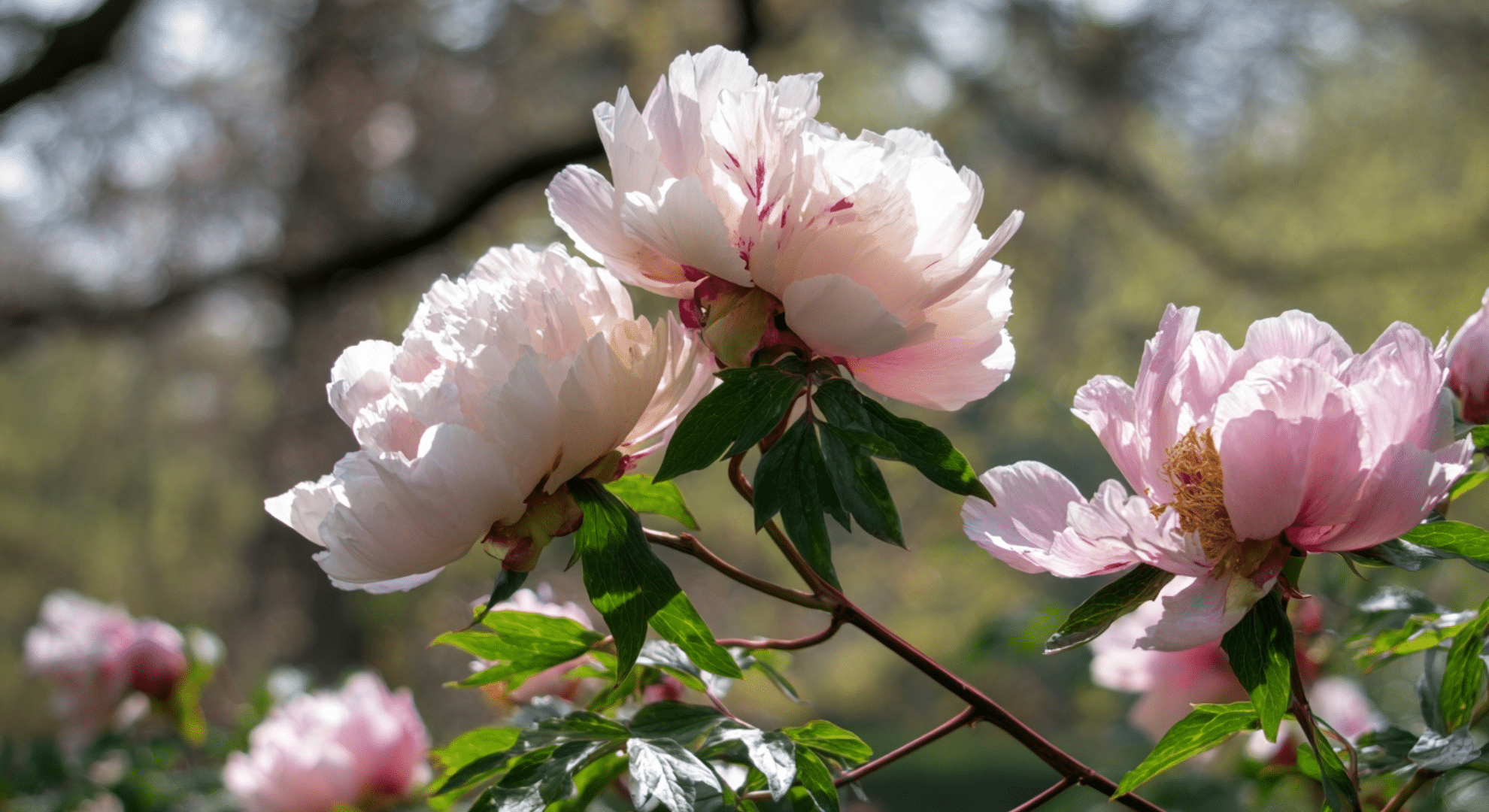
Tree peonies are the earliest bloomers. They often flower before other types, usually in late April to early May, depending on your climate.
These peonies grow on woody stems that stay above ground all year, unlike other types that die back.
Tree peonies are more sensitive to extreme weather, especially strong winds and sudden temperature changes.
But when they bloom, they tend to produce larger flowers and bloom earlier than herbaceous kinds.
Herbaceous Peonies
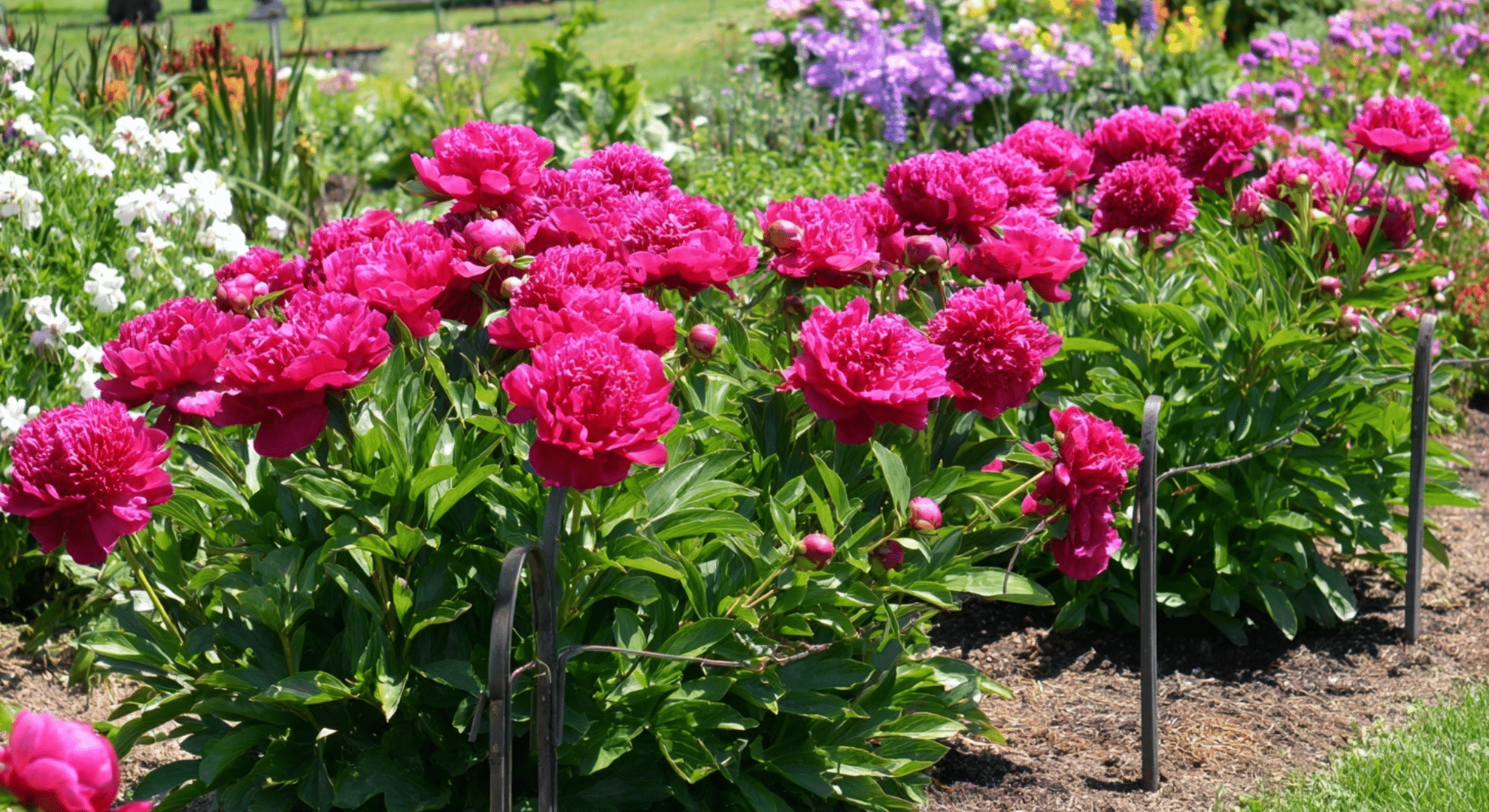
Herbaceous peonies are the most common type found in home gardens. They bloom in mid to late spring, often in May or early June, depending on where you live.
They die back to the ground each winter and come back each spring. These are what most people think of when they picture peonies.
Their bloom window is short, but they’re tough, reliable, and easy to grow.
Intersectional (Itoh) Peonies
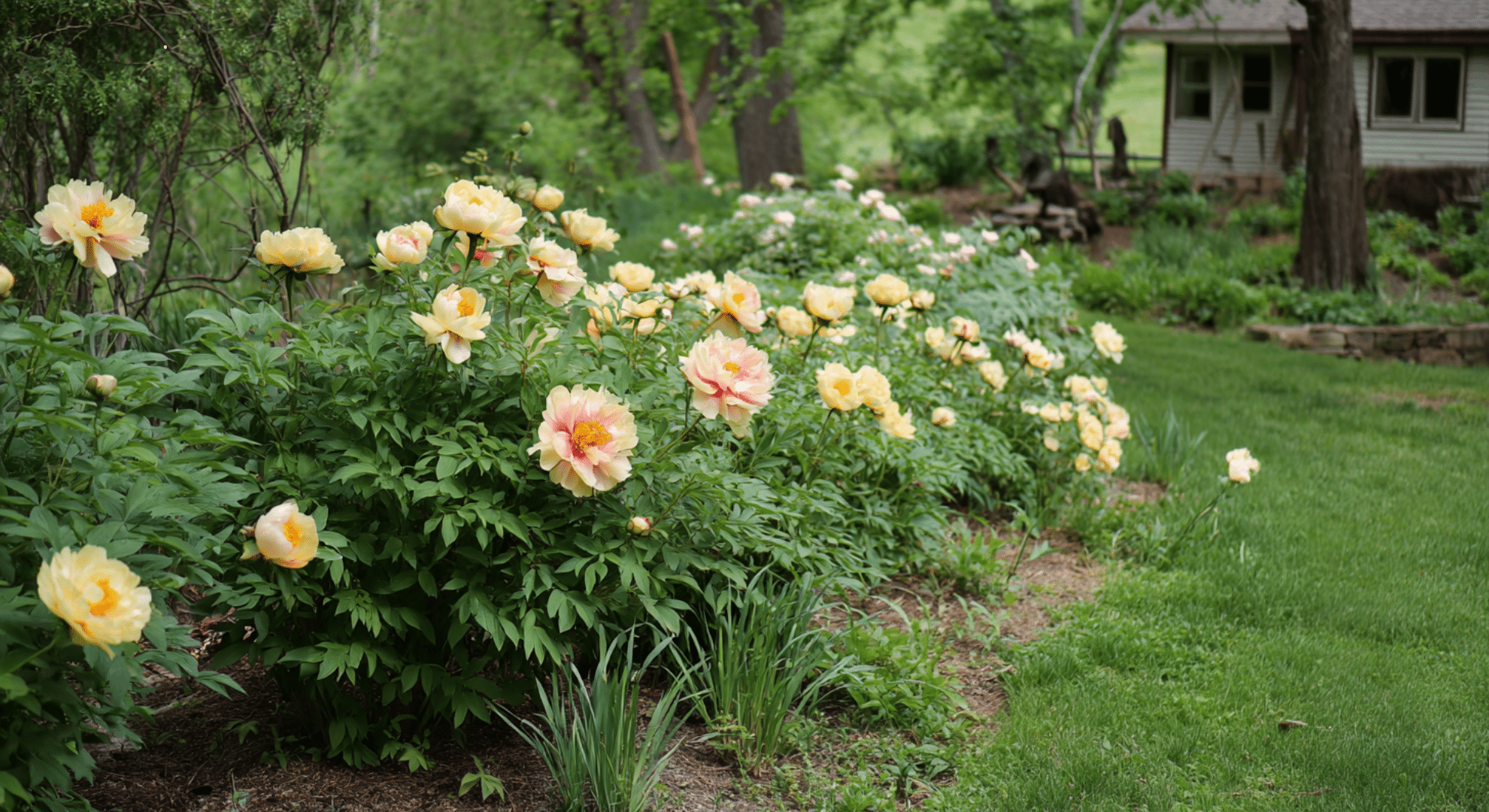
Intersectional peonies, also called Itoh peonies, are a cross between tree and herbaceous types. They have strong stems and large flowers like tree peonies, but they die back like herbaceous ones.
They often bloom in the middle to late part of the season, helping to fill the gap between early and late bloomers. If you plant them with other types, you can stretch your peony season by a few more weeks.
They’re a great choice if you want more color without changing your whole garden setup.
When Peonies Bloom After Planting

Peonies don’t bloom right away after planting. In year 1, most just focus on growing roots.
You might see leaves, but not flowers. In year 2, plants get stronger and fuller, but blooms are still rare. By year 3, most healthy peonies start blooming normally.
Patience is key. Peonies don’t like to be rushed, and once they’re settled, they’ll bloom for decades.
Some common mistakes can slow things down. Planting too deep, giving too much shade, or moving them too often can delay blooms for years. Peonies like sun, space, and steady soil.
Let them grow without too much fuss, and they’ll reward you when they’re ready.
Just because they’re not blooming yet doesn’t mean something’s wrong, they’re just getting ready.
How Long Does a Peony Bloom Last
Peony flowers don’t last long. Each individual bloom usually stays open for about 7 to 10 days. Once it opens fully, the petals start to drop within a week or so, especially if the weather is warm or windy.
A single peony plant can bloom for about 7 to 14 days, depending on how many buds it has and how quickly they open.
Some buds bloom all at once, while others open one by one, which can stretch the show a little longer.
In a garden with different types of peonies: early, mid, and late bloomers, you can get 3 to 4 weeks of total bloom time. But that full stretch depends on mild weather.
Peonies fade faster in hot or humid conditions. Heat speeds up the bloom cycle, which can shorten the entire show. Cooler days and gentle sunlight help the flowers last longer and keep their shape.
How to Extend the Blooming Season of Peonies

Peonies bloom for a short time, but you can make that season feel longer with smart planning. The most effective way is to choose a mix of early, mid, and late-season varieties.
Each one flowers at a slightly different time, which can stretch your blooming window by several weeks. Adding different types like tree peonies, herbaceous peonies, and Itoh peonies also helps spread the blooms across more days.
Here’s how to make the most of it:
- Plant early bloomers in the sunniest, warmest spots to encourage them to start first
- Mix peony types so their natural bloom times don’t overlap
- Give each plant space to grow and breathe, so nothing gets crowded or shaded
Fertilizer helps plant health, but it doesn’t affect bloom timing. The real trick is in variety and layout. With just a little planning, you can enjoy fresh blooms in your garden for much longer than a single week.
Common Reasons Peonies Don’t Bloom on Time
If your peonies aren’t blooming when expected, it’s usually not a serious problem. A few common issues can delay blooms or stop them altogether.
Here are some reasons to check:
- Too much shade: Peonies need at least 6 hours of sun each day
- Planted too deep: Eyes (buds) should be no more than 1–2 inches below the surface
- Too much nitrogen: This causes leafy growth but few or no flowers
- Cold spring weather: Slows growth and pushes bloom time back
- Late frost damage: Can harm buds before they open
- Young plant: May still be growing roots instead of blooming
- Recently moved: Transplanted peonies often skip blooming for a year or two
If your plant looks healthy, it’s often best to wait and give it time. But if it’s been a few seasons with no blooms, it may be time to adjust the care or location.
Conclusion
I’ve come to see that knowing when do peonies bloom isn’t just about dates, it’s about noticing what’s happening in the garden and learning from it each year.
My plants have taught me to be patient and pay attention.
Now it’s your turn to use what you’ve learned. Watch the weather, learn your zone, and pick the right mix of peonies to stretch the season. You don’t need to guess anymore.
One last thing: don’t worry if they’re a little late. Peonies bloom on their own time, and it’s always worth the wait.
Want to keep growing your garden know-how? Browse other blogs on the website for clearer tips made just for you!