
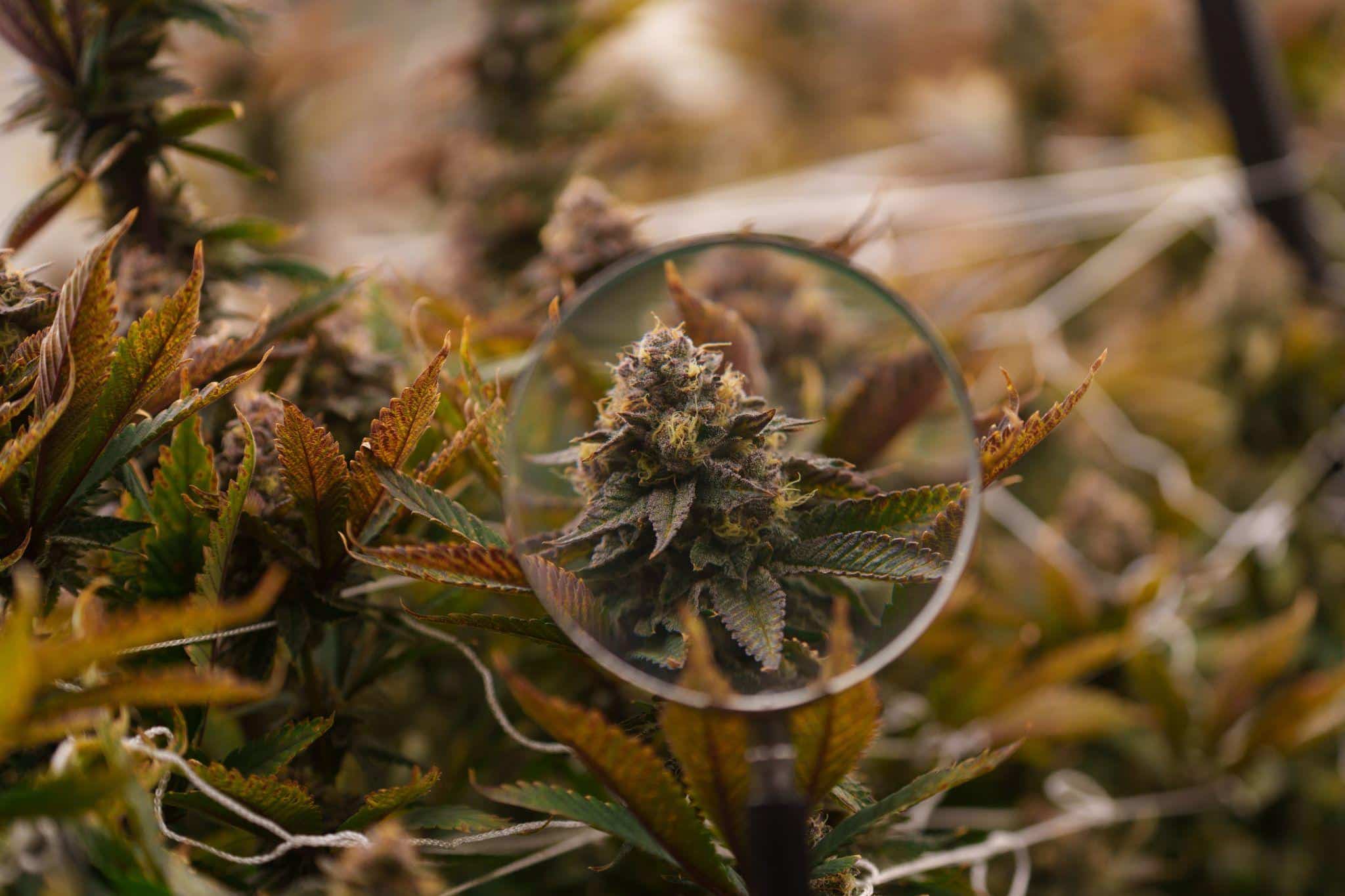
For hobby gardeners, there are some plants that are guaranteed to provide great opportunities for hands-on learning. Rosemary, for instance, is a great teacher in propagation via cuttings, and lettuce in the art of continuous, fast-paced harvesting.
But outside of these everyday garden plants, there are other surprising teachers waiting on the fringes of horticulture. And one of the most surprising has to be cannabis.
Whilst you might not think of cannabis cultivation as an educational pursuit, cannabis plants themselves boast a great mix of being easy to propagate, but also easy to optimise with the right methods in place.
For those looking to run experiments on the impact of grow set-ups, calculating variables across everything from lighting to soil nutrient and pH levels and even strategic plant trimming and training, there is so much to be observed from working with cannabis.
Here are just a few of the key lessons that can be learned when dabbling with cannabis cultivation.
Plant Anatomy and Reproduction
Cannabis can be propagated via both sexual and asexual reproduction. This means that you can propagate via planting cannabis seeds, or even by cutting stems off mother plants to clone ideal genetic material.
Cannabis plants also have an incredibly clear and easily understandable anatomy, making it a great beginner plant for budding botanists looking to learn how to differentiate between male and female plant anatomies.
Whilst cannabis seeds are typically feminized to ensure flower and bud production, even feminized seed bundles may deliver 5% male seeds as a margin of error.
So as you start growing and you notice that some of your cannabis plants may differ anatomically to your other plants, you can begin to study the differences between the male and female variants more closely.
Lighting and Photoperiodism
Cannabis plants can either be autoflowering or photoperiodic, which basically means that they can produce buds autonomously, or in direct response to light availability.
There are benefits to growing either of these two, with autoflowering plants being lower maintenance, but photoperiodic plants capable of producing far greater yields.
For hobby horticulturalists looking to experiment with grow lights and grow tents for combating external light pollution, investing in photoperiodic seeds can help you better understand light-dark cycles, and how they influence growing and blooming patterns.
Plant Training
Similarly to designing grow lighting set-ups, cannabis plants can also be easily strategically trimmed, pruned, and generally trained to further promote tailored growth.
You can trim cannabis plants in between light-dark cycles to trigger regrowth following a vegetative phase. You can also manipulate plant canopies to ensure that all buds receive equal light to better improve overall yields from the bottom up.
When practiced in tandem with strategic grow lighting, training cannabis plants via cutting or topping can be another ideal method for optimising yields as plants can heal or regrow across timed intervals.
This means that plants will have more time to recover, ensuring energy expenditure is optimised towards bud and flower development rather than stem growth.
So if you’re growing in a grow tent, for instance, plant training is undoubtedly going to be a big part of your cultivation strategy.
Climate Management
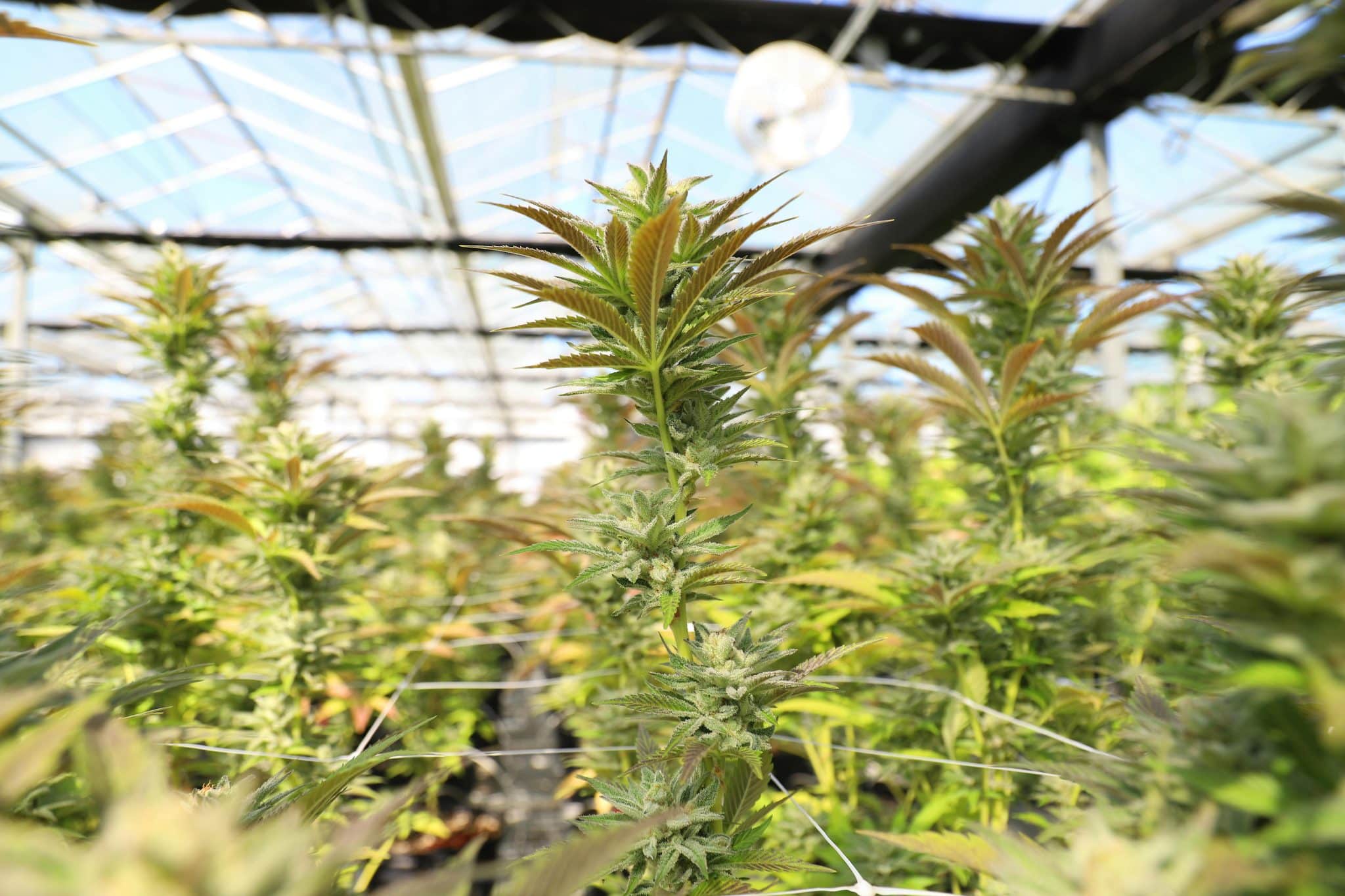
Whether you’re growing indoors via grow tents or a greenhouse set-up or even outdoors in a raised garden bed, climate control is a must for keeping growing conditions healthy and balanced for your cannabis plants.
The good news is that cannabis is generally hardy, so climate management isn’t overly complicated and can be embarked upon with a curious scientific approach rather than as a more intense ‘make or break’ endeavour.
For hobby horticulturalists, a good place to start is by managing temperature, humidity levels, airflows, and CO2 levels in your growing environment.
Using tools like moisture sensors and tubular heaters for managing growth conditions can not only aid in boosting plant growth, but can also provide great opportunities to observe climate impacts on plant growth in real time.
Nutrient Cycling
Cannabis is a fast-growing plant, even in seed propagation projects. As the plant grows so rapidly, consideration for macronutrients and micronutrients across all of its growing phases can naturally help support plant growth and yield stronger harvests once your plants mature.
Thankfully, photoperiod cannabis plants already grow in such controlled environments, so taking full charge over variables like soil nutrients, pH levels, and soil microbiology can be easy enough with the right tech, equipment, and strategies.
You don’t need to splurge majorly here either. Even just some pH strips and organic soil mixes with tailored micronutrient levels can be enough to get the very most out of your cannabis plants.
Managing organic soils naturally also teaches you a lot about beneficial bacteria and the importance of the soil food web.
And of course, with so many variables affecting the health and physical attributes of your plants, there are so many signs that can be observed across different nutrient balances.
You’ll learn to read plant leaves for specific nutrient deficiencies or toxicities, and learn how different pH levels impact the health and growth of your plants.
Hone your Green Thumb with Cannabis Cultivation
It’s clear to see that cannabis cultivation really is a veritable masterclass in applied horticulture and environmental science.
Teachings and techniques across all the areas of study we’ve highlighted above can be easily transferred to a wide variety of other gardening and horticultural projects, from managing a veggie patch to dabbling in grafting and cross-breeding fruit trees.
So regardless of where your green thumb takes you, be sure to consider embarking on a little cannabis grow project to equip you with a strong academic foundation in all things botany and horticulture.
Even if you’re just growing for scientific observations alone, the high yield of cannabis plants from seed packs provides plenty of seedlings for establishing control plants vs. test plants across all the many observation points we’ve touched upon today.
And if you’re just growing for fun or even as therapy, then you’ll find the low-maintenance nature of cannabis makes for a fantastic hobby gardening project in and of itself. Either way, your satisfaction as a gardener is all but guaranteed!