I used to think sprayed weed was just about pest control until I started caring for my own lawn.
Turns out, what is sprayed weed refers to weeds that have been treated with herbicide chemicals to kill or control their growth. These chemicals work by either targeting the weed’s leaves, roots, or entire system to stop it from spreading.
You’ll notice sprayed weeds start turning yellow or brown within days as the herbicide does its job. The process isn’t complicated, but knowing what happens after spraying makes all the difference.
You need to understand how these chemicals work, when to apply them, and what to expect during the die-off period.
Let me walk you through everything about sprayed weeds so you can handle your lawn issues the right way.
Why Weed Gets Sprayed
I’ve seen how quality control issues push some growers into bad decisions. Cannabis cultivation faces real challenges with mold, pests, and low yields that eat into profits.
When crops don’t meet standards, some sellers spray chemicals to mask problems or increase weight artificially. It’s a shortcut that puts profits over safety.
You’re dealing with an unregulated market in many places. Without strict testing requirements, contaminated products slip through easily.
The practice hurts everyone. Honest growers lose business to cheaper, sprayed alternatives. You end up with a product that looks fine but carries hidden risks. Industry-wide, this creates trust issues.
Consumers can’t tell what’s safe, and legitimate businesses suffer from the reputation damage.
Financial pressure drives most spraying decisions. Growers facing crop failure or low potency see spraying as damage control instead of accepting the loss.
You need to understand this context because it explains why sprayed weed exists despite obvious health concerns. It’s not always malicious, but it’s always dangerous for consumers.
What is Sprayed Weed?
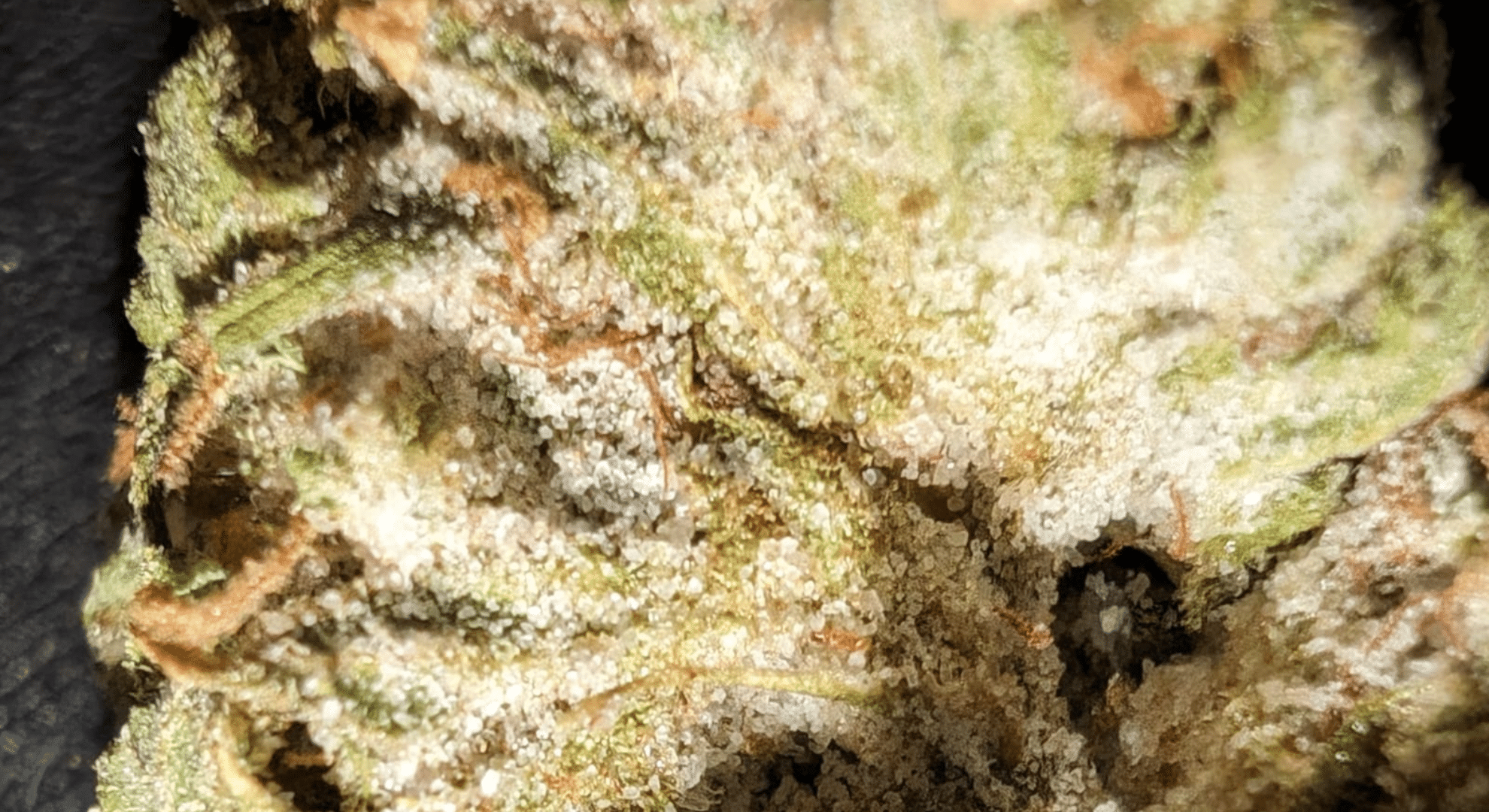
Sprayed weed is cannabis that’s been coated with foreign substances after harvest. These additives aren’t natural to the plant and serve one purpose: deception.
Common substances used include:
- Synthetic cannabinoids: Lab-made chemicals that mimic THC effects but are far more dangerous
- Sugar solutions: Added to increase weight and create artificial stickiness
- Glass particles or silica: Sprinkled on to fake the appearance of trichomes and potency
- Synthetic terpenes: Chemical fragrances that mask poor aroma or create fake strain profiles
- Hairspray or lacquer: Makes buds look shiny and resinous when they’re actually low quality
Each substance targets a specific quality marker you’d look for in good cannabis.
What they’re trying to enhance:
Glass and silica make buds sparkle under light, fooling you into thinking they’re covered in crystals. Sugar adds weight so sellers profit more per sale while making the texture feel sticky.
Synthetic terpenes cover up musty or bland smells from old or poorly cured weed. You smell diesel or citrus, but it’s just chemicals.
Synthetic cannabinoids are the most dangerous. They’re sprayed on weak weed to artificially boost potency, but they cause unpredictable and severe reactions.
I’ve seen how these additives change trash into something that looks premium at first look.
How to Identify Sprayed Weed
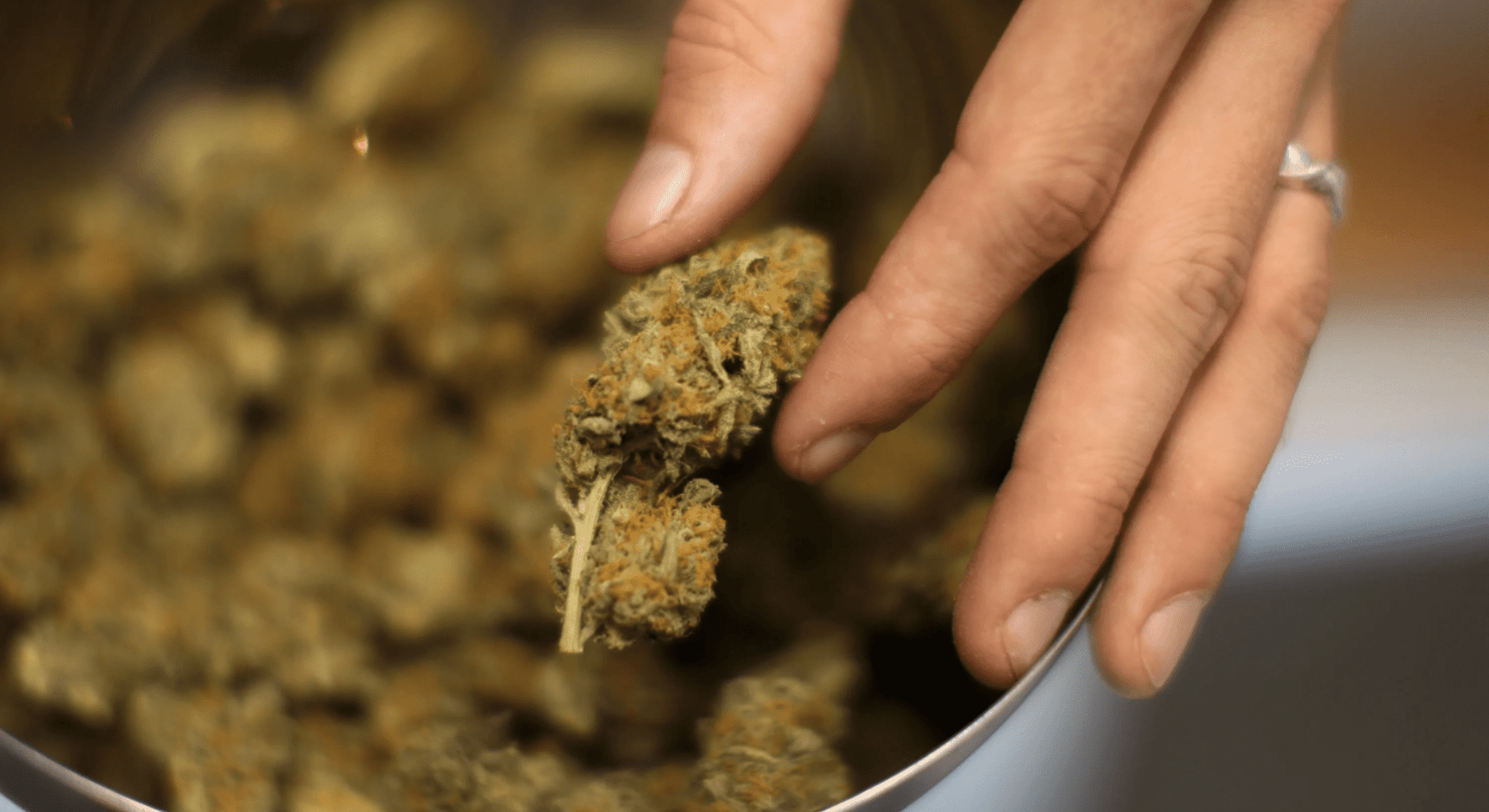
I’ve learned to spot sprayed weed through careful inspection before using anything. Your senses are the best detection tools you have.
Appearance Tells The First Story
Natural cannabis has a frosted look from trichomes, but sprayed weed often looks unnaturally wet or shiny. It’s like someone coated it in glaze. The shine comes from substances like sugar solutions or hairspray that create an artificial gloss.
You’ll notice the shimmer looks uniform instead of the natural sparkle of trichomes. Glass or silica particles make buds glitter excessively under light, almost like craft glitter was added.
Real trichomes have a mushroom-shaped structure you can see with magnification, but sprayed additives just sit on the surface.
Smell Reveals Chemical Tampering
Natural cannabis has earthy, piney, or citrus notes that smell organic and plant-based. Sprayed weed often smells like perfume, cleaning products, or artificial candy flavoring.
I’ve encountered buds that reeked of chemical sweetness that didn’t match any natural terpene profile. If it smells like air freshener or has a harsh chemical undertone, that’s a red flag.
The scent might also be suspiciously strong for how the bud looks otherwise.
The Texture Feels Wrong to Touch
Properly cured cannabis feels slightly sticky from resin but still breaks apart easily. Sprayed weed feels unnaturally sticky, like touching adhesive or wet glue. You’ll notice it’s harder to break apart by hand.
Some sprayed products feel excessively dense or hard, like they’re packed with something beyond plant material.
Your fingers might feel a residue or coating after handling it. Sugar-sprayed weed can feel gritty or leave a film on your hands.
Burning Behavior Shows Contamination
Clean cannabis burns evenly with smooth white or light gray ash. Sprayed weed crackles and pops when lit, which comes from additives combusting. You’ll see sparks fly off the cherry in some cases, especially with glass or silica contamination.
The ash turns black and hard instead of soft and gray. It might burn unevenly, with some parts refusing to stay lit. I’ve watched sprayed product create excess resin buildup in pipes or leave unusual residue.
Harsh Smoke Signals Danger
The moment you inhale sprayed weed, your throat knows something’s wrong. You’ll experience immediate burning or scratching sensations that go beyond normal cannabis harshness.
Coughing fits happen even with small hits. Headaches can start during or right after smoking. Some people report chest tightness or difficulty breathing. The high might feel off too, either too intense, too sedating, or just chemically strange.
Your body reacts to foreign substances it’s not meant to process.
Health Risks of Sprayed Weed: Why You Should Care

I can’t stress enough how dangerous sprayed weed is for your health. These aren’t minor side effects, they’re serious medical emergencies waiting to happen.
These lab-made chemicals bind to your brain’s cannabinoid receptors far stronger than natural THC. Medical reports from the CDC document severe reactions including rapid heart rate, seizures, and psychotic episodes.
Emergency rooms regularly treat people who thought they were smoking regular cannabis but ended up hospitalized.
Your lungs weren’t designed to filter glass particles or chemical sprays.
Glass and silica create lung damage similar to silicosis, according to pulmonary research. Sugar caramelizes when burned, creating sticky tar that coats your airways and restricts breathing.
Repeated exposure causes cumulative damage you can’t reverse. Studies in the Journal of Medical Toxicology link synthetic cannabinoids to kidney damage and cardiovascular problems.
You’re risking permanent harm to your respiratory system, heart, and brain function.
Real-Life Experiences: Forums and Community Insights

I’ve spent hours reading through cannabis community forums where users share their encounters with sprayed weed. These real stories reveal patterns that can help you stay safe.
On r/trees, multiple users have posted about mysterious headaches and throat burns after purchasing from new sources.
One thread discussed how someone’s weed sparked and crackled, leaving black residue that smelled like burnt plastic.
The r/uktrees community has been particularly vocal about glass-contaminated cannabis circulating in certain areas.
Users shared photos showing unusual crystalline structures that disappeared when rubbed, revealing the deception.
Forum members consistently recommend the water test for sugar contamination. You drop a small piece in water, and sugar-sprayed weed will dissolve particles that cloud the water or leave residue.
Grasscity forums emphasize buying from trusted sources only. Long-time users stress that if a deal seems too good, it’s probably compromised product.
On Quora, someone detailed their ER visit after smoking synthetic-laced weed, describing chest pains and panic attacks that lasted hours.
Another user on r/saplings shared how contaminated cannabis triggered persistent respiratory issues requiring medical treatment.
These stories teach one clear lesson: trust your instincts and never compromise on source quality.
How to Avoid Sprayed Weed
I’ve learned that prevention is your strongest defense against contaminated cannabis. You need a strategic sourcing approach.
1. Choose Trusted Sources Always
Licensed dispensaries operate under strict regulations that make spraying nearly impossible. They face regular inspections, testing requirements, and serious penalties for selling contaminated products. You’re buying from businesses with reputations and licenses on the line.
Street dealers have no accountability. There’s no oversight, no testing, and no recourse if something goes wrong. I know the price difference tempts people, but your health isn’t worth the savings.
Established dispensaries maintain relationships with reputable growers. They vet their suppliers and refuse questionable batches. You benefit from that quality control chain.
2. Look for Lab-Tested Products
Certificates of Analysis (COAs) are your safety guarantee. These documents show independent lab results testing for potency, pesticides, heavy metals, and contaminants. Legitimate products always have accessible COAs, either printed on packaging or available through QR codes.
The lab report breaks down cannabinoid percentages, terpene profiles, and contamination screening results. You’ll see if anything dangerous was detected during testing.
I always ask to see COAs before purchasing. If a dispensary can’t provide them or seems hesitant, I walk away immediately. No documentation means no accountability.
3. Know the Signs and Stay Vigilant
Even in legal markets, you should inspect your purchase. Check for that unnatural shine or excessive stickiness I mentioned earlier. Smell it carefully for chemical or perfume-like odors.
Ask budtenders questions about their testing protocols and supply chain. Knowledgeable staff will happily discuss their quality control measures.
Trust your gut instincts. If something feels off about the product, source, or price, don’t buy it. You can always find another option.
Sprayed Weed vs. Other Cannabis Types: Understanding the Differences
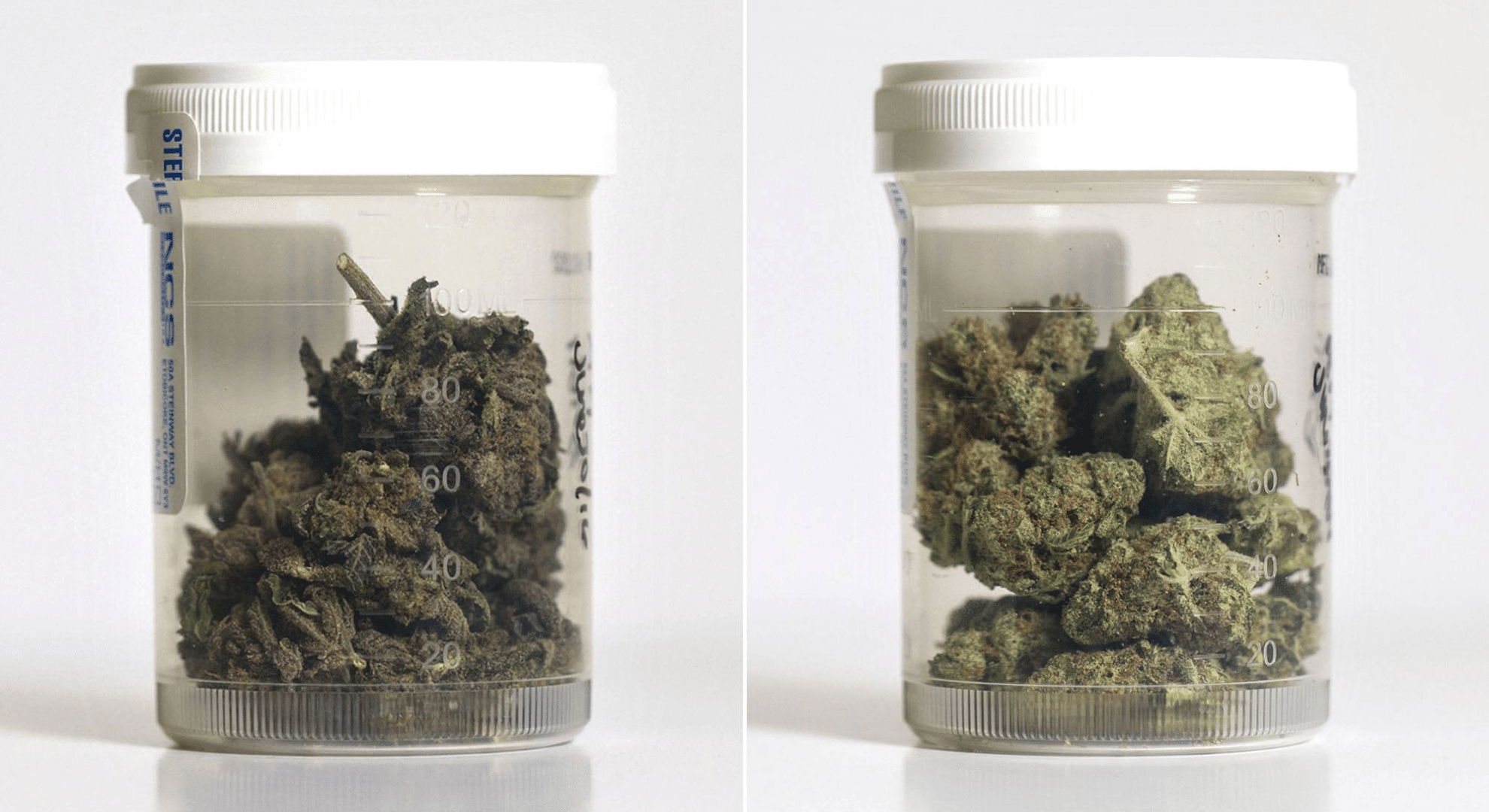
I’ve compared sprayed weed against legitimate cannabis types to show you exactly what sets them apart. These differences can protect you from making dangerous purchases:
| Feature | Sprayed Weed | Organic Cannabis | Hydroponically Grown | Dispensary-Grade |
|---|---|---|---|---|
| Appearance | Unnaturally shiny, wet look, excessive glitter | Natural frosted look from trichomes | Clean, vibrant, well-structured buds | Consistent, properly trimmed, natural shimmer |
| Smell | Chemical, perfume-like, artificial candy | Earthy, piney, citrus, organic plant aroma | Fresh, strain-specific terpene profiles | Strong natural terpenes, no chemical notes |
| Texture | Sticky like glue, gritty, hard to break | Slightly sticky, breaks apart easily | Fluffy or dense depending on strain | Proper moisture, easy to handle |
| Burning | Crackles, pops, black ash, sparks | Smooth burn, white/gray ash | Even burn, clean ash | Consistent burn, light-colored ash |
| Health Safety | Dangerous additives, toxic when smoked | No additives, minimal pesticides | Controlled environment, clean growing | Lab-tested, certified contaminant-free |
| Source | Unregulated dealers, questionable suppliers | Trusted growers, craft cultivators | Professional grow operations | Licensed dispensaries only |
| Testing | None, no quality control | Sometimes tested by grower | Often tested for quality | Always third-party lab tested with COAs |
The table makes it clear that sprayed weed fails every quality and safety measure.
You deserve cannabis that’s been grown, cured, and tested properly, not products masked with dangerous chemicals.
What to Do If You Accidentally Consume Sprayed Weed
I know panic sets in when you realize you’ve consumed something contaminated. Stay calm and follow these steps immediately.
1. Monitor symptoms and seek help
Watch for warning signs like rapid heartbeat, chest pain, difficulty breathing, or severe confusion. These need immediate medical attention. Don’t hesitate to call emergency services and tell them you suspect contaminated cannabis. Your health matters more than embarrassment.
Drink plenty of water and rest in a safe environment. Have someone monitor you if your symptoms concern you.
2. Report and document everything
Contact the dispensary or source immediately if symptoms occur. File complaints with your state’s cannabis regulatory agency through their health department website.
Take photos of the product, save receipts, and document your symptoms with timestamps. Share your experience on forums like r/trees to warn others.
Learn from this and only buy lab-tested products going forward. Your safety isn’t worth any discount.
This content is for informational purposes only and does not constitute medical or legal advice. Cannabis laws vary by location. Consult healthcare professionals for medical concerns and verify local regulations before purchasing or consuming cannabis products.
Wrapping It Up
I’ve walked you through everything about what is sprayed weed because your safety matters more than any high.
These contaminated products hide serious dangers behind artificial appearances, and knowing the warning signs protects you from life-threatening exposure.
You now understand how to spot sprayed cannabis through appearance, smell, texture, and burning behavior.
You know why licensed dispensaries and lab-tested products are non-negotiable. Your health depends on making informed choices about what you consume.
The difference between contaminated and clean cannabis isn’t just quality, it’s your respiratory health, cardiovascular function, and overall wellbeing.
Source matters. Testing matters. Your vigilance matters.
Check out other blogs for more guidance on cannabis safety, identifying quality products, and understanding what you’re really consuming. Keep yourself informed and protected!