A warm bath at the end of a hard day can feel like pure relief. But not every tub gives you that deep, cozy soak you crave.
So what is a soaking tub, and why do so many people want one? I used to think all tubs felt about the same. Then I sat in a deeper one, and my whole body relaxed.
It is not about looks or size alone. It is about the kind of soak it gives your body. Some tubs leave you feeling only half relaxed. Others let you sink in fully and let go of the day.
A good soak should never feel rushed.
What Is a Soaking Tub?
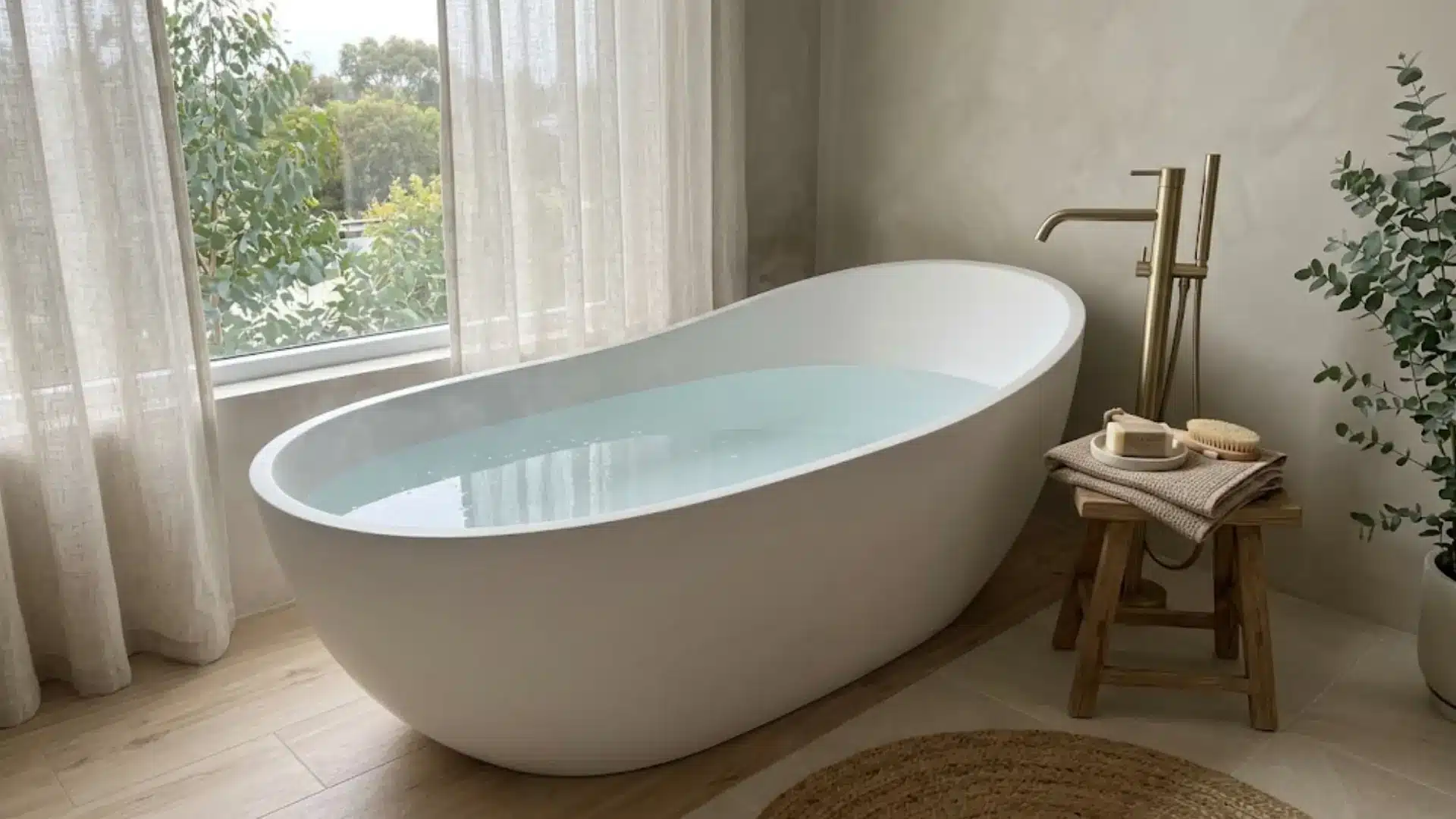
A soaking tub is a deep bathtub built for full-body relaxation, not quick showers. The extra depth lets bathers sit with water covering their shoulders and chest.
Standard tubs only cover the legs and hips, so a soaking tub gives a deeper, more complete soak. This style suits anyone who wants a slower bath routine at the end of a long day.
The term “soaking tub” doesn’t refer to one shape or size. It can be round, oval, or rectangular, and made from stone, acrylic, or wood.
What matters most is the depth, not the outline. Any tub built for deep soaking can carry this name.
Features That Define a Soaking Tub
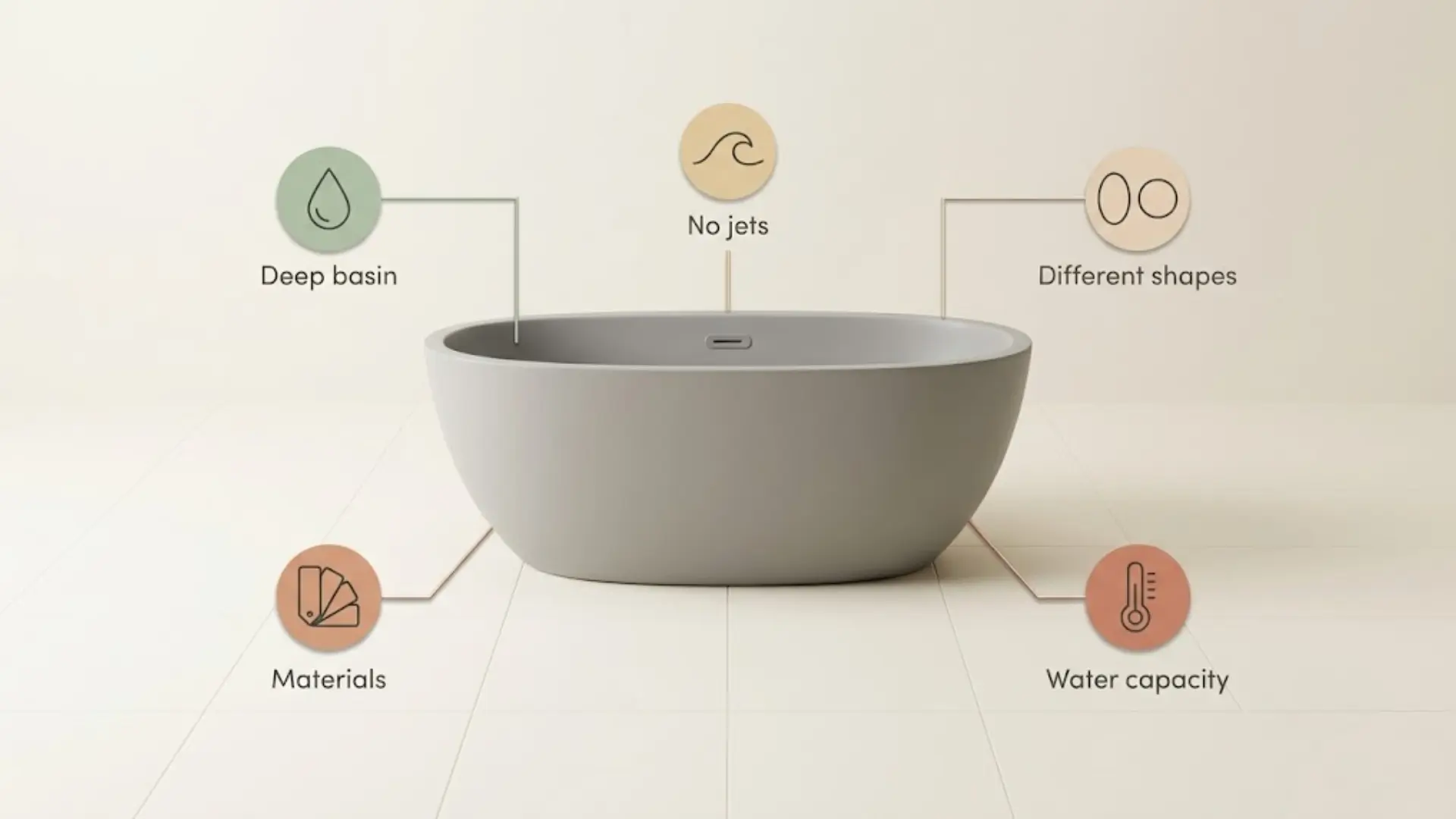
I have found that soaking tubs share a few traits that set them apart from regular bathtubs. Here are the main features I always look for before choosing one:
1. Deep Basin
A soaking tub has a deeper basin than most standard bathtubs. This added depth lets water rise above the waist or chest.
More of the body stays covered, which helps with warmth and comfort. Standard tubs often leave the upper body exposed to cool air.
A deep basin keeps bathers warmer for longer. This one feature sets soaking tubs apart from regular models found in many homes.
2. Comfort-Focused Design
Many soaking tubs include sloped backs that support the neck and shoulders. Contoured interiors follow the shape of the body for better comfort.
Some models add armrests for extra support during longer baths. Built-in seating is common in larger designs. These features work together to make each soak feel restful.
Comfort details vary by brand, but the goal stays the same: a relaxed, supported bath.
3. No Jets Required
Traditional soaking tubs skip powered jets found in whirlpool models. Instead, relaxation comes from deep water and body positioning. This keeps the tub quiet and simple to use.
No motors, pumps, or extra parts need maintenance. Bathers rely on water depth and warmth for comfort. This basic design appeals to people who want a calm, low-maintenance bathing setup.
4. Different Shapes and Styles
Soaking tubs come in several shapes, including oval, rectangular, and round designs. Freestanding tubs stand alone and often become a bathroom’s focal point.
Alcove tubs fit three-wall spaces, saving room in smaller bathrooms. Small bathroom layouts suit alcove or Japanese-style tubs better than freestanding.
Each shape offers a different look and fit. I usually choose based on space, style, and bathing preference.
5. Variety of Materials
Soaking tubs come in several materials, each with its own feel. Acrylic is lightweight and holds heat well over time. Cast iron is heavy and known for its durability.
Stone resin gives a smooth, solid look with good heat retention. Fiberglass is budget-friendly and easy to install. Material choice affects price, weight, and how long the tub keeps water warm.
6. Higher Water Capacity
Because soaking tubs are deeper, they generally hold more water than standard tubs. This higher capacity supports full-body immersion.
More water also means better heat retention throughout the soak, something I always notice on colder nights.
Homeowners should check their water heater’s capacity before installing one. Larger tubs may need extra time to fill. This tradeoff is common for anyone choosing a deeper soaking design.
7. Compact and Full-Size Options
Soaking tubs come in a range of sizes to fit different bathrooms. Compact upright models save space in smaller rooms or apartments.
These designs still allow deep soaking despite their smaller footprint. Larger reclining tubs offer more room to stretch out fully.
Homeowners with bigger bathrooms often prefer these full-size options. Size choice depends on available space and personal bathing preferences.
8. Optional Modern Features
Some soaking tubs come with extra features. Overflow systems keep water from spilling onto the floor. Headrests support the neck during longer baths.
Built-in heaters keep the water warm without adding more. These features are optional and depend on brand and price. Homeowners can pick add-ons based on budget and comfort.
Common Types of Soaking Tubs
I have seen soaking tubs come in several styles, each suited to a different bathroom layout. Here is a quick look at the most common types I have come across:
| Type | Key Feature | Best Suited For | Space Needed |
|---|---|---|---|
| Freestanding | Stands alone as a visual focal point | Bathrooms that highlight the tub | Larger, open layouts |
| Japanese | Compact and deep, seated bathing | Small bathrooms | Minimal floor space |
| Alcove | Fits within a three-wall enclosure | Limited floor space | Existing three-wall nook |
| Drop-In | Installed within a built deck or surround | Custom, built-in look | Moderate, plus surround |
| Corner | Fits into a corner space | Awkward or unused corners | Corner space, compact |
Each type offers a different balance of space and style. Homeowners can pick the option that best fits their bathroom layout.
What Are the Downsides of Going With a Soaking Tub?
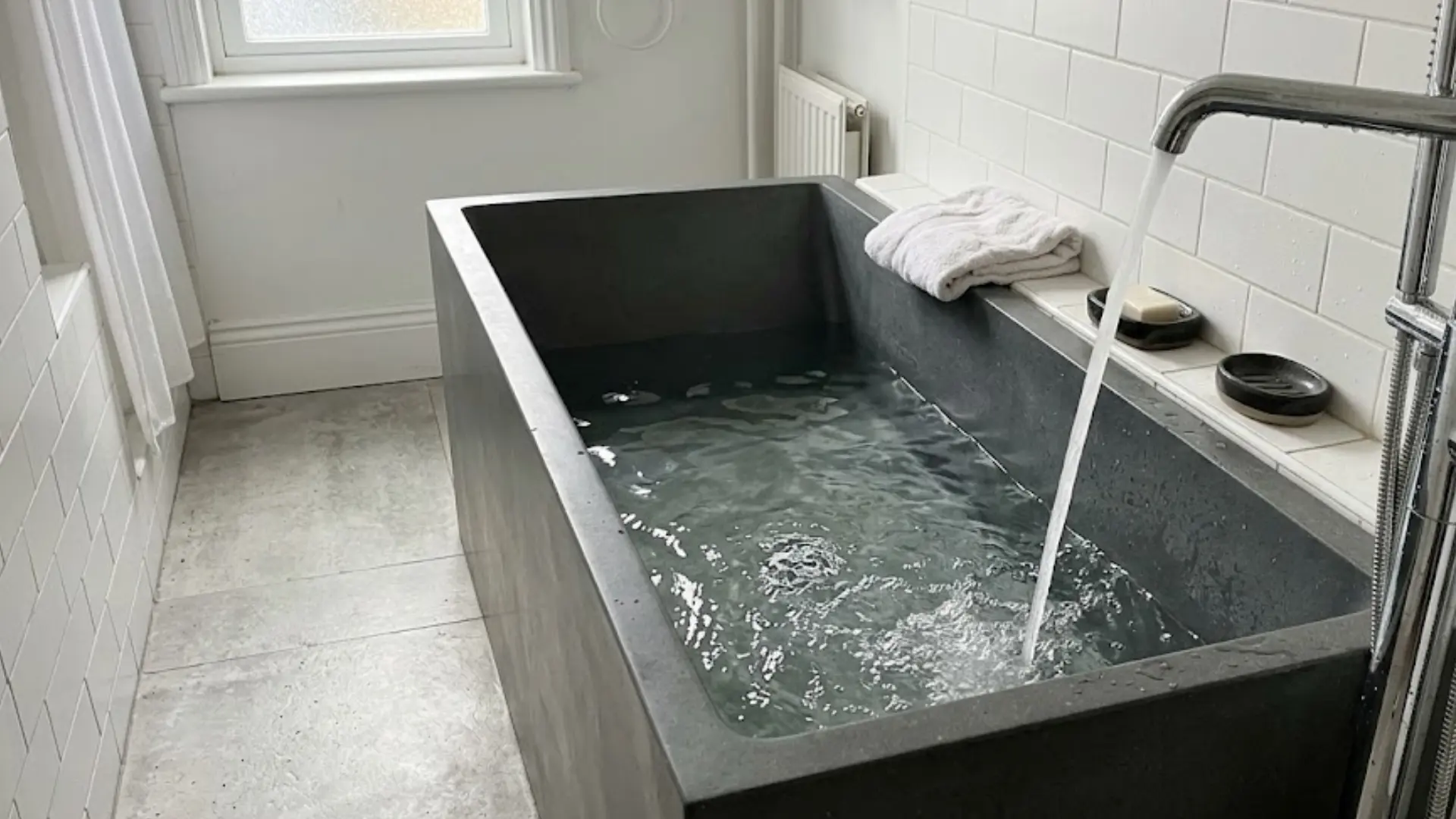
Soaking tubs come with a few downsides worth thinking about before buying one. Here are some common drawbacks to keep in mind:
- Soaking tubs use more water compared to standard bathtubs.
- Filling can take longer because of the tub’s larger size.
- Water heaters may work harder to keep up with the demand.
- Entry and exit can feel difficult for some users, especially with deeper tubs.
- Bigger or deeper models often need more bathroom space to fit properly.
Installation costs vary by tub size and design. If mobility becomes a concern, some consider shower conversion projects instead.
How Much Does a Soaking Tub Cost?
Soaking tub prices depend on several factors, not a single fixed number. Material, size, and brand all affect the final price.
A freestanding tub usually costs more than a built-in model because it requires extra plumbing work. New faucets, floor reinforcement, and removing the old tub can add to the total.
Labor and custom surrounds also affect final pricing. A 2026 report from Remodeling Expense notes that a soaking tub costs between $1,500 and $7,500 installed.
Most projects land in the middle of that range when plumbing and floor support are already workable.
Note: These are general cost estimates only. Actual prices may vary based on location, materials, and project specifics.
Soaking Tub vs. Other Types of Bathtubs
Soaking tubs often get compared to other bathtub styles, though each one serves a slightly different purpose. Here is how they stack up against common alternatives:
| Tub Type | How It Compares to a Soaking Tub | Space Needed | Installation | Best For |
|---|---|---|---|---|
| Freestanding Tub | Describes placement, not depth; many soaking tubs are also freestanding | More open floor space | Higher cost, exposed plumbing | Standout design feature |
| Standard Alcove Tub | Shallower and more compact than most soaking tubs | Needs less space | Fits shower setups easily | Smaller bathrooms |
| Whirlpool Tub | Adds water jets instead of still, deep water | Similar, varies by model | Needs extra plumbing/wiring | Massage over quiet soaking |
| Air Tub | Uses gentle air bubbles instead of deep immersion | Similar space needs | Needs extra equipment | Gentle bubbles, low upkeep |
| Walk-In Tub | Built for easy access, not deep soaking | Extra clearance for door | Specialized sealing required | Safety and easy entry |
Every tub type brings something a little different to the table, whether it’s space, needs, or personal taste. Laying these options side by side is what finally helped me settle on the right one.
Frequently Asked Questions (FAQs)
How Long Should You Soak in a Soaking Tub?
Most people find 15 to 20 minutes long enough to relax without the water cooling off too much. A built-in heater or insulated material like acrylic or stone resin helps extend that window.
Is a Soaking Tub Hard to Clean?
Not really, though the deeper sides mean a bit more reaching. Acrylic and fiberglass wipe down easily, while stone and cast iron may need material-specific cleaners to avoid dulling the finish.
Can a Soaking Tub Fit in a Small Bathroom?
Yes. Compact upright models and Japanese-style tubs are built for smaller footprints, so a tight bathroom doesn’t rule out a deep soak.
The Bottom Line
Now you know what a soaking tub is and why people like it. It gives you deep water and a simple, comfortable setup. You do not need jets or extra parts to enjoy it.
A deep basin is all it takes. The difference is easy to feel once you try one. My old tub never gave me that same warm, full soak.
So, pick a shape that fits your bathroom and your budget. Check your space before you decide on a size. A soaking tub can be a nice upgrade for daily baths.
It gives you a longer, warmer soak than a standard tub. Share your favorite soaking tub style in the comments below.